10 Peaceful Florida Campgrounds Less Than 2 Hours From Orlando
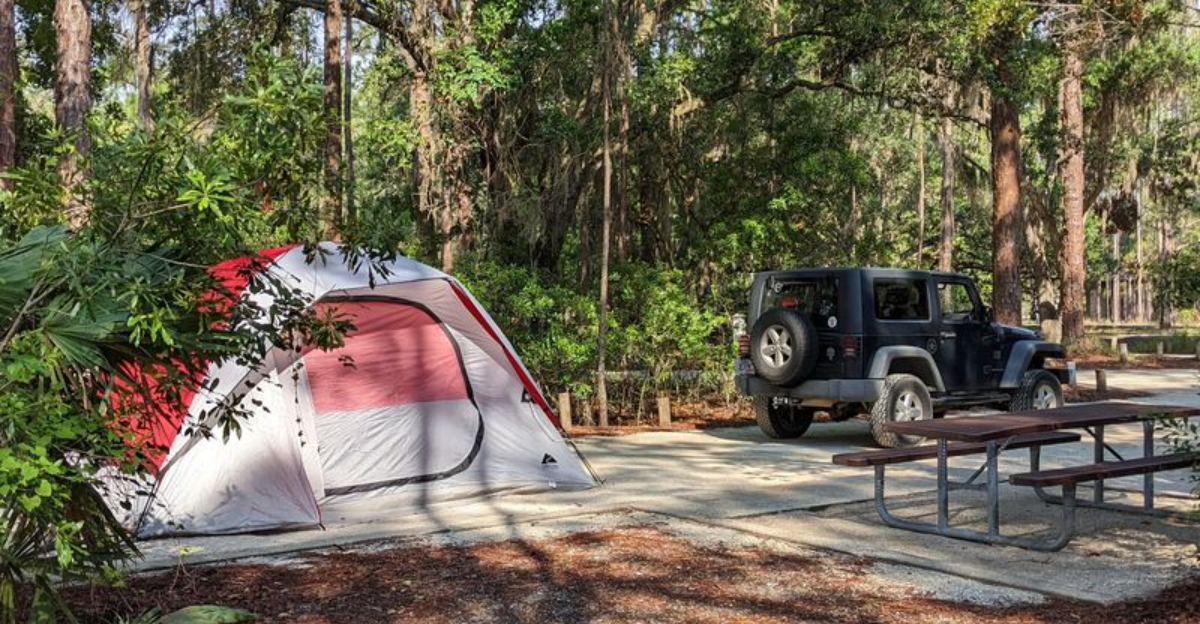
Orlando might be famous for theme parks and crowds, but some of the best camping in Central Florida hides just beyond the city limits. Within a two-hour drive, you can trade screaming roller coasters for quiet lakeshores, shaded hammocks, and spring-fed rivers. These ten campgrounds offer the kind of peace that makes you forget how close you actually are to civilization.
1. Moss Park (Orlando)
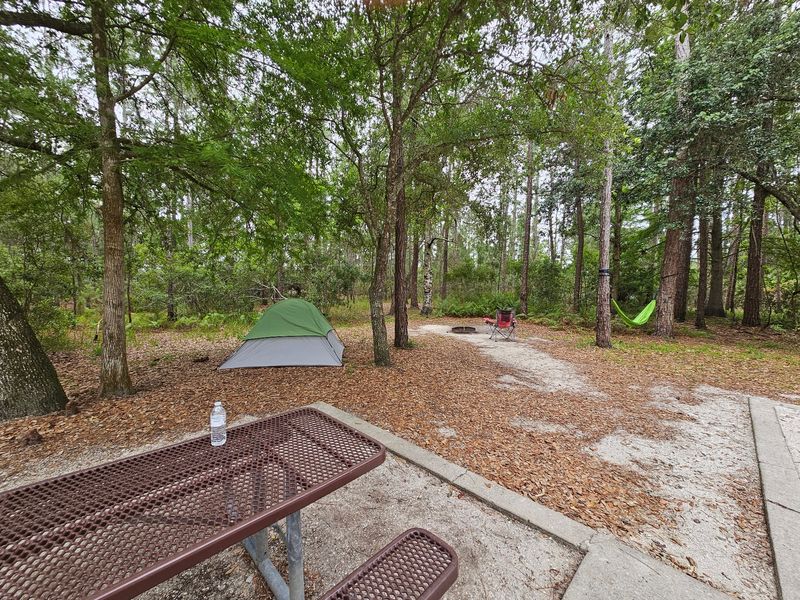
Just 30 minutes from downtown Orlando, Moss Park somehow manages to feel like a different world entirely. The 1,551-acre preserve wraps around Lakes Mary Jane and Hart, creating a buffer zone that keeps city noise at bay. Campsites nestle under tall pines, and the whole place has that old Florida vibe you don’t find everywhere anymore.
Both tent campers and RV travelers find spots here, and the facilities stay clean without feeling overly manicured. Kayakers love the calm waters, especially early morning when mist rises off the lake and wading birds hunt along the shoreline. Fishing can be surprisingly good if you know where to cast.
Wildlife sightings happen regularly here. Deer wander through at dawn and dusk, and if you’re patient near the water’s edge, you might spot an otter or two. The park’s size means you can hike or bike for hours without retracing your steps.
Weekend campers appreciate how quickly they can escape the city without sacrificing a full day to travel. Families with younger kids find the calm lake perfect for first kayaking adventures, and the trails stay gentle enough for little legs. For anyone needing a quick reset without a major road trip, Moss Park delivers exactly what you need.
2. Kelly Park – Rock Springs (Apopka)
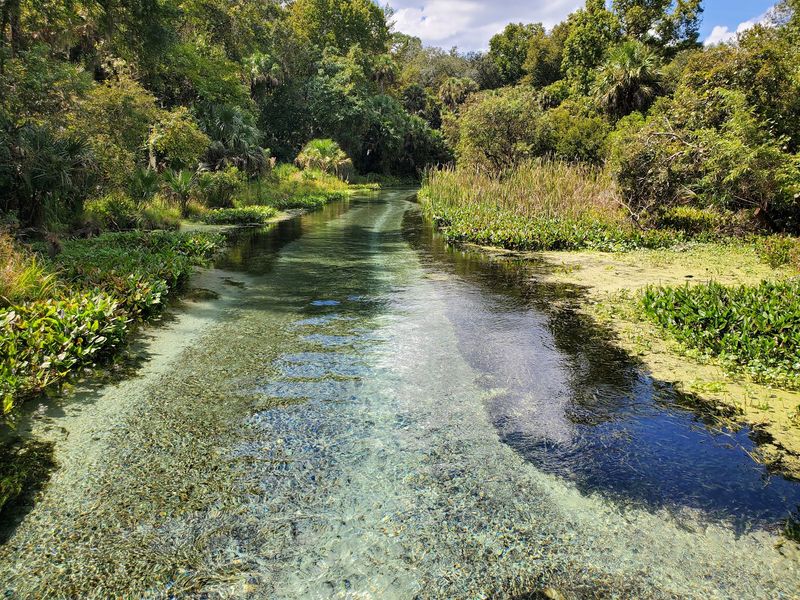
Rock Springs Run might be one of the prettiest stretches of water in Central Florida, and Kelly Park puts you right beside it. About 35 to 40 minutes from Orlando, this park attracts day-trippers by the hundreds during summer weekends, but campers get a completely different experience once those crowds clear out. The spring stays a constant 68 degrees year-round, which feels shockingly cold in summer and surprisingly pleasant in winter.
Tent and RV sites both exist here, positioned away from the main day-use area where tubers launch. Mornings belong to campers, and walking down to an empty spring before the gates open feels like a secret privilege. The water stays so clear you can count rocks on the bottom from twenty feet up.
Paddlers can launch kayaks or canoes for longer trips down Rock Springs Run into the Wekiva River system. The current moves you along at a relaxed pace, and cypress trees arch overhead in cathedral-like formations. Bring a waterproof bag because you’ll want your camera.
Weekday camping offers the most peace here. Summer weekends turn the day-use area into a party, but by 6 PM, tranquility returns. Spring and fall hit that sweet spot where temperatures stay comfortable and crowds thin out considerably.
3. Magnolia Park (Apopka)
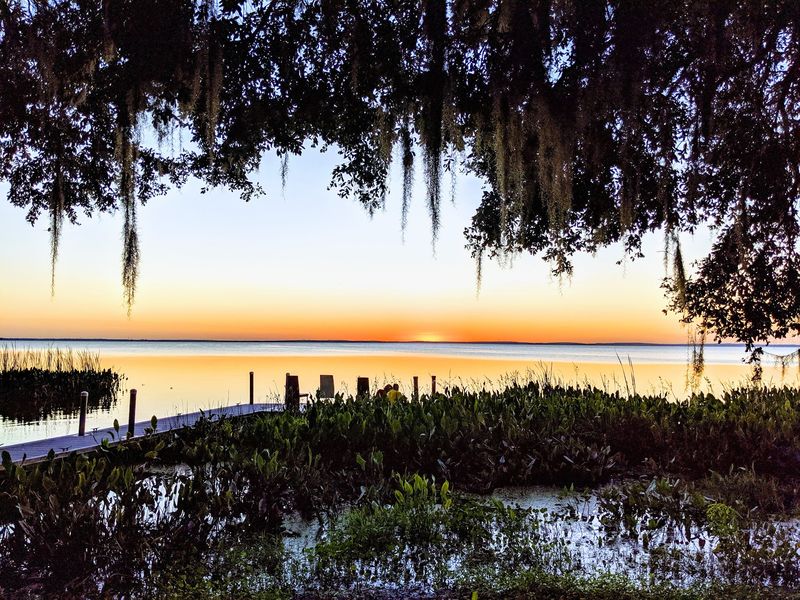
Perched on Lake Apopka’s shore, Magnolia Park caters to campers who prioritize sunsets and bird activity over swimming and springs. The lake stretches wide here, and evening light turns the water into liquid gold. Photographers camp here specifically for those magic-hour shots, and they’re rarely disappointed.
Road construction currently affects South Binion Road, but the campground itself remains open and operational. Once you navigate past the construction zone, the park rewards you with peaceful lakeside sites and surprisingly good facilities. Both tent and RV options exist, though RV campers claim most of the prime waterfront spots.
Lake Apopka has transformed dramatically over the past two decades from ecological disaster to birding hotspot. The restoration efforts brought back incredible numbers of wading birds, raptors, and waterfowl. Bring binoculars because you’ll see species you won’t find elsewhere in Central Florida.
Early mornings produce the best wildlife viewing, especially during migration seasons.
Trails wind through the park, offering easy walks suitable for all fitness levels. The flat terrain makes this an accessible option for families with strollers or campers with mobility considerations. Fishing remains popular here, though catch-and-release is strongly encouraged to protect the recovering ecosystem.
The quieter atmosphere attracts campers seeking genuine relaxation rather than high-energy recreation.
4. Lake Louisa State Park (Clermont)
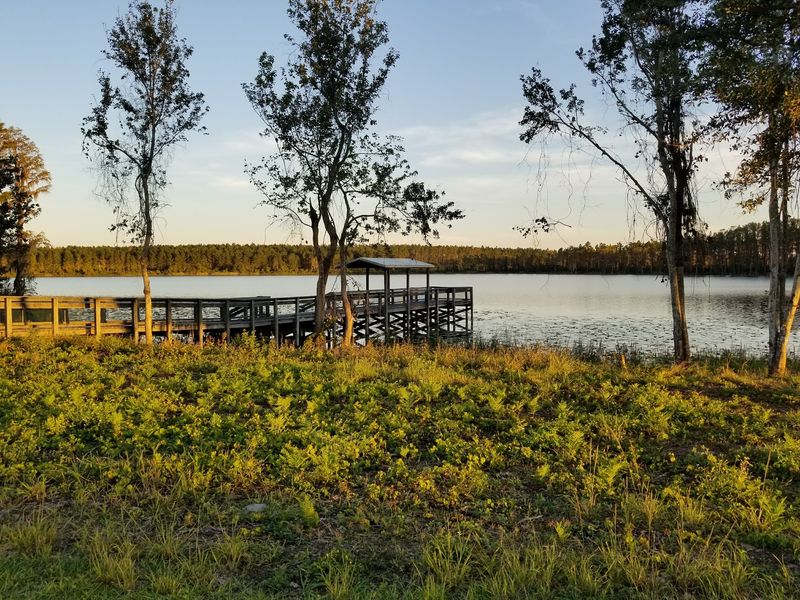
Only 40 to 50 minutes from Orlando, Lake Louisa feels considerably more remote than the drive time suggests. Rolling hills create actual elevation changes, which is practically exotic in Florida. Pine forests, hardwood hammocks, and multiple lakes give the park a diverse landscape that keeps things visually interesting.
This ranks as one of the strongest peaceful camping options near Orlando.
The campground offers spacious sites with good separation between neighbors. You won’t hear every conversation from the next campsite over, which alone makes this place special. Facilities stay well-maintained, and the whole operation runs smoothly without feeling corporate or sterile.
Swimming in Lake Louisa is temporarily unavailable because water levels dropped too low, but camping remains fully operational. The hiking trails more than compensate for the swimming closure. Over 20 miles of trails wind through the park, ranging from easy lakeside strolls to more challenging backcountry routes.
Mountain bikers also love these trails, and equestrians can bring horses to designated areas.
Wildlife thrives here. Gopher tortoises waddle across paths, deer browse in clearings, and if you’re exceptionally lucky, you might glimpse a bobcat at dawn. Paddlers can explore the connected lakes by canoe or kayak, and fishing produces decent catches of bass and bluegill.
The park’s size and layout naturally disperse visitors, so even on busy weekends, you can find solitude.
5. Blue Spring State Park (Orange City)
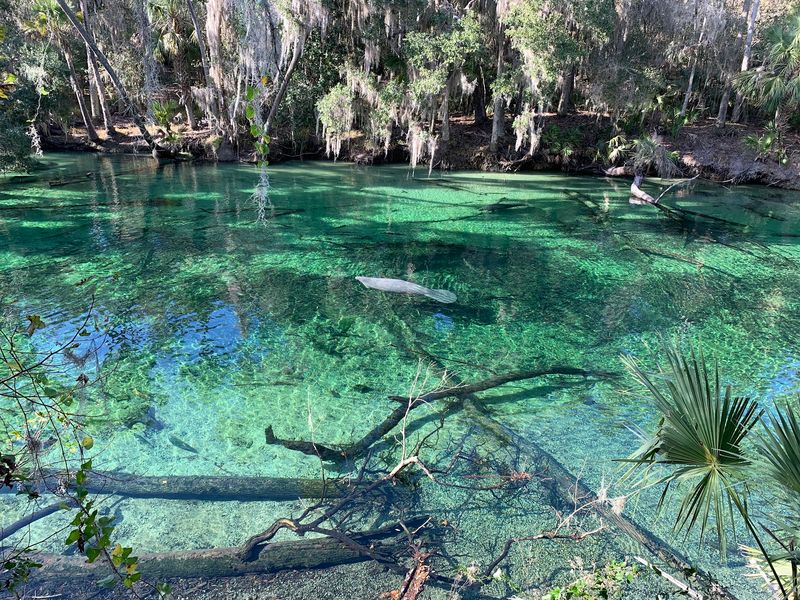
Blue Spring ranks among Florida’s most photographed natural features, and camping here puts you within walking distance of that legendary turquoise water. The spring pumps out 100 million gallons of 72-degree water daily, creating a winter refuge for manatees and a year-round destination for humans. About 50 to 60 minutes from Orlando, the park offers 51 campsites with water and electricity.
Recent changes require day visitors to make reservations, which actually benefits campers significantly. The new system prevents the overwhelming crowds that once made weekends feel chaotic. Campers still enjoy unrestricted access to the spring area during their stay, giving you opportunities to experience the spring at quieter times.
The campground sits under sand pines, providing dappled shade that keeps things cooler without blocking all sunlight. Sites stay relatively close together, so this isn’t the most secluded camping experience on this list. However, the trade-off is having Blue Spring practically in your backyard.
Winter camping offers the best manatee viewing, with dozens of these gentle giants congregating in the warm spring water when river temperatures drop.
Paddling the St. Johns River from the park offers excellent exploration opportunities. The river moves slowly here, making it perfect for casual paddlers. Fishing, hiking, and wildlife watching round out the activities.
The park’s popularity means reservations book up quickly, especially for winter weekends during peak manatee season.
6. Lake Griffin State Park (Fruitland Park)
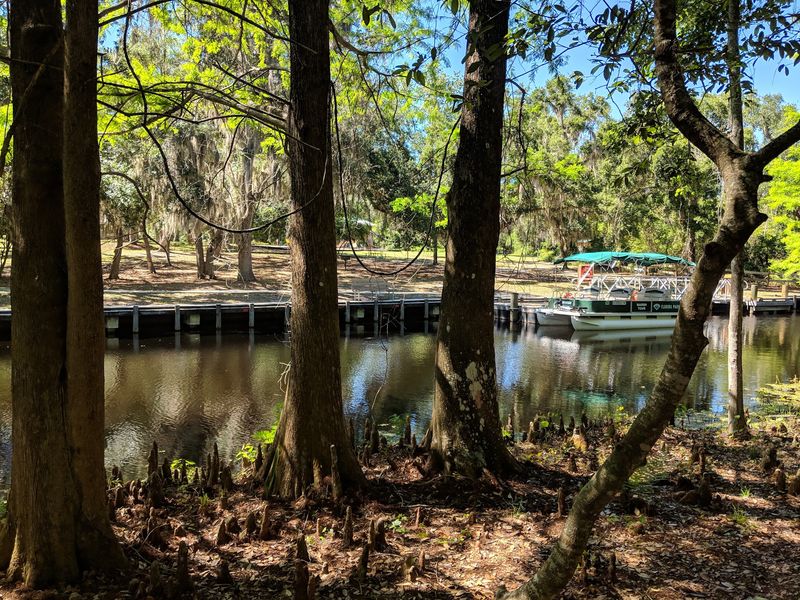
About an hour from Orlando, Lake Griffin State Park operates on a smaller, quieter scale than some of its more famous neighbors. The 40-site campground emphasizes quality over quantity, with most sites benefiting from mature shade trees and good natural buffers between neighbors. Oak trees dominate here, creating that classic Old Florida atmosphere with Spanish moss swaying overhead.
Lake Griffin itself attracts serious anglers who chase bass, crappie, and catfish. The lake doesn’t get the same recreational boating pressure as some Central Florida waters, which keeps things calmer for paddlers and wildlife. Bring a kayak or canoe and explore the shoreline at your own pace.
Bird activity stays consistently high, especially near the marshy areas where wading birds hunt.
The park’s trails won’t challenge serious hikers, but they offer pleasant walks through varied habitats. Families with younger children find the easy terrain perfect for introducing kids to trail exploration. Interpretive signs along the way teach visitors about the local ecosystem without being preachy or boring.
This park works beautifully for campers seeking a slower, more contemplative weekend. You won’t find thrill rides or constant entertainment here, just lakes, trees, birds, and peace. The smaller size means the campground rarely feels crowded, even when technically full.
Weekdays offer even more solitude, and fall through spring provides the most comfortable temperatures for camping.
7. Clearwater Lake Recreation (Paisley)
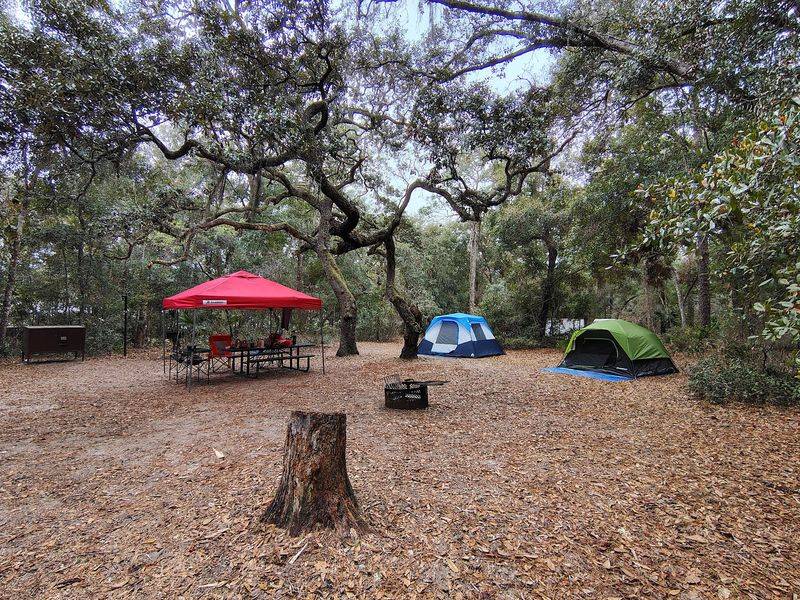
Tucked along the southeastern edge of Ocala National Forest, Clearwater Lake Recreation Area might deliver the truest peace-and-quiet experience on this entire list. About an hour and ten minutes from Orlando, the campground sits far enough from major roads that traffic noise completely disappears. Thick forest surrounds Clearwater Lake, and several campsites position themselves right at the water’s edge.
The name fits perfectly because the lake really does maintain impressive clarity. Swimming feels refreshing without being spring-water shocking, and the sandy bottom stays clean and pleasant. Paddlers can explore the shoreline, though the lake isn’t huge, so expect a leisurely paddle rather than an all-day expedition.
Recreation.gov manages reservations here, and while most sites stay bookable, individual spots occasionally close for maintenance or other reasons. Checking availability before making firm plans prevents disappointment. The campground attracts a mix of tent campers and small RV users, though tight clearances and lack of hookups keep the massive motorhomes away, which helps maintain the rustic atmosphere.
Hiking trails connect to the broader Ocala National Forest trail system, opening up miles of exploration possibilities. Wildlife sightings happen regularly, including deer, wild turkeys, and occasionally black bears, though bear encounters remain rare. The remote location means you should bring everything you need because no convenience stores sit nearby.
Cell service can be spotty, which some campers consider a feature rather than a bug.
8. Alexander Springs Recreation Area (Altoona)
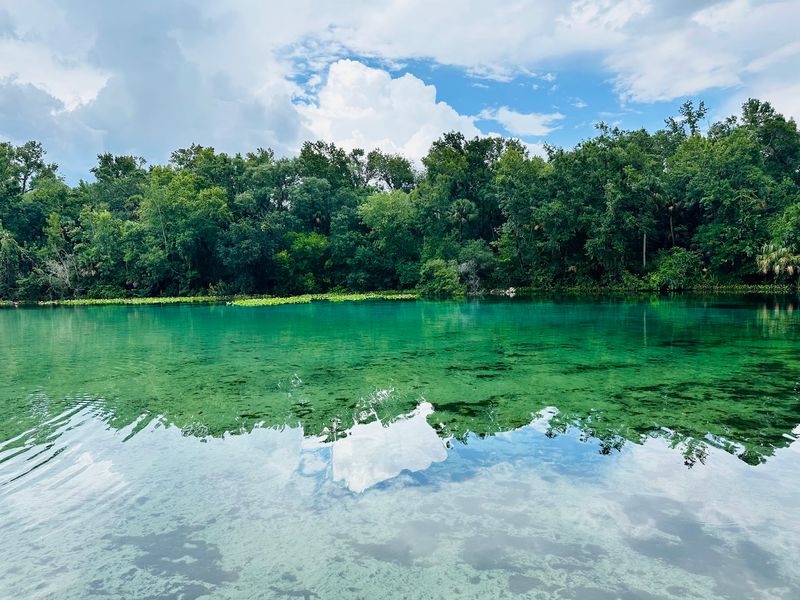
Waking up near Alexander Springs means starting your day with some of the clearest, most beautiful water in Florida. About an hour and 15 to 25 minutes from Orlando, this Ocala National Forest gem combines excellent camping with a genuinely spectacular natural spring. The water stays 72 degrees year-round, and visibility extends so far you can watch fish swimming from fifty feet away.
Four camping loops spread through the forest, offering shaded sites for tents and smaller RVs. Full hookups don’t exist here, which helps filter out the massive motorhomes and preserves the more primitive camping vibe. Sites sit close enough to the spring that you can walk there easily, but far enough that late-night spring visitors don’t disturb your sleep.
Swimming and snorkeling rank as the main attractions. The spring run flows into Alexander Creek, creating a perfect lazy paddle downstream through cypress-lined channels. Rent a canoe if you didn’t bring your own because the paddle is absolutely worth doing.
Underwater, the spring boils up from limestone fissures, creating mesmerizing patterns of sand and light.
Hiking trails loop through the surrounding forest, and wildlife viewing opportunities abound. Deer, otters, turtles, and countless bird species call this area home. The campground fills up on holiday weekends and during spring break, but midweek and off-season camping offers much more solitude.
Winter camping works surprisingly well here because the spring water actually feels warmer than the air temperature.
9. Juniper Springs Recreation Area (Silver Springs)
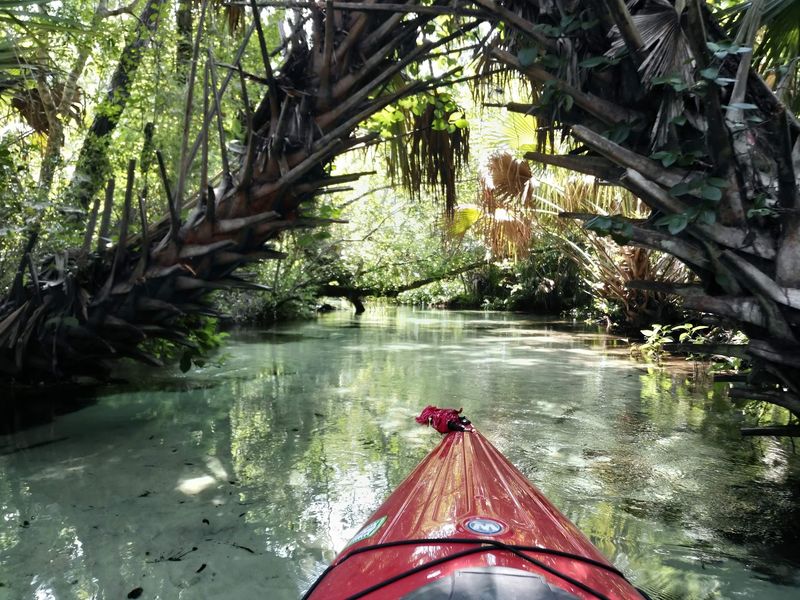
Juniper Springs creates an almost tropical atmosphere that feels nothing like typical Central Florida. About an hour and 25 to 35 minutes from Orlando, this Ocala National Forest campground sits deep in shade under palms, hardwoods, and thick understory vegetation. The whole area feels more like a jungle than a pine forest, and that unique character attracts campers seeking something different.
Three camping loops spread through the forest near the springs and Juniper Creek. No full hookups exist here, which the Forest Service maintains intentionally to preserve the rustic, back-to-nature experience. Sites accommodate tents and smaller RVs, though big rigs will struggle with the tight turns and lack of amenities.
The springs themselves stay beautifully clear and swimmable, though slightly cooler than some other Central Florida springs. Juniper Creek flows from the spring through a narrow, winding channel that creates one of Florida’s most scenic canoe runs. The seven-mile paddle to the Ocala National Forest boundary takes about four hours and passes through pristine wilderness.
Rental canoes are available if you need them.
Hiking trails connect to the extensive Ocala National Forest trail network. The Juniper Prairie Wilderness Area borders the recreation area, offering serious backpackers access to true backcountry camping. Day hikers find plenty of shorter options that don’t require wilderness permits.
The dense vegetation means wildlife stays somewhat hidden, but you’ll hear and occasionally glimpse deer, wild pigs, and numerous bird species throughout your stay.
10. Tomoka State Park (Ormond Beach)
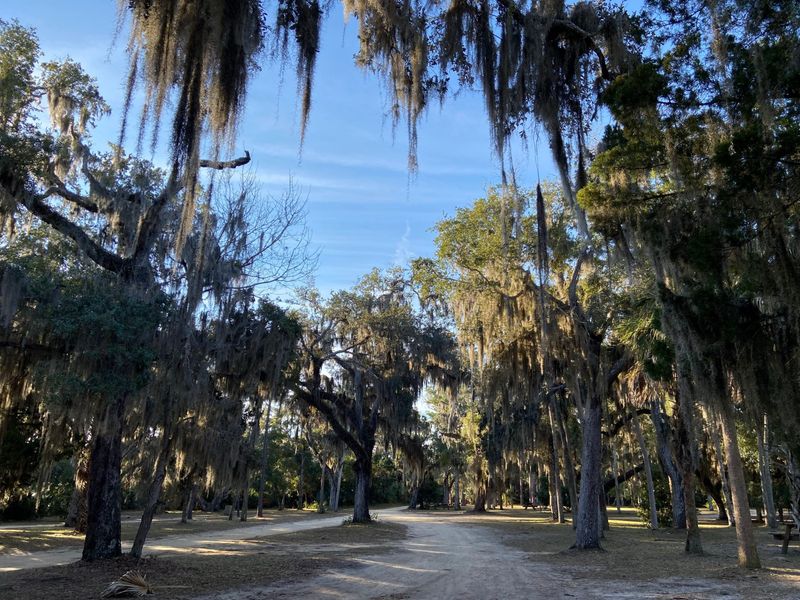
Ancient live oaks create a canopy so thick that Tomoka State Park’s campground feels surprisingly secluded despite sitting just an hour and 15 to 30 minutes from Orlando. The trees here have stood for centuries, growing massive trunks and spreading branches that host entire ecosystems of ferns, air plants, and Spanish moss. Dense hammock vegetation fills the spaces between oaks, creating natural privacy screens between campsites.
The Tomoka River defines this park’s character. The tidal river connects to the Halifax River and eventually the Atlantic Ocean, bringing brackish water, excellent fishing, and constantly changing water levels. Paddlers love exploring the winding channels and side creeks that branch off the main river.
Bring a fishing rod because redfish, trout, and flounder all inhabit these waters.
Birdwatching reaches exceptional levels here. The mix of coastal and inland habitats attracts an impressive species list, and the park’s location along the Atlantic Flyway means migration seasons bring even more variety. Sunrise and sunset both produce magical light on the river, and photographers regularly camp here specifically for those golden hours.
Florida State Parks currently lists camping as available, and the campground offers both tent and RV sites with varying amenity levels. The coastal location means slightly different weather patterns than inland Central Florida, often bringing cooling breezes even on hot days. Beach access sits just minutes away if you want to add ocean time to your camping trip.