10 Under-the-Radar Florida Spots Where You Can Snorkel for Scallops
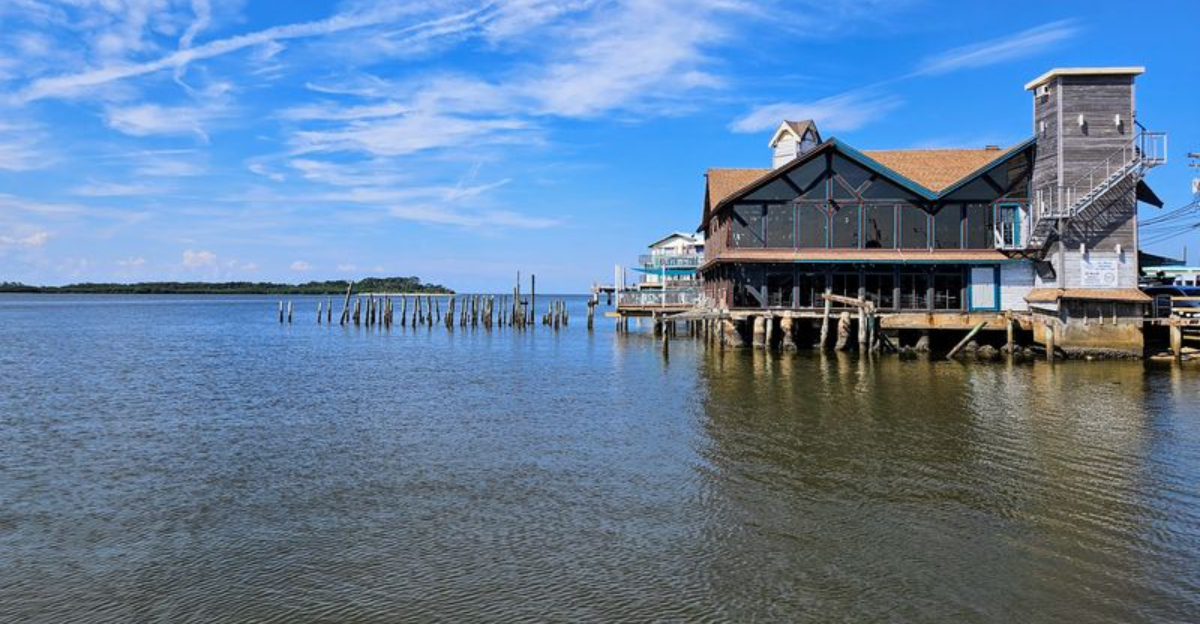
Florida’s scallop season draws crowds to the same familiar beaches year after year, but the best finds often happen in places most visitors overlook. If you’re tired of elbow-to-elbow snorkelers and want a more peaceful scalloping adventure, you’re in luck. These hidden coastal gems offer clear water, healthy scallop populations, and plenty of room to explore without the usual chaos.
1. Hagen’s Cove (Perry/Taylor County)
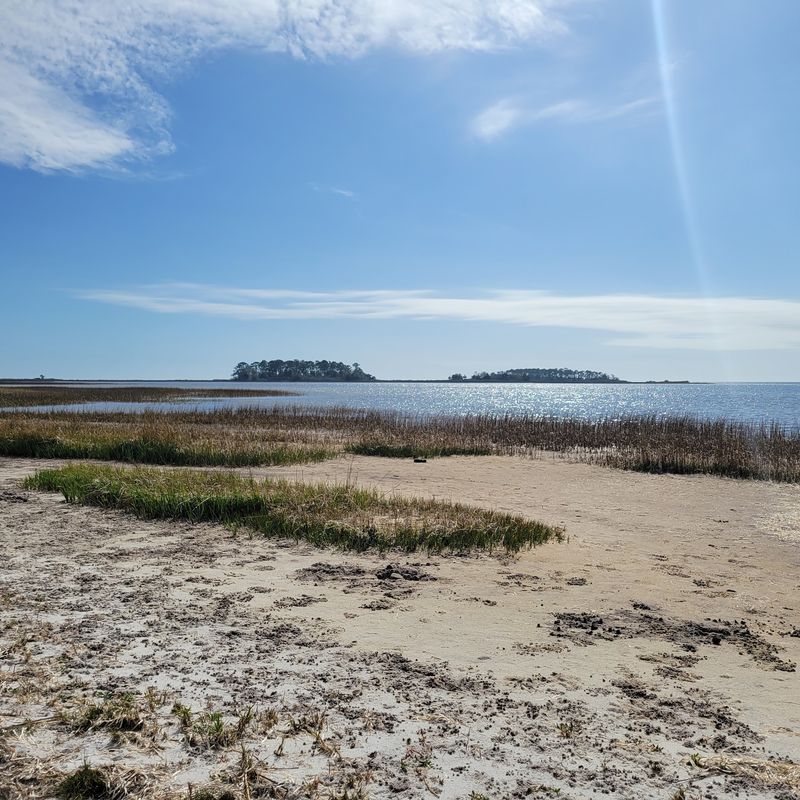
Tucked away near Perry, Hagen’s Cove remains one of those spots locals guard like a secret family recipe. The water here stays shallow and calm, making it ideal for beginners or families with younger kids who want to try scalloping without fighting waves or currents.
You’ll find the cove bordered by thick coastal vegetation that gives way to pristine grass flats where scallops love to hang out. The bottom is mostly sandy with patches of seagrass, so you won’t be dodging rocks or sharp shells while you search. Most days, you can see straight to the bottom even in waist-deep water.
Parking can be tight during peak season, so arriving early gives you first pick of the good spots. Locals recommend launching from the small public access point and motoring out to the flats just offshore. The scallops here tend to cluster in certain areas, so once you find one, slow down and look around carefully.
Bring a mesh bag and a dive flag because the boat traffic picks up midday. The cove offers decent protection from wind, which means you can usually find calm conditions even when other areas get choppy. Pack snacks and water since there aren’t many facilities nearby, and don’t forget sunscreen because the Florida sun doesn’t take days off out here.
2. Econfina River (Taylor County)
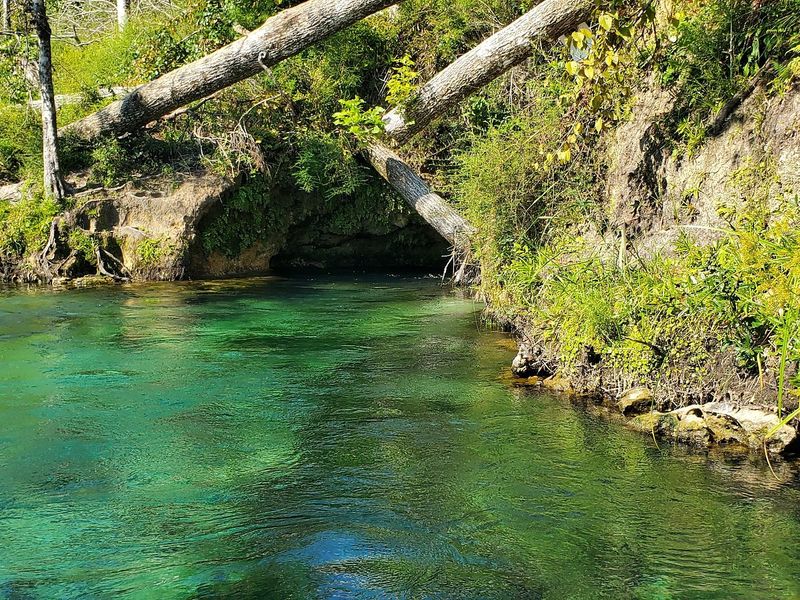
Where freshwater springs meet the Gulf, Econfina River creates a unique scalloping environment that feels more like exploring a natural aquarium than hunting for shellfish. The spring-fed water stays clear year-round, giving you visibility that makes spotting scallops almost too easy compared to murkier coastal spots.
This river system opens into expansive grass flats where scallops thrive in the mix of fresh and salt water. The cooler spring water also makes long snorkeling sessions more comfortable during the hottest summer days. You’ll notice the temperature difference as soon as you slip into the water.
Launch sites dot the riverbanks, though some require a small fee for parking and access. The best scalloping happens where the river widens and meets the Gulf, creating brackish zones with healthy seagrass beds. Scallops here seem particularly plentiful in areas where the current slows down and grass grows thick.
Wildlife sightings come standard with your scalloping trip here. Manatees cruise through regularly, and dolphins often patrol the deeper channels. Keep your distance from the manatees and watch where you step since stingrays like to bury themselves in the sandy spots.
The river’s natural beauty makes this location worth visiting even if the scallops decided to play hide-and-seek that particular day.
3. Keaton Beach (Taylor County)
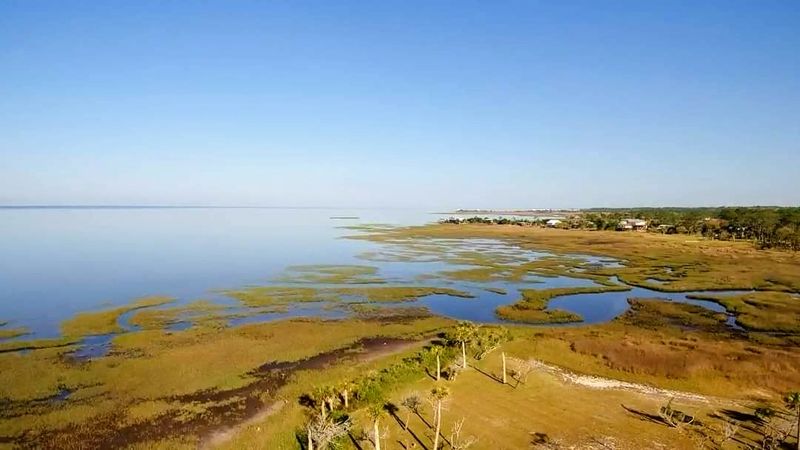
This tiny fishing village operates on island time, where the pace slows down and scalloping becomes more about the experience than racing to fill your limit. Keaton Beach attracts folks who appreciate a no-frills approach to coastal adventures, with a single boat ramp and a handful of local businesses that cater to anglers and scallopers alike.
The grass flats here stretch for what feels like miles, creating an enormous scalloping playground with plenty of elbow room. Water depth varies from ankle-deep to over your head within a short swim, so paying attention to tides matters more here than at some other spots. Low tide exposes vast areas where scallops become sitting ducks for anyone willing to wade through the shallows.
Local knowledge helps tremendously at Keaton Beach because the best scalloping spots shift with seasonal changes and weather patterns. Strike up a conversation at the bait shop or boat ramp, and you’ll usually get pointed in the right direction. The community here genuinely wants visitors to succeed and come back.
Facilities remain basic but functional, with a fish-cleaning station and a small store for last-minute supplies. Cell service gets spotty once you head offshore, so downloading maps beforehand saves frustration. The sunsets from these flats rank among Florida’s finest, turning the sky into streaks of orange and pink that photographers dream about.
4. Horseshoe Beach (Dixie County)
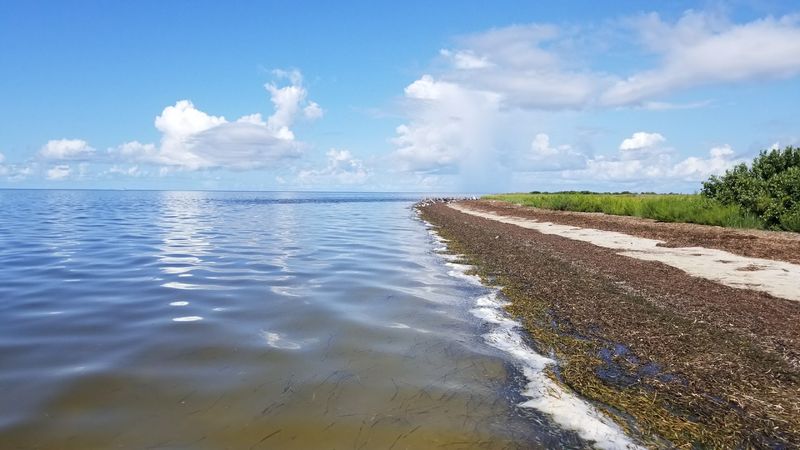
Named for its distinctive curved coastline, Horseshoe Beach lives up to its reputation as a scalloper’s paradise without the commercial development that ruins so many coastal towns. The beach itself isn’t much to look at, but the offshore grass beds hold scallop populations that keep people coming back season after season.
Getting to the good scalloping areas requires either a boat or serious dedication to swimming because the productive flats sit a fair distance from shore. Most visitors launch small vessels from the public ramp and motor out to depths between three and six feet. The grass grows thick and healthy here, providing perfect habitat for scallops to filter-feed and grow.
One unique aspect of Horseshoe Beach involves the tidal flow patterns that concentrate scallops in predictable zones. Experienced scallopers learn to read these patterns and position themselves accordingly. Incoming tides often push scallops toward certain edges of the grass beds, while outgoing tides create different opportunities.
The town itself consists of a few restaurants, a motel, and some vacation rentals that fill up fast during scallop season. Reservations made months in advance aren’t unusual for peak weekends. Despite the seasonal influx, Horseshoe Beach maintains its laid-back character and Old Florida charm that developers haven’t managed to wreck yet.
5. Lanark Village (Franklin County)
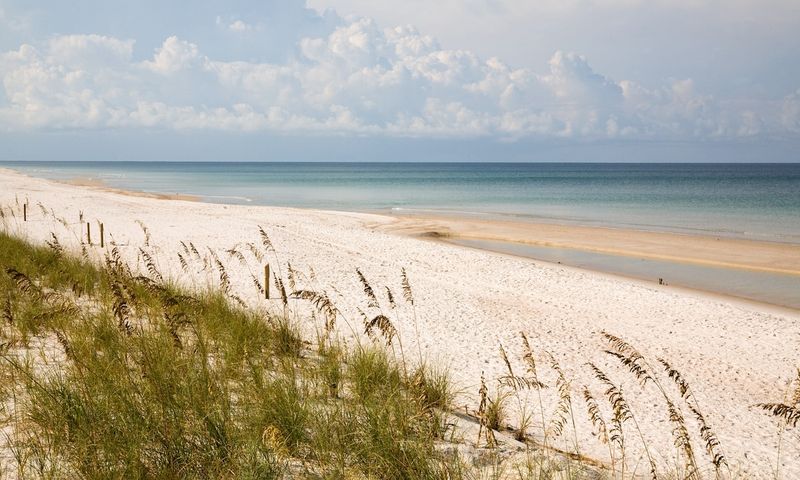
Originally built as a planned community in the 1960s, Lanark Village offers something different from typical scalloping destinations. The protected bay waters here stay calmer than open Gulf locations, making this spot particularly appealing when weather turns iffy elsewhere along the coast.
Residential canals and docks provide easy water access for visitors staying in rental properties, though public access exists at several points around the village. The bay bottom features a mix of sand and grass that scallops find irresistible. Water clarity varies with wind and tide, but generally stays clear enough for productive snorkeling.
What sets Lanark Village apart is the combination of good scalloping and family-friendly amenities. Kids can play at nearby parks while adults prep gear, and the calm water means less worry about currents sweeping away inexperienced swimmers. The protected nature of the bay also means you can usually find a calm spot even on breezy days.
Local restaurants serve up fresh seafood within walking distance of many rental properties, and a small marina provides fuel and ice for boaters. The scallop populations here don’t get hammered as hard as more famous locations, partly because many visitors don’t realize how good the scalloping can be in these bay waters. That ignorance works in your favor if you’re willing to explore beyond the obvious choices.
6. St. Marks (Wakulla County)
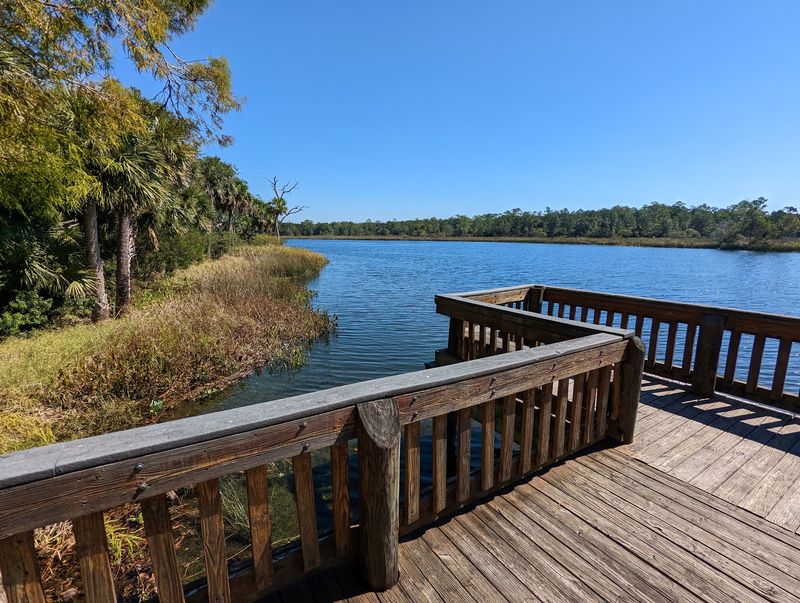
History and scalloping collide at St. Marks, where a historic lighthouse stands guard over some of the most productive scalloping grounds in the Big Bend region. The area where the St. Marks River meets the Gulf creates nutrient-rich conditions that support healthy seagrass and abundant scallop populations.
Navigation requires attention here because the channels and flats can be tricky for newcomers. Sandbars shift with storms, and what was deep water last season might be barely passable now. Locals recommend following marked channels carefully and watching your depth finder religiously.
Running aground in these parts means a long wait for rising tide.
The scalloping itself rewards those who make the effort to learn the area. Certain flats near the river mouth consistently produce limit catches when conditions align properly. Water clarity improves during periods of low rainfall when the river runs clear instead of tannic.
Checking recent reports before heading out saves wasted trips.
Wildlife viewing opportunities abound around St. Marks, with the nearby refuge hosting incredible bird populations and occasional manatee sightings in the river. Combining scalloping with a visit to the lighthouse or refuge trails makes for a full day of coastal exploration. Facilities in town include a boat ramp, bait shops, and several restaurants where locals gather to swap fish tales and scalloping reports over cold drinks.
7. Cedar Key (Levy County)
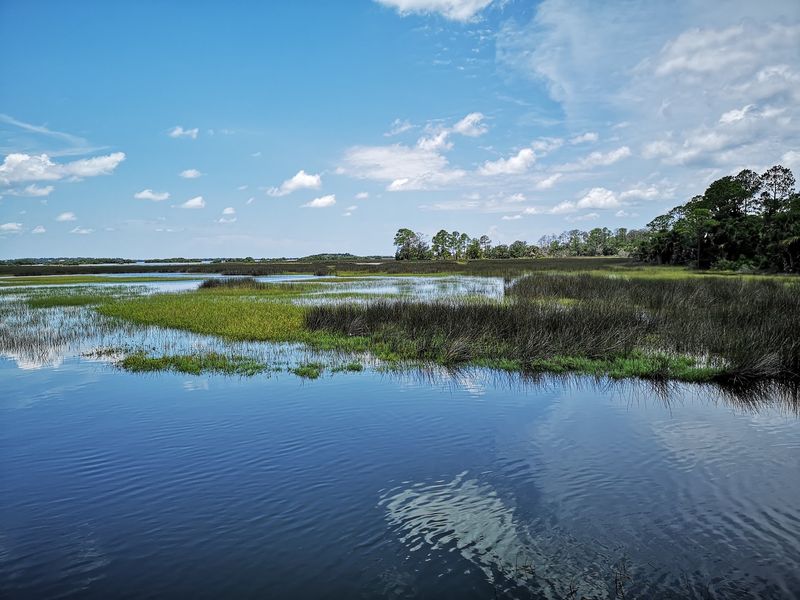
Artists and anglers share this quirky island town that somehow escaped the overdevelopment plague affecting much of coastal Florida. Cedar Key’s surrounding waters offer exceptional scalloping opportunities mixed with enough local character to make the trip memorable beyond just collecting shellfish.
Multiple islands create a maze of channels and flats where scallops thrive in the protected waters. Each island area offers slightly different conditions, so exploring various spots throughout the day keeps things interesting. Some scallopers swear by the grass beds near Atsena Otie Key, while others prefer areas closer to the main island.
Water depth and clarity change dramatically with tides here, so timing your scalloping expedition around tidal movement makes sense. Mid-tide often provides the sweet spot between enough water to snorkel comfortably and clear enough visibility to spot scallops easily. Strong tidal currents can make some areas challenging during peak flow.
The town itself deserves exploration before or after your scalloping adventure. Art galleries, seafood restaurants, and a laid-back island vibe create the perfect atmosphere for unwinding after a day on the water. Accommodations range from historic inns to modern vacation rentals, most within walking distance of the waterfront.
Cedar Key gets busy during scallop season, but the multiple scalloping areas spread crowds out enough that you rarely feel cramped on the water.
8. Ozello (Citrus County)
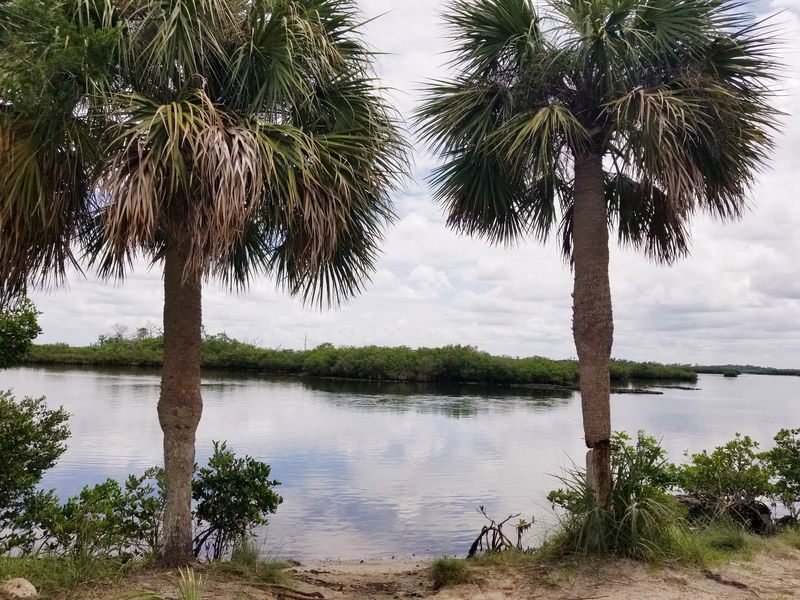
Way off the beaten path, Ozello feels like the end of the road because it basically is. This remote community sits at the terminus of a winding county road that discourages casual visitors, which means the scalloping grounds here see less pressure than more accessible locations.
The grass flats around Ozello rank among the healthiest in the region, supporting not just scallops but also robust populations of fish and other marine life. Water clarity here often exceeds other Big Bend locations, partly due to numerous springs feeding the coastal areas with clear, cool water. Visibility of fifteen feet or more isn’t unusual on calm days.
Access requires navigating a network of channels through mangrove-lined shores before reaching the open flats. The journey itself becomes part of the adventure as you wind through natural Florida coastline that looks much like it did centuries ago. Keep watch for dolphins, manatees, and wading birds that call these mangrove forests home.
Limited facilities mean coming prepared with everything you need for the day. The nearest stores and restaurants sit miles back toward Crystal River, so packing lunch, drinks, and extra fuel makes sense. A small boat ramp provides the primary access point, and parking fills up early on summer weekends.
The solitude and pristine conditions make the extra effort worthwhile for scallopers seeking a more wilderness-oriented experience.
9. Chassahowitzka (Citrus County)
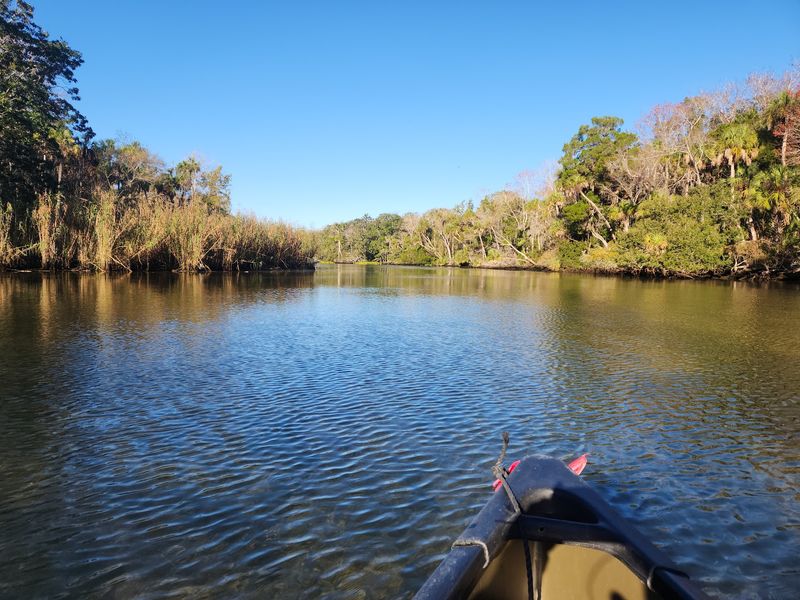
Spring-fed waters create scalloping conditions that border on magical at Chassahowitzka, where gin-clear water makes spotting scallops almost too easy. The river system here pumps millions of gallons of fresh water daily into the Gulf, creating a unique brackish environment where scallops flourish in the mixing zone.
Kayakers and boaters share these waters peacefully, with plenty of room for everyone to find their own scalloping spots. The spring-fed nature of the river means water temperatures stay comfortable even during the hottest summer days, making extended snorkeling sessions more enjoyable. You’ll actually feel the temperature change as you move between spring-influenced areas and regular Gulf water.
Navigation through the river and out to the scalloping grounds requires careful attention because the channels can be shallow and winding. Markers guide boaters through the main routes, but exploring side channels and backwaters often reveals hidden scalloping treasures. The grass beds in these protected areas grow thick and healthy, providing ideal scallop habitat.
Environmental regulations protect this pristine area, so following all rules about idle speed zones and wildlife protection matters more here than in some locations. Manatees frequent these warm spring waters year-round, and disturbing them carries serious penalties. The natural beauty and exceptional water quality make Chassahowitzka a favorite among scallopers who appreciate unspoiled coastal ecosystems.
10. Hernando Beach (Hernando County)
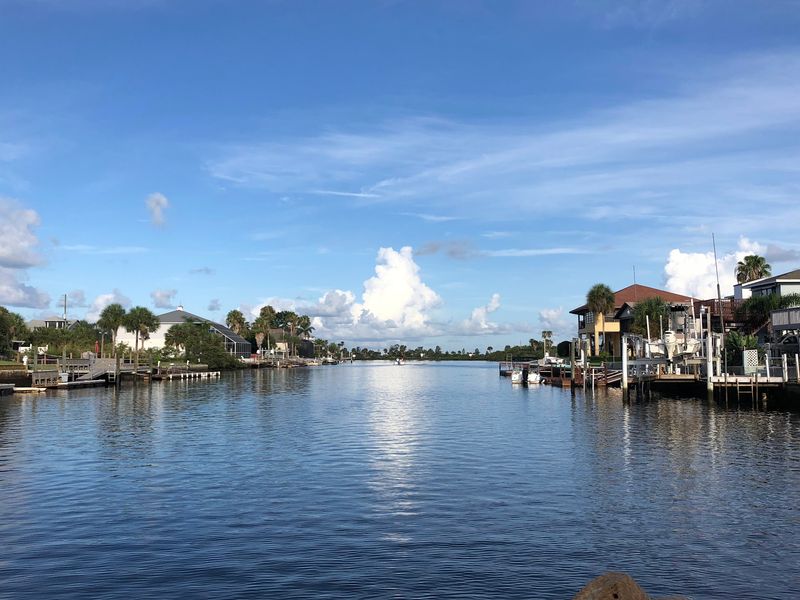
Marking the southern edge of the scallop zone, Hernando Beach offers convenient access and surprisingly productive scalloping for those willing to venture into the right areas. Many visitors overlook this location in favor of spots farther north, which means less competition for the scallops hiding in the offshore grass beds.
The residential canal system provides protected launching for small boats, and several public access points serve visitors without waterfront property. Once you clear the canals and reach open water, extensive grass flats stretch northward along the coast. Scallops concentrate in patches rather than spreading evenly, so covering ground and checking multiple spots increases your success rate.
Water depth varies considerably depending on how far offshore you venture. Closer to shore, you’ll find shallower areas perfect for wading and snorkeling, while deeper flats farther out require boat access. The mix of depths and bottom types creates diverse habitat that supports healthy scallop populations when conditions align properly.
Local businesses cater to the scalloping crowd with gear rentals, ice, and supplies available within the community. Restaurants and accommodations provide options for overnight stays, though the area remains less touristy than some coastal destinations. The proximity to larger cities makes Hernando Beach accessible for day trips, yet it retains enough local flavor to feel like a genuine scalloping adventure rather than a commercialized tourist activity.