11 Old-School Florida Restaurants That Still Feel Like the Florida You Remember
Florida used to feel different. Before the high-rises and chain restaurants took over, there were fish shacks with smoke rising from oak pits, family-run joints where the walls told stories, and dining rooms where recipes hadn’t changed in generations. These 11 restaurants have held onto that spirit, serving the same food in the same unfussy way they always have, proving that the best parts of Old Florida are still worth finding.
1. Columbia Restaurant (Tampa)
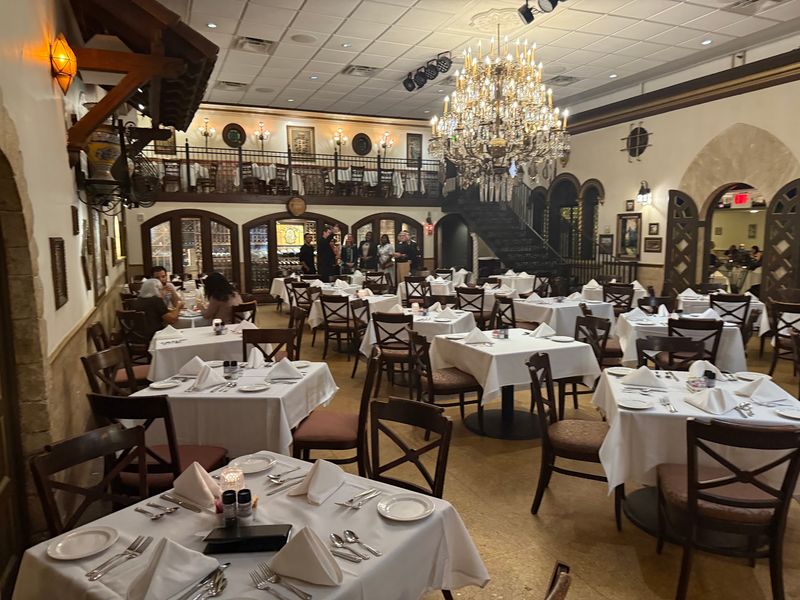
Walking into the Columbia feels like stepping back to 1905, when a Cuban immigrant opened a small cafe that would grow into Florida’s oldest restaurant. The Ybor City flagship sprawls across an entire city block now, with fifteen dining rooms filled with hand-painted tiles, wrought-iron balconies, and enough Old World charm to make you forget what century you’re in.
The menu hasn’t chased trends. You’ll find the same Spanish-Cuban classics that made this place famous: the 1905 Salad tossed tableside, Cuban sandwiches pressed to crispy perfection, and paella loaded with seafood and saffron rice. The snapper Alicante and ropa vieja taste like they were pulled from a grandmother’s kitchen in Havana.
Flamenco dancers still perform Monday through Saturday, their heels clicking against the tiles just like they have for decades. The building itself is a piece of history, with its courtyards and fountains creating an atmosphere you simply can’t replicate in newer establishments.
Four generations of the Gonzmart family have kept this restaurant alive, preserving not just recipes but an entire era of Tampa’s immigrant heritage. When you eat here, you’re tasting the Florida that welcomed waves of Cuban workers to Ybor’s cigar factories, back when this neighborhood was the beating heart of Latin culture in the state.
2. Ted Peters Famous Smoked Fish (South Pasadena)
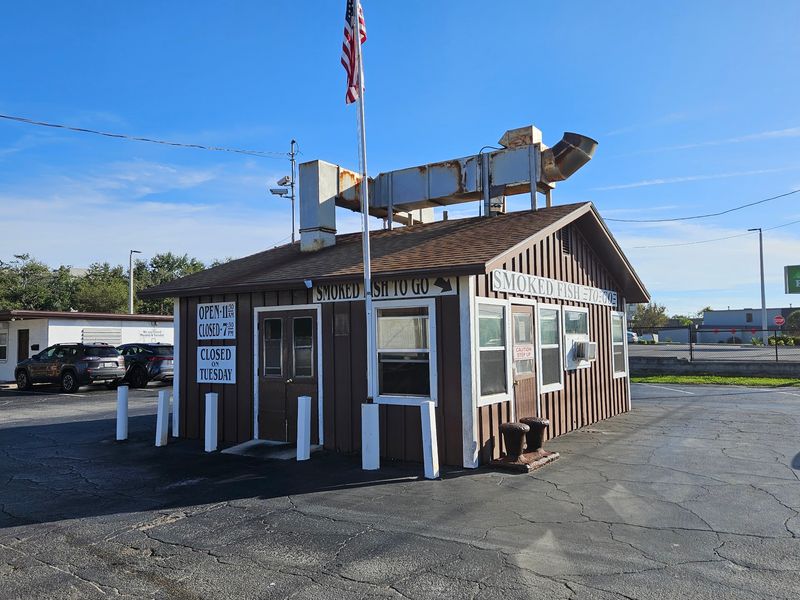
Smoke has been rising from the red oak pits at Ted Peters since 1951, and the process hasn’t changed one bit. Fish still get rubbed with the same secret spice blend, then slow-smoked over glowing embers until the skin crisps and the meat turns tender enough to flake apart with a plastic fork.
You order at a window, grab a picnic table under the covered pavilion, and wait for your number to be called. Smoked mullet is the signature, its oily richness perfectly balanced by the wood smoke, but the mackerel, salmon, and mahi-mahi all get the same careful treatment. German potato salad comes on the side, cool and tangy, cutting through the richness of the fish.
There’s no pretense here. Paper plates, plastic utensils, and cold beer from the cooler define the experience. The building itself looks like it could blow away in a strong wind, all weathered wood and tin roof, sitting right along the water where pelicans dive and boats drift past.
Ted Peters only opens Wednesday through Sunday now, but when those smoke pits fire up, locals know exactly where to go. This is Florida before air conditioning made indoor dining the default, back when eating outside with your hands and watching the water was the whole point of going out.
3. The Yearling Restaurant (Cross Creek)
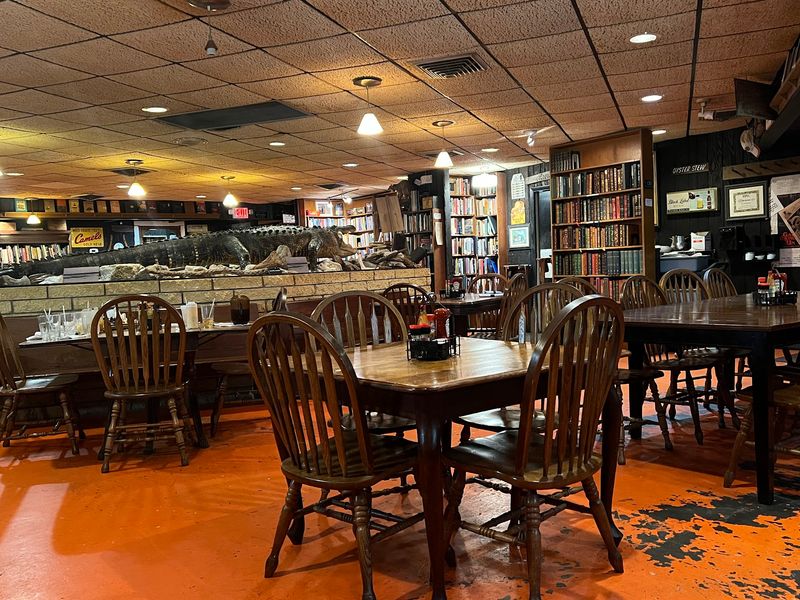
Out in Cross Creek, where Marjorie Kinnan Rawlings wrote her novels about frontier Florida, sits a restaurant that serves the same kind of food she described in her books. The Yearling opened in 1952, taking its name from Rawlings’ Pulitzer Prize-winning novel, and it’s been feeding people gator tail, frog legs, and catfish ever since.
This isn’t food for tourists looking for something exotic. These are dishes rural Floridians actually ate when the state was still wild: cooter (soft-shell turtle), fried gizzards, and swamp cabbage harvested from palm hearts. The catfish comes cornmeal-crusted and fried golden, while the frog legs taste like the cleanest, most delicate chicken you’ve ever had.
The building itself feels pulled from another time, with its wooden beams and screened porches looking out over the same scrubland Rawlings loved. You can almost imagine her sitting at one of these tables, scribbling notes about the Florida crackers who made this landscape home.
Now open Thursday through Sunday, The Yearling operates on its own schedule, unconcerned with the demands of modern tourism. When you drive out here, you’re making a pilgrimage to a Florida that predates theme parks and beach resorts, to a place where the food connects you directly to the land and water that shaped this state’s identity.
4. O’Steen’s Restaurant (St. Augustine)
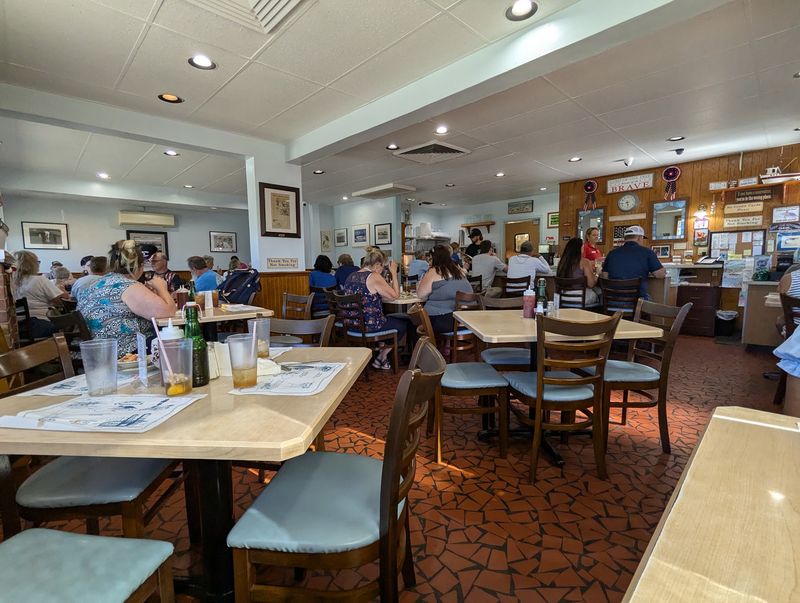
Since 1965, O’Steen’s has been frying shrimp to golden perfection in St. Augustine, and the locals who’ve been coming here for decades will tell you nothing else in town comes close. The recipe is simple: fresh shrimp, a light batter, hot oil, and the kind of attention that only comes from doing one thing the same way for nearly sixty years.
Minorcan clam chowder is the other star, a spicy tomato-based soup that reflects St. Augustine’s unique cultural heritage. Unlike New England’s cream-heavy version, this one has heat and tang, loaded with clams and vegetables that make it a meal on its own. Hush puppies come golden and slightly sweet, perfect for soaking up every drop of chowder left in the bowl.
The dining room feels like someone’s enclosed porch, with simple tables and chairs that have seen thousands of meals. There’s no waterfront view, no elaborate decor. Just good food served quickly by servers who’ve been here long enough to remember your order from last time.
Lines form before the doors open, especially on weekends, because word-of-mouth keeps this place packed. You can’t make reservations. You just show up, put your name on the list, and wait your turn like everyone else.
That’s part of the charm, the democracy of a restaurant that treats regulars and first-timers exactly the same.
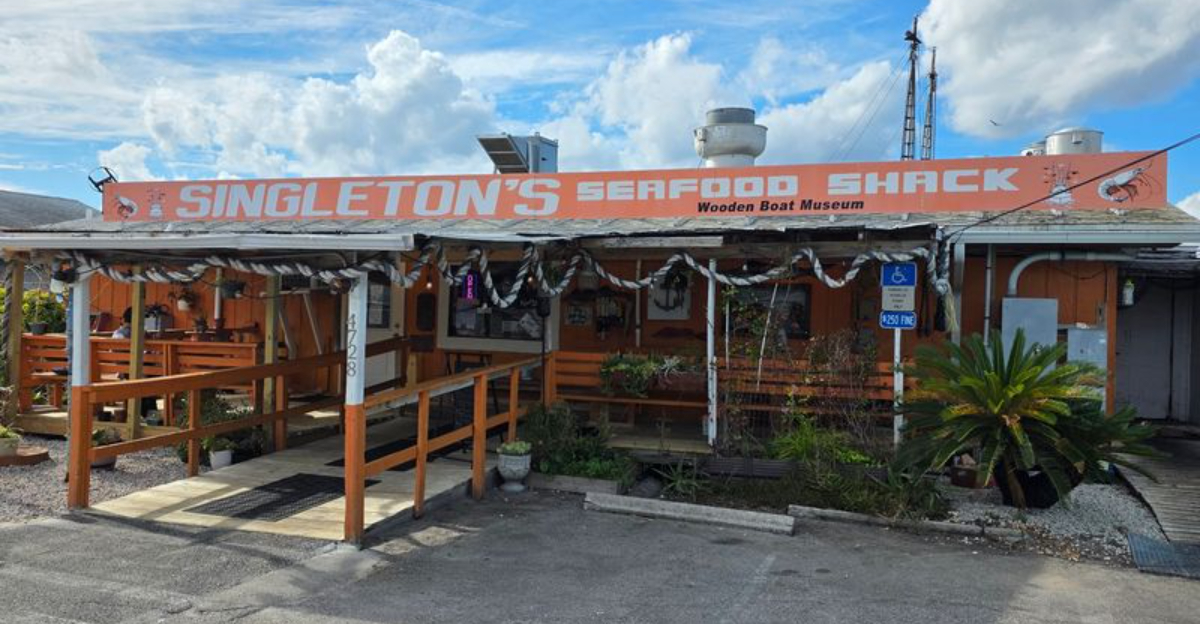
5. Singleton’s Seafood Shack (Mayport)
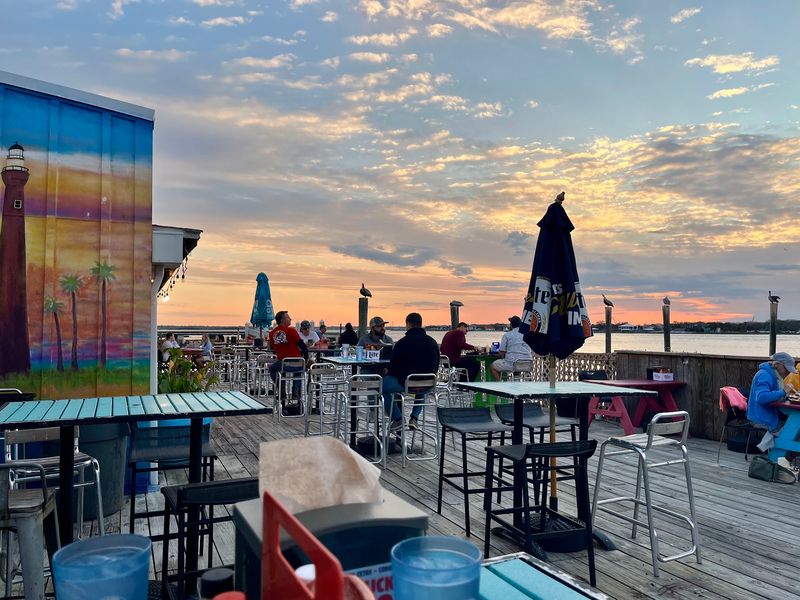
Mayport still operates as a working fishing village, one of the last on Florida’s northeast coast, and Singleton’s sits right in the middle of it all. Since 1969, this shack has been serving whatever the local boats bring in, which means the menu changes with the seasons and the catch. Some days it’s grouper, other days it’s snapper or flounder, all of it pulled from the Atlantic within sight of where you’re sitting.
The shrimp come straight off the Mayport fleet, sweet and firm, either fried crispy or boiled with Old Bay seasoning. Oysters get shucked to order, briny and cold, tasting like the ocean itself. You can watch fishing boats unload their haul while you eat, a reminder that this meal didn’t travel far to reach your plate.
Rustic doesn’t begin to cover it. The building is weathered wood and tin, held together by salt air and stubbornness. Seating is mostly outdoors at picnic tables, where gulls circle overhead and the smell of frying fish mixes with diesel fumes from the docks.
This is Florida before waterfront property became too valuable for fishermen to afford. Before marinas turned into luxury condos and seafood shacks got replaced by upscale bistros. Singleton’s survives because Mayport itself survives, a holdout against the gentrification that’s swallowed so much of the coast.
6. High Tides At Snack Jack (Flagler Beach)
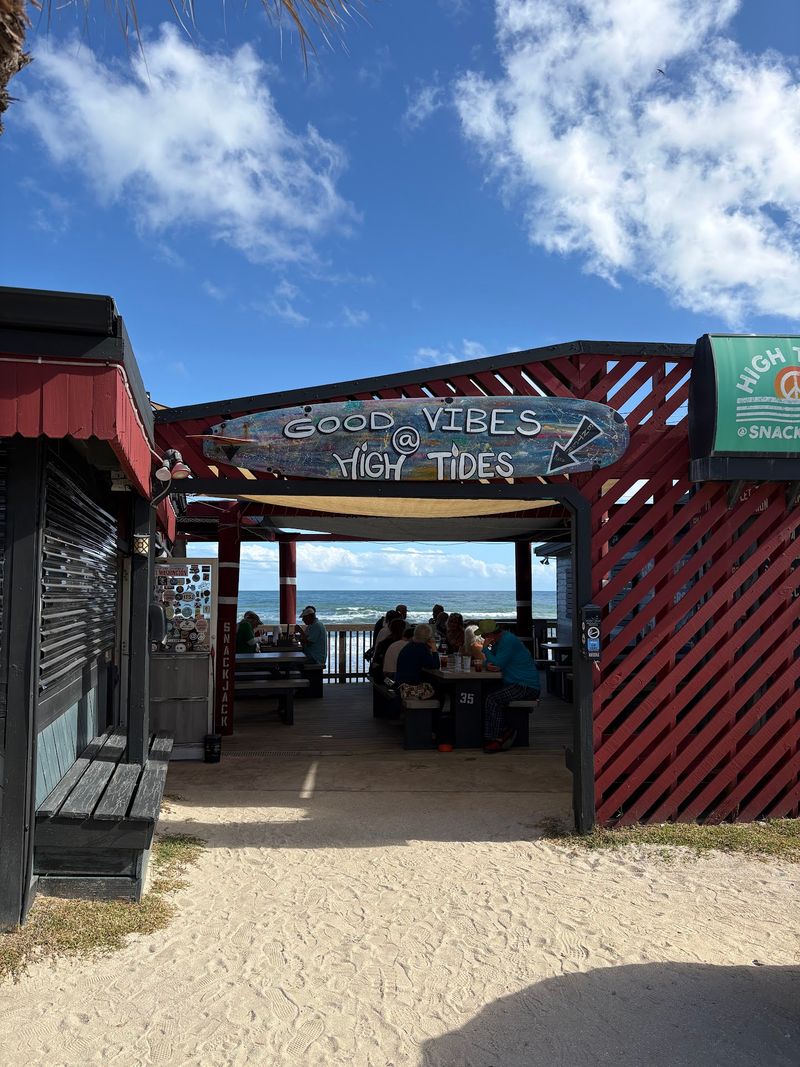
Snack Jack has been feeding Flagler Beach since 1947, back when this stretch of coast was barely developed and eating fresh fish meant knowing someone with a boat. The restaurant sits right on the Atlantic, close enough that you can hear waves breaking while you eat, with views that stretch uninterrupted to the horizon.
Wild-caught seafood dominates the menu because that’s what this place has always done best. Grouper sandwiches come thick and flaky, lightly fried or grilled depending on your preference. Shrimp platters arrive piled high, with hush puppies and coleslaw that taste like they came from a church cookbook.
The conch fritters have just enough chew to remind you what you’re eating, studded with peppers and onions.
The atmosphere is pure Old Florida: ceiling fans turning slowly, salt-weathered wood, and a laid-back vibe that makes you want to order another beer and watch the surfers. There’s no rush here, no pressure to turn tables. You came for the view and the food, and both are worth savoring.
Flagler Beach hasn’t exploded like other coastal towns, partly because locals fight to keep it that way, and High Tides fits right into that ethos. This isn’t a restaurant trying to recreate vintage Florida. It actually is vintage Florida, still operating in the same spirit it had when Eisenhower was president and the beach was empty enough to park right on the sand.
7. Mrs. Mac’s Kitchen (Key Largo)
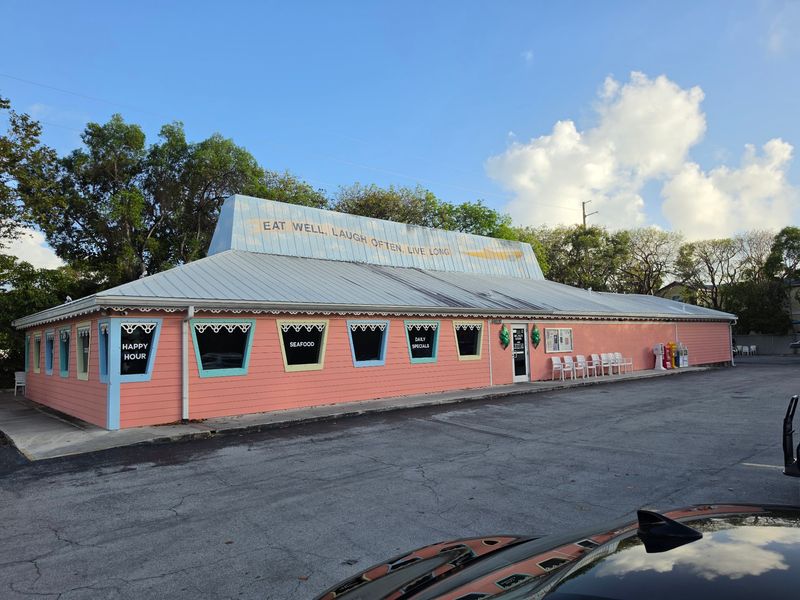
Every inch of wall space at Mrs. Mac’s is covered with license plates, sent from customers all over the world who wanted to leave their mark on this Key Largo institution. The original location opened in 1976, and it’s been serving breakfast, seafood, and Key lime pie to locals and visitors ever since, building a reputation one plate at a time.
Breakfast draws crowds early, with fluffy omelets, crispy hash browns, and pancakes that arrive steaming hot. The lunch and dinner menus lean heavily on seafood: grilled mahi-mahi, fried grouper sandwiches, and conch fritters that manage to be both tender and crispy. Key lime pie is mandatory, tart and creamy with a graham cracker crust that’s been perfected over decades.
The atmosphere is pure Keys quirky. Mismatched chairs, vintage signs, and enough tchotchkes to fill a flea market create a visual chaos that somehow feels exactly right. Servers move quickly, balancing trays and cracking jokes, treating regulars like family and newcomers like future regulars.
Both Key Largo locations stay busy because Mrs. Mac’s delivers exactly what people want from a Keys restaurant: good food, cold drinks, and an environment that doesn’t take itself too seriously. This is the Florida Keys before Instagram, when roadside diners could thrive on word-of-mouth and repeat customers, when personality mattered more than polish.
8. Hunt’s Oyster Bar (Panama City)
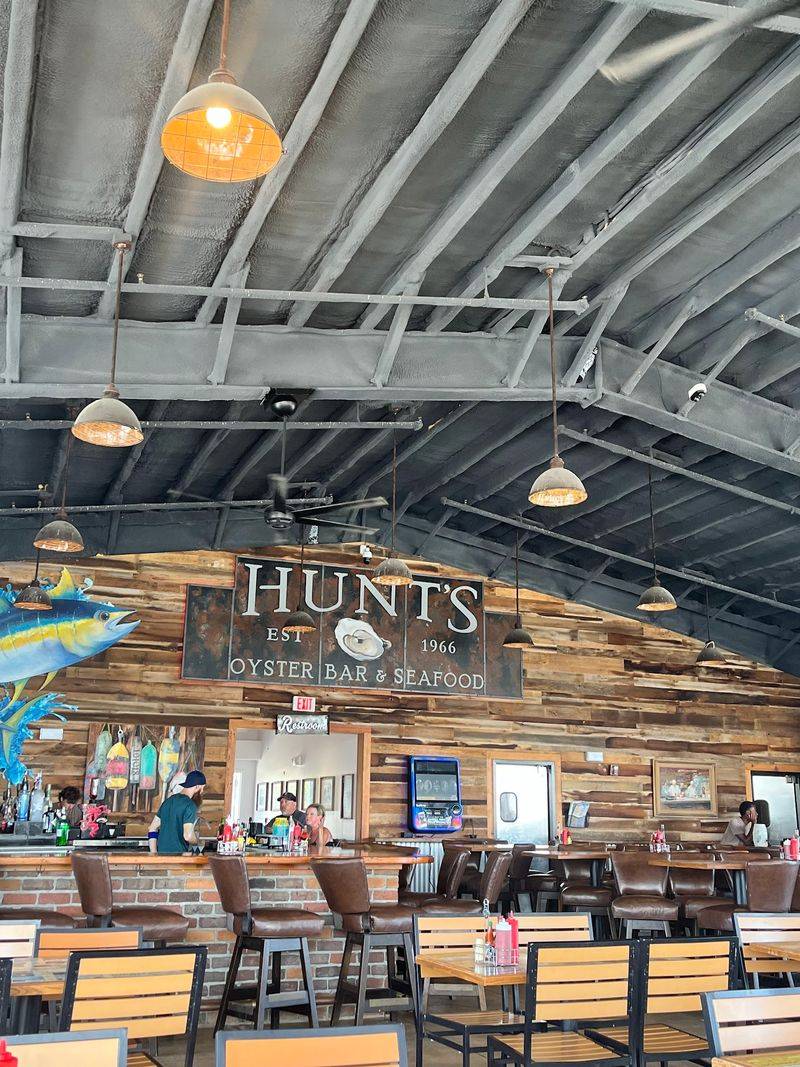
For more than 55 years, Hunt’s has been shucking oysters and frying fish in Panama City’s St. Andrews neighborhood, outlasting hurricanes, economic downturns, and the constant churn of coastal development. This is the kind of place where fishermen eat lunch alongside tourists, where the dress code is whatever you’re wearing, and where the seafood tastes like the Gulf of Mexico because that’s exactly where it came from.
Oysters are the main event, served raw on the half shell, fried golden, or baked with butter and cheese. They’re briny and plump, the kind that make you understand why people get obsessed with these weird-looking mollusks. Grouper, shrimp, and crab round out the menu, all cooked simply because good seafood doesn’t need much help.
The interior is pure function over form: wooden tables, nautical knickknacks, and a raw bar where you can watch oysters getting shucked. The floors are easy to hose down, the plates are sturdy, and the atmosphere is loud and friendly, especially when locals start arguing about fishing spots or football.
This is Florida before everything got fancy, when seafood restaurants were blue-collar joints where working people ate fresh fish without spending a week’s paycheck. Hunt’s survives because it never tried to be anything other than what it is: an honest restaurant serving honest food to people who know the difference.
9. Alabama Jack’s (Key Largo)
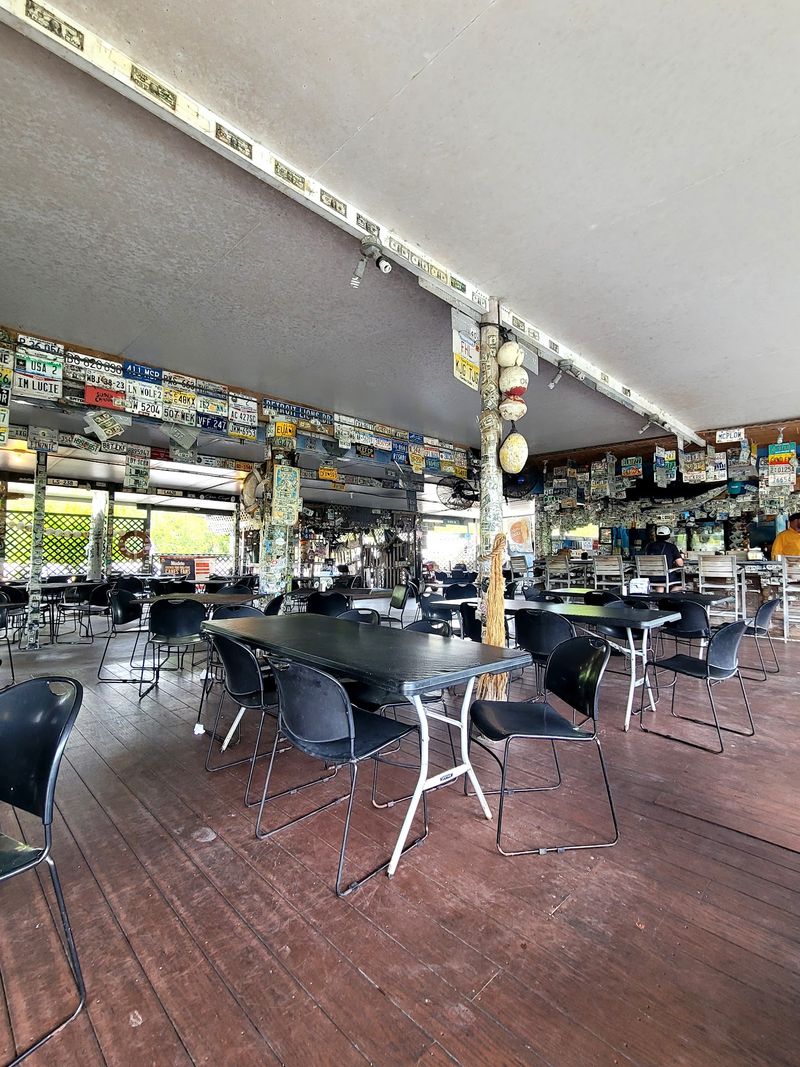
Alabama Jack’s sits along Card Sound Road, the scenic route to the Keys that most people skip in favor of the faster highway. That’s their loss, because this open-air joint is about as authentic as the Keys get: no walls, no pretense, just picnic tables, cold beer, live music, and conch fritters so good they’ve achieved legendary status.
Boats pull right up to the dock, their captains tying off and climbing ashore for lunch. Bikers arrive in rumbling packs, parking their Harleys in the dirt lot. Fishermen stop by to fuel up before heading back out.
Everyone mingles at the same weathered tables, united by the understanding that this place is special precisely because it refuses to change.
The menu is short and focused: conch fritters, fish sandwiches, shrimp, and crab cakes. Everything gets fried or grilled, served on paper plates with plastic forks. The conch fritters alone are worth the drive, crispy outside and tender inside, with just enough seasoning to let the conch flavor shine through.
Mangroves surround the property, providing shade and a sense of isolation despite being just off the road. On weekends, live bands play while the sun sets over the water, turning the sky orange and pink. This is the Florida Keys that existed before luxury resorts and celebrity chefs, when bars were built from driftwood and nobody cared what you looked like as long as you could hold a conversation.
10. Dixie Crossroads (Titusville)
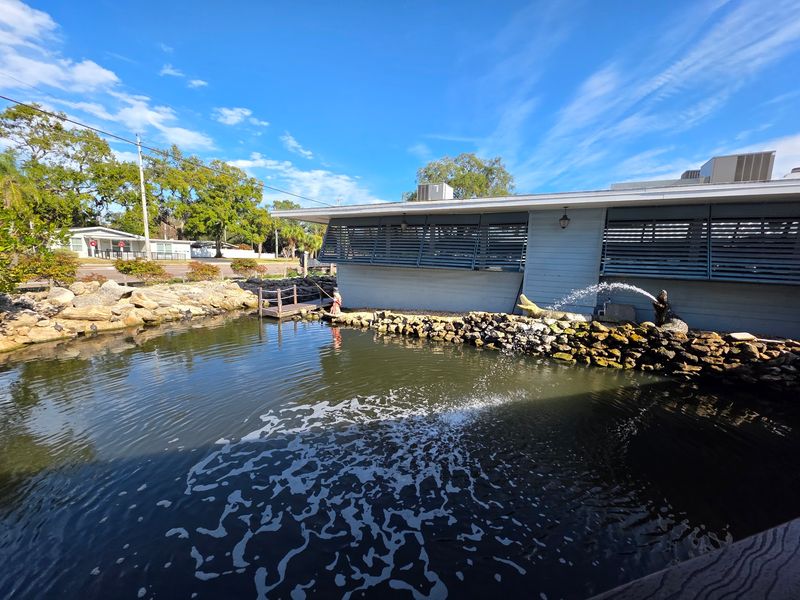
Rock shrimp put Dixie Crossroads on the map when it opened in 1983, and they’re still the reason people drive to Titusville from all over Central Florida. These small, sweet crustaceans have shells as hard as lobster, making them a pain to peel but absolutely worth the effort. Dixie Crossroads figured out how to make them accessible, serving them fried, broiled, or sautéed in garlic butter, all perfectly cooked and ridiculously addictive.
The corn fritters deserve equal billing. They arrive hot and golden, crispy outside with kernels of sweet corn studded throughout the tender interior. People have been known to order extra baskets, turning what should be a side dish into the main event.
The rest of the menu covers all the coastal classics: grouper, shrimp, oysters, and crab, all sourced as locally as possible.
The dining room is spacious and family-friendly, with wood paneling and nautical touches that feel comfortable rather than themed. Tables fill up quickly, especially on weekends, with multi-generational groups celebrating birthdays, anniversaries, and ordinary Fridays that deserve something special.
Titusville’s location on the Space Coast means you could theoretically watch a rocket launch and then come here for dinner, combining Florida’s past and future in a single day. But Dixie Crossroads is firmly rooted in the tradition of Florida seafood houses that prioritize generous portions, fair prices, and recipes that haven’t needed updating in decades.
11. Star Fish Company (Cortez)
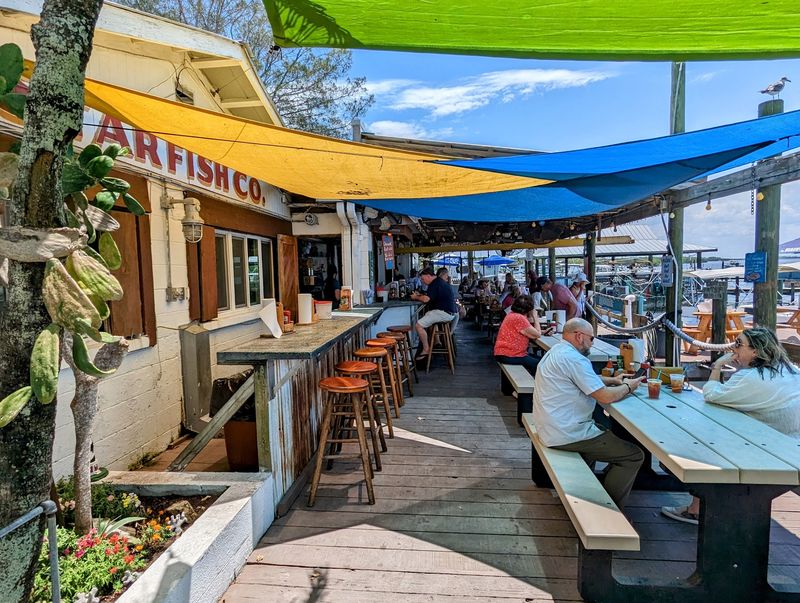
Cortez is one of the last authentic fishing villages left on Florida’s Gulf Coast, and Star Fish Company sits right on the working waterfront, where commercial boats still unload their catch every morning. This is a seafood market first, restaurant second, which means the fish on your plate was probably swimming yesterday, maybe this morning if you’re lucky.
You order at the counter inside the market, surrounded by cases of fresh fish on ice, then carry your number out to the picnic tables on the dock. Grouper sandwiches are simple and perfect: thick filets grilled or fried, served on a bun with lettuce and tomato. Shrimp come peel-and-eat or already peeled, sweet and firm.
Smoked fish dip is creamy and smoky, best eaten with crackers while watching pelicans dive for scraps.
The view is pure working Florida: fishing boats bobbing in the water, nets hanging to dry, gulls wheeling overhead. There’s no sunset cruise gloss here, no sanitized version of maritime life. This is the real deal, where people still make their living from the sea.
Cortez has fought hard to preserve its character against developers who see waterfront property as potential condo sites. Star Fish Company represents that resistance, a business that serves the community while welcoming visitors who appreciate authenticity. When you eat here, you’re supporting a way of life that’s rapidly disappearing from Florida’s coast.