11 Old-School Florida Restaurants Where the Recipes Haven’t Changed in Decades
Florida’s dining scene isn’t just about trendy fusion spots and Instagram-worthy brunch places. Hidden throughout the state are restaurants that have been serving the same beloved dishes for generations, using recipes that haven’t been tweaked or modernized. These old-school establishments prove that when you’ve perfected something, there’s no reason to change it.
From family-run Cuban cafes to waterfront seafood shacks, these timeless Florida restaurants offer a delicious taste of history with every bite.
1. Columbia Restaurant (Tampa)
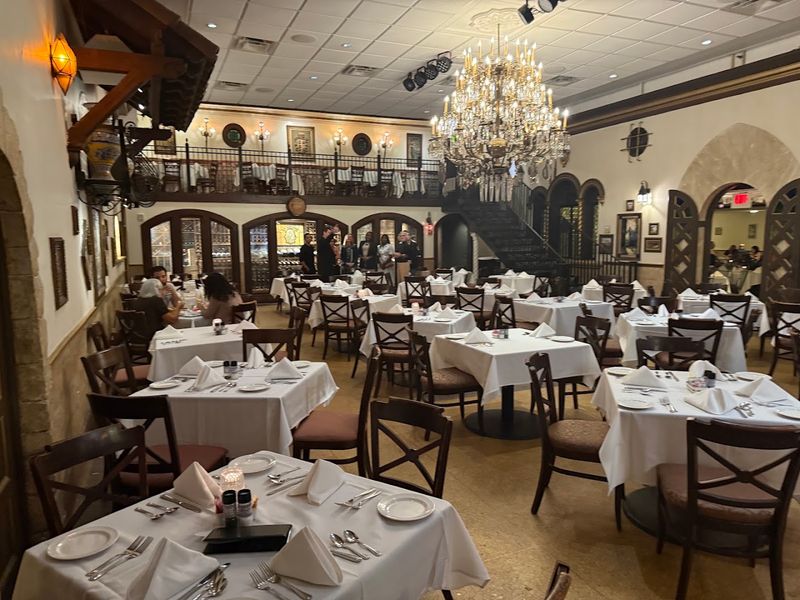
Step inside Florida’s oldest restaurant, and you’re transported to a different era. The Columbia has been owned by the same family since it opened in 1905, serving Spanish and Cuban dishes that taste exactly as they did over a century ago.
Their famous “1905 Salad” gets tossed tableside with the same theatrical flair it always has. The recipe includes iceberg lettuce, julienned ham, Swiss cheese, tomatoes, olives, and a tangy garlic dressing that regulars dream about. It’s named after the restaurant’s founding year and remains their most requested starter.
The real showstopper is the paella. Packed with saffron rice, chicken, pork, shrimp, clams, mussels, and chorizo, this massive dish feeds multiple people and arrives sizzling at your table. They make it the traditional Spanish way, letting a crispy layer form on the bottom of the pan.
Black bean soup, ropa vieja, and flan round out a menu that hasn’t bowed to modern trends. The ornate dining rooms feature hand-painted tiles imported from Spain, crystal chandeliers, and wrought-iron balconies. Flamenco dancers still perform on Monday nights, just as they have for decades, making dinner feel like stepping into old Havana.
2. Joe’s Stone Crab (Miami Beach)
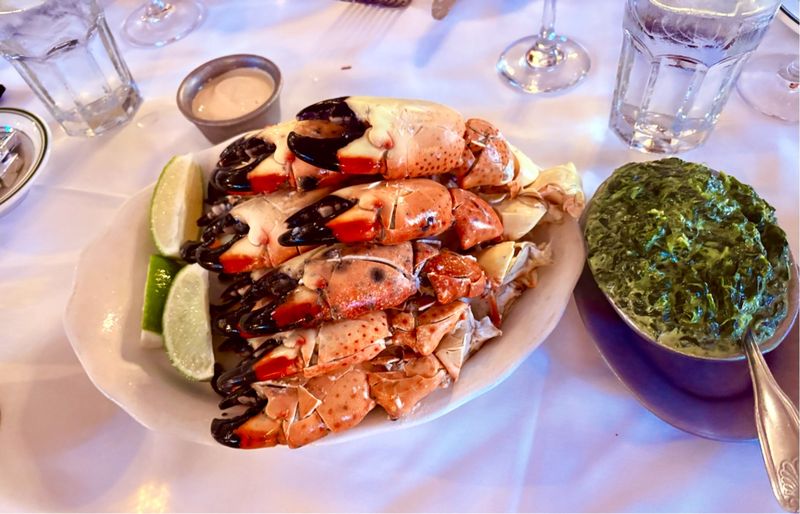
When stone crab season opens in October, locals know exactly where they’re headed. Joe’s has been cracking claws since 1913, and their famous mustard sauce recipe remains locked in a vault. Seriously—only a handful of people know the exact formula.
The stone crabs arrive daily from local waters, already cooked and chilled to perfection. Servers crack them tableside, and you dip the sweet, delicate meat into that legendary tangy mustard sauce. Joe’s only harvests one claw from each crab before returning it to the ocean, where it regenerates.
It’s sustainable fishing at its finest.
But stone crabs aren’t the only attraction. Their fried chicken, made from a recipe that predates most Miami buildings, draws fans year-round. Crispy on the outside, juicy inside, it’s served with creamy coleslaw and cottage-fried sweet potatoes.
Many regulars skip the crabs entirely and come just for the chicken.
The Key lime pie is another non-negotiable order. Tart, creamy, and topped with real whipped cream, it’s been made the same way since the beginning. Lines stretch around the block during peak season, but Joe’s doesn’t take reservations.
First come, first served—just like always.
3. Okeechobee Steakhouse (West Palm Beach)
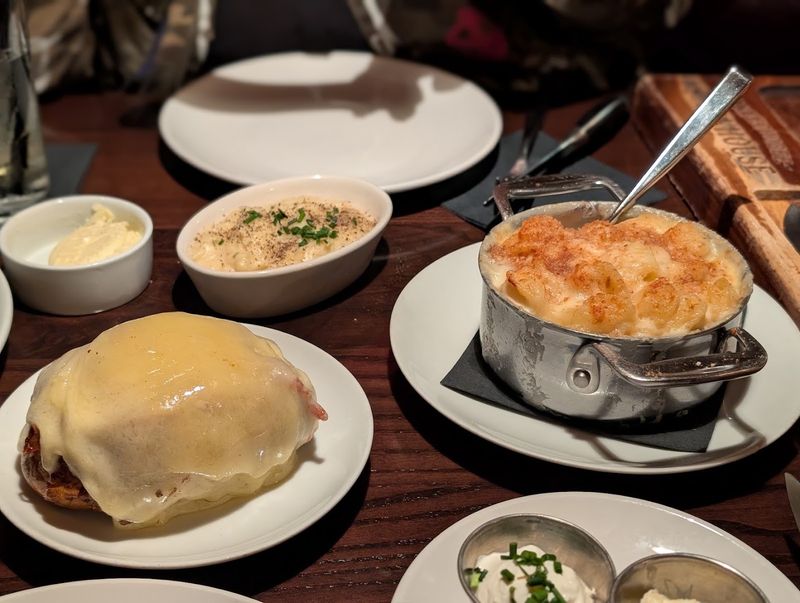
This place looks exactly like a steakhouse should. Dark wood paneling, red leather booths, and a long wooden bar create an atmosphere that screams old Florida. The Okeechobee opened in 1947 and hasn’t renovated much since, which is exactly how regulars like it.
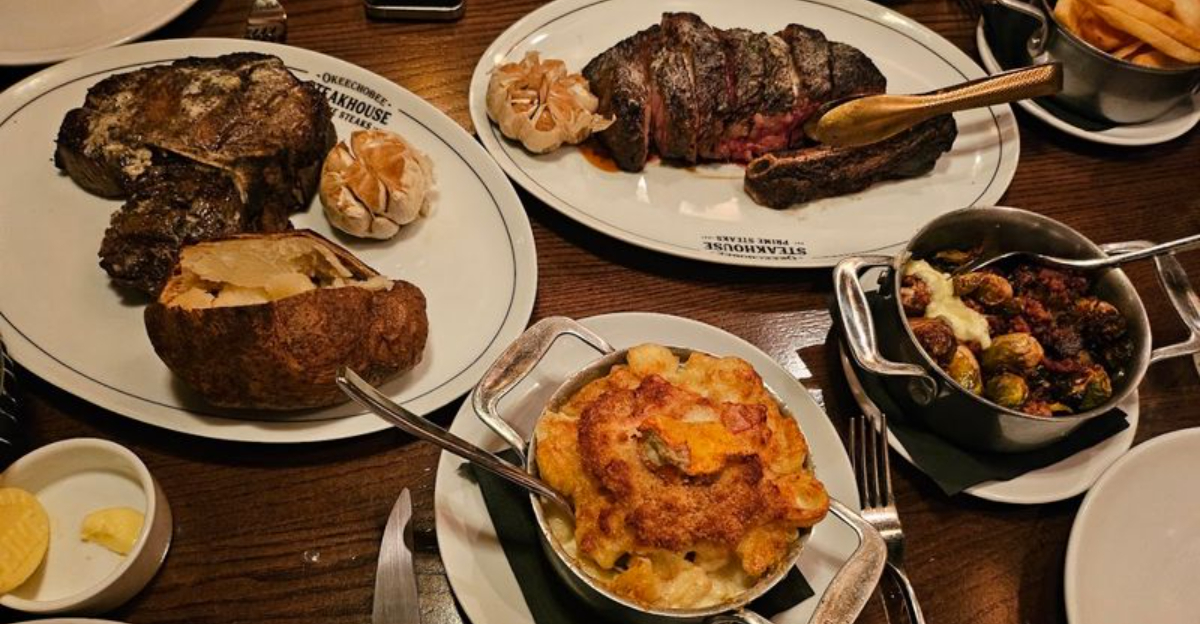
They’ve been serving prime rib and New York strips the same way for over 75 years. The steaks come out perfectly charred on the outside, pink and juicy inside, seasoned simply with salt and pepper. No fancy rubs or trendy preparations—just quality beef cooked right.
The menu hasn’t expanded to include quinoa bowls or kale salads. You’ll find classic appetizers like shrimp cocktail and French onion soup, straightforward sides like baked potatoes and creamed spinach, and desserts like cheesecake and key lime pie. Everything tastes like your grandparents’ idea of a fancy dinner out.
Waiters wear white jackets and have worked there for decades. The bartender knows your drink after one visit. The owners greet guests personally at the door.
It’s the kind of place where business deals still get sealed over martinis and porterhouses, where anniversaries are celebrated in the same booth every year, and where nothing needs to change because it’s already perfect.
4. Lee & Rick’s Oyster Bar (Orlando)
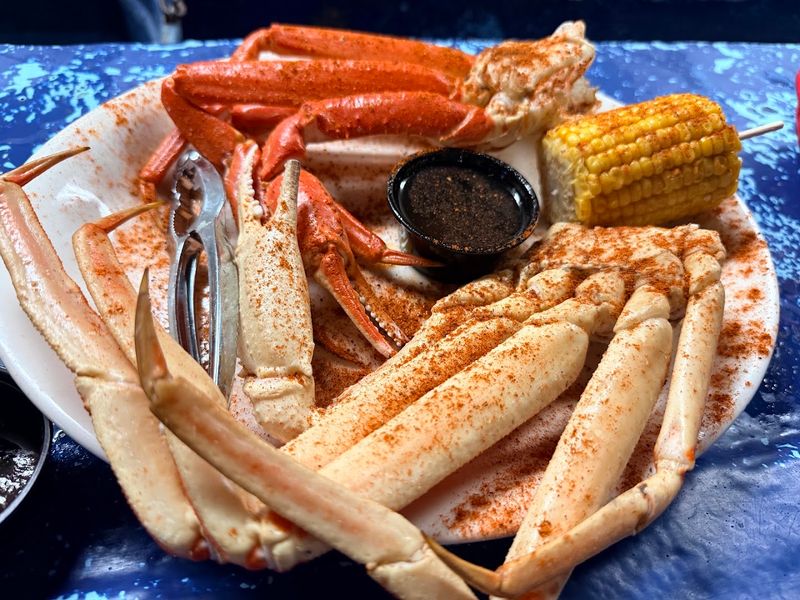
Forget theme parks and tourist traps. Real Orlandoans have been coming to Lee & Rick’s since 1950 for buckets of oysters and ice-cold beer. The place looks like a dive, smells like the ocean, and serves some of the freshest bivalves in Central Florida.
Sit at the bar and watch shuckers work their magic, popping open oyster after oyster with practiced efficiency. They arrive on trays by the dozen or in actual metal buckets if you’re really hungry. Squeeze some lemon, add a dash of hot sauce, slurp them down.
Repeat.
The menu hasn’t gotten fancy. You’ll find fried shrimp, clam chowder, fish sandwiches, and not much else. They don’t serve oysters Rockefeller or any other dressed-up versions.
These are raw, steamed, or lightly fried—that’s it. The simplicity is the point.
Beer comes in bottles, not craft pours. The décor is fishing nets and license plates. The crowd is a mix of construction workers on lunch break, retirees who’ve been coming for 40 years, and young professionals who discovered the place through word of mouth.
Everyone leaves smelling like seafood and planning their next visit. It’s not glamorous, but it’s absolutely authentic.
5. Ted Peters Famous Smoked Fish (St. Petersburg)
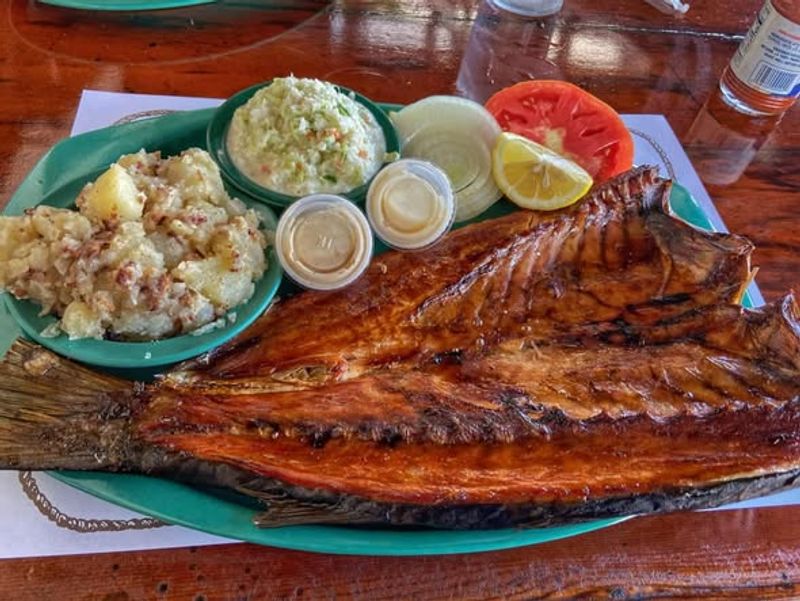
The smell hits you before you even park. Smoke from red oak drifts across the parking lot, carrying the aroma of fish slowly cooking over an open flame. Ted Peters has been doing it this way since the 1950s, and they’re not about to change now.
They smoke mullet, mackerel, salmon, and mahi-mahi using the same traditional process developed decades ago. The fish gets brined, then placed on racks over smoldering red oak. Hours later, it emerges with crispy, caramelized skin and moist, flaky meat infused with wood smoke.
It’s so good that people ship it across the country.
You order at a window, grab a picnic table under the covered patio, and wait for your name to be called. The fish comes on paper plates with saltine crackers, potato salad, and coleslaw. Bring your own beer or wine—they don’t have a liquor license, but they encourage BYOB.
Locals bring out-of-town visitors here to prove that Florida has real culture beyond beaches and theme parks. Tourists stumble upon it and cancel their chain restaurant reservations. Everyone leaves with full bellies and bags of smoked fish to take home.
The only thing that’s changed over the years is the line gets longer.
6. The Yearling Restaurant (Cross Creek)
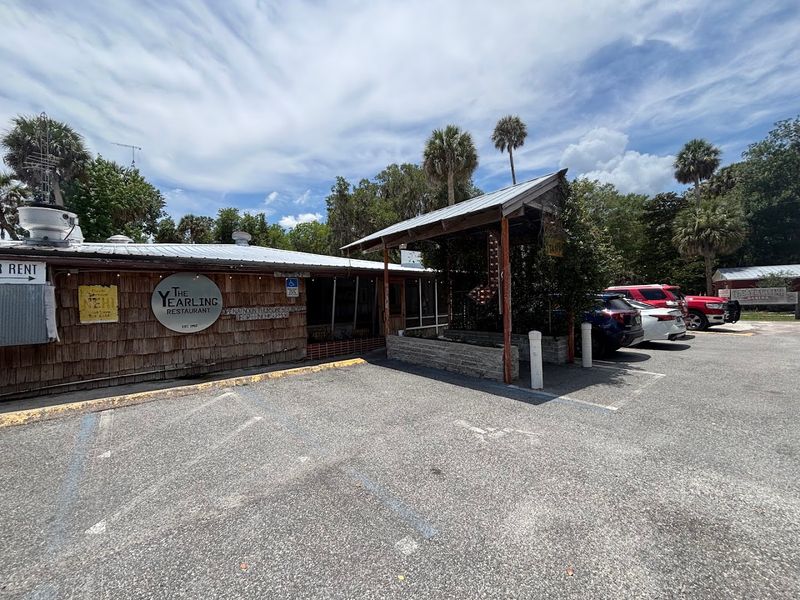
Named after Marjorie Kinnan Rawlings’ Pulitzer Prize-winning novel, The Yearling sits in the same rural Cross Creek area she wrote about. This is Old Florida cooking at its most authentic—the kind of food settlers and ranchers ate generations ago.
The menu features game meats you won’t find at typical restaurants. Frog legs come fried and taste like delicate chicken. Alligator tail is breaded and served with dipping sauce, tender and mild-flavored.
Venison is prepared as a stew or grilled, rich and earthy. These aren’t novelty items—they’re traditional Florida Cracker cuisine.
Southern sides complete the experience. Cheese grits, collard greens, black-eyed peas, hush puppies, and cornbread all taste like they came from someone’s grandmother’s kitchen. The cooter (soft-shell turtle) is still on the menu for the truly adventurous.
Everything is made from scratch using recipes that date back to the restaurant’s opening in 1952.
The building itself is a converted 1930s general store and post office, filled with antiques and memorabilia. Diners sit at wooden tables and flip through copies of Rawlings’ books while waiting for their food. It’s a long drive from any major city, but that’s part of the charm.
You’re eating in the real Florida, the one that existed before air conditioning and interstates changed everything.
7. Rustic Inn Crabhouse (Fort Lauderdale)
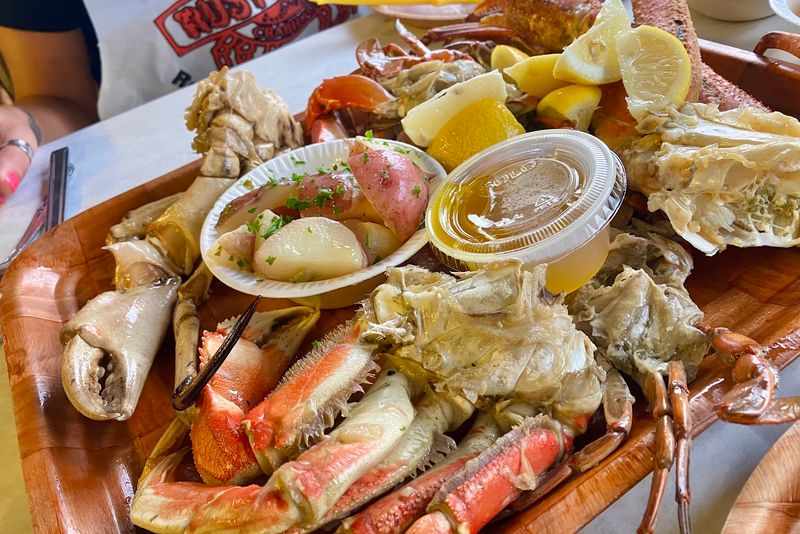
You’ll smell the garlic before you see the restaurant. Rustic Inn has been slinging garlic crabs since the 1950s, and the recipe hasn’t budged. Customers crack shells, get messy, and leave happy—that’s been the formula for decades.
The signature dish is stone crabs and blue crabs boiled in a secret garlic sauce that’s somewhere between butter, oil, and pure magic. They arrive at your table in a bucket, still steaming, covered in the fragrant sauce. You crack them with a mallet, pull out the meat, and dip it back in the garlicky goodness pooled at the bottom.
Wear the plastic bib—you’ll need it.
Tables are covered with brown paper instead of tablecloths. Shells pile up as you work your way through pounds of crab. Pitchers of beer help wash it all down.
It’s messy, loud, and completely unpretentious. Families celebrate here, groups of friends gather, first dates either succeed or fail spectacularly based on crab-cracking skills.
The building looks like an old roadhouse because it basically is one. Wooden walls, fishing décor, and a laid-back vibe make it feel like a beach shack that happens to serve incredible food. No reservations, expect a wait, and come hungry.
Rustic Inn proves that sometimes the simplest recipes become legendary.
8. Bern’s Steak House (Tampa)
Walking into Bern’s feels like entering a time capsule of 1950s fine dining. Red velvet, dark wood, ornate chandeliers, and an atmosphere of old-world elegance transport you to an era when dinner was an event, not just a meal.
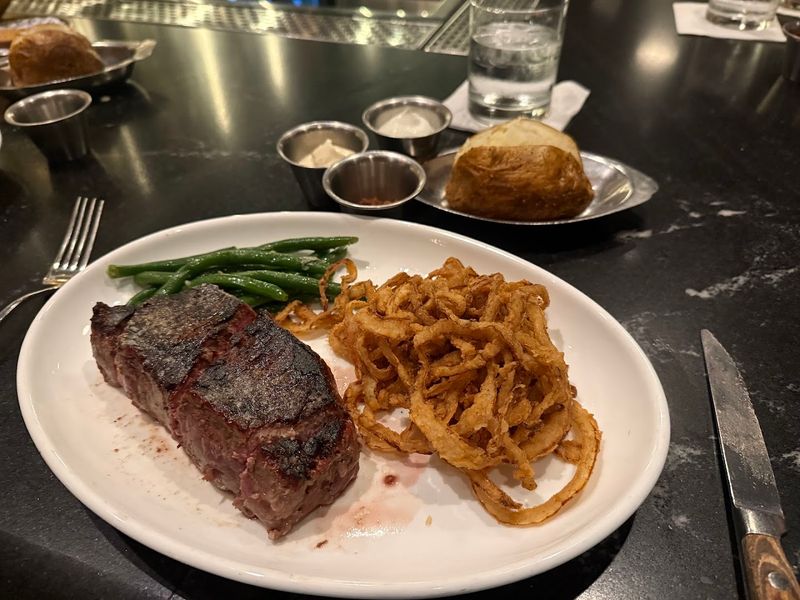
They’ve been dry-aging their own beef since 1956, controlling every aspect from selection to preparation. The steaks are cut thick, seasoned perfectly, and cooked to your exact specifications. You choose your cut, thickness, and temperature, and it arrives exactly as ordered.
The meat is tender, flavorful, and worth every penny.
But Bern’s is more than just steak. The wine list contains over 6,000 selections, stored in a cellar that requires a tour to fully appreciate. Vegetables are grown in their own organic garden.
The kitchen makes everything from scratch, including all sauces, dressings, and desserts.
After dinner, head upstairs to the Harry Waugh Dessert Room. Private booths, each with its own music system, provide intimate settings for elaborate desserts and after-dinner drinks. The macadamia nut ice cream cake is legendary, and the dessert menu is longer than most restaurants’ entire offerings.
Service is formal but not stuffy. Waiters are knowledgeable and attentive. The experience is expensive, but you’re not just paying for food—you’re paying for a perfectly preserved piece of dining history.
9. Jaxson’s Ice Cream Parlour & Restaurant (Dania Beach)
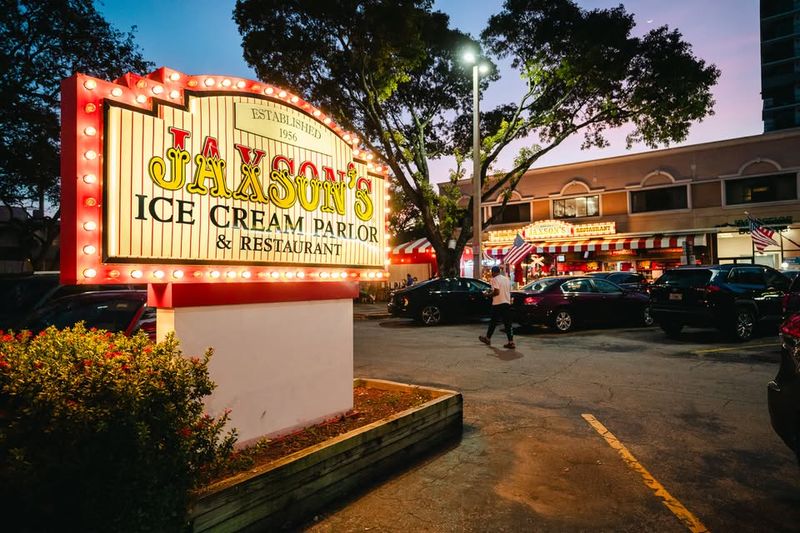
The neon sign outside has been glowing since 1956, beckoning ice cream lovers into what looks like a Norman Rockwell painting come to life. Red and white checkered floors, vintage signs covering every wall, and an old-fashioned soda fountain create pure Americana nostalgia.
They make all their ice cream in-house using original recipes and methods. Flavors range from classic vanilla and chocolate to creative options like burgundy cherry and butter pecan. The consistency is perfect—creamy, rich, and scooped into portions that are genuinely generous, not Instagram-generous.
The sundaes are legendary, particularly the Kitchen Sink. This monster dessert arrives in an actual kitchen sink, piled high with multiple scoops of ice cream, toppings, whipped cream, cherries, and enough calories to power a small village. It’s meant for sharing, but some brave souls tackle it alone.
Servers ring a bell and announce your order to the entire restaurant when you finish one.
The restaurant side serves classic diner food—burgers, hot dogs, sandwiches, and milkshakes so thick you need a spoon. Everything tastes like it should, without shortcuts or substitutions. Kids drag their parents here, parents remember coming as kids themselves, and the cycle continues.
Jaxson’s proves that some things never go out of style, especially when they involve ice cream.
10. Capt. Anderson’s Restaurant (Panama City Beach)
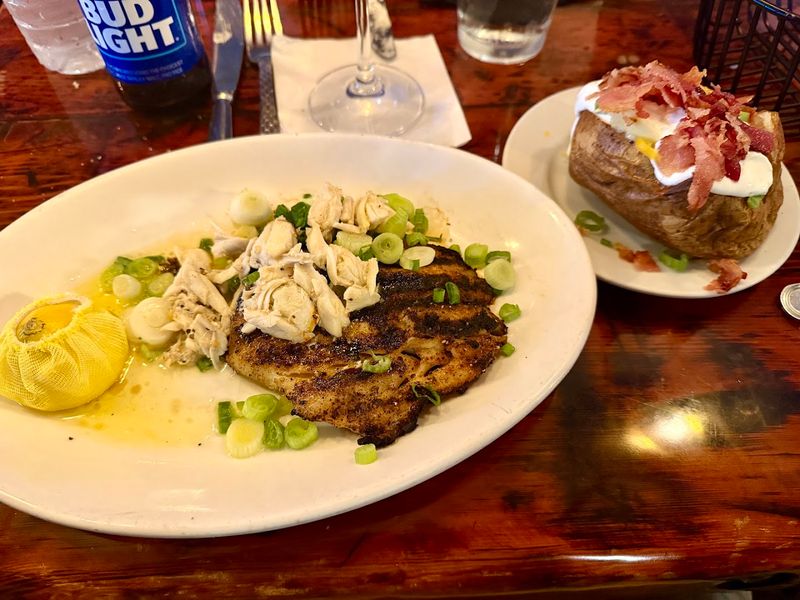
Perched on the water in Panama City Beach, Capt. Anderson’s has been a family operation since 1967. The same family still runs it today, serving Gulf seafood exactly as they always have—fresh, simple, and delicious.
Their seafood comes straight from local boats, many of which dock right outside the restaurant. Grouper, snapper, amberjack, and triggerfish get grilled, blackened, or fried based on your preference. The fish is so fresh it was probably swimming that morning.
No heavy sauces or complicated preparations—just quality seafood cooked properly.
The crab cakes are all lump meat, barely held together with breading, allowing the sweet crab flavor to shine. Shrimp and oysters come from nearby waters. Even the hush puppies and coleslaw taste homemade, because they are.
The Key lime pie is tart and creamy, a perfect ending to a seafood feast.
Sunset views over the Grand Lagoon add to the experience. Boats drift past as you eat, pelicans dive for fish, and the sky turns orange and pink. Tourists pack the place during summer, but locals come year-round, especially during the off-season when you can actually get a table without a two-hour wait.
It’s classic Florida Gulf Coast dining at its finest.
11. Versailles Restaurant (Miami)
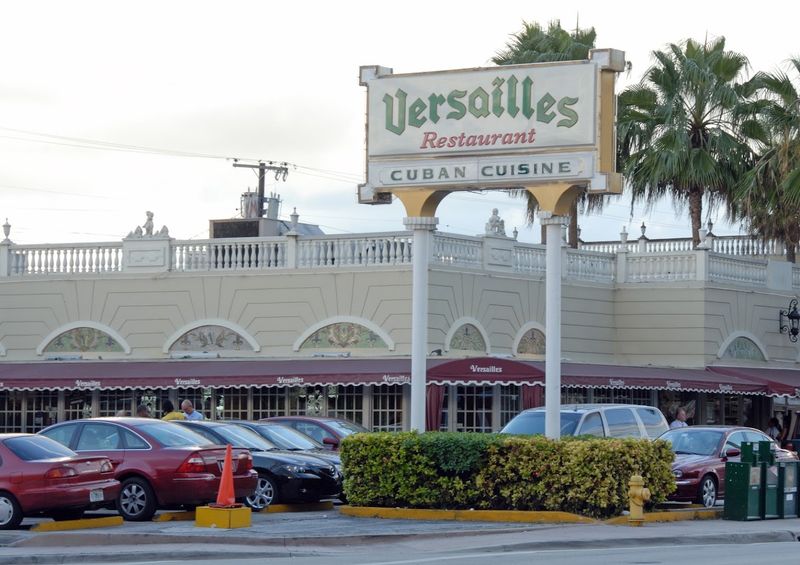
In the heart of Little Havana, Versailles has been serving authentic Cuban food since 1971. It’s more than a restaurant—it’s a cultural institution where Miami’s Cuban community gathers, debates, celebrates, and remembers the island they left behind.
The menu reads like a greatest hits of Cuban cuisine. Ropa vieja features tender shredded beef in tomato sauce. Lechon asado is roasted pork with crispy skin.
Picadillo, vaca frita, and masitas de puerco all taste exactly as they should, made from recipes brought from Cuba decades ago. Black beans and rice, sweet plantains, and yuca with mojo complete every plate.
The croquetas are legendary—crispy outside, creamy inside, filled with ham and eaten by the dozen. Pastelitos de guayaba provide a sweet finish. But the real star might be the Cuban coffee, served at the ventanita (walk-up window) where locals gather to sip tiny cups of strong, sweet cafecito and discuss everything from politics to baseball.
The dining room is ornate, with mirrors covering the walls and chandeliers hanging from the ceiling. It’s always busy, always loud, and always filled with the sound of Spanish conversation. Presidents and celebrities have eaten here, but so have generations of Cuban families maintaining their culinary traditions.
Versailles isn’t trying to be trendy—it’s preserving culture, one meal at a time.