11 Peaceful Spots in Florida Where You Can Slow Down and Soak Up Nature’s Beauty
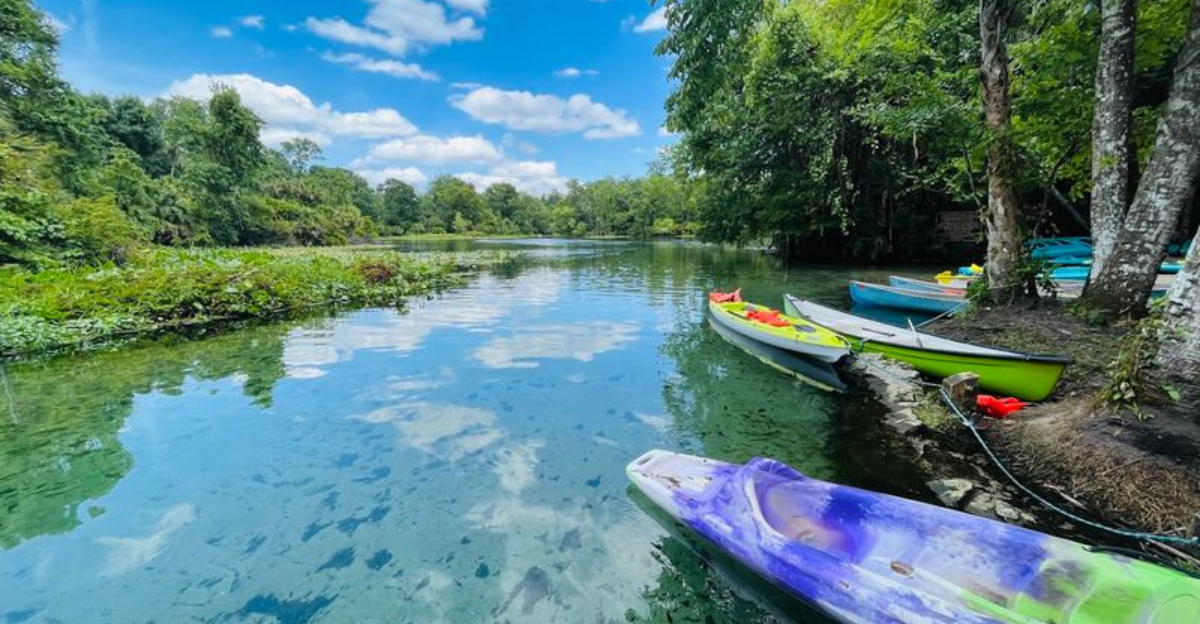
Florida is famous for theme parks and crowded beaches, but the state also hides dozens of calm, beautiful places where nature takes center stage. These spots offer clear springs, quiet trails, untouched coastlines, and wide-open spaces perfect for slowing down and breathing deep. Whether you want to paddle a glassy river, walk a deserted beach, or watch wildlife without the noise, Florida has peaceful corners waiting to restore your sense of wonder.
1. Wekiwa Springs State Park (Apopka)
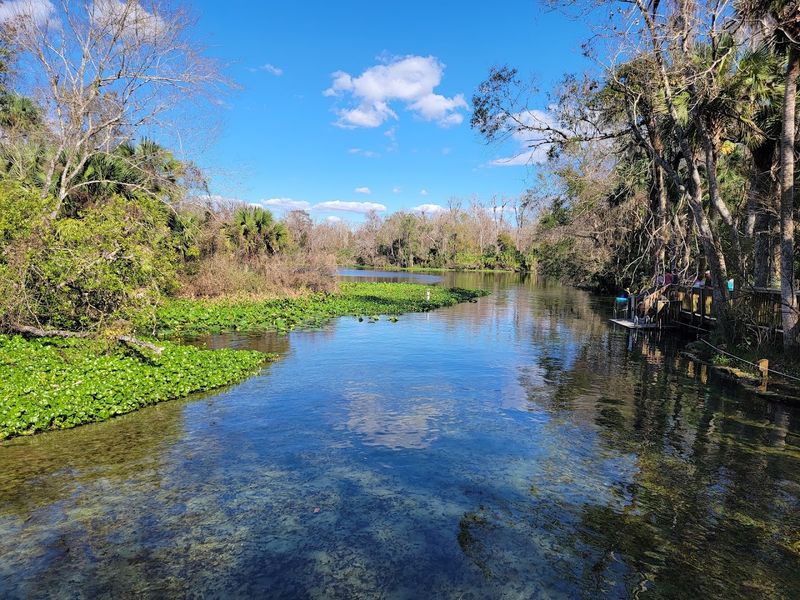
Just a short drive from Orlando’s hustle, Wekiwa Springs feels like stepping into another world entirely. The spring pumps out 42 million gallons of cool, emerald water daily, creating a river that winds through shady hammocks and wild Florida forest.
Paddling here is smooth and unhurried. You glide past cypress knees, turtles sunning on logs, and wading birds hunting in the shallows. The water stays a steady 72 degrees year-round, so even winter mornings feel inviting.
Miles of trails loop through sand pine scrub and hardwood forest, offering quiet walks where you might spot deer, otters, or even a black bear if you’re lucky. Birdsong fills the canopy, and the air smells like earth and leaves.
Camping is available if you want to linger longer. Morning mist rising off the spring is worth waking up early for. Florida State Parks highlights the spring-fed river, wildlife viewing, and extensive trail system as major draws.
Wekiwa is proof that peace and wild beauty exist closer than you think.
2. Anastasia State Park (St. Augustine)
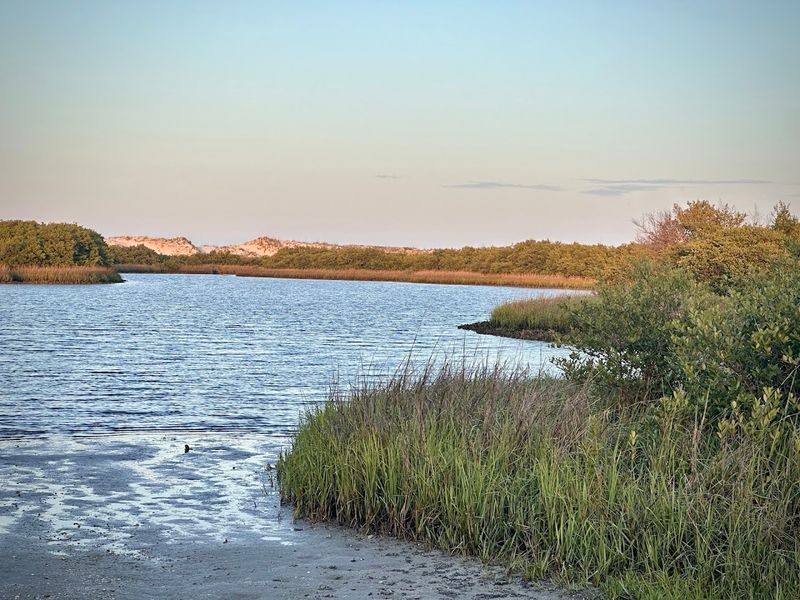
Anastasia sits just across the bay from historic St. Augustine, but it feels untouched and timeless. White-sand beaches stretch along the Atlantic, backed by windswept dunes and coastal scrub that shelter nesting shorebirds.
Walk the beach early and you’ll have it mostly to yourself. Waves roll in steady and rhythmic, and the only footprints might be your own. Tidal marshes inland offer a completely different vibe—calm, green, and full of wading birds stalking the shallows.
Nature trails wind through maritime hammock, where live oaks drape with Spanish moss create shady tunnels perfect for slow wandering. Paddlers love the Salt Run, a protected tidal lagoon ideal for kayaking without fighting ocean swells.
Camping here puts you steps from sunrise over the Atlantic. The mix of ocean, marsh, and forest in one park gives you options depending on your mood.
Anastasia proves Florida’s coast isn’t all high-rises and beach bars. Some stretches still belong to the birds, the tides, and anyone willing to slow down.
3. Dry Tortugas National Park (Key West)
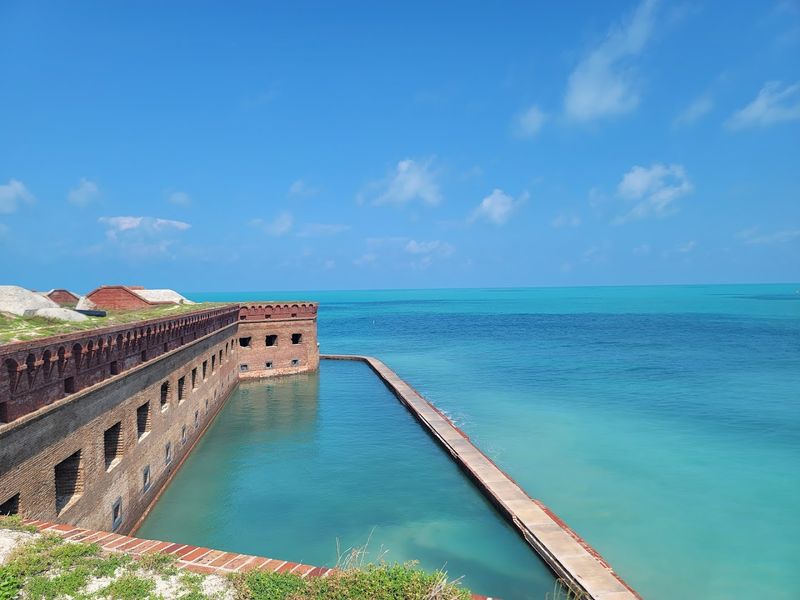
Nearly 70 miles west of Key West, Dry Tortugas floats in the Gulf like a forgotten dream. Getting here requires a ferry or seaplane, which keeps crowds thin and the vibe wonderfully remote.
The water is absurdly clear—shades of blue and green you didn’t know existed. Coral reefs ring the islands, and snorkeling reveals a quiet underwater world of fish, sea turtles, and swaying coral gardens.
Fort Jefferson dominates Garden Key, a massive brick fortress that never fired a shot. You can explore its empty halls and climb to the top for 360-degree views of nothing but ocean and sky. Seabirds nest in the moat walls, and frigatebirds soar overhead.
Camping is allowed on Garden Key if you pack everything in. Nights are star-filled and silent except for waves lapping the shore. Sunrise here feels like witnessing the world wake up fresh.
Dry Tortugas is as peaceful as Florida gets—wide open, beautifully blue, and blissfully quiet.
4. Silver Springs State Park (Ocala)
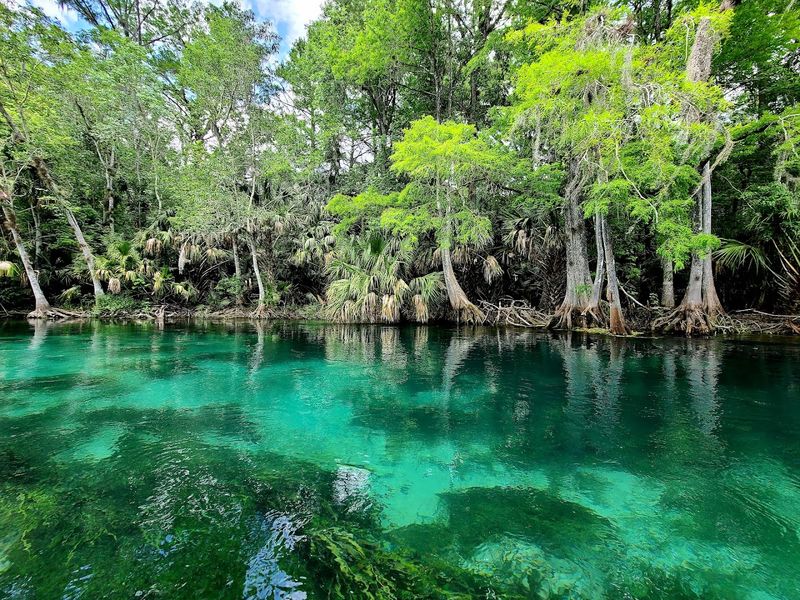
Silver Springs has been enchanting visitors since the 1800s, and the magic hasn’t faded. The spring boils up from deep limestone aquifers, creating water so clear you can see fish swimming 20 feet down.
Glass-bottom boat tours let you peer into this underwater world without getting wet. You’ll see bass, turtles, and ancient cypress logs resting on the sandy bottom like sunken sculptures. The boats glide slowly, narrated by guides who know every bend and story.
Paddling your own kayak or canoe gives you more freedom. You drift through shady tunnels of overhanging trees, watching herons hunt and alligators sunbathe. The water stays cool and inviting, even in summer heat.
Miles of trails wind through hardwood forest and along the river. Wildlife watching is excellent—otters, deer, wild turkeys, and countless birds call this place home. Florida State Parks notes that the state’s springs are places of natural beauty and ecological importance.
Silver Springs is classic Florida, peaceful and timeless.
5. Fanning Springs State Park (Fanning Springs)
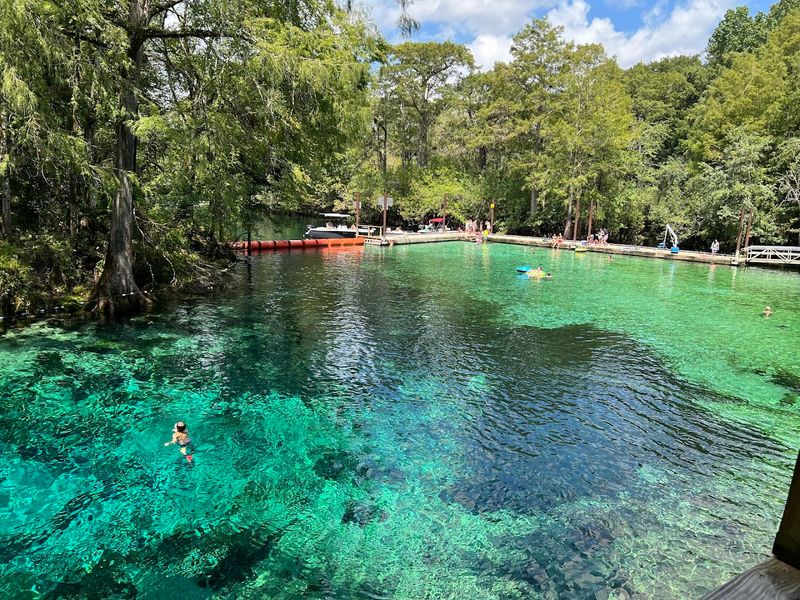
Tucked along the Suwannee River, Fanning Springs bubbles up cool and clear from the limestone below. The spring stays a constant 72 degrees, making it a magnet for manatees when river temperatures drop.
Seeing manatees here feels like a gift. They float lazily in the spring’s basin, surfacing to breathe with gentle huffs. Snorkeling alongside them (respectfully, without touching) is a humbling, peaceful experience.
The spring is small but beautiful, with water so transparent you can count pebbles on the bottom. Swimming feels refreshing and clean, and the current is gentle enough for floating without effort.
A short boardwalk winds through cypress swamp, offering views of the river and chances to spot turtles, herons, and the occasional otter. Picnic areas sit under shady oaks, perfect for slow afternoons.
Fanning Springs doesn’t overwhelm with size or crowds. It’s intimate, natural, and quietly lovely—a place where manatees and humans share the same cool, clear water without fuss.
6. Honeymoon Island State Park (Dunedin)
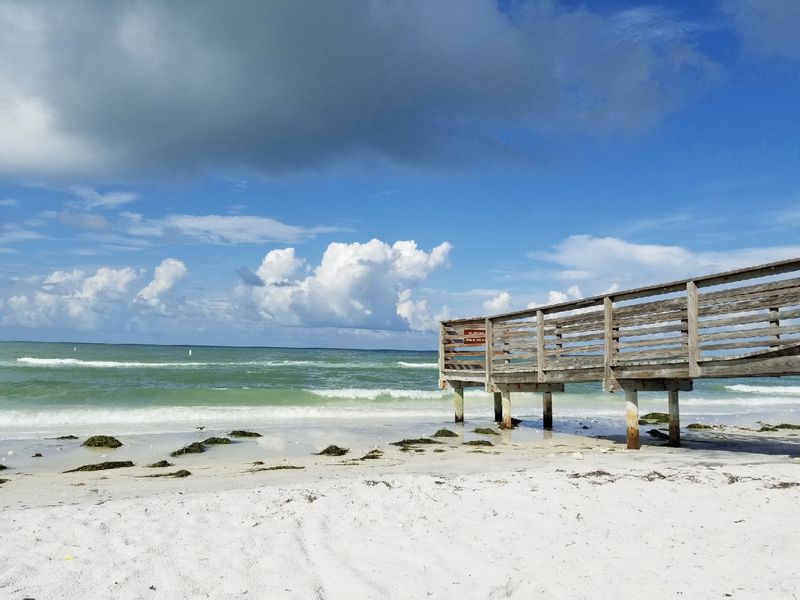
Honeymoon Island stretches along the Gulf Coast like a quiet invitation to slow down. The beaches are soft and white, the water calm and warm, and the crowds surprisingly manageable even on weekends.
Walk the shoreline and you’ll see shorebirds scurrying along the tide line—sandpipers, plovers, and gulls doing their beachcombing dance. Osprey nests sit atop dead pines, and pelicans dive-bomb the shallows with surprising grace.
Nature trails wind through coastal scrub and mangrove forests, offering shade and a different perspective. The Osprey Trail is especially peaceful, looping through quiet woods where butterflies drift and songbirds call.
Birding here is excellent, with over 200 species recorded. Bring binoculars and patience, and you’ll be rewarded. The island’s undeveloped stretches feel wild and timeless, a rare thing on Florida’s busy Gulf Coast.
Honeymoon Island is perfect for those who prefer their beach time with a side of nature. It’s relaxing without being boring, beautiful without being overdeveloped.
7. Paynes Prairie Preserve State Park (Micanopy)
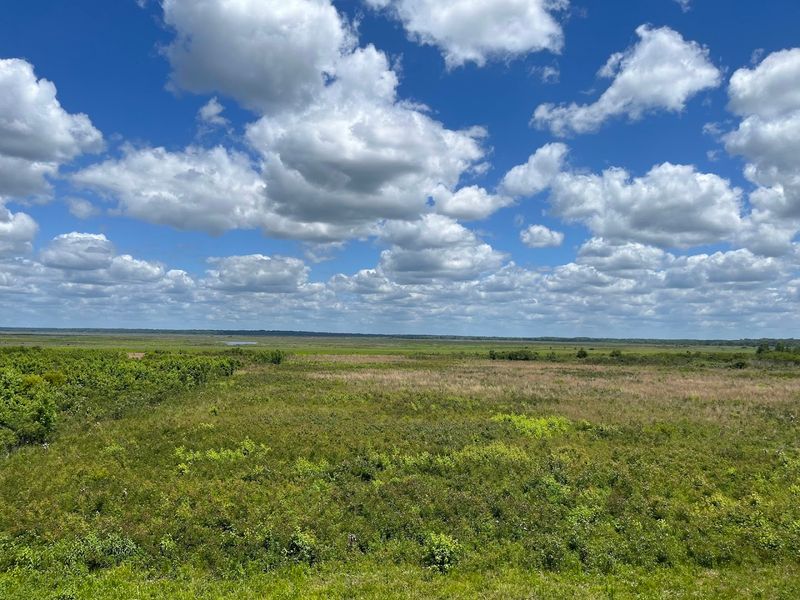
Paynes Prairie feels different from most of Florida. Instead of thick forest or coastline, you get sweeping grasslands that stretch to the horizon, more reminiscent of the Great Plains than the Sunshine State.
Bison and wild horses roam the prairie, remnants of past ecosystems and reintroduction efforts. Spotting them grazing in the distance is surreal and beautiful. Alligators sun themselves along marsh edges, and sandhill cranes stalk the wet meadows.
An observation tower offers panoramic views across the preserve. Sunrise and sunset here are spectacular, with light pouring across the open land and birds rising in flocks. The quiet is profound.
Trails wind through different habitats—wetlands, hammocks, and prairie edges. Each offers its own wildlife and scenery. Birding is excellent, with raptors, waders, and songbirds abundant.
Paynes Prairie is a place to linger without rushing. Bring binoculars, patience, and a willingness to sit still. The landscape rewards those who slow down and pay attention.
8. Big Cypress National Preserve (Ochopee)
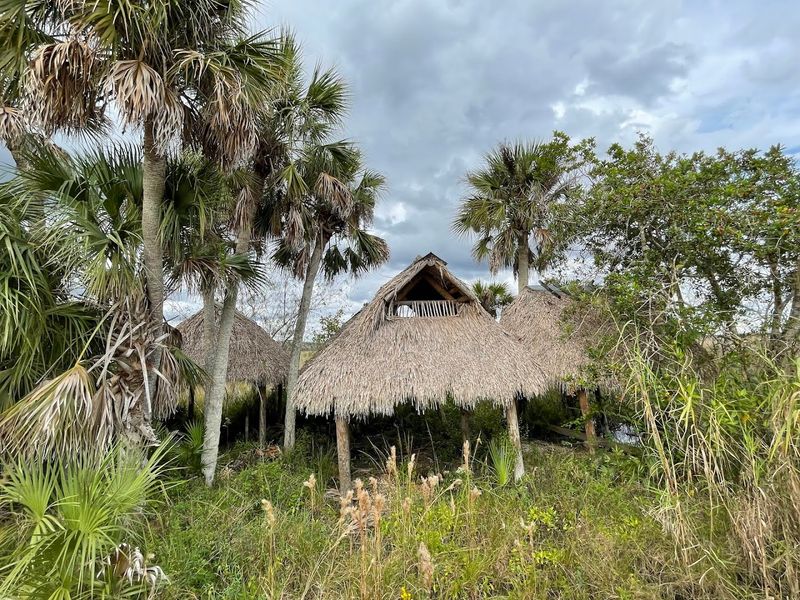
Big Cypress sprawls across South Florida like a green, watery wilderness. Cypress strands, wet prairies, and hardwood hammocks create a landscape that feels ancient and untouched.
Driving the Loop Road or Turner River Road takes you deep into this world. You’ll pass alligators sunning on canal banks, wading birds hunting in roadside ditches, and cypress domes rising from the marsh. Drive slowly and stop often.
Hiking and paddling here are immersive experiences. Trails like the Florida National Scenic Trail lead through swamp and forest, where you might spot deer, wild hogs, or even a Florida panther if luck is on your side. Paddling Turner River reveals hidden mangrove tunnels and quiet backwaters.
The Alliance for Florida’s National Parks notes Big Cypress’s role among Florida’s protected national park lands. Wildlife watching is exceptional, especially in winter when water levels drop and animals concentrate.
Big Cypress is wild, slow, and deeply peaceful. It’s a place to disconnect and let the rhythm of nature set the pace.
9. Ichetucknee Springs State Park (Fort White)
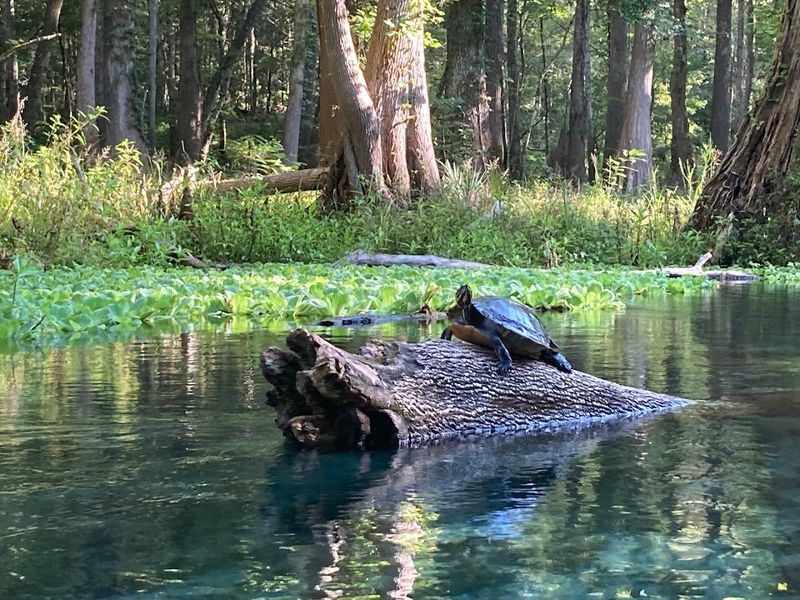
Ichetucknee Springs is famous for tubing, but visit on a quiet weekday and you’ll find a different side—calm, clear, and beautifully refreshing. The spring-fed river flows cool and gentle through shaded forest.
Paddling here is effortless. The current does most of the work, carrying you past cypress trees, limestone banks, and underwater gardens of aquatic plants. Turtles sun on logs, and fish dart through the crystal water.
The springs themselves are stunning. Blue Hole Spring is deep and impossibly clear, a pool of turquoise perfection. Swimming feels like floating in liquid glass, cool and pure.
Trails wind through the park, offering shaded walks and wildlife spotting. Deer, otters, and countless birds live here, and mornings are especially peaceful before the crowds arrive.
Ichetucknee is a gentle, refreshing nature escape. The river moves at its own slow pace, and if you’re smart, you’ll match it. Let the current carry you, watch the trees pass overhead, and forget whatever you left behind.
10. GTM Research Reserve / Guana Beach (Ponte Vedra Beach)
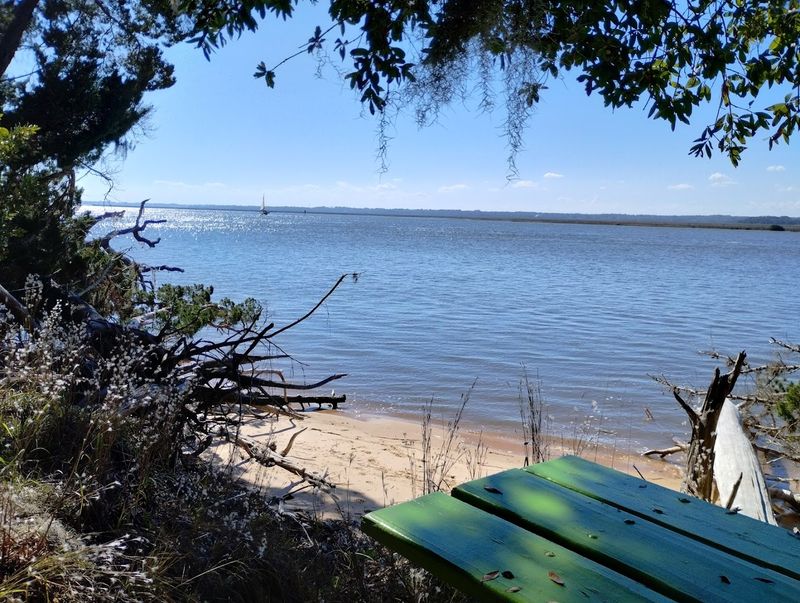
Guana Beach feels like a secret, even though it sits just south of bustling Ponte Vedra. The beach is undeveloped, backed by dunes and coastal scrub instead of condos and beach bars.
Walking here is peaceful and unhurried. The sand is soft, the waves steady, and the crowds thin. You’ll see more shorebirds than people, especially in the early morning or late afternoon.
The GTM Research Reserve protects coastal habitats—marshes, maritime forest, and tidal creeks. Trails wind through these areas, offering wildlife watching and quiet exploration. Birding is excellent, with migrating shorebirds and raptors passing through seasonally.
Kayaking the tidal creeks reveals a hidden world of mangroves, oyster bars, and wading birds. The water is calm and protected, perfect for slow paddling and observation.
Guana Beach is a reminder that Florida’s coast still has wild, natural stretches. No boardwalks, no beach vendors, no noise—just sand, surf, and the sound of waves doing what they’ve always done.
11. Biscayne National Park (Homestead)
Biscayne National Park is 95% water, which tells you everything about the pace here. This is a place for kayaking, boating, snorkeling, and soaking in Florida’s coastal beauty without rushing.
Mangrove islands dot the bay, creating sheltered channels perfect for paddling. You weave through green tunnels, watching herons hunt and crabs scuttle along the roots. The water is calm and clear, revealing seagrass beds and fish darting below.
Coral reefs lie just offshore, protected and teeming with life. Snorkeling here reveals a quiet underwater world—colorful fish, swaying corals, and sea turtles gliding past. The reef feels ancient and delicate, a reminder of nature’s intricate beauty.
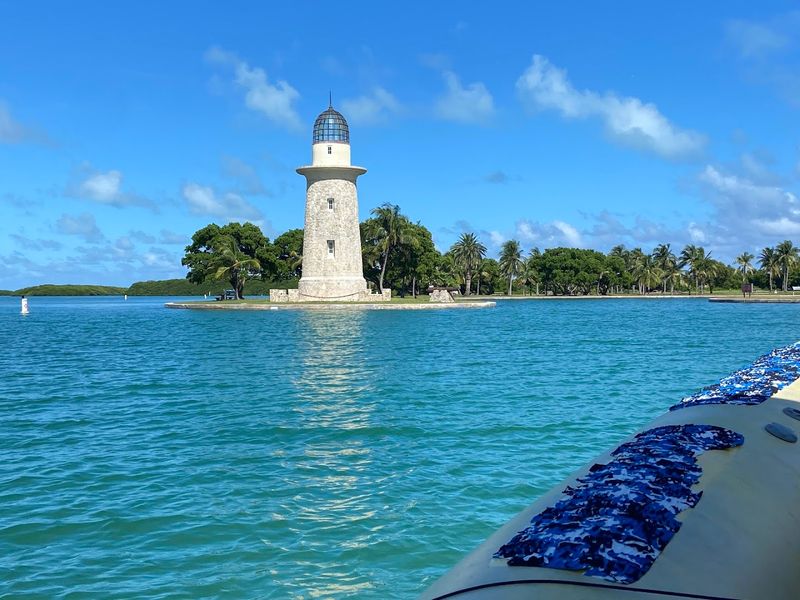
Boca Chita Key offers a historic lighthouse and picnic areas, perfect for slow afternoons. The views stretch across open water, and the quiet is broken only by wind and waves.
Biscayne is peaceful in a uniquely Florida way—salty, tropical, and endlessly blue. It’s a place to slow down, breathe deep, and let the water set the rhythm.