12 Florida Coastal Gems Most Travelers Haven’t Discovered Yet
Most people think they know Florida’s coast—the crowded beaches, the neon-lit boardwalks, the resort strips where every view looks the same. But tucked between the tourist magnets are coastal towns that time forgot, where fishing villages still feel like fishing villages and the Gulf breeze doesn’t come with a side of spring break chaos. These aren’t the places plastered on postcards or trending on social media.
They’re the spots where locals go to escape, where the sand is just as white but the vibe is infinitely more chill, and where you can actually hear the waves instead of a dozen Bluetooth speakers.
1. Cedar Key (Nature Coast)
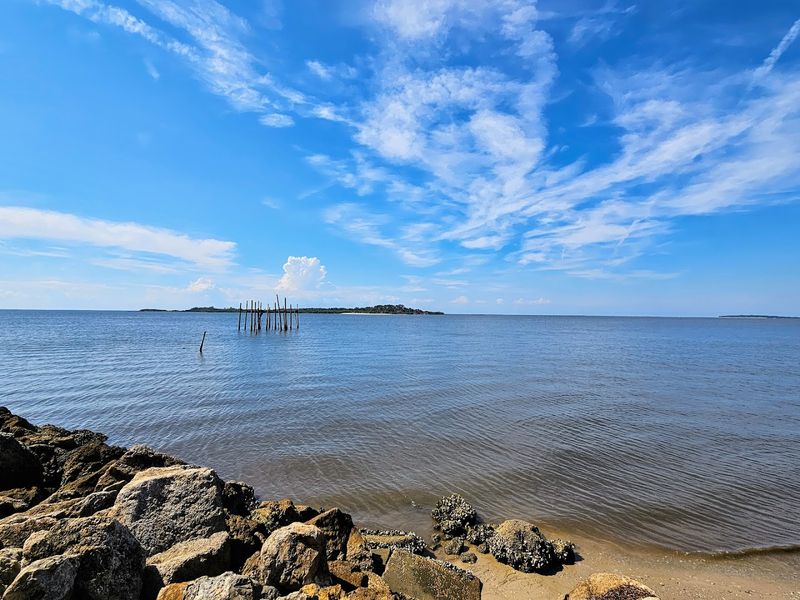
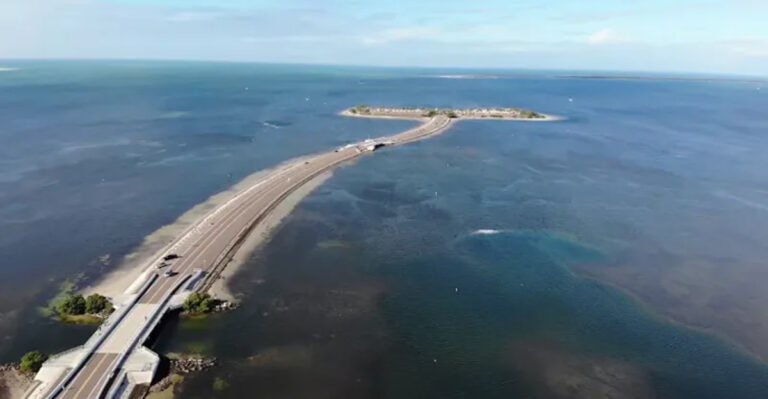
Cedar Key sits out on Florida’s Nature Coast like it missed the memo about modern development. This cluster of tiny Gulf islands feels more like a Caribbean fishing village than mainland Florida, with weather-beaten docks, seafood shacks that smell like Old Bay, and art galleries tucked into historic storefronts. The pace here is slower than a manatee on a Sunday morning.
Most visitors come for the clam chowder and stay for the sunsets. The town’s fishing-village character is authentic—not theme-park authentic, but “these boats actually catch your dinner” authentic. You’ll find local artists selling paintings of herons, boutique shops with driftwood sculptures, and zero chain restaurants.
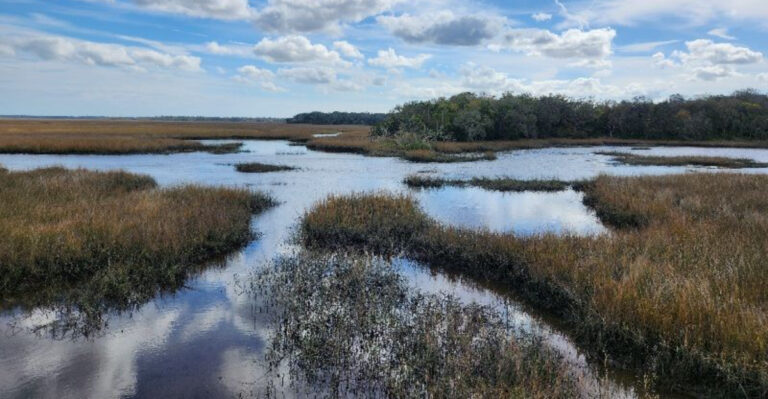
Kayaking through the salt marshes reveals why this place has resisted change. The water is shallow, clear, and full of life—mullet jumping, dolphins cruising, birds everywhere. St. Martins Aquatic Preserve wraps around the islands, keeping developers at bay and nature up close.
The annual Sidewalk Arts Festival draws crowds in April, but most weekends you can walk the historic downtown without dodging tour groups. Grab steamed clams at one of the waterfront spots, watch the shrimp boats come in, and remember what Florida used to feel like before the condo towers showed up.
2. Cape San Blas (Gulf County)
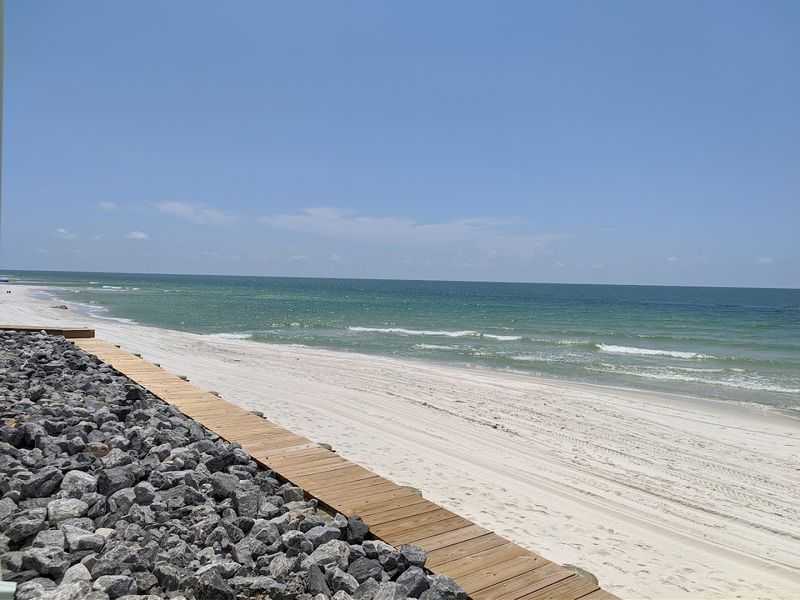
Cape San Blas juts into the Gulf like Florida’s best-kept secret, a skinny peninsula where the sand is sugar-white and the water looks Photoshopped even though it’s not. This Panhandle hideaway has managed to stay under the radar while nearby beaches turned into high-rise jungles. The atmosphere here is aggressively laid-back.
St. Joseph Bay hugs one side of the peninsula, offering calm, shallow water perfect for families and anyone who’d rather float than fight waves. The Gulf side delivers classic beach vibes—rolling surf, wide-open views, and enough space that you won’t be setting up camp on your neighbor’s towel.
The lighthouse at the tip is a local landmark, and the state park offers hiking trails through coastal scrub where you might spot gopher tortoises or nesting shorebirds. No boardwalk games, no airbrushed T-shirt shops—just dunes, sea oats, and the occasional beach house.
Scalloping season (late June through September) turns the bay into a treasure hunt, with snorkelers bobbing around looking for their limit. Fishing is solid year-round, whether you’re casting from the shore or chartering a boat. Cape San Blas is what happens when a beach town refuses to sell out.
3. Carrabelle (Forgotten Coast)
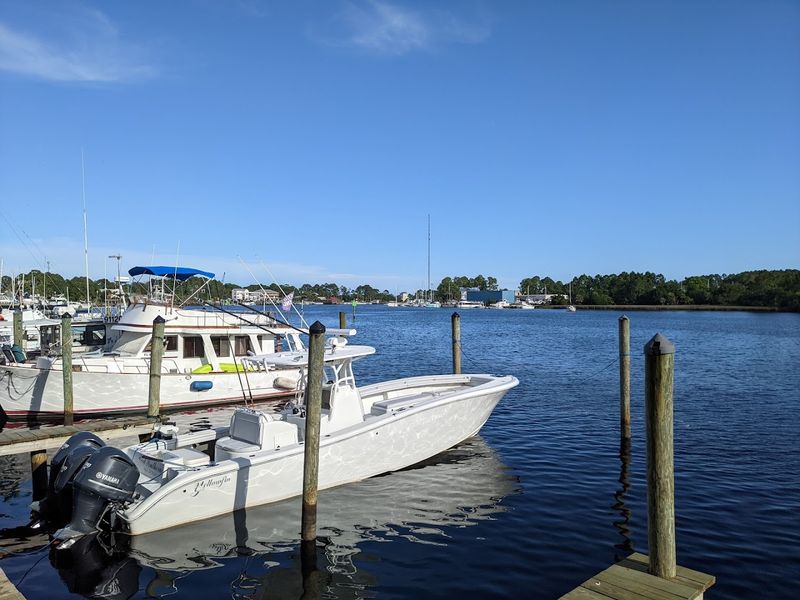
Carrabelle earned its Forgotten Coast nickname honestly. This quiet Gulf town doesn’t have the polish of Destin or the crowds of Panama City, and that’s exactly the point. What it does have is miles of undeveloped shoreline, some of the best mullet fishing in the Panhandle, and a vibe that says “hurry up and relax.”
The beaches here are low-key and accessible, perfect for shelling, wading, or just staring at the horizon without someone trying to rent you a jet ski. Carrabelle Beach is the main public access, but the coastline stretches in both directions with plenty of quiet spots if you’re willing to explore.
Downtown feels like a working waterfront should—bait shops, seafood markets, boats tied up at weathered docks. The World’s Smallest Police Station (a phone booth, seriously) is a quirky photo op, but the real draw is the authenticity. This isn’t a town pretending to be coastal; it just is.
Birding is excellent around the tidal flats and marshes, especially during migration. Kayakers love the calm backwaters, and the Crooked River Lighthouse offers history with a view. Carrabelle doesn’t try to be anything other than what it is—a genuine coastal community where the fish are fresh and the pace is refreshingly unhurried.
4. Alligator Point (Forgotten Coast)
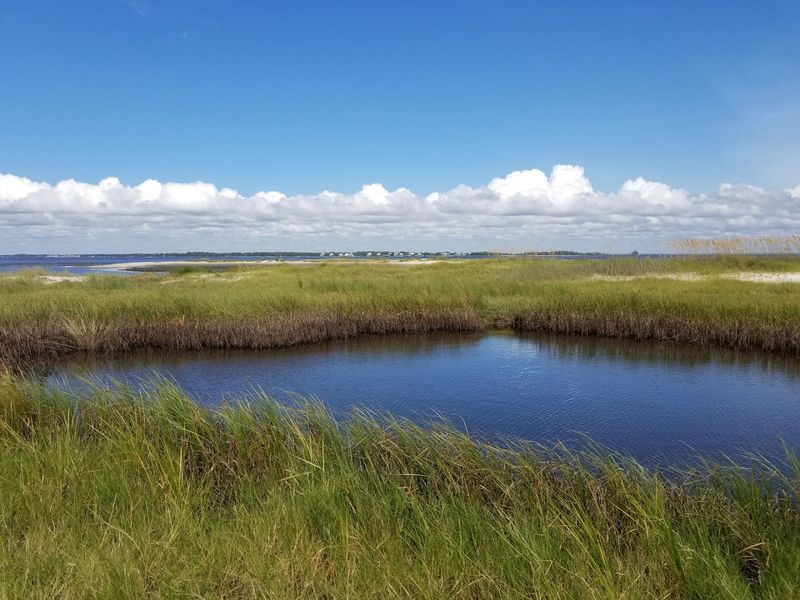
Alligator Point is where the Forgotten Coast gets even more forgotten. This sliver of land between the Gulf and Alligator Harbor is about as low-key as Florida beaches get—no boardwalk, no mini golf, no neon signs advertising all-you-can-eat shrimp. Just sand, water, and the kind of quiet that makes you check if your phone is on silent.
The beach here is narrow but beautiful, with shallow water that warms up early in the season. Families love it because kids can wade out forever without getting in over their heads. The bay side offers calmer conditions and excellent fishing, especially if you’re after speckled trout or redfish.
This is a “bring your own fun” kind of place. Pack a cooler, grab some beach chairs, and don’t overplan it. The whole vibe is about disconnecting—fishing at sunrise, reading under an umbrella, watching the sunset without a crowd blocking your view.
The broader Forgotten Coast region lives up to its name with unspoiled scenery and small communities that haven’t been theme-parked into oblivion. Alligator Point captures that spirit perfectly. It’s not trying to compete with the resort towns, and that’s exactly why it works.
Come here when you want a coastal escape without the usual coastal chaos.
5. Matlacha (Pine Island)
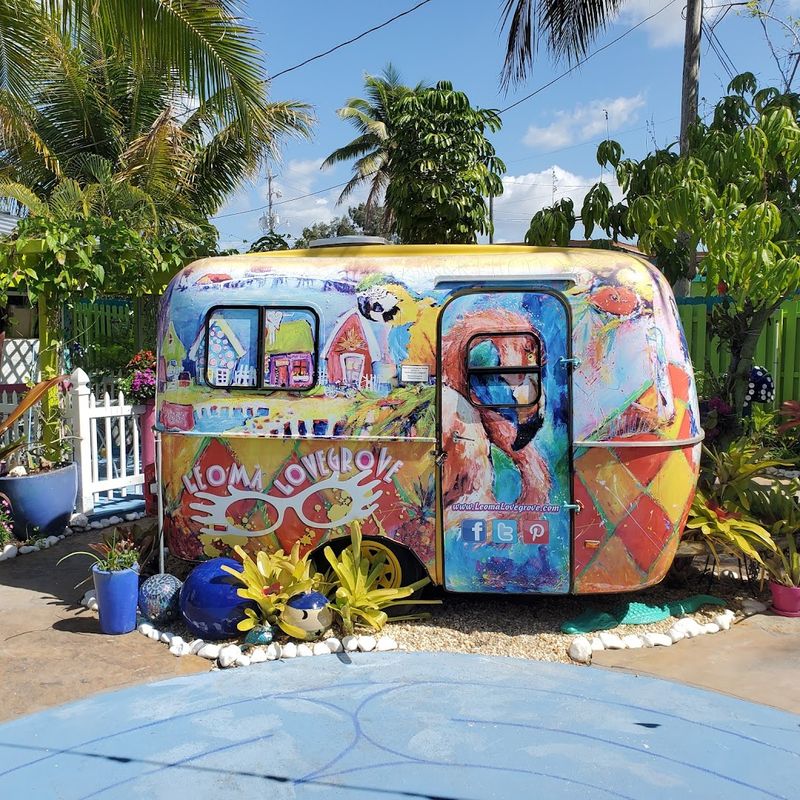
Matlacha looks like a box of crayons exploded on a fishing village. This tiny island community between Cape Coral and Pine Island is a riot of color—purple cottages, lime-green storefronts, murals covering every available wall. It’s Old Florida meets art colony, with a side of excellent grouper sandwiches.
The main drag is a narrow strip lined with galleries, gift shops, and seafood joints, all painted in shades that would make a flamingo jealous. Artists moved here decades ago when rent was cheap and inspiration was free, and they’ve been adding color ever since. You can watch painters working, buy handmade jewelry, or just soak up the funky energy.
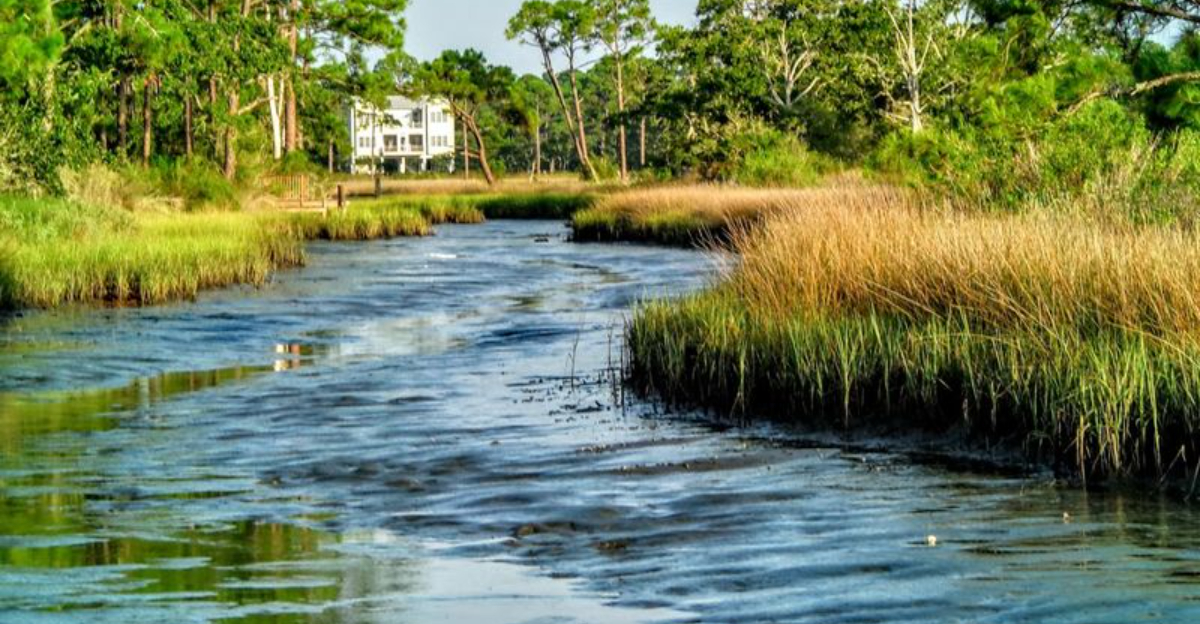
Kayaking around Matlacha is phenomenal. The mangrove tunnels twist through shallow water where you’ll spot herons, pelicans, and maybe a manatee if you’re quiet. Fishing guides launch from the docks, targeting snook, tarpon, and redfish in the backcountry waters that surround Pine Island.
The seafood is legit—this is still a working fishing village underneath the paint job. Try the smoked fish dip, grab a table overlooking the water, and watch the boats come and go. Matlacha doesn’t take itself seriously, which is refreshing in a state where every beach town is branding itself as “authentic.” This place actually is.
6. Boca Grande (Gasparilla Island)
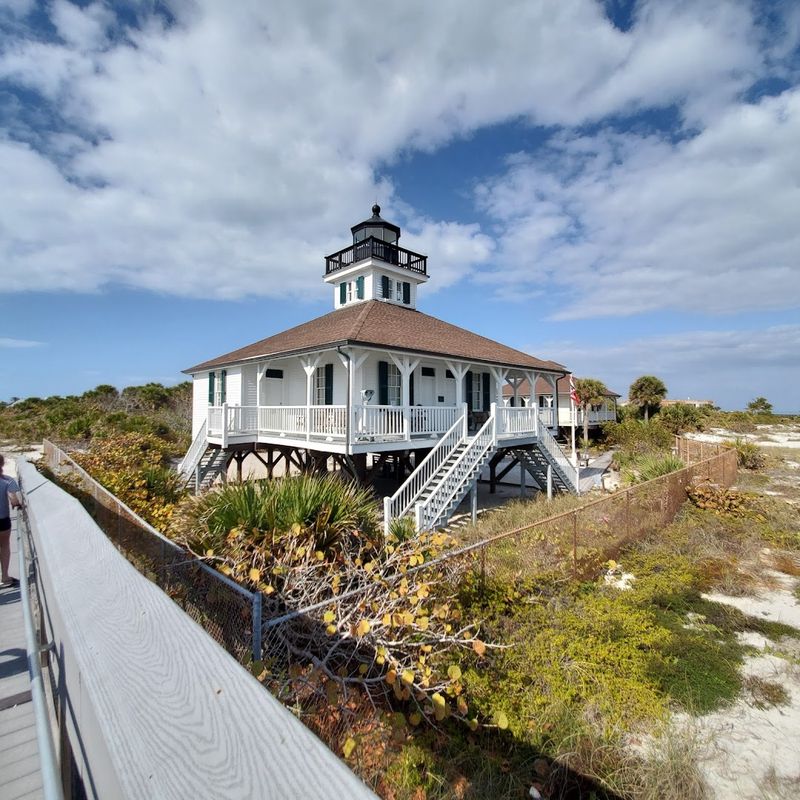
Boca Grande feels like Florida before air conditioning changed everything. This Gulf Coast village on Gasparilla Island has kept its old-money charm without turning into a museum. The beaches are gorgeous, the lighthouse is postcard-perfect, and the whole island has a “we don’t need to impress you” confidence that’s oddly appealing.
Tarpon fishing put Boca Grande on the map back when Hemingway was still alive. Every spring and early summer, massive silver kings migrate through Boca Grande Pass, drawing anglers from around the world. Even if you don’t fish, watching these prehistoric-looking beasts leap out of the water is worth the trip.
The historic lighthouse at the southern tip is now a museum, and the beach around it is consistently ranked among Florida’s best. The sand is soft, the water is clear, and the Gulf Island vibe is strong. Rent a bike and cruise the island—it’s the preferred mode of transport here.
Downtown has boutiques, restaurants, and an ice cream shop that’s been scooping since 1976. The buildings are low-rise and tasteful, the streets are walkable, and there’s not a single chain hotel in sight. Boca Grande attracts a certain type of visitor—people who appreciate quality over flash and know that real island life doesn’t need a marketing campaign.
7. Pass-a-Grille (St. Pete Beach)
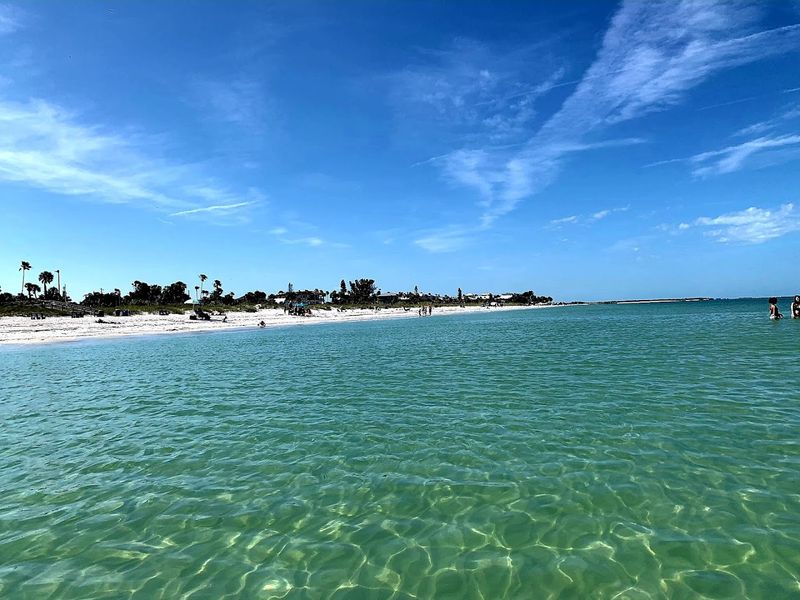
Pass-a-Grille sits at the southern tip of St. Pete Beach like a time capsule that somehow avoided the wrecking ball. While the rest of the beach strip went vertical with condos and resorts, this little district kept its cottages, its local shops, and its sanity. It’s walkable, historic, and refreshingly free of spring break energy.
The beach here is public and beautiful, with white sand and calm Gulf water perfect for swimming. The fishing pier stretches out into the pass, offering solid chances at snook, tarpon, and whatever else is running. Early morning brings dolphins cruising past and pelicans dive-bombing breakfast.
Eighth Avenue is the main drag, lined with boutiques, cafes, and restaurants where locals actually eat. The Hurricane is a beachfront institution—grab a grouper sandwich and a cold beer, sit on the deck, and watch the boats navigate the pass. The vibe is chill, the crowds are manageable, and the whole area feels like a neighborhood instead of a tourist zone.
Street parking can be tight on weekends, but once you’re parked, everything is within walking distance. The historic district designation has kept developers from going crazy, preserving the low-rise, Old Florida character that makes Pass-a-Grille feel like a beach town should—unpretentious, friendly, and focused on the water instead of the wallet.
8. Vilano Beach (St. Augustine)
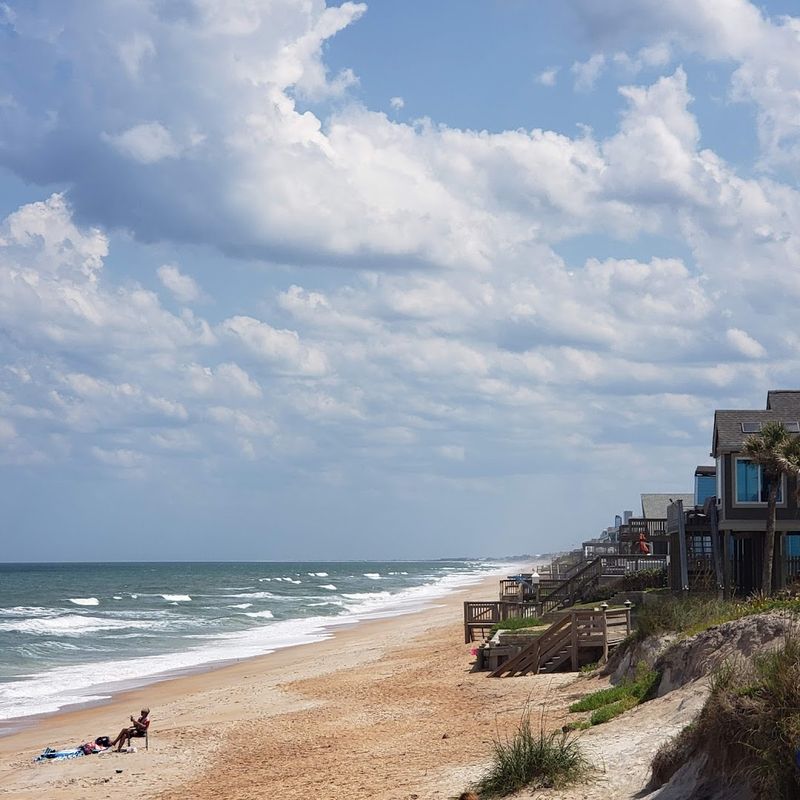
Vilano Beach is what happens when a beach town skips the corporate makeover and keeps its quirky personality. Just north of St. Augustine, this Atlantic Coast spot has a beach pavilion, a fishing pier, and a funky small-town vibe that feels more authentic than polished. Locals love it because tourists usually head south to the more famous beaches.
The beach itself is wide and natural, with enough space to spread out even on busy weekends. The pier is a local hangout—fishermen casting for whiting and pompano, families watching the sunrise, surfers checking the break. The waves here are decent when the swell cooperates, attracting a low-key surf crowd.
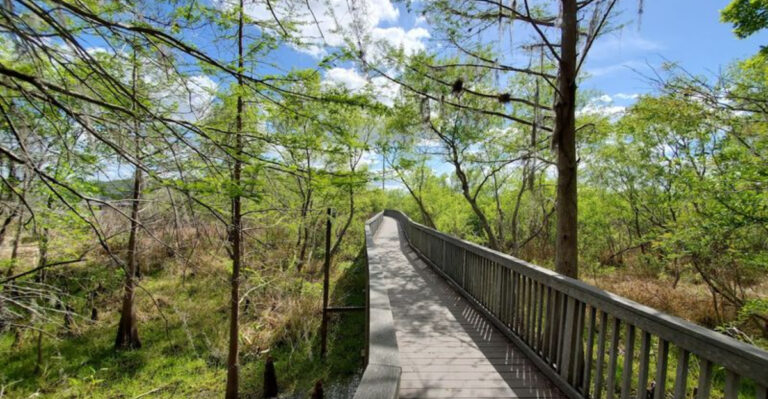
The nature boardwalk behind the pavilion winds through coastal dunes and maritime forest, offering a quick escape into Florida’s wilder side. You’ll see gopher tortoises, shorebirds, and maybe a snake if you’re lucky (or unlucky, depending on your perspective). It’s a nice contrast to the beach scene—quiet, shaded, and surprisingly peaceful.
Restaurants and shops line the beachside road, nothing fancy but solid options for fish tacos, ice cream, and beach gear. Vilano doesn’t try to compete with the historic charm of St. Augustine or the resort polish of Jacksonville Beach. It just does its own thing—laid-back, local, and perfectly content being the beach town that doesn’t need to prove anything.
9. Flagler Beach (Northeast Florida)
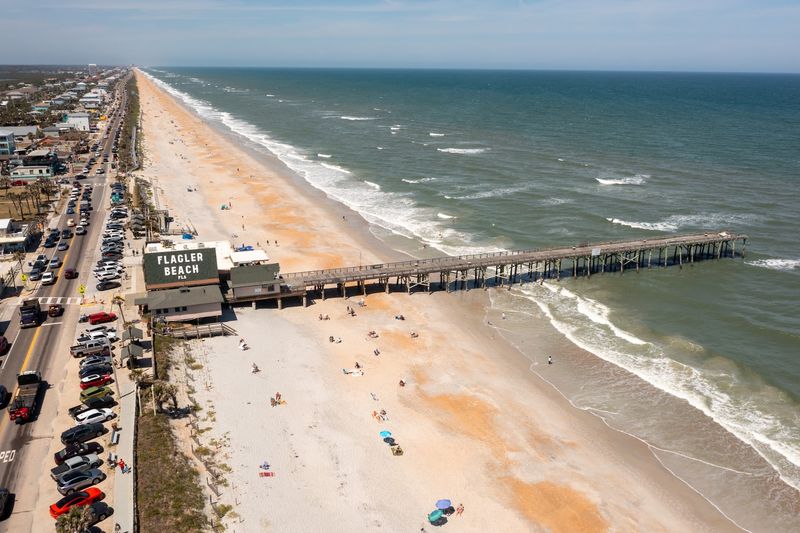
Flagler Beach sits on a beautiful stretch of A1A between Daytona and St. Augustine, but somehow it never got the memo about becoming a tourist trap. This laid-back coastal town has kept its small-town feel while offering everything you actually want from a beach day—good sand, decent waves, and restaurants where you can walk in wearing flip-flops without anyone judging.
The fishing pier is the heart of the action, extending over the Atlantic with views up and down the coast. Anglers pull in Spanish mackerel, bluefish, and whatever’s biting, while non-fishers just enjoy the ocean breeze and the pelican show. The beach on either side is public and accessible, with plenty of parking for a small fee.
Downtown Flagler Beach has a mom-and-pop vibe—surf shops, seafood spots, ice cream parlors, and a few bars where locals gather to watch football and complain about tourists (in the nicest way possible). The Funky Pelican is a beachfront institution, serving breakfast and lunch with a side of ocean view.
The scenic drive along A1A is worth the trip alone, with the ocean on one side and the Intracoastal on the other. Flagler Beach doesn’t have the glitz of Miami or the theme parks of Orlando, and that’s exactly the appeal. It’s a real beach town with real people, where the focus is on the water, not the wallet.
10. Mexico Beach (Florida Panhandle)
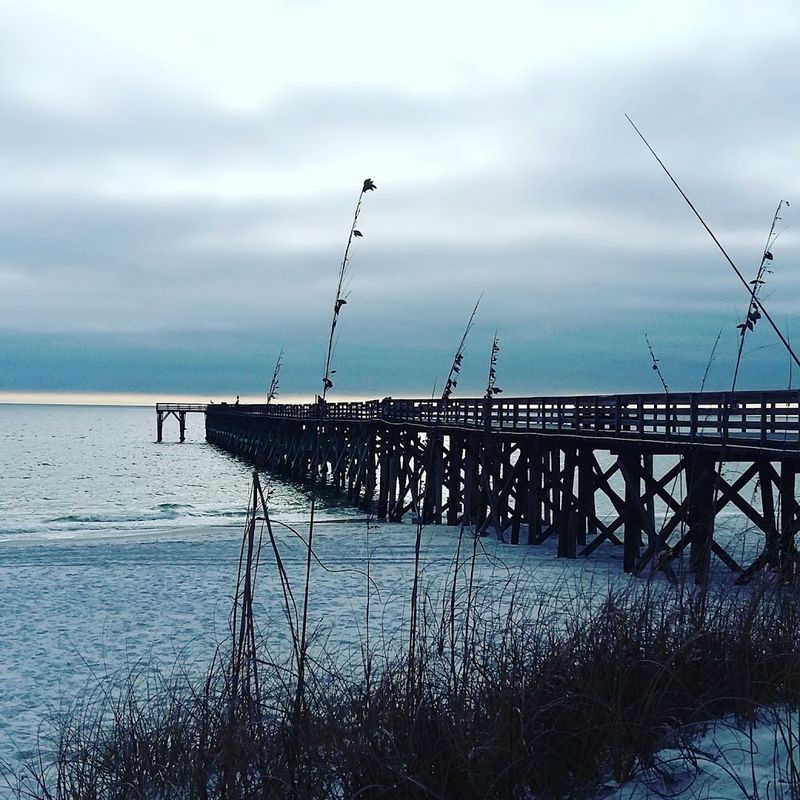
Mexico Beach is the Panhandle beach town that refuses to get loud. While Panama City Beach cranks up the spring break chaos a few miles west, Mexico Beach keeps things simple—soft sand, clear water, and a refreshingly low tolerance for nonsense. Hurricane Michael hit hard in 2018, but the town rebuilt with the same quiet determination that defined it before the storm.
The beach here is gorgeous without trying to be. The sand is white, the Gulf is that impossible shade of turquoise, and the whole setup feels more Caribbean than Florida. Families love it because the water stays shallow forever, and parents can actually relax instead of playing lifeguard every second.
Seafood stops are casual and unpretentious—order at the counter, grab a picnic table, and enjoy grouper that was probably swimming yesterday. The Killer Seafood is a local favorite, serving everything from shrimp baskets to smoked tuna dip. No white tablecloths, no reservations, just good fish and cold beer.
Fishing is solid from the shore or the pier, and the lack of crowds means you can actually find a spot without elbowing someone. Mexico Beach isn’t trying to compete with the resort towns, and that’s its superpower. It’s a calmer alternative for people who want Panhandle beaches without the Panhandle madness—just sand, sun, and the Gulf doing its thing.
11. Cortez (Bradenton Area)
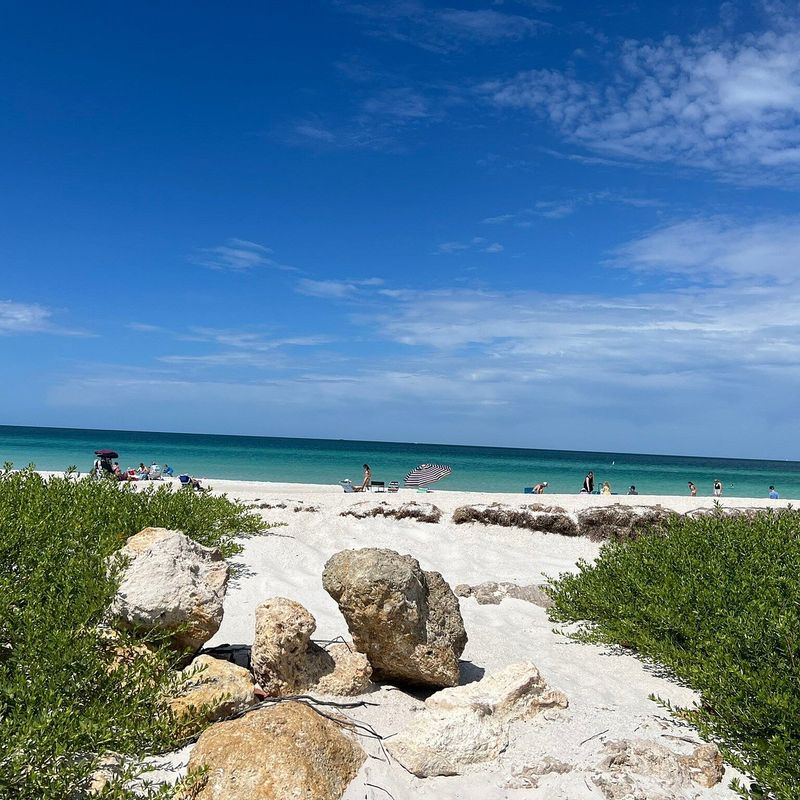
Cortez is a working fishing village that somehow survived the condo invasion. Tucked near Anna Maria Island in the Bradenton area, this historic waterfront community still looks and feels like Old Florida—weathered docks, commercial fishing boats, and seafood so fresh it’s practically still swimming. The whole village is on the National Register of Historic Places, which helps keep developers from turning it into another resort strip.
The dockside scene is the real deal. Fishing boats unload their catch, pelicans beg for scraps, and the smell of diesel and saltwater hangs in the air. You can buy shrimp straight off the boat, watch mullet jump in the harbor, and remember what coastal Florida looked like before the theme-parking began.
Restaurants here focus on seafood and nothing else. Star Fish Company is a local institution, serving grouper sandwiches and stone crab claws with waterfront views. The vibe is casual, the portions are generous, and the fish is as local as it gets.
No fancy plating, no farm-to-table buzzwords—just excellent seafood done right.
Cortez is what travelers mean when they say they want “real coastal character.” It’s not polished, it’s not branded, and it’s definitely not trying to be Instagram-famous. It’s a genuine fishing village where people actually fish, and that authenticity is worth way more than any resort brochure could promise.
12. Hobe Sound (Martin County)
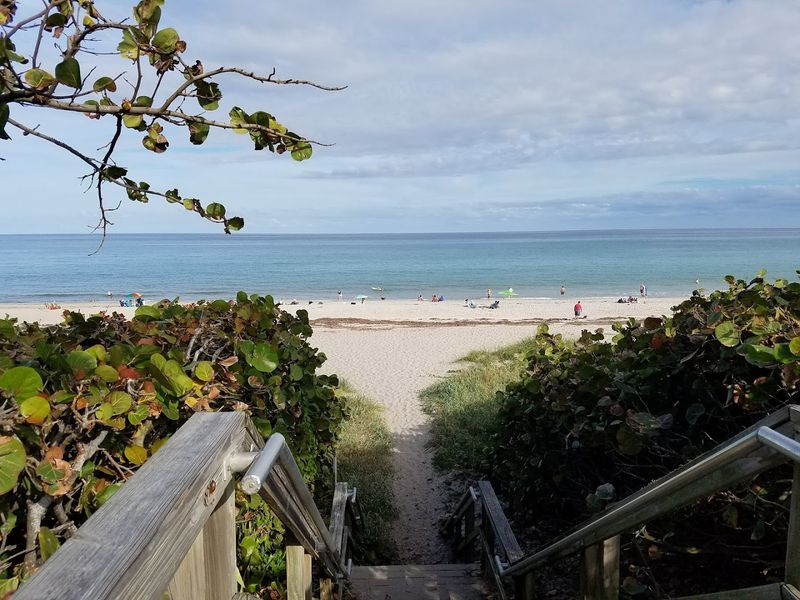
Hobe Sound is South Florida’s answer to the question “Can you still find peace on the Atlantic Coast?” Tucked in Martin County between the chaos of Palm Beach and the sprawl of Port St. Lucie, this quiet coastal escape offers natural beaches, scenic drives, and access to preserves that feel worlds away from the usual South Florida crowds.
Hobe Sound National Wildlife Refuge protects miles of pristine beach where sea turtles nest and humans remember what undeveloped coastline looks like. The sand is natural, the dunes are protected, and the only development is the parking lot. It’s a stunning stretch of Atlantic shoreline without the high-rises, beach bars, or jet ski rentals.
Jonathan Dickinson State Park sits just inland, offering hiking, kayaking, and camping in one of Florida’s most diverse ecosystems. The Loxahatchee River winds through the park, and paddling its quiet waters reveals cypress swamps, mangrove tunnels, and wildlife that includes alligators, manatees, and an impressive variety of birds.
The town itself is small and understated, with local shops and restaurants that cater to residents more than tourists. That’s the appeal—Hobe Sound doesn’t need to sell itself. It’s a peaceful Atlantic Coast retreat for people who want beauty without the usual South Florida scene, where the focus is on nature instead of nightlife and the beaches are as gorgeous as the crowded ones but infinitely more chill.