12 Florida Coastal Trails With Ocean Views Worth Slowing Down For
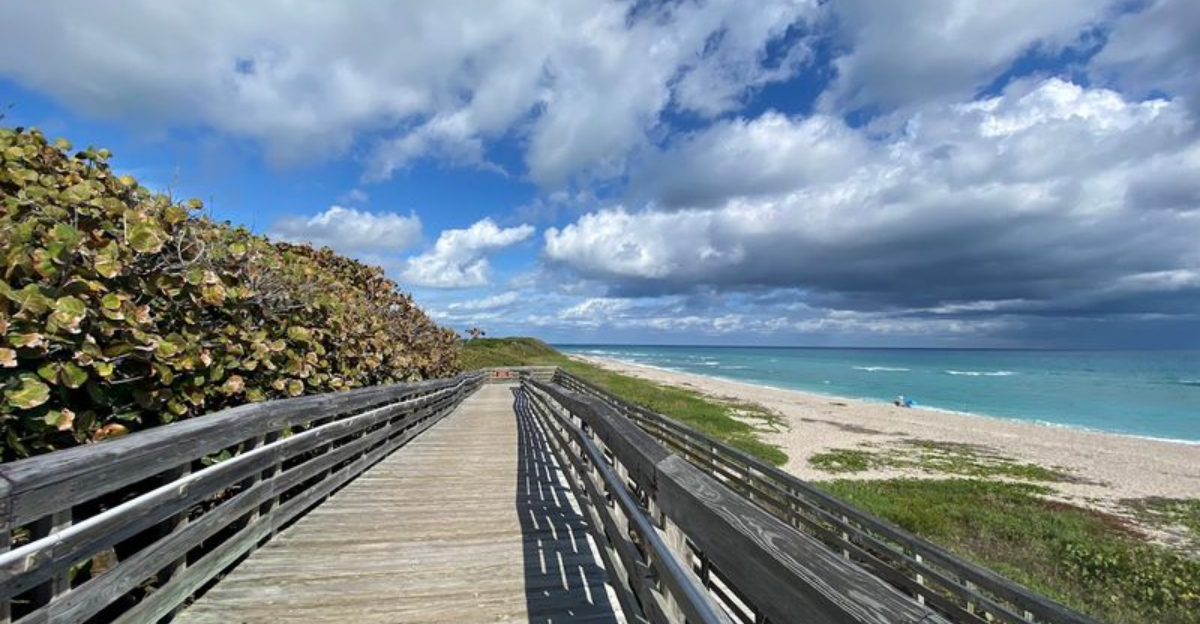
Florida’s coastline stretches over 1,300 miles, offering some of the most beautiful ocean views in the country. Walking these coastal trails gives you a front-row seat to crashing waves, sweeping beach vistas, and wildlife you won’t find anywhere else. Whether you’re exploring barrier islands, historic bridges, or quiet nature preserves, these trails reward you with the kind of scenery that makes you forget about your phone and just breathe in the salt air.
1. Smyrna Dunes Park Boardwalk (New Smyrna Beach)
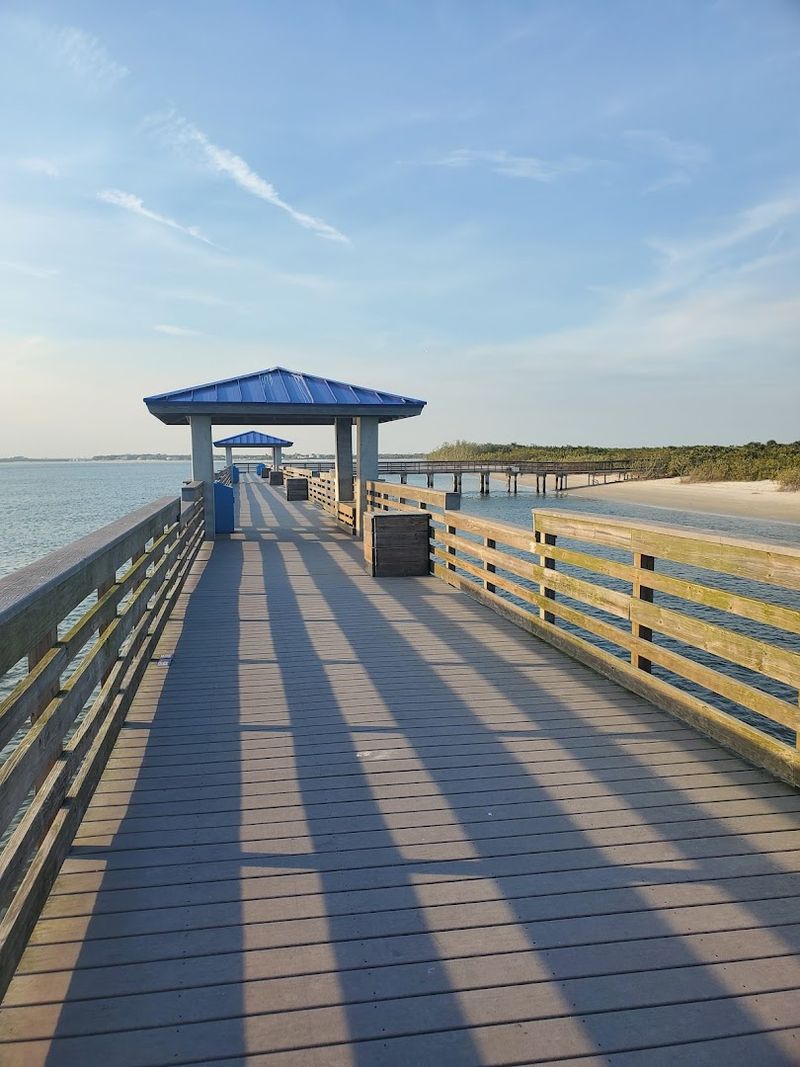
Walking over two miles without ever touching sand sounds like a dream, and that’s exactly what Smyrna Dunes Park delivers. The elevated boardwalk keeps you high above the dunes, giving you unobstructed views of three different bodies of water: the Atlantic Ocean, Indian River, and Ponce de Leon Inlet.
Families love this spot because strollers and wheelchairs roll smoothly along the wide planks. You’ll pass overlooks where dolphins sometimes surface offshore, and seabirds dive for fish in the shallows below. The boardwalk loops through different ecosystems, so one minute you’re looking at ocean waves and the next you’re gazing across calm river water.
Sunrise here is spectacular, with the light painting the inlet gold and pink. Bring a camera, but also bring patience—this is the kind of place where you’ll want to stop at every viewing platform. The breeze off the water keeps things cool even on warm days, making it one of the most comfortable coastal walks in Central Florida.
2. Old Bahia Honda Bridge Trail (Bahia Honda Key)
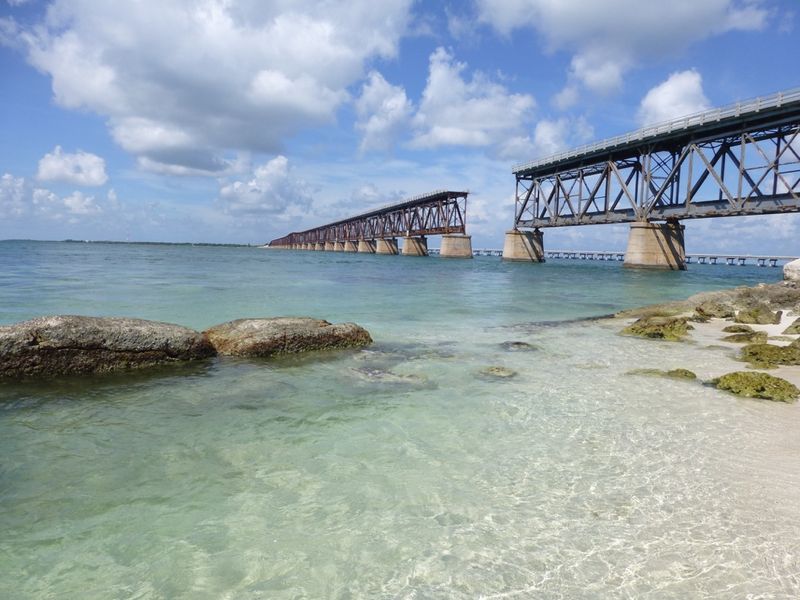
Climbing onto an old railroad bridge might sound more like urban exploration than a nature walk, but Bahia Honda Bridge offers something entirely different. The trail leads you up onto the historic structure, where you’re suddenly suspended above some of the clearest turquoise water in the entire state.
Looking down, you can see straight through to the sandy bottom and sometimes spot fish swimming in schools beneath you. The bridge itself is a relic from Henry Flagler’s Overseas Railroad, abandoned after the 1935 Labor Day Hurricane destroyed much of the line. Now it serves as one of the most unique viewing platforms in the Keys.
The walk isn’t long—just enough to get your heart pumping slightly from the incline—but the payoff is huge. On calm days, the water below looks like liquid glass in shades of blue and green you’d swear were Photoshopped. Pack water and sunscreen because there’s zero shade up there, but the views make any sun exposure worthwhile for photographers and daydreamers alike.
3. Turtle Mound Trail (Canaveral National Seashore)
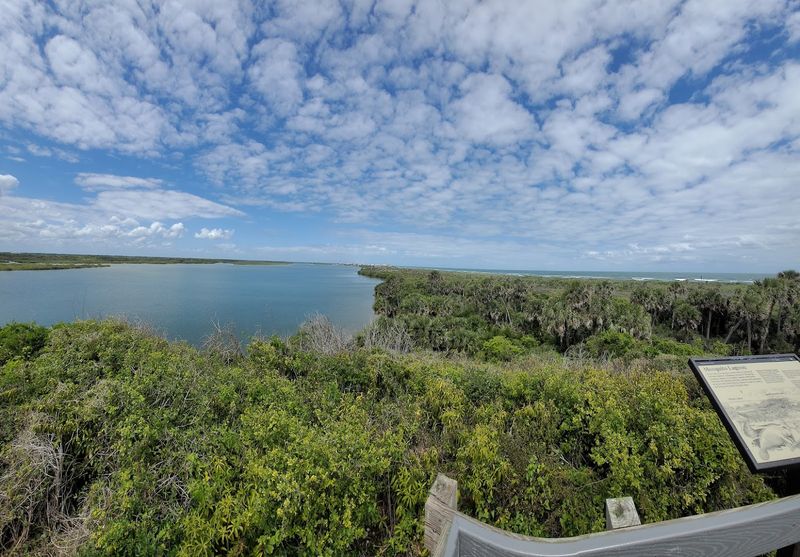
Built from oyster shells by the Timucua people over centuries, Turtle Mound rises 50 feet above the flat coastal landscape like a natural skyscraper. The climb up the wooden stairs takes just a few minutes, but once you reach the top, you’re rewarded with 360-degree views that stretch for miles.
On one side, the Atlantic Ocean rolls in with its endless blue horizon. Turn around and you’ll see the Indian River Lagoon glittering in the sunlight, with its maze of mangrove islands and shallow flats. Early morning visits often mean spotting dolphins in the waves or manatees in the lagoon’s calm waters.
The trail itself is short, making it perfect for families with young kids or anyone who wants big views without a marathon hike. Interpretive signs along the way explain the mound’s history and the barrier island ecosystem surrounding it. Bring binoculars if you’re into birdwatching—the height gives you a prime vantage point for spotting ospreys, pelicans, and migratory species passing through.
4. Blowing Rocks Preserve Trails (Hobe Sound)
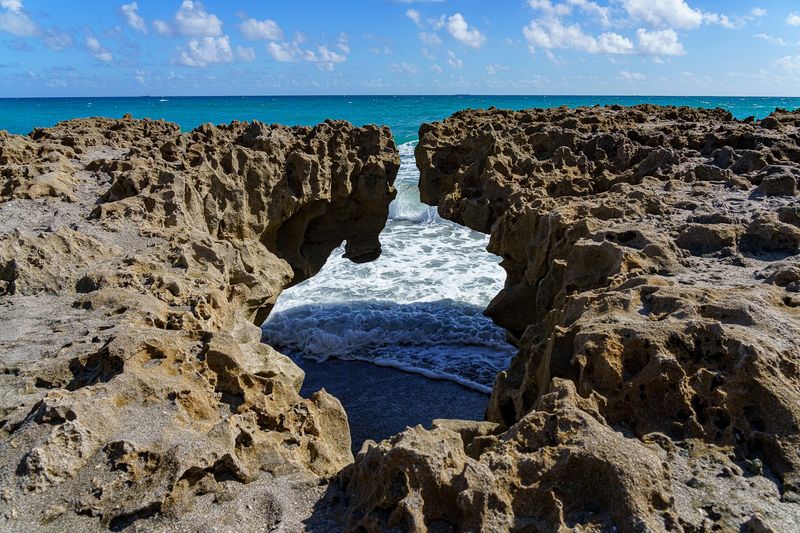
When waves slam into the Anastasia limestone shore here during high tide, water can shoot 50 feet into the air through natural holes in the rock. It’s like watching a geyser show, except it’s powered entirely by the Atlantic Ocean’s raw energy.
The preserve protects one of the largest rocky shorelines on Florida’s east coast, a rarity in a state known for sandy beaches. Walking the trails, you’ll pass through mangrove tunnels on elevated boardwalks, cross dunes where sea turtles nest in summer, and eventually reach the dramatic rocky coastline. The contrast between the calm lagoon side and the wild ocean side makes every visit feel like two different adventures.
Rough weather brings the most impressive blowhole displays, but calm days offer their own rewards—tide pools teeming with small fish and crabs, perfect conditions for photography, and quieter walks where you might have stretches of trail entirely to yourself. The preserve stays relatively uncrowded compared to nearby beaches, giving it a hidden-gem quality that locals appreciate.
5. Grayton Beach Nature Trail (Santa Rosa Beach)
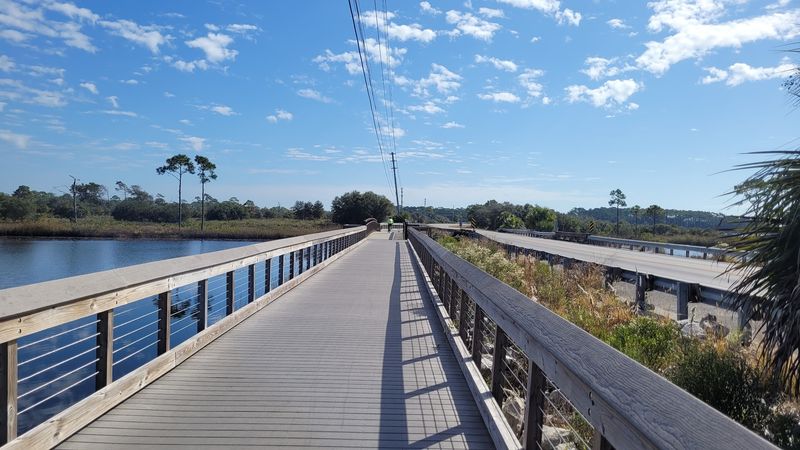
Western Lake, one of Florida’s rare coastal dune lakes, sits just inland from the sugar-white beaches that made this stretch of Panhandle coast famous. The nature trail here weaves through ecosystems you won’t find anywhere else, connecting the lake’s calm waters with the Gulf’s rolling waves.
Sand scrub oak and pine flatwoods line parts of the path, creating shaded sections that offer relief from the sun. Other stretches take you across open dunes where the white sand squeaks under your feet and Gulf breezes carry the smell of salt water. The trail isn’t paved or heavily developed, which means you’re walking through scenery that feels genuinely wild rather than manicured.
Birdwatchers bring their field guides here because the mix of habitats attracts an impressive variety of species. The lake itself changes character with the seasons—sometimes it’s completely separated from the Gulf, other times storm surges open a channel that connects the two. Either way, the walk offers a slower, quieter coastal experience than the typical beach boardwalk.
6. Fort Pickens Area Trails (Pensacola Beach)
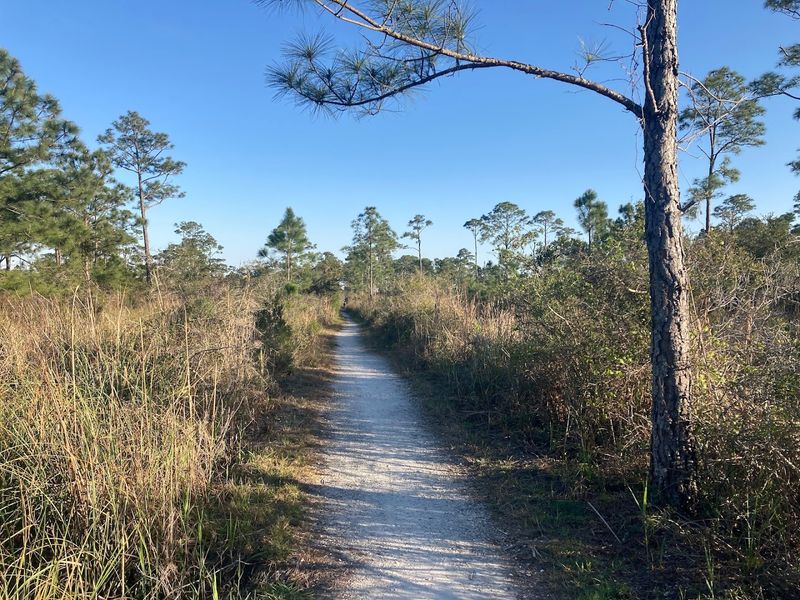
Exploring Civil War-era fortifications while walking trails that lead to pristine Gulf beaches creates an unusual combination of history and nature. Fort Pickens sits at the western tip of Santa Rosa Island, where trails wind through the fort complex, along beaches, and through coastal marshes.
The Florida National Scenic Trail connects through here, giving serious hikers a chance to tackle longer distances while casual walkers can choose shorter loops. White sand beaches stretch for miles, often nearly empty even during tourist season. The water takes on that characteristic Emerald Coast color—clear, bright, and impossibly blue-green.
Camping options near the trails make this a great overnight destination if you want to catch sunrise over the Gulf. The fort itself provides shade and historical interest between beach walks, with dark corridors and gun emplacements that kids find endlessly fascinating. Fishing from the beach or nearby piers adds another activity option, though honestly, just walking these trails with nothing but the sound of waves and seabirds makes for a pretty perfect afternoon.
7. Anastasia State Park Trails (St. Augustine)
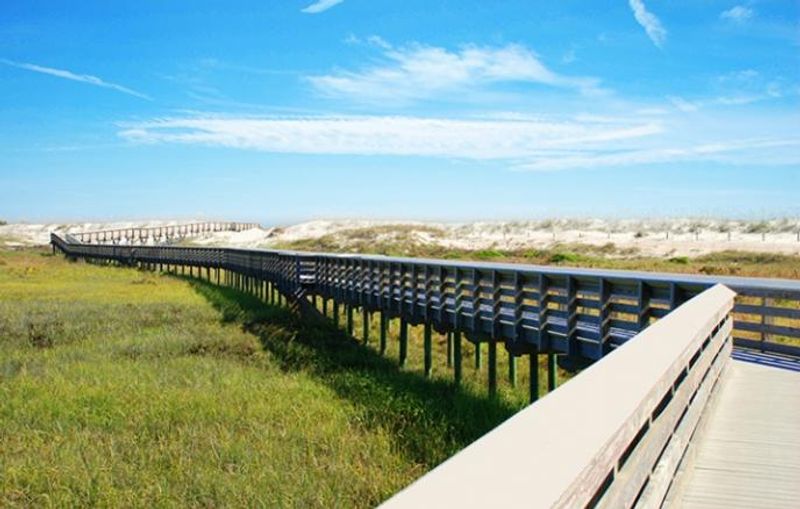
Sixteen hundred acres of preserved coastline this close to a historic city feels like winning the lottery. Anastasia State Park packs beaches, marshes, ancient dunes, and maritime forests into one location, with trails that let you explore all of it without ever getting in a car.
The maritime hammock trails stay shaded under canopies of live oak draped in Spanish moss, providing cool walking even when the beach is blazing hot. These paths eventually lead to beach access points where you can kick off your shoes and walk along four miles of Atlantic shoreline. The sand here is coquina, mixed with tiny shell fragments that give it a unique texture and color.
Tidal marsh overlooks along some trails offer chances to spot wading birds, fiddler crabs, and occasionally dolphins cruising the channels at high tide. The park’s size means you can easily spend a full day here, alternating between shaded trail walks and beach time. Bring a kayak or rent one onsite to explore the salt run, adding water-based exploration to your coastal walk.
8. Fort Clinch State Park Trails (Fernandina Beach)
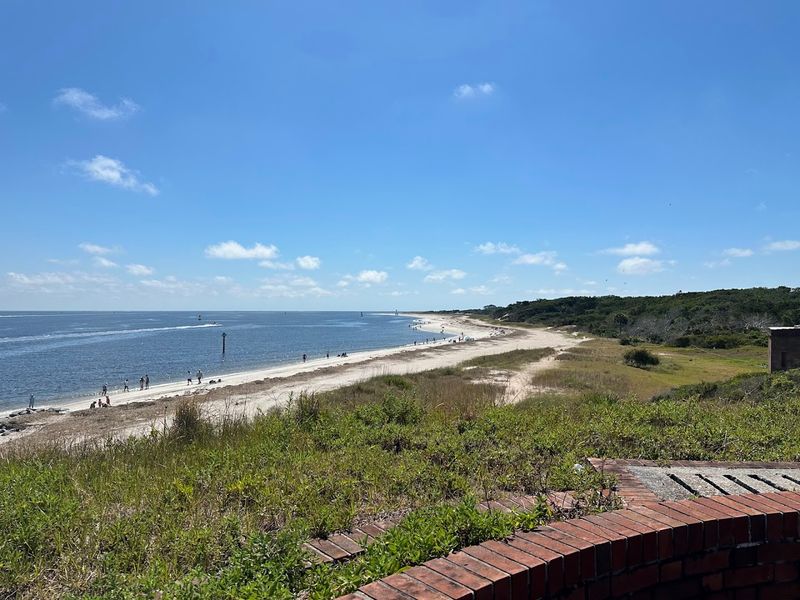
Amelia Island’s northernmost point hosts this remarkably well-preserved Civil War fort surrounded by 1,400 acres of maritime forest, beaches, and trails. Walking here means stepping between two worlds—the carefully maintained historical fort where costumed interpreters sometimes demonstrate 1860s military life, and wild coastal trails where nature runs the show.
Maritime hammock trails wind through forests of live oak and magnolia, their branches forming tunnels overhead. These paths eventually open onto wide Atlantic beaches where you might find shark teeth mixed in with shells. The contrast between dense forest shade and bright beach sun makes each trail section feel distinct.
Miles of hiking and biking trails give you options whether you want a quick 30-minute loop or a longer exploration. The fort itself sits on a bluff overlooking Cumberland Sound, providing elevated views across the water toward Georgia. Fishing from the pier, beachcombing, or simply sitting on the fort’s ramparts watching ships pass through the inlet all complement the trail walking nicely.
9. Caladesi Island Nature Trail (Dunedin)
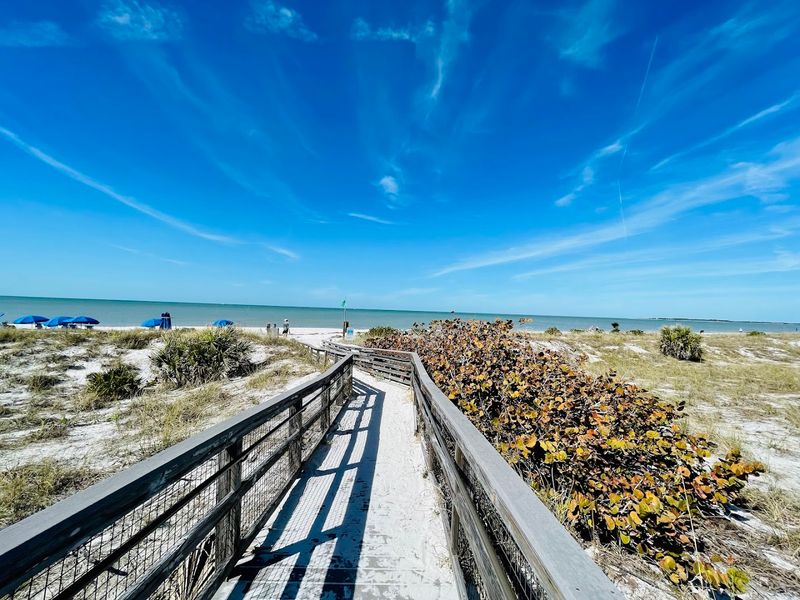
Reaching this island requires a ferry ride or private boat, which immediately makes it feel more special than trails you can drive to. Once you arrive, the three-mile nature trail takes you through the island’s interior, showing you a side of Gulf Coast Florida that development hasn’t touched.
The trail loops through pine flatwoods and palm hammocks, with interpretive signs explaining the plants and animals that call the island home. Gopher tortoises sometimes cross the path, completely unbothered by human visitors. The interior sections feel surprisingly wild considering you’re just offshore from developed Tampa Bay.
After your trail walk, the beach awaits—consistently ranked among America’s best, with powdery white sand and clear Gulf water. The combination of hiking and beach time makes for an ideal day trip, though the ferry schedule means you need to plan your timing. Bring everything you need because there’s no convenience store or restaurant, just pure, undeveloped coastal Florida the way it looked before the tourism boom changed everything.
10. Hugh Taylor Birch State Park Loop And Beach Access (Fort Lauderdale)
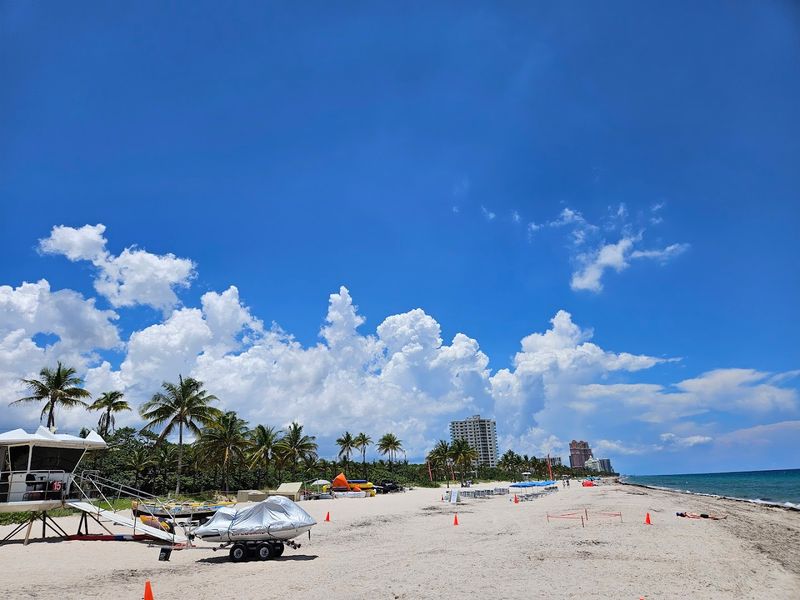
Finding 180 acres of coastal wilderness in the middle of Fort Lauderdale sounds impossible, yet Hugh Taylor Birch State Park delivers exactly that. Squeezed between the Atlantic Ocean and the Intracoastal Waterway, this narrow strip of preserved land offers trails that feel worlds away from the nearby hotels and restaurants.
The main loop trail circles through hammock forest and along the freshwater lagoon, with side paths leading to beach access. The contrast is striking—dense tropical vegetation on one side, ocean views on the other, and the constant background sound of waves mixing with bird calls. It’s popular with local runners and cyclists, but the trail network is extensive enough that it never feels crowded.
Beach access from the park avoids the crowds that pack Fort Lauderdale’s main beach areas. You can easily split your time between shaded trail walking and ocean swimming. The park’s location makes it perfect for visitors staying in Fort Lauderdale who want nature without driving far, or for locals seeking a quick escape from urban intensity.
11. Castle Windy Trail (Canaveral National Seashore)
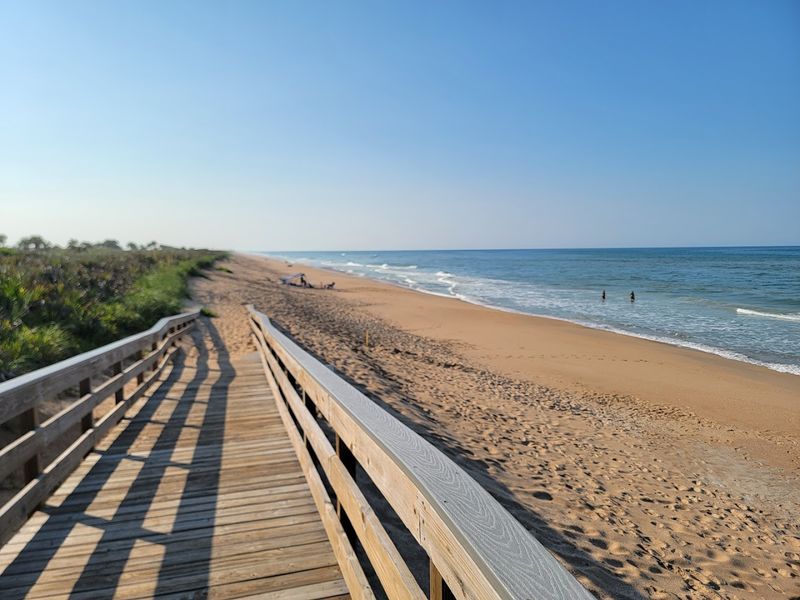
Named after a long-gone homesteader’s house, Castle Windy Trail cuts through the heart of Canaveral’s barrier island, connecting the Atlantic side with the Indian River Lagoon side. The shaded hammock forest here provides welcome relief from the sun-blasted beach trails, with a canopy of oaks and palms creating a green tunnel effect.
This trail attracts hikers looking for a quieter, more contemplative walk rather than constant ocean views. The path follows high ground through the hammock, occasionally opening to views of the lagoon’s calm waters. Wildlife sightings are common—deer, raccoons, armadillos, and countless bird species all frequent the area.
The trail’s peaceful character makes it ideal for early morning walks when the light filters through the canopy and the air is still cool. You won’t find the dramatic scenery of some coastal trails, but you’ll gain an appreciation for the barrier island’s interior ecosystems that most beach visitors never see. It’s the kind of walk where you notice details—intricate spider webs, unusual fungi, the way palmetto fronds filter sunlight into patterns on the trail.
12. Boardwalk To Beach Trail (John D. MacArthur Beach State Park/North Palm Beach)
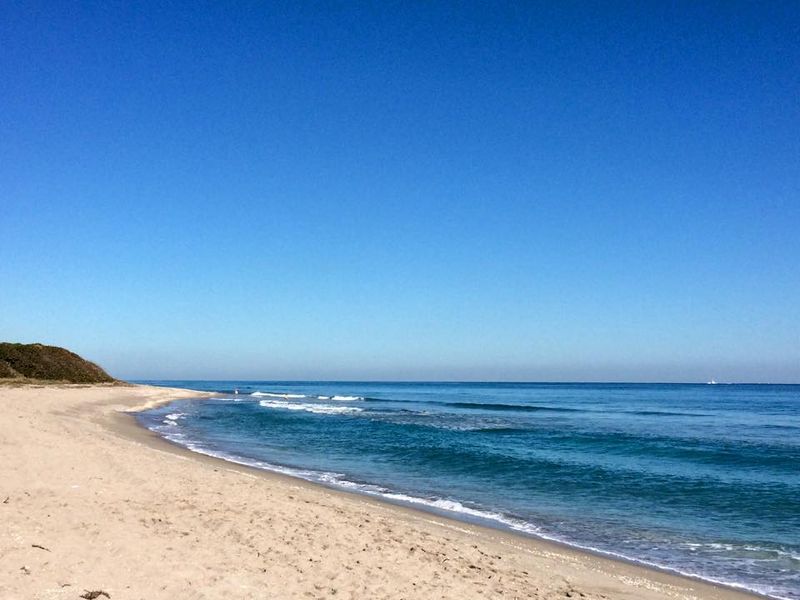
The anticipation builds as you walk this boardwalk through mangrove tunnels and coastal hammock, knowing the Atlantic Ocean waits at the other end. John D. MacArthur Beach State Park protects this slice of natural coastline in an area where development dominates most of the shoreline.
The boardwalk keeps you elevated above the mangroves, letting you peer into their tangled root systems where fish and crabs hide during high tide. Interpretive signs explain the importance of mangrove ecosystems, but honestly, the real education comes from just observing the incredible diversity of life these trees support. The trail isn’t long, making it accessible for visitors of all ages and fitness levels.
When you finally emerge onto the beach, the view hits you all at once—open Atlantic horizon, waves rolling in, and a surprisingly uncrowded stretch of sand. The park’s location keeps it off most tourists’ radar, which means you often have beach space to spread out. It’s the kind of short, rewarding walk that makes you wonder why more people don’t know about it.