12 Free Florida Wildlife Refuges Perfect for Your Next Day Trip
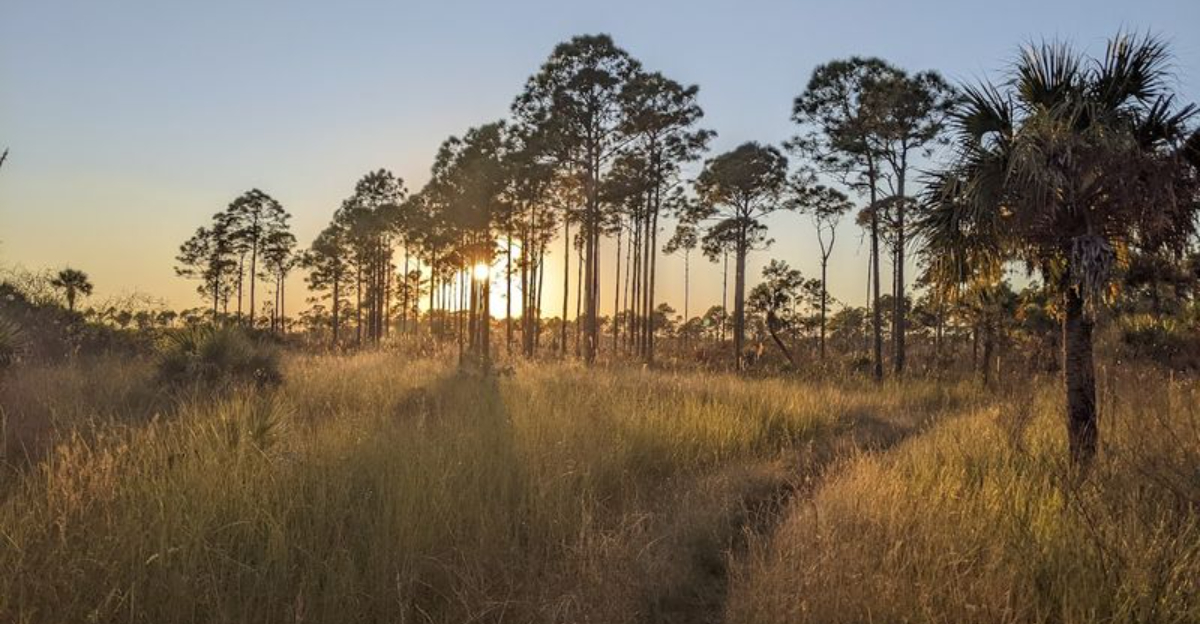
Florida holds more than beaches and theme parks. Scattered across the state, from the Panhandle down to the Keys, you’ll find wildlife refuges that won’t cost you a dime to explore. These protected areas offer hiking trails, paddling routes, birding hotspots, and up-close encounters with everything from manatees to Key deer.
Whether you’re after a quiet morning walk or a full day of outdoor adventure, these refuges deliver wild Florida at its best.
1. Pelican Island National Wildlife Refuge (Vero Beach/Sebastian)
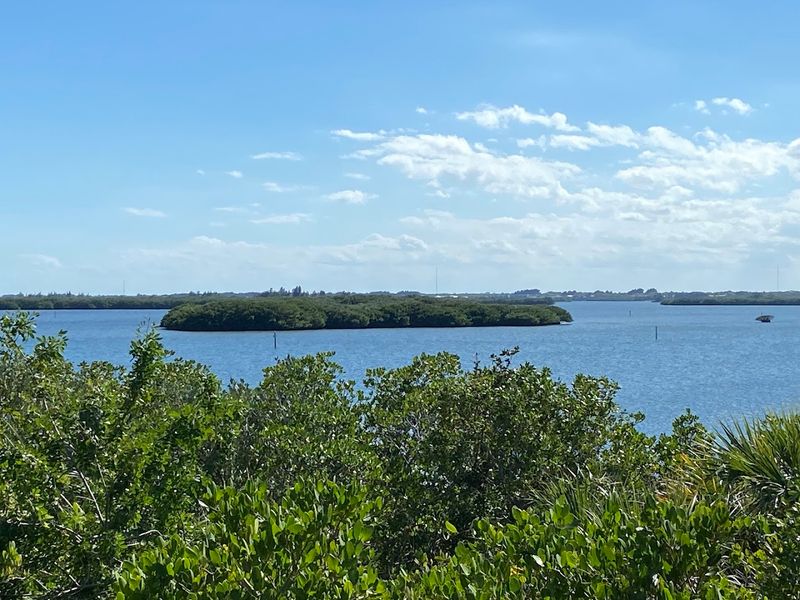
America’s first national wildlife refuge started right here in 1903, thanks to President Theodore Roosevelt. Pelican Island sits just offshore in the Indian River Lagoon, and while the island itself is closed to protect nesting birds, the mainland Centennial Trail gives you front-row seats to the action.
Walk the boardwalk and you’ll spot herons, egrets, and roseate spoonbills wading through shallow water. Bring binoculars—brown pelicans dive-bomb for fish all day long. The trail is short, shaded in spots, and totally flat, making it easy for families with strollers or anyone who prefers a gentle stroll.
Seasonal free tram tours run during cooler months, led by volunteers who know every bird call and mangrove root. Check the refuge website for tour schedules. Sunrise and late afternoon are prime times for wildlife activity, and the light hits just right for photography.
Parking is free, restrooms are on-site, and the whole experience feels like stepping back into wild Florida before the condos took over. Pack water, sunscreen, and your camera—you’ll want proof of the pelican parade.
2. Archie Carr National Wildlife Refuge (Melbourne Beach/Wabasso Beach)
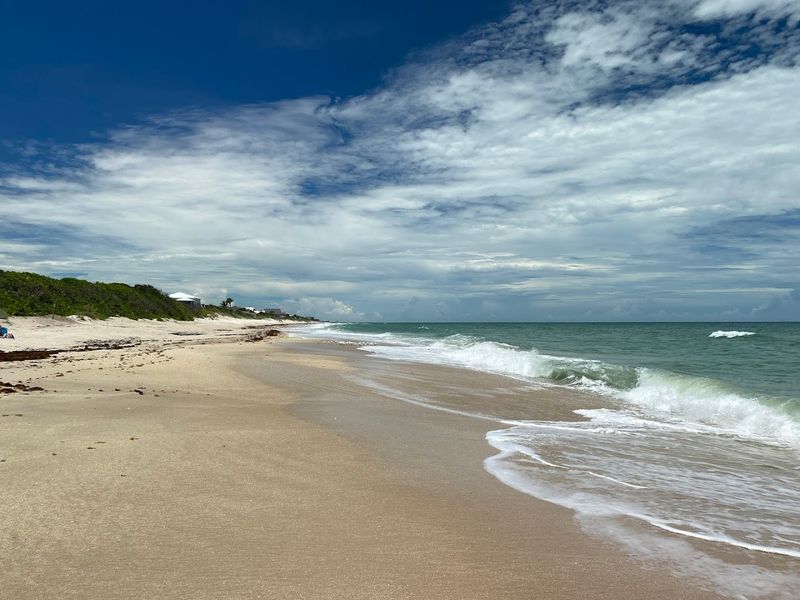
Stretching 20.5 miles along the Atlantic coast, this refuge exists for one main reason: sea turtles. Loggerheads, greens, and leatherbacks crawl ashore here between March and October to nest, making it one of the most important nesting sites in the Western Hemisphere.
You won’t find visitor centers or marked trails, but you can walk any of the public beach access points for free. Early morning beachcombers often spot turtle tracks leading from the surf to the dunes. Respect any marked nests and keep your distance—these ancient mariners need space.
Fishing from the beach is allowed, and the surf here can be surprisingly good for casting. Shorebirds work the tide line year-round, so birders should bring field guides. The refuge also protects coastal dune habitat, rare in overdeveloped Florida.
Park at any of the designated beach access points along Highway A1A. No facilities exist within the refuge itself, so plan accordingly. Sunset walks are magical, with the sky turning pink over the dunes and the sound of waves drowning out everything else.
3. Florida Panther National Wildlife Refuge (Immokalee)
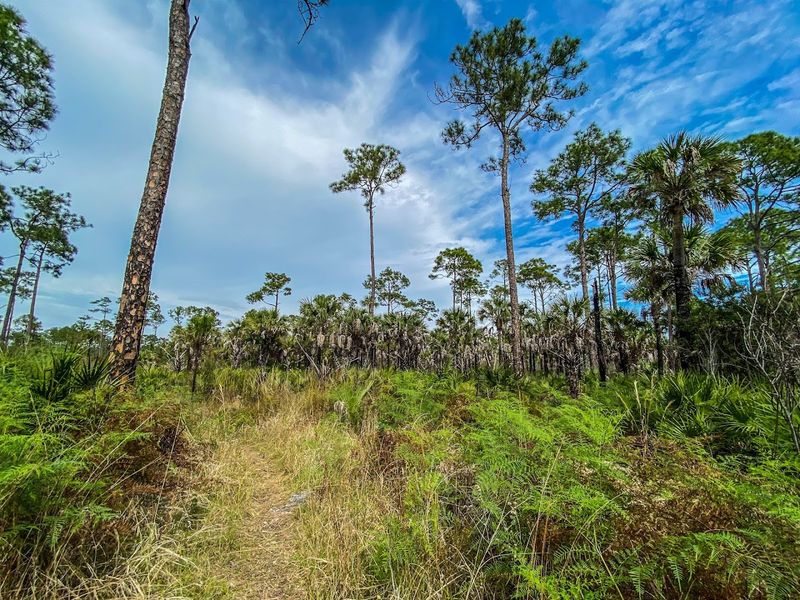
Fewer than 200 Florida panthers roam the wild, and this 26,400-acre refuge protects critical habitat for the state’s most elusive big cat. Two free trails—Leslie M. Duncan Memorial Trail and Marsh Trail—let you explore slash pine flatwoods, cypress domes, and wet prairies that panthers depend on.
Actually spotting a panther? Nearly impossible. They’re shy, nocturnal, and masters of staying hidden.
But walking the same ground they prowl feels significant. Look for tracks in soft sand, especially after rain. You’re more likely to see deer, wild hogs, bobcats, and plenty of wading birds.
Both trails are open dawn to dusk and require no permits. The terrain is flat but can get muddy during summer rainy season. Wear sturdy shoes and bring bug spray—mosquitoes don’t mess around out here.
The refuge is remote, so cell service is spotty.
Stop by the small kiosk near the trailhead for maps and information about panther conservation efforts. This place feels raw and untouched, a reminder of what Florida looked like before development swallowed so much wilderness.
4. Ten Thousand Islands National Wildlife Refuge (Naples/Goodland)
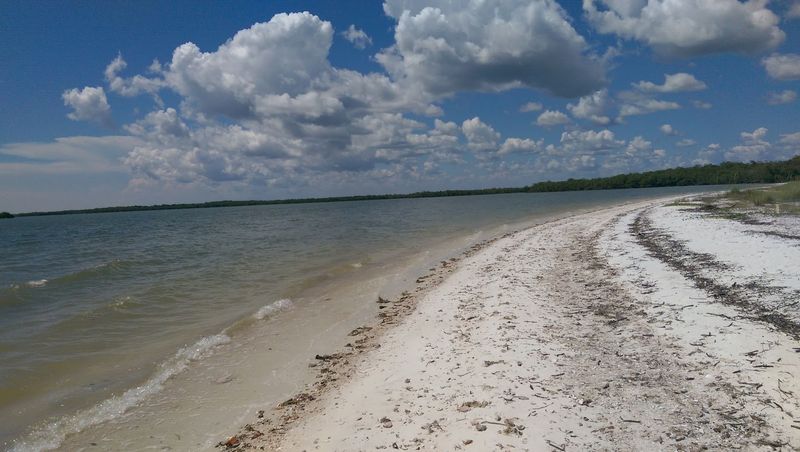
Mangrove mazes, endless waterways, and islands you can count for days—this refuge sprawls across 35,000 acres of Southwest Florida’s wildest coastline. Hiking, biking, paddling, fishing, and wildlife watching all happen here without an entrance fee.
Kayakers and canoeists love threading through the mangrove tunnels, where roots twist into the water and fish dart through shadows. Bring a GPS or download offline maps—it’s easy to lose your bearings among the islands. Dolphin sightings are common, and manatees cruise the shallow bays in cooler months.
Land-based visitors can hike or bike the refuge roads and trails, though some routes flood during high tide or heavy rain. Birding is exceptional year-round, with roseate spoonbills, ospreys, and bald eagles making regular appearances. Seasonal primitive camping is available for those who want to sleep under the stars.
Access points include the Port of the Islands area and Goodland. No facilities exist within the refuge, so pack everything you need. Sunrise paddle trips offer the calmest water and best light, plus you’ll beat the heat and the bugs.
5. Lower Suwannee National Wildlife Refuge (Chiefland/Cedar Key)
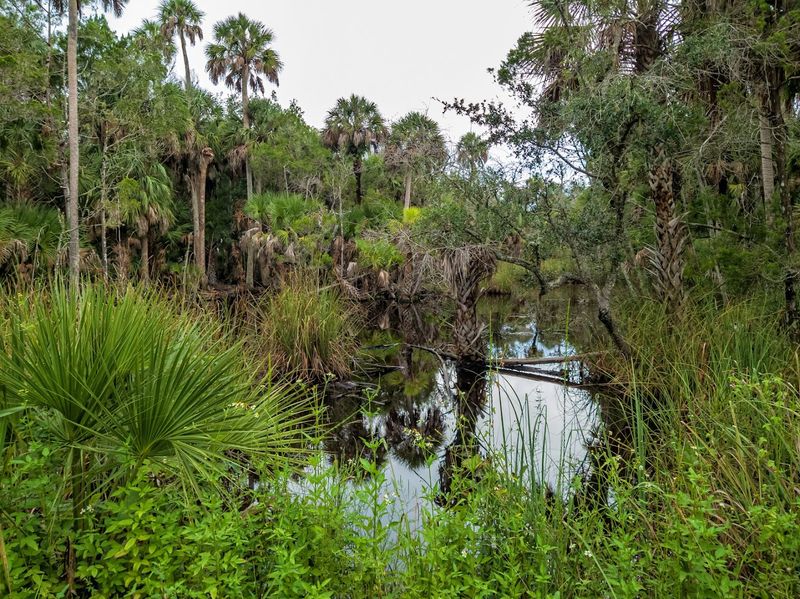
Nearly 194 miles of roads and trails crisscross this massive refuge, and every inch is open to the public from sunrise to sunset. The nature drive alone covers 26 miles, winding through pine flatwoods, salt marshes, and hardwood hammocks where wildlife outnumbers people by a landslide.
Photographers camp out along the drive, waiting for the perfect shot of a bald eagle or a great blue heron. Birders keep life lists growing with sightings of painted buntings, swallow-tailed kites, and wood storks. The refuge also offers boat ramps for those who want to explore the Suwannee River estuary by water.
Fishing is allowed in designated areas, and the variety of habitats means you could catch freshwater species upriver and saltwater fish near the coast in the same afternoon. Hiking trails range from short boardwalks to longer backcountry routes that require stamina and navigation skills.
Pick up a map at the visitor contact station near Chiefland. Cell service is limited, so download maps ahead of time. Cooler months bring fewer bugs and more comfortable temperatures, though summer mornings can be stunning if you don’t mind the humidity.
6. Cedar Keys National Wildlife Refuge (Cedar Key)
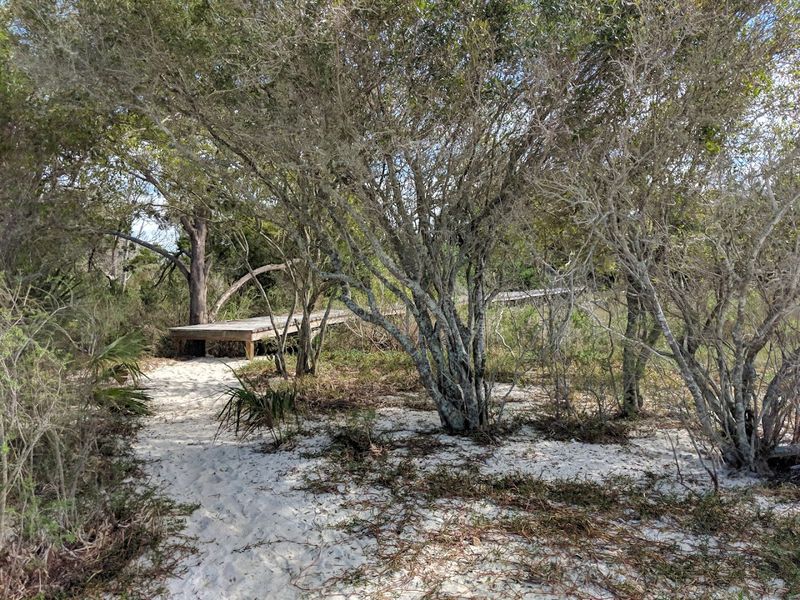
Only boats can get you here, but the trip is worth every paddle stroke or motor mile. This island refuge protects nesting birds and coastal habitats across a scattering of keys in the Gulf of Mexico, all accessible from sunrise to sunset without a fee.
Once you land, open beach areas invite exploration. Shorebirds scatter as you approach, then resettle once you pass. Paddlers can weave between islands, finding hidden coves and shallow flats where fish flash in the sunlight.
Birding is the main draw, with terns, pelicans, and black skimmers nesting seasonally.
Some islands have restrictions during nesting season to protect vulnerable species, so check current regulations before launching. The refuge is small enough to explore in a few hours, but many visitors linger, soaking up the quiet and the salt air.
Launch from the town of Cedar Key, where you can rent kayaks or arrange boat shuttles. Bring water, snacks, and sun protection—there’s zero shade out here. The Gulf can get choppy in the afternoon, so morning trips offer calmer conditions and better wildlife activity.
This is old Florida at its finest, untouched and unhurried.
7. St. Vincent National Wildlife Refuge (Apalachicola/Indian Pass)
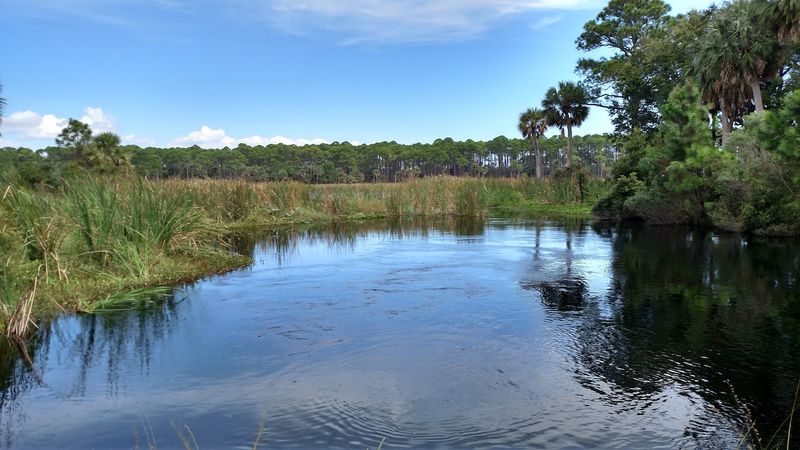
St. Vincent Island feels like a secret even though it’s been a refuge since 1968. Free to enter during daylight hours, the island requires your own boat or a paid private shuttle to reach—but once you’re there, 12,490 acres of beaches, forests, and freshwater lakes spread out before you.
Miles of sandy shoreline invite long walks where the only footprints are yours and the shorebirds’. Inland trails wind through slash pine forests and around lakes where alligators sun themselves on logs. The refuge is home to a unique population of sambar deer, originally introduced decades ago, and red wolves are sometimes spotted by lucky visitors.
Beachcombing turns up shells, sand dollars, and the occasional shark tooth. Birders come for loggerhead shrikes, painted buntings, and migratory waterfowl that stop over during spring and fall. Fishing is allowed along the beaches and in designated areas.
Shuttle services run from Indian Pass and Apalachicola—book ahead, especially during peak season. No facilities exist on the island, so pack food, water, and anything else you’ll need. The island feels remote because it is, offering a rare chance to disconnect completely and explore wild Florida coastline.
8. St. Marks National Wildlife Refuge — Wakulla and Panacea Units (St. Marks/Panacea)
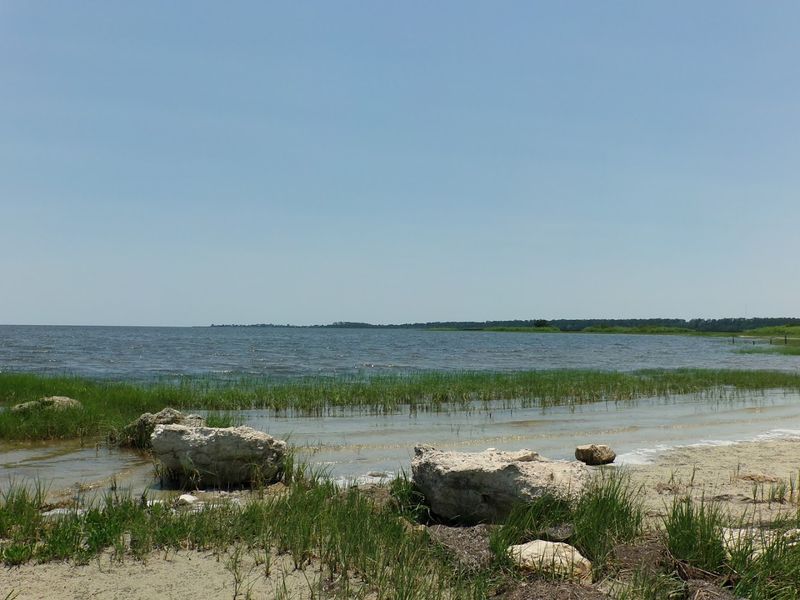
While the main Lighthouse Road area charges an entrance fee, two units of St. Marks refuge stay free: the Wakulla Unit and the Panacea Unit. Both offer trails, boat launches, and picnic areas without costing a cent.
Wakulla Unit features trails that meander through coastal marshes and pine flatwoods, with a boat launch providing access to the Wakulla River. Paddlers can explore upstream into spring-fed waters or downstream toward the Gulf. Birding is excellent here, with wading birds and raptors hunting along the water’s edge.
Panacea Unit sits closer to the coast, offering picnic facilities, hiking trails, and another launch point for boaters and kayakers. The trails are short and easy, perfect for a quick nature fix. Fishing is allowed, and the variety of habitats means you could spot everything from ospreys to otters in a single visit.
Both units are open sunrise to sunset. Maps are available online or at the main refuge headquarters. Cooler months bring migrating birds and more comfortable hiking conditions.
Summer can be hot and buggy, but early morning visits beat the heat.
These free units give you a taste of St. Marks without the entrance fee.
9. Crystal River National Wildlife Refuge Visitor Center (Crystal River)
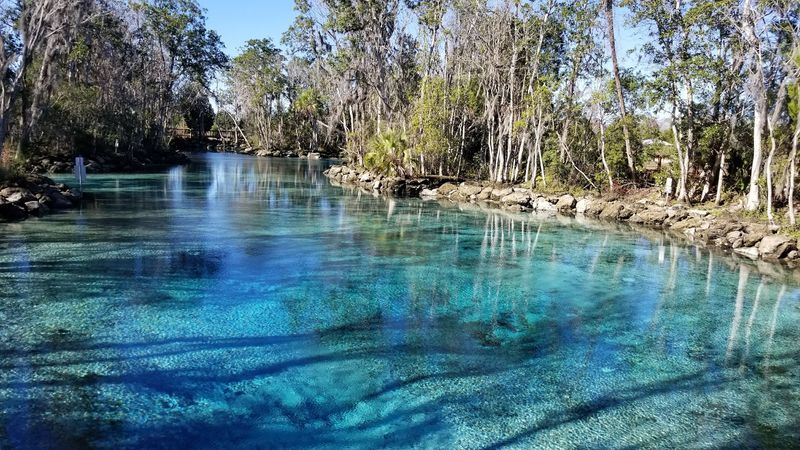
The visitor center and nature store welcome you free of charge, offering manatee exhibits, educational displays, and windows overlooking Kings Bay where manatees gather in winter. It’s a great starting point for understanding why this area matters so much to Florida’s gentle giants.
Interactive exhibits explain manatee biology, threats they face, and conservation efforts underway to protect them. Kids love the hands-on displays and the chance to spot real manatees through the viewing windows. Staff and volunteers answer questions and share stories about individual manatees they’ve come to recognize over the years.
The nature store sells field guides, refuge maps, and gifts, with proceeds supporting refuge programs. Outside, a short boardwalk lets you stretch your legs and scan the water for manatees, especially on cold mornings when they cluster near warm springs.
Note that Three Sisters Springs, a popular manatee viewing area within the refuge, charges a separate land access fee managed by the city. But the visitor center itself costs nothing and provides plenty of value. Plan your visit for winter months when manatees are most abundant.
The center is open daily, and parking is free.
It’s a low-key, high-reward stop in Crystal River.
10. Egmont Key National Wildlife Refuge (St. Petersburg/Tampa Bay)
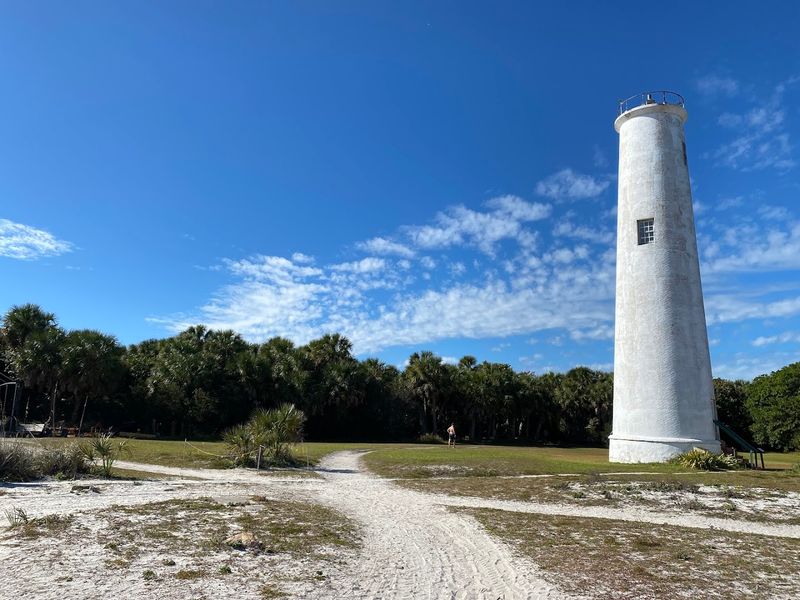
Boat-only access keeps the crowds thin on this island refuge at the mouth of Tampa Bay. Once you arrive, entry is free, and the island unfolds with beaches, flat trails, historic ruins, and gopher tortoises that practically own the place.
Fort Dade, a Spanish-American War-era fort, crumbles photogenically along the shoreline. Exploring the ruins feels like stepping into a history book, with brick walls and iron fixtures slowly surrendering to salt air and time. Gopher tortoises waddle across trails and dig burrows in the sandy soil—watch your step and give them space.
Birding is outstanding, especially during migration when the island becomes a rest stop for exhausted travelers. The beaches offer shelling, swimming, and sunbathing, though amenities are nonexistent. Pack everything you need, including water, food, and sunscreen.
Shade is scarce, so bring an umbrella or pop-up tent if you plan to stay awhile.
Private boats, kayaks, and ferry services from Fort De Soto Park provide access. The ferry runs seasonally, so check schedules before planning your trip. The island’s flat terrain makes walking easy, and the sense of isolation is a rare gift this close to a major city.
This is wild Florida hiding in plain sight.
11. National Key Deer Refuge (Big Pine Key)
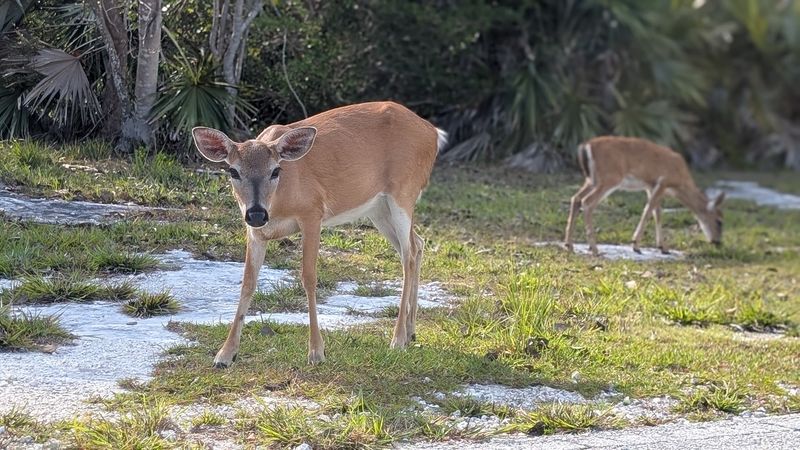
Key deer stand about three feet tall at the shoulder, making them the smallest subspecies of white-tailed deer in North America. The refuge protects their remaining habitat across Big Pine Key and surrounding islands, and visiting costs nothing.
Free trails wind through pine rockland, hardwood hammock, and freshwater wetlands, each habitat supporting different plants and animals. The Blue Hole, a former quarry turned freshwater pond, attracts alligators, wading birds, and turtles. Observation platforms let you scan the water without getting too close.
Key deer are most active at dawn and dusk, often spotted along roadsides or crossing trails. Drive slowly and watch for them—they’re protected and unafraid of people, but feeding them is illegal and harmful. The refuge also shelters Lower Keys marsh rabbits, endangered butterflies, and dozens of bird species.
The visitor center offers maps, exhibits, and advice on where to spot wildlife. Trails are short and easy, suitable for all fitness levels. Summer heat and mosquitoes can be intense, so cooler months are more comfortable.
Respect posted speed limits and wildlife closures—this refuge exists to protect species on the edge of survival, and your visit should support that mission.
12. Key West National Wildlife Refuge (Key West/Marquesas Keys)
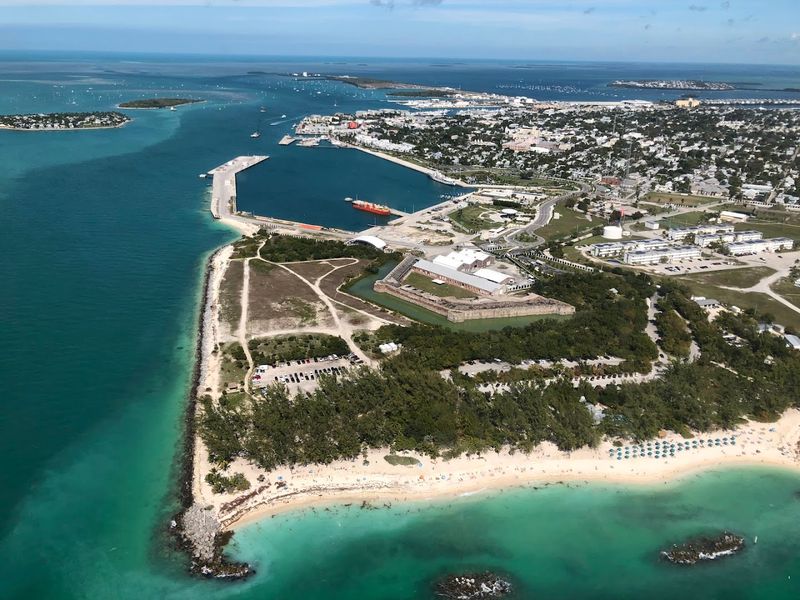
Established in 1908, this refuge ranks among the oldest in the United States, protecting remote islands west of Key West. Access is by boat only, and once you navigate the open water, you’ll find wild islands where seabirds outnumber people by thousands to one.
The Marquesas Keys, a ring of mangrove islands surrounding a shallow lagoon, form the heart of the refuge. Terns, frigatebirds, and pelicans nest here, filling the air with calls and activity. Snorkeling and diving reveal coral reefs and shipwrecks, while shallow flats attract bonefish and permit that challenge fly anglers.
Landing is allowed on some islands, but many are closed during nesting season to protect vulnerable bird populations. Check regulations before departing and respect all closures. The refuge is fragile, and your cooperation helps preserve it for future generations.
Reaching the refuge requires a seaworthy boat and navigation skills—the trip covers open water and can be rough in bad weather. Charter services from Key West offer guided trips for those without their own boats. Bring plenty of water, sun protection, and a sense of adventure.
This is as remote as Florida gets, a place where nature still calls the shots.