13 Florida Towns That Used to Be Cheap and Definitely Aren’t Anymore
Florida used to be the place where you could grab a slice of paradise without draining your bank account. Retirees, young families, and remote workers flocked to smaller towns where homes were affordable and life moved at a slower pace. Fast forward a few years, and those same hidden gems have turned into hot real estate markets with price tags that would make your grandparents gasp.
1. Cape Coral
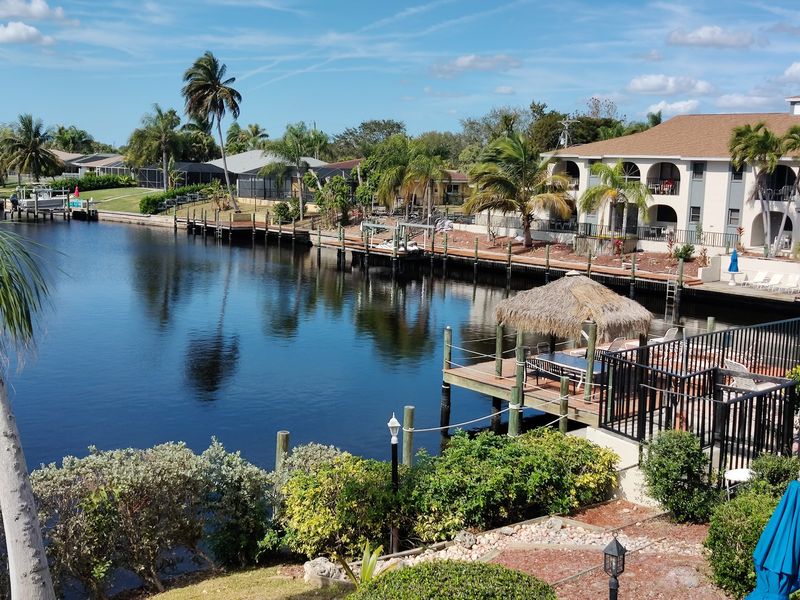
Once known as one of the most affordable waterfront cities in Florida, Cape Coral has experienced a dramatic shift. What started as a sleepy canal town with modest homes has transformed into a high-demand destination. The explosion of remote work brought waves of new residents seeking that waterfront lifestyle without the Miami price tag, but they quickly drove prices up.
Homes that sold for under $200,000 just a decade ago now regularly top $400,000 or more. The city’s endless miles of canals once made it a bargain for boaters and water lovers. Now those same canals come with premium price tags that reflect the nationwide housing surge and Florida’s ongoing population boom.
New construction has skyrocketed as developers recognize the area’s appeal. Restaurants, shopping centers, and entertainment venues have multiplied to serve the growing population. The infrastructure improvements and amenities that followed only added fuel to the fire, making Cape Coral even more desirable.
If you bought property here before 2015, you’re sitting pretty. For anyone looking to move in now, be prepared to pay significantly more than you would have just a few years ago. The affordability that once defined Cape Coral is a thing of the past.
2. Port St. Lucie
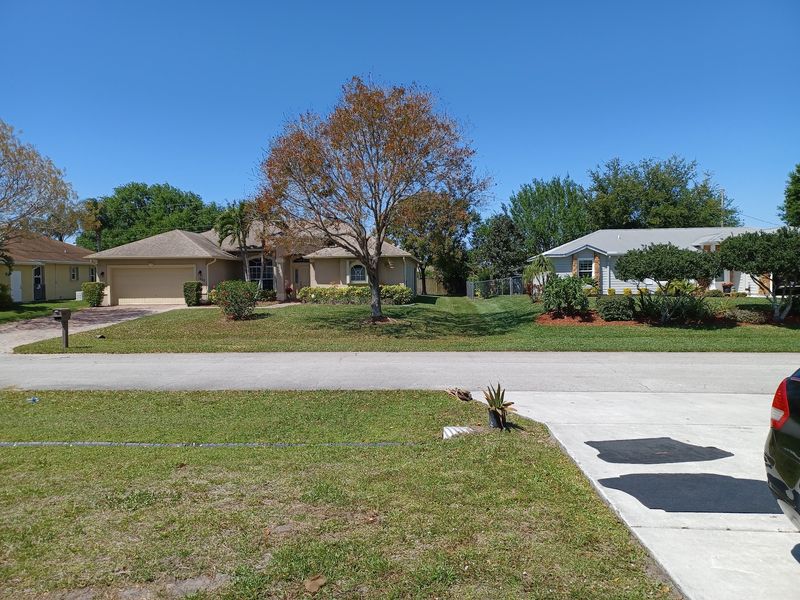
Port St. Lucie built its reputation as a family-friendly town where you could buy a house without selling a kidney. Retirees and young families loved the suburban feel, good schools, and proximity to beaches. It was the kind of place where a starter home was actually attainable, and people could build equity without stress.
Then everyone else figured it out. The pandemic sent housing prices soaring as people fled crowded cities for more space and sunshine. Port St. Lucie checked every box, and buyers flooded in.
Homes that were once in the low $200,000s now easily hit $350,000 or higher, depending on the neighborhood.
The population boom brought jobs, new businesses, and better amenities, which sounds great until you realize it also brought higher costs across the board. Property taxes climbed as home values surged. Rent prices followed suit, making it tough for locals who didn’t already own property.
The town still offers a solid quality of life, but the bargain days are gone. If you’re moving here now, expect to compete with out-of-state buyers who have bigger budgets. Port St. Lucie’s affordability was its calling card, and now it’s just another Florida town where prices keep climbing.
3. Palm Coast
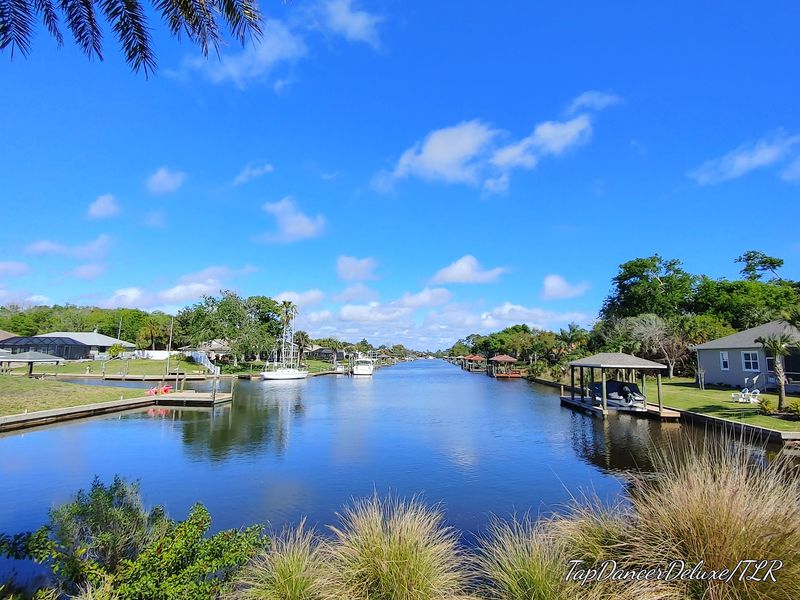
Tucked between Jacksonville and Daytona Beach, Palm Coast used to be the quiet alternative to pricier coastal towns. Buyers loved the tree-lined streets, proximity to the ocean, and the fact that you could actually afford a decent house. It felt like a secret that only locals and savvy retirees knew about.
That secret is out. Over the past five years, Palm Coast has seen explosive growth as people discovered its blend of affordability and location. Homes that were under $250,000 are now pushing $400,000 or more.
The influx of new residents has driven demand through the roof, and sellers know it.
Developers have responded by building new communities at a breakneck pace. While this has added inventory, it hasn’t slowed price increases. The town’s appeal continues to grow as amenities improve and more businesses open to serve the expanding population.
Palm Coast still offers a laid-back vibe compared to bigger Florida cities, but it’s no longer the budget-friendly option it once was. Property taxes have climbed alongside home values, and the cost of living has crept up in nearly every category. If you’re considering a move here, be ready to pay more than you would have just a few years ago.
4. North Port

North Port used to fly under the radar as one of the most affordable places in the Sarasota area. Families and retirees flocked here for spacious lots, newer homes, and prices that didn’t require a second mortgage. It was the kind of town where you could stretch your dollar and still enjoy Florida living.
Then the rest of Florida caught on. As nearby Sarasota and Venice became too expensive for many buyers, North Port became the next best option. Demand surged, and so did prices.
Homes that sold for $180,000 a few years ago now easily top $350,000, and the market shows no signs of cooling off.
The population explosion brought improvements in schools, shopping, and dining, which only made the town more attractive. New developments continue to pop up, but inventory struggles to keep pace with demand. Buyers often find themselves in bidding wars, pushing prices even higher.
North Port still offers more space and a quieter lifestyle than its pricier neighbors, but it’s no longer the bargain it once was. Property taxes have climbed, and the cost of living has risen across the board. If you’re hunting for affordable Florida real estate, this town won’t be your answer anymore.
5. Mount Dora
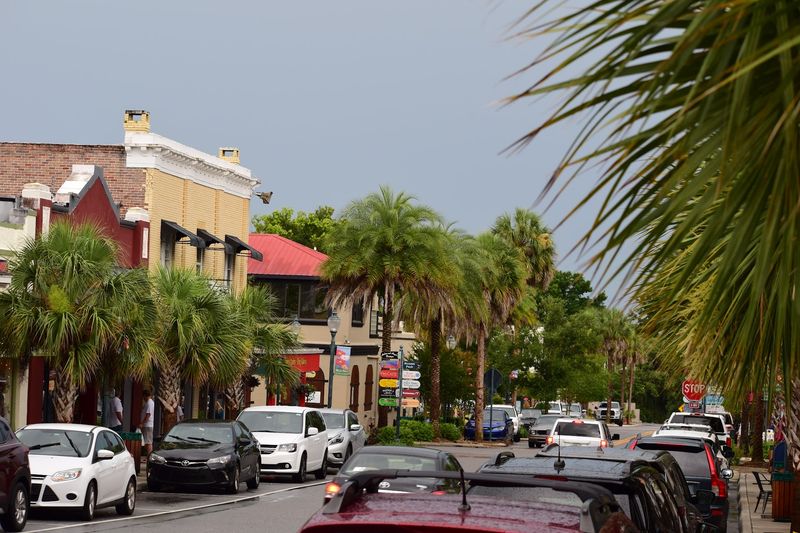
Mount Dora has always been charming, with its quaint downtown, antique shops, and lakefront views. For years, it was also affordable, attracting retirees and artists who wanted small-town Florida without the tourist crowds. The slower pace and lower cost of living made it a hidden gem for those in the know.
Now, everyone knows. The town’s unique character and proximity to Orlando have made it a hot spot for buyers seeking charm and convenience. Home prices have skyrocketed, with many properties doubling in value over the past decade.
What was once a budget-friendly escape is now a pricey destination.
The influx of new residents has brought more restaurants, galleries, and boutiques, which sounds great but also means higher costs. Rent and property values have climbed steadily, pricing out many long-time locals. The town’s popularity has turned into a double-edged sword.
Mount Dora still offers a unique Florida experience, but it’s no longer cheap. If you’re looking to buy here, expect to pay a premium for that small-town charm. The affordability that once defined this lakeside town has been replaced by a thriving but expensive real estate market.
6. Dunedin
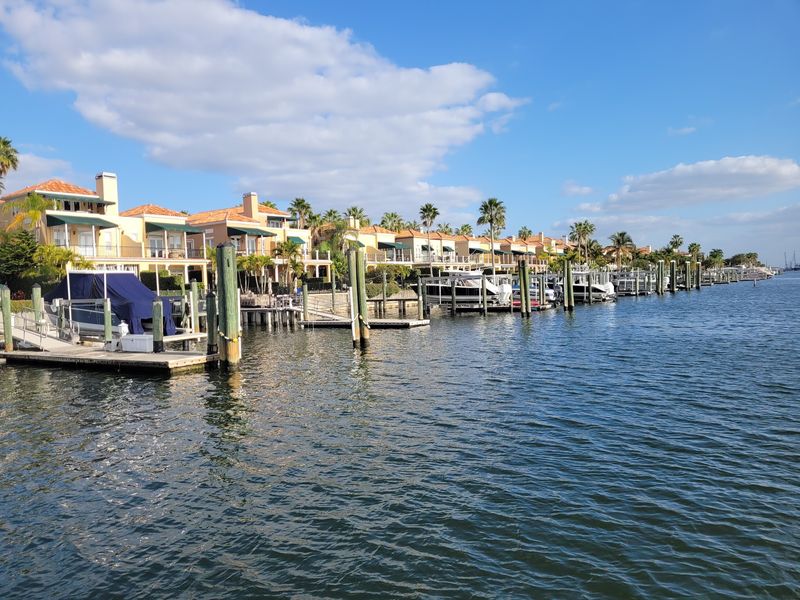
Dunedin used to be the quirky, artsy town where you could live near the beach without spending a fortune. Its walkable downtown, local breweries, and proximity to Honeymoon Island made it a favorite for those seeking a laid-back coastal lifestyle. Prices were reasonable, and the community felt authentic.
Then the secret got out, and Dunedin became one of the most desirable towns in the Tampa Bay area. Home prices have surged, with many properties now selling for well over $500,000. The charming bungalows and historic homes that once attracted budget-conscious buyers now come with hefty price tags.
The town’s popularity has brought new businesses, better amenities, and a thriving food scene, but it’s also driven up the cost of living. Rent prices have climbed, making it tough for locals who don’t own property. The small-town vibe is still there, but it now comes with big-city prices.
Dunedin remains a fantastic place to live, but affordability is no longer part of the package. If you’re considering a move here, be prepared to pay a premium for the beachside charm and walkable downtown. The days of cheap coastal living in Dunedin are long gone.
7. Stuart
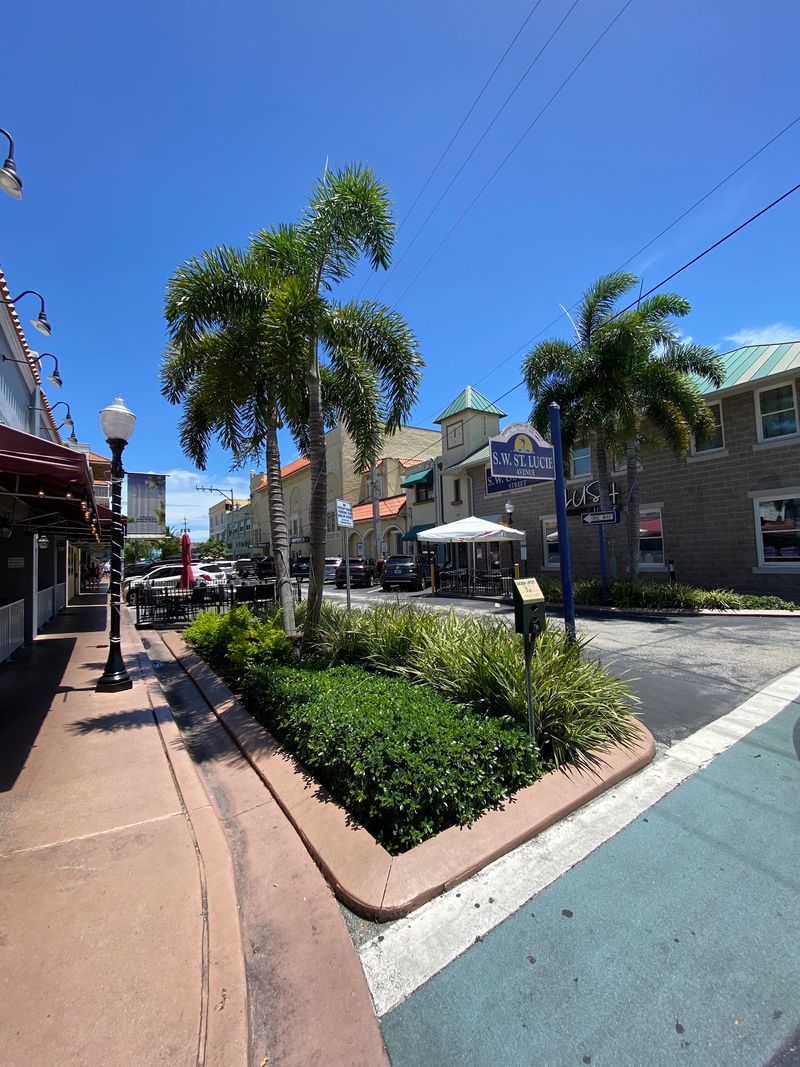
Stuart has always been a beautiful spot along the Treasure Coast, with its charming downtown and waterfront views. For years, it was also one of the more affordable coastal towns in Florida. Families and retirees loved the slower pace, friendly community, and access to beaches without the high price tag.
That affordability is history. Stuart has seen a massive surge in home prices as buyers discover its appeal. Properties that were once under $300,000 now regularly exceed $500,000, and waterfront homes command even more.
The demand has far outpaced supply, driving prices higher and higher.
The town’s growth has brought improvements in dining, shopping, and entertainment, which only makes it more attractive. New developments continue to pop up, but the increased cost of living has priced out many long-time residents. The community still feels welcoming, but the financial barrier to entry is much steeper.
Stuart remains a gem on Florida’s east coast, but it’s no longer the budget-friendly option it once was. If you’re looking to move here, expect to pay significantly more than you would have just a few years ago. The days of cheap Treasure Coast living are over.
8. Venice
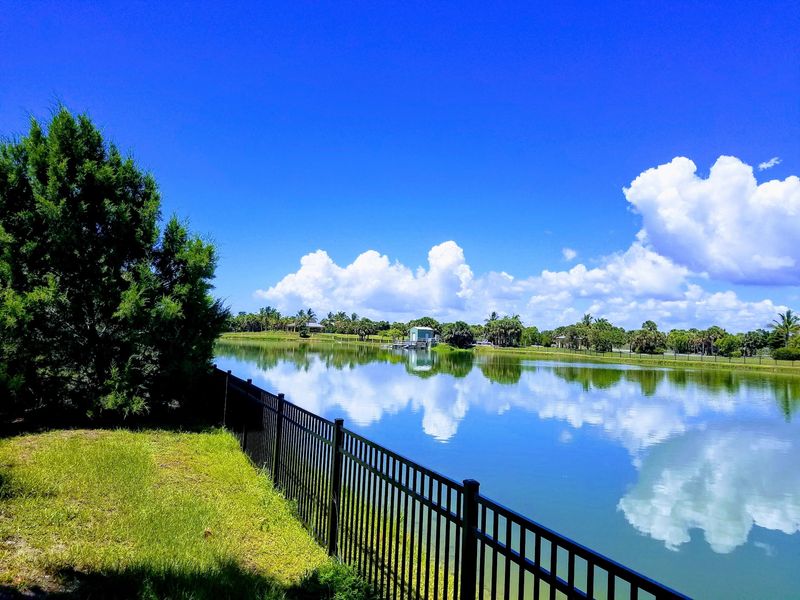
Venice earned its reputation as the “Shark Tooth Capital of the World,” but for a long time, it was also known for being an affordable beach town. Retirees loved the laid-back atmosphere, beautiful beaches, and reasonable home prices. You could live near the Gulf of Mexico without breaking the bank.
Those days are over. Venice has become one of the most sought-after towns on Florida’s west coast, and prices have skyrocketed. Homes that were once in the $200,000 range now easily top $400,000 or more.
Waterfront properties command even higher prices, often reaching well into the six figures.
The town’s popularity has brought new restaurants, shops, and amenities, which sounds great until you realize it also means higher costs across the board. Property taxes have climbed, and the cost of living has risen steadily. The influx of new residents has changed the character of the town, though it still retains much of its charm.
Venice remains a beautiful place to live, but it’s no longer the bargain it once was. If you’re considering a move here, be prepared for sticker shock. The affordable beach town that once attracted budget-conscious retirees has transformed into a high-priced destination.
9. Punta Gorda
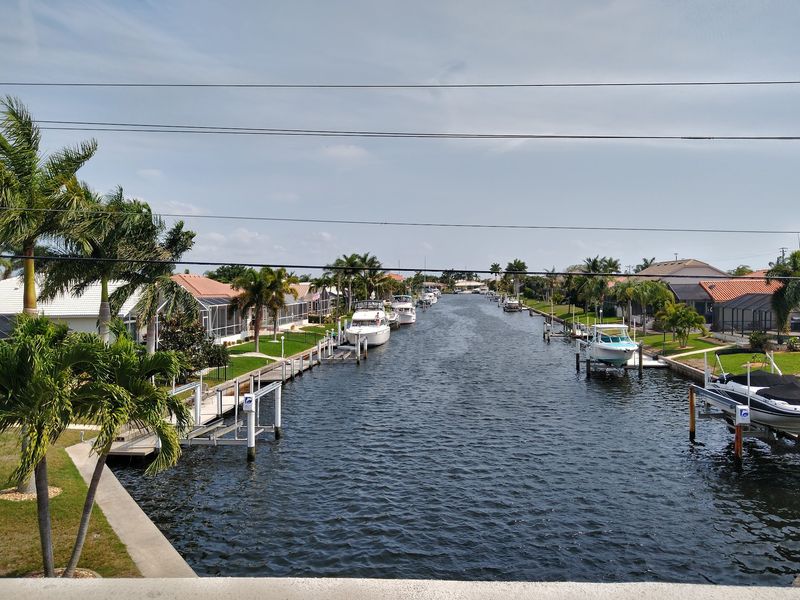
Punta Gorda used to be the quiet, affordable alternative to pricier Gulf Coast towns. With its historic downtown, waterfront views, and small-town charm, it attracted retirees looking for a peaceful place to settle down. Home prices were reasonable, and the cost of living was manageable.
Then the real estate boom hit, and Punta Gorda became a hot commodity. Homes that sold for under $200,000 just a few years ago now easily exceed $350,000. Waterfront properties have seen even more dramatic increases, with some doubling or tripling in value.
The demand has been relentless, and supply hasn’t kept up.
The town’s growth has brought improvements in infrastructure, dining, and entertainment, but it’s also driven up costs. Property taxes have climbed alongside home values, and rent prices have surged. Long-time residents have seen their town transform from a hidden gem into a pricey destination.
Punta Gorda still offers a high quality of life, but the affordability that once defined it is gone. If you’re looking to move here, expect to pay significantly more than you would have just a few years ago. The days of cheap waterfront living in Punta Gorda are over.
10. Lakeland
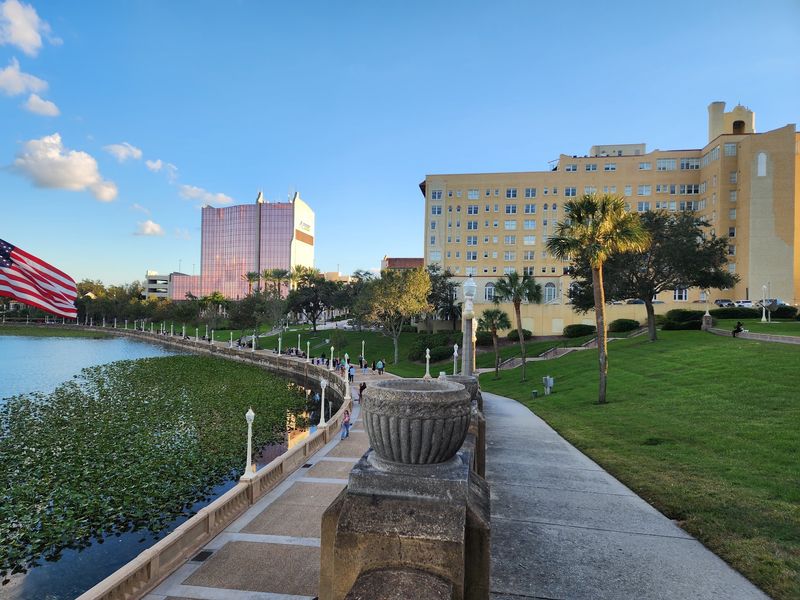
Lakeland sits between Tampa and Orlando, making it a convenient and affordable option for people who wanted to live in Central Florida without paying big-city prices. The town’s lakes, historic downtown, and reasonable cost of living made it a favorite for families and retirees. You could buy a nice home without draining your savings.
That’s changed dramatically. Lakeland has seen explosive growth as people discover its location and affordability. Home prices have surged, with many properties now selling for $300,000 or more.
The town’s proximity to major cities and improving amenities have made it a hot market, and prices keep climbing.
New businesses, restaurants, and developments have popped up to serve the growing population. While this has improved the quality of life, it’s also driven up costs. Property taxes have risen, and the overall cost of living has increased.
The small-town feel is still there, but it now comes with bigger price tags.
Lakeland remains a great place to live, but it’s no longer the budget-friendly option it once was. If you’re considering a move here, be prepared to pay more than you would have just a few years ago. The affordability that once defined Lakeland has been replaced by a booming real estate market.
11. DeLand
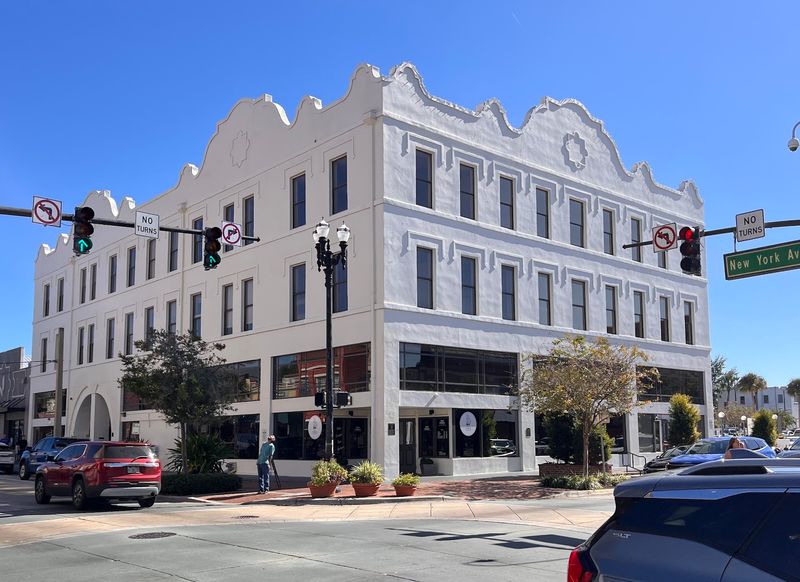
DeLand has always had a charming, old-Florida vibe with its historic downtown and tree-lined streets. For years, it was also one of the most affordable places to live in Central Florida. Families, students, and retirees loved the small-town feel and reasonable home prices.
Then the rest of Florida caught on. DeLand’s proximity to Orlando, Daytona Beach, and the Space Coast made it an attractive option for buyers priced out of bigger cities. Home prices have surged, with many properties now selling for $300,000 or more.
The demand has been relentless, and the market shows no signs of slowing down.
The town’s growth has brought new restaurants, shops, and amenities, which sounds great but also means higher costs. Rent prices have climbed, and property taxes have risen alongside home values. Long-time residents have seen their affordable small town transform into a pricey destination.
DeLand still offers a unique blend of history and charm, but it’s no longer cheap. If you’re looking to move here, expect to pay significantly more than you would have just a few years ago. The days of affordable Central Florida living in DeLand are over.
12. Ocala
Ocala built its reputation on horse farms, rolling hills, and affordable living. For years, it was the place where you could buy land and a home without spending a fortune. Retirees, horse enthusiasts, and families loved the rural feel and lower cost of living compared to other parts of Florida.
That’s changed dramatically. Ocala has experienced a surge in population as people seek affordable alternatives to pricier Florida cities. Home prices have skyrocketed, with many properties now selling for $250,000 or more.
The influx of new residents has driven demand, and the market has responded with higher prices across the board.
New developments have popped up throughout the area, bringing more amenities and businesses. While this has improved the quality of life, it’s also driven up costs. Property taxes have climbed, and the overall cost of living has increased.
The rural charm is still there, but it now comes with bigger price tags.
Ocala remains a beautiful place to live, but it’s no longer the bargain it once was. If you’re considering a move here, be prepared to pay more than you would have just a few years ago. The affordability that once defined Ocala has been replaced by a booming real estate market.
13. Fort Myers
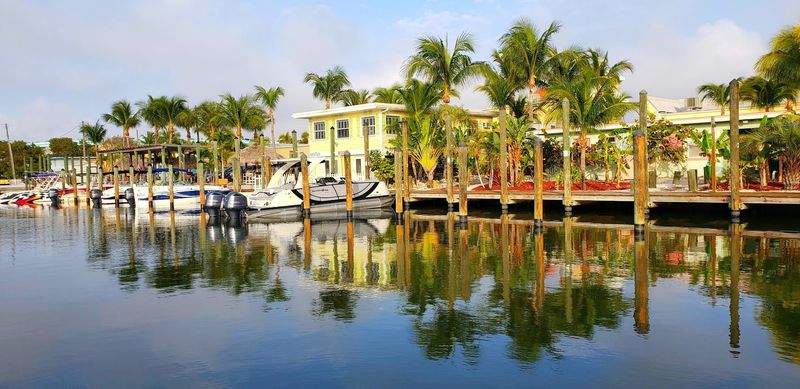
Fort Myers used to be the affordable alternative to Naples, offering Gulf Coast access without the sky-high prices. Families and retirees loved the beaches, downtown riverfront, and reasonable cost of living. You could enjoy Southwest Florida without emptying your bank account.
That’s no longer the case. Fort Myers has seen explosive growth and skyrocketing home prices. Properties that were once under $200,000 now regularly exceed $400,000, and waterfront homes command even more.
The demand has been relentless, fueled by people fleeing expensive cities and seeking Florida sunshine.
The town’s popularity has brought new restaurants, shops, and entertainment venues, which only makes it more attractive. New developments continue to pop up, but supply struggles to keep pace with demand. Buyers often find themselves in bidding wars, pushing prices even higher.
Fort Myers still offers a fantastic quality of life, but the affordability that once defined it is gone. Property taxes have climbed alongside home values, and the overall cost of living has increased. If you’re looking to move here, expect to pay significantly more than you would have just a few years ago.
The days of cheap Gulf Coast living in Fort Myers are over.