14 Florida Airports That Make Getting Around the State Way Less Stressful
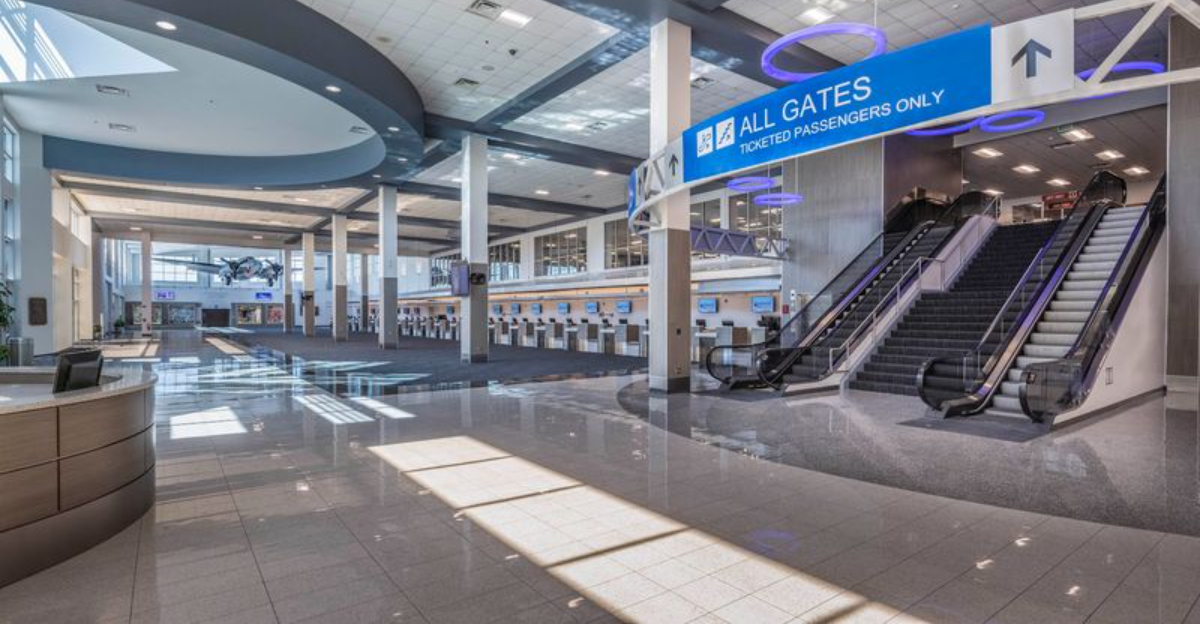
Florida is a big state, and getting from one end to the other can feel like a road trip through three different worlds. Luckily, the Sunshine State is loaded with airports that go way beyond the usual chaos of crowded terminals and long security lines.
From the Panhandle beaches to the Keys, there are smaller, smarter airports scattered all over that can save you serious time and frustration. Whether you are a first-time visitor or a Florida regular, knowing which airports to use can completely change how you experience travel here.
1. Sarasota–Bradenton International Airport (SRQ)
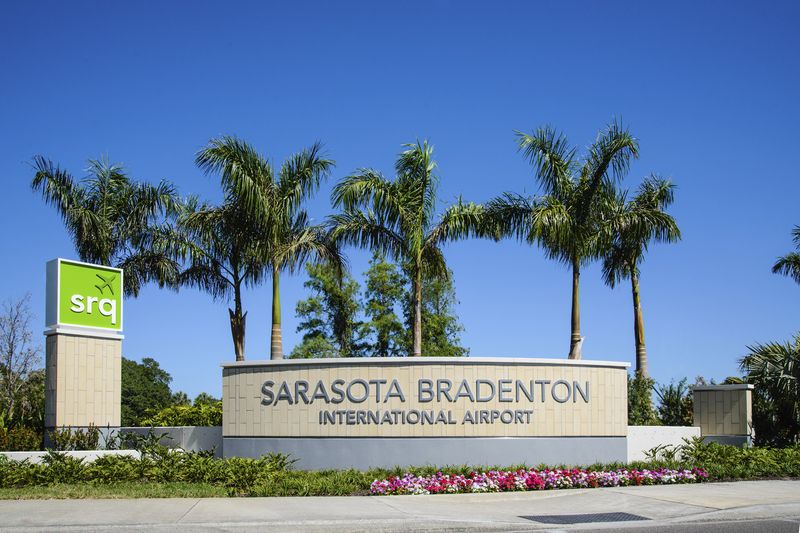
There is something almost refreshing about walking into an airport where the lines are short, the staff actually smile at you, and you can get from the curb to your gate in under 20 minutes. That is the SRQ experience in a nutshell.
Sarasota-Bradenton International Airport has quietly built a reputation as one of the most traveler-friendly airports in the entire state, and locals are fiercely protective of it.
SRQ sits in a sweet spot geographically, serving both Sarasota and Bradenton without the overwhelming traffic that bogs down larger hubs. The terminal is compact but well-designed, with enough dining and shopping options to keep you busy during a delay without feeling like a mall.
Parking is genuinely affordable here, which feels almost rebellious compared to what you pay at bigger Florida airports.
Airlines like American, Delta, and United serve SRQ, connecting passengers to major hubs like Chicago, New York, and Atlanta. That means even if your final destination is not directly listed, you can usually get there with one easy connection.
The airport has been expanding its route network steadily, so more options keep appearing on the departures board.
For anyone heading to the barrier islands, Siesta Key, or the arts scene downtown Sarasota, flying into SRQ instead of Tampa saves a surprising amount of time. You skip the I-75 crawl and land practically in the neighborhood you were heading to anyway.
Snowbirds figured this out years ago, which is why winter flights book up faster than people expect.
If stress-free travel is the goal, SRQ delivers it consistently. Smaller crowds, faster security, and a laid-back Gulf Coast vibe make this airport feel less like a chore and more like the vacation has already started the moment you land.
2. Gainesville Regional Airport (GNV)
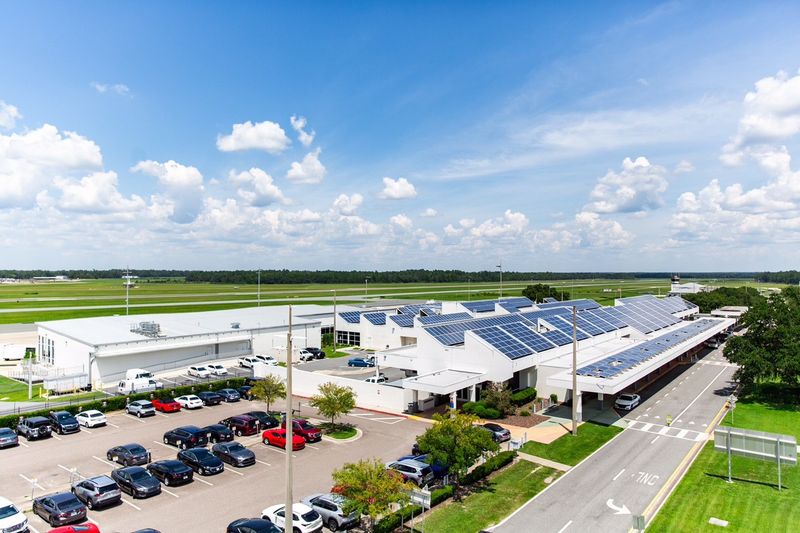
College towns do not always get credit for having solid airport access, but Gainesville pulls it off with surprising ease. GNV serves the University of Florida community and the broader North Central Florida region, making it a genuinely useful option for travelers who want to skip the drive down to Orlando or up to Jacksonville.
The airport is small, which works heavily in your favor. Security lines move fast, the parking lot is close to the terminal, and the whole experience feels more like a regional train station than a major aviation hub.
That low-key atmosphere is not a flaw — it is the entire selling point for people who have been burned by bigger airports one too many times.
American Airlines and Delta operate flights through GNV, connecting travelers to hubs like Charlotte, Atlanta, and Dallas. From those hubs, you can reach just about anywhere in the country or internationally with one layover.
It is a simple, no-drama routing system that frequent flyers who value their time tend to appreciate a lot.
One thing worth knowing: flying into GNV during University of Florida football season means the surrounding area gets busy fast. Booking early and having ground transportation lined up ahead of time makes a real difference.
Outside of game weekends, the airport stays remarkably calm and easy to navigate even for first-time visitors.
Gainesville itself is an underrated Florida destination — great food, live music, natural springs, and a creative energy that surprises people who expected nothing but campus vibes. Using GNV as your entry point sets the right tone from the start.
You arrive without the airport exhaustion, and that matters more than most travelers realize until they experience it firsthand.
3. Orlando Sanford International Airport (SFB)
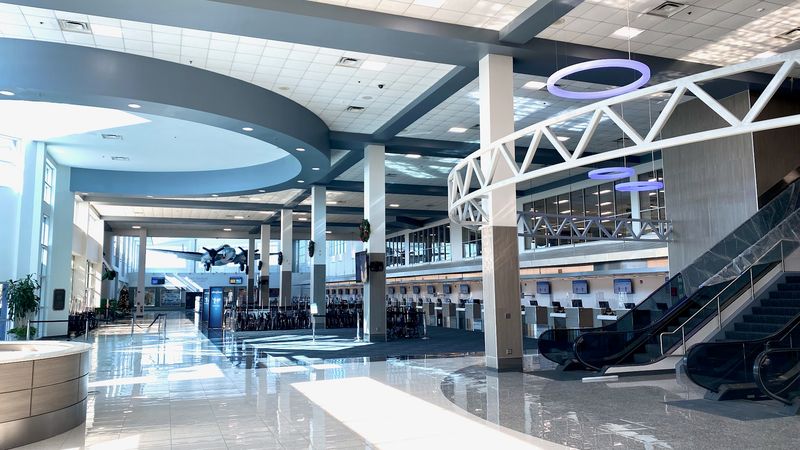
Most people flying to Orlando think MCO is their only option, and that assumption costs them hours of their vacation. Orlando Sanford International Airport exists as a genuinely competitive alternative, and travelers who discover it tend to wonder why they ever bothered with the chaos of the main Orlando hub in the first place.
SFB sits about 30 miles north of Orlando’s theme park corridor, which sounds far until you realize that MCO traffic and resort shuttle waits can eat up the same amount of time anyway. The airport is significantly less congested, with shorter lines at security and a much calmer overall atmosphere.
For families hauling gear and kids, that difference in stress level is enormous.
Allegiant Air has made SFB one of its key Florida hubs, which means you can often find surprisingly affordable fares from smaller cities across the country that do not get direct service into MCO. That pricing advantage alone makes SFB worth checking before you book anything.
Seasonal routes pop up regularly, so it pays to search SFB specifically when planning a Florida trip.
The airport also connects well to the Space Coast, with Kennedy Space Center and Cocoa Beach sitting within a reasonable drive east. Visitors combining theme parks with a rocket launch viewing have started using SFB as a strategic base point because of how well it positions you for both experiences without heavy highway congestion.
Sanford the city itself has a charming historic downtown worth exploring if you have time before your flight. The lakefront area and local restaurant scene offer a completely different side of Central Florida that most tourists never see.
Flying through SFB accidentally turns into a small discovery, and that is a nice bonus on top of an already easier travel experience.
4. Pensacola International Airport (PNS)
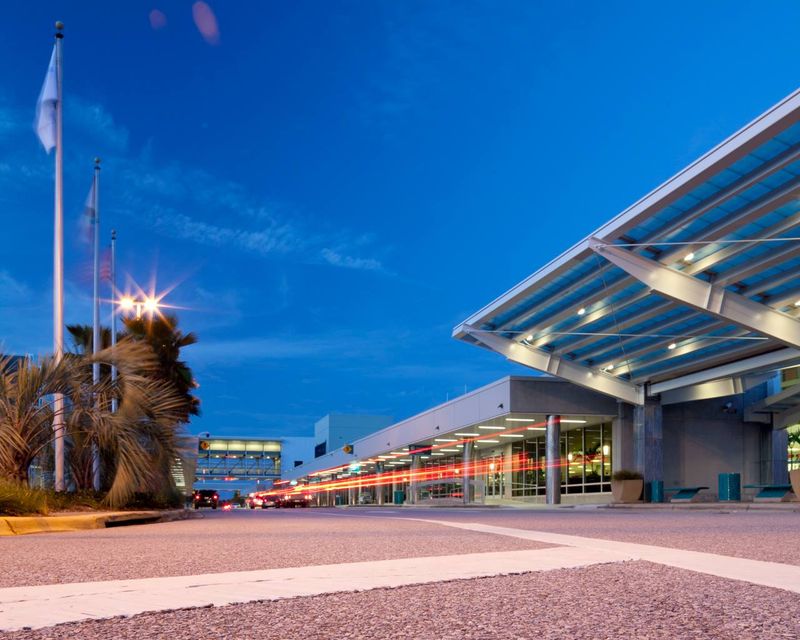
Pensacola has some of the most stunning white-sand beaches in the entire country, and the airport that serves this corner of Northwest Florida has been working hard to match the quality of the destination it represents. PNS has gone through significant upgrades in recent years, and the result is a cleaner, faster, and more enjoyable travel experience than many visitors expect from a mid-sized regional airport.
The terminal is modern and well-organized, with natural light flooding the space in a way that immediately puts you in a beach mindset. Check-in and security move efficiently, and the concourse layout makes it easy to find your gate without any of the usual airport disorientation.
For a city that draws millions of visitors to its coastline every year, having a functional and welcoming airport matters.
American, Delta, Southwest, and United all serve PNS, connecting the Panhandle to major cities across the country. Nonstop routes to hubs like Houston, Atlanta, Dallas, and Charlotte make Pensacola accessible without forcing travelers through an unnecessary connection.
Direct flights to Chicago and New York appear seasonally, which is a big deal for northern visitors making the annual pilgrimage south.
Military families make up a meaningful portion of the local population thanks to nearby Naval Air Station Pensacola, and the airport reflects that community with services and amenities tailored to their needs. That practical, no-nonsense approach to airport design benefits every passenger who passes through, not just service members and their families.
Pensacola Beach and Perdido Key are within 20 to 30 minutes of the airport, meaning you can go from landing to toes in the sand faster than almost anywhere else in Florida. That quick turnaround from airplane seat to beach chair is genuinely hard to beat and makes PNS one of the most satisfying arrivals in the state.
5. Melbourne Orlando International Airport (MLB)
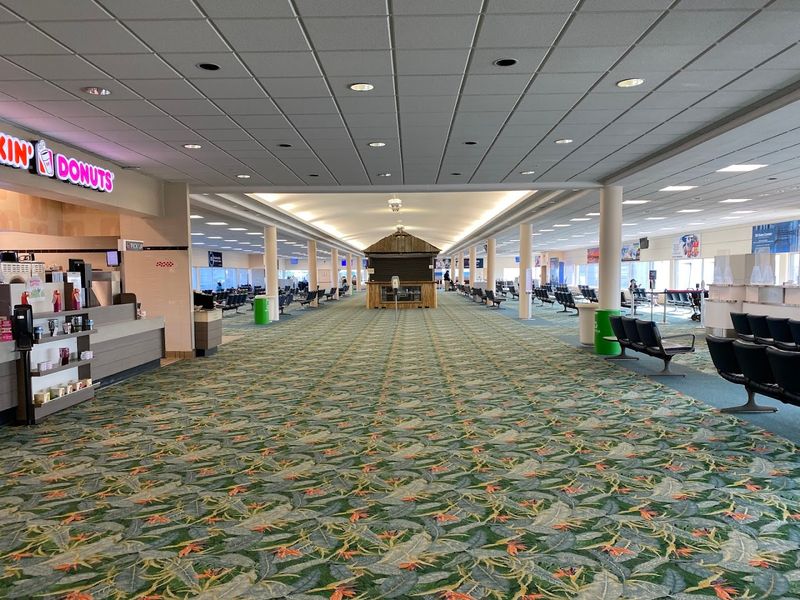
Tucked along Florida’s Space Coast, Melbourne Orlando International Airport carries one of the most interesting identities of any regional airport in the state. The name nods toward Orlando to help travelers locate it geographically, but MLB is very much its own destination — serving Brevard County with a relaxed efficiency that stands in sharp contrast to the theme park madness just an hour to the west.
The airport underwent a meaningful terminal renovation that brought modern amenities, better dining options, and a noticeably improved passenger flow to the facility. Walking through MLB now feels current and comfortable rather than like a pit stop at a forgotten regional hub.
That investment in the passenger experience shows in the details, from the layout of the security checkpoint to the quality of the food options airside.
American Airlines and a handful of other carriers connect MLB to major hubs, giving travelers solid access to the national route network without the overwhelming crowds of a major airport. Families heading to Kennedy Space Center, Cocoa Beach, or the nearby barrier island towns find MLB to be a strategically perfect landing spot.
The airport puts you right in the heart of the Space Coast action without any unnecessary detours.
Tech professionals and aerospace workers also rely heavily on MLB given the concentration of aerospace and defense companies based in Brevard County. That corporate travel base keeps the airport’s schedule consistent and financially supported, which translates to reliable service for leisure travelers as well.
A healthy mix of business and vacation passengers keeps the energy balanced.
Parking at MLB is one of the better deals you will find at any Florida airport, and the rental car facilities are easy to navigate. For anyone who has ever circled a rental car lot at a major Florida hub wondering where their vehicle actually is, the simple, well-marked setup at Melbourne feels like a small miracle.
6. Northwest Florida Beaches International Airport (ECP)
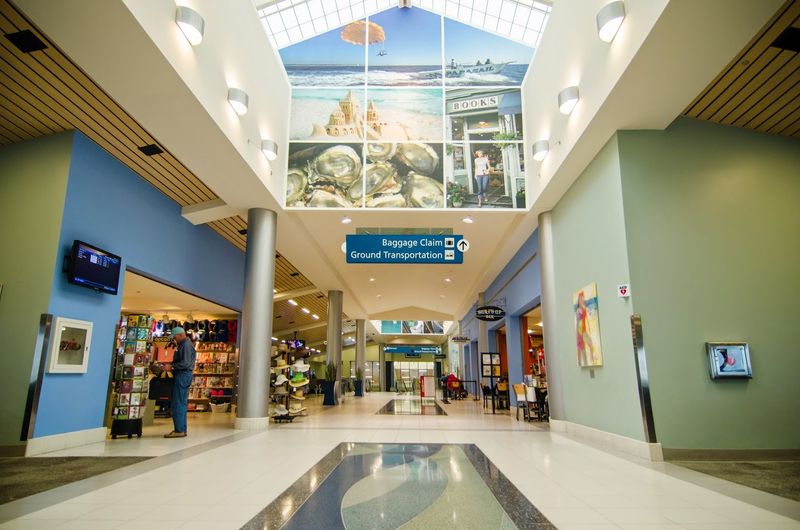
When Northwest Florida Beaches International Airport opened in 2010, it replaced the old Panama City airport and immediately set a new standard for what a regional beach destination airport could look like. ECP was purpose-built with the traveler experience in mind, and that thoughtfulness shows in every corner of the facility.
It is bright, spacious, and organized in a way that makes the whole process feel genuinely painless.
The airport serves the Panama City Beach area, which has become one of the most visited beach destinations in the entire Southeast. Millions of spring breakers, summer families, and fall snowbirds pass through ECP every year, and the terminal handles that volume with impressive grace.
The layout keeps foot traffic moving, and the security checkpoint rarely creates the kind of backup that ruins your pre-vacation mood.
Southwest Airlines has a strong presence at ECP, which keeps fares competitive and gives travelers from dozens of cities a direct route to the Emerald Coast without a connection. Delta and American also operate flights here, rounding out the carrier options and ensuring that most major population centers in the country have a reasonable path to Panama City Beach.
One underappreciated perk of ECP is its location. The airport sits inland enough to avoid the worst of the beach traffic, but it is close enough that you can be standing in the Gulf of Mexico within 20 minutes of picking up your rental car.
That proximity to the water is something travelers notice immediately and remember fondly when planning their next trip.
The dining and retail options inside the terminal are better than you might expect from a regional airport. Local flavor shows up in some of the food choices, giving you a first taste of the Gulf Coast culture before you even step outside.
That small touch of regional identity makes ECP feel like more than just a transit point.
7. Punta Gorda Airport (PGD)

Punta Gorda Airport might be the best-kept secret in Florida aviation, and the people who have discovered it are not exactly rushing to spread the word. PGD sits in Charlotte County, about 45 minutes south of Sarasota and north of Fort Myers, positioning it perfectly for travelers heading to Southwest Florida without the crowds and congestion of RSW.
It is small, fast, and surprisingly well-connected for its size.
Allegiant Air essentially built its Southwest Florida operation around PGD, and the result is an airport with a remarkable number of direct routes to mid-sized cities across the country that larger Florida airports often ignore. Places like Akron, Cincinnati, Peoria, and Knoxville have direct flights into PGD, which means travelers from those regions can land closer to their final destination than they ever could through a major hub.
That routing efficiency saves hours of driving on I-75.
The terminal is barebones by some standards, but that is actually part of the appeal. There is no labyrinthine concourse to navigate, no shuttle train to catch, and no mile-long walk between gates.
You park, check in, clear security, and you are basically at your gate. For travelers who have spent too many hours lost inside massive airport complexes, that simplicity is genuinely refreshing.
Parking at PGD is inexpensive compared to almost any other Florida airport, and the lot is close enough that you do not need a shuttle to reach your car. Families traveling with lots of luggage especially appreciate how manageable the whole experience feels from arrival to departure.
Nothing about PGD feels designed to waste your time.
Southwest Florida’s beaches, golf courses, and nature preserves are all within easy reach of PGD. Lovers Key, Boca Grande, and the Peace River paddling trails are practically in the airport’s backyard.
Arriving here feels like stepping directly into the relaxed pace of the Gulf Coast without any of the usual transition friction.
8. Daytona Beach International Airport (DAB)
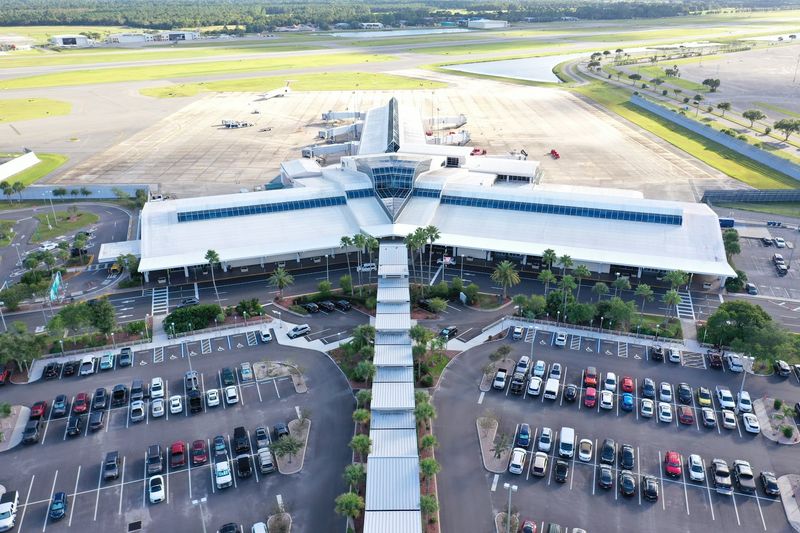
Daytona Beach is a city with serious personality — NASCAR royalty, spring break history, and a beachside boardwalk that has been drawing crowds for over a century.
The airport that serves it carries some of that bold character, and DAB has been steadily improving to keep pace with the destination’s growing reputation as a year-round travel hotspot rather than just a seasonal stop.
American Airlines and Delta connect Daytona Beach to major hubs, giving travelers a straightforward path to the city without the detour through Orlando that many visitors default to out of habit.
The drive from MCO to Daytona Beach is not terrible, but arriving directly at DAB cuts a significant chunk of time out of your trip and eliminates the rental car stress of navigating I-4 during peak hours.
That time savings adds up fast across a weekend trip.
The terminal at DAB is compact and navigable, with a layout that does not punish you for arriving without a detailed airport map memorized. Security moves at a reasonable pace, and the check-in area handles the morning rush without turning into a pressure cooker.
For a city that hosts major events like Bike Week and the Daytona 500, the airport needs to handle volume spikes gracefully, and it generally does.
Race fans flying in for events at Daytona International Speedway will appreciate how close the airport sits to the track. The speedway is practically visible from the approach path on certain runway configurations, which gives aviation enthusiasts and racing fans alike a bit of a thrill on final descent.
That proximity means less ground transportation stress during the event chaos that engulfs the city a few times a year.
Beyond the races, Daytona Beach has been reinventing itself with new hotels, a revitalized boardwalk, and a growing arts and dining scene. DAB serves as a fitting entry point to a city that is more layered and interesting than its spring break reputation suggests.
9. Palm Beach International Airport (PBI)
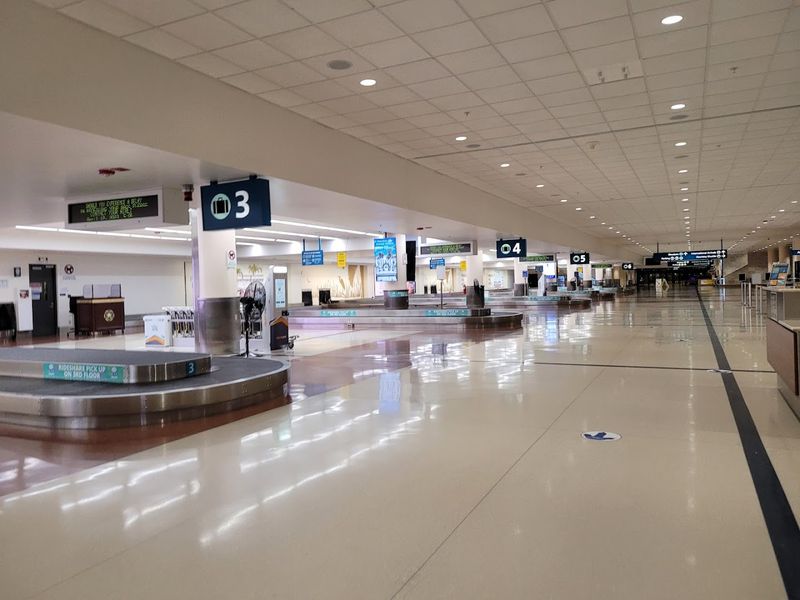
Palm Beach has always had a flair for doing things with a certain elegance, and the airport that serves this corner of South Florida carries that energy without being pretentious about it. PBI is a full-service international airport that punches well above its weight in terms of carrier variety, route options, and overall passenger experience.
It is also significantly less overwhelming than Miami International, which makes it the preferred entry point for a growing number of savvy South Florida travelers.
Major carriers including American, Delta, JetBlue, Southwest, and United all operate at PBI, connecting Palm Beach County to cities across the country and internationally. The route network is robust enough that most travelers can find a nonstop or single-connection option to wherever they are going without any creative routing gymnastics.
That breadth of service is genuinely impressive for an airport that does not dominate the national conversation the way MIA or FLL does.
The terminal is well-maintained and designed with a certain tasteful quality that reflects the surrounding community. Art installations appear throughout the concourses, the dining options lean toward quality over pure volume, and the overall atmosphere feels calmer and more curated than what you find at larger South Florida hubs.
Travelers who appreciate that kind of thoughtful environment tend to become loyal PBI users very quickly.
West Palm Beach and the surrounding communities offer some of the best dining, shopping, and waterfront experiences in the entire state. Worth Avenue, the Intracoastal Waterway, and the Norton Museum of Art are all within a short drive of the airport.
Arriving at PBI puts you directly into the rhythm of Palm Beach culture without any unnecessary friction or geographic detours.
Parking and ground transportation at PBI are well-organized, and the rental car facility connects smoothly to the terminal without the long walks that plague bigger airports. For anyone who values their time and their sanity in equal measure, PBI consistently delivers on both fronts.
10. Key West International Airport (EYW)
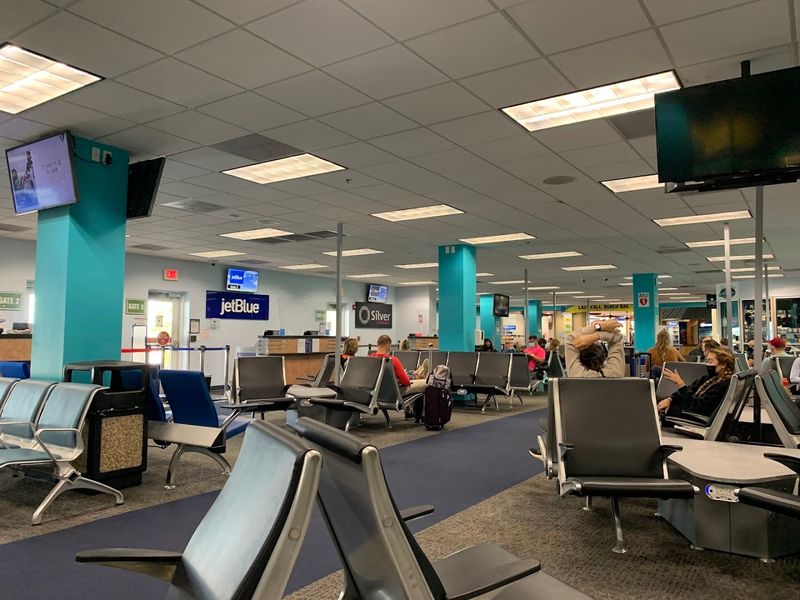
Landing at Key West International Airport is one of the most unique arrival experiences in American aviation. The runway essentially ends at the water, the terminal is small enough to feel almost residential, and within minutes of stepping off the plane you are breathing in salt air and hearing the faint sound of a Jimmy Buffett song drifting from somewhere nearby.
EYW does not just serve a destination — it embodies one.
The airport handles a respectable number of passengers given its size, with American Eagle and other regional carriers connecting Key West to Miami, Atlanta, and other hubs. Nonstop service from a handful of cities operates seasonally, which is worth checking before you book a connection.
The limited gate count means the terminal never feels chaotic, and the entire check-in to gate process can happen in a remarkably short amount of time.
One thing that catches first-time arrivals off guard is how close everything feels once you land. Old Town Key West, Duval Street, and the famous Southernmost Point marker are all within minutes of the airport.
There is no long highway slog or suburban sprawl to push through before you reach the part of Key West you actually came to see. That immediacy is rare and genuinely wonderful.
The airport has made meaningful upgrades to its facilities over the years while maintaining the low-key, tropical character that defines the island. The open-air elements of the terminal design let in the warm Florida Keys breeze, which feels intentional and delightful rather than like an infrastructure oversight.
Few airports in the country make you feel like you have already arrived at your vacation before you reach baggage claim.
Sunset cruises, reef snorkeling, and the legendary Key West nightlife are all within a short ride from EYW. Flying directly into the Keys rather than driving the entire Overseas Highway is a luxury that more travelers should seriously consider, especially when time is limited and adventure is the priority.
11. Destin–Fort Walton Beach Airport (VPS)
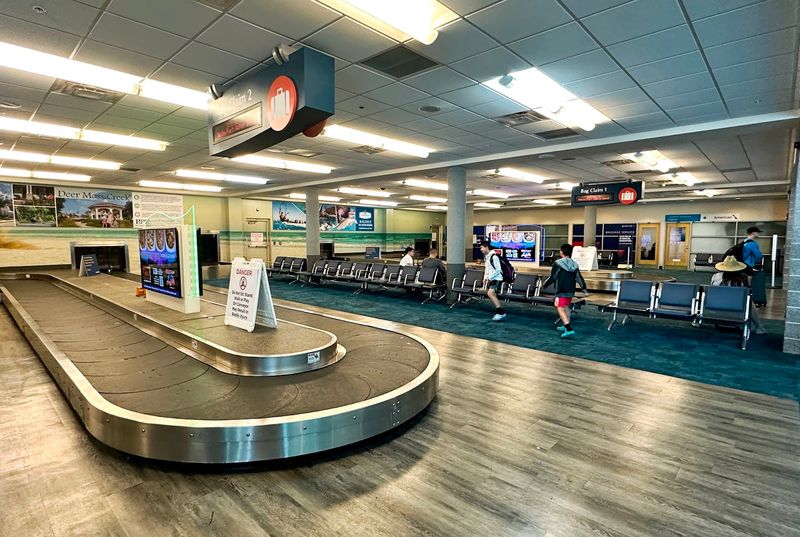
Destin has spent years earning its reputation as one of the most beautiful beach destinations on the Gulf Coast, and the airport serving the area has quietly become one of the more capable regional facilities in Northwest Florida. VPS sits on land adjacent to Eglin Air Force Base, which gives it an interesting dual-use character that most civilian airports do not have.
The military history of the facility adds a layer of depth to an airport that might otherwise seem like a simple beach gateway.
American, Delta, and Southwest all operate flights through VPS, connecting the Emerald Coast to major cities with enough frequency to make trip planning relatively straightforward.
Seasonal routes expand the options during the summer months when demand from beach-bound families peaks, and airlines have responded to that demand by adding capacity in ways that keep the airport from feeling overloaded.
The balance between seasonal surge and manageable operations is something VPS handles better than many comparable airports.
The terminal has been updated and expanded to better handle the passenger volumes that Destin’s tourism boom has generated. The result is a facility that feels current and functional without losing the approachable quality that regional airports do best.
Security moves efficiently, the concourse is easy to navigate, and the overall atmosphere stays calm even when flights are stacked up during peak summer weekends.
Destin’s famous sugar-white sand beaches and the harbor full of fishing charter boats are within 20 to 30 minutes of the airport. Fort Walton Beach, Niceville, and the Emerald Coast Parkway corridor are all equally accessible, giving arriving travelers a range of options for where to head first.
The geographic positioning of VPS makes it a genuinely versatile base for exploring the western Panhandle.
For travelers who want to experience the Panhandle without the drive from Pensacola or Panama City, VPS is the answer that has been sitting there the whole time. Discovering it feels like finding a shortcut that everyone else somehow missed.
12. Vero Beach Regional Airport (VRB)
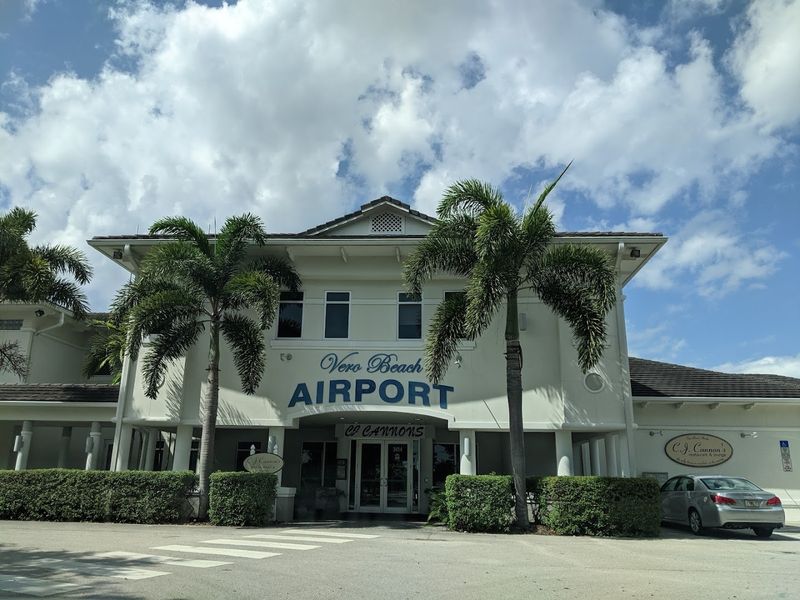
Vero Beach has a quietly proud identity as Florida’s Treasure Coast gem — understated, beautiful, and completely unbothered by the need to compete with flashier neighbors to the south. The regional airport that serves it carries that same energy.
VRB is a small, functional facility that serves a community of discerning travelers who value quality over spectacle, and the airport delivers exactly what that audience needs.
General aviation has always been a cornerstone of VRB’s identity, and the airport has a long history as a training ground for pilots from around the world. Piper Aircraft operated a major facility here for decades, and that aviation heritage gives the airport a character and credibility that goes beyond its size.
Walking around VRB, you get the sense that people here take flying seriously in the best possible way.
Commercial service at VRB has evolved over the years, with carriers periodically offering scheduled flights that connect the Treasure Coast to other Florida cities and beyond. The service options fluctuate based on demand and carrier strategy, so checking current schedules before planning a trip is worthwhile.
When commercial service is available, the experience is predictably smooth and low-stress given the airport’s compact size.
For private and charter travelers, VRB is an excellent option with well-maintained facilities, multiple FBOs, and easy access to the Indian River Lagoon area. The surrounding region offers world-class fishing, kayaking through mangrove tunnels, and some of the best citrus groves in the state.
Arriving at VRB and heading straight toward the lagoon feels like the right way to start a Treasure Coast adventure.
Downtown Vero Beach is a short drive from the airport and offers a walkable, charming collection of art galleries, restaurants, and boutique shops that reflect the town’s cultured, relaxed personality. For travelers who prefer their Florida experience without the theme park noise or the South Beach crowds, VRB is the starting point that sets exactly the right tone.
13. Tallahassee International Airport (TLH)
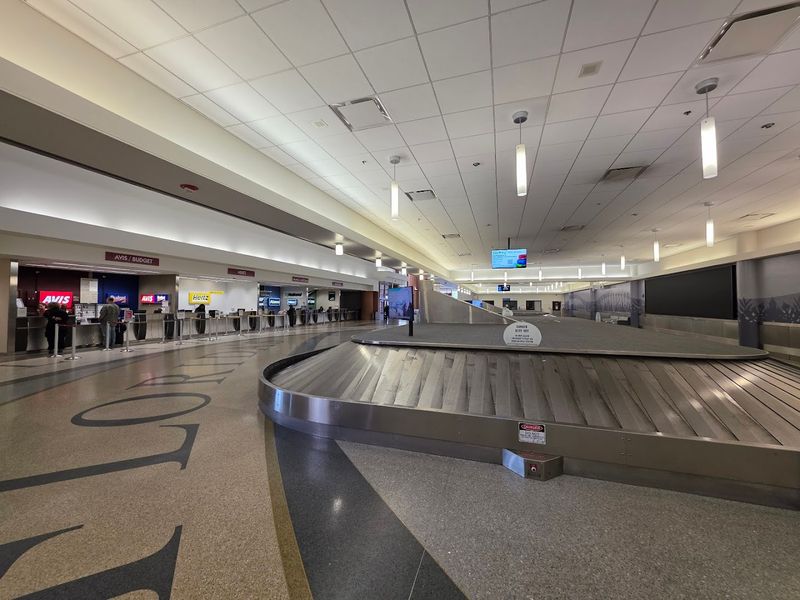
Tallahassee occupies a unique position in Florida as the state capital and a major university city, and its airport reflects that dual identity with a professional, well-organized operation that serves both the government workforce and the Florida State and FAMU communities.
TLH is not the largest airport in the state, but it is one of the most consistently reliable, and that consistency matters enormously to the business travelers and state employees who depend on it daily.
American, Delta, and United operate regular service through TLH, connecting the capital city to hubs like Atlanta, Charlotte, Dallas, and Washington D.C. That last connection is particularly important given the number of federal and state government interactions that require travel between Tallahassee and the nation’s capital.
The route network at TLH is built around the practical needs of its passenger base, which gives it a focused efficiency that general-purpose airports sometimes lack.
The terminal has been renovated and modernized in recent years, bringing updated concessions, improved technology throughout the facility, and a cleaner overall aesthetic. The airport is easy to navigate, with a layout that makes sense from the moment you walk in.
For frequent business travelers who have memorized the floor plan of every major hub in the Southeast, TLH offers a refreshing change of pace with its straightforward design.
Tallahassee itself is one of the most underrated cities in Florida for visitors who make it there. The canopy roads draped in Spanish moss, the vibrant food and music scene, and the proximity to Apalachicola Bay and the Forgotten Coast make it a destination worth exploring beyond the legislative session calendar.
Arriving at TLH is the beginning of a North Florida experience that most tourists miss entirely.
Florida State football season turns Tallahassee into a city of passionate energy, and TLH handles the influx of visiting fans with practiced efficiency. Booking early during home game weekends is essential, but the airport itself rarely becomes the source of travel headaches that game-day travel can create elsewhere in the state.
14. St. Pete–Clearwater International Airport (PIE)
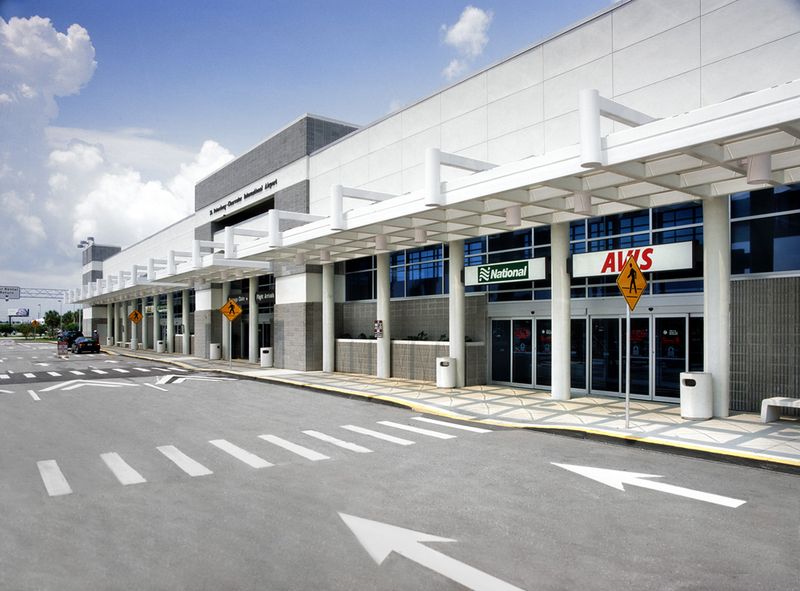
Ask any Tampa Bay area local where the underdog hero of Florida airports lives, and a surprising number of them will point directly at PIE without hesitation. St. Pete-Clearwater International Airport has built a devoted following among travelers who have figured out that it offers a dramatically easier experience than Tampa International just across the bay, often at a lower ticket price to boot.
Once you fly through PIE, going back to TPA for a domestic trip starts to feel unnecessary.
Allegiant Air anchors the carrier lineup at PIE, bringing in direct flights from dozens of smaller and mid-sized cities across the country that do not always get direct access to the Tampa Bay market through TPA.
That means travelers from places like Flint, Rockford, and Plattsburgh can fly directly into the heart of one of Florida’s most beloved metro areas without a connection.
The pricing on those Allegiant routes tends to be aggressive, which makes the value proposition at PIE genuinely hard to argue with.
The terminal at PIE is clean and well-maintained, with a layout that favors speed over spectacle. You will not find a mile of luxury retail between security and your gate, but you will find a quick, organized process that gets you where you need to be without drama.
For travelers who have been conditioned by larger airports to expect inconvenience as a baseline, PIE resets those expectations immediately.
St. Pete Beach, Clearwater Beach, and the stunning Fort De Soto Park are all within a short drive of the airport. The cultural energy of downtown St. Petersburg, with its world-class museums and thriving restaurant scene, is equally accessible.
PIE lands you right in the middle of a region that has become one of the most exciting places in the entire state.
Parking is affordable, the rental car process is smooth, and the overall vibe at PIE is one of quiet competence. It is the kind of airport that does not need to announce how good it is because the experience speaks clearly enough on its own.