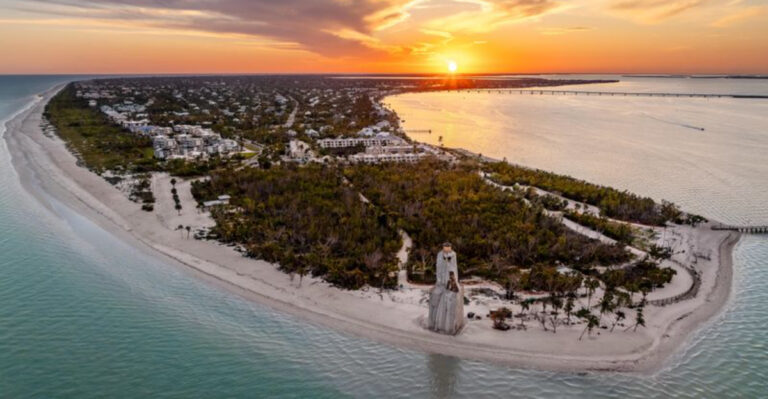
15 Best Places For Snorkeling In Florida You Absolutely Can’t Miss
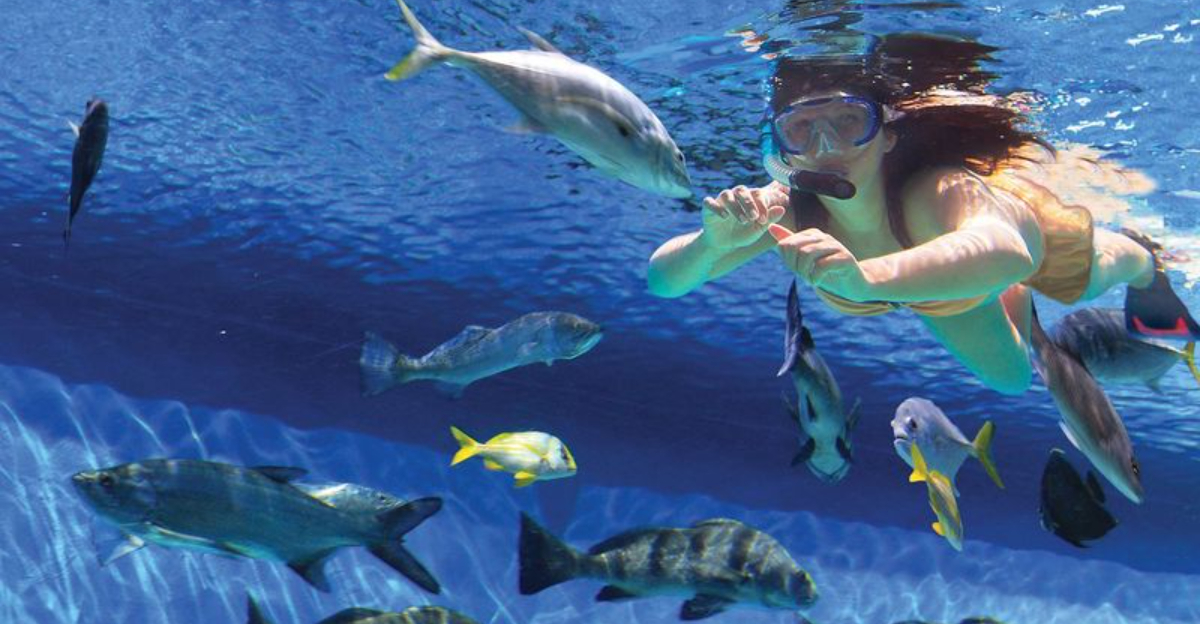
Florida is surrounded by water on three sides, which means snorkeling opportunities are practically everywhere you look. From coral reefs teeming with tropical fish to crystal-clear freshwater springs, the Sunshine State offers underwater adventures for every skill level. Whether you’re exploring shipwrecks in the Keys or floating through spring-fed rivers in North Florida, these snorkeling destinations showcase the best aquatic experiences the state has to offer.
1. John Pennekamp Coral Reef State Park, Key Largo
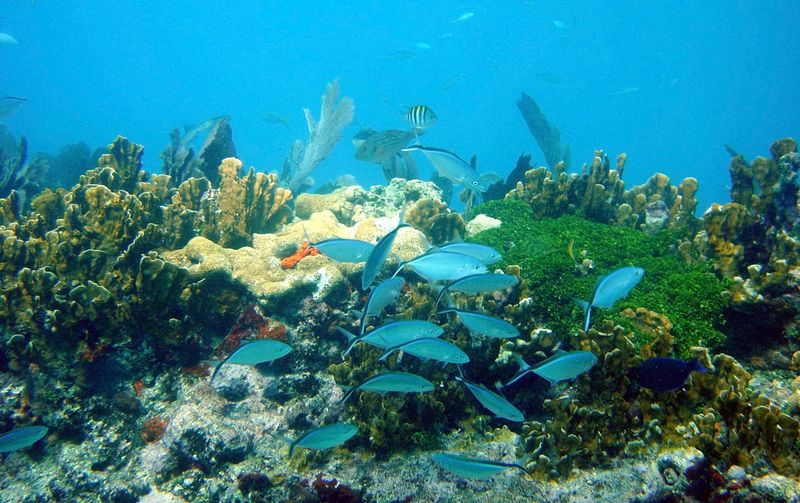
America’s first undersea park isn’t just a historic landmark—it’s where serious snorkelers come to experience some of the most accessible coral reef systems in the continental United States. The park protects roughly 70 nautical square miles of reefs, seagrass beds, and mangrove swamps, creating a marine sanctuary that feels like stepping into an aquarium.
Most visitors book guided snorkel tours that take you to the outer reefs where elkhorn coral, brain coral, and colorful fish create an underwater cityscape. The famous Christ of the Abyss statue sits submerged in about 25 feet of water and has become an iconic photo opportunity for snorkelers and divers alike.
If you prefer exploring on your own, the park also offers a marked snorkel trail at Cannon Beach with shallow water perfect for beginners. Rental gear is available on-site, and the visitor center provides helpful orientation about what marine life you might encounter during your adventure.
2. Dry Tortugas National Park, west of Key West
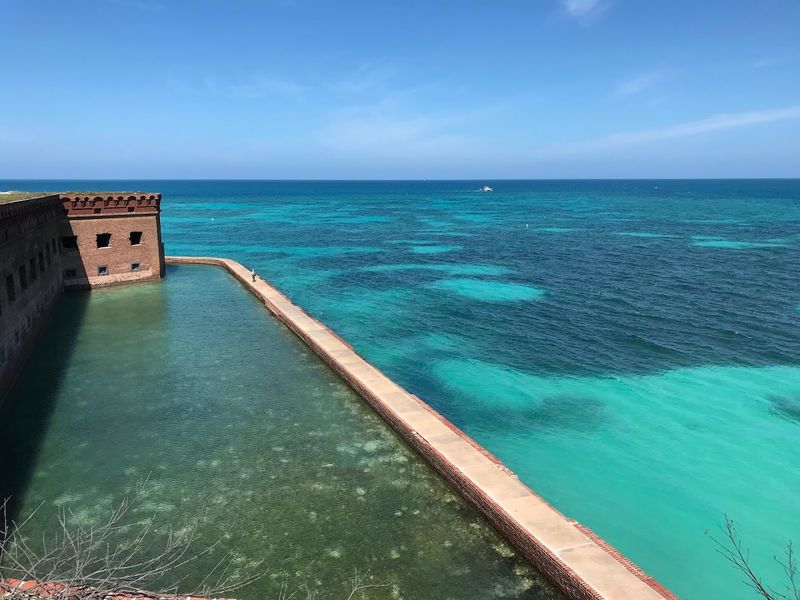
Getting here requires either a seaplane or a ferry ride, but that journey is part of what makes Dry Tortugas feel like a true escape. Located 70 miles west of Key West, this remote park sits at the edge of the Florida reef tract where the Gulf of Mexico meets the Atlantic Ocean.
The water clarity here is phenomenal—often exceeding 100 feet of visibility—which means you’ll spot sea turtles, rays, and reef fish from the moment you enter the water. The moat wall surrounding Fort Jefferson is a favorite snorkeling spot because the historic structure has become an artificial reef attracting massive schools of fish.
Plan to spend a full day here since you’ve made the trip. Pack your own snacks and plenty of water because amenities are limited. The park also has a designated snorkel area near the beach with calmer conditions if you’re bringing kids or less experienced swimmers along for the adventure.
3. Bahia Honda State Park, Florida Keys
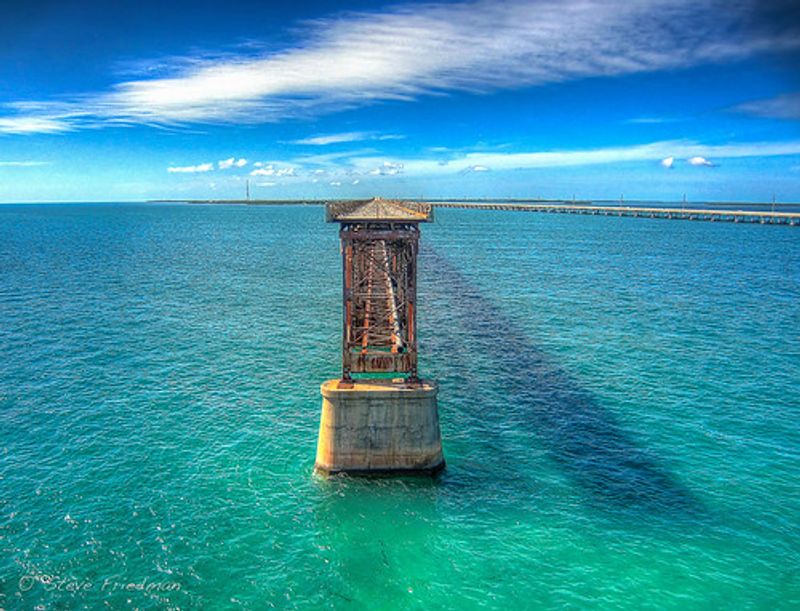
Bahia Honda consistently ranks among the best beaches in Florida, but what really sets it apart is the variety of snorkeling experiences packed into one location. You can wade right off Sandspur Beach into shallow water where small tropical fish dart between sea fans and sponges.
For something more adventurous, book a spot on one of the park’s guided snorkel trips to Looe Key Reef, located about six miles offshore. These excursions take you to deeper waters where the reef structure is more dramatic and the marine life more abundant. Expect to see parrotfish, angelfish, barracuda, and possibly even nurse sharks resting on the sandy bottom.
The park provides concession rentals if you need equipment, and there are shaded picnic areas perfect for breaks between snorkel sessions. Arrive early during peak season because parking fills up quickly, especially on weekends when locals and tourists alike flock to this beautiful stretch of coastline.
4. Biscayne National Park, near Homestead
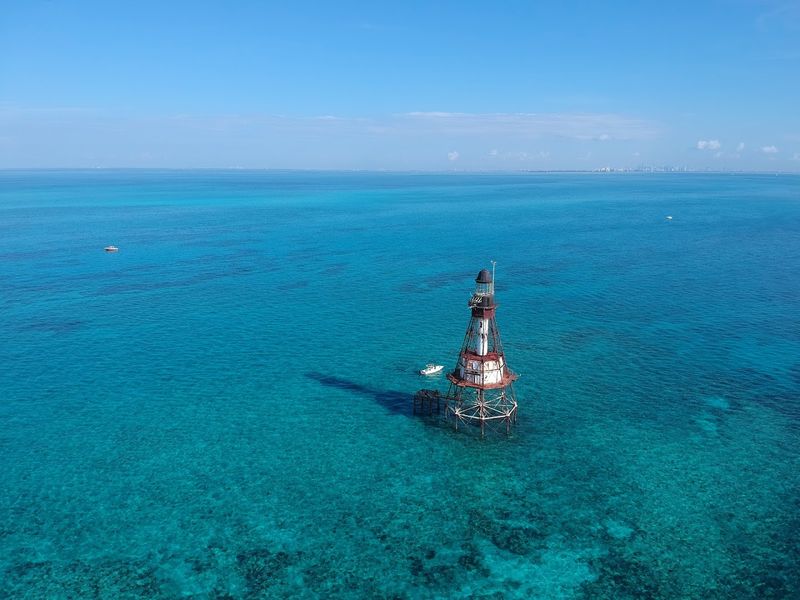
Here’s something most people don’t realize: 95 percent of Biscayne National Park is actually underwater. That makes it a snorkeler’s paradise with options ranging from shallow mangrove forests to offshore coral reefs and even historic shipwrecks along the Maritime Heritage Trail.
The park’s location just south of Miami means you can escape the city crowds and find yourself floating above vibrant reefs within an hour. Concessionaire-run snorkel tours depart regularly from the visitor center at Convoy Point, taking groups to popular sites where sea turtles, lobsters, and countless reef fish make their homes.
If you have your own boat, you can explore independently using the park’s mooring buoys to protect the fragile coral. The shipwrecks are particularly fascinating—several vessels from different eras rest on the ocean floor, now serving as artificial reefs covered in marine growth. Just remember that touching or removing anything from the park is strictly prohibited.
5. Sombrero Key Reef, Marathon
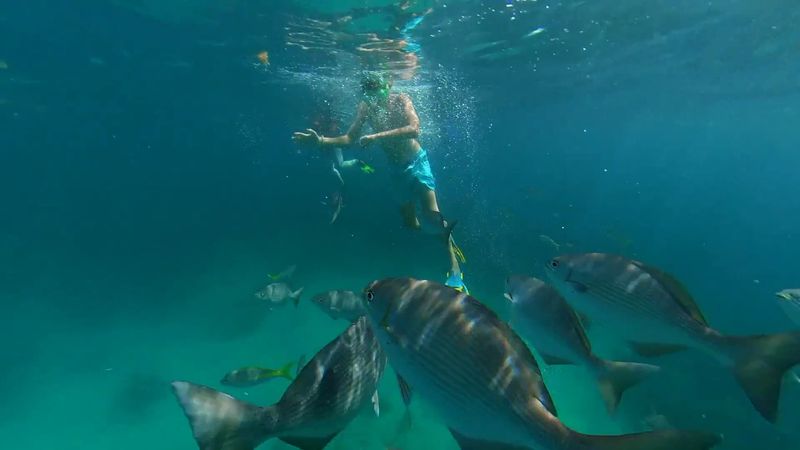
Sombrero Reef earns its reputation as a Middle Keys favorite thanks to shallow depths that hover around 15 to 30 feet, making it accessible for snorkelers of all experience levels. The reef is marked by a historic lighthouse that’s been guiding ships since 1858 and now serves as a landmark for snorkel boats.
Because this reef is part of the Florida Keys National Marine Sanctuary, it’s protected from fishing and collecting, which means marine life here is abundant and surprisingly bold. Yellowtail snapper, sergeant majors, and blue tangs swim right up to investigate visitors, while larger creatures like stingrays and sea turtles patrol the deeper sections.
Several local dive shops in Marathon offer half-day snorkel trips specifically to Sombrero Reef, often combining it with a second site for variety. The water is usually calm with excellent visibility, though conditions are best during summer months when winds are lighter and seas are flatter.
6. Blue Heron Bridge / Phil Foster Park, Riviera Beach
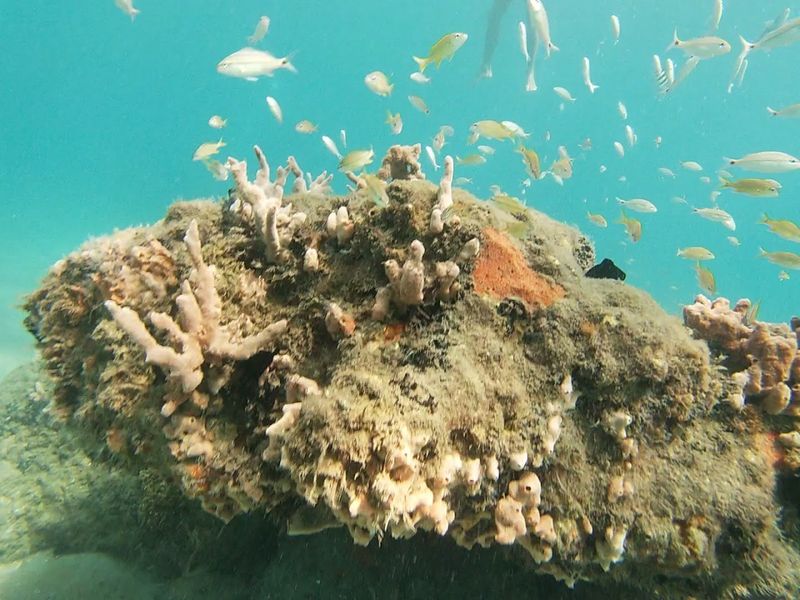
Shore diving and snorkeling enthusiasts consider Blue Heron Bridge one of the most remarkable spots in all of South Florida. What makes it special is the incredible biodiversity packed into relatively shallow water that you can access directly from the beach.
The best time to visit is during high tide when water depth increases and marine life becomes more active. You’ll find octopuses hiding in crevices, seahorses clinging to sponges, frogfish camouflaged against the bottom, and juvenile fish using the area as a nursery. The underwater snorkel trail features marked stations that help orient you and point out interesting features.
Phil Foster Park provides convenient facilities including restrooms, showers, and plenty of parking, making this an easy half-day adventure. Because the site is so popular with underwater photographers, you’ll often see people with serious camera equipment documenting the unusual critters that call this bridge home. Just watch the current and stay aware of boat traffic in the channel.
7. Peanut Island, Riviera Beach
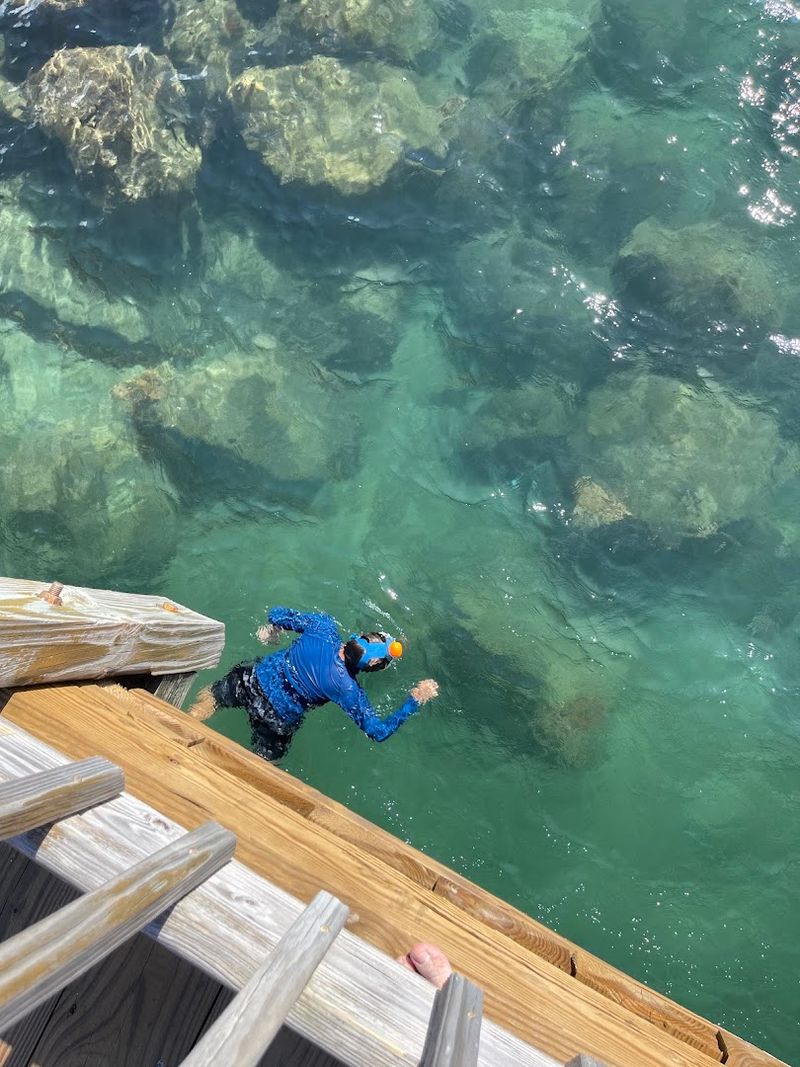
Peanut Island offers something rare in Florida: a designated snorkeling lagoon specifically designed for families and beginners. The man-made lagoon features calm, protected water that stays relatively shallow, making it perfect for introducing kids to snorkeling or practicing skills before venturing into open water.
Beyond the lagoon, you can explore the natural areas around the island where seagrass beds attract fish, rays, and sometimes manatees during cooler months. The island itself is only accessible by boat, but water taxis run regularly from nearby marinas, or you can paddle over in a kayak if you’re feeling adventurous.
While you’re there, check out the Kennedy Bunker—a Cold War-era fallout shelter built for President John F. Kennedy that’s now a museum. The island also has camping facilities, picnic areas, and a swimming beach, so you can easily turn a snorkeling trip into a full day of island exploration and relaxation.
8. Three Sisters Springs, Crystal River
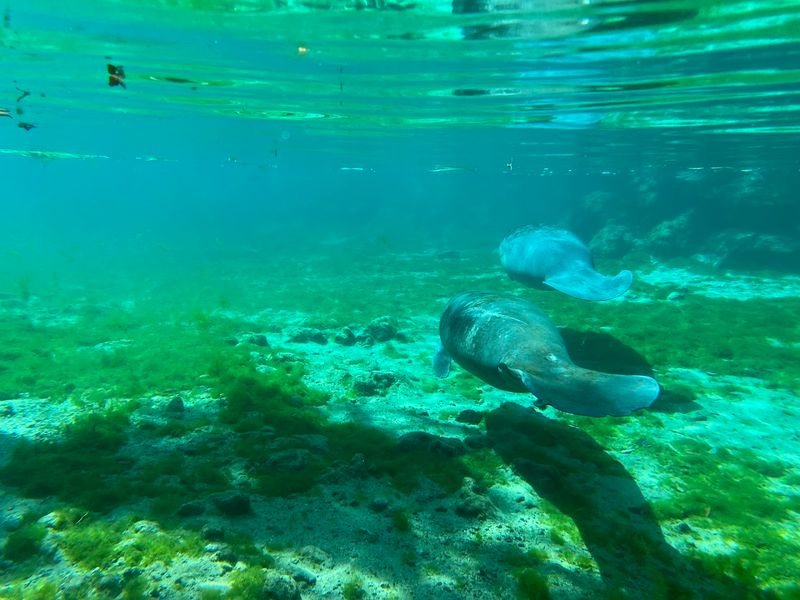
Forget saltwater reefs—Three Sisters Springs delivers an entirely different snorkeling experience in some of the clearest freshwater you’ll ever see. The spring system maintains a constant 72-degree temperature year-round, which is why West Indian manatees gather here by the dozens during winter months.
Snorkeling with manatees is the main draw, but it comes with important rules designed to protect these gentle giants. You must maintain passive observation, which means no chasing, touching, or cornering the animals. The manatees often approach snorkelers on their own terms, creating magical encounters that feel like something from a nature documentary.
Access to Three Sisters requires either a kayak or boat since you can’t walk in from shore. Several local outfitters offer guided tours that include equipment and instruction on proper manatee etiquette. The springs are managed by the U.S.
Fish and Wildlife Service, and during peak manatee season, there may be designated viewing times to minimize disturbance to the animals.
9. Rainbow Springs State Park, Dunnellon
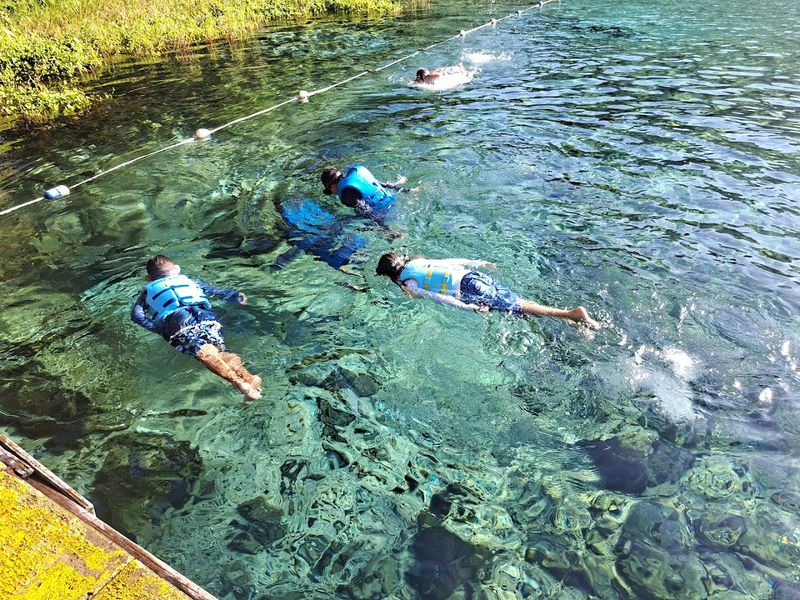
Rainbow Springs pumps out nearly 500 million gallons of water daily, creating a river system so clear you can see straight to the bottom even in areas that are 20 feet deep. The water glows with an otherworldly blue color caused by the way sunlight filters through the mineral-rich spring water.
Snorkeling here means floating downstream with a gentle current, observing freshwater fish like bass, bream, and mullet as they navigate around cypress roots and aquatic vegetation. The headspring area near the main swimming zone is where the water is clearest and most photogenic, though snorkeling is only permitted in designated areas.
The park offers tube and kayak rentals if you want to combine snorkeling with a lazy river float. There are also hiking trails, gardens, and picnic facilities that make this a great destination for groups with mixed interests. Summer weekends get crowded, so consider visiting on a weekday or arriving right when the park opens to claim your spot.
10. Ichetucknee Springs State Park, Fort White
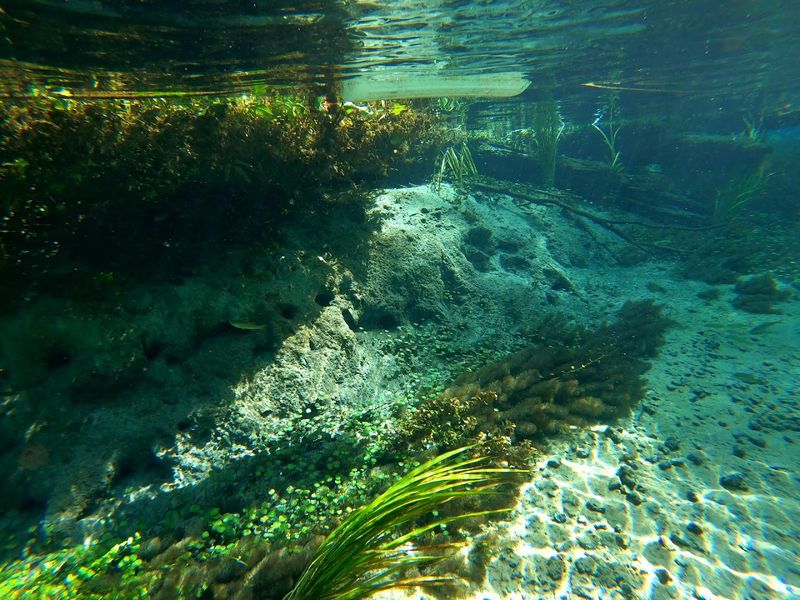
Most people know Ichetucknee for its famous tubing runs, but snorkelers who explore this pristine river system discover something even better. The upper reaches near the headspring feature water so transparent it barely looks real, with visibility often exceeding 100 feet on calm days.
Multiple spring vents feed the Ichetucknee River, each creating unique underwater landscapes worth exploring. You’ll see freshwater turtles sunning on logs, schools of fish moving through the current, and aquatic plants swaying in the gentle flow. The cooler water temperature—around 72 degrees—feels refreshing in summer but requires a wetsuit for extended snorkeling during winter months.
The park limits the number of daily visitors to protect the delicate ecosystem, so arrive early during peak season or risk being turned away. Snorkeling is permitted throughout most of the river, though you’ll need to stay clear of designated swimming areas when they’re crowded. Bring an underwater camera because the clarity and natural beauty create incredible photo opportunities.
11. Weeki Wachee Springs State Park, Weeki Wachee
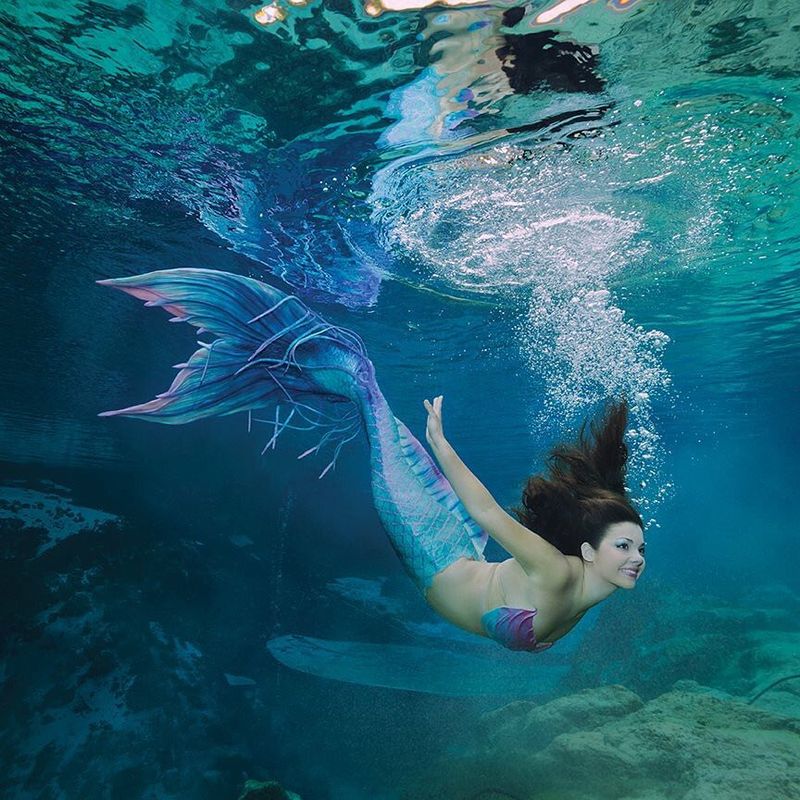
Yes, this is the home of those famous mermaid shows that have been entertaining visitors since 1947. But beyond the theatrical performances, Weeki Wachee offers genuinely excellent spring snorkeling in water that stays a constant 74 degrees throughout the year.
The spring basin itself is off-limits to swimmers, but the Weeki Wachee River downstream provides miles of snorkeling opportunities through a pristine spring-fed waterway. Paddling and snorkeling here means encountering fish, turtles, and possibly manatees during winter when they seek the warmer spring water.
The park operates a riverboat cruise for those who want to see the river without getting wet, but the real magic happens when you slip below the surface with a mask and snorkel. Kayak rentals are available, and many visitors combine paddling with periodic snorkeling stops to explore interesting sections of the river. The natural beauty here contrasts wonderfully with the vintage Americana vibe of the mermaid attraction.
12. Ginnie Springs, High Springs
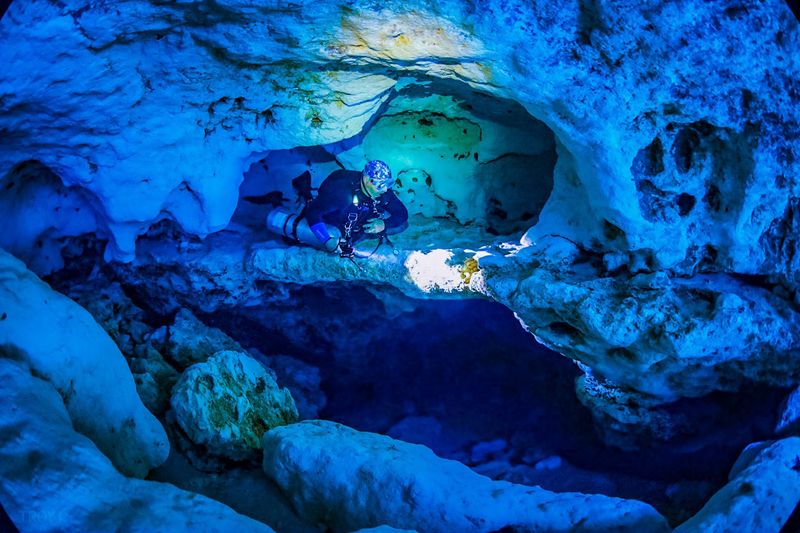
Ginnie Springs has built a legendary reputation among snorkelers and divers for water clarity that rivals anything in the Caribbean. The main spring basin produces water so transparent that objects 100 feet away look like they’re just a few feet in front of you.
While cave diving is what Ginnie is famous for, snorkelers have plenty to explore in the open-water areas where the spring run flows into the Santa Fe River. You’ll find multiple spring vents creating underwater landscapes that feel almost alien in their clarity and beauty. Fish are abundant, and the surrounding cypress trees create a classic North Florida setting.
The privately-owned park charges admission and offers camping facilities, making it popular for weekend getaways. Tubing is also available on the Santa Fe River for those who want variety. Because Ginnie is so well-known, it attracts crowds during summer months and holidays, but the extensive river frontage means there’s usually space to find your own quiet snorkeling spot away from the main swimming areas.
13. Devil’s Den, Williston
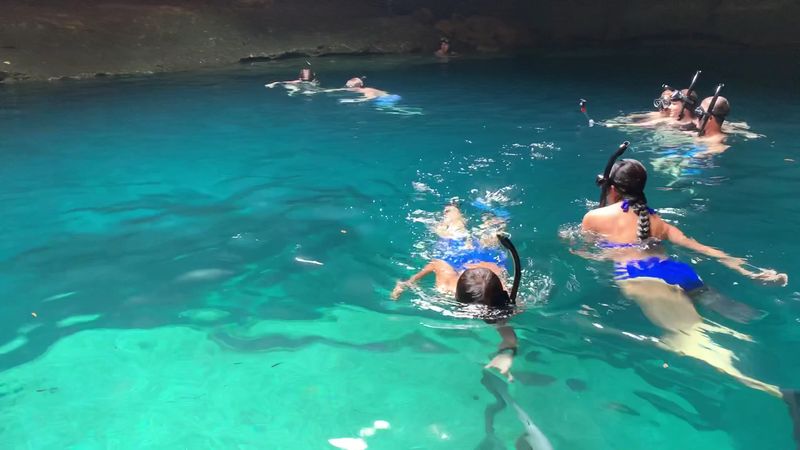
Snorkeling inside a prehistoric underground spring sounds like something from an adventure movie, but that’s exactly what Devil’s Den offers. The spring sits inside a dry cave with a small opening at the top that allows sunlight to stream in, creating dramatic light beams that pierce the water.
The pool itself stays around 72 degrees year-round and maintains incredible clarity, allowing you to see ancient rock formations and fossils embedded in the limestone walls. Wooden platforms and stairs provide easy access into the water, and the constant temperature means you can snorkel here comfortably even during winter with a wetsuit.
Because it’s privately owned, Devil’s Den charges admission and requires advance reservations during busy periods. The facility includes changing rooms, equipment rentals, and a small camping area for overnight stays. The unique geological setting makes this one of the most photographed springs in Florida, and experiencing it in person definitely lives up to the hype you’ll see on social media.
14. Norriego Point / Destin Jetties, Destin
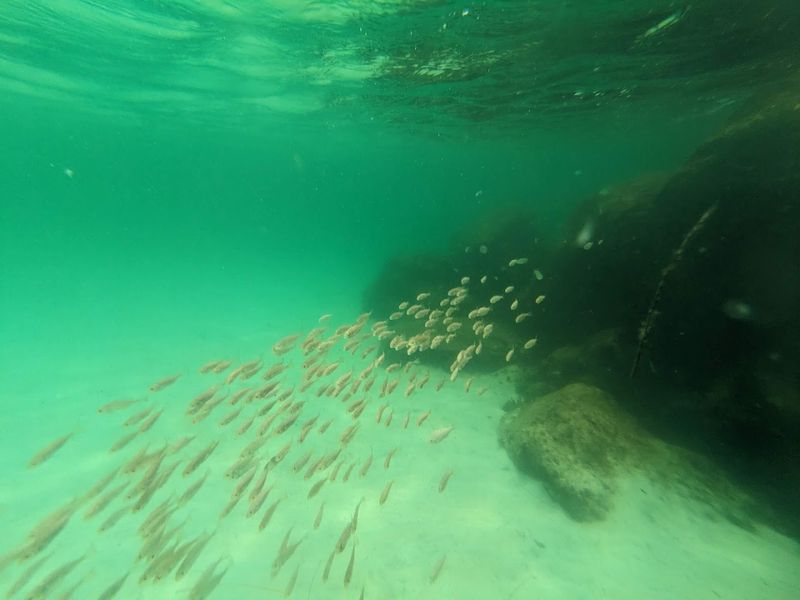
Finding quality snorkeling in the Florida Panhandle takes some local knowledge, and Norriego Point near the Destin jetties is where that knowledge leads. The rock jetties create protection from waves and current while also attracting fish and other marine life to the structure.
The emerald-green water that makes this stretch of coast famous also provides decent visibility for snorkeling, especially on calm days when sediment isn’t stirred up. You’ll spot sheepshead, flounder, small sharks, and rays moving through the area, along with the occasional sea turtle passing through.
Access requires a short walk from the parking area, and conditions vary significantly based on weather and tide. Locals recommend snorkeling here during summer when seas are calmer and water temperature is warmest. The jetties also attract fishermen, so stay aware of your surroundings and avoid areas where people are actively casting.
This isn’t the most spectacular snorkeling in Florida, but for the Panhandle region, it’s a solid option worth checking out.
15. Egmont Key State Park / Egmont Key National Wildlife Refuge, Tampa Bay area
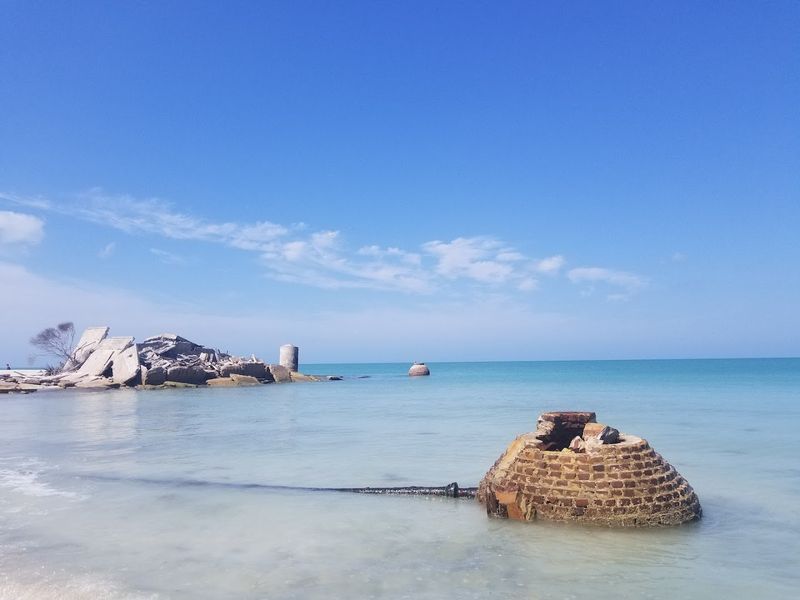
Egmont Key sits at the mouth of Tampa Bay, accessible only by private boat or passenger ferry from Fort De Soto Park. This isolation has preserved both the island’s historic structures and its surrounding marine environment, creating a unique snorkeling destination.
The water around Egmont shifts between blue and green depending on tides and currents, and visibility can be excellent when conditions align. Snorkelers explore areas near the shore where submerged ruins from the old fort create artificial reef habitat. You might encounter stingrays gliding over sandy patches, schools of mullet, or even dolphins hunting in the shallows.
The island itself is worth exploring between snorkel sessions—there’s a historic lighthouse, Civil War-era fort ruins, and a population of gopher tortoises that roam freely. Pack everything you need for the day including food, water, and sun protection because there are no facilities on the island. The ferry schedule limits your time, so plan accordingly and check weather forecasts before making the trip across the bay.