15 Free And Cheap Things To Do In Florida That Don’t Feel Cheap
Florida doesn’t have to drain your wallet to deliver unforgettable experiences. From crystal-clear springs to historic streets lined with centuries-old architecture, the Sunshine State offers countless adventures that cost little to nothing but feel absolutely priceless. Whether you’re a local looking for weekend plans or a visitor trying to stretch your vacation budget, these spots prove that the best things in Florida often come with the smallest price tags.
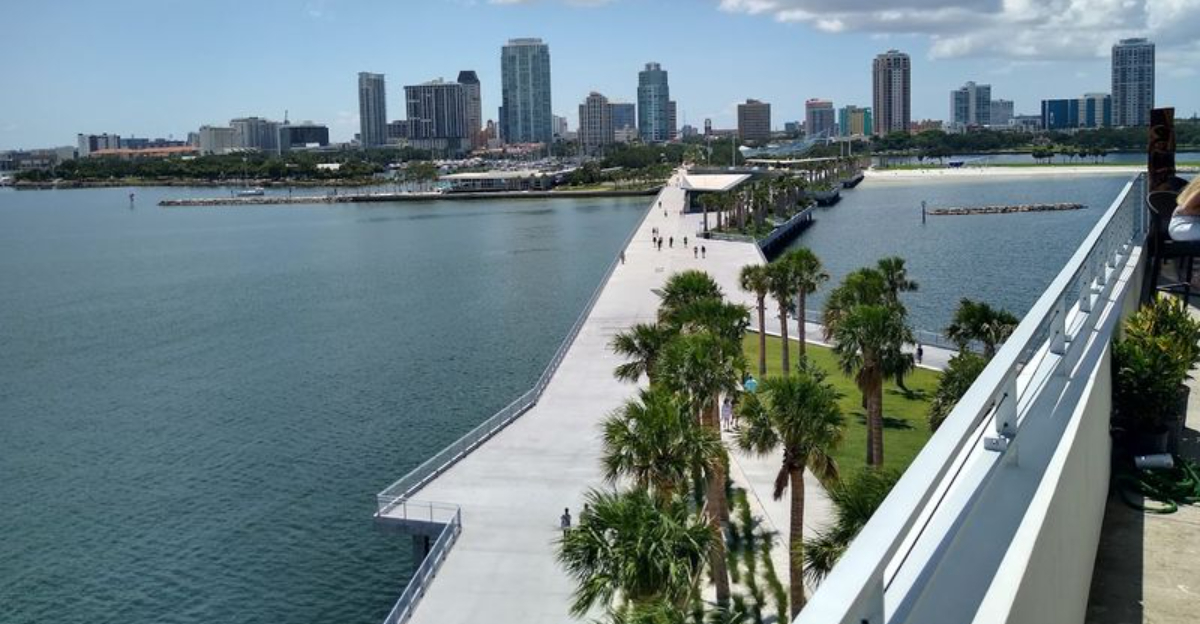
1. Walk the waterfront at St. Pete Pier (St. Petersburg)
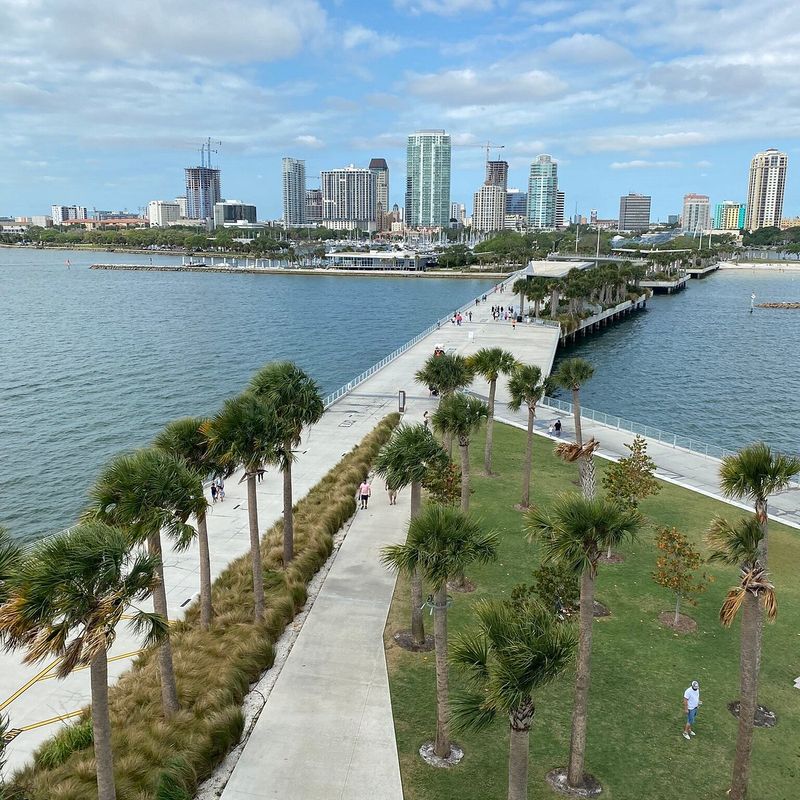
St. Pete Pier has transformed into one of Florida’s most impressive public spaces without charging a single admission fee. The reimagined waterfront stretches across 26 acres of parks, playgrounds, and walking paths that wind along Tampa Bay’s sparkling waters.
You’ll find locals jogging at sunrise and families picnicking under shade structures as pelicans glide overhead. The Tilted Lawn offers Instagram-worthy views of the downtown skyline, while kids splash around in the interactive water features near the playground.
Restaurants line the pier if you want to splurge on fresh seafood, but plenty of visitors pack their own snacks and claim a bench overlooking the marina. The fishing areas don’t require special permits for catch-and-release, making it perfect for beginners.
Sunset here rivals anything you’d pay to see elsewhere. The sky erupts in oranges and pinks as boats drift past, and street performers often set up near the main pavilion. Free parking can be tricky on weekends, so arrive early or use the nearby trolley system that connects to downtown St. Petersburg for just a few dollars.
2. Hunt for shark teeth on Venice Beach (Venice)
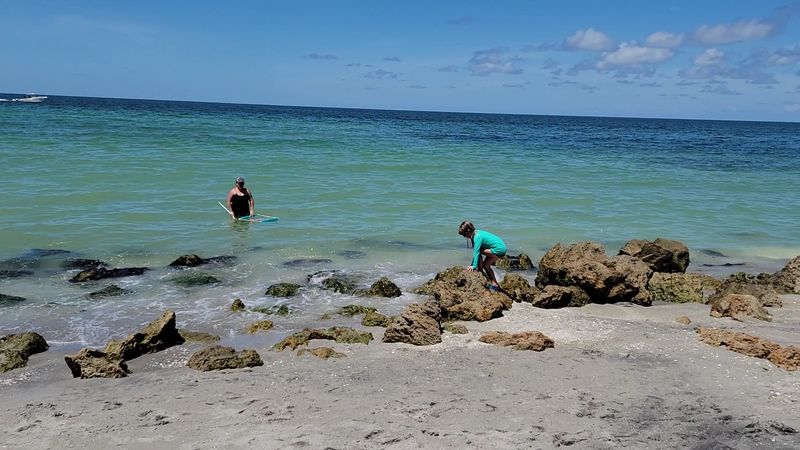
Venice Beach holds the title of Shark Tooth Capital of the World, and within minutes of arriving, you’ll understand why. Fossilized teeth wash ashore daily from ancient deposits offshore, turning an ordinary beach day into a genuine treasure hunt that costs absolutely nothing.
The best hunting happens after storms or during low tide when fresh teeth appear in the sand and shell piles. Most are small—about the size of a fingernail—but patient searchers occasionally find massive megalodon teeth worth hundreds of dollars.
Bring a small mesh sieve or sand sifter to make hunting easier, though plenty of people spot teeth with just their eyes. The triangular black shapes stand out against lighter shells and sand once you train your brain what to look for.
Locals recommend hitting the beach near the jetties where currents concentrate the fossils. Kids absolutely love this activity because every scoop might reveal something millions of years old. Even if you don’t find the monster tooth you’re dreaming of, you’ll leave with pockets full of smaller specimens and stories about the ones that got away.
3. Explore the historic streets of St. Augustine (St. Augustine)
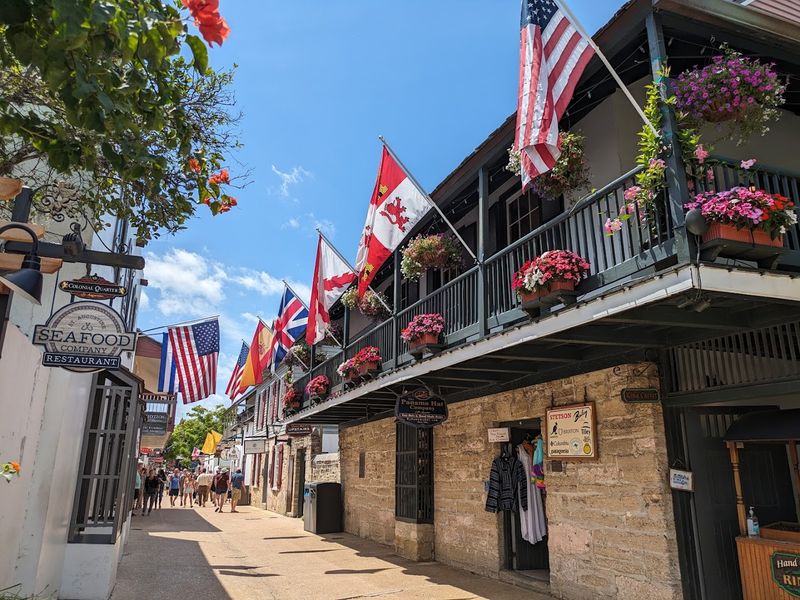
America’s oldest city offers more free history than most museums charge admission to see. St. Augustine’s historic district sprawls across dozens of blocks where Spanish colonial buildings stand exactly as they did centuries ago, their coquina walls glowing golden in the Florida sunshine.
Wandering these streets costs nothing but delivers an education you’d pay serious money for elsewhere. The old city gates, ancient cemetery, and historic plaza all welcome visitors without entrance fees. Street performers and artisans set up along St. George Street, the pedestrian-only thoroughfare that pulses with energy.
While some attractions like the Castillo de San Marcos charge admission, the fort’s exterior walls and surrounding grounds remain free to explore. The bayfront park offers stunning views of the Matanzas River where you can watch sailboats drift past the Bridge of Lions.
Pack comfortable shoes because you’ll want to wander for hours, peeking down narrow lanes and discovering hidden courtyards. The architecture alone—with its wrought-iron balconies and terracotta roofs—provides endless photo opportunities. Evening visits bring cooler temperatures and often live music echoing through the squares.
4. Visit Disney Springs without buying a park ticket (Lake Buena Vista)
Disney magic doesn’t require theme park admission when you know about Disney Springs. This sprawling entertainment complex delivers that signature Disney polish through its themed neighborhoods, spectacular architecture, and constant entertainment—all completely free to enter and explore.
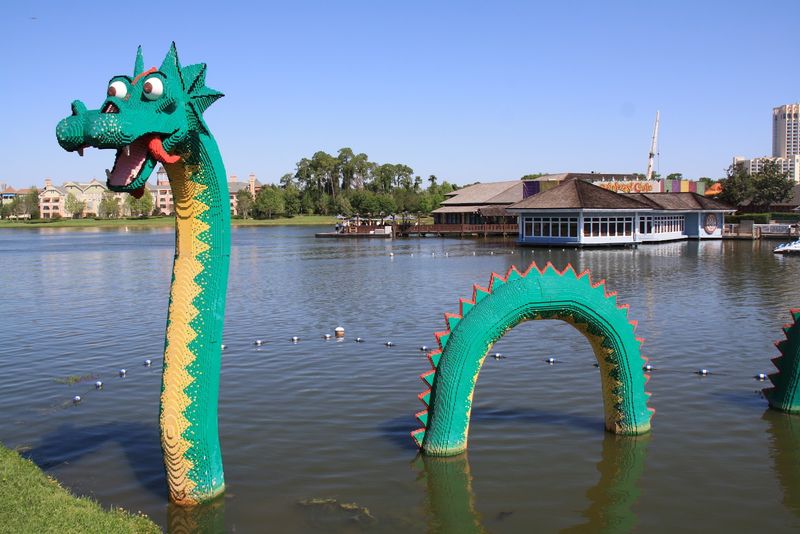
Street performers juggle and dance throughout the day while musicians play near the waterfront amphitheater. The LEGO Store features massive sculptures that kids gawk at for ages, and the World of Disney shop feels like an attraction itself with its castle-like interior.
Window shopping here beats regular malls by miles. Each storefront tells a story, from the crashed airplane housing the Rainforest Cafe to the Spanish-style buildings in the Town Center section. The springs and waterways that give the area its name create peaceful spots to rest between browsing.
Parking stays free no matter how long you visit, which is practically unheard of near Disney property. You can easily spend an entire day people-watching, enjoying the air conditioning, and soaking up the atmosphere. Grab affordable snacks at Earl of Sandwich or splurge on table service if the mood strikes, but neither is required to enjoy the experience.
5. Take a scenic walk through Bok Tower Gardens (Lake Wales)
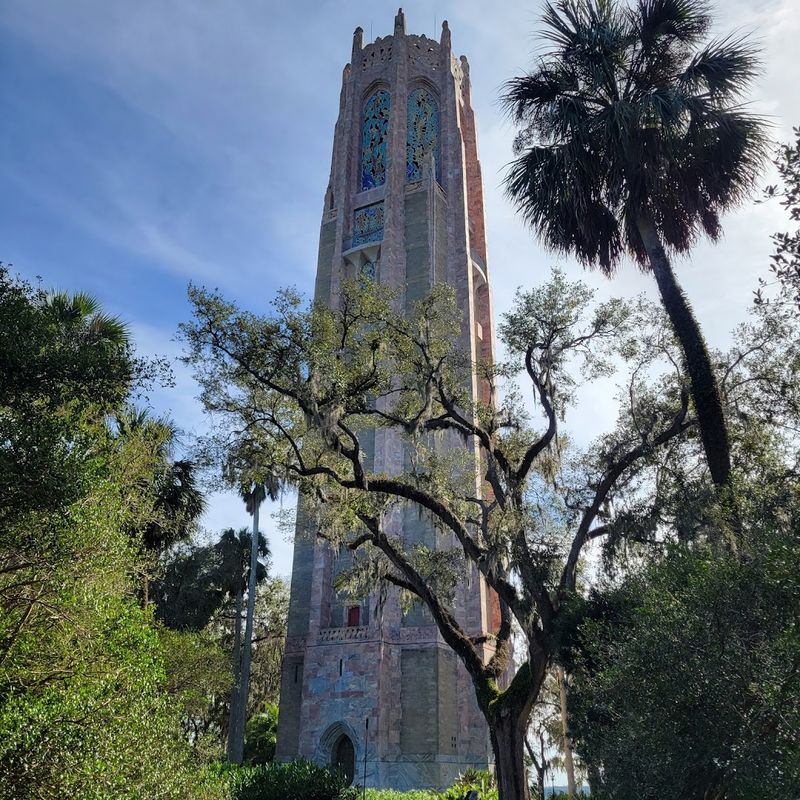
Bok Tower Gardens rises from one of Florida’s highest points, offering 250 acres of manicured landscapes that feel transported from a European estate. The centerpiece—a 205-foot singing tower—chimes concerts throughout the day that echo across the gardens and surrounding groves.
Admission runs around fifteen dollars for adults, making this one of the pricier entries on this list, but the value far exceeds typical attractions charging double or triple that amount. Children under five enter free, and the ticket grants all-day access to winding paths through azaleas, camellias, and massive live oaks.
The carillon concerts happen daily at 1 and 3 p.m., filling the gardens with melodies from 60 bronze bells. Many visitors time their walks to coincide with these performances, finding shaded benches near the reflecting pool where the tower’s image mirrors perfectly on calm days.
Bird watchers bring binoculars to spot species drawn to the garden’s varied habitats, while photographers chase the perfect shot of sunlight filtering through Spanish moss. The elevation provides cooler temperatures than surrounding areas, and the thoughtful landscaping creates microclimates throughout the property that offer relief even on hot afternoons.
6. Spend the day at Fort De Soto Park (Tierra Verde)
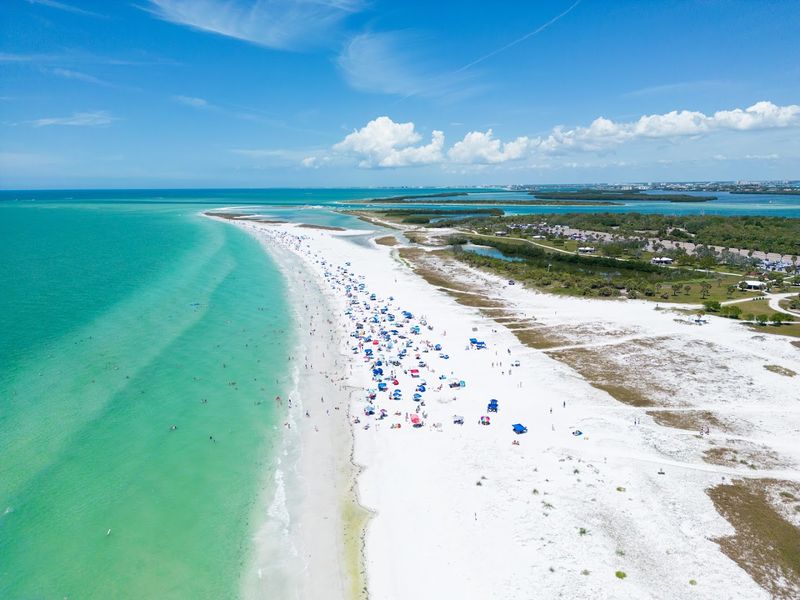
Fort De Soto consistently ranks among America’s best beaches, yet parking costs just five dollars and everything else comes free. This 1,136-acre park spreads across five interconnected islands where sugar-white sand meets water so clear you can count fish from the shore.
The historic fort itself offers self-guided tours through Civil War-era batteries and mortars, providing shade and history lessons between beach sessions. Kids climb on the old cannons while parents read interpretive signs explaining the fort’s strategic importance during various conflicts.
Two fishing piers extend into Tampa Bay, welcoming anglers of all skill levels without requiring fishing licenses for certain catches. The seven miles of paved trails attract cyclists and rollerbladers, winding through coastal hammocks where gopher tortoises waddle across the path.
North Beach tends to draw the biggest crowds with its gentle waves and soft sand, but the park’s size means you can always find quieter spots. The dog beach section lets four-legged friends run leash-free, splashing in designated swimming areas that make them absolutely ecstatic. Bring your own food and drinks since the park’s limited concessions charge theme-park prices.
7. See manatees at TECO Manatee Viewing Center (Apollo Beach)
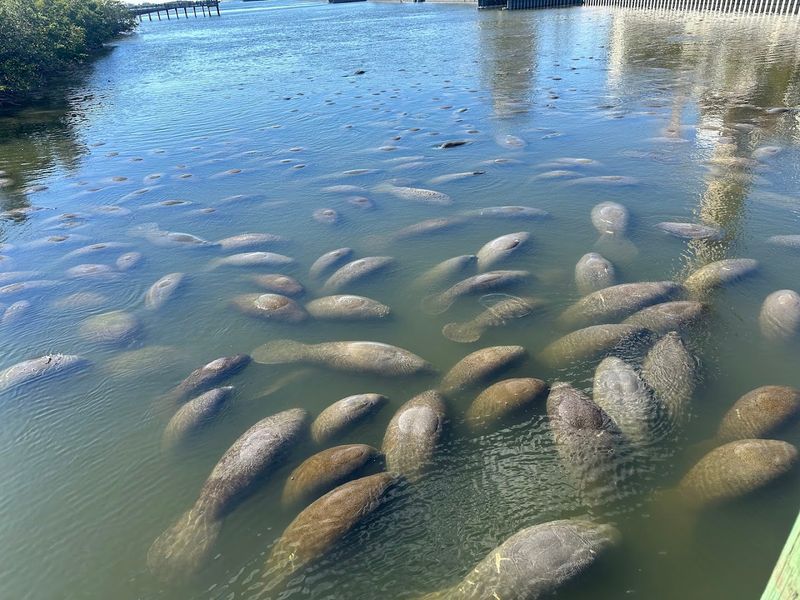
Between November and April, hundreds of manatees gather at this power plant’s warm-water discharge, and the viewing center lets you observe them completely free. The facility sits on a 50-acre preserve where elevated platforms and a three-story observation tower provide perfect vantage points for manatee watching.
These gentle giants congregate in the discharge canal when Gulf temperatures drop, sometimes packing in so tightly you can count dozens from a single viewpoint. Educational displays explain manatee biology and conservation efforts while you wait for the best photo opportunities.
Peak season weekends can draw serious crowds, but the center’s design accommodates hundreds of visitors without anyone missing the show. Bring binoculars for close-up views of mothers nursing calves or watch the live underwater camera feed when surface activity slows down.
The nature trails wind through the preserve beyond the viewing area, offering glimpses of herons, egrets, and alligators in their natural habitat. Butterflies flutter through native plantings, and informational signs identify local flora throughout the paths. Parking fills quickly on cold-snap days when manatee numbers spike, so arriving early ensures you snag a spot and beat the tour buses.
8. Walk the boardwalk at Six Mile Cypress Slough Preserve (Fort Myers)
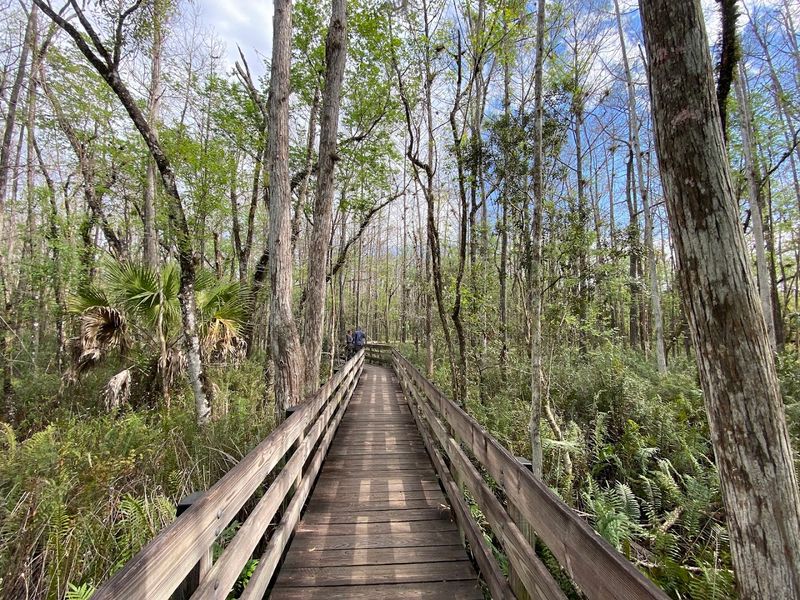
This 3,500-acre wetland ecosystem comes with a mile-long boardwalk that elevates you above one of Southwest Florida’s most important wildlife corridors. The paved pathway stays open from sunrise to sunset every day, charging absolutely nothing for access to this pristine wilderness.
Alligators sun themselves on the banks below while turtles stack on logs and wading birds stalk through the shallows. The elevated design puts you at eye level with tree canopies where woodpeckers hammer and squirrels leap between branches.
Interpretive stations along the route explain the slough’s ecology and the species that depend on these seasonal wetlands for survival. During wet season, water flows beneath the boardwalk in a slow-moving sheet that nourishes the entire ecosystem. Dry season concentrates wildlife around remaining pools, making animal spotting easier.
Early morning visits offer the best wildlife viewing and cooler temperatures, though sunset walks provide stunning light filtering through the cypress trees. The preserve maintains clean restrooms at the trailhead, and benches along the boardwalk invite you to sit quietly and watch nature unfold. Photographers love the dappled light and reflection opportunities, while families appreciate the stroller-friendly surface and educational opportunities.
9. Tour the murals and colorful streets of Wynwood (Miami)

Wynwood transformed from a warehouse district into the world’s largest open-air street art museum, and every incredible piece remains free to view. Walking these streets feels like stepping into a living art gallery where building-sized murals explode with color and creativity.
Artists from around the globe have left their marks here, covering every available surface with work ranging from political statements to pure abstract beauty. The Wynwood Walls showcase curated pieces by internationally recognized artists, though the surrounding streets often feature equally impressive unsigned works.
New murals appear constantly as artists paint over older pieces, meaning each visit reveals different artwork. This constant evolution keeps the neighborhood fresh and gives repeat visitors new discoveries. Bring your camera because every corner offers photo opportunities that will dominate your social media feeds.
The neighborhood’s galleries and shops welcome browsers, though purchasing isn’t expected or required. Food halls and cafes provide rest stops when you need to escape Miami’s heat, and the pedestrian-friendly streets make wandering easy. Weekdays tend to be less crowded than weekends when influencers and tour groups pack the most popular photo spots.
The area stays safe and well-maintained, with security presence throughout the district.
10. Explore the trails at Circle B Bar Reserve (Lakeland)
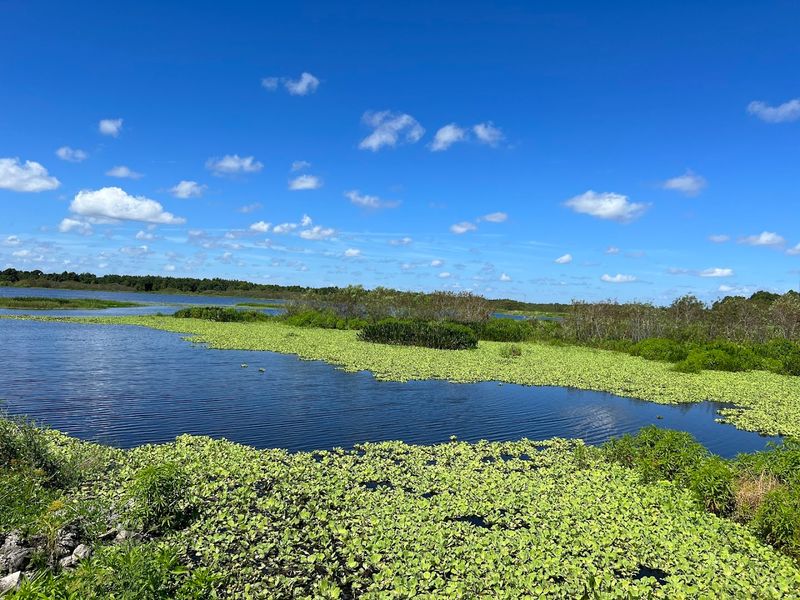
Circle B Bar Reserve sprawls across 1,267 acres of marshes, swamps, and oak hammocks where wildlife sightings aren’t just possible—they’re practically guaranteed. The reserve maintains several miles of trails and a popular boardwalk, all accessible without any entrance fees or parking charges.
Alligators here have grown accustomed to respectful human presence, allowing for incredible close-up viewing opportunities you won’t find in most wild areas. During nesting season, you might spot dozens of gators along the canal trail, some stretching over ten feet long.
Wading birds—herons, egrets, ibises, and spoonbills—stalk through the shallows while overhead, bald eagles and ospreys patrol for fish. The observation tower provides panoramic views across Lake Hancock, perfect for spotting distant wildlife or watching spectacular sunrises paint the wetlands golden.
Serious photographers arrive at dawn when soft light and active wildlife combine for portfolio-worthy shots. The reserve’s popularity means weekends can feel crowded, but the extensive trail system spreads visitors out. Remember that feeding wildlife is strictly prohibited and ruins the natural behaviors that make this place special.
Bring water and sun protection since shade can be limited along certain stretches.
11. Visit the Florida Capitol and museums downtown (Tallahassee)

Tallahassee’s government complex offers free tours of both the historic Old Capitol and the modern 22-story tower where Florida’s laws get made. The observation deck on the tower’s top floor provides sweeping views across the capital city and surrounding forests that stretch to the horizon.
The Old Capitol building, with its distinctive red-and-white striped awnings, has been restored to its 1902 appearance and functions as a museum of Florida’s political history. Period rooms show how legislators worked over a century ago, while exhibits trace the state’s evolution from frontier territory to modern powerhouse.
The Museum of Florida History sits just blocks away, charging nothing for admission to galleries covering 12,000 years of human habitation. A massive mastodon skeleton greets visitors in the lobby, and exhibits range from Native American artifacts to space-age achievements.
Walking the downtown area reveals beautiful historic buildings, from the Supreme Court to various department headquarters, all free to admire from outside. The canopy roads leading into downtown showcase why Tallahassee earned its nickname as the “City of Stately Oaks,” with centuries-old trees creating tunnels of green overhead. Pack a lunch and picnic in one of the small parks dotting the government district.
12. Go swimming or tubing at a Florida spring (Dunnellon, High Springs, Orange City, etc.)
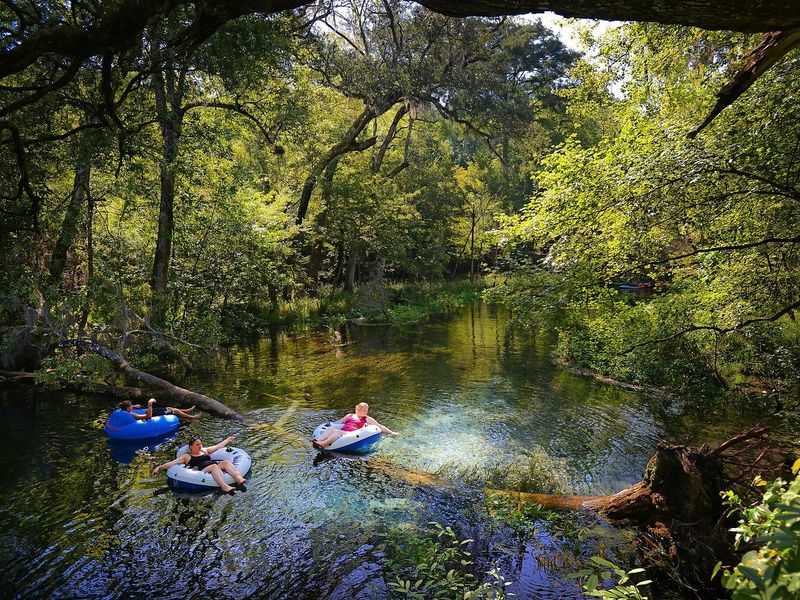
Florida’s springs pump millions of gallons of 72-degree water daily, creating natural swimming pools that stay refreshingly cool year-round. While some popular springs charge entrance fees, many state parks offer spring access for just a few dollars parking, and several county parks keep their springs completely free.
The constant temperature feels shocking in summer when you first plunge in but becomes absolutely perfect after a few minutes. In winter, the springs actually feel warm compared to ambient temperatures, creating steam that rises from the surface on cold mornings.
Tubing down spring-fed rivers like the Ichetucknee or Rainbow River costs rental fees if you don’t own equipment, but simply swimming and snorkeling at the spring heads remains cheap or free. The crystal-clear water lets you spot fish, turtles, and even the occasional manatee seeking warm-water refuge.
Popular spots like Blue Spring State Park or Ginnie Springs can get packed on summer weekends, so consider visiting lesser-known springs or arriving on weekday mornings. Bring your own snorkel gear, water shoes, and underwater camera to maximize the experience. The springs maintain their temperature regardless of season, making them perfect year-round destinations when you need to cool off or warm up.
13. Take a sunset stroll on Hollywood Beach Broadwalk (Hollywood)
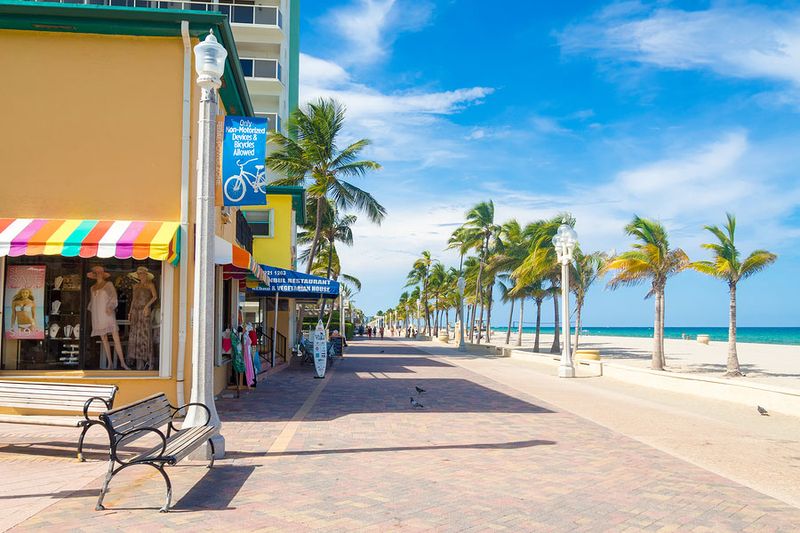
The Hollywood Beach Broadwalk stretches 2.5 miles along the Atlantic, offering one of South Florida’s most charming beachfront experiences without the Miami Beach price tag or attitude. This concrete pathway stays wide enough for walkers, joggers, cyclists, and rollerbladers to share space comfortably while ocean breezes keep things pleasant.
Cafes and restaurants line the inland side, but you’re free to simply walk and window-shop while enjoying the scenery. Street performers and musicians set up at various points, creating a festive atmosphere that peaks during sunset when the sky puts on its daily show.
The beach itself remains public and free, with lifeguards posted during daylight hours and clean facilities scattered along the route. Unlike some Florida beaches where development blocks ocean views, the Broadwalk keeps everything open and accessible.
Locals treat this as their outdoor living room, gathering for morning walks, afternoon bike rides, and evening strolls that have become daily rituals. The vibe stays decidedly more laid-back than nearby Fort Lauderdale or Miami, attracting families and retirees who appreciate the slower pace. Free parking can be challenging during peak season, but metered spots and nearby garages charge reasonable rates compared to other beachfront areas.
14. Wander through Mount Dora’s lakeside downtown (Mount Dora)
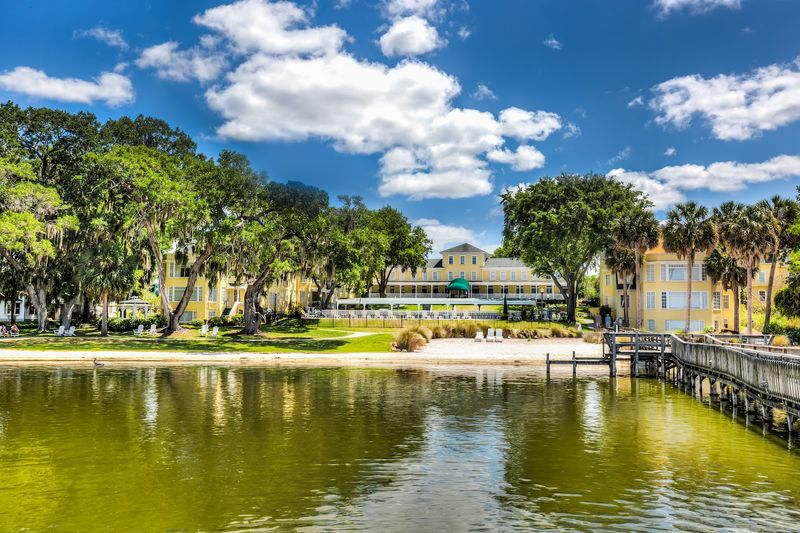
Mount Dora feels like a small New England village somehow got transplanted to Central Florida, complete with brick-lined streets, antique shops, and a genuinely walkable downtown that costs nothing to explore. This lakeside community has preserved its historic character while avoiding the tackiness that plagues many Florida tourist towns.
The downtown area spans several blocks filled with independently owned boutiques, galleries, and cafes housed in buildings dating back over a century. Window shopping here actually feels enjoyable rather than overwhelming, and store owners often chat with browsers whether they buy anything or not.
Lake Dora provides the backdrop for everything, with a waterfront park offering benches and a lighthouse perfect for photos. During cooler months, outdoor seating at various restaurants lets you enjoy the breeze while watching boats drift past.
Art lovers appreciate the numerous galleries showcasing local and regional artists, while antique hunters can spend hours digging through the various shops and the massive Renninger’s market complex. The town hosts festivals year-round, from arts shows to craft fairs, though simply strolling the streets on a quiet afternoon provides its own rewards. The hilly terrain—unusual for Florida—adds character and gives the downtown area its distinctive elevation changes.
15. Spend a low-cost day at a Florida State Park (Statewide)
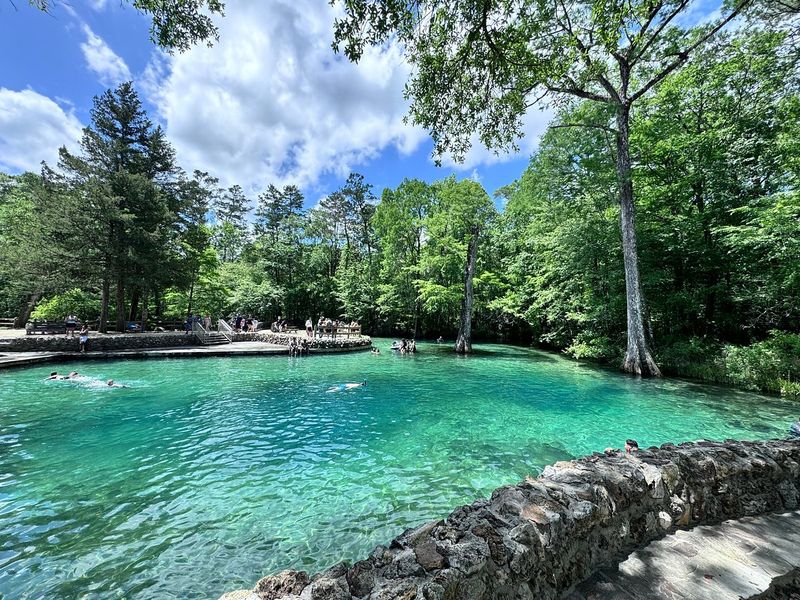
Florida’s 175 state parks protect everything from coral reefs to sand pine scrub, and almost all charge less than ten dollars for vehicle entry. That single fee grants access to hiking trails, swimming areas, picnic facilities, and often wildlife viewing opportunities that rival expensive attractions.
Parks like Bahia Honda offer world-class beaches, while places like Paynes Prairie let you spot wild horses and bison roaming open grasslands. Coastal parks provide snorkeling and kayaking opportunities, and interior parks showcase Florida’s surprising diversity of ecosystems and terrain.
Many parks maintain camping facilities for those wanting to extend their visit, with rates staying remarkably affordable compared to hotels or even many private campgrounds. Even without camping, a day pass provides enough value to shame pricier tourist traps charging ten times as much.
The parks employ knowledgeable rangers who lead free guided walks and talks, sharing insights about ecology, history, and wildlife you’d miss exploring solo. Clean facilities, well-maintained trails, and thoughtful amenities make these parks accessible to visitors of all ages and abilities. Annual passes cost around $60 for individuals and $120 for families, paying for themselves after just a handful of visits and providing year-round access to the entire system.