15 Places in Florida Where You Can Spot Wild Dolphins for Free
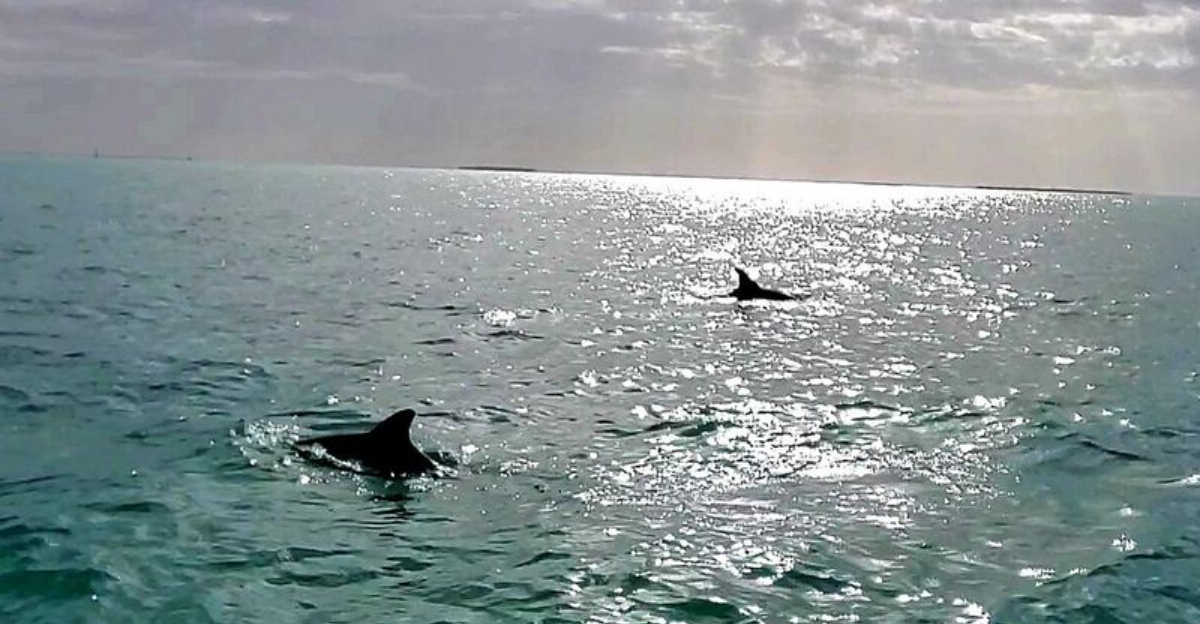
Florida’s coastline stretches over 1,350 miles, and dolphins call these warm waters home year-round. You don’t need to book an expensive boat tour or pay admission to catch a glimpse of these playful marine mammals. From the Panhandle’s sugar-white beaches to the Gulf Coast’s barrier islands, there are plenty of public spots where wild dolphins swim close enough to shore that you can watch them hunt, play, and travel in pods without spending a dime.
1. Fort Pickens Fishing Pier (Pensacola Beach)
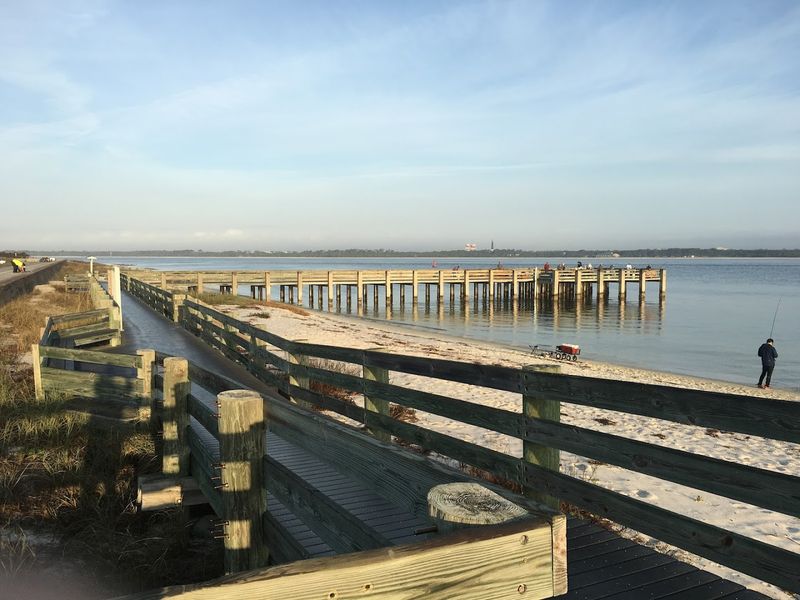
Walk out over Pensacola Bay and you might spot a dorsal fin slicing through the water below your feet. The National Park Service confirms this pier as one of the top places to view dolphins right from the boardwalk, no boat required.
Dolphins cruise through these waters hunting for mullet and other fish that gather around the pier pilings. Early morning and late afternoon tend to bring the most activity, when fish are feeding and dolphins follow the action. Bring binoculars if you want a closer look at their sleek bodies and synchronized movements.
The pier is part of Gulf Islands National Seashore, so parking and access are free. You’ll find restrooms and picnic areas nearby, making it easy to settle in for a few hours of wildlife watching. Pack patience and keep your eyes on the water—dolphins surface unpredictably, and half the fun is scanning the bay for that telltale fin.
2. Pensacola Beach (Pensacola Beach)
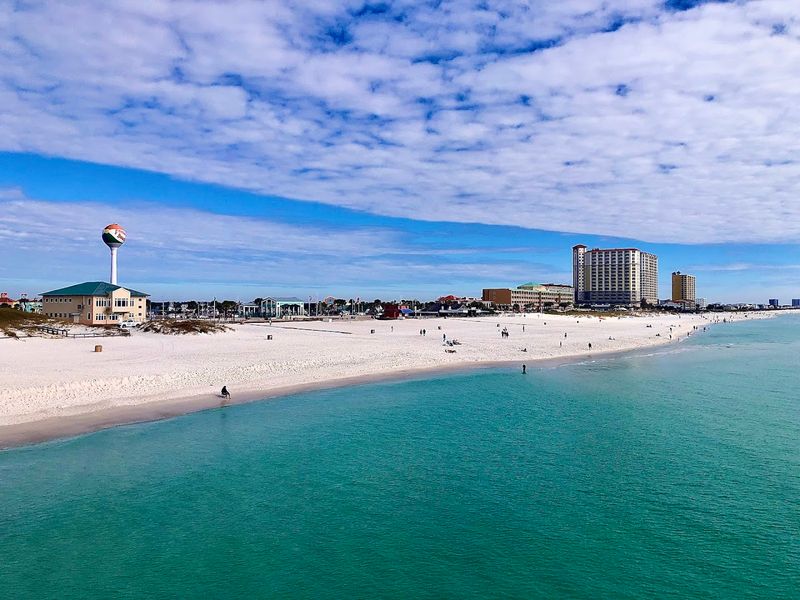
Emerald-green water laps against powdery white sand, and if you’re lucky, you’ll catch dolphins bodysurfing the waves just beyond the swimmers. Visit Florida highlights this beach as a prime spot for paddling out or simply standing in the shallows while dolphins, sea turtles, and rays glide past.
Dolphins here aren’t shy about coming close to shore, especially when baitfish schools move into the surf zone. You might see them leap clear out of the water or swim in tight formation as they herd their prey. Kayakers and paddleboarders get front-row seats, but even waders often spot fins breaking the surface just yards away.
The beach is public and free to access, with plenty of parking areas along the main stretch. Sunrise and sunset bring cooler temps and calmer crowds, plus the soft light makes dolphin-spotting easier. Bring a towel, stake out a spot, and let the Gulf’s residents put on a show.
3. Henderson Beach State Park (Destin)
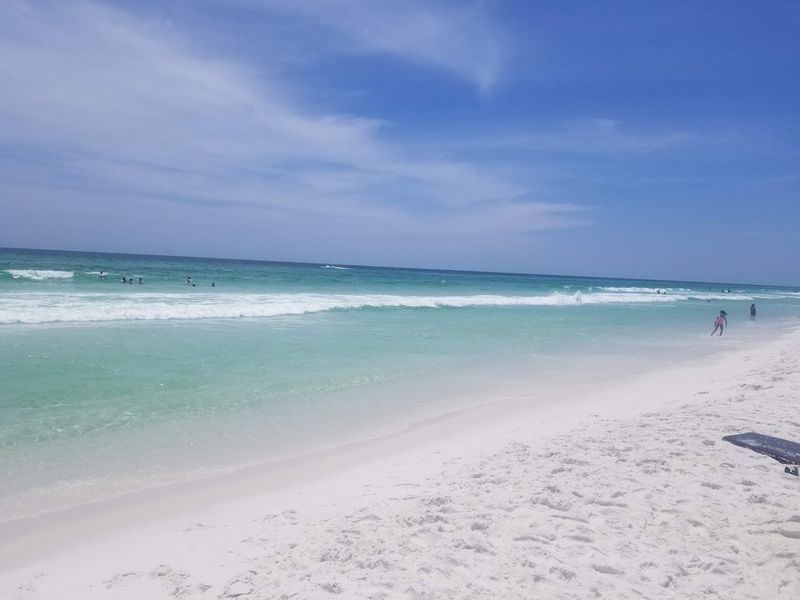
Crystal-clear Gulf water and protected dunes make this park a local favorite, and Florida State Parks notes that dolphin pods often appear offshore while hunting for fish. You won’t need special equipment—just scan the horizon and watch for the arc of a dorsal fin.
Dolphins work together here, circling schools of fish and driving them toward the surface. When the feeding frenzy starts, you might see multiple fins at once, along with diving seabirds that know exactly where the action is. The park’s elevated dunes give you a natural vantage point, so climb up and survey the water from above.
Parking costs a few dollars per vehicle, but once you’re inside, everything else is free. The beach stays less crowded than nearby public access points, which means quieter conditions for wildlife watching. Mornings are your best bet—dolphins tend to feed actively in the early hours, and the light is perfect for spotting movement on the water.
4. Dr. Julian G. Bruce St. George Island State Park (St. George Island)
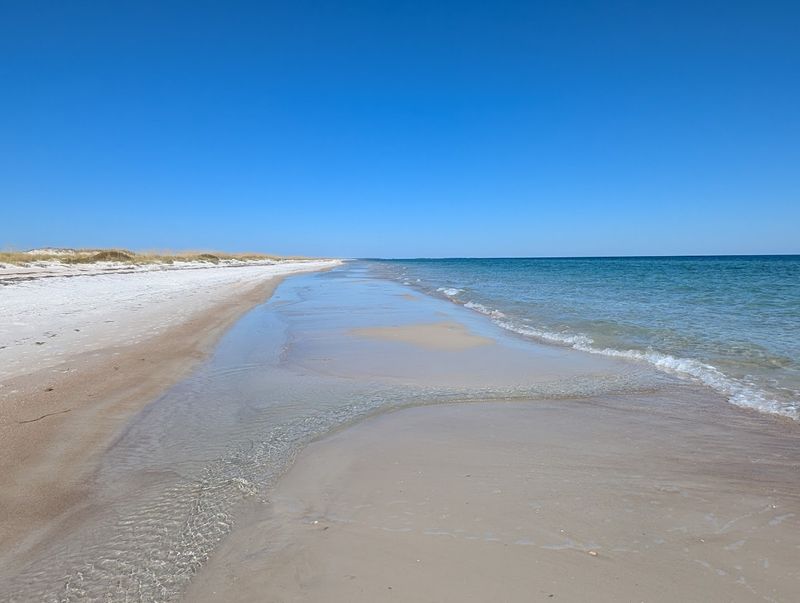
Nine miles of undeveloped shoreline mean fewer people and more opportunities to watch dolphins travel in their natural rhythm. The park confirms that pods frequently cruise offshore, making this one of the Panhandle’s most reliable spots for sightings without the crowds.
Dolphins use this stretch of coast like a highway, moving between feeding areas and following the contours of the island. You’ll often see them in groups of three to ten, surfacing in synchronized arcs as they swim parallel to the beach. Bring a beach chair and settle in—once you spot one pod, there’s a good chance another will follow within the hour.
The park charges a small vehicle entry fee, but the beach itself stretches for miles with no additional costs. Walk east toward the undeveloped sections for the quietest experience and the best chances of seeing dolphins up close. Low tide exposes sandbars that concentrate fish, which in turn draws dolphins closer to shore.
5. Mexico Beach (Mexico Beach)
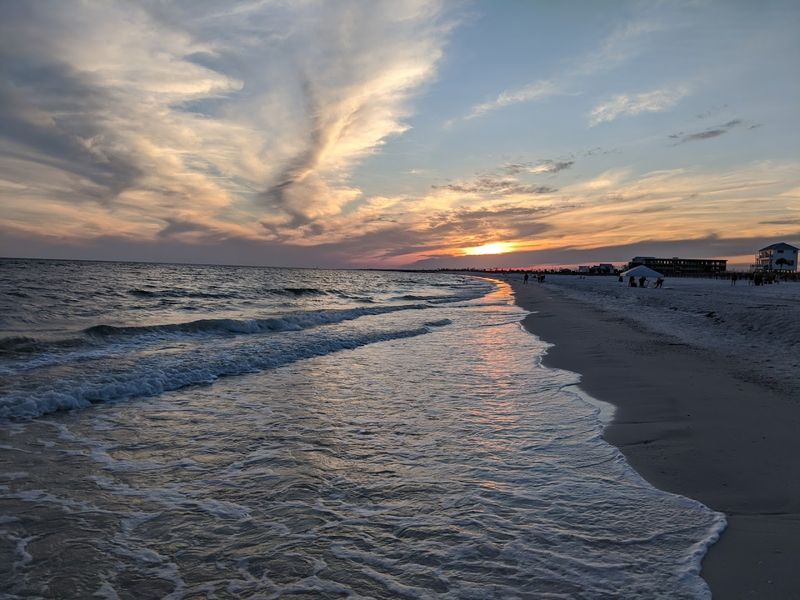
Locals swear by sunset dolphin-watching here, and Visit Florida backs them up by highlighting this as a favorite evening activity. The calm, shallow waters of this low-key beach town create perfect conditions for dolphins to hunt and play as the sun dips toward the horizon.
Unlike busier beach destinations, Mexico Beach keeps things mellow, which means less boat traffic and quieter waters for marine life. Dolphins seem to know this—they cruise close to shore, sometimes within 50 feet of where you’re standing. Grab a beach towel and head out an hour before sunset for the best light and the most active dolphin behavior.
Public beach access is free, with parking available along the main road. The town’s small size means you can walk the shoreline without bumping into crowds, and the shallow gradient of the beach lets you wade out while keeping an eye on the water. Pack a camera with a zoom lens if you want to capture those sunset leaps.
6. Canaveral National Seashore (Titusville/New Smyrna Beach area)
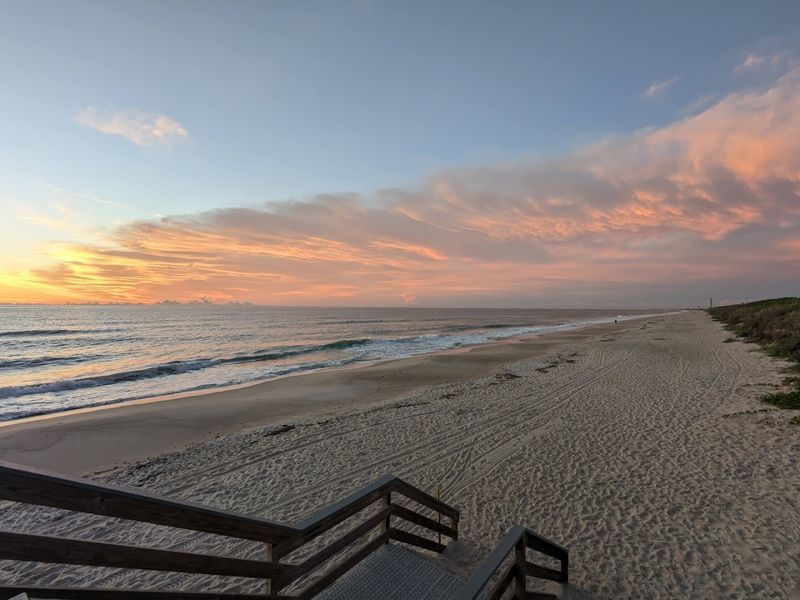
The National Park Service says bottlenose dolphins show up regularly in both the lagoon and offshore waters here, giving you two completely different viewing environments in one protected area. Mosquito Lagoon’s calm, shallow water makes spotting dorsal fins almost effortless on clear days.
Atlantic-side beaches offer a different experience—dolphins surf the waves and hunt in the breakers, often coming close enough to shore that you can hear them exhale. The lagoon side stays glassier, perfect for watching dolphins glide slowly through the water as they forage for fish and crabs. Bring binoculars and split your visit between both zones for the full experience.
Park entry costs a small fee per vehicle, but the 24 miles of undeveloped beach and lagoon access are worth every penny. Early mornings bring the calmest water and the most active dolphins. Park at any of the beach access points, then walk north or south to find your own quiet stretch of sand.
7. Timucuan Ecological and Historic Preserve (Jacksonville)
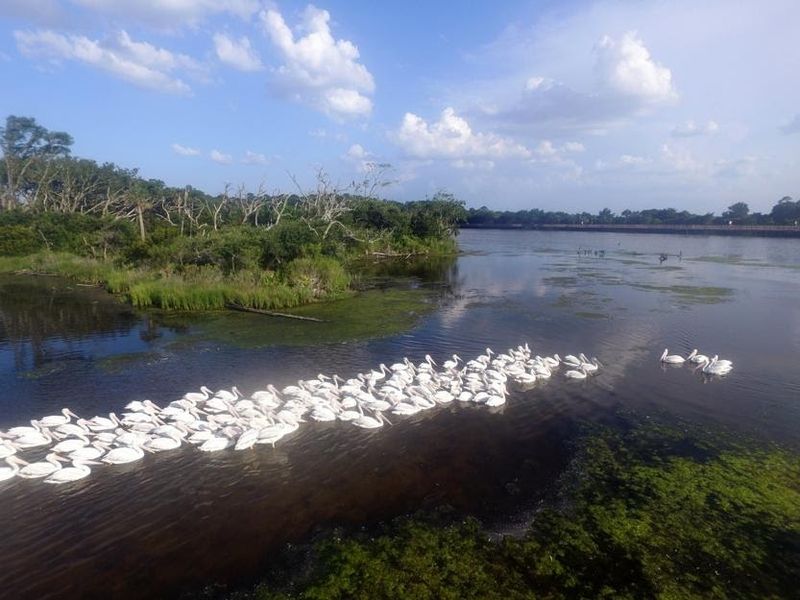
The National Park Service notes that Atlantic bottlenose dolphins are frequently seen here, and summer brings a serious influx into the St. Johns River. This preserve protects critical dolphin habitat, which means you’re watching these animals in one of their most important feeding and nursery areas.
Dolphins navigate the river’s brackish waters, moving between the ocean and inland estuaries where food is plentiful. You might spot mothers with calves, or bachelor groups of males cruising in tight formation. The preserve’s network of trails and overlooks gives you multiple vantage points, from riverside boardwalks to elevated observation decks.
Access is free, and the preserve spans thousands of acres with plenty of room to explore. Fort George Island and the Kingsley Plantation area both offer good dolphin-watching spots along the water’s edge. Visit during high tide when dolphins push farther upriver, and keep your eyes on the channel markers—dolphins often surface near structure where fish congregate.
8. Fort Clinch State Park (Fernandina Beach)
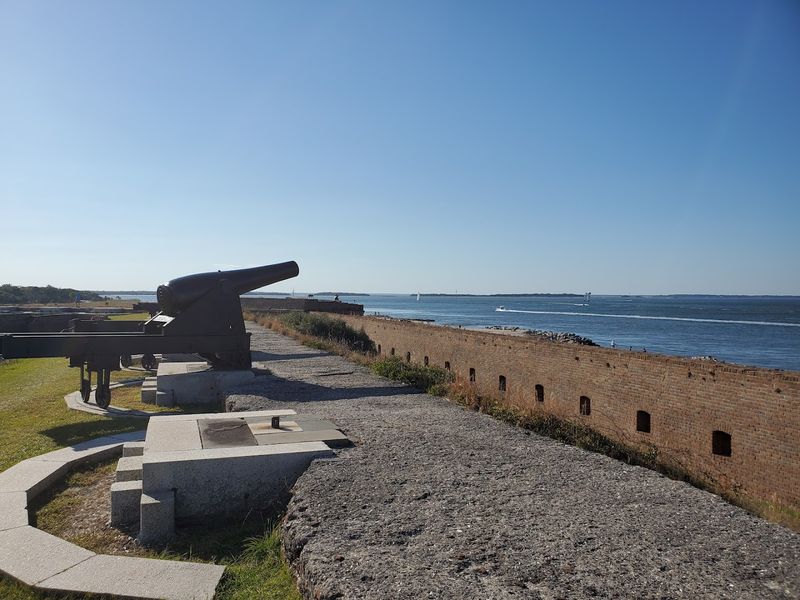
Florida State Parks says dolphins surface and frolic offshore here, and the park’s northeast Florida location means you’re watching Atlantic bottlenose dolphins in cooler, clearer water than you’ll find farther south. The beach stretches wide and flat, giving you unobstructed views of the ocean.
Dolphins often cruise just beyond the breakers, their dark fins standing out against the blue-gray Atlantic. When they’re feeding, you’ll see sudden bursts of speed and dramatic leaps as they chase fish through the waves. The park’s fishing pier offers an elevated view, while the beach itself lets you walk right along the water’s edge.
Vehicle entry costs a few dollars, but the park includes a historic fort, nature trails, and miles of pristine beach. Early morning low tide exposes sandbars that attract baitfish, which in turn draws dolphins closer to shore. Bring a light jacket—even in summer, the Atlantic breeze can be brisk, and you’ll want to stay comfortable while you scan the water.
9. Sebastian Inlet State Park (Sebastian)
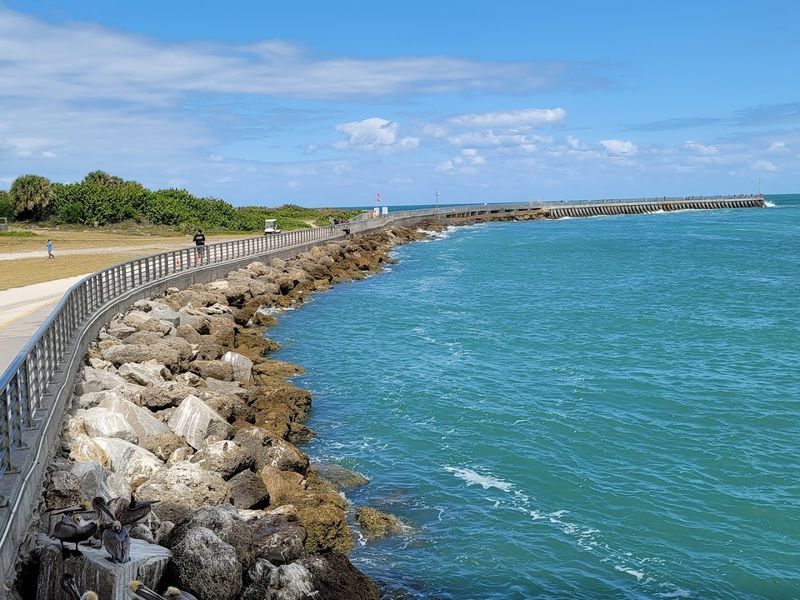
Strong tidal currents funnel baitfish through this narrow inlet, and Florida State Parks confirms that Atlantic bottlenose dolphins are commonly seen in the surrounding waters. The jetties create perfect ambush points, and dolphins know it—they patrol the inlet waiting for fish to wash through.
Stand on the north or south jetty and watch dolphins work the current, sometimes coming within 30 feet of the rocks. The inlet’s fast-moving water makes for dramatic dolphin behavior—quick turns, sudden dives, and coordinated group hunting. Surfers share the waves with dolphins, and it’s not unusual to see a dorsal fin pop up right next to a board.
Park entry runs a few dollars per vehicle, and the inlet offers fishing, surfing, and wildlife watching all in one spot. Visit during incoming or outgoing tide when the current is strongest and fish are most active. Bring polarized sunglasses to cut the glare and help you spot dolphins beneath the surface.
10. Delnor-Wiggins Pass State Park (Naples)
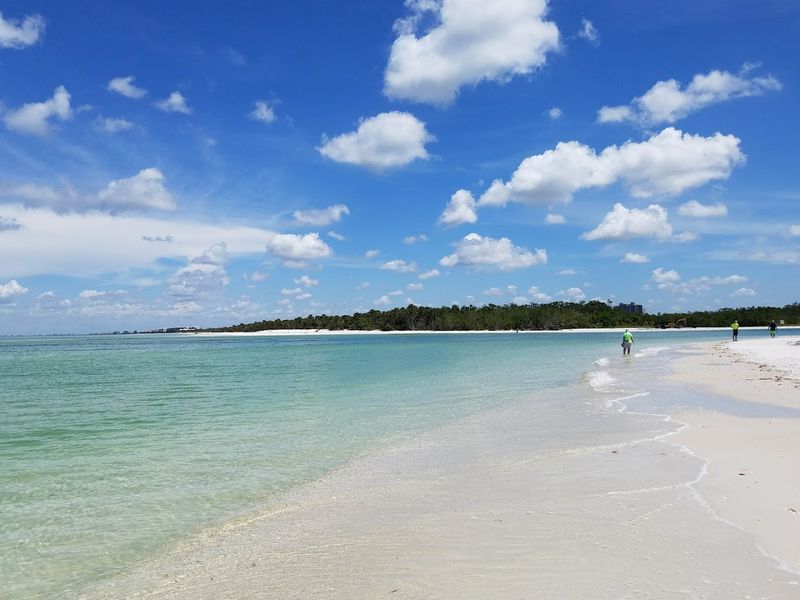
The park manager’s message mentions visitors may glimpse dolphins swimming offshore, and the beach amenities page confirms dolphins cruising through the Gulf regularly. This southwest Florida park combines sugar-sand beaches with a natural tidal pass that dolphins use as a travel corridor.
Wiggins Pass connects the Gulf to the inland bays, creating a funnel effect that concentrates fish and attracts dolphins. You can watch from the beach as pods move in and out with the tide, or walk to the pass itself for closer views. The pass area gets busy with boat traffic, but dolphins seem unfazed—they navigate around kayakers and motorboats with practiced ease.
Vehicle entry costs a small fee, and the park includes restrooms, picnic areas, and boardwalk access. Arrive early to snag parking near the beach, then stake out a spot with a view of both the Gulf and the pass. Late afternoon brings calmer winds and better light for photography, plus dolphins often feed actively as the day cools.
11. Lovers Key State Park (Fort Myers Beach area)
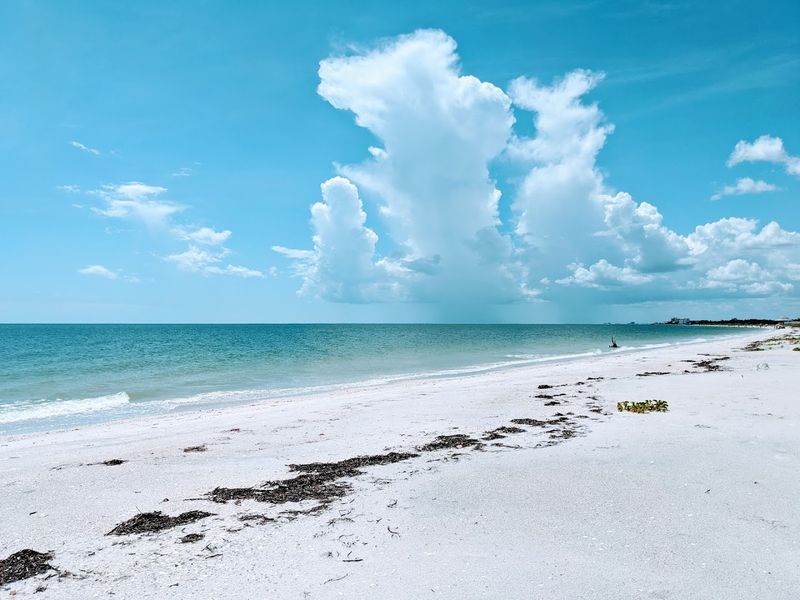
Florida State Parks says you may catch sight of dolphins playing and hunting for fish offshore from the beach here, and the park’s name hints at the romantic, secluded vibe that makes wildlife watching feel extra special. The barrier island setting keeps development at bay, giving dolphins plenty of room to do their thing.
Dolphins patrol the nearshore waters looking for mullet and other fish that hide in the grass flats. When they find a school, the action gets intense—leaping, tail-slapping, and coordinated dives that send fish scattering in every direction. The park’s quiet beaches mean you can hear the dolphins exhale when they surface, a sharp puff that carries across the water.
Parking costs a few dollars, and a tram runs from the lot to the beach if you don’t feel like walking. The park’s kayak launch gives paddlers direct access to the back bays, but shore-based watching works just as well. Mornings are prime time—calm water, active dolphins, and fewer people competing for the best views.
12. Gasparilla Island State Park (Boca Grande)
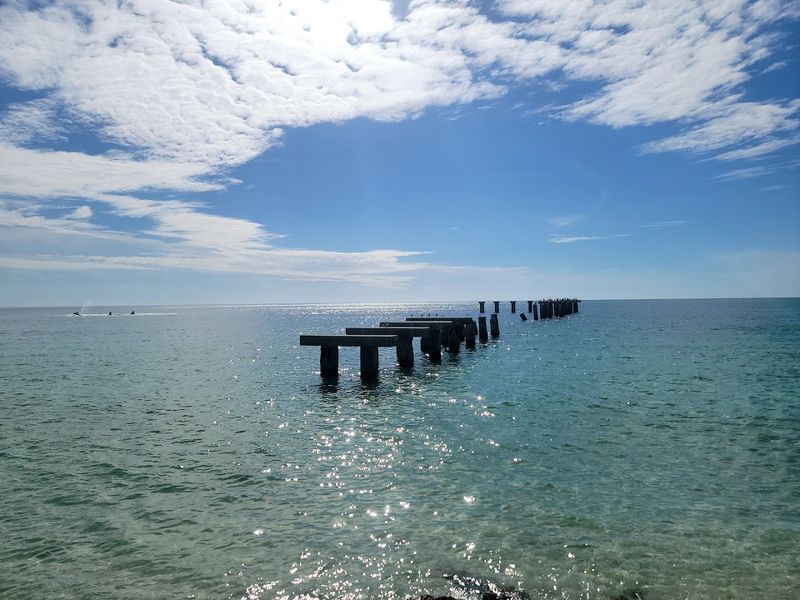
Florida State Parks says dolphins can often be seen playing in the blue-green Gulf waters along the beach and Boca Grande Pass, and the pass itself is legendary among anglers—which means it’s also prime dolphin territory. Strong currents push baitfish through the narrow channel, and dolphins follow the buffet.
The pass creates a natural choke point where dolphins hunt with military precision, corralling fish against the current and picking them off one by one. Watch from the beach or walk out to the lighthouse area for elevated views of the water. You’ll often see multiple pods working different sections of the pass, their fins cutting through the chop.
Park entry costs a small vehicle fee, and the island’s Old Florida charm makes the trip worthwhile even without dolphin sightings. Visit during strong tidal movement for the most action, and bring a camera with a good zoom—dolphins move fast when they’re hunting. The beach stays less crowded than mainland spots, giving you plenty of space to wander and explore.
13. Stump Pass Beach State Park (Englewood)
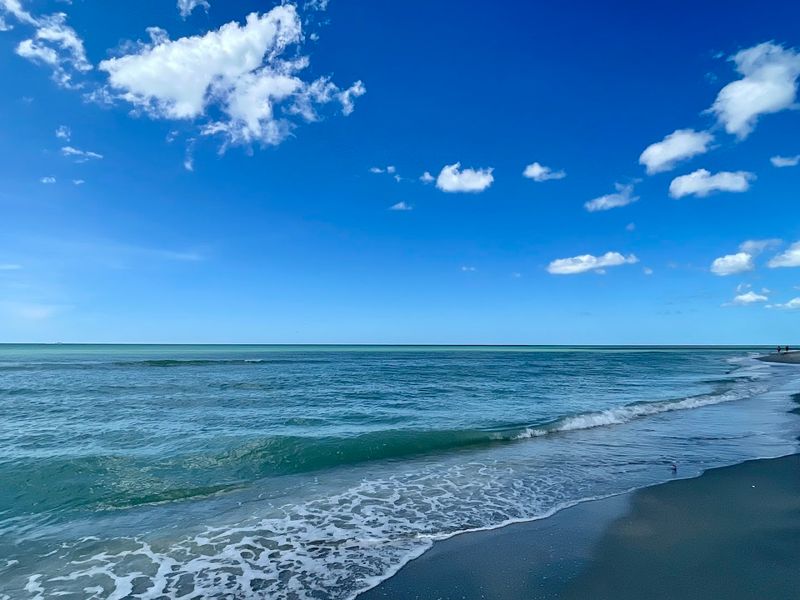
Florida State Parks describes kayakers launching into Lemon Bay and paddling among the dolphins, but you don’t need a boat to enjoy the show. The pass and bay create a sheltered environment where dolphins hunt in shallow water, often close enough to shore that you can watch from the sand.
Lemon Bay’s calm conditions make dolphin-spotting easier than on the open Gulf—no big waves to obscure your view, and dolphins surface more predictably in the protected water. The pass itself funnels fish between the bay and the Gulf, creating a natural feeding station that dolphins visit regularly. Walk the shoreline and scan the water, or settle on the beach with a good view of the channel.
Parking is free, and the park stays blissfully uncrowded even on weekends. Early morning brings glassy water and active dolphins, while late afternoon offers cooler temps and golden light. Bring water shoes if you want to wade—the bottom can be rocky near the pass, but the shallow water gives you a closer look at dolphins as they cruise by.
14. St. Pete Beach (St. Pete Beach)
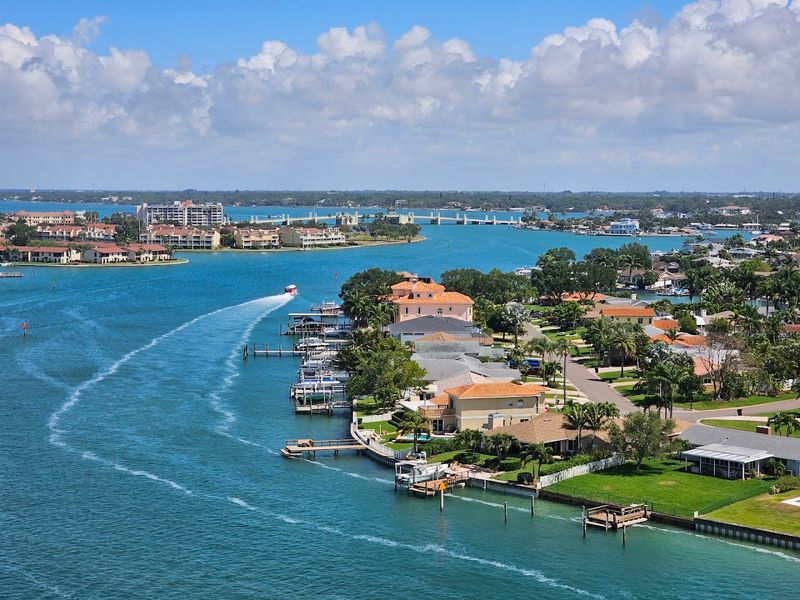
Visit Florida points to this area for paddleboarding and waterfront exploring while you watch for dolphins, no cruise required. The long stretch of public beach means you can walk for miles and find your own spot to scan the water, and dolphins cruise these nearshore waters daily.
Paddleboarders and kayakers often get close encounters, but beach-based watching works just as well. Dolphins follow the beach’s contour, surfacing every few seconds as they travel north or south. The shallow gradient of the Gulf here keeps them visible even when they’re a hundred yards offshore.
Look for birds diving—where there are fish, there are usually dolphins.
Beach access is free at multiple points along the main drag, with metered parking along Gulf Boulevard. Sunrise brings the calmest water and most active marine life, while sunset offers dramatic light and cooler crowds. Bring binoculars if you want to watch dolphin behavior in detail, and plan to stay awhile—sightings happen throughout the day, but patience pays off.
15. Lido Key / South Lido (Sarasota)
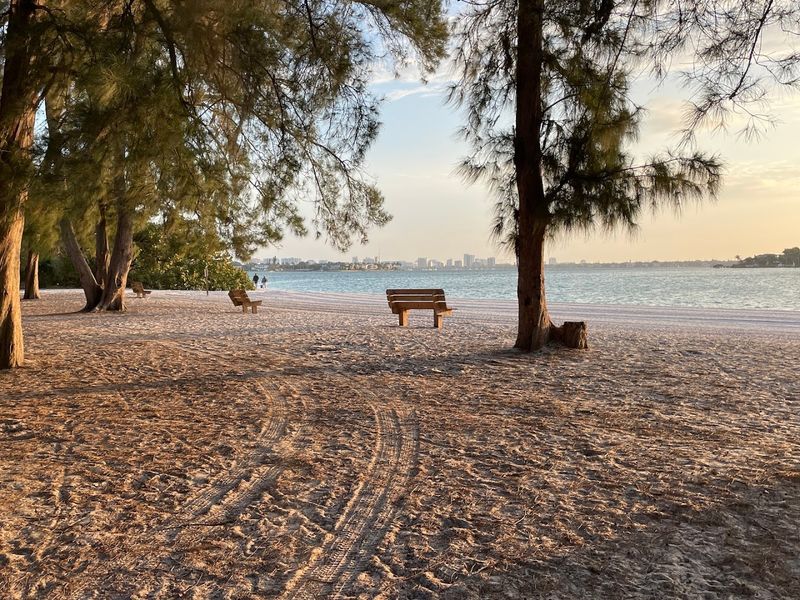
Visit Florida says Lido Key is known for ecotourism and dolphin watching, and South Lido’s bay and mangrove edge make it one of the better walk-up places to keep an eye on the water. The park’s unique geography gives you both Gulf and bay access, doubling your chances of spotting fins.
The bay side stays calm and shallow, perfect for watching dolphins glide slowly through the water as they forage in the grass flats. Mangroves provide nursery habitat for fish, which attracts dolphins looking for an easy meal. Walk the trails that skirt the water’s edge, or head to the beach and scan the Gulf for pods cruising offshore.
Parking is free at South Lido Park, and the area includes picnic shelters, restrooms, and nature trails. Low tide exposes sandbars and tidal flats where dolphins sometimes corner fish in inches-deep water. Visit during the golden hour for the best light and most active wildlife, and bring insect repellent—the mangroves shelter mosquitoes along with fish.