15 Timeless Florida Streets That Remain Must-Visit Gems Across the State
Florida’s most memorable streets tell stories that go far beyond simple navigation. From cobblestone lanes echoing with centuries of history to neon-lit boulevards pulsing with modern energy, these iconic thoroughfares capture the essence of what makes the Sunshine State truly special.
Whether you’re drawn to waterfront promenades, art-lined avenues, or streets where every building whispers tales of the past, Florida’s legendary roads offer experiences that stick with you long after you’ve returned home.
1. Duval Street (Key West)
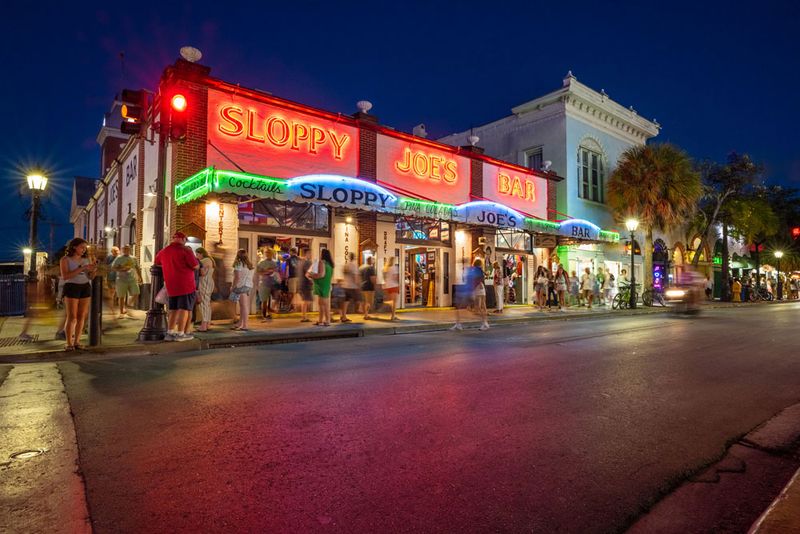
Walking down this legendary mile feels like stepping into a permanent celebration. Stretching from the Gulf of Mexico to the Atlantic Ocean, this famous strip pulses with an energy that’s impossible to find anywhere else in Florida.
You’ll find everything from dive bars where Hemingway once drank to upscale galleries showcasing local artists. Street performers entertain crowds while the scent of Cuban coffee and key lime pie drifts from nearby cafes.
The mix of tourists, locals, and eccentrics creates a people-watching paradise unlike any other.
Historic landmarks dot the entire length, including the famous Sloppy Joe’s Bar and the iconic marker at the southern tip of the street. Sunset brings out special magic as everyone migrates toward Mallory Square for the nightly celebration.
Daytime offers a completely different vibe with boutique shopping and quieter galleries. The street transforms as evening approaches, with music spilling from every doorway and the party atmosphere reaching its peak.
This isn’t just a street—it’s the beating heart of Key West culture, where island time becomes a reality and every visit creates lasting memories worth treasuring.
2. St. George Street (St. Augustine)
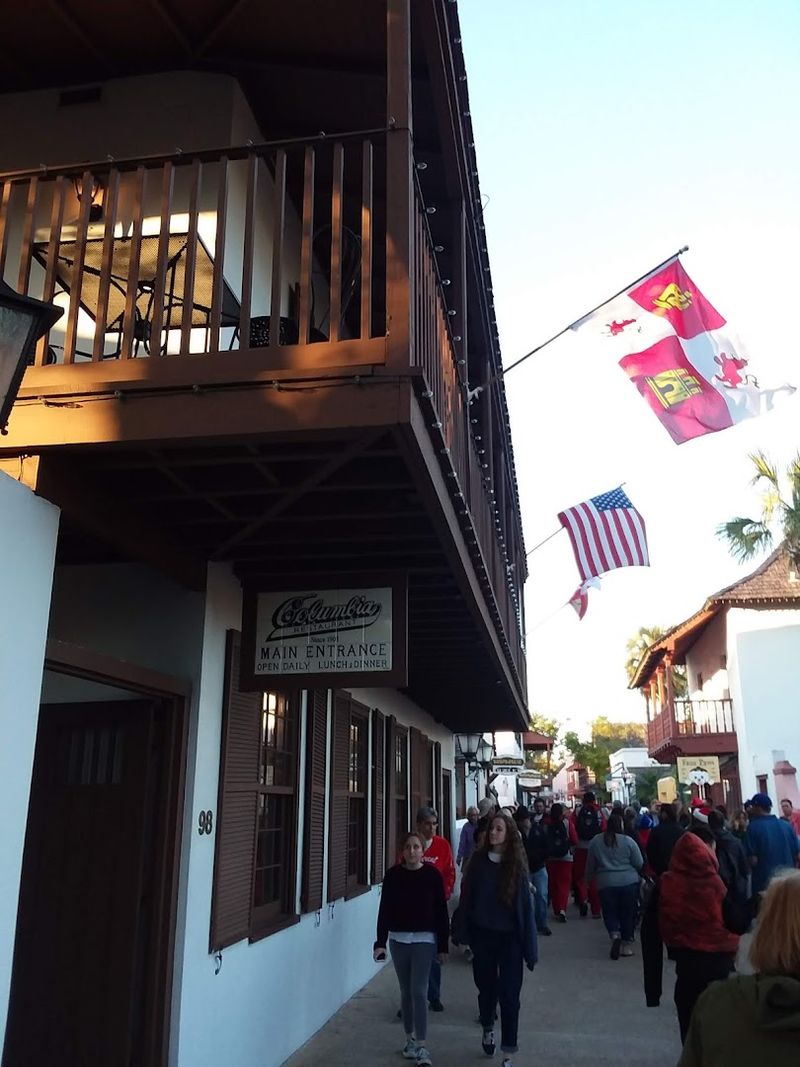
America’s oldest city preserves its heritage beautifully along this pedestrian-only thoroughfare. Cobblestones beneath your feet date back centuries, while buildings surrounding you showcase authentic Spanish colonial architecture that transports visitors to another era entirely.
The car-free zone makes exploring incredibly relaxing as you wander past artisan shops and family-owned restaurants. Street musicians often perform near the old city gates, adding soundtrack to your historical journey.
Local craftspeople demonstrate traditional techniques right on the sidewalk, creating unique souvenirs you won’t find elsewhere.
Historic sites appear around every corner, from the oldest wooden schoolhouse to museums housed in centuries-old structures. The blend of education and entertainment keeps both kids and adults engaged throughout their visit.
Shopping here means discovering one-of-a-kind treasures rather than chain store merchandise. Galleries feature local artists inspired by the city’s rich past, while specialty food shops offer tastes you’ll want to take home.
The street comes alive during evening ghost tours when guides share spine-tingling tales of colonial spirits. Whether you’re a history buff or just seeking charming atmosphere, this timeless street delivers experiences that modern developments simply cannot replicate.
3. Ocean Drive (Miami Beach)
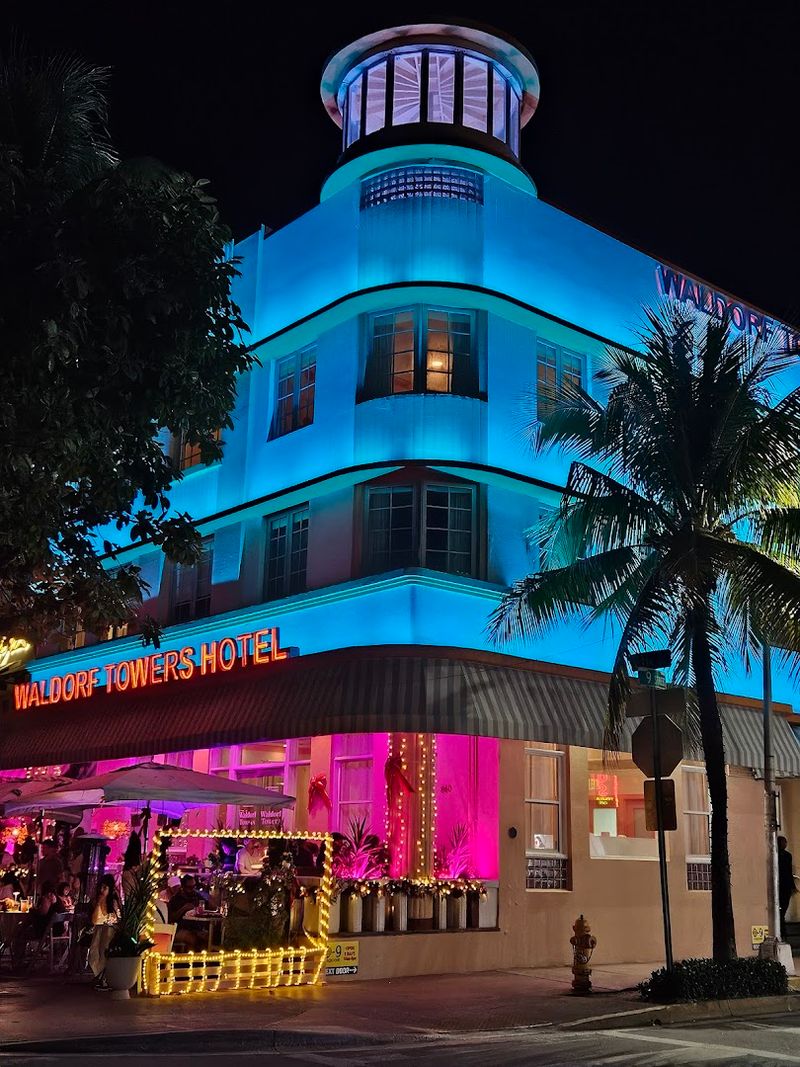
Pastel-colored Art Deco buildings create a backdrop so photogenic that cameras never stop clicking. This world-famous stretch embodies everything people imagine when they think of Miami Beach—glamour, energy, and style rolled into one unforgettable experience.
Sidewalk cafes spill onto the pedestrian promenade where beautiful people sip espresso and watch the parade of humanity. Classic cars cruise past slowly, their chrome gleaming in the tropical sun.
The beach sits just steps away across a strip of sand that seems to glow white against turquoise waters.
Architecture enthusiasts marvel at the perfectly preserved 1930s buildings that survived when other cities demolished their heritage. Each structure tells stories of Miami’s golden age when celebrities and socialites flocked here for winter escapes.
Nightlife transforms the street into an electric scene with music thumping from clubs and restaurants. Neon signs illuminate the darkness while crowds flow between venues seeking the next memorable moment.
During daylight, the vibe shifts to leisurely brunches and beach-bound tourists snapping selfies. The combination of history, beauty, and excitement makes this street essential viewing for anyone wanting to understand Miami’s magnetic appeal and enduring status as a cultural icon.
4. Lincoln Road (Miami Beach)
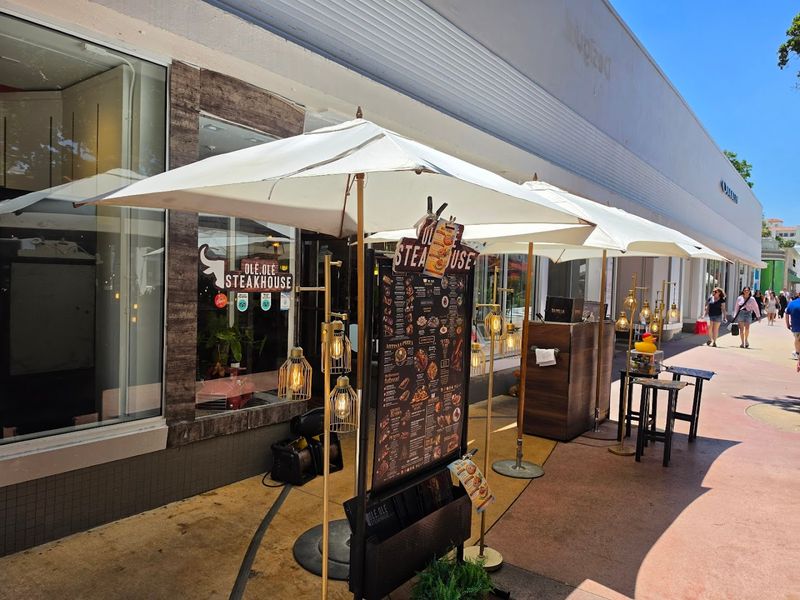
An open-air pedestrian mall stretches for blocks, creating an urban oasis where shopping meets culture. Architectural canopies designed by Morris Lapidus provide shade while adding sculptural interest overhead, making even a simple stroll feel like an artistic experience.
High-end boutiques mix with popular chains, offering something for every budget and taste. Outdoor dining dominates the scene with restaurants serving everything from sushi to stone-fired pizza.
People-watching reaches Olympic levels as Miami’s diverse population converges here daily.
Art galleries and theaters bring cultural depth beyond mere retail therapy. Weekend farmers markets showcase local produce and artisan goods, connecting visitors with Florida’s agricultural bounty.
The street’s design encourages lingering rather than rushing, with plenty of seating areas and shaded spots.
Evening brings a sophisticated energy as professionals finish work and families seek entertainment. Street performers and musicians add spontaneous entertainment throughout the day.
The pedestrian-friendly layout makes it perfect for strollers, wheelchairs, and anyone who prefers exploring without dodging traffic. Unlike typical shopping districts, this street feels like a living room for the entire city—a place where commerce and community blend seamlessly, creating an atmosphere that’s both cosmopolitan and surprisingly welcoming to visitors from everywhere.
5. Worth Avenue (Palm Beach)
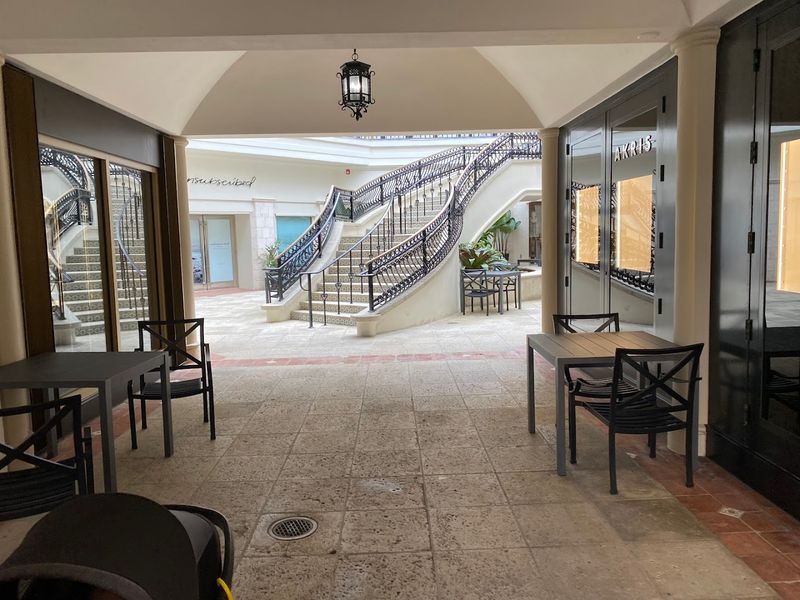
Mediterranean-style architecture houses some of the world’s most exclusive retailers along this legendary shopping corridor. Addison Mizner’s vision from the 1920s created a street that feels more like a European village than typical American retail, with hidden courtyards and charming passageways waiting to be discovered.
Designer names you recognize from fashion magazines line both sides—Chanel, Gucci, Cartier, and dozens more. Window displays showcase artistry that rivals museum exhibitions, even if you never step inside.
The street itself becomes a runway where Palm Beach society shows off the latest styles.
Tucked between flagship stores, you’ll find intimate vias leading to smaller boutiques and cafes. These narrow passages offer shade and surprise, making exploration feel like a treasure hunt.
Fountains and tropical landscaping soften the commercial atmosphere, creating an unexpectedly peaceful shopping environment.
Dining options range from casual cafes to white-tablecloth restaurants where reservations book weeks ahead. Art galleries feature works by established masters alongside emerging talents.
The entire experience screams old-money elegance without feeling stuffy or unwelcoming. Even if your budget doesn’t match the price tags, strolling this iconic avenue offers a glimpse into a world where luxury and beauty reign supreme, making it absolutely worth the visit.
6. Atlantic Avenue (Delray Beach)
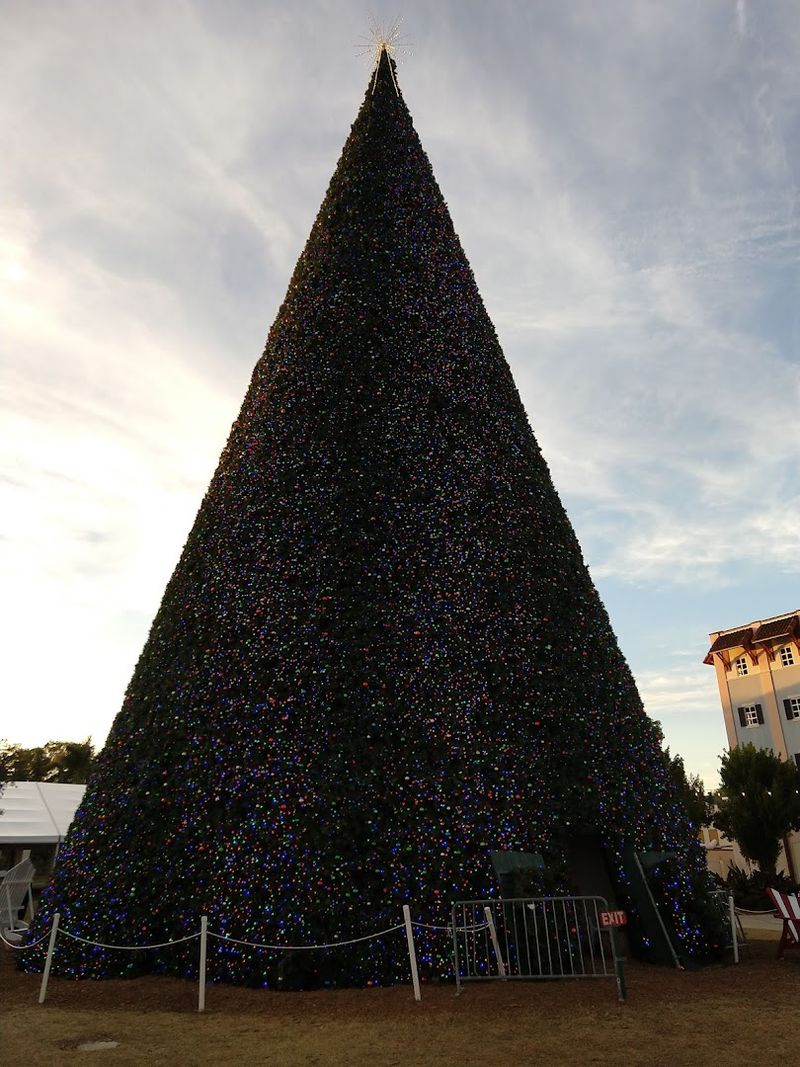
Small-town charm meets sophisticated tastes along this award-winning main street. Named one of America’s great places multiple times, this avenue proves that you don’t need big-city scale to create big-time appeal and memorable experiences.
Local boutiques outnumber chain stores, giving the street authentic character that feels genuinely Floridian. Art galleries showcase work by regional artists while specialty shops offer unique finds impossible to discover elsewhere.
The walkable scale encourages exploring on foot, with new discoveries appearing every few storefronts.
Restaurant diversity impresses even seasoned foodies, with everything from farm-to-table bistros to international cuisines. Outdoor seating predominates, letting diners enjoy the coastal climate while watching street life unfold.
Many establishments feature live music on weekends, creating a festive atmosphere without overwhelming noise.
The beach sits just blocks away, making it easy to split your day between sand and shops. Tuesday evening brings a popular farmers market that transforms several blocks into a community gathering.
Local residents actually hang out here rather than just tourists, which speaks volumes about the street’s authentic appeal. The balance between sophistication and accessibility makes this avenue feel welcoming whether you’re dressed for dinner or still wearing your beach cover-up from earlier.
7. Clematis Street (West Palm Beach)
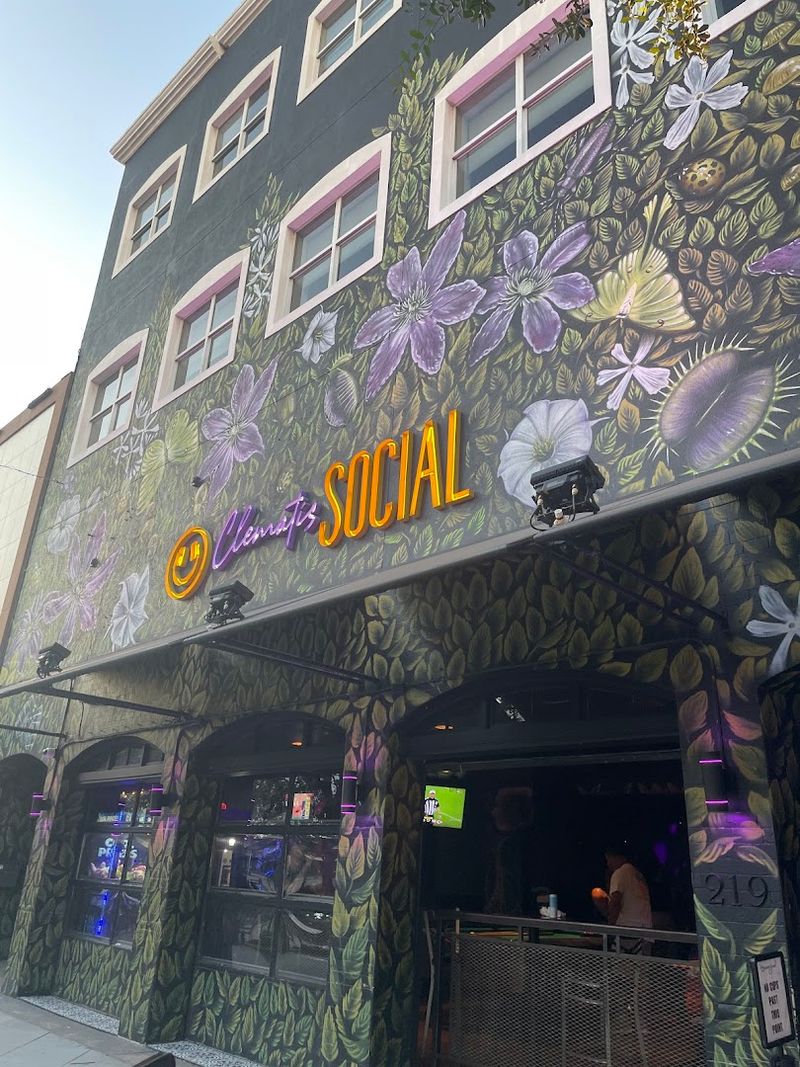
Downtown revitalization success stories don’t get much better than this waterfront entertainment district. What was once a sleepy street has transformed into the social hub of West Palm Beach, drawing crowds nightly with an energy that feels both sophisticated and approachable.
Restaurants and bars dominate the landscape, offering everything from craft cocktails to casual pub fare. Outdoor seating takes advantage of Florida’s climate while providing front-row seats to the constant parade of people.
Thursday nights bring special events that pack the sidewalks with locals celebrating the approaching weekend.
The Intracoastal Waterway sits just steps away, with parks and promenades offering scenic breaks from urban intensity. Public art installations add visual interest while free concerts in Centennial Square provide entertainment that won’t dent your wallet.
Historic buildings have been beautifully renovated, preserving architectural heritage while housing modern businesses.
Nightlife ranges from upscale lounges to dive bars, ensuring every taste finds satisfaction. The street stays active late, with crowds flowing between venues until closing time.
Weekend mornings shift the vibe entirely as farmers markets and brunch crowds take over. This versatility—appealing to different audiences at different times—demonstrates smart urban planning that creates a street serving the entire community rather than just one demographic group.
8. Las Olas Boulevard (Fort Lauderdale)
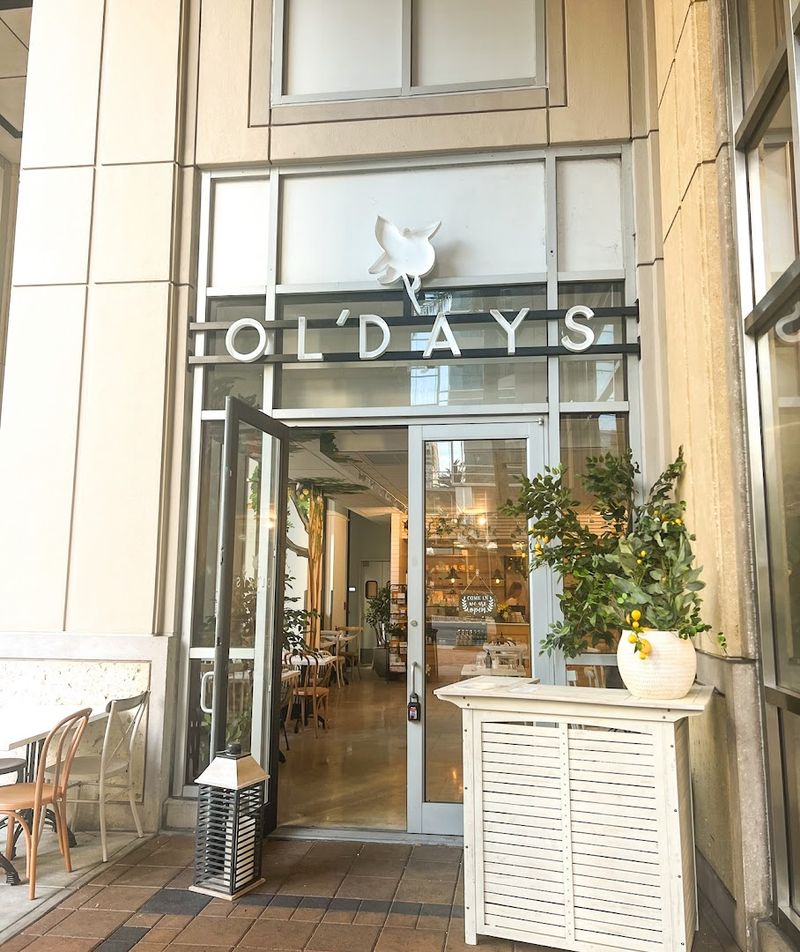
Translated as “The Waves,” this boulevard lives up to its name by creating ripples of excitement through Fort Lauderdale’s cultural scene. Stretching from downtown to the beach, it connects multiple neighborhoods while maintaining distinct character throughout its length.
The downtown section showcases art galleries, boutiques, and sidewalk cafes beneath a canopy of mature trees. Shopping here means discovering designers and artists you won’t find in typical malls.
The shaded sidewalks make window shopping comfortable even during summer heat.
Restaurants represent cuisines from around the world, with many featuring celebrity chefs and award-winning menus. Outdoor dining predominates, turning meals into extended social events perfect for people-watching.
Wine bars and craft cocktail lounges provide sophisticated options for evening entertainment.
As you travel east, the boulevard transitions toward residential areas with stunning waterfront homes worth admiring. The beach end offers a completely different vibe with casual eateries and swimsuit shops.
Sunday morning brings a popular farmers market that draws crowds seeking local produce and artisan goods. Gallery walks occur monthly, with openings featuring wine and artist meet-and-greets.
The street’s ability to serve multiple purposes—shopping destination, dining district, cultural corridor, and neighborhood connector—makes it indispensable to understanding Fort Lauderdale’s evolution into a world-class city.
9. 7th Avenue / Ybor City Historic District (Tampa)
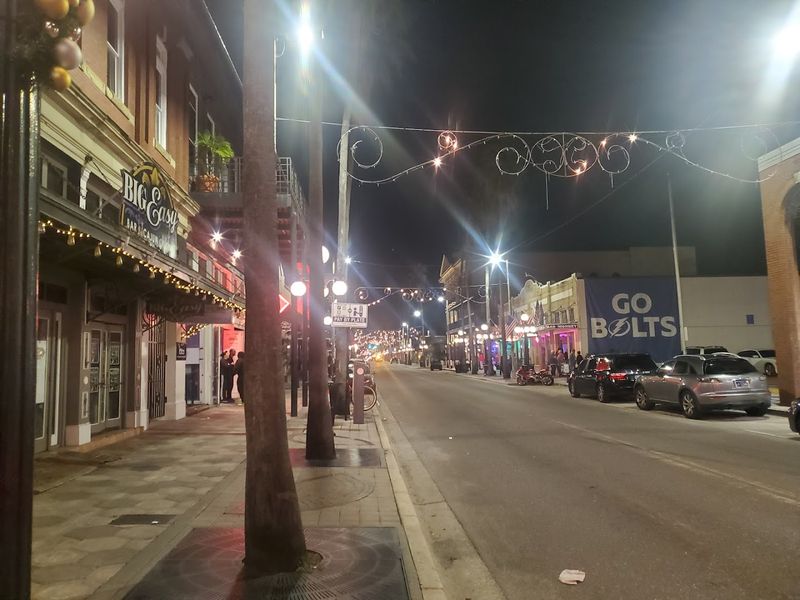
Brick streets and wrought-iron balconies transport you to Tampa’s cigar-rolling past when Cuban, Spanish, and Italian immigrants built this neighborhood. The National Historic Landmark District preserves buildings where workers once hand-rolled millions of cigars, creating wealth that transformed Tampa into a major city.
Today, those same structures house restaurants, clubs, and shops celebrating the area’s multicultural heritage. Authentic Cuban cuisine draws food lovers seeking the real deal rather than watered-down versions.
Cigar shops continue the tradition, with some still employing master rollers demonstrating their craft.
Nightlife explodes on weekends as clubs pump Latin music into the humid air. The street becomes a massive party zone where different venues cater to various tastes and age groups.
Daytime offers a quieter experience perfect for exploring museums and historic sites that tell immigrant success stories.
Chicken roaming freely adds quirky charm—descendants of birds brought by early settlers, they’re now protected by city ordinance. Monthly art walks showcase local talent while providing family-friendly entertainment.
The district’s authenticity sets it apart from manufactured tourist attractions; this is real history you can touch, taste, and experience. Walking these streets means connecting with Tampa’s soul and understanding how diverse cultures blended to create something uniquely Floridian and utterly unforgettable.
10. River Street (Fernandina Beach)
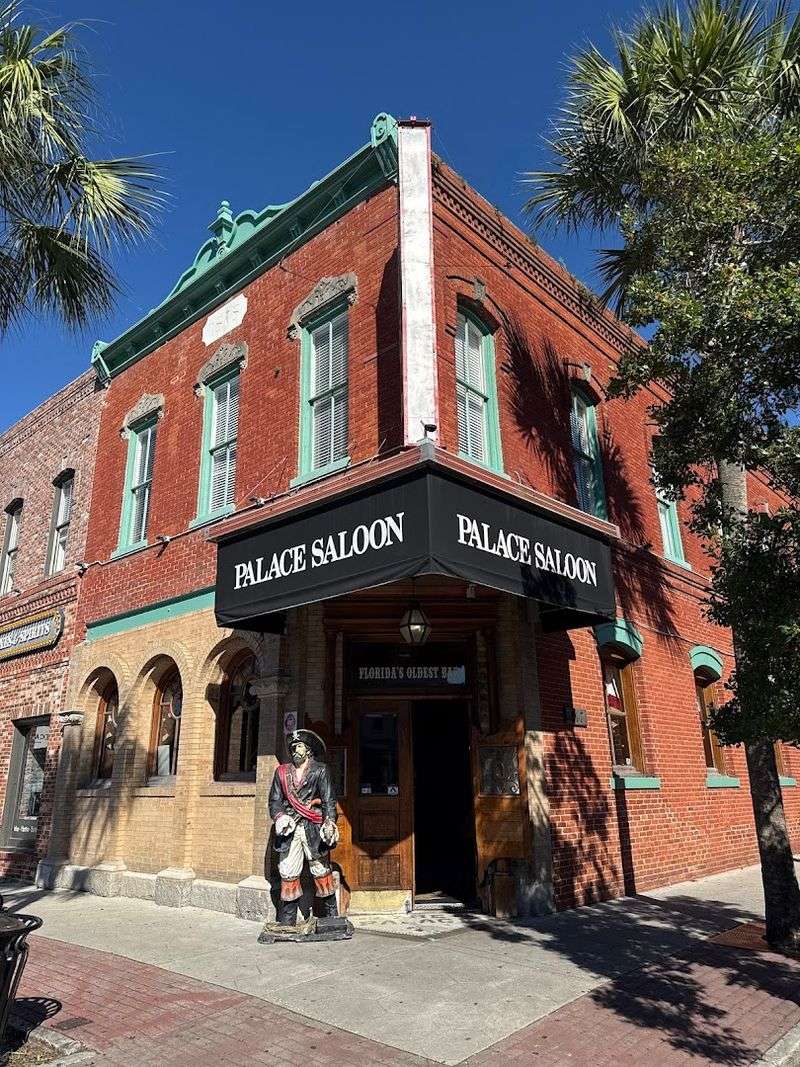
Victorian-era buildings line this charming downtown that feels frozen in time—in the best possible way. Located on Amelia Island, this street captures small-town Florida before theme parks and high-rises changed the landscape forever.
Antique shops overflow with treasures from decades past, making serious collectors plan entire trips around browsing these stores. Local boutiques offer coastal-inspired clothing and home decor perfect for beach house styling.
The pace here slows dramatically compared to mainland Florida, encouraging relaxed exploration without rushing.
Restaurants emphasize fresh seafood, often caught that same morning by local shrimpers. Outdoor seating lets you watch the harbor activity while enjoying your meal.
The working waterfront adds authenticity—this isn’t a manufactured tourist village but a real community that happens to welcome visitors warmly.
Historic bed-and-breakfasts occupy restored homes where you can actually stay overnight and experience Victorian hospitality. The entire downtown district covers just a few walkable blocks, making it manageable even for those who tire easily.
Weekend festivals celebrate everything from shrimp to pirates, bringing the community together in ways that feel genuinely inclusive. The street’s preservation demonstrates respect for history while adapting to modern needs, creating a destination where past and present coexist peacefully and beautifully.
11. Orange Avenue (Winter Park)
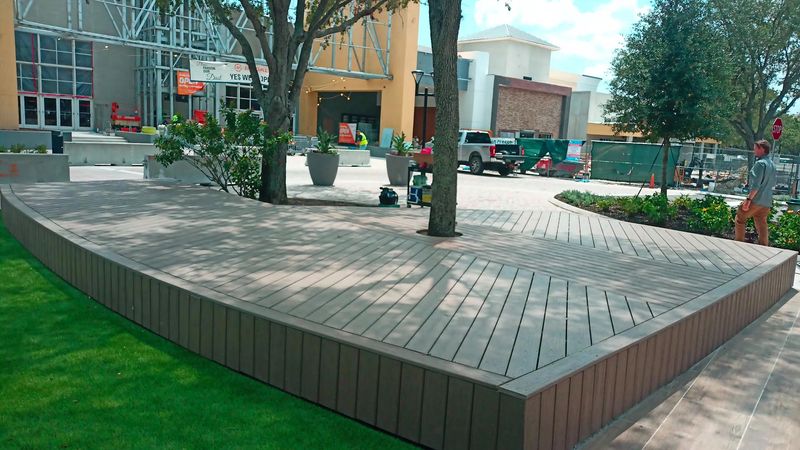
Brick pavers and towering oaks create a European village atmosphere just minutes from Orlando’s theme park chaos. This street proves that Florida offers sophistication and culture beyond roller coasters and cartoon characters, appealing to travelers seeking refinement.
Boutique shopping dominates with stores offering carefully curated selections rather than mass-market merchandise. You’ll find everything from designer clothing to handcrafted jewelry, often with owners present to share the stories behind their products.
The personal service feels refreshingly old-fashioned in our digital age.
Sidewalk cafes encourage lingering over coffee and conversation, with many establishments featuring European-inspired menus. The tree canopy provides natural shade, making outdoor dining comfortable most of the year.
People actually dress up here, treating shopping and dining as occasions worth effort.
Museums and theaters add cultural depth, including the renowned Morse Museum housing the world’s largest Tiffany glass collection. Scenic boat tours on nearby lakes offer peaceful breaks from retail therapy.
The street connects seamlessly with Rollins College campus, adding youthful energy and academic atmosphere. Evening brings live music and special events that draw both residents and visitors.
The combination of natural beauty, architectural charm, and genuine sophistication makes this avenue feel like a secret worth sharing with discerning travelers who appreciate quality over quantity.
12. Donnelly Street (Mount Dora)
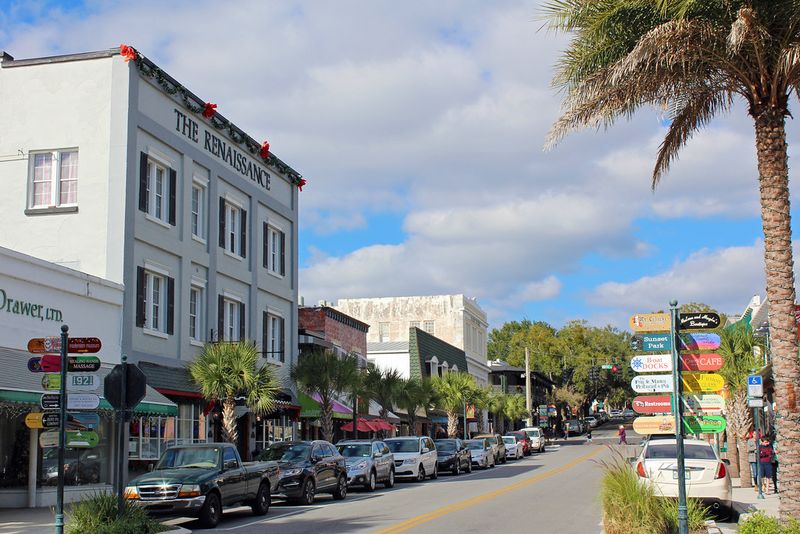
Antique capital of Florida isn’t an official title, but this street certainly earns that reputation. More than a dozen shops overflow with vintage treasures, drawing collectors from across the country to hunt for that perfect piece.
The entire downtown district maintains a turn-of-the-century charm that feels authentic rather than manufactured. Victorian buildings house everything from bookstores to ice cream parlors, each storefront more photogenic than the last.
Walking here feels like stepping into a Hallmark movie set, except everything is completely real.
Lake Dora sparkles at the street’s edge, adding waterfront beauty to the small-town atmosphere. Parks and benches encourage pausing to simply enjoy the scenery and slower pace.
Lighthouse replicas and public art installations provide photo opportunities around every corner.
Monthly festivals celebrate everything from crafts to Christmas, transforming the street into a massive celebration. Restaurants serve comfort food with Southern hospitality that makes everyone feel like a regular.
The entire town spans just a few walkable blocks, perfect for those who prefer exploring on foot. Local bed-and-breakfasts offer overnight stays in historic homes filled with period details.
This street represents old Florida at its finest—unpretentious, welcoming, and genuinely charming without trying too hard to impress visitors seeking authenticity over flash.
13. Whitehead Street (Key West)
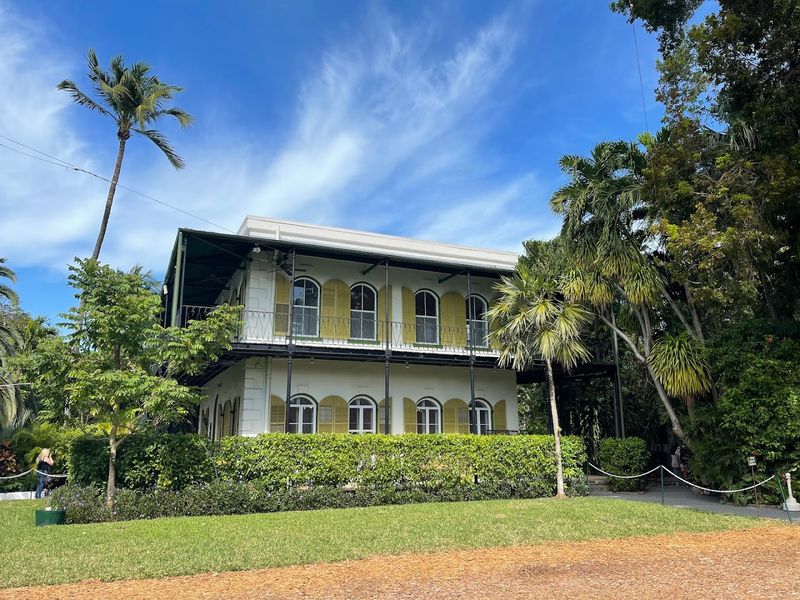
Literary pilgrims make this street a mandatory stop to visit Ernest Hemingway’s former home. The author lived and wrote here during some of his most productive years, and the house remains largely unchanged, complete with descendants of his famous six-toed cats.
Beyond Hemingway, the street stretches from one end of Key West to the other, passing significant landmarks. The southernmost point marker sits near the southern terminus, where tourists wait in line for photos proving they reached continental America’s edge.
The Key West Lighthouse offers panoramic views after climbing its stairs.
Historic homes showcase various architectural styles from Key West’s prosperous past when wrecking and cigar-making created fortunes. Many have been converted to guesthouses and museums, allowing visitors to experience island history firsthand.
The tropical vegetation adds color and fragrance, with flowering plants spilling over fences and balconies.
Less touristy than Duval Street, this parallel route offers a quieter way to explore the island. Local residents actually live here, giving the street authentic neighborhood character.
Small cafes and shops cater to those who prefer discovering hidden gems over hitting obvious attractions. The combination of literary history, architectural beauty, and genuine island atmosphere makes this street essential for understanding Key West beyond its party reputation and seeing the layers of culture beneath the surface.
14. Caroline Street (Key West)
The working waterfront side of Key West reveals itself along this historic street. While tourists flock to Duval’s party scene, Caroline Street maintains connections to the island’s maritime heritage with charter boats, seafood markets, and authentic local businesses.
The Historic Seaport district occupies the eastern section, where fishing boats and charter vessels dock alongside restaurants serving what was swimming that morning. Watching shrimpers unload their catch provides entertainment and reassurance about seafood freshness.
The salty air and creaking docks create atmosphere you can’t fake.
Shops here lean toward practical marine supplies mixed with galleries and boutiques serving locals and visitors alike. You’ll find fewer T-shirt shops and more establishments that actually contribute to daily island life.
The Waterfront Brewery and other restaurants offer outdoor seating with marina views, perfect for sunset watching.
Museums and historic sites dot the street, including the Key West Shipwreck Museum that tells tales of the island’s wrecking industry. Evening brings a more subdued energy compared to Duval’s chaos, appealing to those seeking Key West character without overwhelming crowds.
The street’s authenticity provides balance—showing that Key West remains a real community where people work and live, not just a stage set for tourist entertainment. This glimpse behind the scenes makes visits more meaningful and memorable.
15. Charles Avenue (Coconut Grove, Miami)
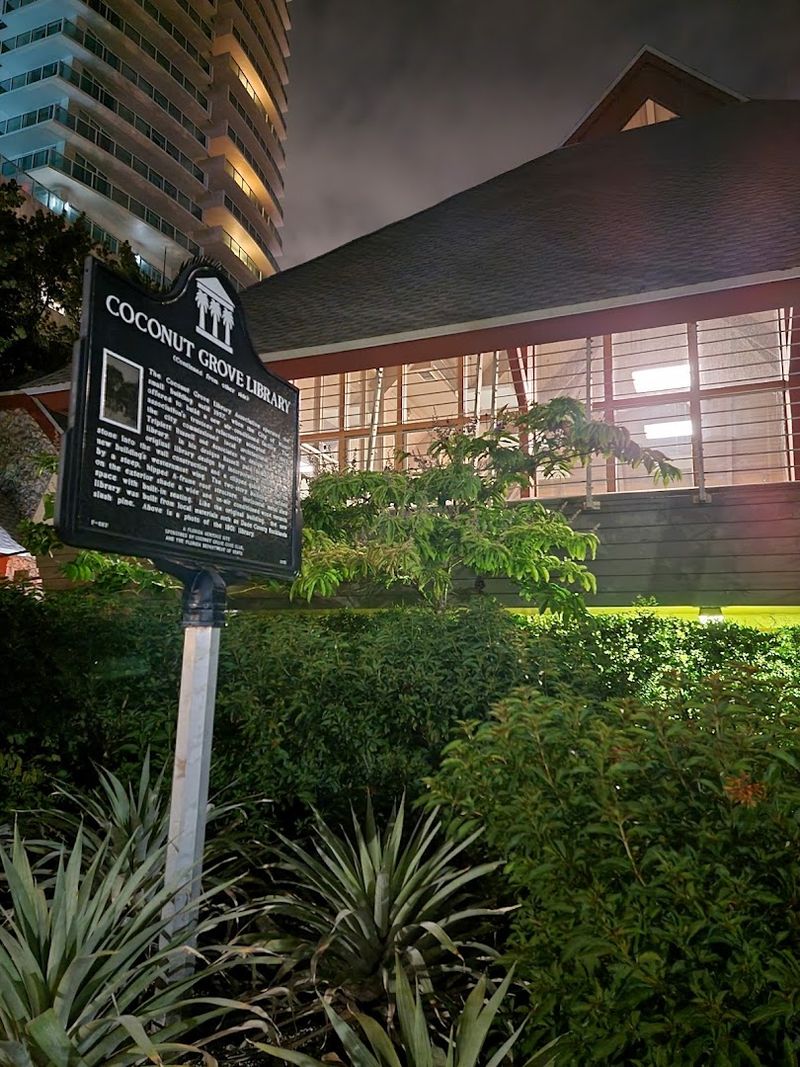
Miami’s oldest neighborhood retains a bohemian spirit that contrasts sharply with the city’s glitzy reputation. This avenue cuts through Coconut Grove’s heart, where artists and free spirits have gathered since the 1960s, creating a community that values creativity over conformity.
Sidewalk cafes and restaurants embrace outdoor living with patios shaded by massive banyan trees. The tropical canopy creates a cooler microclimate, making walks pleasant even during summer heat.
Live music often drifts from venues, adding soundtrack to your exploration.
Art galleries showcase local talent alongside international names, with openings that feel like neighborhood parties. Boutiques offer bohemian-inspired clothing and home goods you won’t find in typical malls.
The shopping here rewards browsing rather than rushing through with a specific list.
Historic architecture mixes with modern developments, showing how the neighborhood has evolved while maintaining character. The nearby waterfront provides scenic walking paths and marina views.
Weekend farmers markets bring the community together, offering organic produce and artisan goods. The Grove, as locals call it, feels like a small town within the big city—a place where neighbors know each other and newcomers receive warm welcomes.
This avenue captures that community spirit, offering visitors a chance to experience Miami’s artistic soul and see beyond the beaches and nightclubs that dominate postcards and travel guides.