17 Florida Places You Only Hear About If You Ask the Right Person
Florida is more than theme parks and crowded beaches — it’s a state full of quiet corners, jaw-dropping landscapes, and spots that feel like they were made just for you. The locals who know these places aren’t always rushing to share them, but once you hear about them, you’ll wonder how they stayed off your radar for so long.
From secret sculpture gardens to glowing night kayak tours, these are the places that make Florida feel brand new again. Pack your curiosity and maybe a good pair of walking shoes — this list is about to change your travel plans.
1. Bok Tower Gardens
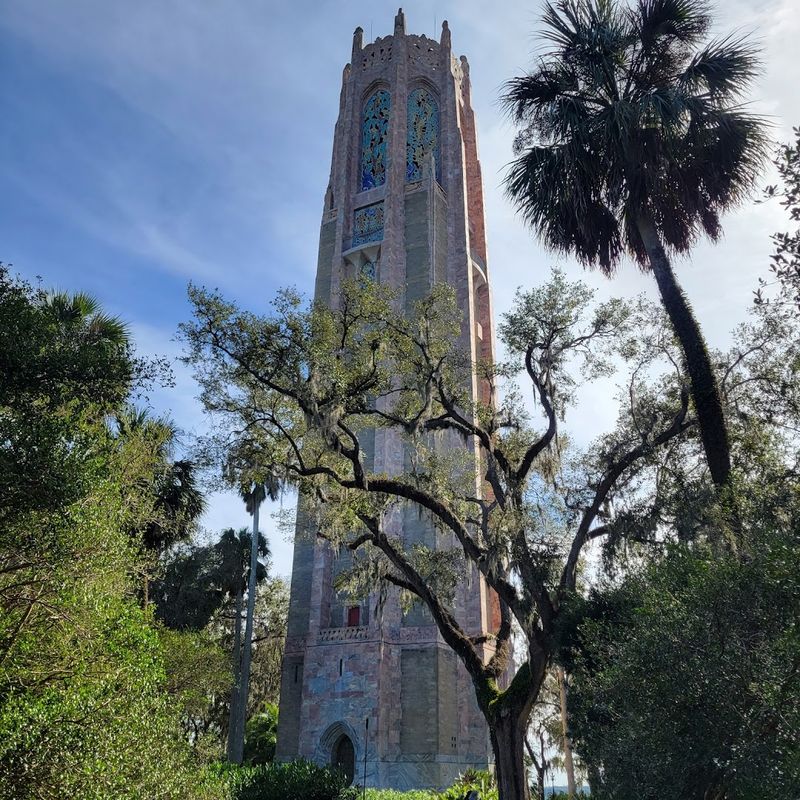
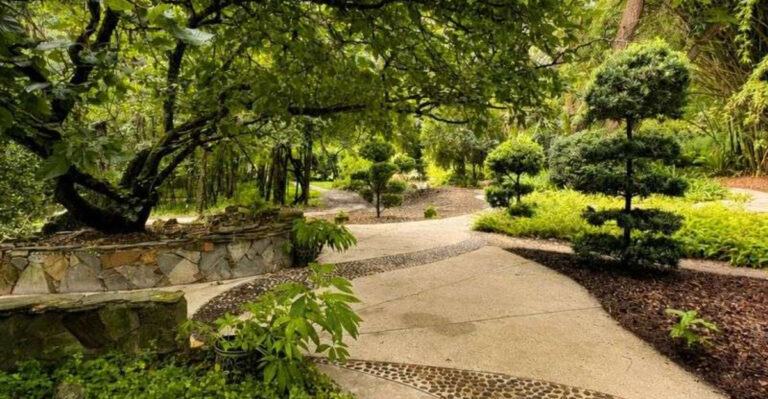
Sitting on one of the highest points in peninsular Florida, Bok Tower Gardens carries a kind of quiet magic that most people completely miss because they assume Florida has no elevation worth mentioning. Built in the 1920s by philanthropist Edward Bok, the 205-foot carillon tower rises above a landscape of ancient oaks, ferns, and winding garden paths that feel more like an English countryside than the Sunshine State.
The tower itself plays carillon concerts twice daily, and hearing those bells echo across the gardens while you sit on a stone bench is genuinely one of the most peaceful moments you can have in Florida. The sound travels farther than you’d expect, almost like the whole garden is vibrating gently.
It’s the kind of place that slows you down without you even realizing it.
The surrounding gardens were designed by Frederick Law Olmsted Jr., the same family name behind Central Park, which tells you everything about the level of craft here. Seasonal blooms shift the entire color palette depending on when you visit, so no two trips look exactly the same.
Spring brings azaleas, while fall offers a softer, more golden palette.
There’s also a historic home called Pinewood Estate on the property that you can tour for an extra fee, giving you a real glimpse into Florida’s gilded-age lifestyle. Kids tend to love spotting the wildlife — gopher tortoises roam the grounds freely, and birds seem to gather near the reflection pool like they know it’s a good photo spot.
Bok Tower Gardens is one of those places that earns a permanent spot on your repeat-visit list without even trying.
2. The Colony Palm Beach
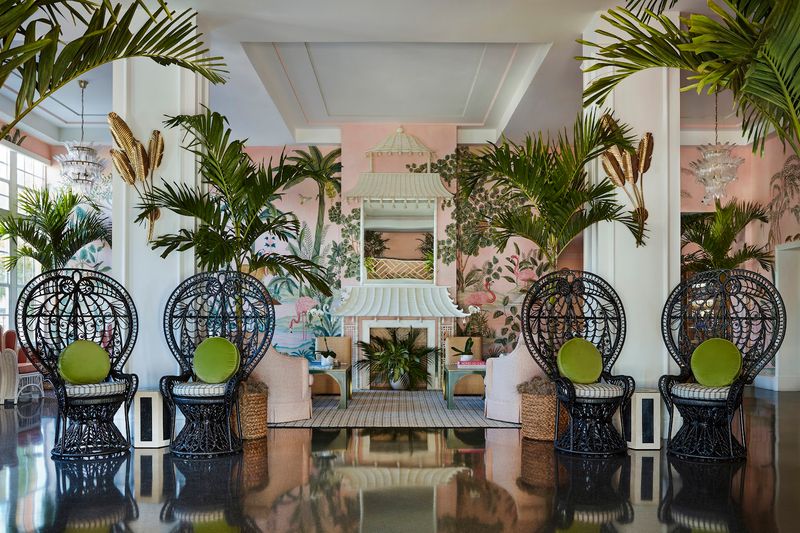
There’s a reason The Colony Palm Beach has been called one of the most stylish small hotels in America — it earns that title every single day. Painted in its signature banana-yellow hue with pops of tropical color throughout, this boutique hotel on Brazil Avenue has been a discreet gathering spot for socialites, artists, and travelers who prefer charm over corporate hotel sameness since 1947.
Walking through the lobby feels like stepping into a curated dream of what Palm Beach should look like — rattan furniture, bold prints, fresh flowers, and an energy that’s somehow both relaxed and glamorous at the same time. The pool area is exactly where you want to spend a lazy afternoon, with cabanas and cocktails that match the aesthetic perfectly.
Nothing here feels accidental.
The hotel’s restaurant, The Polo Steakhouse, draws guests and locals alike for its menu and its old-Florida atmosphere. Dinner here feels like an occasion even if you’re just wearing linen and sandals, which honestly is the Palm Beach dress code anyway.
The service is warm without being stiff, which is harder to pull off than it sounds.
What makes The Colony special beyond its looks is the sense that it hasn’t tried to be anything other than itself for decades. It hasn’t chased trends or undergone a personality transplant — it’s just refined what it already does well.
For travelers who want to experience Palm Beach the way it was meant to be experienced — unhurried, beautifully decorated, and a little bit exclusive — this is the address to know. It’s the kind of place you mention casually to friends and watch their eyes light up when they Google it.
3. John Pennekamp Coral Reef State Park
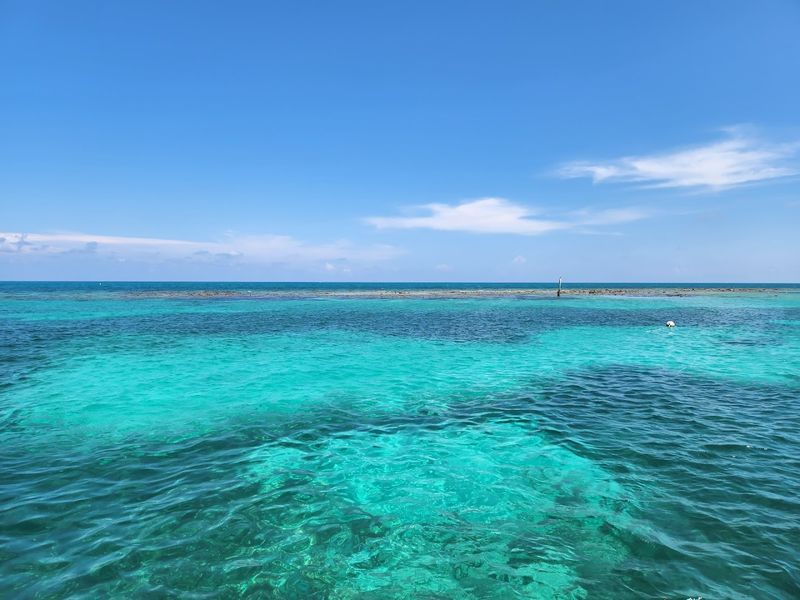
John Pennekamp Coral Reef State Park holds a distinction most people don’t know about — it was the first undersea park established in the United States. Located in Key Largo, it protects a stretch of living coral reef that sits just offshore, making it one of the most accessible underwater worlds you’ll ever encounter without needing a boat or a scuba certification.
Snorkeling here puts you face-to-face with brain coral, sea fans, parrotfish, angelfish, and the occasional sea turtle drifting past like it owns the place — because honestly, it does. The visibility on a calm day is almost unreal, with water so clear it barely feels like water at all.
Glass-bottom boat tours are also available for anyone who wants the view without getting wet, and they’re genuinely impressive.
The park covers about 70 nautical square miles, which means there’s always a new section to explore even if you’ve visited before. Kayaking through the mangrove trails on the shoreside portion of the park is a completely different experience from the reef, and it’s worth doing both on the same trip if you have the energy.
Mangroves are weird and wonderful ecosystems that most visitors overlook in favor of the reef.
One of the most talked-about features is the submerged bronze statue called Christ of the Abyss, resting about 25 feet underwater with arms raised toward the surface. Snorkelers and divers seek it out specifically, and seeing it in person carries a strange, quiet weight that photos don’t fully capture.
Pennekamp isn’t just a park — it’s a reminder that Florida’s most extraordinary landscapes are often below the waterline, waiting patiently for anyone curious enough to look down.
4. Worth Avenue Vias
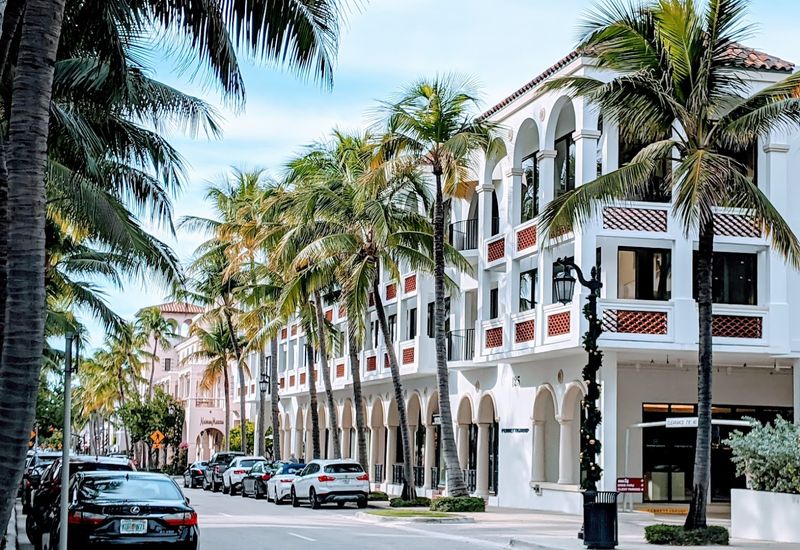
Worth Avenue gets all the headlines — the luxury boutiques, the designer storefronts, the well-dressed crowd strolling in the Florida sunshine. But the real secret lives just off the main strip, tucked inside a series of narrow, winding alleyways called vias that most visitors walk right past without a second glance.
That is a genuine mistake worth correcting.
The vias are small pedestrian lanes that branch off Worth Avenue on both sides, each one revealing a different micro-world of courtyards, fountains, climbing bougainvillea, and independent shops that feel nothing like the main drag. Architect Addison Mizner designed these passages in the 1920s to evoke the feeling of a Spanish or Italian village, and he absolutely succeeded.
Wandering through them feels like a geography shift, not just a detour.
Some vias are barely wide enough for two people to pass comfortably, which adds to the sense of discovery. You’ll find art galleries, tiny cafes, jewelry designers, and decorative shops that have been operating quietly for years while tourists focus entirely on the flagship stores facing the street.
The lighting in the late afternoon turns the stucco walls golden, making the whole thing look like a film set.
Even if you have no intention of shopping, the vias are worth exploring purely as architecture and atmosphere. Bring a camera because every turn produces something worth photographing — a painted tile, a wrought-iron gate, a cat sitting on a windowsill like it knows exactly how good the backdrop is.
The vias are Palm Beach’s best-kept open secret, and the fact that they’re free to wander makes them even better. Next time someone says Worth Avenue, you’ll know to look sideways, not straight ahead.
5. Alys Beach
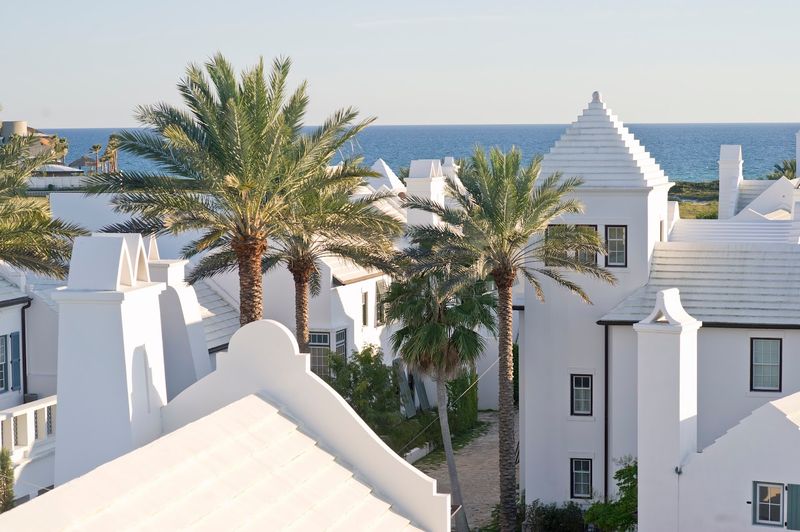
Alys Beach looks like someone took a Greek island village, transplanted it to the Florida Panhandle, and then made sure every single detail was executed perfectly. The all-white architecture — thick walls, arched passages, private courtyard gardens — creates a visual calm that’s almost meditative the moment you arrive.
This is not your average beach town, and it knows it.
Located along Scenic Highway 30-A between Rosemary Beach and Seagrove, Alys Beach was purpose-built as a planned community with a level of design intentionality that’s rare anywhere in the country. The streets are quiet, the buildings glow in the sunlight, and the sound of the Gulf is never far away.
Even if you’re not staying here, it’s absolutely worth an afternoon visit just to walk the town and feel the atmosphere.
The beach access is stunning — the emerald-green Gulf water and sugar-white sand that 30-A is famous for looks particularly dramatic against the town’s white structures. Sunset from the beach here tends to draw a small crowd of people who clearly know what they’re doing with their evenings.
Bring a blanket and no agenda.
NEAT Restaurant is the kind of casual-but-exceptional dining spot that fits the town perfectly, and the farmers market that runs seasonally draws locals from neighboring communities who know good food when they see it. Alys Beach also hosts cultural events, outdoor concerts, and design-focused gatherings throughout the year that give it a creative energy beyond just being a pretty place.
If you’re planning a Panhandle trip and someone tells you to skip this because it’s too quiet, politely ignore that advice and go anyway. Quiet is sometimes exactly the point.
6. Harry P. Leu Gardens
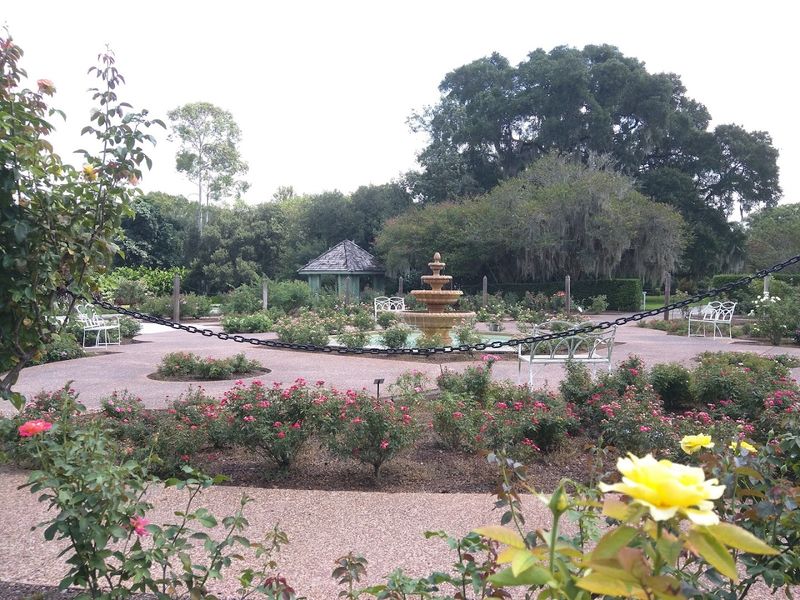
Most people visit Orlando for the theme parks, which means Harry P. Leu Gardens — a 50-acre botanical garden sitting right in the middle of the city — operates in glorious, uncrowded peace.
Located near Lake Rowena in the Audubon Park neighborhood, this place is the kind of discovery that makes Orlando residents feel smug and tourists feel genuinely surprised. It deserves both reactions.
The gardens contain one of the largest camellia collections in the southeastern United States, which sounds like a niche thing to care about until you’re actually standing among hundreds of blooming camellias in January when the rest of the country is buried in snow. The rose garden is equally impressive, and the tropical stream garden has a lush, jungle-like density that feels a world away from the nearby resort corridors.
The historic Leu House Museum sits on the property and offers guided tours that tell the story of the Leu family and the generations of gardeners who shaped the landscape over decades. It’s a surprisingly personal and interesting history for a city attraction, and the house itself is beautifully preserved.
The combination of natural beauty and local history makes this more than just a pretty walk.
Evening events at Leu Gardens, including seasonal night tours and outdoor concerts, have developed a loyal following among locals who treat the gardens as a community gathering space rather than just a tourist stop. Admission is very affordable compared to basically everything else in the Orlando area, which makes it an easy yes for families, couples, or solo visitors who need a break from the overstimulation of the park scene.
Leu Gardens is proof that Orlando’s best-kept secret is the city itself, once you know where to look.
7. The Gasparilla Inn & Club
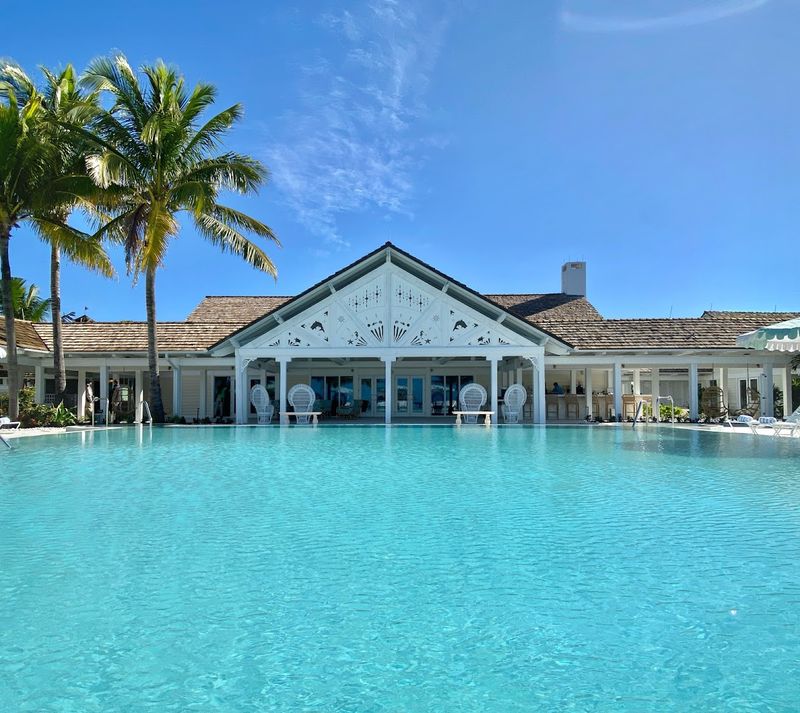
Boca Grande is already one of Florida’s most quietly guarded destinations, and The Gasparilla Inn & Club is the crown jewel of a town that prefers to keep things that way. Opened in 1913 on Gasparilla Island, this historic resort has hosted presidents, industrialists, and generations of families who return every winter as if it’s a personal tradition written into their DNA.
Some of them have been coming for fifty years.
The inn’s signature yellow and white facade, wide verandas, rocking chairs, and manicured croquet lawns communicate something that most modern hotels can’t manufacture — genuine history. Walking the grounds feels like Florida as it existed before the interstate highway made everything accessible, which is both nostalgic and incredibly refreshing.
The pace here is deliberately unhurried.
Tarpon fishing is practically a religion in Boca Grande, and the inn has deep roots in that tradition. The waters around Gasparilla Island are considered among the best tarpon fishing spots in the world, drawing serious anglers every spring with the kind of quiet intensity that other sports can’t quite match.
Even if fishing isn’t your thing, watching the boats head out at dawn from the island docks has its own appeal.
The dining experience at the Gasparilla Inn leans into its heritage with formal dinners that feel like a throwback to when dressing for dinner was simply expected. The food quality matches the setting, which is saying something.
For a full experience, book a cottage on the property rather than a standard room — the added privacy and garden views change the whole mood of a stay. The Gasparilla Inn isn’t trying to compete with modern luxury resorts.
It’s operating in an entirely different category, and that’s exactly why it wins.
8. Cabbage Key
Getting to Cabbage Key requires a boat, which is the first signal that what you’re about to experience is not your typical Florida lunch spot. This small island in Pine Island Sound, accessible only by water taxi or private boat from Pine Island or Captiva, has been drawing curious visitors since the 1930s when novelist Mary Roberts Rinehart built her winter home here.
The house eventually became the inn and restaurant it is today.
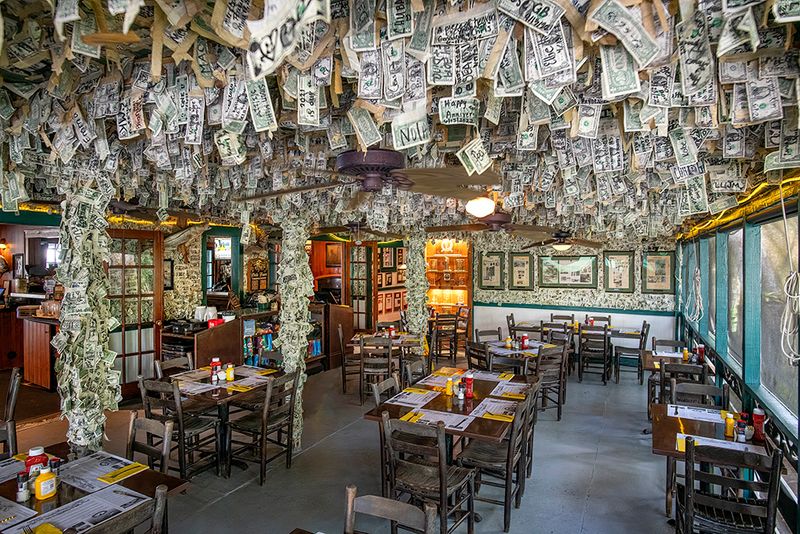
The most famous feature of Cabbage Key’s restaurant is the walls — and the ceiling, and every available surface — covered in signed dollar bills. The tradition reportedly started with a fisherman who wanted to make sure he’d always have beer money waiting for him when he returned to the island.
Thousands of bills later, the place has a texture and character that no interior designer could replicate. It’s wonderfully weird.
The island sits at the top of a 38-foot shell mound built by the Calusa people centuries ago, making the trees here unusually tall for a barrier island. Climbing the water tower at the top gives you a sweeping view of the surrounding mangroves, water, and islands that makes the boat ride over feel completely worth it.
The wildlife is abundant — osprey, roseate spoonbills, and manatees are all regular visitors.
Lunch at Cabbage Key is the main event for most visitors, with the cheeseburger reportedly inspiring Jimmy Buffett’s Cheeseburger in Paradise — though that claim is debated with the same energy as most great Florida legends. Whether it’s true or not, the burger is solid and the setting is unlike anything else.
Some days, the dock fills with boats from all directions, and the whole island turns into the best kind of spontaneous party.
9. Vizcaya Museum and Gardens
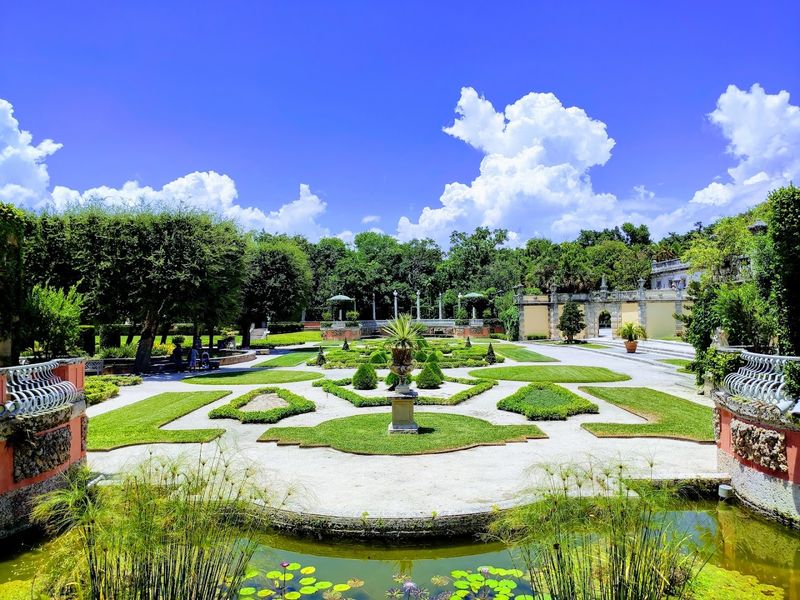
Vizcaya Museum and Gardens sits on the edge of Biscayne Bay in Miami’s Coconut Grove neighborhood, and it genuinely looks like it was airlifted from the Italian coast and set down in South Florida. Built between 1914 and 1922 as the winter estate of industrialist James Deering, the main villa contains 34 decorated rooms filled with European antiques, tapestries, and architectural elements collected from across the continent.
The scale of it is hard to process at first.
The formal gardens behind the house are a masterwork of European landscape design — symmetrical stone paths, fountains, grottos, and sculpted hedgerows that somehow thrive in the Miami humidity. The garden’s stone barge floating just offshore in the bay acts as a breakwater and looks like something from a Renaissance painting.
It’s one of Miami’s most photographed spots, and for very good reason.
What many visitors don’t realize is that Vizcaya is also a working research institution and cultural center, hosting events, exhibitions, and programming that connects the estate’s history to broader conversations about art, nature, and heritage. The guided tours go deeper than the self-guided experience and are worth the extra time investment.
The staff genuinely loves this place, and that enthusiasm is contagious.
Coming at opening time on a weekday is the move — the gardens in the early morning light, with mist still sitting on the bay and almost no other visitors present, feels like having a private estate for an hour. It’s the kind of experience that makes you feel slightly ridiculous for not knowing about it sooner.
Vizcaya is technically in one of the most visited cities in Florida, but it operates in its own quiet, extraordinary world that most tourists completely overlook in favor of South Beach.
10. Lake Santa Fe
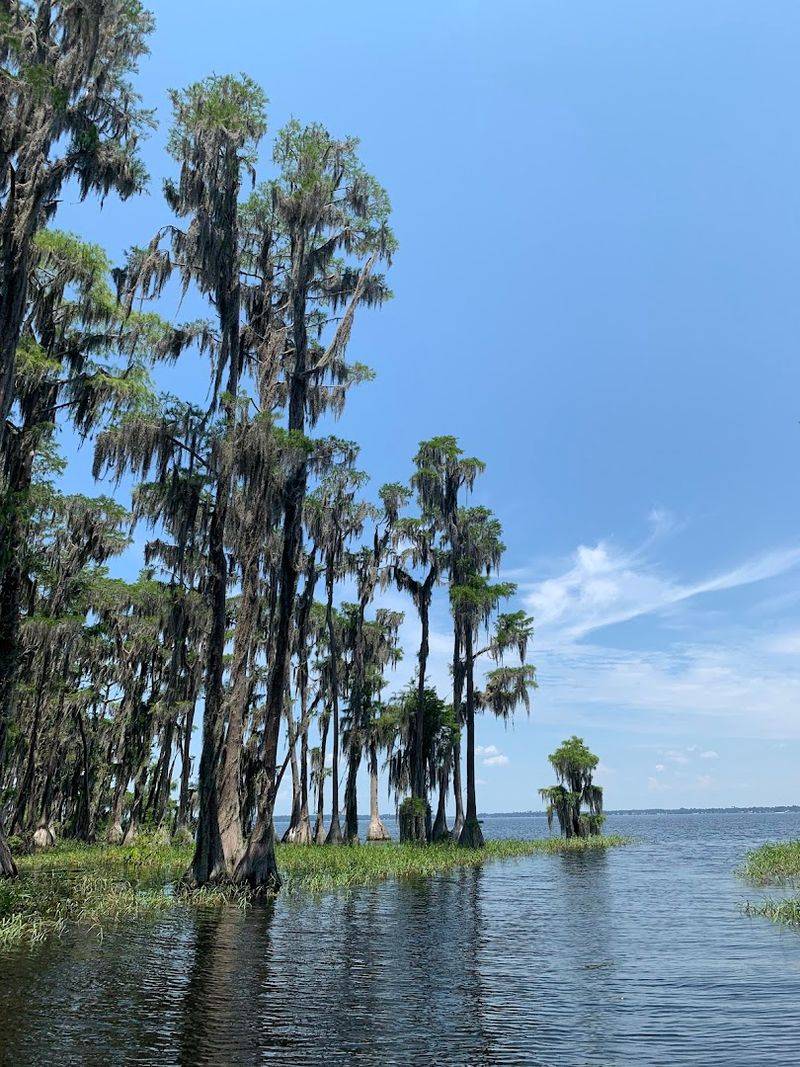
Ask someone from Gainesville or Palatka where they spend their summer weekends, and a good number of them will say Lake Santa Fe without any hesitation. This spring-fed lake in Putnam County sits in a part of Florida that most people drive through without stopping — the rural stretch between Gainesville and Palatka where the landscape gets piney and quiet and the towns are small enough that everyone waves at each other.
Lake Santa Fe is the reward for paying attention to that stretch of road.
The lake is fed by natural springs, which keeps the water clear and cool even during the hottest Florida summers. Swimming here feels completely different from swimming in a standard lake — the visibility underwater is impressive, and the temperature drop when you hit a spring vent is a full-body surprise that never gets old.
Kayaking the shoreline reveals cypress knees, turtles, and the occasional great blue heron standing motionless in the shallows.
The communities around the lake — particularly the town of Melrose — have a distinctly artistic, off-grid energy. Local galleries, small farms, and a general store atmosphere give the area a character that feels like old Florida held its ground against development.
The annual Melrose Arts Festival draws regional artists and curious visitors who appreciate something that isn’t curated for mass tourism.
Waterfront properties around Lake Santa Fe are still relatively accessible compared to coastal Florida, which is why the lake has developed a loyal community of full-time residents who left the coasts and never looked back. If you’re visiting the Gainesville area and want to see what authentic North Florida looks like — not the springs that have gone viral, just a genuinely beautiful lake that locals love — this is exactly where to go.
11. The Don CeSar
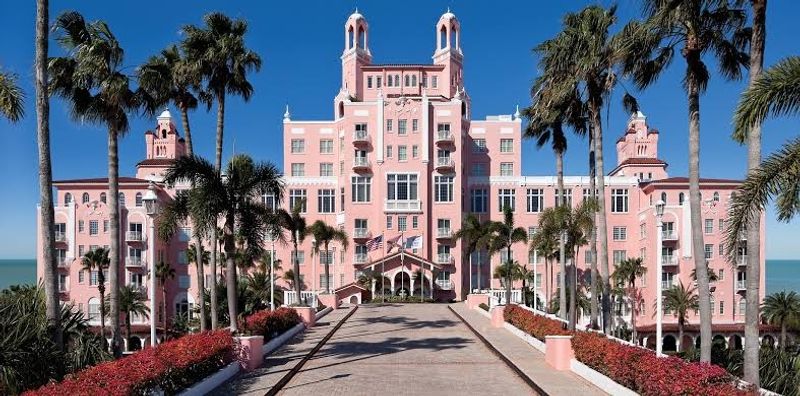
The Don CeSar doesn’t whisper — it announces itself in bright pink from a mile down Gulf Boulevard, and that confidence is completely justified. Known as the Pink Palace, this historic St. Pete Beach hotel has been a Gulf Coast landmark since 1928, drawing everyone from F.
Scott Fitzgerald to sports teams to honeymooners who want their vacation to feel like a scene from a classic film. It pulls that off without even trying too hard.
The architecture is Moorish Revival, which gives the building its distinctive turrets and arched windows that look genuinely unusual against the backdrop of the Gulf. Inside, the grand lobby has retained much of its original elegance — high ceilings, ornate details, and a sense of occasion that newer hotels spend millions trying to manufacture.
The history here isn’t decorative. It’s structural.
The beach access is exactly what you’d hope for — white sand, warm Gulf water, and the kind of view that makes you reconsider every life decision that kept you from coming here sooner. The beach bar operates with the right level of ease, and the sunset from the Don’s beachfront is among the best on the entire Gulf Coast.
That’s not hyperbole — it’s just geography working in your favor.
The hotel has been lovingly restored and updated over the decades without losing its soul, which is genuinely difficult to do with a property this old and this storied. Dining at Maritana Grille, the hotel’s signature restaurant, is a full experience on its own — the decor involves live fish tanks integrated into the walls, which sounds gimmicky until you’re actually sitting next to one and realize it’s completely magical.
The Don CeSar earns every bit of its legendary reputation, and then some.
12. Park Avenue, Winter Park
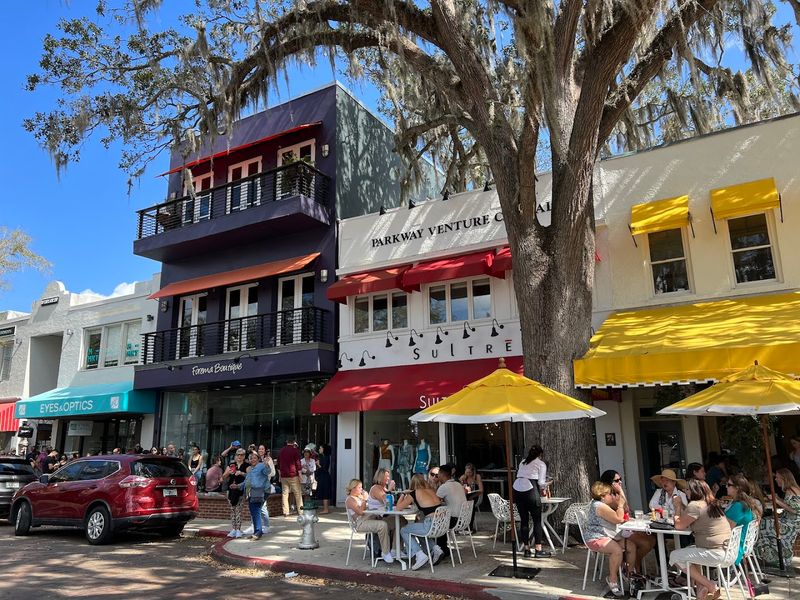
Winter Park is technically part of Greater Orlando, but it operates with an entirely different personality — slower, more European in feel, and genuinely walkable in a way that most of Central Florida simply isn’t. Park Avenue is the beating heart of that personality, a stretch of boutiques, galleries, restaurants, and cafes running alongside the town’s Central Park that feels like it was designed for the specific pleasure of wandering without a destination.
The Saturday morning farmers market on the park side of the avenue is a legitimate local institution, drawing residents from across the region for fresh produce, artisan goods, live music, and the particular joy of seeing a dog in a bandana being walked by someone who has clearly made excellent life choices. It’s the kind of morning scene that makes you want to move to a town immediately.
The Morse Museum of American Art, located just off the avenue, houses the world’s most comprehensive collection of works by Louis Comfort Tiffany, including the stunning reconstructed Tiffany chapel from the 1893 World’s Columbian Exposition. Spending an hour there recalibrates your sense of what decorative art can be.
The admission price is remarkably reasonable for what you’re looking at.
Dining on Park Avenue covers serious range — from casual lunch spots with sidewalk seating to white-tablecloth dinners that require a reservation made weeks in advance. The restaurant scene here punches well above its size, and the concentration of good food within a few walkable blocks is something even larger cities would envy.
Winter Park also hosts the annual Sidewalk Art Festival each March, which transforms the avenue into one of the country’s most prestigious outdoor art events. If you’ve been overlooking this town, now you know better.
13. Crystal River National Wildlife Refuge
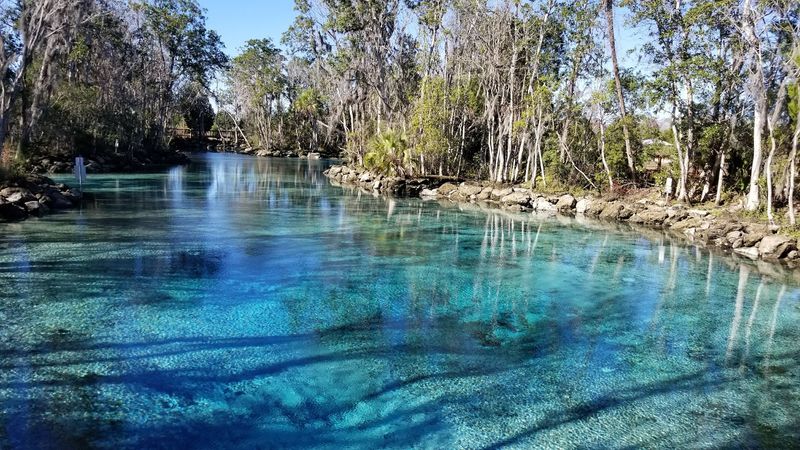
Crystal River National Wildlife Refuge exists for one primary reason — to protect the West Indian manatees that gather in Kings Bay every winter when the surrounding Gulf waters cool down. The springs here maintain a constant temperature of around 72 degrees year-round, which makes them a critical sanctuary for manatees that can become dangerously cold-stressed in open water.
The result is one of the most extraordinary wildlife encounters available anywhere in the United States.
Swimming with manatees in Crystal River is legal, which is genuinely unusual — it’s one of the very few places in Florida where passive interaction with manatees in the wild is permitted under specific guidelines. Tour operators run guided snorkel tours into the spring areas where manatees gather, and the experience of floating next to a 1,000-pound sea creature that regards you with complete, untroubled calm is something that stays with you for a long time.
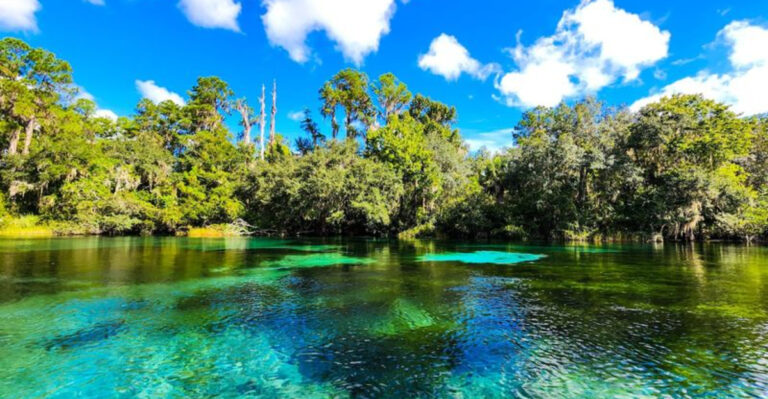
Outside of manatee season, the refuge and surrounding Three Sisters Springs area remain beautiful and worth visiting. The spring water is extraordinarily clear, the aquatic vegetation is lush, and the bird life along the surrounding creeks and marshes is excellent year-round.
Kayaking the channels around Kings Bay lets you cover a lot of ground at your own pace and often produces wildlife sightings that boat tours miss entirely.
The town of Crystal River itself has a pleasantly unhurried quality that fits the refuge’s pace perfectly. It’s not a polished tourist destination — it’s a working Florida town that happens to sit next to one of the most important manatee habitats in the world.
That combination of authenticity and natural wonder makes it more interesting, not less. Arrive early in the morning during peak season if you want the springs to yourself before the tour boats arrive.
14. Ann Norton Sculpture Gardens
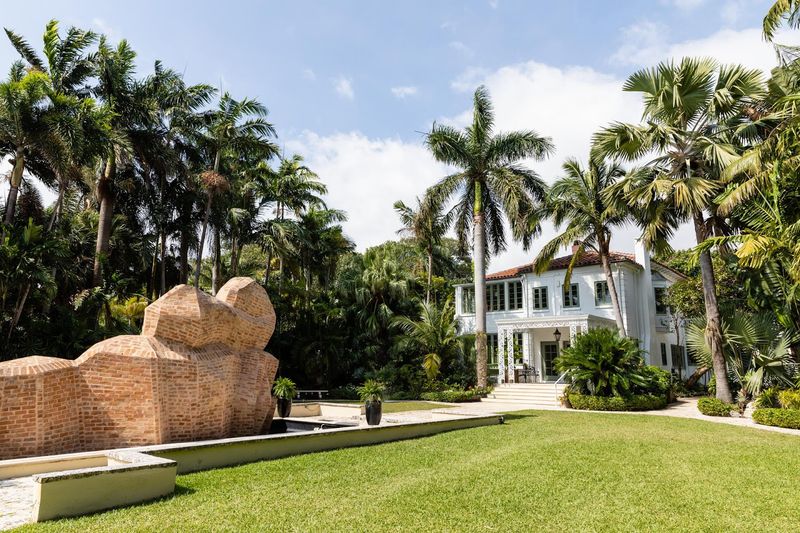
Tucked into a residential neighborhood in West Palm Beach, Ann Norton Sculpture Gardens is the kind of place that makes you stop mid-step and wonder how you’ve never heard of it. The property was the home and studio of sculptor Ann Weaver Norton, who spent decades creating massive, powerful works in brick and granite that now stand throughout the garden like a private mythology made physical.
The scale of some pieces is genuinely startling given the intimate setting.
The garden itself is a nationally recognized botanical collection, featuring rare cycads, tropical palms, and dense plantings that have grown up around the sculptures over decades in a way that feels entirely intentional. Art and nature here aren’t competing — they’ve worked out an arrangement that makes both look better.
The light filtering through the palm canopy onto the rough stone surfaces in the afternoon is something photographers lose their minds over.
Norton’s former home and studio are preserved on the property and open to visitors, offering a rare look into the working life of a serious American sculptor. The studio still feels inhabited in the best possible way — tools, materials, and the general energy of creative work seem to linger in the space.
For anyone interested in art history, this aspect of the visit carries real weight.
The gardens host events throughout the year, including evening programming that transforms the outdoor spaces under string lights and the subtropical sky into something genuinely atmospheric. Admission is very affordable, and the experience is entirely out of proportion to the price — in the best possible way.
West Palm Beach has plenty of high-profile cultural institutions, but Ann Norton Sculpture Gardens operates with a quieter confidence that rewards visitors who take the time to find it. It’s a local favorite for a reason.
15. Space Coast Bioluminescence Season
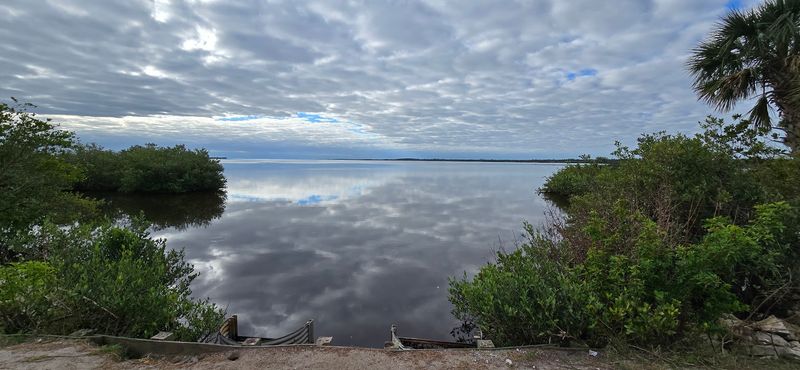
On Florida’s Space Coast, somewhere between a rocket launch and a quiet mangrove channel, the Indian River Lagoon does something extraordinary on warm summer nights — it glows. The bioluminescence here is produced by single-celled organisms called dinoflagellates that emit light when disturbed, turning every paddle stroke, every fish movement, and every hand trailed in the water into a burst of electric blue-green fire.
Seeing it for the first time feels like discovering the water is alive, because in a very real sense, it is.
The peak season typically runs from June through September, with July and August generally offering the most intense displays. Tour operators out of Titusville, Merritt Island, and the Cocoa Beach area run guided kayak and paddleboard tours after dark specifically for this experience, and booking ahead is essential because these tours fill up fast once word gets around.
The guides know the lagoon well enough to find the best concentrations on any given night.
What elevates the experience beyond novelty is the setting — paddling through a dark lagoon under a sky that sometimes includes a rocket launch from nearby Kennedy Space Center, surrounded by water that lights up with every movement, is the kind of thing that short-circuits your brain’s ability to categorize it. Is this science?
Is this magic? The answer is yes to both, and the lagoon doesn’t care which one you decide on.
Merritt Island National Wildlife Refuge surrounds much of the lagoon, adding a layer of ecological richness to the whole experience. Even on nights when the bioluminescence is less intense, the darkness and quiet of paddling through the refuge after sunset has its own appeal.
The Space Coast is famous for rockets, but the glowing water might be the most otherworldly thing it offers.
16. Flagler College
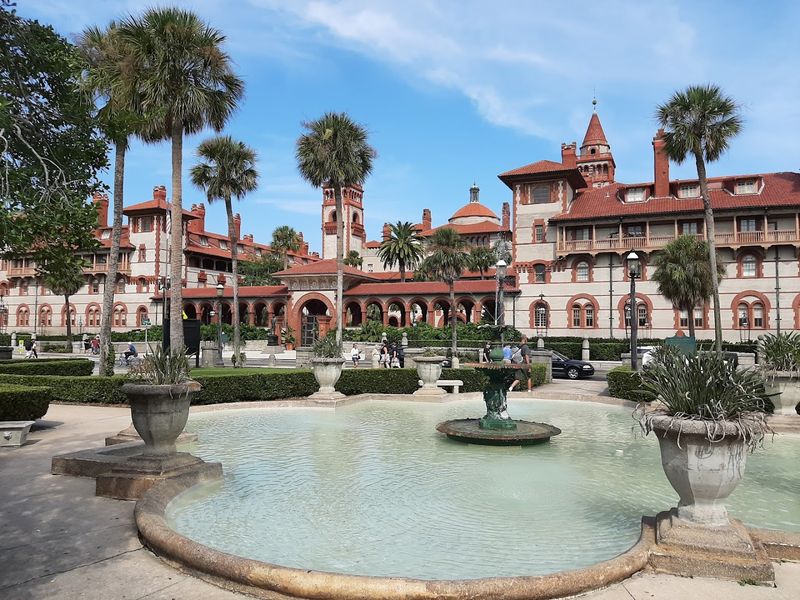
Flagler College in St. Augustine might be the most beautiful college campus in Florida that most people have never considered visiting just to look at it. The centerpiece of the campus is Ponce de Leon Hall, originally built in 1888 by railroad magnate Henry Flagler as the Hotel Ponce de Leon, and it remains one of the most extraordinary examples of Spanish Renaissance Revival architecture in the entire country.
The building didn’t just survive history — it defines it.
The interior is where things get genuinely jaw-dropping. The dining hall, which was originally the hotel’s grand dining room, features 79 original Tiffany stained-glass windows — the largest single collection of Tiffany windows in the world installed in their original location.
Seeing them lit by afternoon light is an experience that belongs on the same list as major museum visits. The detail in each panel is extraordinary.
Flagler College offers public tours of the building during certain hours, which is worth planning your St. Augustine visit around. The tour guides are typically students who know the history cold and deliver it with genuine enthusiasm.
The rotunda, the murals, and the sheer scale of the original hotel architecture all hit differently when you understand what you’re standing inside.
St. Augustine itself is already Florida’s oldest and most historically layered city, but Flagler College anchors the downtown in a way that’s hard to overstate. The surrounding streets — cobblestone, lined with 18th and 19th-century buildings, and always full of interesting people — make the whole area feel like a city that takes its own story seriously.
Coming here and skipping the campus tour because you didn’t know it existed is the most common mistake first-time visitors make. Now you know.
17. Everglades National Park
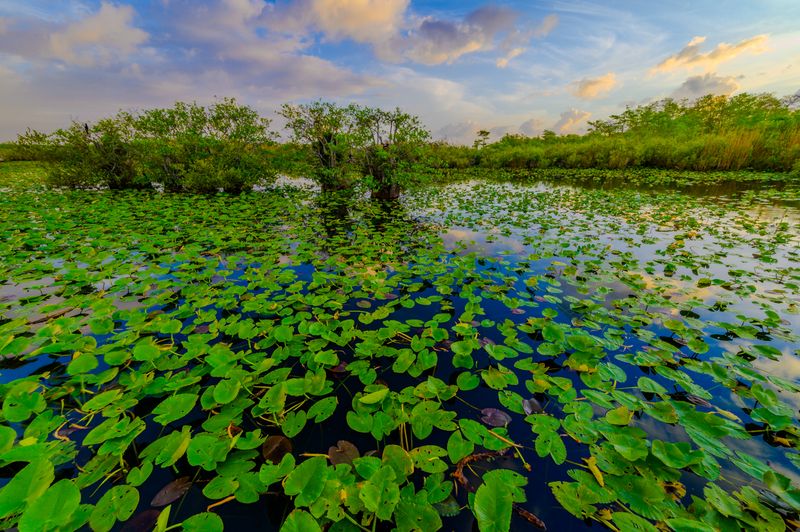
The Everglades is one of those places that suffers from being too famous in concept and too undervisited in practice. People know it exists, they respect it abstractly, and then they drive past the entrance on their way to Key West without stopping.
That is a significant miscalculation, because Everglades National Park — the largest subtropical wilderness in the United States — rewards actual presence in ways that no documentary or photograph can fully communicate.
The park operates on a scale that takes time to appreciate. The sawgrass prairies stretch to every horizon, the sky above them is enormous, and the silence on a weekday morning is the kind that makes city noise feel like something you made up.
Anhinga Trail near the Royal Palm area is one of the most wildlife-dense short walks in the entire National Park System — alligators, herons, anhingas, turtles, and fish are all visible from the boardwalk within the first five minutes.
The Flamingo area at the southern end of the park opens up into Florida Bay, where the ecosystem shifts dramatically and kayaking the backcountry waterways reveals a mangrove wilderness that has no equivalent anywhere else. Sunset from Eco Pond near Flamingo during winter bird season draws roseate spoonbills, wood storks, and dozens of other species in concentrations that feel almost theatrical.
Nature is not being subtle here.
Visiting in the dry season — roughly November through April — makes the experience more comfortable and concentrates wildlife around remaining water sources in ways that make viewing almost effortless. The Everglades isn’t a place you rush through.
It’s a place that teaches you to slow down, look carefully, and appreciate the extraordinary complexity of a landscape that looks simple until you actually pay attention. Give it a full day. Give it two.