7 Things People Wish They Knew Before Going on the Lake Apopka Wildlife Drive
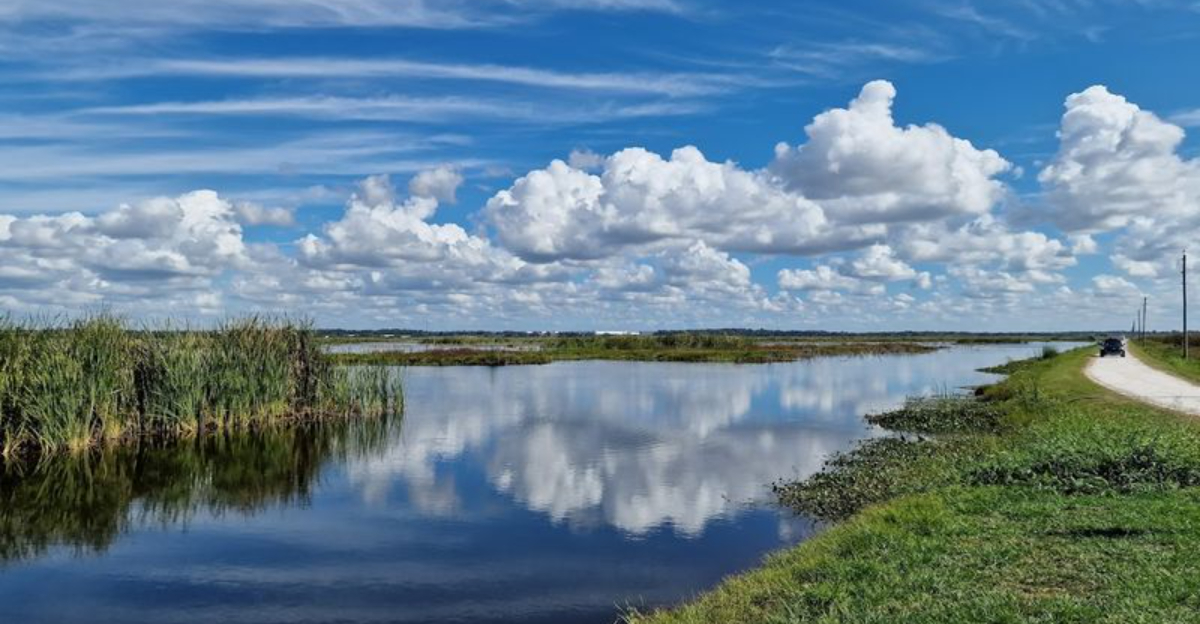
Lake Apopka Wildlife Drive is one of Central Florida’s hidden gems for nature lovers and wildlife watchers. This 11-mile loop winds through restored wetlands west of Orlando, offering close encounters with alligators, wading birds, and other native species. But before you head out with your camera and sense of adventure, there are a few things that can make or break your experience—and plenty of visitors wish they’d known them beforehand.
1. It’s a one-way drive, so there’s no turning back once you start
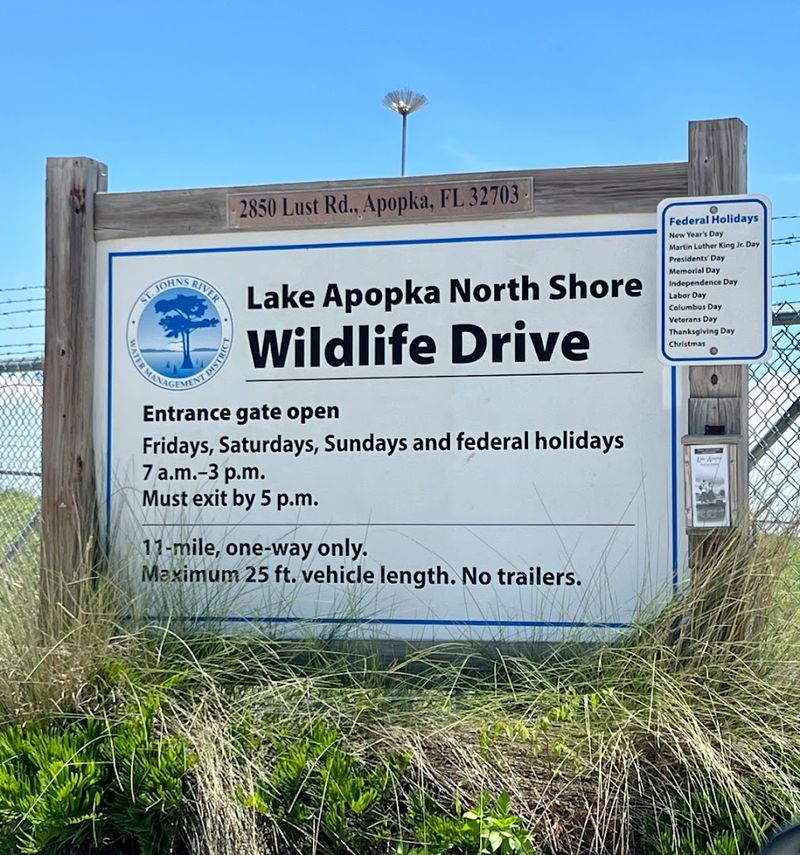
Once you pass the entrance gate, you’re locked into the full loop. There’s literally no way to turn around or exit early, so if someone suddenly remembers they need a bathroom or forgot their phone charger, tough luck. You’re in it for the long haul.
That’s why preparation is everything here. Make absolutely sure everyone in your group has hit the restroom before you enter. Pack snacks, drinks, and anything else you might need for a couple of hours outdoors.
Kids especially should be reminded that this isn’t a quick in-and-out stop.
If you’re prone to motion sickness or claustrophobia in slow-moving traffic, consider that too. The route doesn’t allow for quick escapes or detours. You’ll be moving at a crawl most of the time, surrounded by other vehicles doing the same thing.
Some people find this commitment part of the charm—it forces you to slow down and be present. Others find it stressful if they didn’t plan ahead. Either way, knowing what you’re getting into helps you enjoy the experience instead of regretting it halfway through when there’s no exit in sight.
2. The drive can take much longer than you expect
Looking at a map, you might think this drive takes 30 minutes, tops. Reality check: plan for at least two hours, sometimes more. The posted speed limit is low, and you’ll be stopping constantly—whether you planned to or not.
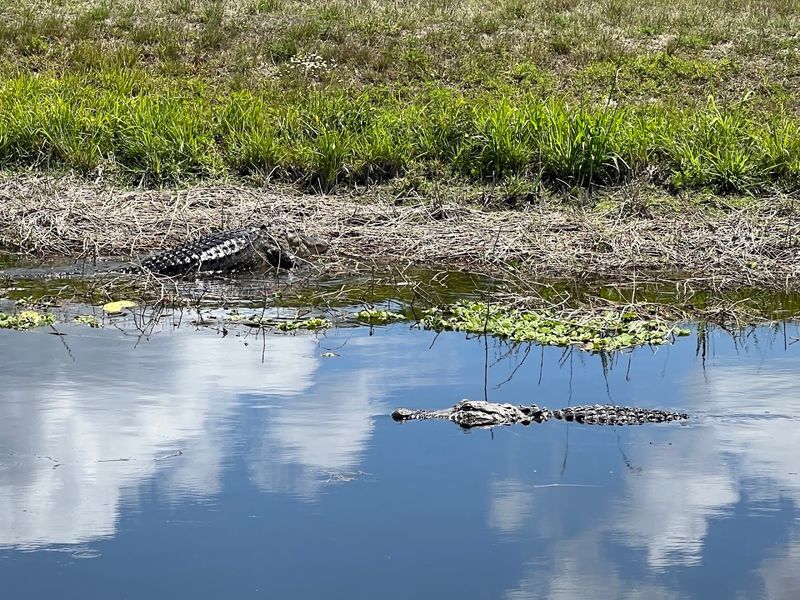
Wildlife sightings bring traffic to a near standstill. When someone spots an alligator basking near the road or a roseate spoonbill wading in the marsh, everyone slows down or stops. If you’re behind them, you’re waiting too.
It’s all part of the experience, but it can test your patience if you’re on a tight schedule.
Photography enthusiasts will stretch the trip even longer. Every bend in the road offers a new view, a different angle, a potential shot worth capturing. Before you know it, you’ve been out there for three hours and barely noticed the time passing.
Families with young kids should factor in extra time for restlessness and questions. Bring activities or distractions for little ones who might get bored between animal sightings. And if you’re visiting during peak times, add even more buffer time for crowds and slower-moving lines of vehicles ahead of you.
3. You’ll probably see more wildlife than you expect
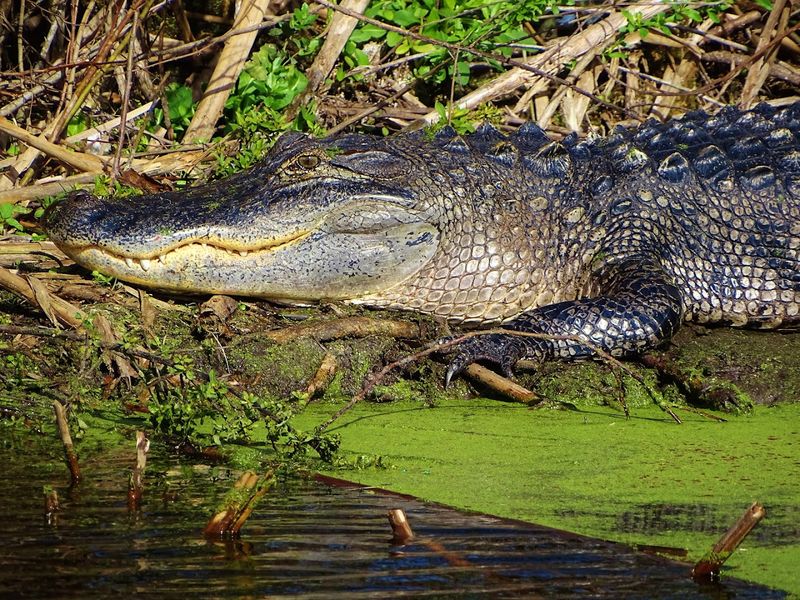
Don’t underestimate how much wildlife actually lives here. Alligators are practically guaranteed—you’ll likely see dozens lounging on banks, floating in canals, or crossing the road. Some are massive, and they’re surprisingly unfazed by passing cars.
Birds are everywhere, too. Herons, egrets, ibises, and anhingas are common sights. If you’re lucky, you might spot roseate spoonbills, bald eagles, or even a limpkin.
Turtles pile onto logs, and you might catch glimpses of river otters or wild hogs if you’re patient and observant.
The sheer volume of animals can be overwhelming in the best way possible. Keep your camera ready at all times because the most incredible moments often happen without warning. One second the road looks empty, the next you’re face-to-face with a gator bigger than your car.
Binoculars are a smart addition to your gear. Many animals hang out farther from the road, and being able to zoom in on distant birds or reptiles adds another layer to the experience. Just remember to stay in your vehicle—these are wild animals in their natural habitat, not a petting zoo.
4. There aren’t many amenities once you’re inside
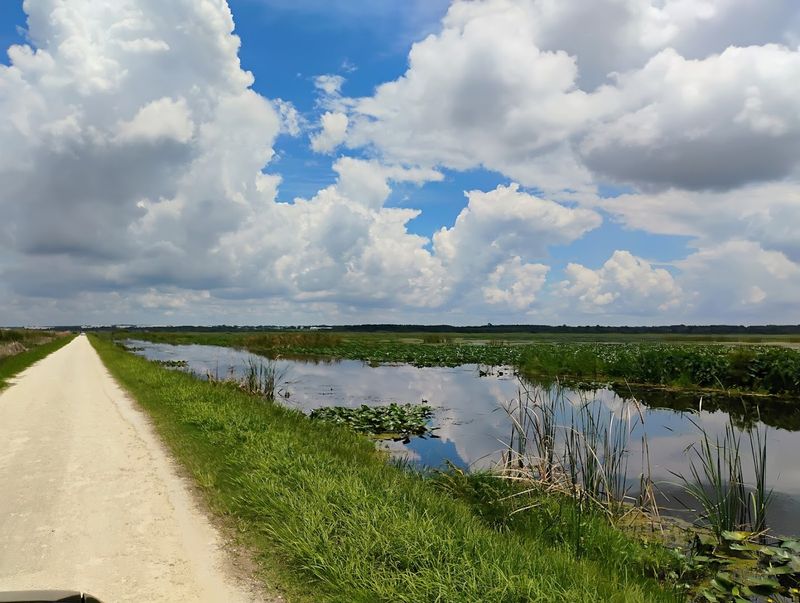
Forget about finding a restroom, snack bar, or water fountain along the route. Once you’re inside, you’re on your own until you complete the loop. There’s no convenience store, no picnic area with tables, and definitely no air-conditioned visitor center to escape to.
Bring everything you need before you start. Water is essential, especially during Florida’s hot months when temperatures can climb into the 90s. Snacks help keep energy up, particularly if you’re traveling with kids or plan to take your time exploring.
Sunscreen is non-negotiable—even inside a car, UV rays can do damage through windows.
If you have any medical needs or special considerations, plan accordingly. There’s no quick way to get help if something goes wrong. Cell service can be spotty in some areas, so don’t count on being able to call for assistance immediately.
Some visitors bring portable chairs and set them up near their parked vehicles to watch wildlife more comfortably. Others pack coolers with cold drinks and sandwiches to make a mini adventure out of the trip. The more self-sufficient you are, the more you’ll enjoy the experience without worrying about what you forgot or need.
5. The best views may require patience
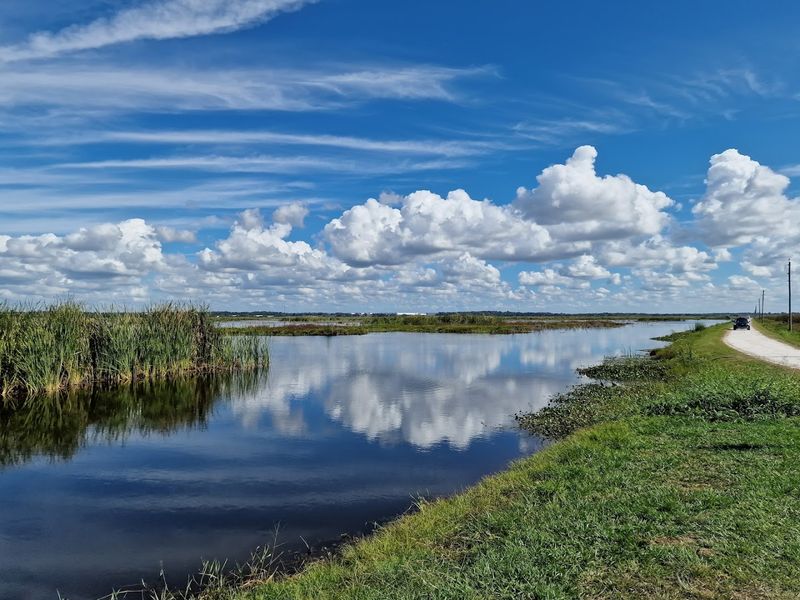
Rushing through defeats the entire purpose of this place. The magic happens when you slow down, pull over where it’s safe, and actually watch what’s happening around you. Scan the water’s edge, study the tree lines, and wait for movement in the marsh grasses.
Wildlife doesn’t perform on cue. Sometimes you’ll sit for ten minutes before spotting the heron you knew was hiding nearby. Other times, an alligator will suddenly surface right beside your car when you weren’t even looking.
The unpredictability is part of what makes it special.
Bring patience and a willingness to simply observe. Turn off the engine when you stop, roll down the windows, and listen. You’ll hear birds calling, water lapping, and insects buzzing—sounds that disappear when you’re focused on rushing to the next spot.
Photographers especially benefit from taking their time. The light changes throughout the day, and waiting for the right moment can mean the difference between a snapshot and a stunning image. Early morning and late afternoon offer the best lighting and often the most active wildlife, so timing your visit strategically pays off in both views and photo opportunities.
6. It can get hot, buggy, and dusty
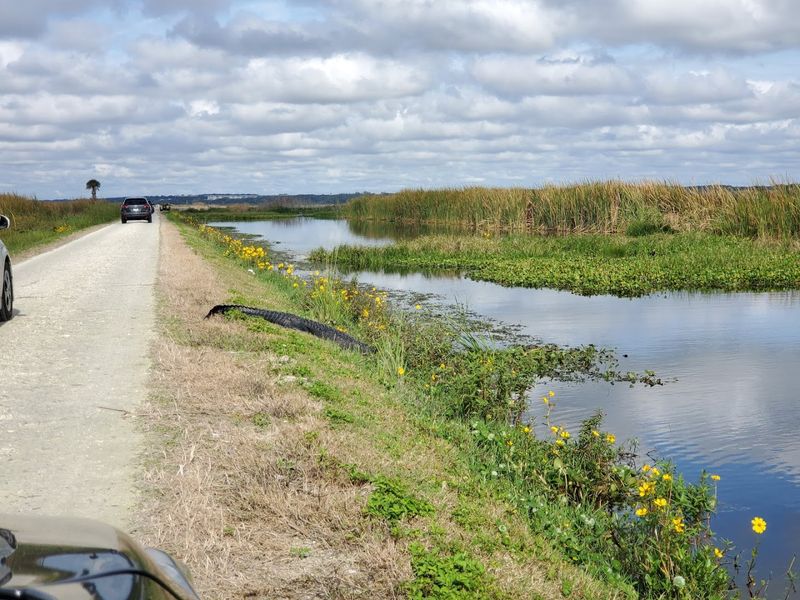
Florida weather doesn’t mess around, and Lake Apopka Wildlife Drive offers little protection from the elements. Summer months bring intense heat, high humidity, and swarms of mosquitoes that seem to appear out of nowhere. Even with your windows up, the sun beating down on your vehicle can make things uncomfortable fast.
Bug spray is your best friend here. Apply it before you arrive, and keep it handy for reapplication. Mosquitoes and biting flies are most active during dawn and dusk, which unfortunately are also prime wildlife viewing times.
Long sleeves and pants can help, though they might feel miserable in the heat.
Dust is another factor people don’t always anticipate. The unpaved road kicks up fine dirt that coats everything—your car, your clothes, and anything you leave exposed. If you have respiratory sensitivities or allergies, consider keeping windows up and using your vehicle’s air filtration system.
Sunglasses and a hat make the experience more bearable, especially if you plan to get out of your car at designated spots. Sunscreen should be reapplied regularly, even if you think you’re mostly staying inside your vehicle. The combination of heat, bugs, and dust isn’t glamorous, but proper preparation keeps it from ruining an otherwise incredible day.
7. Weekends and peak times can get busy
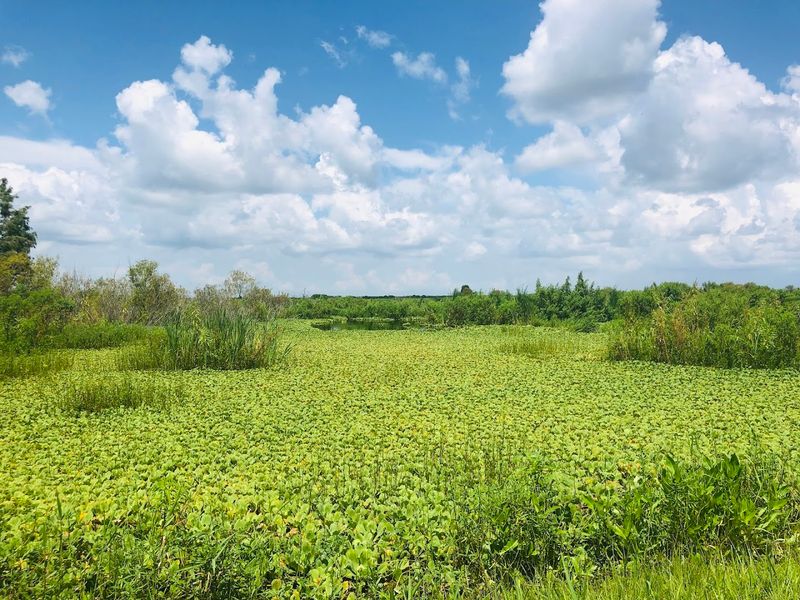
Word has gotten out about this place, and it shows on weekends and holidays. What should be a peaceful nature drive can turn into a slow-moving parade of vehicles, especially during cooler months when everyone wants to be outside. The single-lane format means one slow driver affects everyone behind them.
Arriving early helps you beat the crowds. Getting there right when the drive opens gives you a better chance at having stretches of road mostly to yourself. Wildlife tends to be more active in the early morning anyway, so you’re improving your chances of great sightings while avoiding the rush.
Weekdays are generally quieter if your schedule allows. Midweek visits offer a more relaxed pace and fewer interruptions from other visitors stopping suddenly or blocking views. You’ll still see plenty of people, but the experience feels less like a traffic jam and more like the peaceful nature escape it’s meant to be.
If you do visit during busy times, adjust your expectations and embrace the slower pace. Use the waiting time to chat with fellow visitors, share wildlife sightings, and enjoy the communal aspect of the experience. Sometimes the best moments come from conversations with other nature enthusiasts who are just as excited about that alligator as you are.