8 Eerily Beautiful Ruins In Florida That Feel Frozen In Time
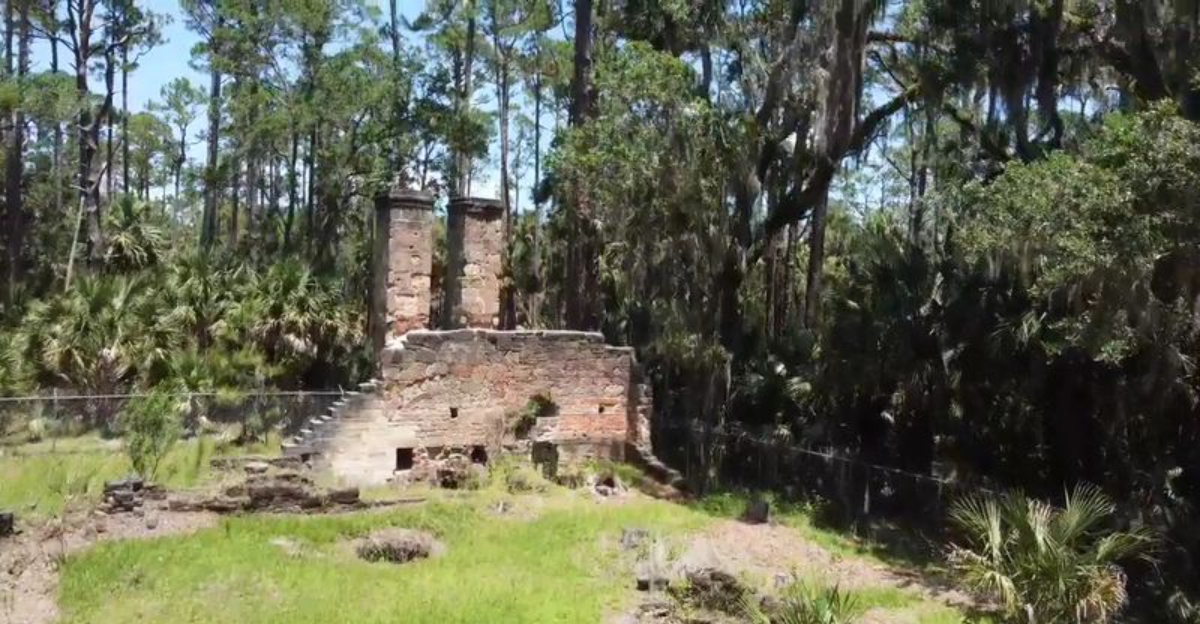
Florida isn’t just beaches and theme parks. Hidden across the state are crumbling structures that tell stories of sugar plantations, military outposts, and Spanish colonization. These ruins sit quietly in forests and on isolated islands, slowly being reclaimed by nature while preserving fragments of Florida’s complex past.
Whether you’re a history buff or just love exploring forgotten places, these eight sites offer a haunting glimpse into centuries gone by.
1. Bulow Plantation Ruins Historic State Park (Flagler Beach)
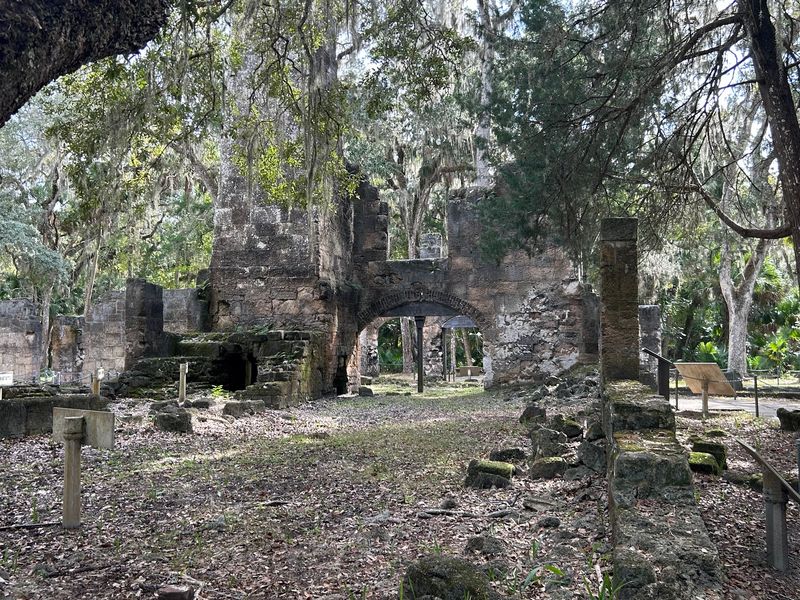
Walking through these remains feels like stepping onto a movie set. The coquina walls stand taller than most people, their rough stone surfaces weathered by nearly two centuries of Florida sun and storms. Twisted oak branches overhead create a natural canopy, and Spanish moss hangs so thick it filters the light into something soft and greenish.
This plantation met a violent end during the Second Seminole War in 1836. Seminole warriors burned it to the ground, leaving only the stone structures we see today. What remains includes parts of the main house foundation, slave cabins, and the impressive sugar mill ruins that once processed cane into profitable sweetener.
A short trail loops through the property, letting you get up close to the stonework. You can still see the arches where machinery once sat and the channels that carried cane juice. The park sits quiet most days, with only bird calls and rustling palms breaking the silence.
It’s one of the best-preserved plantation sites in Florida, and historians consider it essential for understanding the state’s agricultural past. The juxtaposition of beautiful natural surroundings and the brutal history they contain makes this place unforgettable. Bring water and bug spray if you visit during warmer months.
2. Yulee Sugar Mill Ruins Historic State Park (Homosassa)
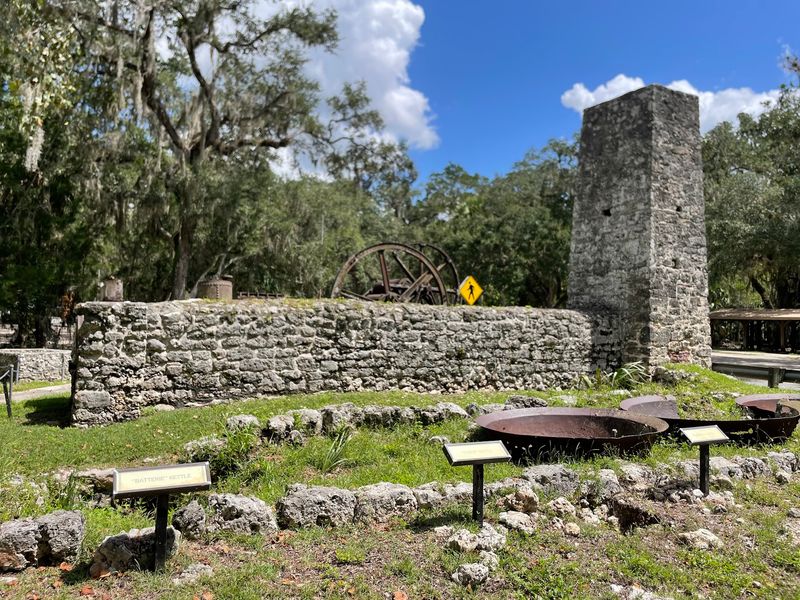
A 40-foot limestone chimney rises from the ground like a monument to Florida’s antebellum economy. It’s the centerpiece of this compact state park, and honestly, it’s hard to believe something built in the 1850s still stands so intact. The surrounding ironwork and stone foundations look almost exactly as they did when operations ceased during the Civil War.
David Levy Yulee, Florida’s first U.S. Senator, built this mill on his 5,100-acre plantation. He was one of the wealthiest men in the state, and this sugar operation was a huge part of that fortune.
When Union forces approached during the war, the mill was abandoned and never restarted.
What makes this site special is how little has changed. The machinery mounts are still visible, and you can trace the flow of production from crushing to boiling just by walking the grounds. Interpretive signs explain each step of the sugar-making process, which was backbreaking work performed mostly by enslaved people.
The park is free to enter and takes maybe 20 minutes to explore fully, but the visual impact lasts much longer. Photographers love the way vines creep up the chimney and how afternoon light hits the old stones. It’s small but genuinely striking, especially if you catch it on a misty morning.
3. Sugar Mill Ruins (New Smyrna Beach)
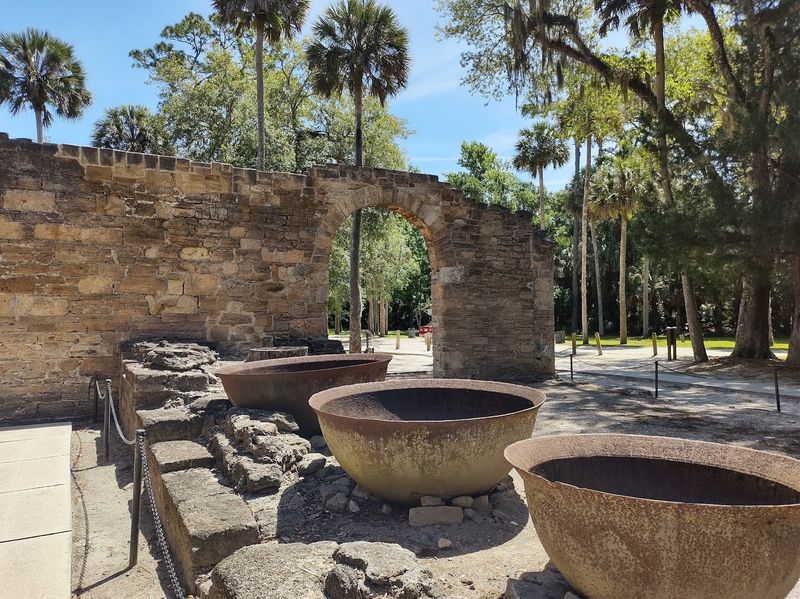
These arches are probably the most photogenic ruins in Florida. Built from coquina in the early 1800s, they rise from a 17-acre wooded site that feels miles from civilization even though downtown New Smyrna Beach is just minutes away. The stone has aged into shades of cream and rust, and the way the arches frame the sky behind them is genuinely eerie.
This mill was part of the Cruger-dePeyster plantation, one of many sugar operations that thrived briefly before the Seminole Wars destroyed them. Unlike some ruins that crumble quietly, these structures seem frozen mid-collapse, as if they might either fall or stand forever. Nature has woven itself into every crack, with roots threading through mortar and ferns sprouting from ledges.
A trail system winds through the property, passing interpretive markers that explain what each section was used for. You’ll see the old boiling house, the crushing area, and remnants of the chimney stack. The site is managed by the city and open to the public during daylight hours.
If you’re into history or photography, this place delivers. The combination of architectural drama and natural overgrowth creates exactly the “frozen in time” feeling the title promises. Go during golden hour for the best light, and don’t be surprised if you have the place mostly to yourself.
4. Dunlawton Sugar Mill Gardens (Port Orange)
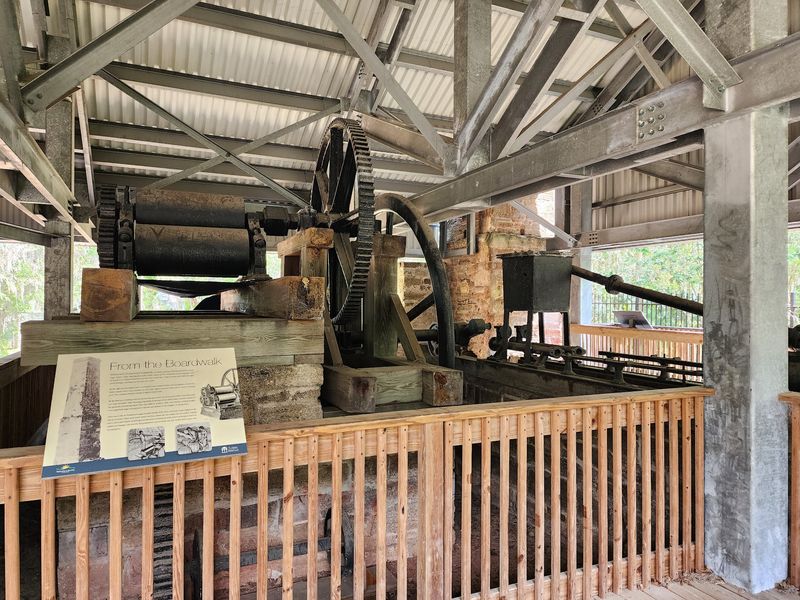
Picture this: crumbling plantation walls wrapped in greenery so thick you can barely tell where the ruins end and the garden begins. That’s Dunlawton in a nutshell. The old sugar mill sits at the heart of a botanical garden that includes native palms, towering magnolias, camellias, azaleas, and ferns that carpet the ground like a living quilt.
Built in the 1830s by Scottish merchant John Dunlawton, the mill processed sugar cane until the Second Seminole War forced its closure. What’s left are stone walls, foundation outlines, and enough structural bones to imagine what once stood here. The gardens were added much later, transforming the ruins into something both historical and horticultural.
Pathways loop through the three-acre property, taking you past labeled plantings and right up to the old mill structures. It’s a popular spot for weddings and photography sessions because the contrast between decay and bloom is so visually rich. Birds love it here too, so bring binoculars if you’re into that.
The site is free and open year-round, though spring brings the most dramatic flowering. You can easily spend an hour wandering and still find new angles or hidden nooks. It’s proof that ruins don’t have to sit lonely and forgotten; sometimes they make the perfect framework for new life to flourish around them.
5. Dummett Sugar Mill Ruins (Ormond Beach)
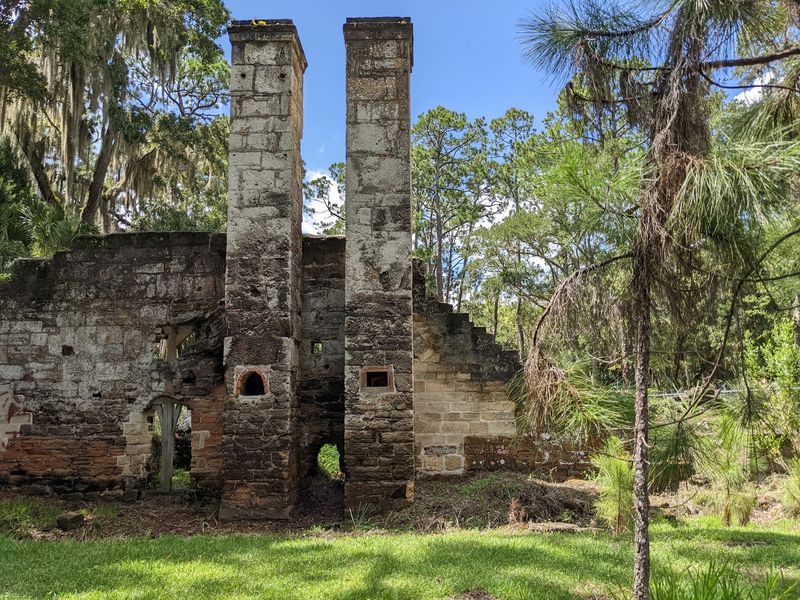
Tucked along Old Dixie Highway, these ruins don’t announce themselves. You could drive past without noticing if you weren’t looking, but once you stop, you realize you’re standing at what Volusia County historians believe was Florida’s first steam-powered sugar mill. That’s a pretty big deal in terms of industrial history, even if the site itself is modest.
The Dummett family operated this plantation in the early 1800s, experimenting with new technology to increase sugar production. Steam power was cutting-edge at the time, replacing older animal- and water-driven mills. The operation was short-lived, though, ending when Seminole forces swept through the area during the wars that devastated so many plantations.
What remains are stone foundations, partial walls, and enough context clues for archaeologists to piece together how the mill functioned. It’s not as visually dramatic as some other sites on this list, but the historical significance adds weight. The surrounding Bulow Creek area is beautiful too, with old-growth trees and quiet trails that make the visit feel like a secret discovery.
Access can be tricky depending on the season, so check ahead if you’re planning a trip. The site doesn’t have formal hours or facilities, which actually adds to its off-the-beaten-path charm. Bring your curiosity and a sense of adventure; this one rewards those who seek it out.
6. Old Fort Park Archaeological Site (New Smyrna Beach)
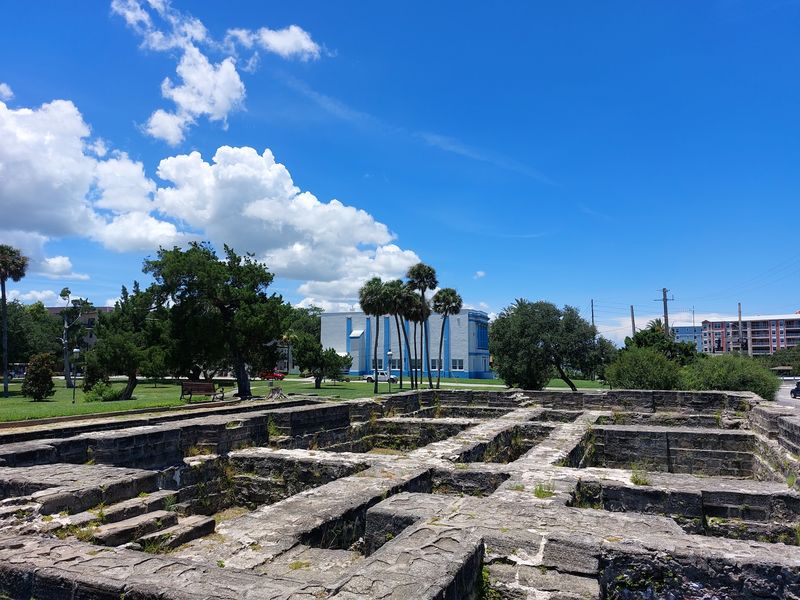
Right in the middle of downtown New Smyrna Beach sits a puzzle. These coquina foundations form a maze-like pattern that archaeologists and historians have debated for years. Despite the name “Old Fort Park,” nobody’s entirely sure what this structure originally was.
Some think it was a fort, others suggest a warehouse or even a residential compound from the early Spanish or British colonial periods.
That mystery is part of what makes the site so intriguing. You can walk among the low stone walls, tracing their angles and trying to imagine what stood here 250 or more years ago. The coquina has the same weathered beauty you see at other historic sites, but the uncertain purpose gives these ruins an extra layer of fascination.
The park is small and easy to visit, with interpretive signs offering theories but no definitive answers. Locals have grown up with these ruins as part of their landscape, and visitors often stumble upon them while exploring downtown. It’s free, always open, and takes maybe 15 minutes to walk through unless you linger to ponder the historical questions.
For anyone who loves a good mystery mixed with their history, this spot delivers. The fact that we still don’t fully understand what happened here makes it feel more alive somehow, like the past is still keeping secrets. It’s a reminder that not all history comes with neat explanations.
7. Fort Dade Ruins at Egmont Key State Park (Egmont Key)
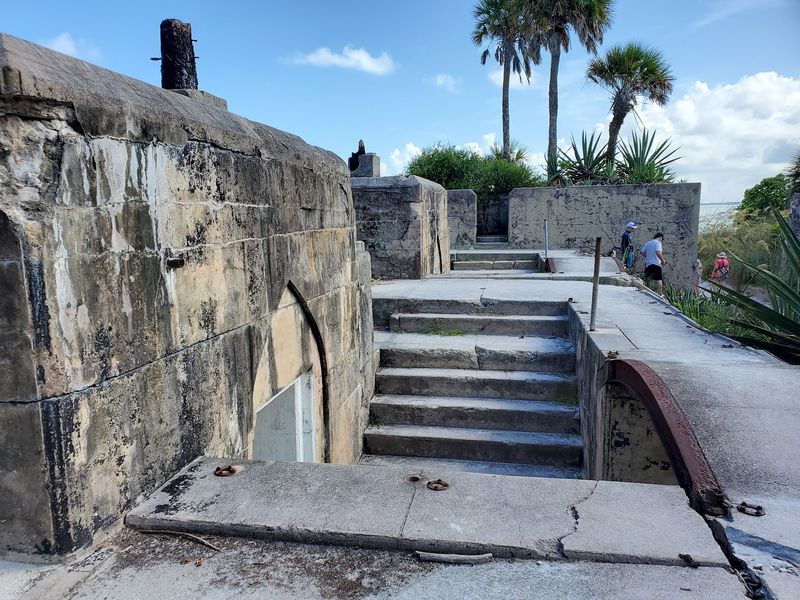
You can only reach Egmont Key by boat or ferry, which immediately sets it apart. The island sits at the mouth of Tampa Bay, a strategic spot that’s been militarily important for over a century. Fort Dade was built in the 1890s and used through World War II, after which it was simply abandoned to the elements and the wildlife that now call the island home.
Crumbling brick buildings dot the landscape, connected by old roads that are slowly being swallowed by sand and vegetation. You can walk through the ruins of barracks, batteries, and support structures, all slowly melting back into the island. The brick walls are tagged with graffiti in some spots, adding a layer of modern abandonment to the historical decay.
Gopher tortoises wander the grounds like they own the place, because they basically do. The island is a state park and wildlife refuge, so nature gets priority here. That means the ruins stay exactly as they are, no restoration or preservation beyond basic stabilization.
It’s nature reclaiming what humans left behind, in real time.
The ferry ride takes about 30 minutes from Fort De Soto, and you’ll want to bring water, snacks, and sun protection since facilities are minimal. The combination of military history, island isolation, and visible decay makes this one of Florida’s most atmospheric ruin sites. It truly feels frozen between eras.
8. San Marcos de Apalache Historic State Park (St. Marks)
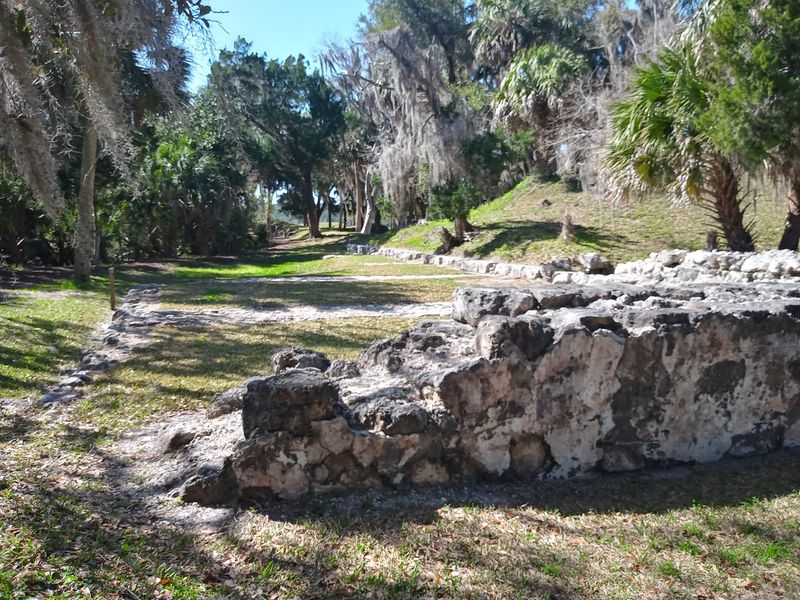
Four different flags have flown over this spot: Spanish, British, American, and Confederate. That’s a lot of history compressed into one small piece of ground where the Wakulla and St. Marks rivers meet. The current ruins represent layers of occupation spanning more than 300 years, with each era leaving its mark on the landscape.
Spanish explorers built the first fort here in 1679 to protect their mission system and control the river access. The British took over in the 1760s, rebuilt portions, then handed it back to Spain. Americans captured it in 1821 when Florida became a U.S. territory, and Confederate forces used it briefly during the Civil War before Union troops seized it for good.
What you see today are earthworks, foundation outlines, and archaeological features that represent all those periods. A museum on-site helps untangle the complex timeline with artifacts and exhibits. Walking the grounds, you can almost feel the weight of all that overlapping history pressing down on one location.
The park sits quiet most days, with fishing boats occasionally passing on the river and birds working the shoreline. It’s not dramatic in the way a towering chimney or stone arches are, but the historical density is remarkable. This place has witnessed more chapters of Florida’s story than almost anywhere else, and the ruins that remain are physical proof of that long, complicated narrative.