8 Incredible Small Towns In Florida Where Nature Practically Knocks On Your Door
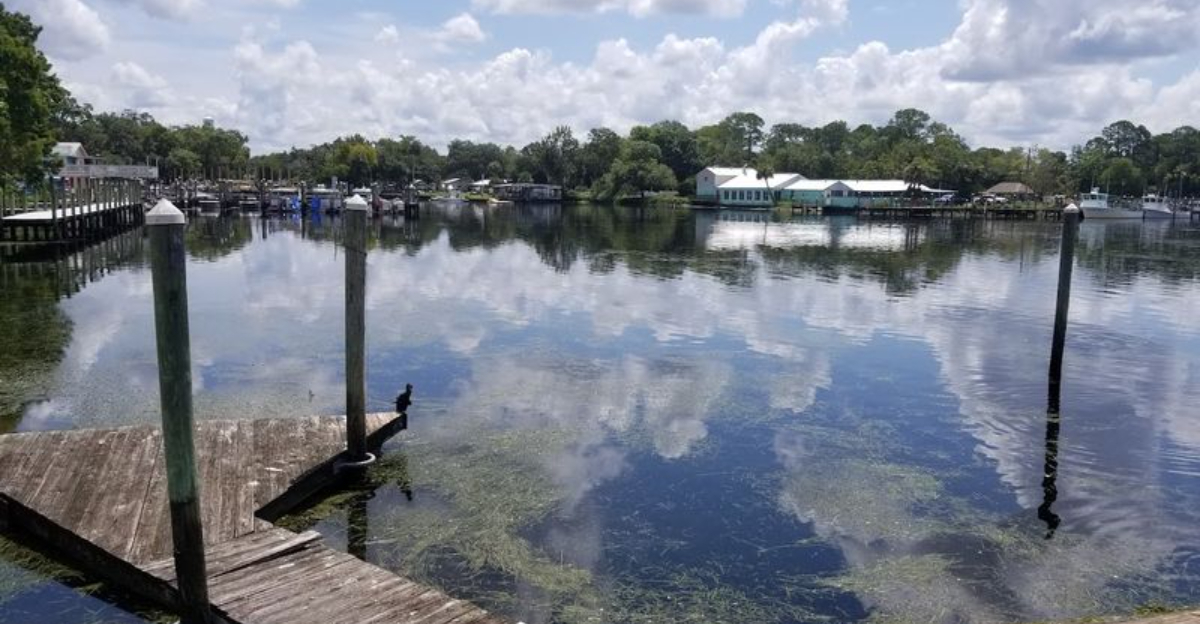
Florida’s small towns offer something most cities can’t match: the chance to wake up with nature right outside your window. These eight communities sit at the doorstep of some of the state’s most stunning natural areas, from crystal-clear springs to wildlife-packed islands. Whether you’re looking for manatee encounters, pristine beaches, or trails through ancient forests, these towns make it ridiculously easy to trade your couch for an outdoor adventure without driving for hours.
1. Crystal River (Citrus County)
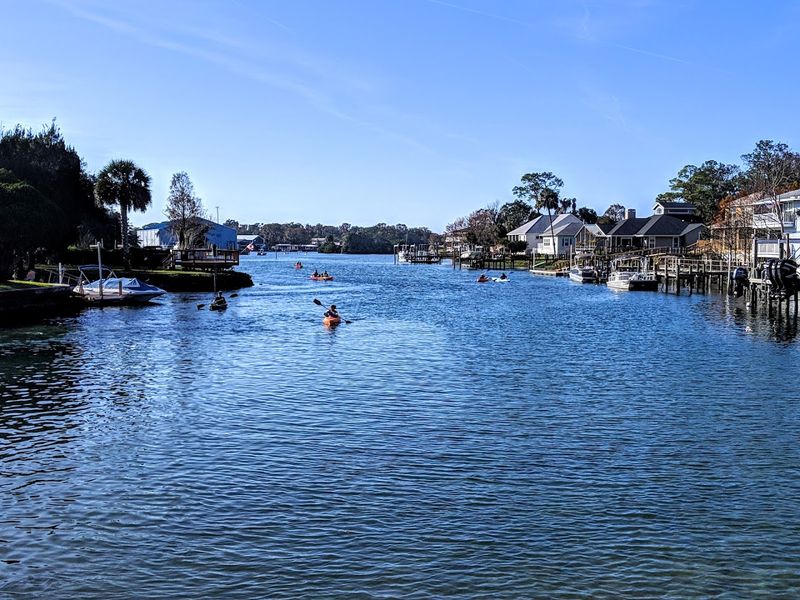
Crystal River isn’t just close to nature—it practically lives inside it. With more than 27,500 acres of protected land at Crystal River Preserve State Park, you’ve got scrub, pinewoods, hardwood forests, salt marshes, and mangrove islands all within a short drive from downtown. The variety means you can hike through shaded trails in the morning and paddle through coastal waters by afternoon.
Water lovers find their happy place here fast. Kayaking and paddleboarding are huge, especially when you can glide over crystal-clear springs where visibility goes on forever. Bird-watchers bring binoculars because the mix of habitats attracts an impressive lineup of species year-round.
What really sets Crystal River apart is how accessible everything feels. You don’t need to be an expert outdoors person to enjoy what’s here. Trails range from easy to moderate, and most waterways are calm enough for beginners.
The town itself keeps a low-key vibe, with locally owned shops and restaurants that feel genuinely welcoming.
Manatees are the unofficial mascots, and winter brings hundreds of them to the warm spring waters. Snorkeling with these gentle giants is a bucket-list experience that happens right here, making Crystal River one of the few places in the world where you can legally swim alongside them in their natural habitat.
2. Cedar Key (Levy County)
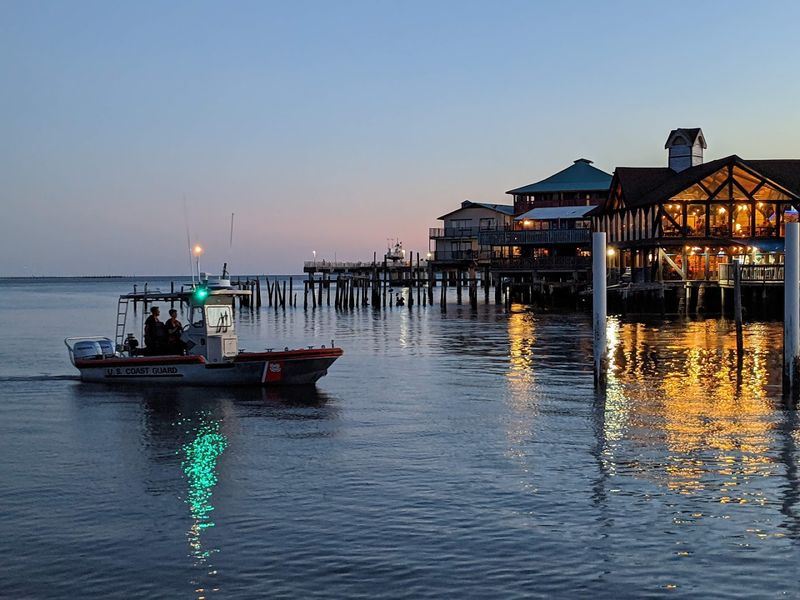
Cedar Key feels like Florida before theme parks and high-rises took over. This Gulf Coast gem sits at what feels like the end of the road, and that’s exactly its charm. The pace slows down here, and nature takes center stage in a way that feels effortless rather than forced.
Just offshore, Cedar Keys National Wildlife Refuge protects 13 islands that serve as critical habitat for nesting birds and other wildlife. These islands aren’t developed or overrun with tourists—they’re raw, natural, and perfect for anyone who wants to experience Florida’s coastal ecosystems without crowds. Fishing is exceptional here, with redfish, trout, and snook drawing anglers from across the state.
Wildlife watching reaches another level when you’ve got protected islands as your backdrop. Photographers pack their gear for shots of ospreys, herons, egrets, and pelicans doing their thing in undisturbed environments. Kayaking around the refuge gives you front-row seats to marine life, from dolphins to stingrays gliding through shallow waters.
The town itself keeps things refreshingly simple. Seafood restaurants serve what was caught that morning, art galleries showcase local talent, and the main street invites leisurely strolls rather than rushed shopping. Cedar Key proves that sometimes the best vacation spots are the ones that haven’t changed much in decades.
3. Micanopy (Alachua County)
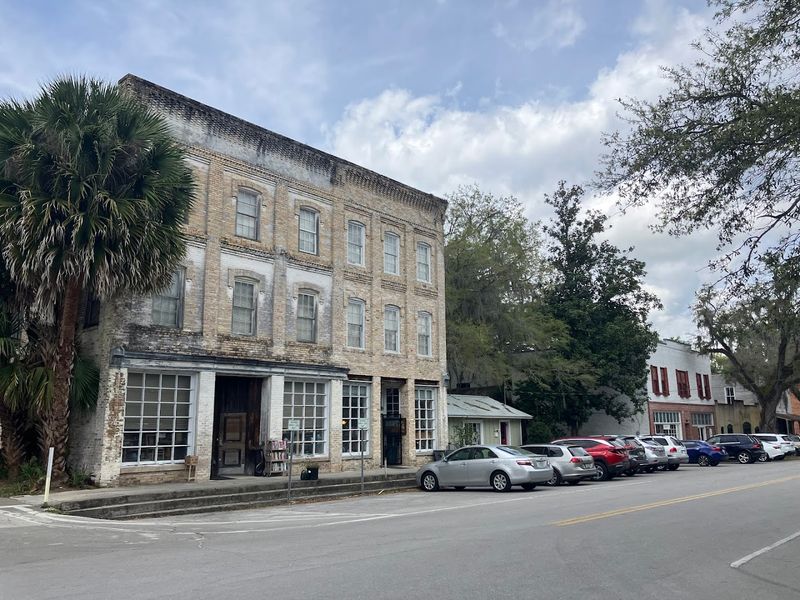
Micanopy wears its old-Florida personality proudly. Brick streets, antique shops, and oak trees dripping with Spanish moss create a storybook setting that feels frozen in time. But the real draw for nature lovers sits just outside town at Paynes Prairie Preserve State Park, where Florida’s wild side runs free—literally.
Wild horses and bison roam the prairie, creating scenes that seem impossible for modern Florida. Watching a herd of bison graze across open grassland feels more like Wyoming than the Sunshine State, yet here they are, thriving in one of Florida’s most unique ecosystems. Nearly 300 bird species have been recorded here, making it a paradise for anyone with binoculars and patience.
Eight trails wind through different sections of the preserve, from short boardwalk strolls to longer treks through pine flatwoods and wetlands. The 50-foot observation tower offers sweeping views across the prairie, especially stunning at sunrise when mist hangs low and wildlife becomes most active. You can spot alligators, deer, sandhill cranes, and countless other species from this single vantage point.
Micanopy’s small size means you can explore the entire downtown in an hour, then spend the rest of your day immersed in wilderness. It’s a perfect combination for people who want cultural charm and natural beauty without having to choose between them.
4. Dunedin (Pinellas County)
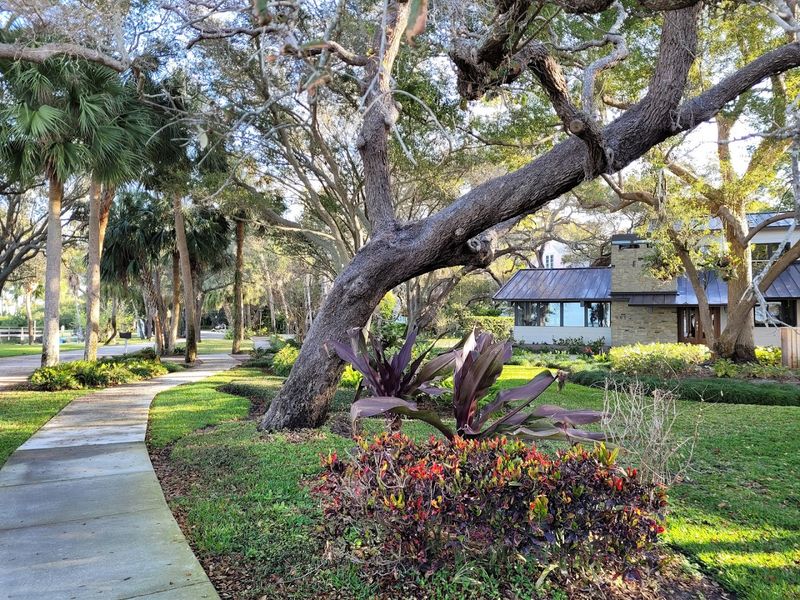
Dunedin manages to feel like a walkable small town while sitting just minutes from some of Florida’s most beautiful barrier-island scenery. The downtown area buzzes with locally owned breweries, restaurants, and shops, but the real magic happens when you head west toward Honeymoon Island State Park.
Only about two miles offshore, Honeymoon Island delivers more than four miles of beach that rarely feels crowded, even during peak season. The sand is soft, the water is clear, and the vibe stays relaxed. But the beach is just part of the story—a three-mile trail winds through one of Florida’s last remaining virgin slash pine forests, offering shade and wildlife sightings that most beach destinations can’t match.
Birding on the island is exceptional, with ospreys nesting in tall pines and shorebirds working the tide line. The trail takes you through different ecosystems, from coastal scrub to tidal flats, with interpretive signs explaining what makes this environment so special. You might spot gopher tortoises, armadillos, or even a bobcat if you’re lucky and quiet.
Back in town, Dunedin’s Pinellas Trail offers car-free biking and walking routes that connect to other communities, making it easy to explore without dealing with traffic. The combination of small-town character and easy access to pristine natural areas makes Dunedin a rare find on Florida’s crowded Gulf Coast.
5. Fort White (Columbia County)
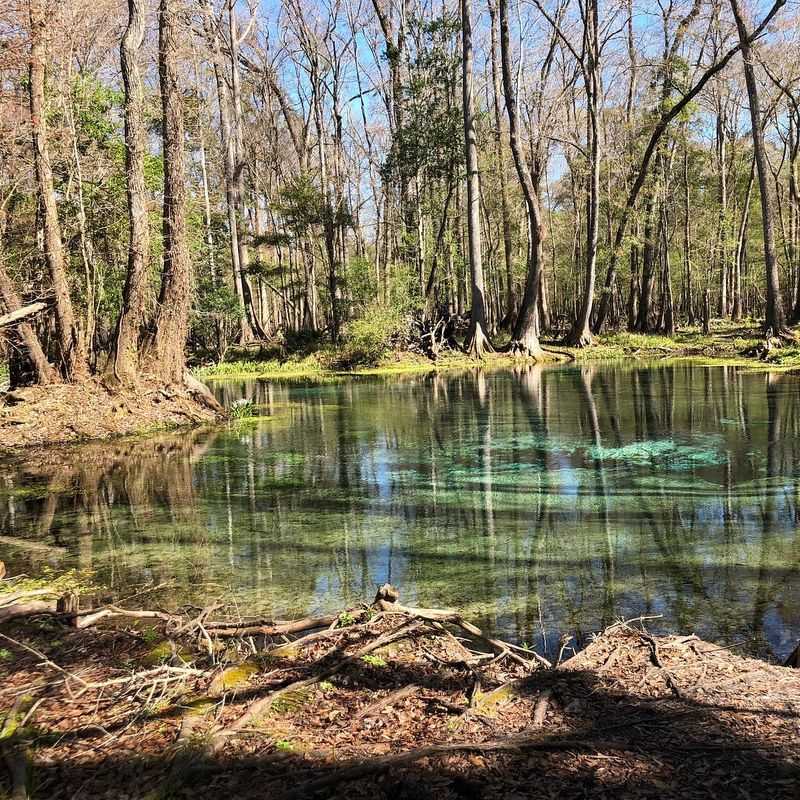
Fort White built its reputation on one thing: being the gateway to some of Florida’s most stunning spring-fed waters. Ichetucknee Springs State Park sits nearby, and once you’ve floated its crystal-clear waters, you’ll understand why people return year after year.
Eight major springs feed the six-mile Ichetucknee River, pumping out millions of gallons of 72-degree water daily. That constant temperature makes it perfect for tubing, paddling, or swimming no matter how hot Florida gets. The water clarity is almost unreal—you can see every fish, every plant, and every grain of sand on the bottom even in deeper sections.
Tubing the river is the signature experience, with rental operations making it easy to spend a few hours drifting downstream. The current does most of the work while you float past cypress trees, limestone outcroppings, and banks thick with ferns and wildflowers. Wildlife viewing happens naturally when you’re moving slowly and quietly through their habitat.
Turtles sun themselves on logs, herons fish in shallow areas, and otters occasionally make surprise appearances.
The park also offers hiking trails and picnic areas for visitors who prefer to stay on land. But honestly, the water is why people come to Fort White. It’s Florida at its dreamiest—cool, clear, and surrounded by nature that feels untouched despite being easily accessible from town.
6. Sebastian (Indian River County)
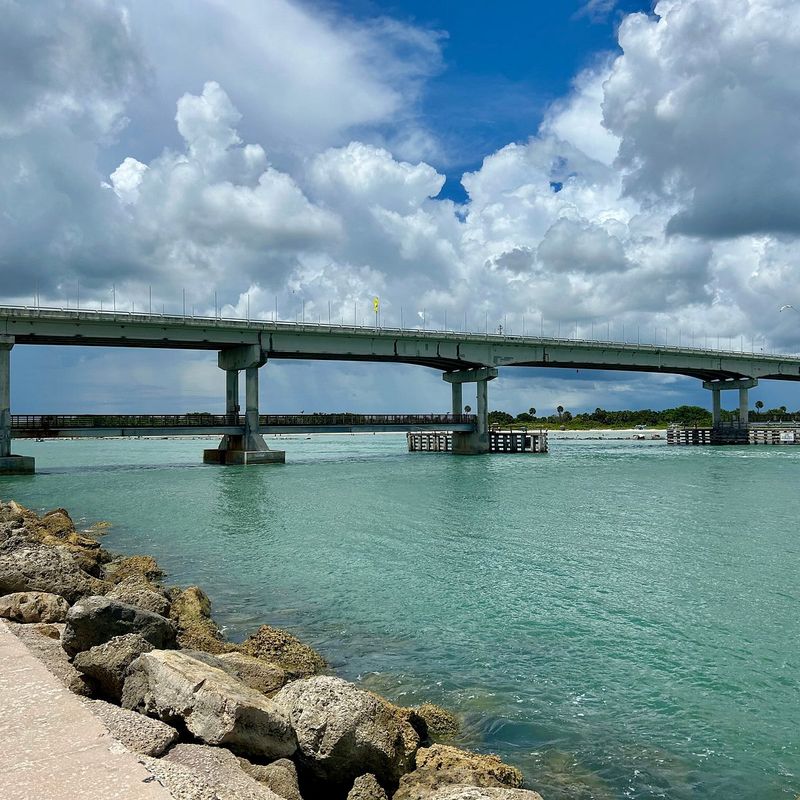
Sebastian keeps a laid-back coastal personality while sitting next to a piece of conservation history. Pelican Island National Wildlife Refuge, located just offshore, holds the distinction of being America’s first national wildlife refuge, established in 1903 to protect nesting brown pelicans from plume hunters.
More than 5,400 acres of waters and lands around the Indian River Lagoon fall under the refuge’s protection today. The lagoon itself is one of North America’s most biodiverse estuaries, supporting over 4,300 species of plants and animals. Manatees, dolphins, sea turtles, and countless fish species call these waters home, making every kayak trip or boat ride a potential wildlife encounter.
An observation tower on the refuge gives visitors panoramic views of the island and surrounding waters. Pelicans, herons, egrets, and other waterbirds nest in the mangroves, creating a noisy, active scene during breeding season. Watching pelicans dive-bomb the water for fish never gets old, especially when you’re standing where conservation efforts first took root in America.
Sebastian’s fishing culture runs deep, with charter boats and local guides offering trips into the lagoon or offshore into the Atlantic. The town celebrates its maritime heritage without being overly touristy, keeping things genuine and welcoming. Between the refuge, the lagoon, nearby beaches, and the Sebastian Inlet, nature surrounds you from every direction.
7. Clermont (Lake County)
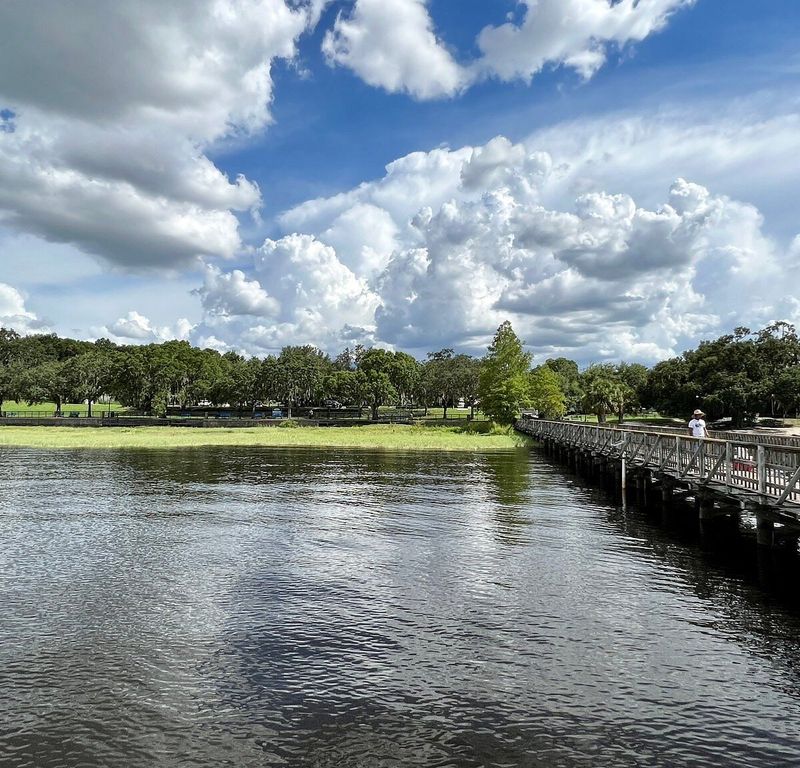
Clermont breaks the mold for Florida geography. Instead of flat coastline, you get rolling hills and a landscape dotted with lakes that create surprisingly varied terrain. Lake Louisa State Park showcases this unique environment perfectly, with ten lakes connected by wetlands and creeks forming an interconnected aquatic system.
Trails wind through habitats that change every quarter mile—rolling hills covered in scrub, cypress swamps where water reflects the sky, and forests that feel more like North Carolina than Central Florida. The elevation changes might seem small by mountain standards, but in Florida, they create distinct microclimates and plant communities you won’t find in flatter regions.
Paddling here means exploring multiple lakes without retracing your route. You can spend hours working your way through narrow channels, open water, and tree-lined shores where birds fish and turtles bask. The park’s relatively low visitation compared to more famous Florida destinations means you often have large sections to yourself.
Clermont’s downtown has embraced the outdoor lifestyle, with bike shops, breweries, and waterfront restaurants that cater to active visitors. The city’s location between Orlando and Tampa makes it convenient, but it maintains a distinct small-town identity. Watching sunset over one of the lakes from a hilltop trail reminds you that Florida has more variety than most people realize, and Clermont sits right in the middle of some of its most interesting terrain.
8. Apalachicola (Franklin County)
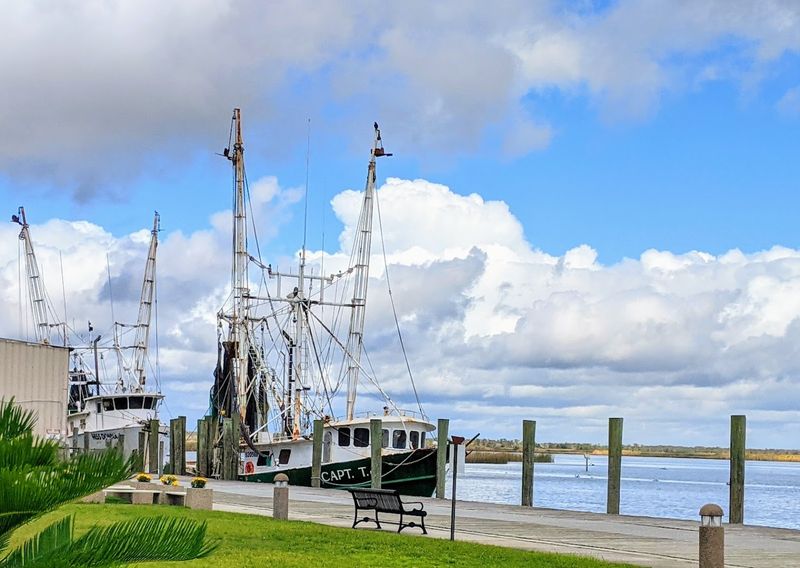
Apalachicola sits where the Apalachicola River meets the Gulf of Mexico, creating a rich mix of freshwater and saltwater ecosystems that support incredible biodiversity. This historic fishing town has supplied oysters to the nation for generations, and that connection to the water runs through everything here.
St. George Island State Park sits nearby along Apalachicola Bay, offering nine miles of undeveloped barrier-island beauty. Sugar-white beaches stretch in both directions, backed by dunes, salt marshes, and stands of tall pines that somehow thrive in sandy soil. The beaches here feel wild compared to more developed Gulf Coast destinations, with few buildings interrupting the natural scenery.
Hiking trails take you through different island environments, from beach to forest to marsh, each supporting different wildlife. Shorebirds work the tide line, sea turtles nest on the beaches in summer, and dolphins patrol the waters offshore. Paddling through the bay’s shallow grass flats puts you in prime territory for spotting rays, juvenile fish, and wading birds hunting in the shallows.
Apalachicola’s downtown preserves its 19th-century architecture while serving fresh seafood that was caught that morning. The town celebrates its maritime heritage without turning it into a theme park, keeping things authentic and community-focused. Between the bay, the barrier islands, the river, and nearby forests, you’re surrounded by nature no matter which direction you explore from town.