9 Cleanest Lakes In Florida For Crystal-Clear Escapes
Florida’s famous for beaches, but some of the state’s best swimming spots are actually landlocked. Scattered across the peninsula are pristine lakes where you can see straight to the sandy bottom, even in chest-deep water. Whether you’re looking to kayak through glassy waters, snorkel among fish, or just float without worrying about what’s brushing your toes, these nine lakes offer clarity that rivals the Caribbean—minus the salt and sharks.
1. Lake Louise (Windermere)
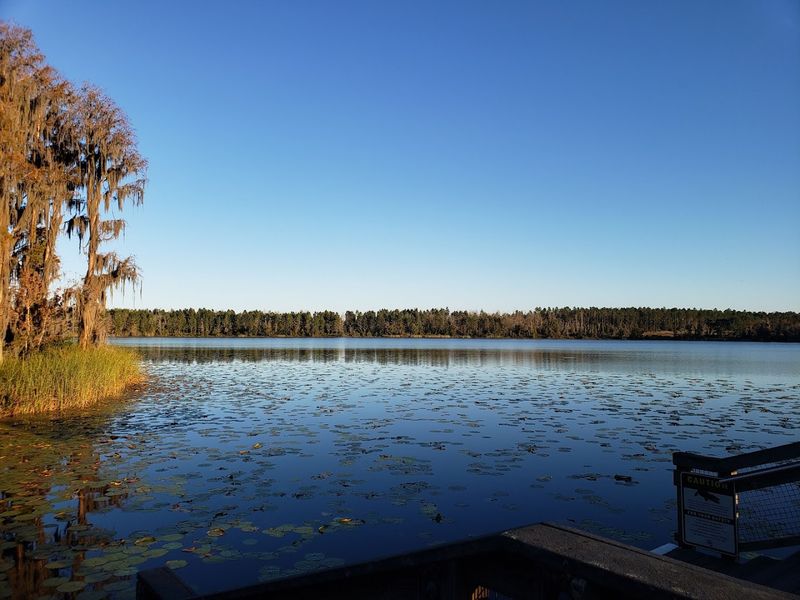
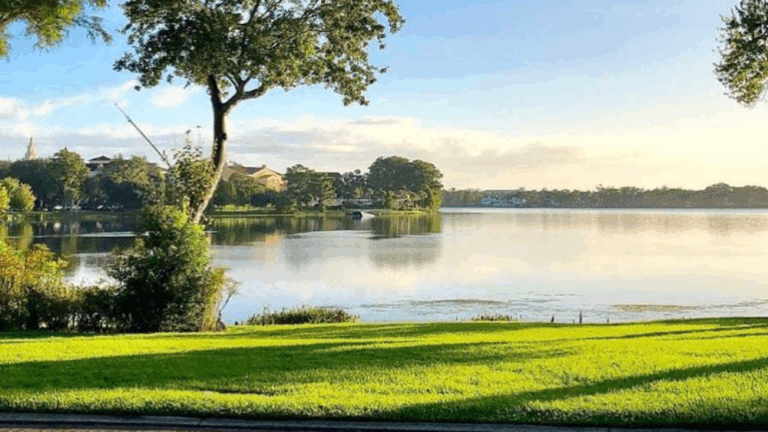
Tucked into one of Central Florida’s wealthiest towns, Lake Louise doesn’t get the crowds you’d expect for water this clean. The spring-fed lake maintains visibility that can reach 15 feet on calm days, thanks to minimal boat traffic and strict environmental protections in the area. You’ll spot bass and bluegill darting below your paddleboard without even trying.
The lake connects to the Butler Chain of Lakes, but Louise stays quieter than its neighbors. No public boat ramps mean most visitors are locals who walk down from nearby homes, keeping the water undisturbed and remarkably clear. The sandy bottom slopes gently, making it ideal for families who want to wade out without stirring up muck.
Early mornings here are something special. Mist rises off the glassy surface while herons hunt in the shallows, and you can watch the sunrise paint the water in shades of pink and gold. The clarity makes it easy to spot any wildlife below—turtles, small fish, even the occasional otter passing through.
Because there’s limited public access, your best bet is renting a vacation home nearby or launching a kayak from one of the connected lakes. Once you’re here, the peaceful, transparent waters make the effort worthwhile.
2. Lake Conway (Orlando)
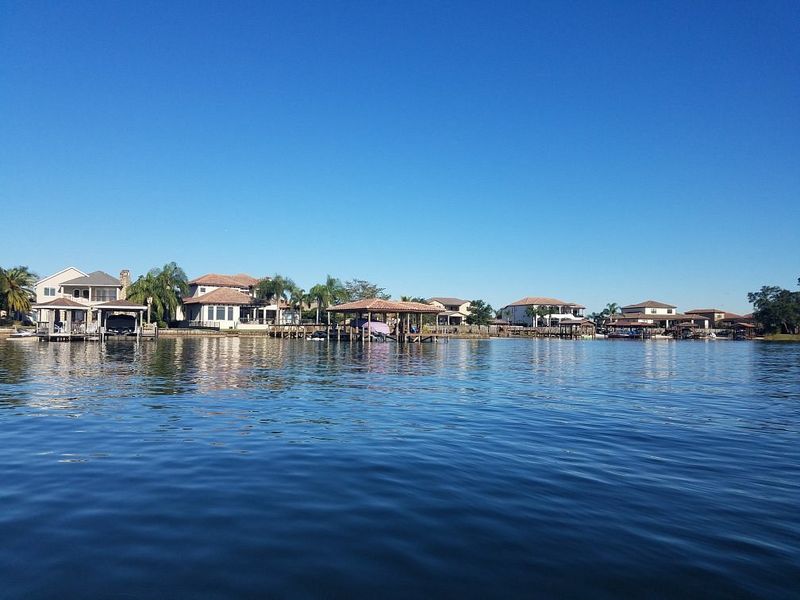
Right in the heart of metro Orlando sits a lake that surprises first-timers with its clarity. Lake Conway sprawls across nearly 1,900 acres, making it one of the largest lakes in Orange County, yet the water stays remarkably clean thanks to active conservation efforts and natural springs feeding the system. Visibility often reaches eight to ten feet, unusual for a lake this size in an urban area.
The lake’s popularity with paddlers makes sense once you’re out there. Gliding across Conway in a kayak or canoe lets you peer down at the underwater vegetation swaying below, with bass and crappie weaving through the grass. The shoreline mixes natural cypress stands with developed areas, but the size of the lake means you can always find a quiet cove.
Conway connects to several smaller lakes through narrow channels, creating a water trail system perfect for exploration. The clarity holds up even in these connecting waterways, where overhanging trees create shaded tunnels and the bottom remains visible beneath your boat. Anglers love this visibility since they can actually watch fish react to their lures.
Public access comes via several parks and boat ramps around the shoreline. Weekdays offer the best experience—fewer boats means less stirred-up sediment and even better visibility for your swim or paddle.
3. Lake Weir (Marion County)
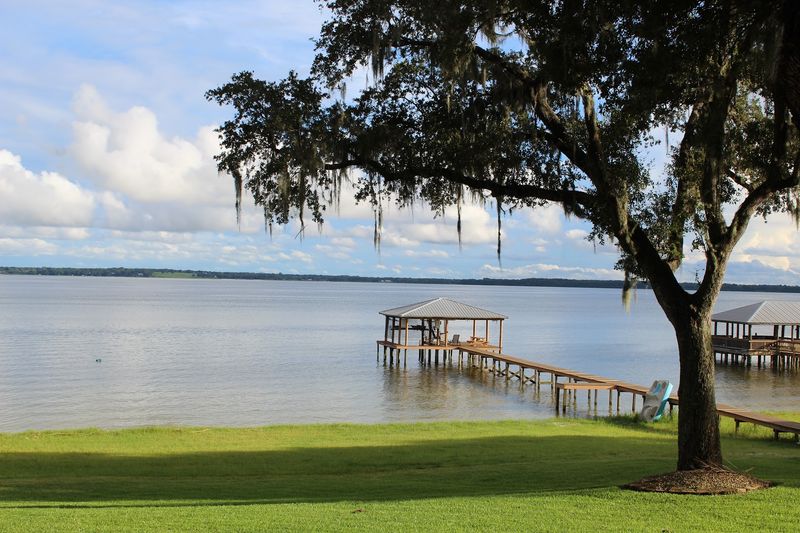
Marion County’s crown jewel stretches across 5,700 acres of some of the clearest water in the state. Lake Weir earned its reputation decades ago when locals realized they could see their toes in shoulder-deep water—a rarity for Florida lakes. Spring-fed from underground aquifers, the lake maintains consistent clarity year-round, with visibility sometimes exceeding 20 feet in the right conditions.
The sand-bottom composition keeps things clean naturally. Unlike mucky lakes that cloud up when you step in, Weir’s firm sand stays put even with swimmers and boats. This makes it incredibly popular for water skiing and tubing, since you’re not churning up sediment with every pass.
Snorkelers often cruise the shallows, spotting everything from shellcrackers to the occasional soft-shell turtle.
Several public parks dot the shoreline, with Lake Weir Marine offering one of the best access points. The water near the parks tends to be especially clear since volunteers and county workers maintain the shoreline vegetation that acts as a natural filter. On weekends, you’ll find families camped out on the small beaches, kids playing in water so transparent it barely looks real.
The lake’s southern basin tends to be clearest, away from the canal that connects to the Ocklawaha River. If you’re after that postcard-perfect clarity, aim for the areas near Sunset Harbor.
4. Lake Hall (Tallahassee)
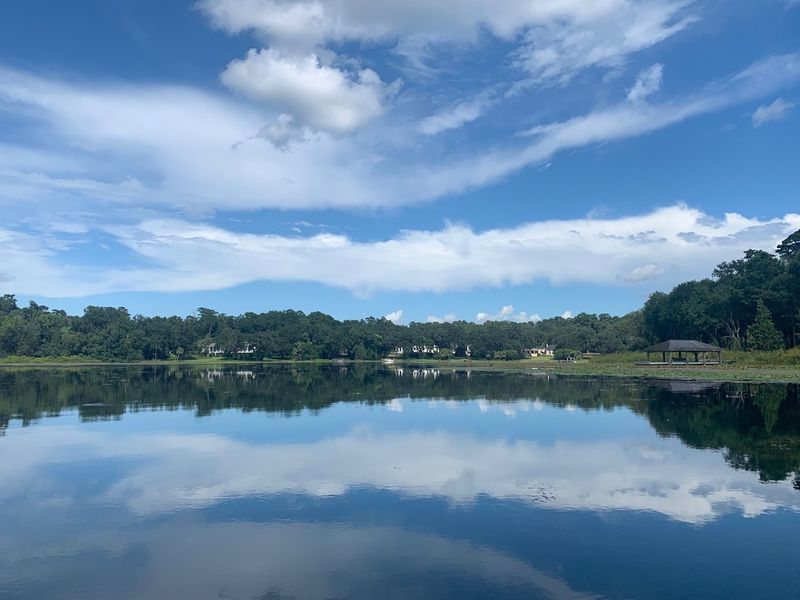
Up in the Panhandle, Lake Hall operates on a different level of clarity altogether. This relatively small lake near Tallahassee gets its water directly from limestone springs, creating that distinctive blue-green tint that signals serious purity. The spring influence keeps the water cool even in summer, and visibility can hit 30 feet when conditions align perfectly.
What makes Hall special isn’t just the clarity but the ecosystem it supports. The clean water and constant temperature create habitat for species you won’t find in warmer, murkier lakes. Snorkeling here feels more like exploring a natural aquarium, with schools of fish hanging motionless in the crystalline water and aquatic plants swaying on the visible bottom.
The lake stays relatively unknown compared to nearby Wakulla Springs, which means you might have the place nearly to yourself on weekdays. A small public access point allows kayak launches, and once you’re on the water, the silence is remarkable. No jet skis allowed here—just the sound of your paddle and maybe an osprey calling overhead.
Because it’s spring-fed, the water level stays consistent even during dry spells that drain other lakes. This reliability makes Hall a favorite among locals who know where to find clear water regardless of season. Just remember the springs keep things chilly—even in July, you might want a wetsuit for extended swimming.
5. Blue Cypress Lake (Indian River County)
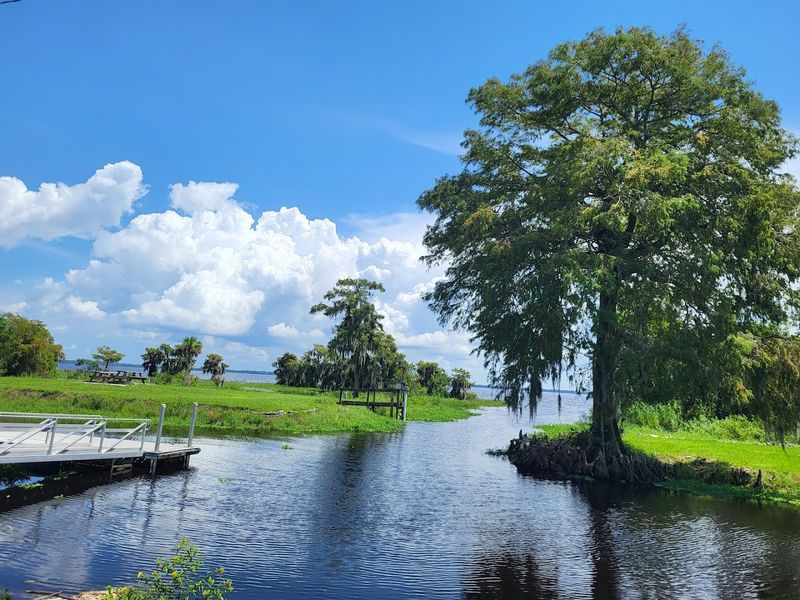
Head east toward the coast and you’ll find Blue Cypress Lake living up to its name with water that shifts between blue and green depending on the light. The 6,500-acre lake maintains surprising clarity despite its size, thanks to minimal development around the shoreline and steady inflow from the St. Johns River headwaters. Visibility regularly reaches six to eight feet, impressive for a lake in this part of the state.
The defining feature here is the standing dead cypress trees that create an otherworldly landscape. These skeletal sentinels rise from water clear enough to see their submerged trunks continuing down to the lakebed. Photographers flock here at dawn when mist clings to the surface and the water mirrors the sky perfectly.
The clarity makes for stunning reflections that seem to double the height of the cypress snags.
Bass fishing is legendary on Blue Cypress, partly because the clear water lets anglers sight-fish in the shallows. You can watch a largemouth track your lure from yards away, then explode on it right in front of your boat. The lake’s remote location—about 30 minutes from the nearest town—keeps it from getting overrun, even during peak fishing seasons.
Launching requires a somewhat rough dirt road to the public ramp, but that’s part of the lake’s charm. The lack of easy access preserves the pristine quality that makes it worth visiting in the first place.
6. Crescent Lake (Putnam/Flagler Counties)
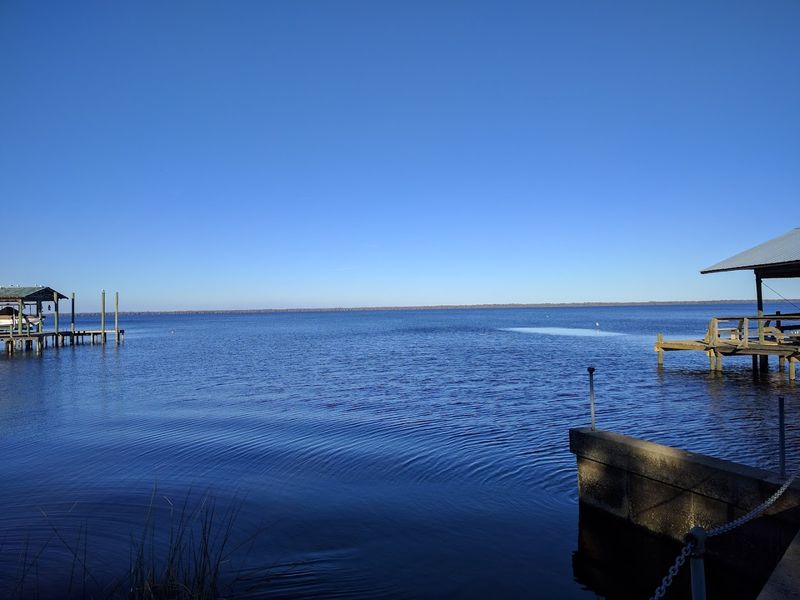
Straddling the county line between Putnam and Flagler, Crescent Lake curves like its namesake for about 13 miles of surprisingly transparent water. This spring-influenced lake has been a retreat since the 1800s when wealthy northerners built grand hotels on its shores. Today, the water quality remains as impressive as it was a century ago, with clarity that reaches 10 to 12 feet in many areas.
The lake’s shape creates interesting microclimates and varying clarity levels. The northern end, closer to the spring inputs, tends to be clearest, while the southern reaches stay slightly more tinted but still remarkably clean. Paddling the length of the lake becomes a lesson in water quality—you can literally watch the visibility change as you move between sections.
Historic homes and a few remaining old-Florida hotels line portions of the western shore, giving Crescent Lake a timeless quality that matches its clear waters. There’s something about gliding over water where you can count fish on the bottom while passing century-old architecture that makes this lake feel special. The east side stays largely undeveloped, preserving natural shoreline that helps filter runoff before it reaches the lake.
Public access comes through several parks and boat ramps, with Georgetown serving as a popular launching point. The lake gets busy on summer weekends, but the sheer size means you can always find clear, quiet water if you’re willing to paddle away from the main access points.
7. Rainbow Springs Lake (Dunnellon)
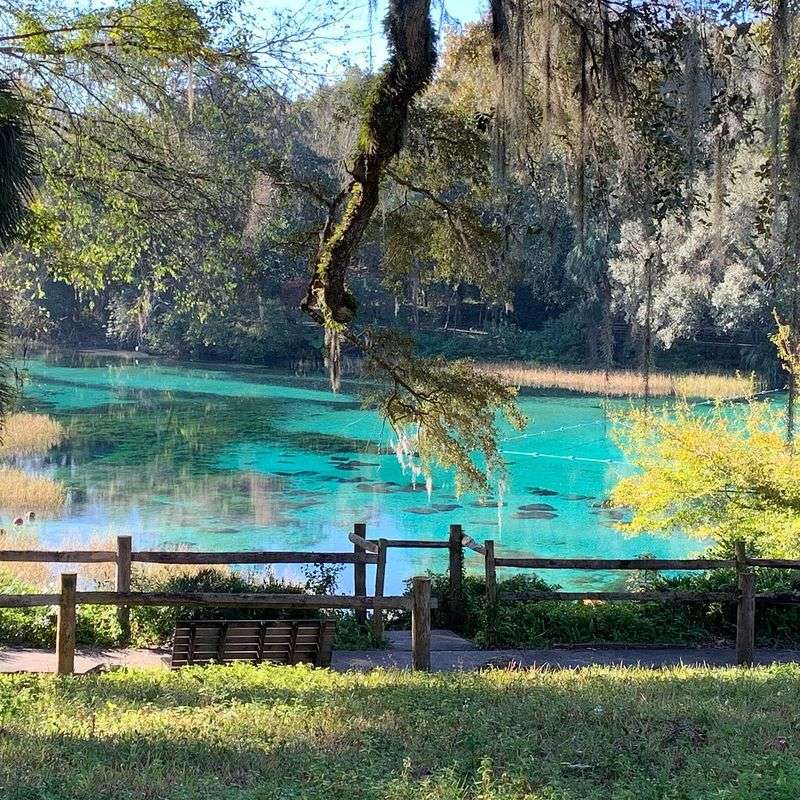
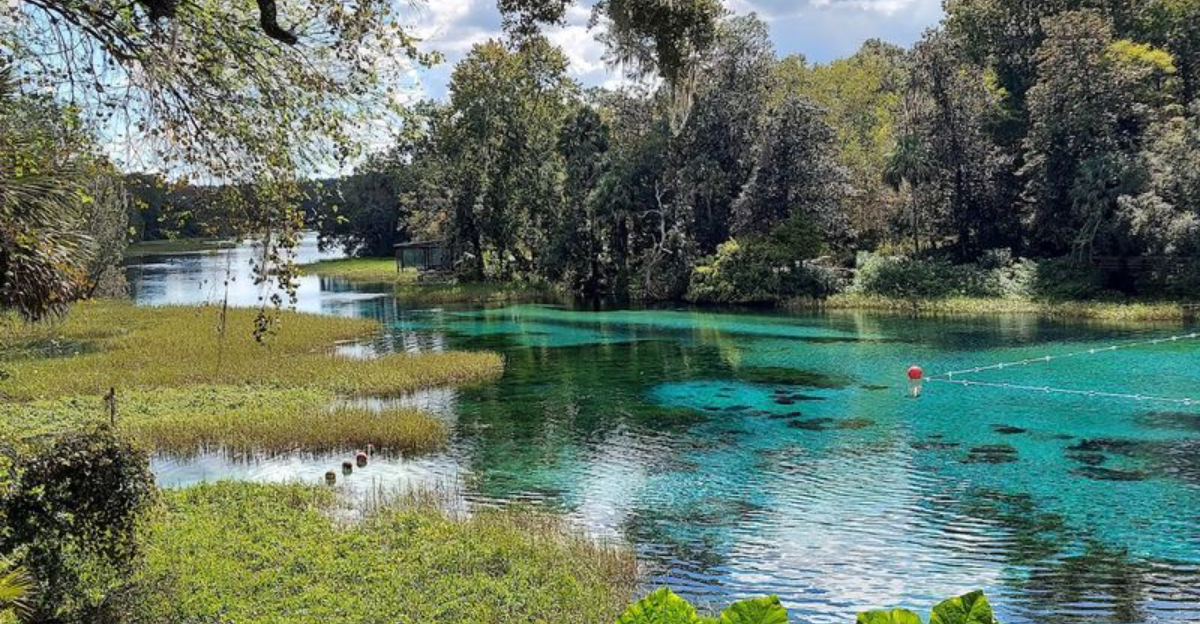
When Floridians want to show off the state’s clearest water, they head to Rainbow Springs. The lake formed where the massive spring system pools before flowing into the Rainbow River maintains visibility that can exceed 100 feet on the clearest days. Yes, you read that right—you can see the length of a football field underwater here.
The spring pumps out 400 to 600 million gallons daily of 72-degree water that’s been filtered through limestone for decades.
Swimming in Rainbow Springs Lake feels surreal because the water is so clear it’s disorienting. You’ll find yourself looking down at fish 20 feet below and thinking they’re just beneath the surface. The constant spring flow means the water stays pristine and cool year-round, creating habitat for species that can’t survive in warmer, murkier lakes.
Snorkeling is mandatory—the underwater visibility rivals the Caribbean.
The state park manages the lake carefully, limiting daily visitors to protect the fragile ecosystem. This means you’ll need to arrive early on weekends or visit midweek to guarantee entry, but the restriction is exactly why the water stays so impossibly clear. No private boats are allowed on the lake itself, though you can tube or kayak down the connecting river.
The lake’s clarity comes with responsibility—sunscreen and bug spray can cloud the water, so the park requires reef-safe products or none at all. It’s a small price for water this perfect.
8. Wakulla Springs Lake (Wakulla Springs)
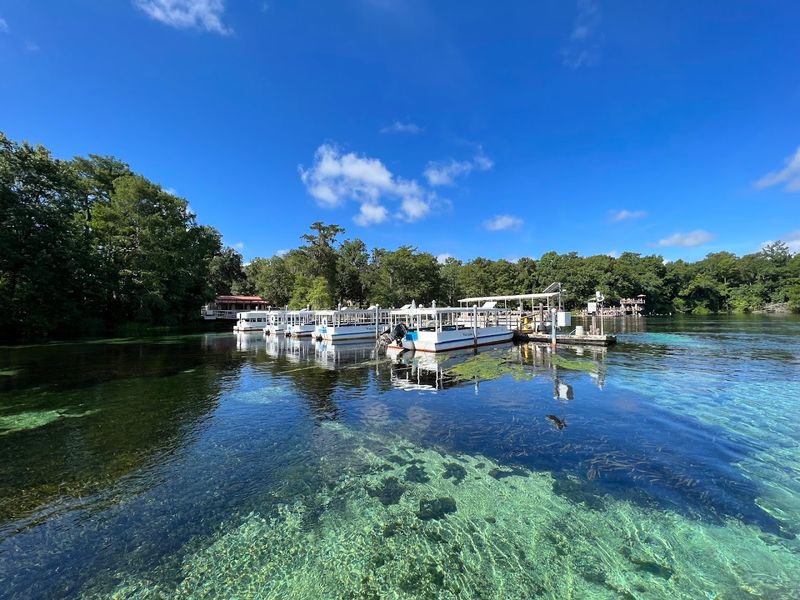
Wakulla Springs isn’t just clear—it’s one of the world’s largest and deepest freshwater springs, with a cavern system that divers have explored to depths exceeding 300 feet. The lake portion where the spring surfaces maintains visibility that competes with Rainbow Springs, often reaching 80 to 100 feet on calm days. The water is so transparent that the famous glass-bottom boat tours feel almost unnecessary—you can see the bottom just by looking over the side of a regular boat.
The spring pumps out an average of 250 million gallons daily, creating a lake that stays 68 to 70 degrees year-round. This consistent temperature and flow keeps the water pristine while supporting populations of fish, turtles, and alligators that seem to hang suspended in the crystalline water. Watching a gator swim 15 feet below your boat, every scale visible, creates an odd mix of fascination and nervousness.
The historic Wakulla Springs Lodge overlooks the lake, and swimming is allowed in a designated area near the lodge. The combination of Spanish moss draping the trees, the old-Florida architecture, and water so clear you can count pebbles 30 feet down makes this feel like stepping into a nature documentary from the 1950s. Tarzan movies were filmed here, and the water clarity in those old films wasn’t enhanced—it really looks like that.
The state park limits activities to protect the springs, so no private boats or water skiing. Just swimming, snorkeling, and those iconic glass-bottom boat tours.
9. Alligator Lake (Lake City)
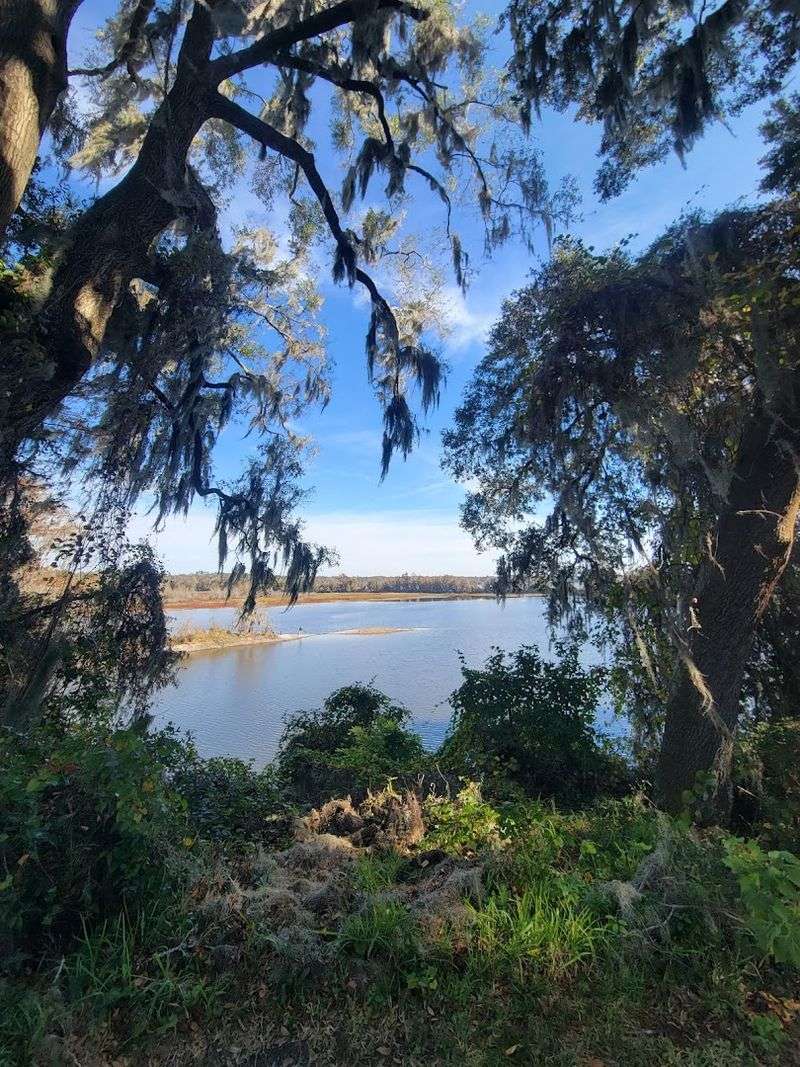
Despite the name that might make you think twice about swimming, Alligator Lake near Lake City offers some of North Florida’s clearest water. The lake sits in the middle of Osceola National Forest, far from development and protected from the runoff that clouds many Florida lakes. The water takes on a dark tea color from tannins in the surrounding cypress and pine, but don’t let that fool you—visibility often reaches 10 to 15 feet, and the water is remarkably clean.
The tannic tint actually indicates purity in this case. Those tannins come from natural plant matter, not pollution, and they create a soft-water environment that many fish species prefer. The clarity beneath the tea-stained surface surprises first-time visitors who expect murk but instead find they can watch fish and turtles navigating the underwater landscape with ease.
It’s like looking through amber-tinted glass.
The lake’s remote location keeps crowds minimal even during summer. You’ll need to haul your kayak or canoe in from the forest road, but the effort rewards you with a pristine lake experience. The surrounding forest comes right to the water’s edge, creating a wild shoreline where you might spot deer drinking or a black bear ambling past at dawn.
Primitive camping is available in the national forest nearby, making this an excellent overnight destination. Fall through spring offers the best clarity, as summer rains can temporarily increase the tannin concentration. Gators are present—it’s Florida, after all—but they’re typically more interested in fish than swimmers.