9 Florida Beaches That Deserve Way More Attention Than They Get
Florida has hundreds of miles of coastline, but most visitors flock to the same crowded hotspots year after year. While places like Miami Beach and Clearwater draw massive crowds, some of the state’s most beautiful stretches of sand remain blissfully quiet. These hidden gems offer everything you could want—soft sand, clear water, and incredible natural beauty—without the traffic jams and overpriced parking.
Ready to discover Florida’s best-kept coastal secrets?
1. Hobe Sound National Wildlife Refuge Beach (Hobe Sound)
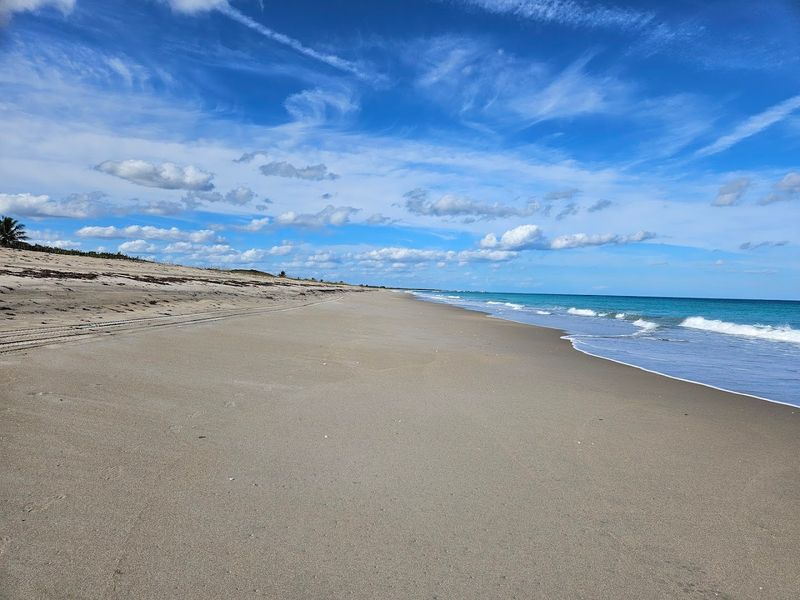
Sea turtles have been coming here longer than any resort has existed in Florida. This three-mile stretch of protected shoreline remains one of the most important nesting sites for loggerhead, green, and leatherback turtles on the entire Atlantic coast. Because it’s a wildlife refuge first and a beach second, development stopped before it could start.
Getting here requires a short walk from the parking area, which keeps the casual crowd away. The sand is powdery and white, backed by tall dunes that look exactly like coastal Florida did centuries ago. You won’t find beach chairs for rent or snack bars—just pure, untouched nature.
Visit between May and October, and you might spot turtle tracks leading from the water to nesting sites. Rangers patrol regularly to protect these ancient mariners. The beach closes at sunset, which means no late-night parties or bonfires disturbing the wildlife.
Bring everything you need because there are zero amenities once you’re on the sand. That’s exactly what makes this place special—it feels wild, remote, and completely unspoiled by the usual beach scene chaos.
2. St. Lucie Inlet Preserve State Park Beach (Stuart)
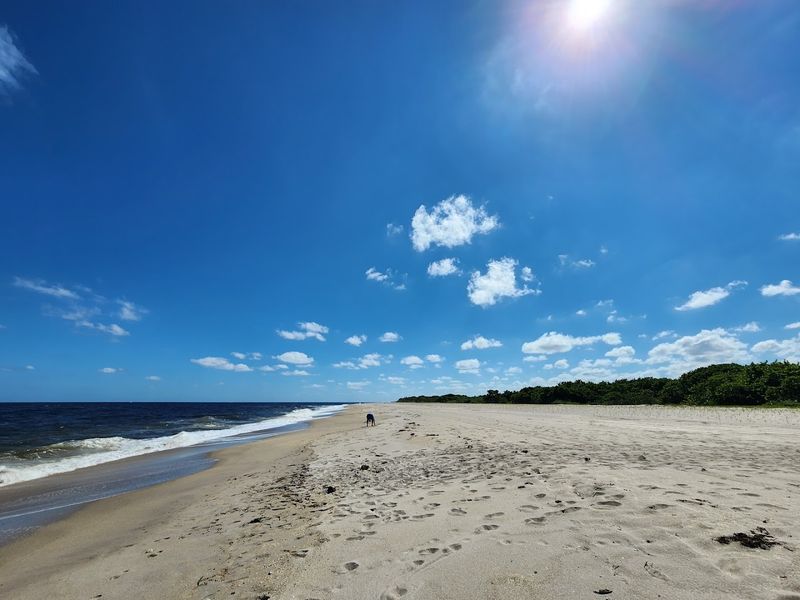
Most people drive right past this beach because you can’t actually drive to it. The only way in is by boat or a serious hike from the north, which automatically filters out about ninety percent of beachgoers. Once you arrive, you’ll understand why the effort pays off.
The preserve protects over a thousand acres of coastal habitat where the Indian River Lagoon meets the Atlantic Ocean. This mixing of waters creates exceptional conditions for fishing, shelling, and wildlife watching. Manatees cruise through in winter, and dolphins hunt in the inlet year-round.
The beach itself curves along the inlet with soft sand and surprisingly calm water on most days. Because boat access requires local knowledge of the channels, you’ll rarely see more than a handful of other visitors. It feels like your own private island, even though you’re just minutes from civilization.
Pack a cooler and make a day of it—there’s excellent snorkeling near the rocks, and the shelling after storms can be phenomenal. Just remember to check the tides before you anchor. The current through the inlet runs strong, and you don’t want to get caught off guard when it’s time to head home.
3. Clam Pass Beach Park (Naples)
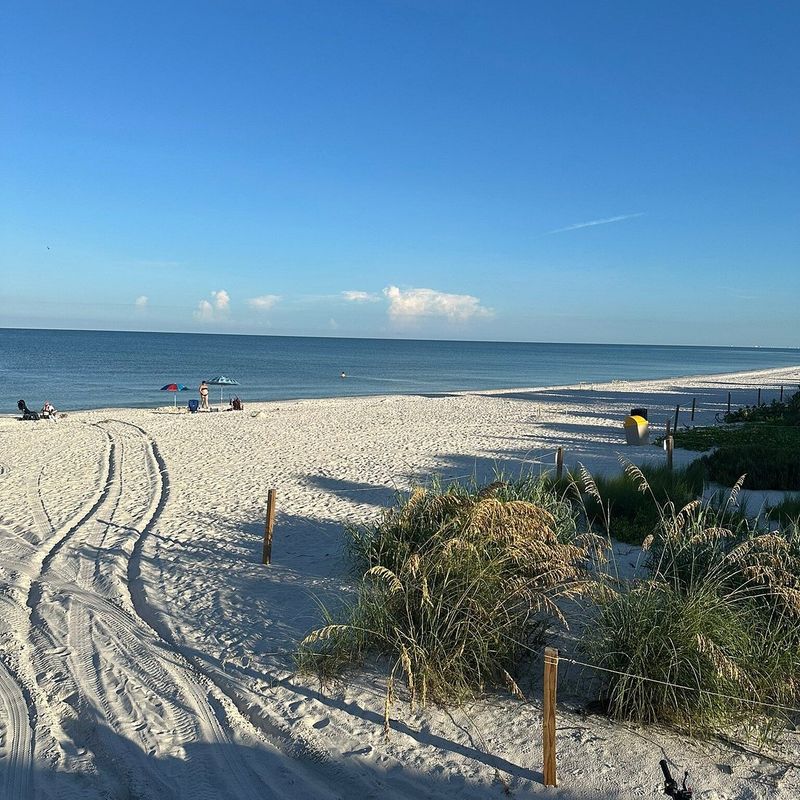
A three-quarter-mile boardwalk winds through a mangrove forest before opening onto one of Naples’ prettiest stretches of Gulf coastline. The walk itself is half the experience—shaded, peaceful, and alive with birds and crabs scuttling through the roots below. There’s also a free tram if you’re not up for the stroll.
The beach rewards your journey with sugar-white sand and water so clear you can see your toes even when you’re waist-deep. Unlike the resort beaches farther south, this one maintains a natural, laid-back vibe. A small concession stand rents chairs and umbrellas, but plenty of space exists if you bring your own gear.
Families love the gentle waves and gradual slope into the water, making it ideal for younger swimmers. The southern end of the beach tends to be quieter, perfect for anyone seeking solitude. Low tide reveals sandbars where you can wade out surprisingly far from shore.
Kayak rentals are available near the beach entrance, and paddling back through the mangrove tunnels at sunset is genuinely magical. The park closes at dusk, so plan accordingly. Parking fills up on weekends, but arriving before ten usually guarantees a spot.
4. Bunche Beach Preserve (Fort Myers)
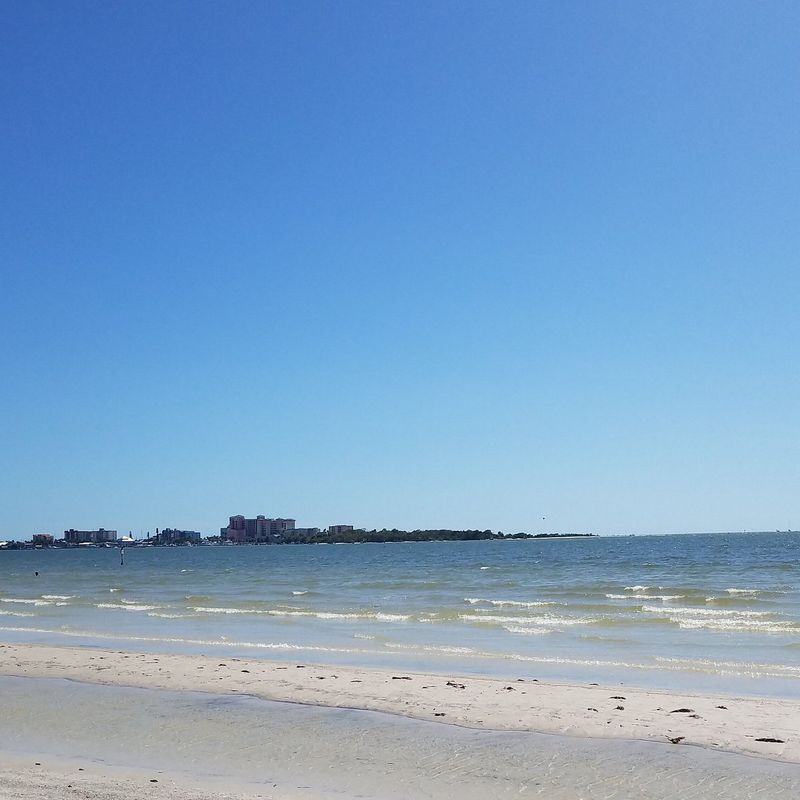
Shorebirds own this beach. Reddish egrets, roseate spoonbills, and dozens of other species treat the mudflats and shallow waters like an all-you-can-eat buffet. Serious birders arrive at dawn with binoculars and cameras, but you don’t need to be an expert to appreciate the show.
The beach is more shell-and-sand flat than postcard-perfect swimming spot, which is precisely why it stays so peaceful. At low tide, the water retreats hundreds of yards, leaving behind tide pools teeming with tiny fish, crabs, and other marine life. Kids can explore for hours without getting bored.
Kayakers and paddleboarders launch from here to explore the mangrove islands offshore. The water stays calm and shallow, making it perfect for beginners. You might spot manatees in the cooler months or dolphins any time of year.
Sunsets here are legitimately spectacular—the wide-open western exposure means unobstructed views as the sun melts into the Gulf. Bring bug spray during summer months because the no-see-ums can be relentless near dusk. The preserve has basic facilities but no lifeguards, so swim at your own risk and keep an eye on younger visitors in the sometimes-murky water.
5. Don Pedro Island State Park Beach (Placida)
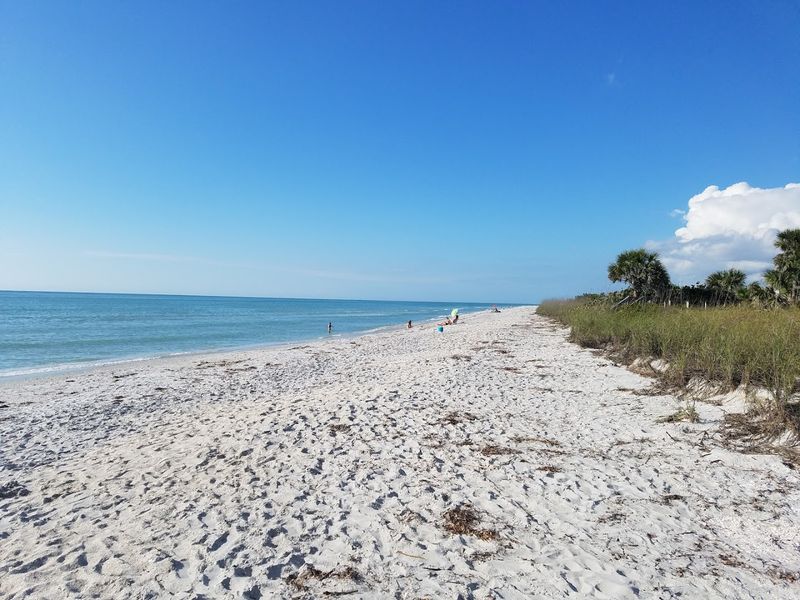
Accessible only by private boat or ferry, Don Pedro Island remains frozen in time—a two-mile barrier island with zero commercial development. No hotels, no restaurants, no WiFi. Just sand, shells, and the sound of waves rolling in from the Gulf.
The ferry from Placida runs regularly and costs just a few dollars round-trip. Once you step off onto the island, you’re transported to Old Florida. The beach stretches in both directions, wide and white and nearly empty even on beautiful weekends.
Shelling here ranks among the best in the state, especially after storms churn up the bottom offshore.
The island has basic facilities—restrooms, picnic shelters, and nature trails through the interior. Rangers maintain the park beautifully while keeping the wild character intact. You can hike to the bay side and watch dolphins hunt in the calm waters or search for manatees in the seagrass beds.
Camping is allowed by permit, and spending a night under the stars here feels like a genuine adventure. The lack of light pollution means incredible stargazing. Just pack out everything you bring in—the island has no trash service, and keeping it pristine depends on visitor cooperation.
6. T.H. Stone Memorial St. Joseph Peninsula State Park Beach (Port St. Joe)
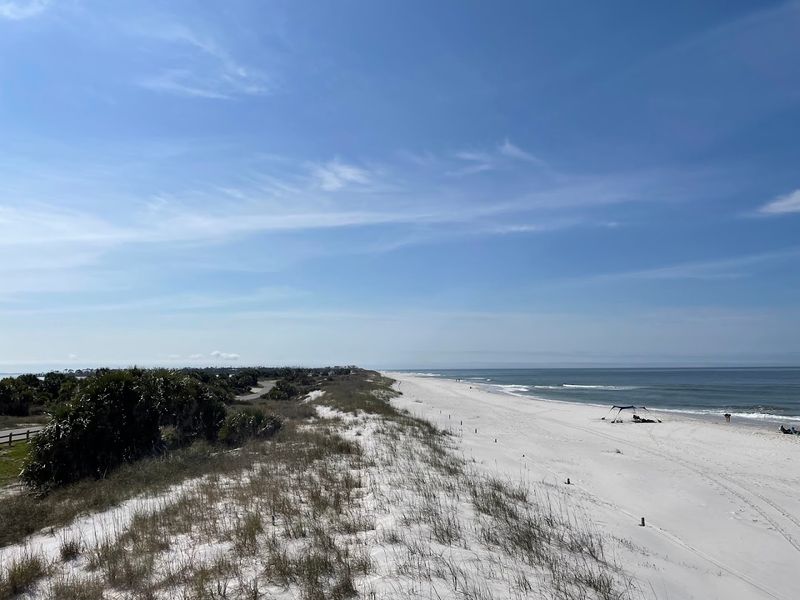
Dr. Beach ranked this the number-one beach in America back in 2002, yet it still flies under the radar compared to Destin or Panama City. The twenty-mile peninsula juts into the Gulf like Florida’s finger pointing toward adventure, with pristine beaches on both sides and wilderness in between.
The Gulf side features the kind of water color that looks Photoshopped—brilliant emerald green fading to turquoise farther out. The sand squeaks underfoot because it’s almost pure quartz, polished smooth by thousands of years of wave action. Dunes rise thirty feet high in places, covered in sea oats that whisper in the constant breeze.
This park caters to people who actually want to experience nature rather than just Instagram it. Eight miles of hiking trails wind through coastal scrub and pine flatwoods. The bay side offers calm water perfect for kayaking and excellent fishing from the shore.
Camping here is phenomenal—sites are spacious, and falling asleep to the sound of surf beats any hotel. The park can get busy during spring break and summer weekends, but even then, the beach is long enough that you can always find solitude. Just walk north and keep going until other people disappear.
7. Alligator Point Beach (Alligator Point)
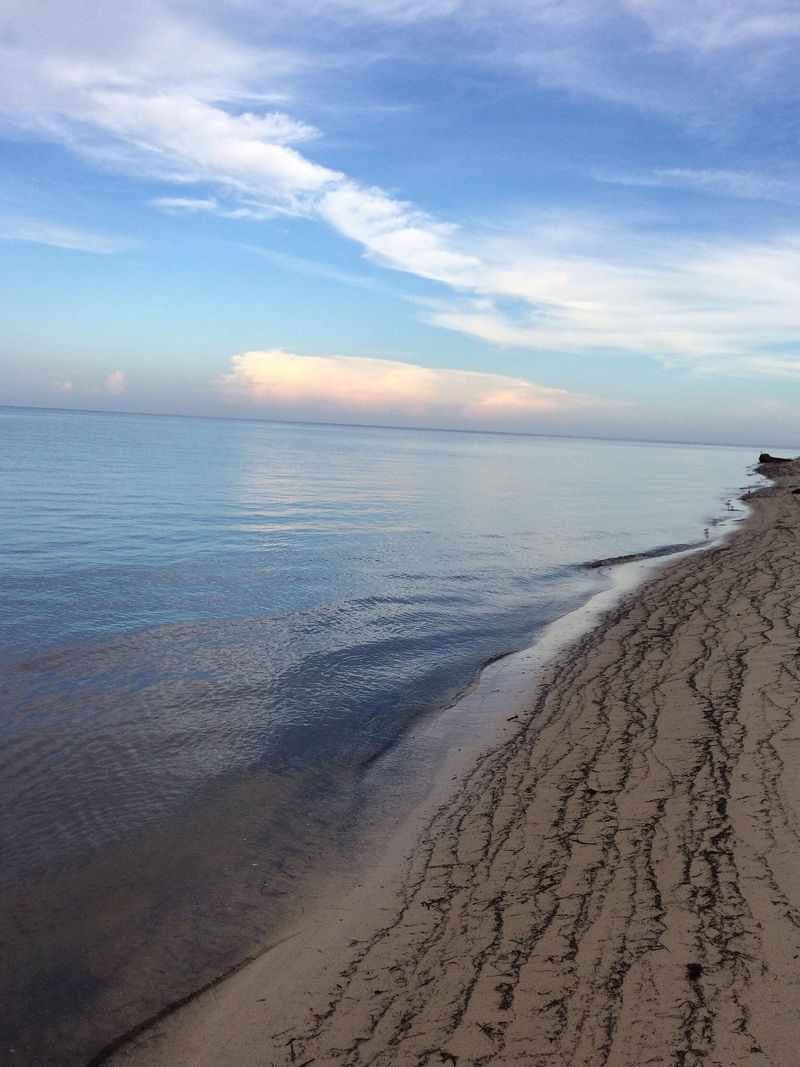
The name makes tourists nervous, but alligators actually prefer freshwater. This sleepy beach community sits on a narrow spit of land where Apalachee Bay meets the Gulf, offering a genuinely low-key alternative to the craziness farther west along the Panhandle.
There’s no town center, no boardwalk, no miniature golf. Just a two-lane road lined with beach houses and a handful of short public access points leading to the sand. The beach itself is natural and ungroomed, with driftwood, shells, and the occasional strand of seaweed creating a lived-in look that some people find refreshing.
The water stays shallow for a long way out, and waves are typically gentle—more Chesapeake Bay than California coast. Families appreciate the mellow vibe, and anglers love the fishing from the shore and nearby boat ramps. Scalloping season in summer brings more visitors, but even then, it never feels crowded.
Alligator Point Lighthouse, though not open for tours, makes a distinctive landmark at the western end. Sunsets paint the sky in shades of pink and orange that reflect off the calm water. The lack of commercial development means darker skies at night and a pace of life that reminds you how relaxing a beach vacation should actually feel.
8. Navarre Beach Marine Park (Navarre)
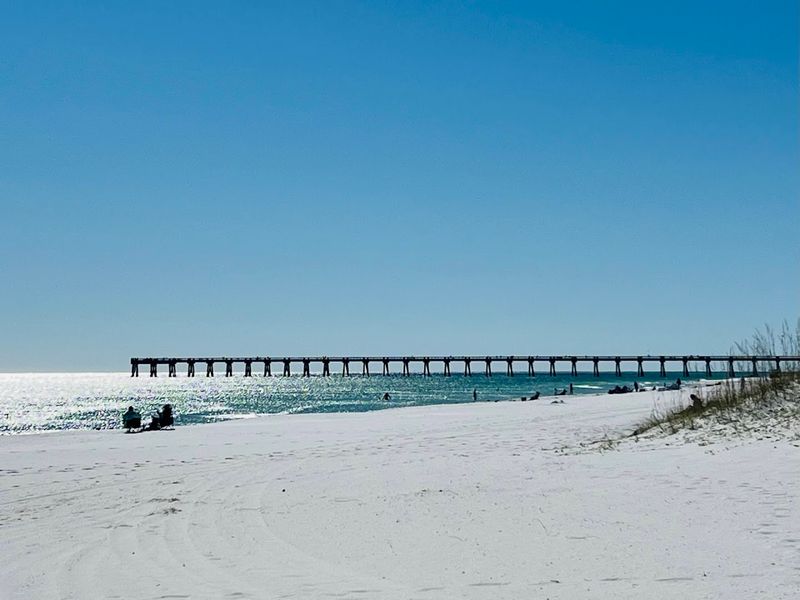
Sandwiched between Pensacola Beach and Destin, Navarre somehow escaped the high-rise hotel explosion that transformed its neighbors. The beach remains refreshingly low-key, with the Marine Park offering some of the area’s best public access and amenities without the commercial circus.
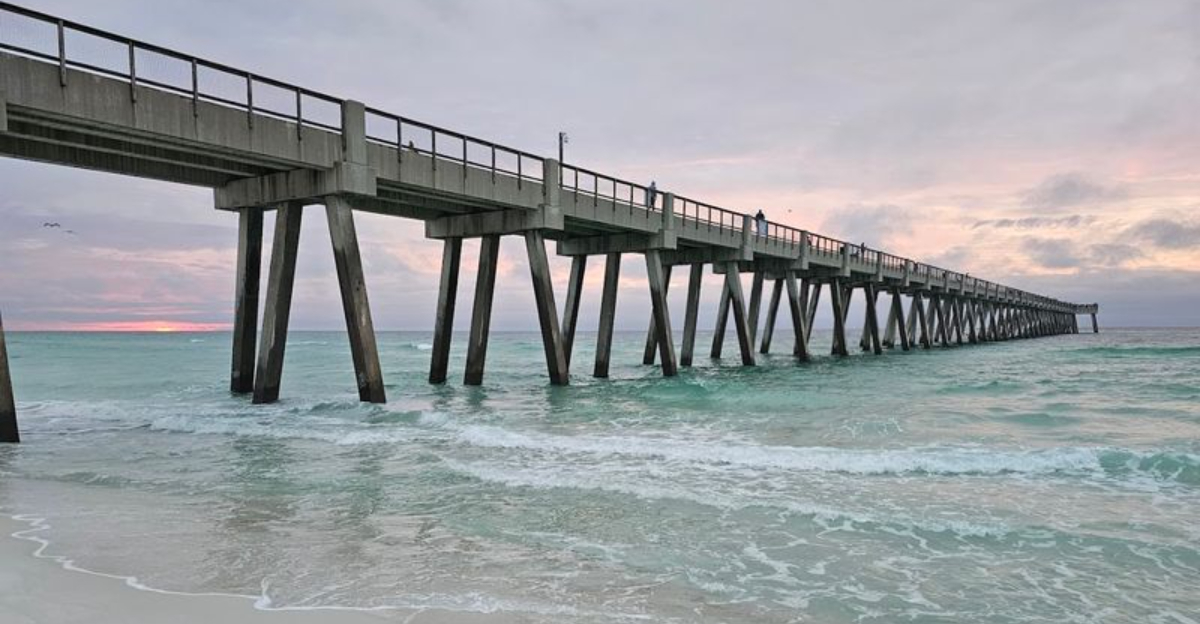
The sand here is that famous Panhandle sugar-white that feels amazing between your toes. Water clarity rivals anything you’ll find in the region, and the gradual slope makes it safe for kids learning to swim. A fishing pier extends into the Gulf, popular with anglers targeting everything from Spanish mackerel to king fish depending on the season.
Sea turtle nesting season brings volunteers who mark and monitor nests along this stretch. If you’re lucky enough to visit during a hatch, watching tiny turtles scramble toward the waves is an unforgettable experience. The park takes conservation seriously while still welcoming visitors.
Facilities include restrooms, showers, and picnic pavilions—all well-maintained and clean. Parking can fill up on summer weekends, but the beach extends for miles in both directions, so space is rarely an issue. The nearby town offers affordable vacation rentals and local restaurants serving fresh seafood without the tourist-trap pricing you’ll find elsewhere along the coast.
9. Blind Creek Beach (Fort Pierce)
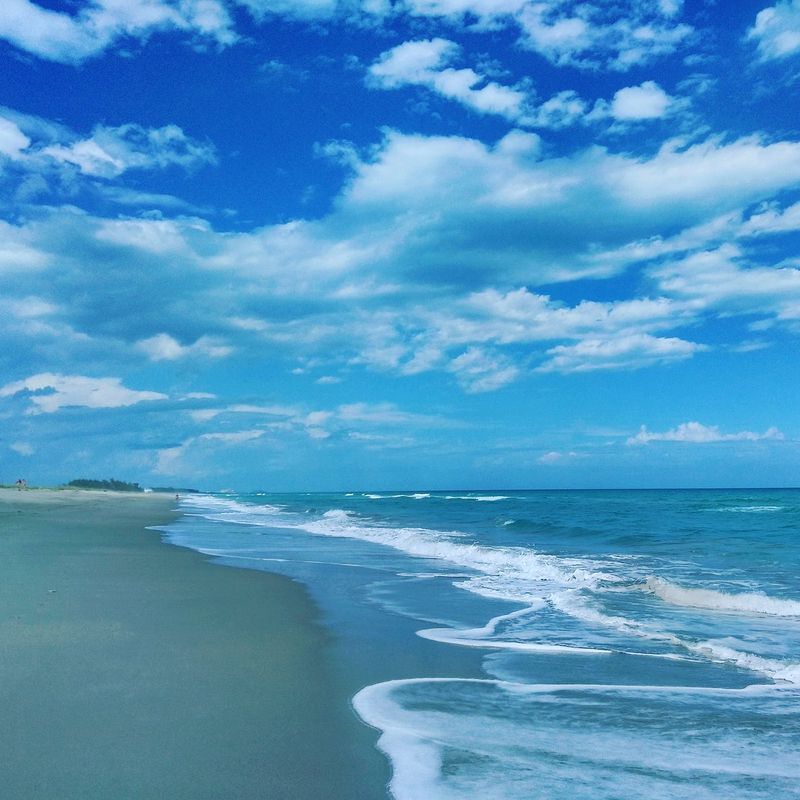
Florida’s only legal clothing-optional beach occupies a beautiful stretch of Hutchinson Island that attracts a surprisingly diverse crowd. Whether you choose to participate in the clothing-optional aspect or not, the beach itself deserves recognition for its natural beauty and relaxed atmosphere.
The beach remains undeveloped and uncommercial—no vendors, no loud music, no party scene. People come here to enjoy the sun, surf, and freedom without judgment. The vibe is respectful and family-friendly despite what you might assume.
Regular visitors take pride in keeping the beach clean and welcoming.
Access requires a short walk from the parking area through a canopy of trees and coastal scrub. The beach itself features golden sand and consistent Atlantic waves that attract surfers and boogie boarders. Shelling can be excellent, especially after northeast winds push treasures ashore.
The northern section tends to be more clothing-optional, while the southern end attracts traditional beachgoers. Everyone coexists peacefully, united by appreciation for this rare slice of natural coastline. County regulations protect the beach from development, ensuring it stays wild and free.
Just remember to bring everything you need—shade, water, snacks—because there’s absolutely nothing for sale once you arrive. That’s part of the charm.