9 Florida Boomtowns Growing So Fast They’re Almost Unrecognizable
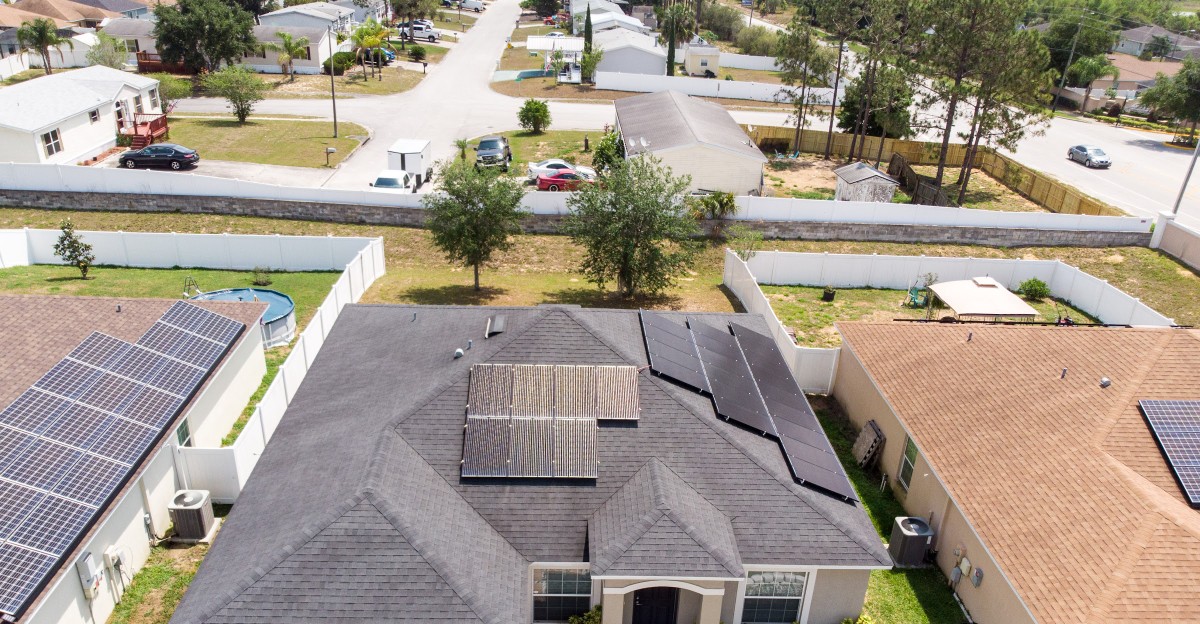
Florida’s population boom isn’t just happening in Miami or Tampa anymore. Across the state, smaller towns are exploding with new residents, shopping centers, and neighborhoods that seemingly appear overnight. These nine communities have grown so rapidly over the past few years that longtime locals barely recognize their own hometowns, as farmland transforms into subdivisions and quiet main streets buzz with fresh energy.
1. Davenport (Polk County)
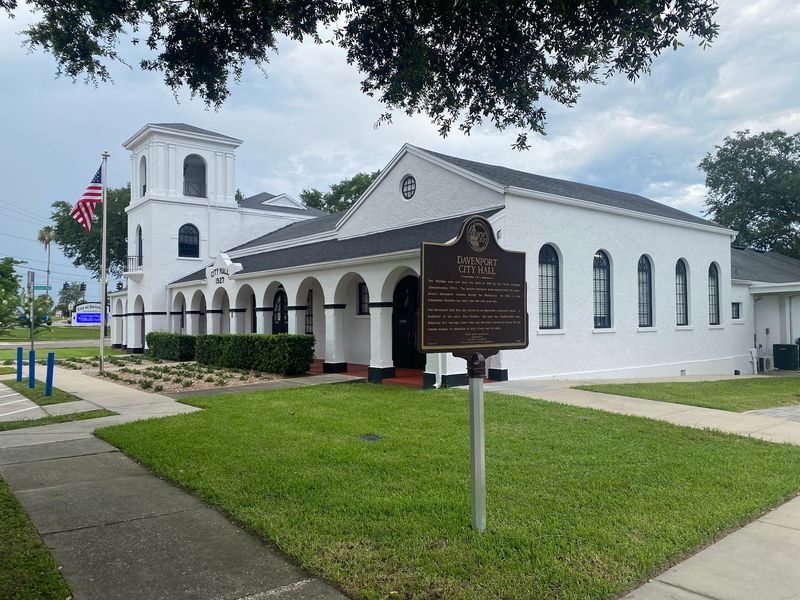
Population numbers tell an incredible story here. Davenport nearly doubled its resident count since 2020, jumping from around 9,300 people to more than 18,100 today. That’s a staggering 94.8% increase in just five years, making it one of Florida’s fastest-growing small towns.
Positioned perfectly between Orlando’s theme parks and Tampa’s urban sprawl, this Polk County community has become a magnet for families seeking affordable housing with easy highway access. New subdivisions seem to sprout up every few months, transforming former citrus groves into master-planned neighborhoods complete with pools, playgrounds, and walking trails.
The town’s champions highway corridor along US 27 has evolved from a sleepy stretch into a bustling commercial zone filled with restaurants, retailers, and service businesses. Local schools have expanded rapidly to accommodate the influx of children, while medical facilities and shopping options continue multiplying to serve the growing population.
What was once a quiet agricultural community now pulses with the energy of a modern suburb. Traffic patterns have shifted dramatically, rush hours have emerged where none existed before, and the sense of small-town anonymity has given way to a more connected, albeit busier, suburban lifestyle that reflects Central Florida’s relentless expansion westward.
2. Haines City (Polk County)
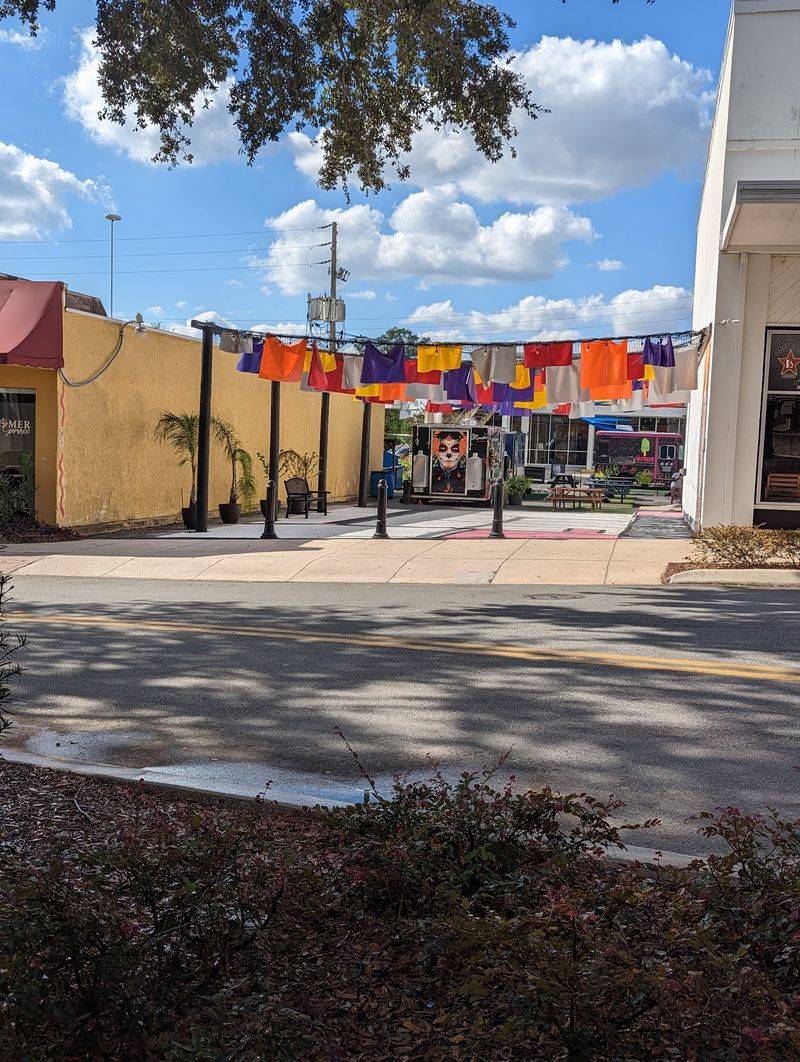
Growth here hasn’t just been impressive, it’s been record-breaking. Haines City rocketed up 67.4% since 2020, pushing its population close to 46,000 residents in 2025. Even more remarkable, it ranked as the sixth-fastest-growing U.S. city over 20,000 people between 2024 and 2025 alone.
Strategic location drives much of this expansion. Sitting right along Interstate 4 between Orlando and Tampa, Haines City offers workers an affordable alternative to pricier metro areas while maintaining reasonable commute times. The town has capitalized on this advantage, attracting both residential developers and commercial investors at a breakneck pace.
Downtown revitalization efforts have breathed new life into the historic core, while sprawling residential communities fan out in every direction. The local government has worked to balance rapid growth with infrastructure improvements, widening roads and upgrading utilities to keep pace with demand.
Parks, recreation facilities, and community centers have multiplied to serve the expanding population. Retail options have exploded beyond the basics, bringing in national chains and local entrepreneurs eager to tap into the growing customer base. What longtime residents remember as a small railroad town has morphed into a vibrant mid-sized city that shows no signs of slowing down anytime soon.
3. Minneola (Lake County)
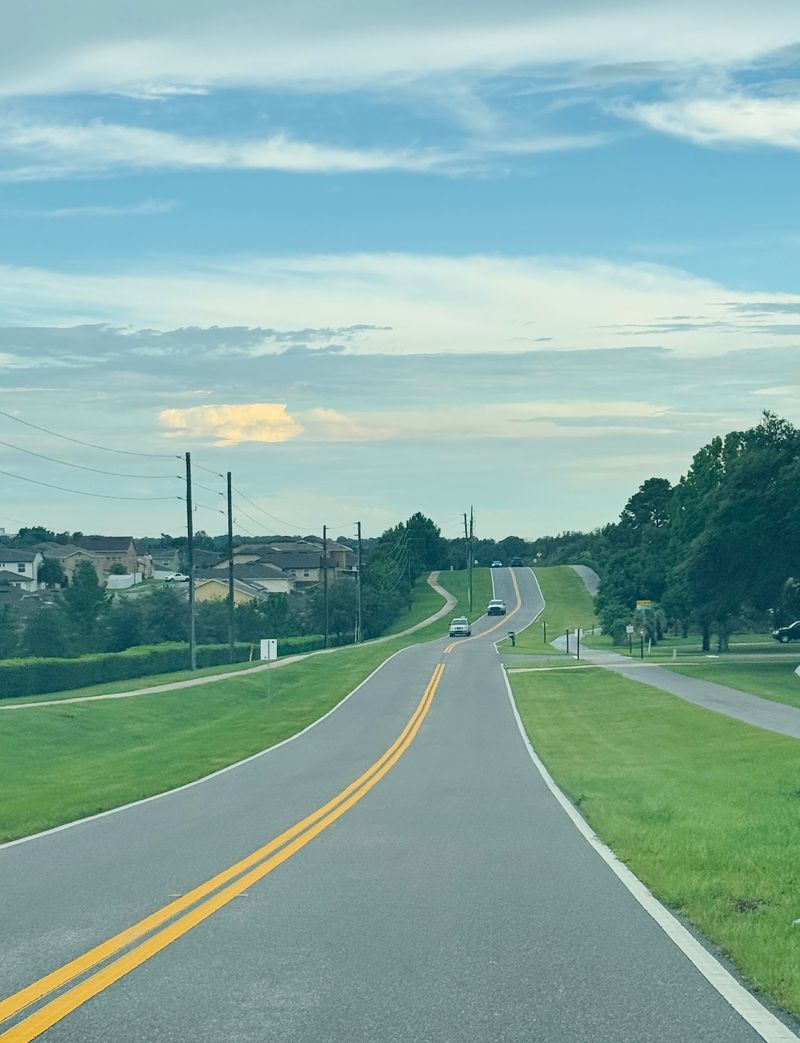
Exurban expansion has transformed this Lake County gem beyond recognition. Minneola’s population surged 52.1% since 2020, as Orlando’s growth ripples outward into formerly rural communities. What used to be citrus groves and horse pastures now hosts sprawling neighborhoods filled with young families and remote workers.
The town’s proximity to major employment centers, combined with more affordable housing than inner-ring suburbs, has made it irresistible to homebuyers. Developers have responded enthusiastically, carving new communities out of available land at a pace that sometimes overwhelms local infrastructure. Traffic on State Road 50 has intensified considerably, prompting ongoing discussions about road improvements and alternative routes.
Schools have struggled to keep up with the influx of students, leading to portable classrooms and construction projects across the district. Shopping and dining options have expanded significantly, though many residents still make trips into nearby Clermont or Winter Garden for specialized services and entertainment.
The community’s small-town charm persists in pockets, especially around the historic downtown area, but the overall character has shifted toward suburban living. Parks and recreational facilities have expanded to meet demand, with new sports complexes and community centers dotting the landscape where orange trees once stood.
4. Leesburg (Lake County)
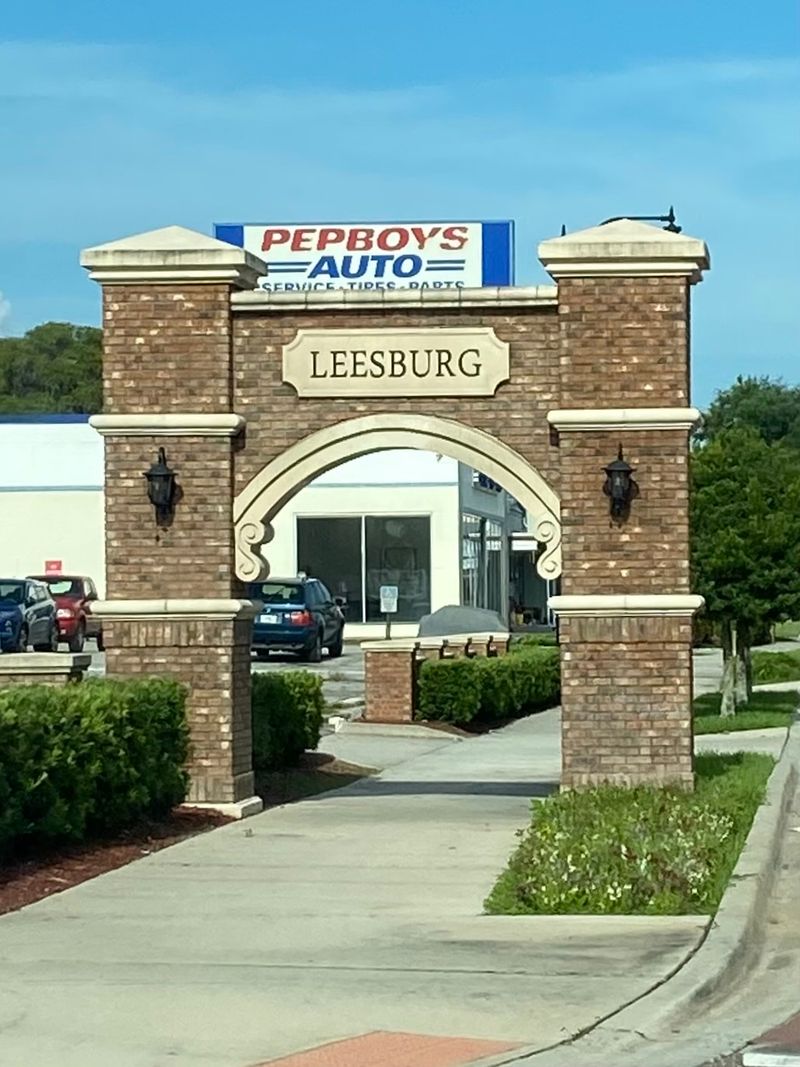
Few Florida towns can match Leesburg’s recent growth trajectory. The population jumped 43.9% since 2020, but the real jaw-dropper came between 2023 and 2024 when the city expanded by an astonishing 18.5% in just twelve months. That kind of single-year growth typically only happens in brand-new planned communities, not established towns.
Leesburg’s appeal combines waterfront living on several beautiful lakes with reasonable proximity to Orlando’s job market. The historic downtown has maintained its character while welcoming new restaurants, breweries, and boutiques that cater to both longtime residents and newcomers. Meanwhile, residential development has pushed outward in every direction, filling in gaps and converting agricultural land.
The city’s infrastructure has been tested by this rapid expansion. Road construction projects seem constant as officials work to prevent gridlock, while utilities and services scramble to keep pace. Schools have added capacity, and commercial development has accelerated to serve the growing population’s needs.
Lakefront property values have skyrocketed, pricing out some longtime residents while attracting wealthier buyers from more expensive markets. The blend of old Florida charm and modern suburban amenities creates a unique atmosphere, though some worry the town’s distinct character may fade as cookie-cutter subdivisions multiply around the historic core.
5. Groveland (Lake County)
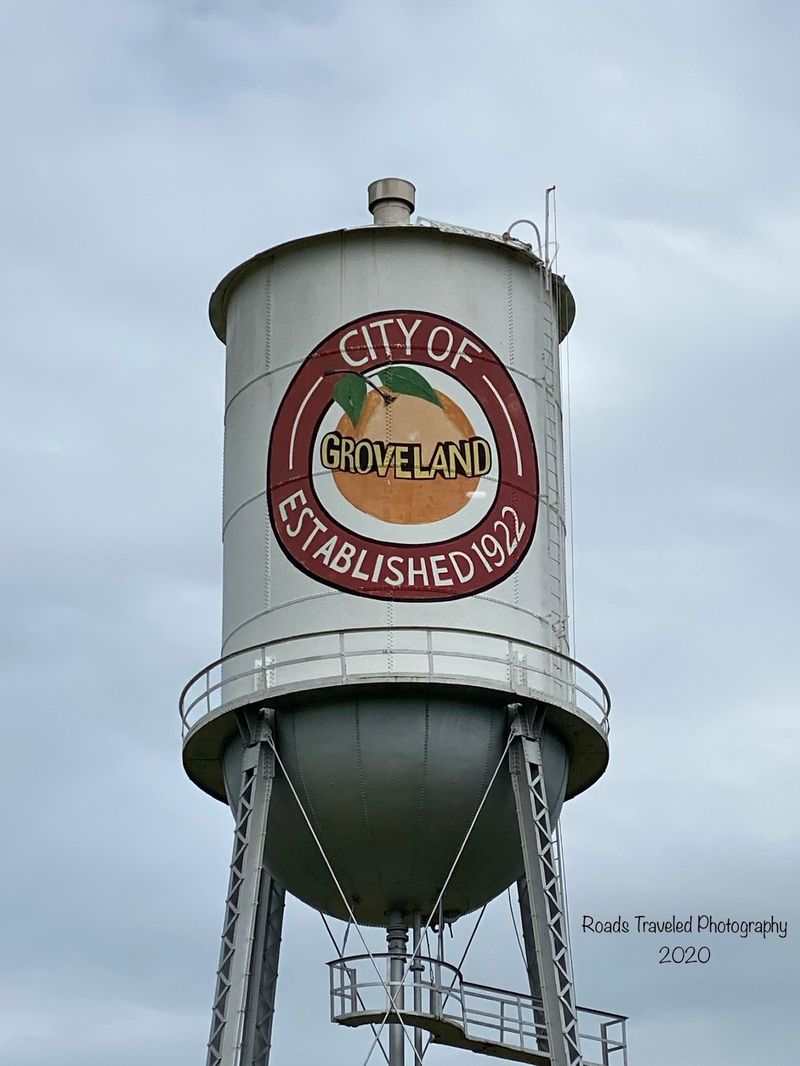
Rural tranquility has given way to suburban bustle in this western Orlando community. Groveland’s population climbed roughly 38% since 2020, fundamentally changing what was once a quiet agricultural town into a rapidly developing suburb. The transformation has been so dramatic that residents from just five years ago would struggle to recognize certain areas.
Located west of Orlando along State Road 50, Groveland offered developers plenty of available land and relatively affordable prices. They’ve taken full advantage, creating massive subdivisions that stretch toward the horizon. The town’s rolling hills and preserved natural areas provide scenic backdrops for these new communities, though environmentalists worry about impacts on local ecosystems and wildlife corridors.
Commercial development has lagged slightly behind residential growth, creating situations where residents must drive considerable distances for shopping and services. However, new retail centers and restaurants are finally catching up, clustering along major corridors and bringing more convenience to daily life.
The local government has worked to maintain some connection to Groveland’s agricultural heritage while accommodating growth. Parks incorporate native landscaping, and some ordinances protect the area’s distinctive character. Still, the sheer volume of new construction has fundamentally altered the community’s identity, replacing the quiet rural lifestyle with something decidedly more suburban and connected to Orlando’s sprawling metro area.
6. North Port (Sarasota County)
Sarasota County’s population surge finds its epicenter here. North Port grew approximately 28.7% since 2020, climbing from around 75,000 residents to more than 96,500 today. This steady expansion has pushed the city closer to the 100,000-resident milestone, fundamentally changing its status from large town to mid-sized city.
Affordability relative to beachfront Sarasota and Venice has driven much of North Port’s appeal. Families and retirees alike have discovered they can own newer, larger homes here for significantly less money while remaining close to Gulf Coast beaches and cultural amenities. The trade-off involves longer drives to the water and fewer walkable neighborhoods, but many buyers consider that worthwhile.
The city’s grid-like street layout, originally planned decades ago, has made filling in available lots relatively straightforward. Construction crews work year-round, adding hundreds of homes annually to meet persistent demand. Commercial development has accelerated along Tamiami Trail and other major corridors, bringing in national retailers and restaurant chains.
Infrastructure challenges have emerged as growth outpaces planning. Traffic congestion has worsened considerably, especially during peak tourist season when visitors heading to beaches pass through town. Water and sewer capacity requires ongoing expansion, while schools add portable classrooms and plan new facilities to accommodate the steady stream of incoming families.
7. St. Cloud (Osceola County)
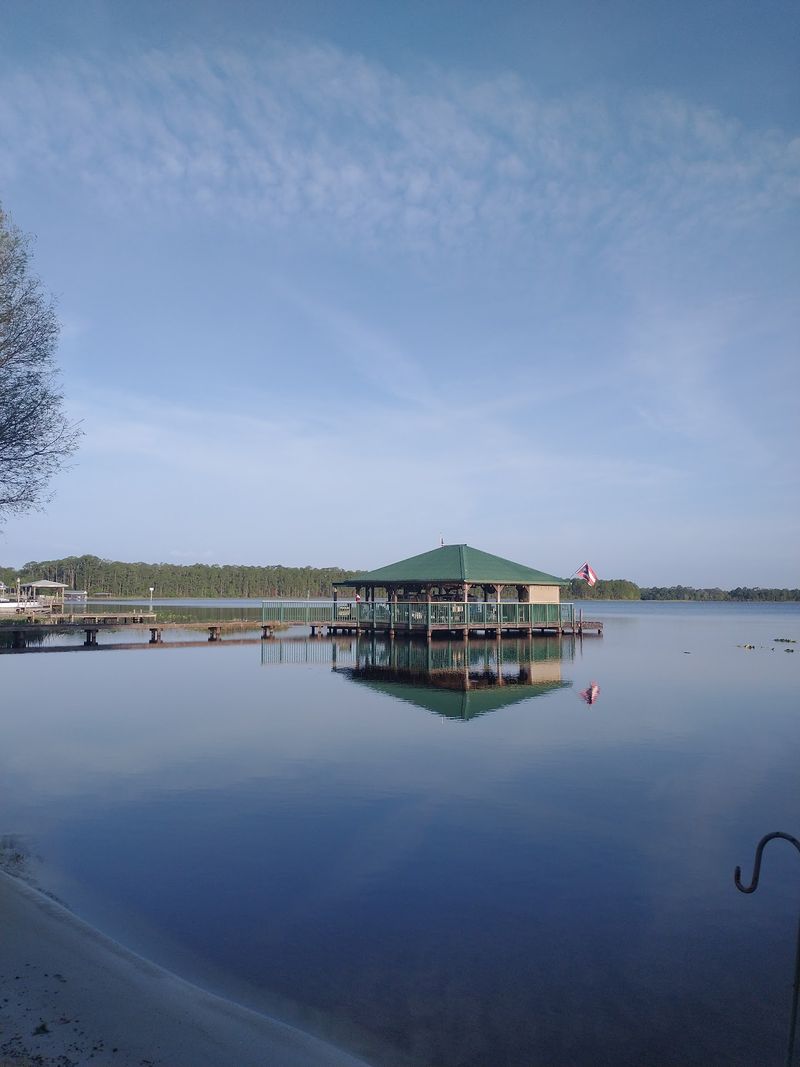
Orlando’s southward expansion has swept St. Cloud into the metro area’s orbit. The city grew around 26.9% since 2020, approaching 75,000 residents as development continues pushing beyond traditional boundaries. What once felt like a separate community with its own identity now functions as an Orlando suburb, connected by continuous development along major corridors.
Proximity to Orlando’s theme parks and employment centers, combined with relatively affordable housing, has made St. Cloud attractive to service industry workers, young families, and retirees. The historic downtown retains some old Florida character, with brick streets and vintage storefronts, but sprawling subdivisions dominate the landscape in every direction.
The city has worked to create its own amenities rather than simply serving as a bedroom community. New parks, sports complexes, and community centers provide recreation options, while commercial development brings shopping and dining closer to home. Still, many residents commute to Orlando for work and entertainment, contributing to heavy traffic on US 192 and the Florida Turnpike.
Lakefront access remains one of St. Cloud’s strongest selling points, with East Lake Tohopekaliga offering boating, fishing, and waterfront dining. However, rapid growth has strained resources and raised concerns about maintaining water quality and preserving natural areas as development continues filling in available land between St. Cloud and its neighboring communities.
8. Winter Haven (Polk County)
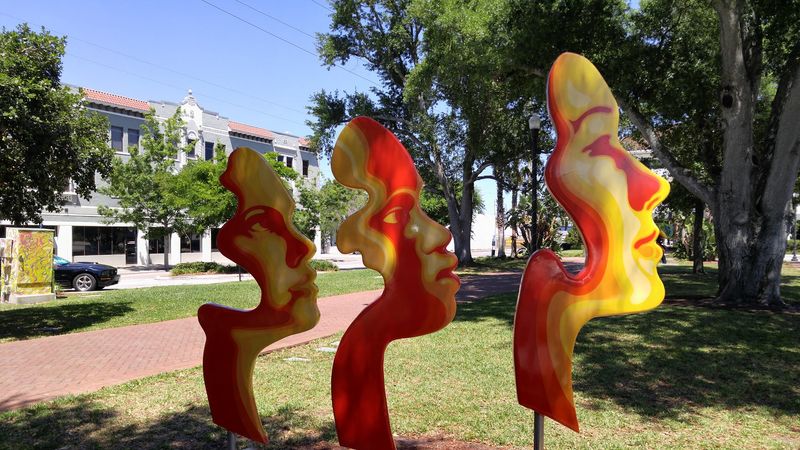
The Chain of Lakes city has experienced a renaissance. Winter Haven’s population increased approximately 23.9% since 2020, surpassing 62,000 residents and bringing renewed energy to this historic Central Florida community. The growth has been more measured than some neighboring towns, but the impact on local character remains significant.
LEGOLAND Florida’s presence has boosted tourism and name recognition, while the city’s multiple interconnected lakes provide recreational opportunities that newer communities can’t match. Downtown revitalization efforts have attracted restaurants, breweries, and shops that appeal to both residents and visitors, creating a more vibrant urban core than existed a decade ago.
Residential development has focused on both infill projects near downtown and sprawling subdivisions on the city’s edges. The mix of housing types, from historic bungalows to modern townhomes and single-family homes, provides options for various budgets and lifestyles. Waterfront property commands premium prices, while inland neighborhoods offer more affordable entry points.
The city has invested in parks, trails, and public spaces that take advantage of its natural assets. The Chain of Lakes Trail connects neighborhoods and provides scenic routes for walking and cycling, while waterfront parks offer boat launches and fishing access. Commercial corridors have filled in with national chains and local businesses, reducing the need for residents to travel to larger cities for shopping and services.
9. Wildwood (Sumter County)
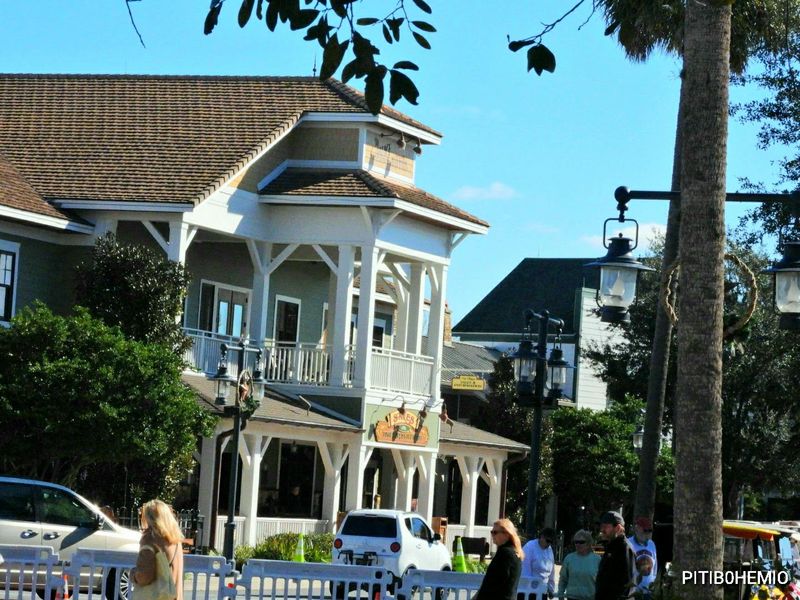
The Villages effect has transformed everything here. Wildwood grew roughly 23% since 2020, fueled almost entirely by the massive expansion of the adjacent retirement community. The broader Wildwood-The Villages metro area previously held the title of fastest-growing metro area in the entire country, and that explosive growth has reshaped the landscape dramatically.
What was once a small highway town has become a service hub for one of America’s largest retirement communities. Golf cart traffic now rivals automobile traffic in some areas, as Villages residents venture into Wildwood for shopping, dining, and services. Commercial development has exploded along US 301 and State Road 44, with new plazas, restaurants, and medical facilities appearing constantly.
The demographic shift has been remarkable. Wildwood’s traditional mix of families and retirees has tilted heavily toward older residents as The Villages expands and more services cater to that population. Schools have seen enrollment changes, while healthcare facilities have proliferated to meet the needs of the aging community.
Infrastructure improvements have struggled to keep pace with growth. Traffic congestion, especially during peak seasons when seasonal residents return, has become a significant challenge. Water and sewer systems require constant expansion, while debates continue about managing growth sustainably.
The area’s character has shifted from rural Florida town to something unique, a hybrid community serving both traditional residents and the massive retirement development next door.