9 Florida General Stores That Somehow Still Exist
Step inside a piece of Old Florida where wooden floors creak underfoot and shelves still hold practical goods alongside memories. These authentic general stores have survived hurricanes, economic shifts, and the rise of big-box retailers, yet they continue serving their communities just as they did generations ago. From family-run operations to museum preserves, each one offers a glimpse into a slower-paced era when the general store was the heart of rural life.
1. Bradley’s Country Store (Tallahassee)
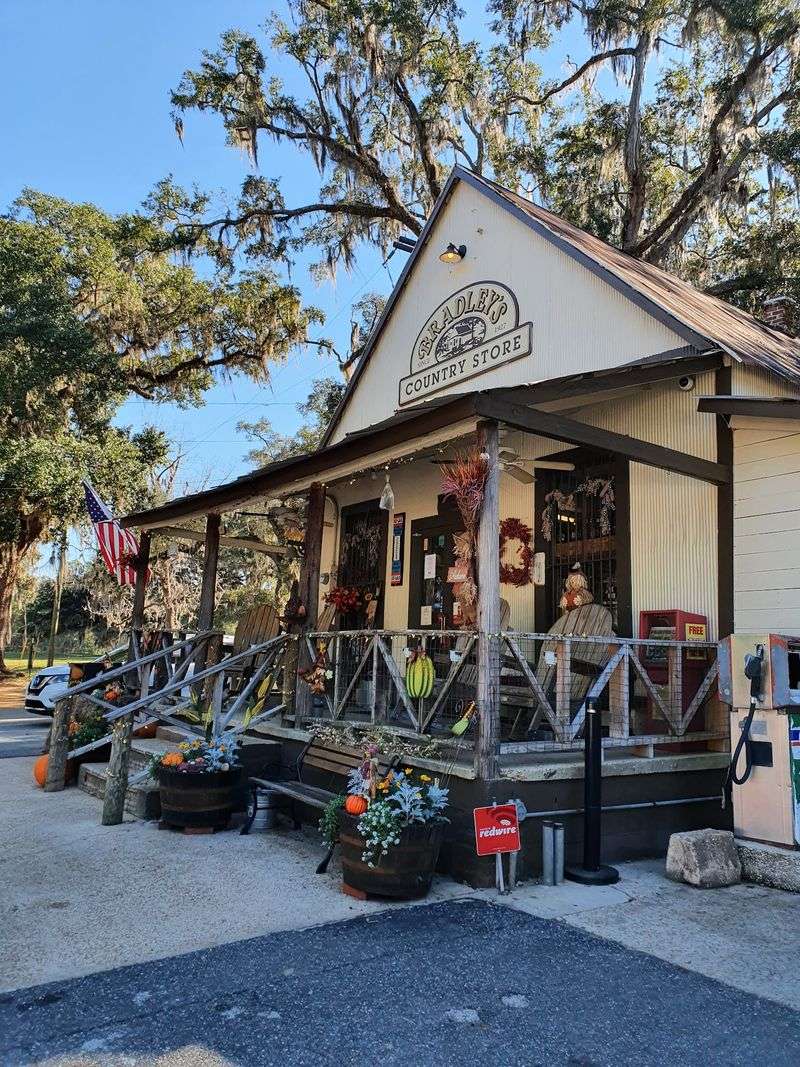
The Bradley family has kept the same recipes, the same traditions, and the same commitment to quality since 1927. Walk through the door and you’ll find yourself in a working time capsule where homemade sausage is still ground using methods passed down through four generations. The smell of smoked meats fills the air while locals stop by to pick up groceries and catch up on neighborhood news.
Original wooden shelves line the walls, stocked with everything from grits to fishing tackle. The meat counter remains the star attraction, where Bradley’s famous country sausage is made fresh using a secret family recipe that’s nearly a century old. You can watch them grind and season the meat just like they did in the 1920s.
This isn’t a recreated tourist attraction or a themed gift shop. Real customers still shop here for their weekly staples, and the Bradley descendants who run the place treat everyone like family. The building itself has weathered almost a hundred Florida summers, its heart-pine floors worn smooth by generations of footsteps.
Stop in on a Saturday morning and you’ll see why this place has lasted. It’s not nostalgia keeping Bradley’s alive; it’s honest food, fair prices, and a family that refuses to let progress erase something worth preserving.
2. Richloam General Store (Webster)
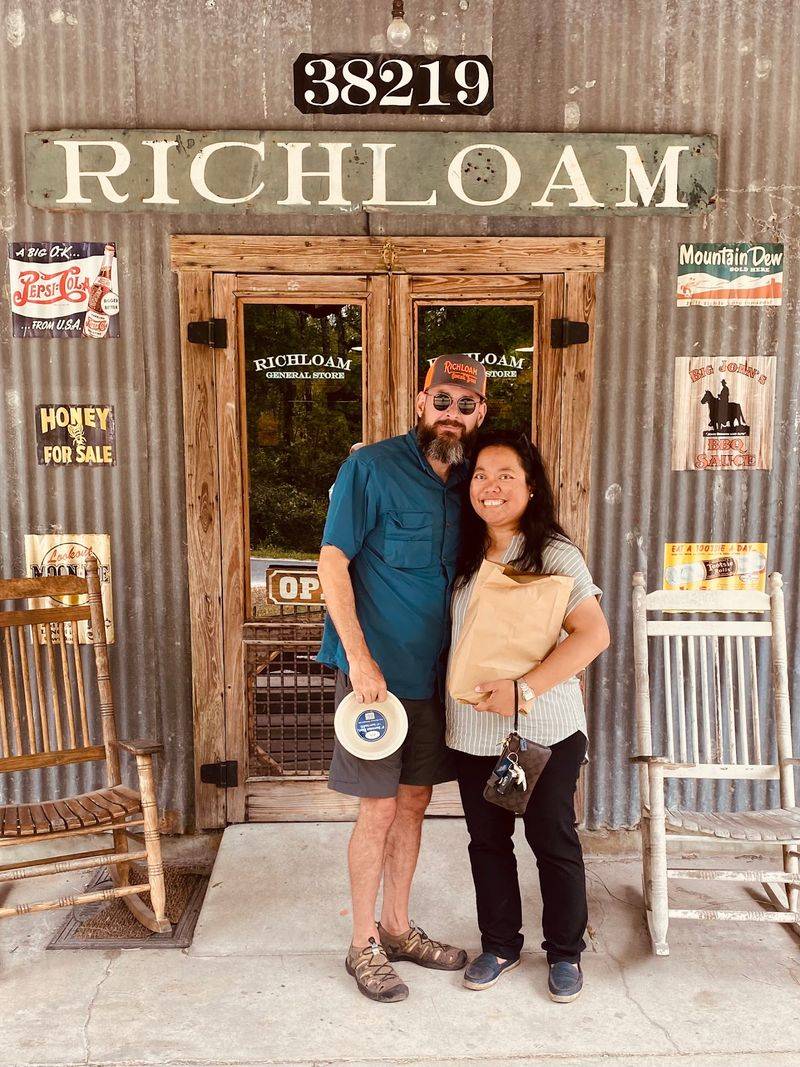
After sitting empty and forgotten for years, this 1920s-era store building got a second chance at life. Careful restoration brought back the original character while making the structure sound enough to actually function as a real general store again. Now it serves the tiny community of Webster with groceries, supplies, and a gathering spot that feels pulled straight from the past.
The restoration team kept as many original features as possible. Old advertising signs decorate the walls, vintage display cases hold modern merchandise, and the layout still follows the traditional general store format. Locals can grab essentials without driving to the nearest big town, just like their grandparents did decades ago.
What makes Richloam special is that it operates as an actual store, not just a museum piece. The shelves stock real products people need, from canned goods to hardware items. The cash register rings up genuine transactions, and neighbors still stop by to chat over a cold drink on the front porch.
Webster isn’t exactly a booming metropolis, so keeping a general store running takes determination. The restored Richloam proves that old buildings can serve modern purposes when someone cares enough to make it work. It’s history you can touch, shop in, and support with your wallet.
3. Indian Pass General Store (Port St. Joe)
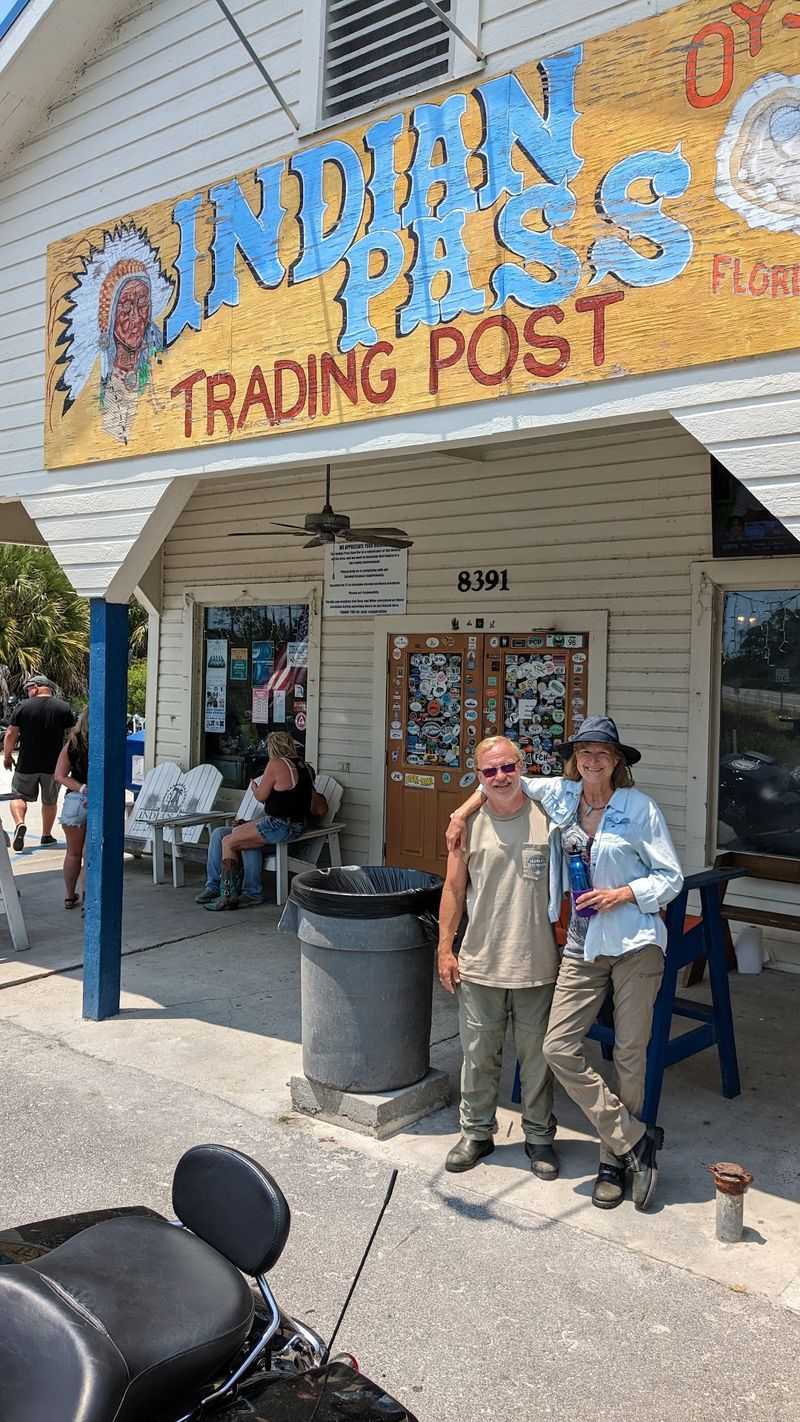
Some stores grow out of necessity, and Indian Pass started as a company store back in 1903 when workers needed supplies far from any town. That practical beginning evolved into a community institution that’s outlasted the original company by more than a century. The building has been rebuilt and modified over the decades, but the purpose remains unchanged.
Located near the water where fishing has always been a way of life, Indian Pass caters to anglers, boaters, and locals who appreciate the convenience of a neighborhood store. Fresh bait sits in coolers alongside cold drinks, while the shelves hold everything from sunscreen to canned beans. The menu board advertises hot food that fuels long days on the water.
This isn’t fancy or precious about its history. The focus stays on serving customers who need gear, groceries, or a quick meal without driving to Port St. Joe proper. The atmosphere leans more working waterfront than nostalgic attraction, though the age of the operation adds character you can’t fake.
Over 120 years of continuous operation means Indian Pass has weathered literal storms and economic ones. The secret to survival seems simple: stock what people need, stay open when they need you, and don’t overthink it. That formula worked in 1903 and still works today.
4. Smallwood Store (Chokoloskee)
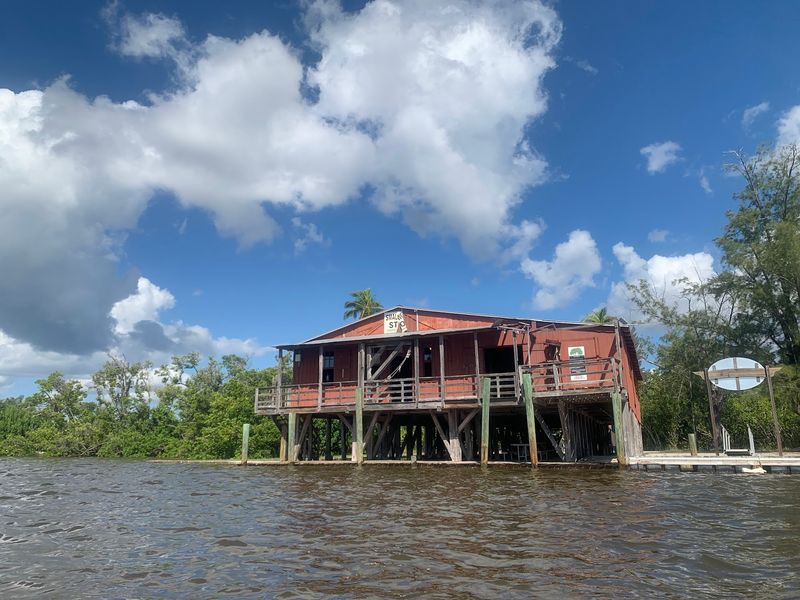
Built on stilts over the water in 1906, Ted Smallwood’s trading post served the isolated pioneers and Seminole people who lived in the Ten Thousand Islands. Smallwood bartered goods for otter pelts, alligator hides, and whatever else folks brought from the wild backcountry. The store became the economic and social center for a community that could only be reached by boat.
Today the building stands preserved as a museum, its shelves still lined with vintage merchandise that Smallwood himself might have sold. Original canned goods, tools, and household items remain on display, many still wearing their century-old price tags. The wooden floors and cypress walls tell stories of a Florida that existed before roads connected every town.
While you can’t actually shop for groceries here anymore, the gift shop sells books, local crafts, and souvenirs that help fund the museum’s preservation. The real draw is stepping into an authentic frontier trading post that hasn’t been sanitized or rebuilt. This is the actual building where Ted Smallwood conducted business, right down to the view of the water through the windows.
Chokoloskee remains remote even now, and visiting Smallwood Store requires commitment. But for anyone curious about how Floridians survived in the Everglades before modern convenience, this preserved trading post offers genuine answers instead of Hollywood versions.
5. Dudley Farm General Store at Dudley Farm Historic State Park (Newberry)
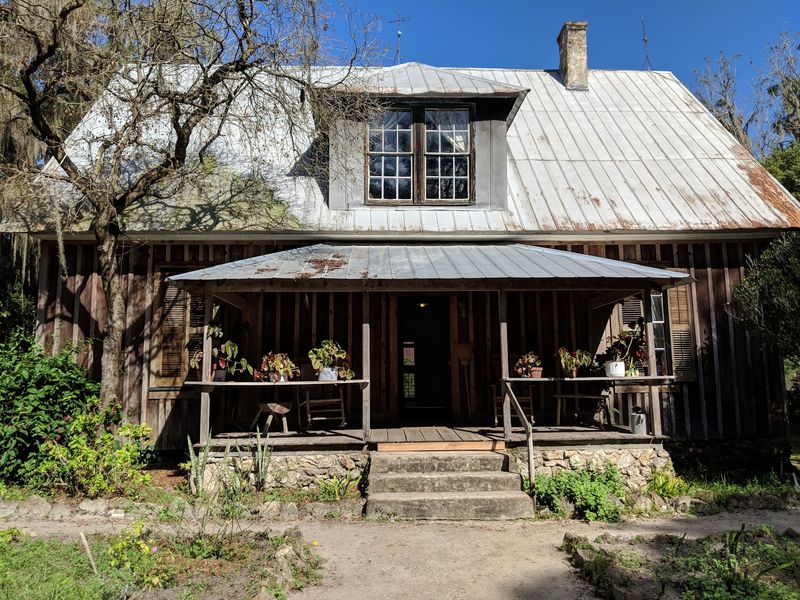
The Dudley family ran a working farm and general store from 1889 until the 1990s, creating a time capsule of rural Florida life that now operates as a state park. The general store building survives in remarkable condition, with many original items still sitting on the shelves exactly where the Dudleys left them. It’s not a reconstruction or a best guess at history; it’s the real deal.
Walking into the store feels like interrupting someone’s workday in 1920. Fabric bolts, kerosene lamps, patent medicines, and dry goods fill the space in organized chaos. The worn counter where farmers once paid for supplies still stands ready for business.
Even the dust seems historic, settling on merchandise that was old when your great-grandparents were young.
The entire 325-acre farm operates as a living history site, but the general store captures something special about how isolated communities survived. Families couldn’t just drive to Walmart; they depended on stores like this for everything from nails to coffee to conversation. The Dudleys understood that a general store was more than retail; it was infrastructure.
Visitors can tour the store during park hours and see exactly what rural commerce looked like before refrigeration and interstates. The state park preserves the whole farm operation, but the general store remains the emotional center, proving that some buildings are too important to lose.
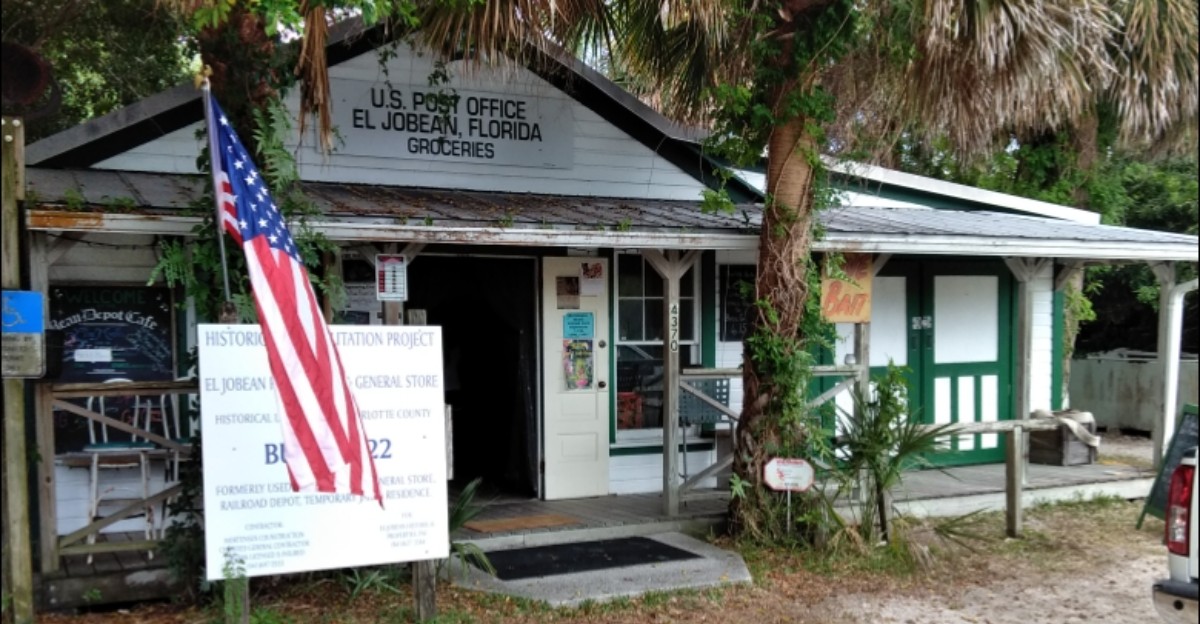
6. Bean Depot (El Jobean/Port Charlotte)
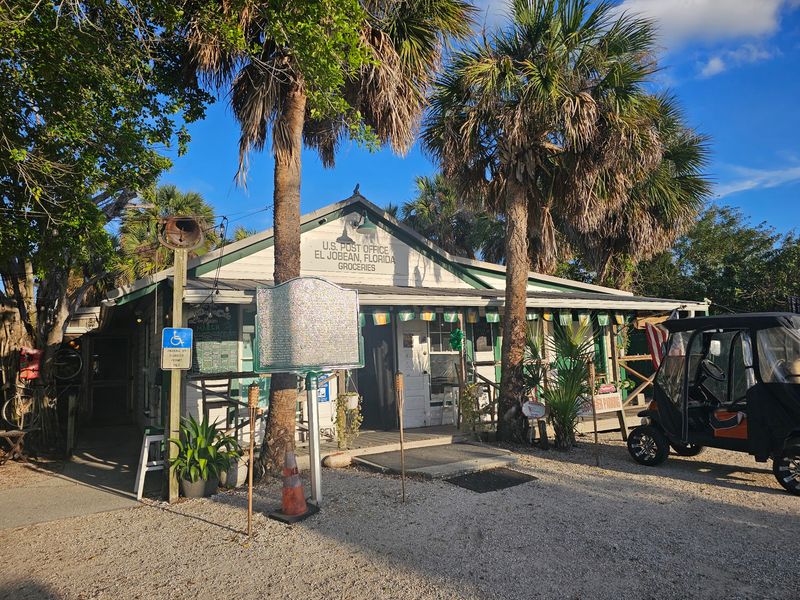
The 1923 building that once housed El Jobean’s post office and general store now serves breakfast, lunch, and a side of local history. The Bean Depot transformed the historic structure into a functioning café while preserving its character and displaying artifacts from the building’s first century. You can eat a sandwich at the same counter where pioneers once mailed letters and bought flour.
El Jobean was a planned community that never quite boomed as expected, but the general store and post office served the settlers who did arrive. The building witnessed the town’s hopes, struggles, and quiet persistence through Florida’s wild development eras. Now the café honors that history with old photographs, memorabilia, and stories that keep the past alive while serving the present.
The menu focuses on fresh, made-to-order food rather than trying to recreate 1920s cuisine. But the atmosphere delivers genuine vintage character without feeling like a theme restaurant. Original architectural details mix with comfortable seating, and the small museum section displays items from the building’s general store days.
This adaptive reuse proves historic buildings don’t have to become dusty museums. The Bean Depot found a way to preserve the structure and its stories while giving the community a gathering place that actually gets used. Morning coffee tastes better when you’re drinking it in a building that’s seen a century of local life.
7. L S Pender Co / Pender’s Store (Greenwood)
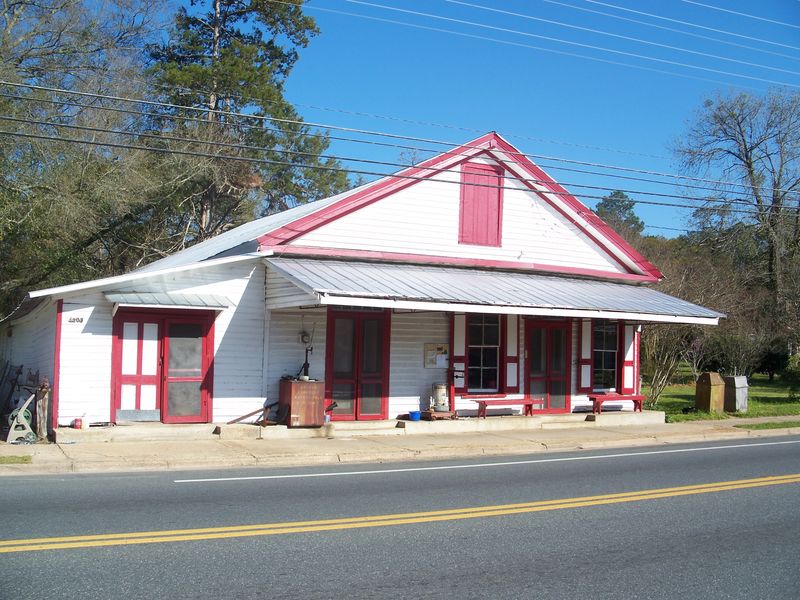
Operating since 1869 makes Pender’s Store one of Florida’s oldest continuously running businesses. The building in tiny Greenwood has served generations of Jackson County residents through Reconstruction, two world wars, the Depression, and every change modern Florida could throw at it. Business listings still show operating hours, suggesting the store maintains some level of service even after 150-plus years.
The longevity alone tells a story about rural communities and the general stores that anchor them. Pender’s survived because it filled needs that big chains couldn’t or wouldn’t bother with in a town as small as Greenwood. When everyone knows your name and your family’s been shopping there since before your grandparents were born, that’s not just commerce; it’s community infrastructure.
Details about current operations can be hard to pin down for a store this old in a town this small, but the fact that Pender’s name still appears in active business directories is remarkable. Many Florida towns lost their historic general stores decades ago to economic pressures. Greenwood held onto theirs through sheer determination and local loyalty.
Visiting requires a trip to North Florida’s backroads, where towns barely register on most maps. But for anyone interested in authentic Old Florida businesses that predate the Civil War, Pender’s Store represents a rare survivor. The building itself has witnessed more Florida history than most museums could ever display.
8. Camp Mack General Store at Camp Mack (Lake Wales)
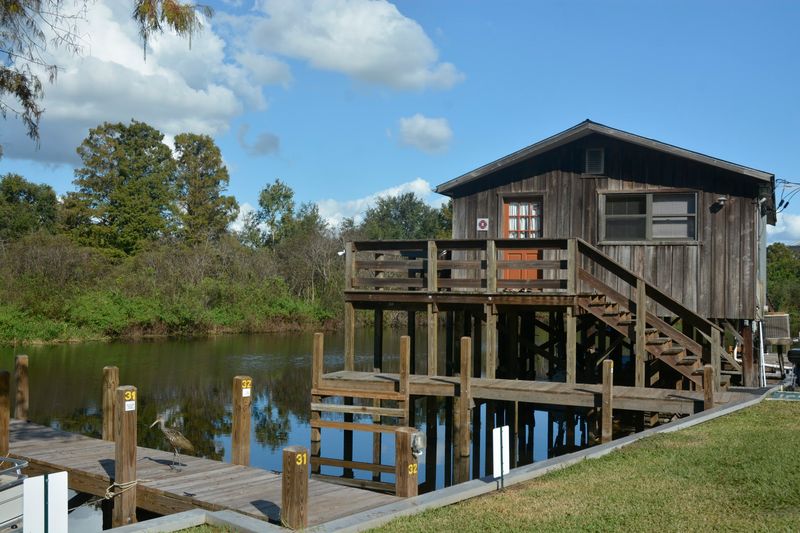
Before theme parks and resort hotels, Florida drew visitors to fishing camps tucked along remote lakes and rivers. Camp Mack represents that vanishing world, a surviving Old Florida fishing camp where the general store still sells bait, snacks, supplies, and gear to anglers heading out on the water. It’s the real thing, not a themed recreation for tourists who want to play fisherman.
The store operates with the practical mindset that’s kept fishing camps alive: stock what people actually need, skip the fancy stuff, and stay open when the fish are biting. Cold drinks sit in coolers next to live bait tanks. Fishing tackle hangs on walls alongside basic groceries and camping supplies.
The atmosphere is pure function, worn smooth by decades of use.
Camp Mack’s location on Lake Hatchineha puts it in the middle of some of Central Florida’s best bass fishing, so the general store serves serious anglers rather than casual visitors. Guides stock up here before taking clients out. Weekend warriors grab forgotten supplies before launching their boats.
The rhythm of the place follows the rhythm of the fish.
Plenty of Florida fishing camps have closed or converted to luxury experiences. Camp Mack general store survives because it stayed focused on serving actual fishermen with honest goods at fair prices. That simple formula has worked for generations, and there’s no reason to mess with success.
9. Terry Store at Cracker Country (Tampa)
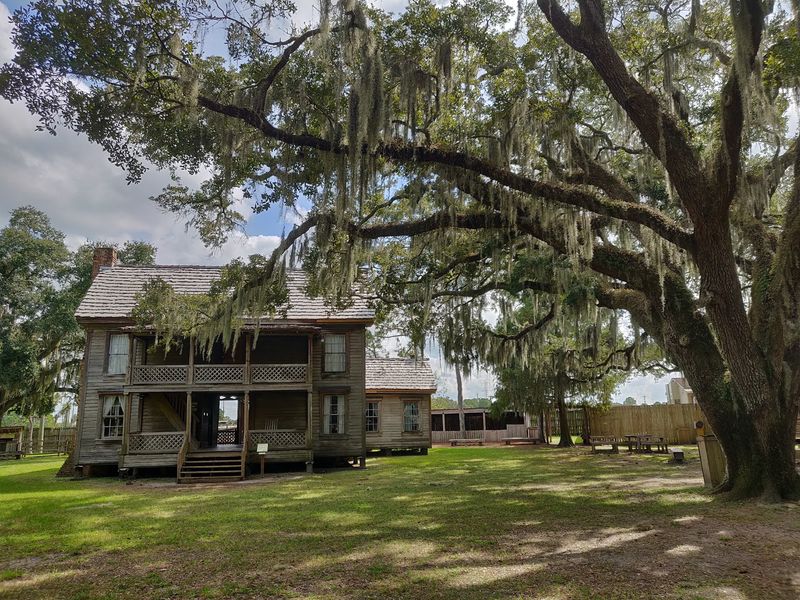
The Terry Store started life somewhere in rural Florida during the 1800s, serving a community that’s long since vanished. Rather than let the building rot or get demolished, preservationists moved it to Cracker Country at the Florida State Fairgrounds, where it anchors a collection of historic structures that tell the story of pioneer Florida. The store still operates a gift shop when Cracker Country is open to visitors.
Original general stores like this one were the Amazon Prime of their era: the place you went for everything you couldn’t make, grow, or barter for yourself. The Terry Store’s layout and surviving features show how these operations worked, from the high shelves requiring ladders to the central counter where storekeepers tallied purchases in ledger books. Modern visitors can walk through and understand rural commerce before electricity or refrigeration.
Access depends on Cracker Country’s schedule, which typically coincides with the Florida State Fair and special events throughout the year. The gift shop sells period-appropriate items and souvenirs rather than trying to recreate an 1800s shopping experience. It’s educational preservation with a practical twist, keeping the building active rather than roped off behind velvet barriers.
Moving historic buildings to museum settings isn’t ideal, but it beats losing them entirely. The Terry Store at Cracker Country gives thousands of fairgoers each year a chance to step inside an authentic piece of Old Florida that would otherwise exist only in photographs and memories.