9 Florida Towns Losing Residents As Property Taxes Reach Record Highs
Property taxes across Florida have climbed to unprecedented levels, forcing longtime residents to make tough decisions about where they can afford to live. While the Sunshine State has no income tax, rising home values and tax assessments have created a financial squeeze that’s hitting homeowners hard. Some of Florida’s most desirable communities are watching their populations shrink as families and retirees pack up and search for more affordable options, either elsewhere in the state or out of Florida entirely.
1. Key West
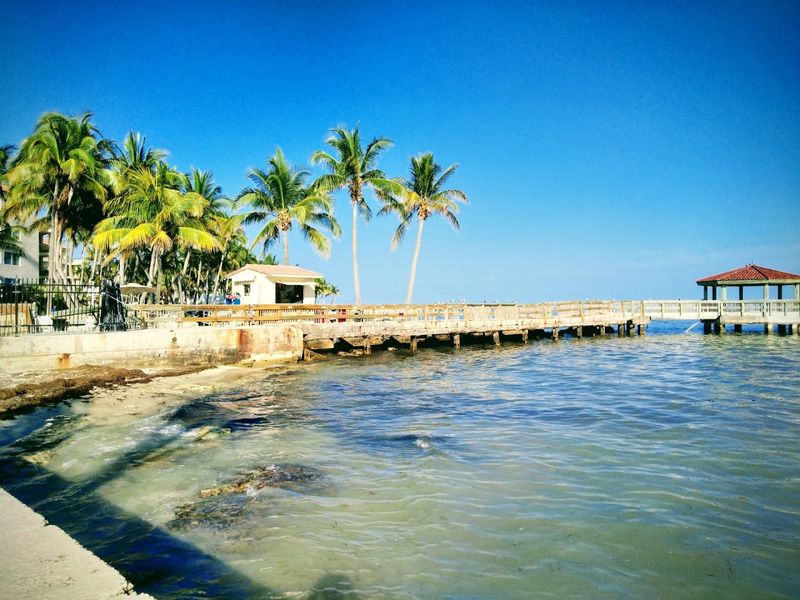
Imagine owning a slice of paradise only to watch your tax bill double in just a few years. That’s the reality for many Key West homeowners who’ve seen property values skyrocket beyond what most working families can sustain. The island’s limited land and massive tourism appeal have turned modest homes into million-dollar properties on paper, with tax bills to match.
Year-round residents who’ve called Key West home for decades are being priced out by assessments that assume everyone can afford waterfront luxury rates. Service workers, teachers, and small business owners find themselves unable to compete when their property taxes rival a mortgage payment. The island’s unique character, built by generations of locals, is fading as only wealthy second-home owners can afford to stay.
City officials have watched the exodus with growing concern, knowing that losing permanent residents threatens the community’s soul. When the people who actually run the restaurants, schools, and shops can’t afford to live here, something fundamental breaks. Key West risks becoming a beautiful but hollow tourist destination rather than a living, breathing community.
The situation has sparked heated debates about homestead exemptions and assessment caps, but relief has been slow. Meanwhile, moving trucks continue rolling off the island as another family decides enough is enough.
2. Pinellas Park
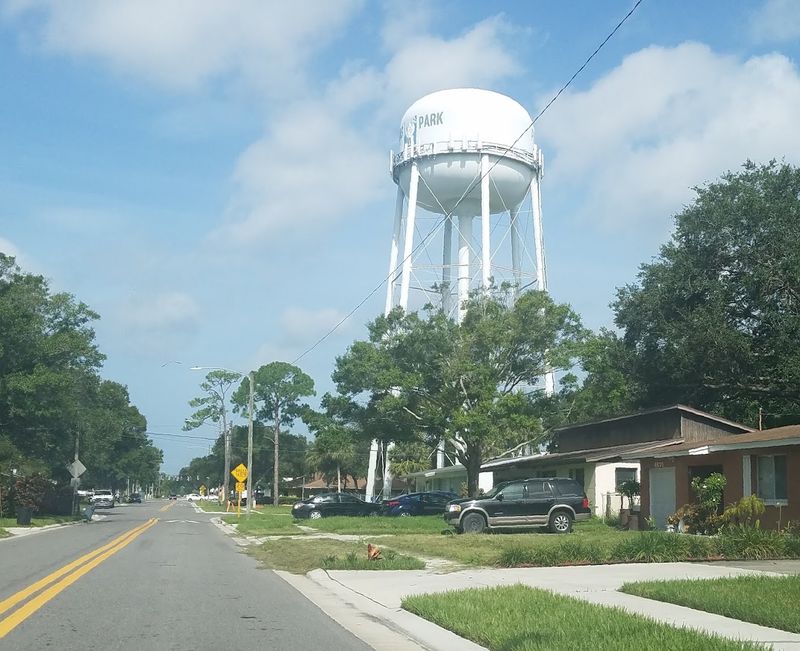
Working-class families built Pinellas Park into a solid, affordable community where homeownership felt achievable. Those days are vanishing fast as property assessments climb year after year, pushing tax bills beyond what many households budgeted for. What was once considered the affordable option in Pinellas County now strains budgets just like everywhere else.
Retirees on fixed incomes face particularly brutal choices when their annual tax bill jumps by hundreds or even thousands of dollars. Social Security checks don’t grow at the same pace as property values, creating an impossible math problem for seniors who thought they’d secured their future. Some have owned their homes for thirty years only to find themselves house-rich but cash-poor.
The city’s population has started trending downward as residents realize they can sell high and relocate to states with lower overall tax burdens. Georgia, Tennessee, and the Carolinas have become popular destinations for former Pinellas Park families seeking relief. Local businesses notice the change as longtime customers disappear and community ties weaken.
City leaders acknowledge the problem but have limited tools to address it without slashing services. The tax base needs to support schools, roads, and emergency services, yet the burden falls heavily on homeowners. It’s a cycle that’s proving difficult to break, and the population numbers tell the story.
3. Dunedin
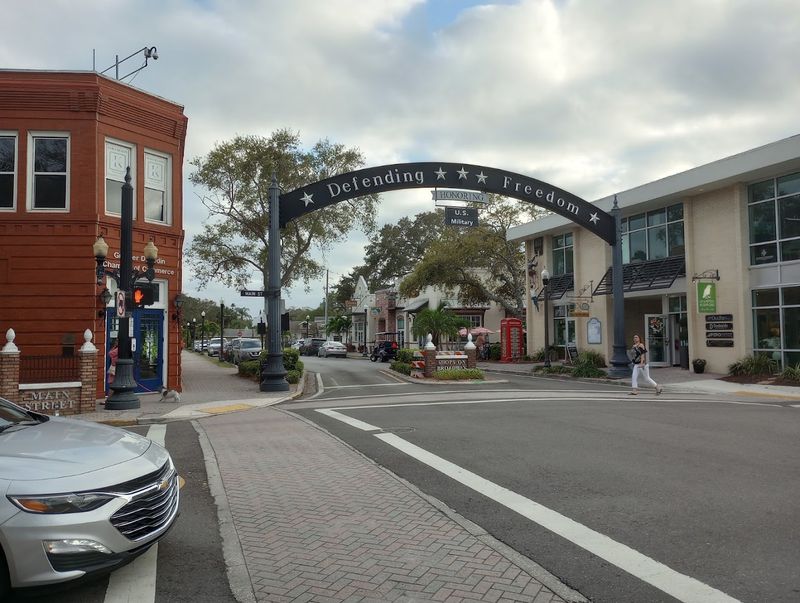
Dunedin’s small-town charm and walkable downtown have made it incredibly desirable, which turned out to be a double-edged sword for longtime residents. Property values have surged as the city gained popularity, dragging tax assessments upward at a pace that’s left many homeowners gasping. What started as a quiet community has become a hot market where original residents can barely afford to stay.
The town’s appeal to retirees and young professionals pushed home prices into territory that seemed unimaginable just a decade ago. Older residents who bought modest bungalows in the 1980s and 1990s now face tax bills based on half-million-dollar valuations. Their actual homes haven’t changed, but the market around them has exploded, and the tax collector doesn’t care about original purchase prices.
Families with kids in local schools have been particularly hard-hit, forced to choose between staying in a community they love and finding financial breathing room elsewhere. The exodus has been gradual but steady, with census data showing a slow population decline even as Dunedin’s reputation grows. It’s the ultimate irony: success is driving away the people who made the town special.
Local advocacy groups have pushed for more generous homestead protections and assessment relief, but state-level changes move slowly. Meanwhile, another For Sale sign goes up as someone decides the tax burden has become too much.
4. Largo
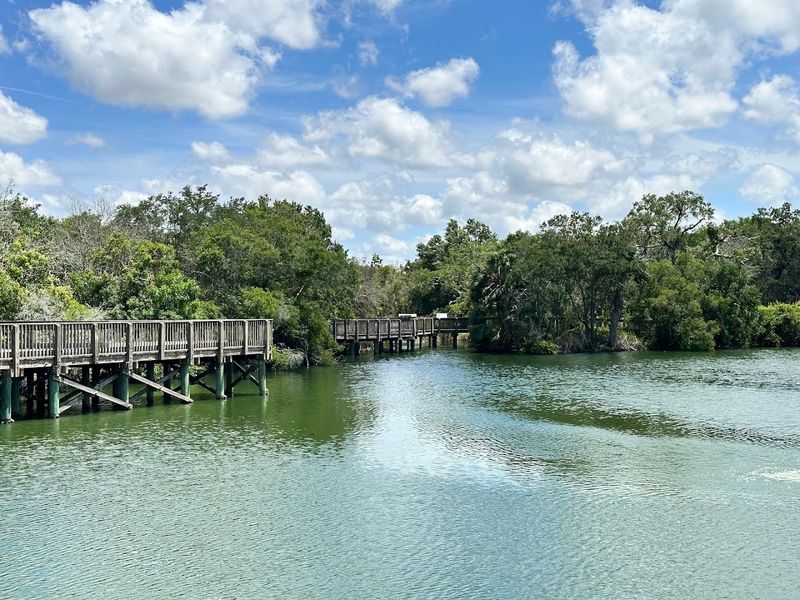
Largo built its reputation as a practical, no-frills place where middle-income families could own a home and build equity. That promise is crumbling under the weight of property tax increases that have outpaced wage growth by a disturbing margin. Residents who played by the rules and bought within their means now find those means stretched dangerously thin.
The city sits in the heart of Pinellas County, where property values have climbed across the board thanks to Florida’s overall population boom. But Largo homeowners aren’t seeing corresponding increases in their paychecks or retirement benefits. A nurse or electrician who bought a home five years ago might now face tax bills that consume an extra month’s salary compared to when they moved in.
Seniors have been leaving in notable numbers, trading their Largo homes for places in North Florida or other states entirely. The snowbird lifestyle loses its appeal when your tax bill hits you harder than a northern winter. Some are cashing out while values are high, but it means leaving behind friends, doctors, and familiar routines built over decades.
City officials wrestle with budget demands while watching their tax base age and shrink. Infrastructure needs don’t disappear just because residents are struggling, creating political pressure from all sides. The result is a community in flux, losing the stability that once defined it.
5. Longboat Key
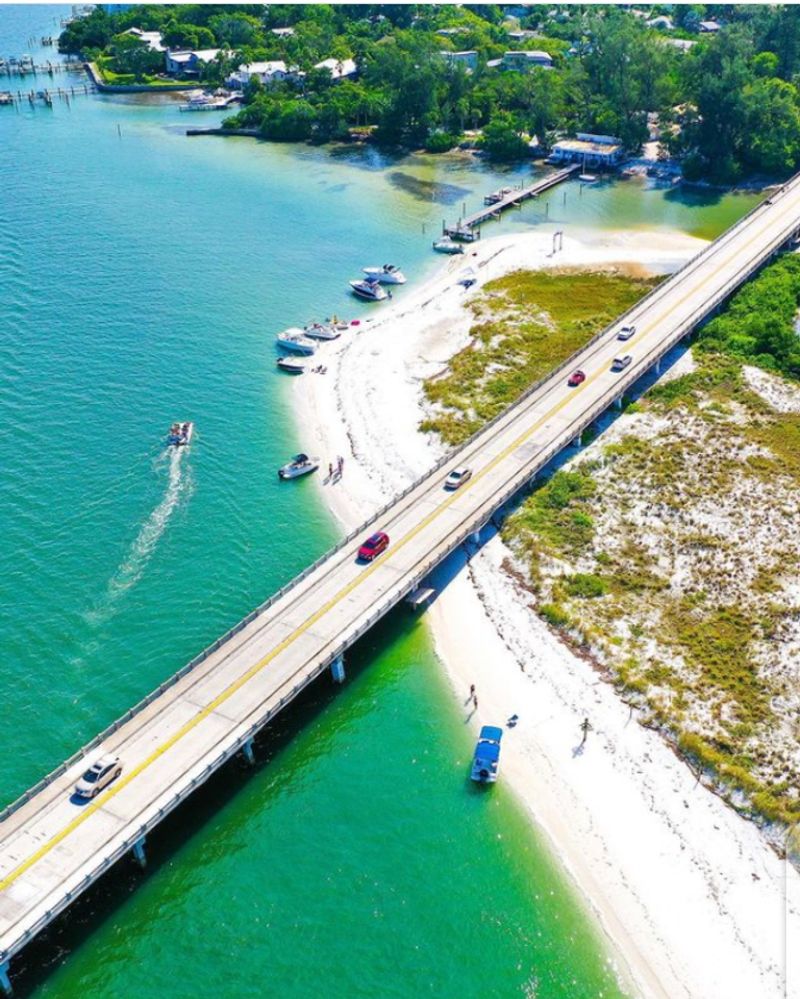
Even wealthy communities aren’t immune when property taxes spiral out of control, and Longboat Key proves the point. This barrier island has always attracted affluent buyers, but recent tax assessments have pushed beyond what many retirees planned for in their budgets. Fixed incomes don’t stretch infinitely, even comfortable ones, and some longtime residents are calling it quits.
The island’s real estate market has gone stratospheric, with waterfront properties valued in the millions and tax bills to match. Homeowners who bought condos or houses twenty years ago as retirement retreats now face annual tax obligations that rival what many Americans pay in rent. The math simply stops working for people who aren’t actively earning high incomes anymore.
What makes Longboat Key’s situation particularly striking is that these aren’t struggling families; they’re well-off retirees who are still finding the burden excessive. When even the wealthy start looking for exits, it signals just how extreme the tax situation has become. Some are relocating to tax-friendly states like Texas or Nevada, where their retirement savings stretch further.
The island’s year-round population has declined as more properties become seasonal vacation homes rather than primary residences. That shift changes the community’s character, reducing local engagement and turning neighborhoods into part-time ghost towns. Luxury doesn’t guarantee affordability, and Longboat Key is learning that lesson the hard way.
6. Safety Harbor
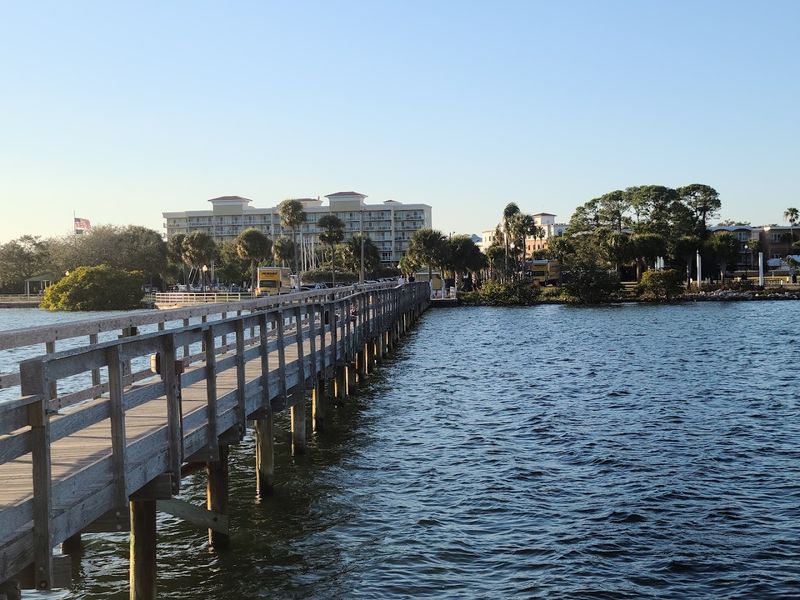
Safety Harbor’s quirky, artsy vibe attracted people looking for something different from typical Florida suburbia. That uniqueness has become a liability as the town’s charm drove up property values and, inevitably, tax assessments. Artists, small business owners, and creative types who gave the town its character are finding themselves priced out of their own community.
The waterfront location and proximity to Tampa made Safety Harbor a target for investors and wealthier buyers seeking the next hot spot. Original residents watched their property values climb, which sounds great until the tax bill arrives. A potter or yoga instructor who bought a cottage fifteen years ago now faces taxes based on what a tech worker from Tampa might pay, except their income hasn’t changed.
The town’s population has started to dip as people realize they can’t sustain the financial pressure. Some have moved to more affordable inland areas, while others left Florida entirely for states where their lifestyle and income align better with housing costs. Each departure weakens the creative community that made Safety Harbor special in the first place.
Local government faces the impossible task of keeping taxes reasonable while maintaining the amenities that attracted people here. It’s a balancing act that’s failing longtime residents, who feel betrayed by a system that punishes them for their town’s success. The irony isn’t lost on anyone paying attention.
7. Surfside
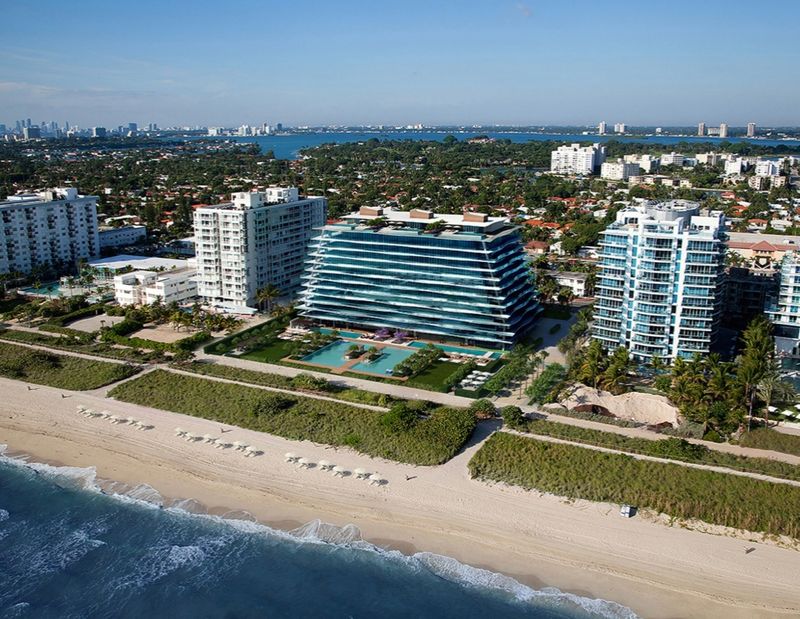
Surfside grabbed national headlines for tragedy, but the town was already dealing with a quieter crisis as property taxes pushed longtime residents toward the exits. This small beachfront community has seen explosive growth in property values, driven by Miami’s overflow and international buyers seeking coastal real estate. The tax implications have been devastating for families who’ve lived here for generations.
Assessments have climbed so dramatically that some homeowners face bills exceeding twenty or thirty thousand dollars annually. That’s not a mortgage payment; that’s just the tax for the privilege of keeping your home. Retirees and working families alike have done the math and realized they can’t win this game, leading to a steady population decline despite the town’s obvious appeal.
The community’s character has shifted noticeably as permanent residents give way to investment properties and part-time occupants. Schools feel the impact when families with children move away, and local businesses lose their regular customer base. What remains is a beautiful but increasingly hollow version of what Surfside used to be.
Town officials have tried to address concerns, but they’re operating within a state tax structure that offers limited flexibility. Property taxes fund essential services, yet the burden has become unsustainable for the very people who built the community. It’s a problem without easy answers, and the exodus continues.
8. Miami Beach
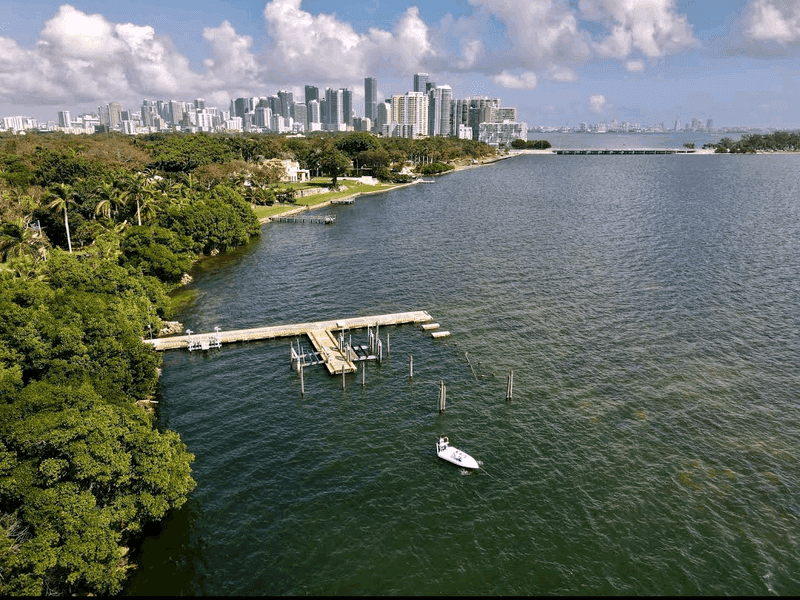
Miami Beach has always been expensive, but recent property tax increases have reached levels that shock even wealthy residents. The city’s global appeal and limited land have created a perfect storm where assessments climb relentlessly, year after year. Longtime residents, including those with significant means, are questioning whether staying makes financial sense anymore.
Condos that were affordable retirement options in the 1990s now carry tax bills that exceed what many people pay in total housing costs elsewhere. The city’s infrastructure needs, from sea level rise preparation to aging buildings, require massive funding, and property owners bear the brunt. Even people who love the lifestyle are calculating whether they’re getting value for what they’re paying.
The population has actually declined in recent years, a surprising trend for such a desirable location. Families with children have largely disappeared, priced out by both housing costs and property taxes that make raising kids here financially impractical. What remains skews heavily toward wealthy internationals and investors who treat properties as assets rather than homes.
Service workers and middle-class professionals face impossible choices, commuting from far outside the city because living here is out of reach. The community loses diversity and vitality when only the ultra-wealthy can afford to stay. Miami Beach risks becoming a beautiful facade with no real heart, a playground for the rich that’s lost its connection to everyday life.
9. Sanibel
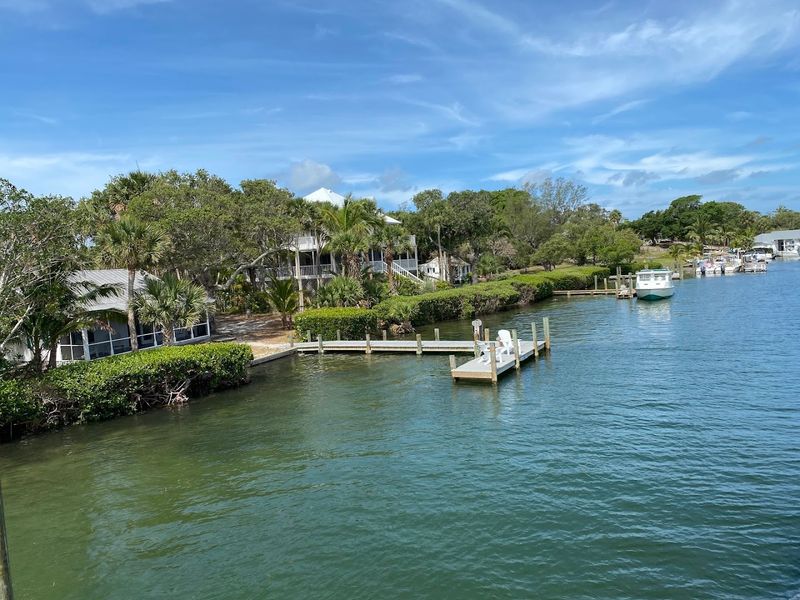
Sanibel Island’s natural beauty and shell-covered beaches made it a dream destination for retirees and nature lovers. That dream has soured for many as property taxes have climbed to stratospheric levels, reflecting the island’s desirability and limited housing stock. Homeowners who bought modest island cottages decades ago now face tax bills that assume everyone here is wealthy, which simply isn’t true.
Hurricane Ian’s devastation added another layer of complexity, with rebuilding costs and insurance issues compounding the tax burden. Some residents faced the dual challenge of repairing damaged homes while also dealing with increased assessments on properties that needed major work. The financial pressure became too much for many, leading to a wave of departures that’s changed the island’s year-round population.
Retirees on fixed incomes have been particularly vulnerable, finding that their carefully planned budgets can’t absorb tax increases that jump by thousands of dollars. Selling while the market remains strong makes sense financially, even if it means leaving a beloved community behind. The emotional toll is real, but so are the bills that keep arriving.
The island’s character is shifting as full-time residents are replaced by vacation homes that sit empty much of the year. Local businesses notice the difference when their regular customers disappear, and community organizations struggle to maintain participation. Sanibel remains beautiful, but it’s losing the people who truly called it home.