9 Roadside Stops Near Homestead Where a Few Dollars Buys Something You’ve Probably Never Tried
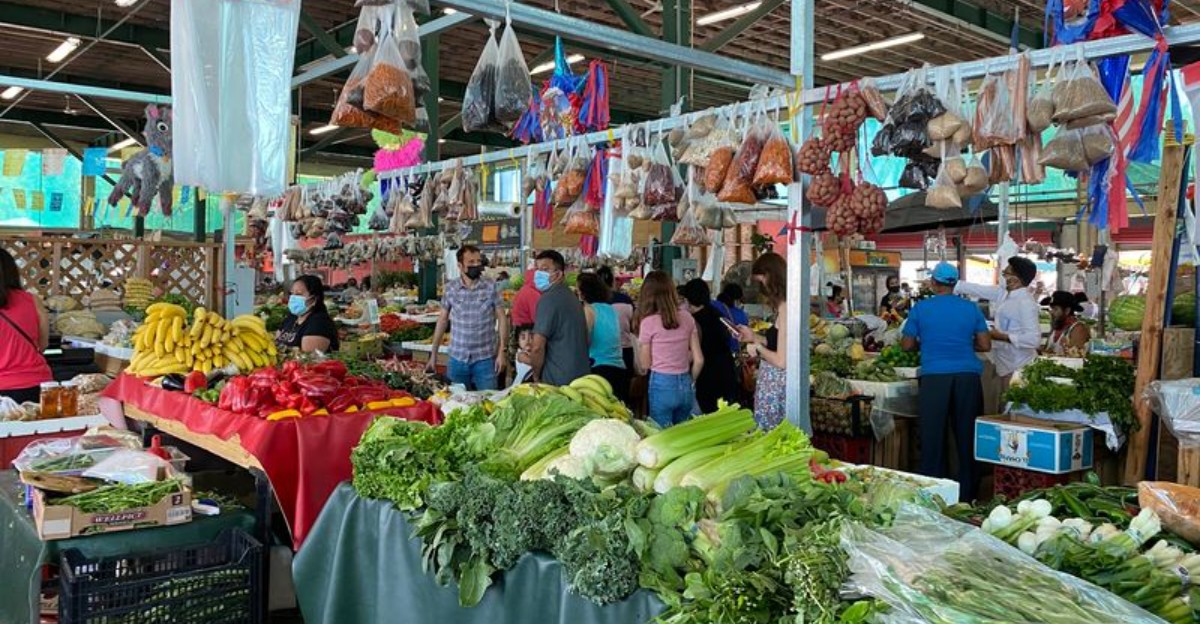
Homestead sits in the heart of Florida’s agricultural treasure zone, where roadside stands offer flavors most grocery stores have never heard of. Forget boring apples and bananas. Around here, a couple bucks gets you dragon fruit the size of your fist, guava juice pressed while you watch, or tropical fruits with names you can’t pronounce but will definitely remember.
These family-run spots turn quick pit stops into edible adventures you’ll be talking about for weeks.
1. Robert Is Here Fruit Stand
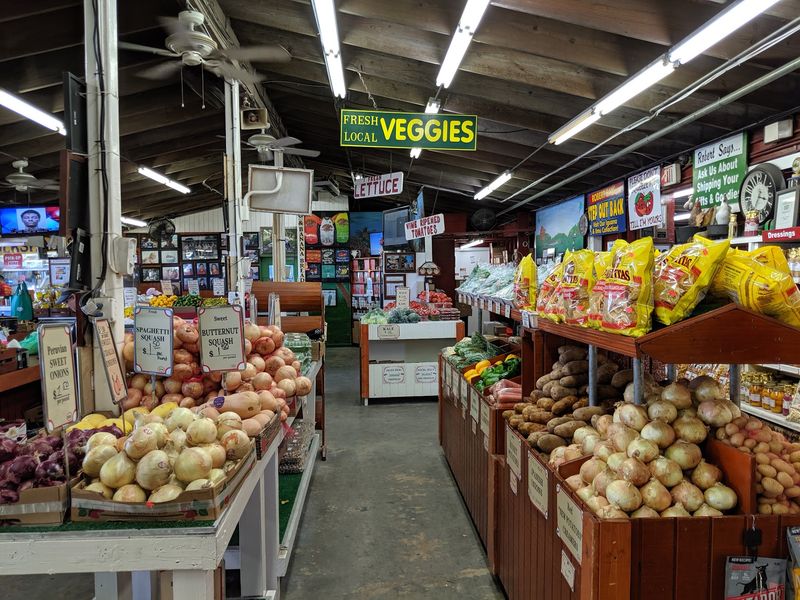
Since 1960, this legendary spot has turned fruit shopping into a full-blown experience. The owner started selling cucumbers on the roadside as a six-year-old kid, and now his stand draws crowds from across the state. Walk through and you’ll spot fruits you’ve probably scrolled past on Instagram but never tasted in real life.
Mamey sapote tastes like pumpkin pie mixed with sweet potato. Sugar apples have custard-like flesh that practically melts on your tongue. Black sapote gets called chocolate pudding fruit for good reason.
The staff actually knows what everything tastes like and will steer you toward ripe ones ready to eat today.
Beyond exotic fruits, they whip up fresh smoothies that cost less than chain coffee drinks but pack way more flavor. The key lime shake uses actual Florida key limes, not that bottled stuff. Kids go wild for the petting zoo out back, where goats and peacocks roam around looking for snack handouts.
Grab a bottle of their homemade hot sauce or guava jam before leaving. Both make killer gifts that actually get used instead of collecting dust on a shelf. The whole vibe feels like stepping into old Florida before everything got paved over and corporatized.
2. Rubio’s Farm Fresh Produce
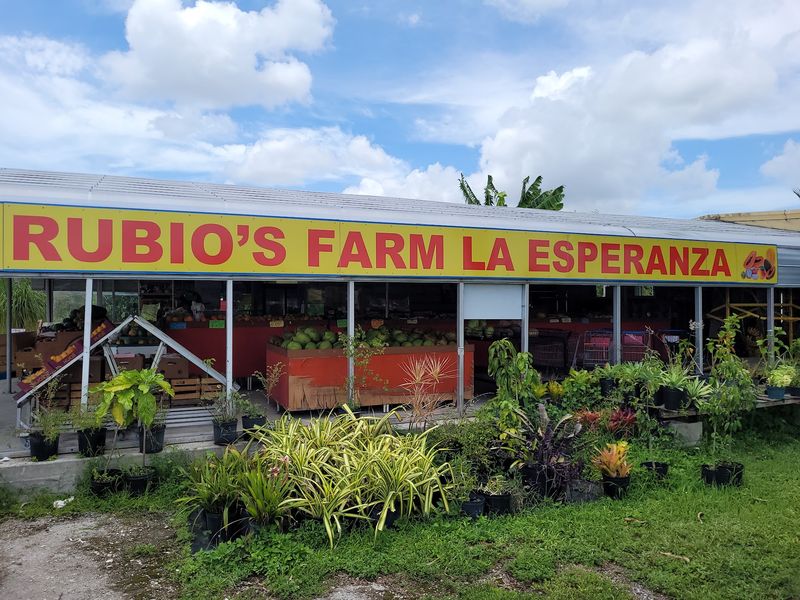
This family operation keeps things simple and honest. No fancy signs or tourist gimmicks, just really good produce at prices that make you wonder if they forgot to add a zero. The Rubio family grows much of what they sell, so you’re buying directly from the people who planted the seeds months ago.
Their avocados come in varieties most people have never encountered. Some are smooth and buttery, others have a nuttier flavor. The family will tell you exactly which ones work best for guacamole versus slicing onto toast.
They also stock vegetables that rarely show up in regular stores, like chayote squash and yuca root.
Longan fruit looks like little brown marbles but cracks open to reveal translucent white flesh that tastes like a grape met a lychee. Carambola, better known as star fruit, gets sold by the bagful when in season. Slice it crosswise and each piece looks like a perfect five-pointed star, which makes it ridiculously fun to eat.
The stand operates on somewhat unpredictable hours since harvest schedules drive everything. But that’s part of the charm. You’re working around nature’s timeline, not corporate convenience.
Cash works best here, though they’ve started taking cards. Bring a cooler if you’re loading up because this stuff tastes best fresh.
3. Vietnamese Fruits Garden
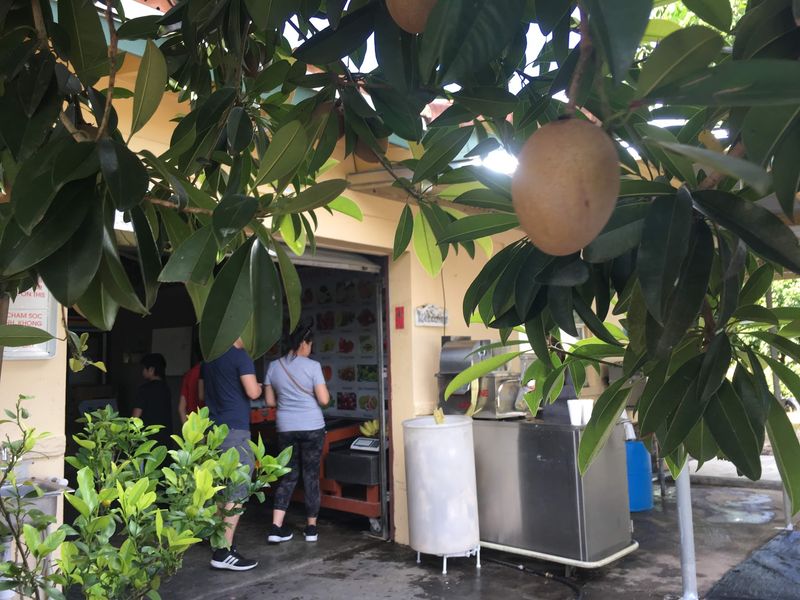
Walking into this place feels like teleporting straight to Southeast Asia. The owners grow and import fruits that Vietnamese families grew up eating but can’t find anywhere else in South Florida. For everyone else, it’s a chance to taste things that don’t exist in the American food vocabulary.
Rambutan looks like a hairy red sea urchin but inside hides sweet, juicy flesh surrounding a seed. Durian, the infamous king of fruits, smells like gym socks mixed with onions but tastes like creamy, custardy heaven to those who can get past the stink. The garden keeps it outside for obvious reasons.
Jackfruit grows so massive that one fruit can feed a family for days. The yellow pods inside taste like a tropical Juicy Fruit gum, sweet and slightly funky in the best way. Dragon fruit comes in both white and deep magenta varieties, and the owners will explain how to tell when they’re perfectly ripe.
Don’t skip the preserved and dried fruits near the register. Salted plums, dried mango strips dusted with chili powder, and candied ginger make perfect road trip snacks. The language barrier might exist, but pointing and smiling works perfectly fine.
They’re used to curious first-timers and genuinely enjoy watching people discover new favorites.
4. Serendib Farms
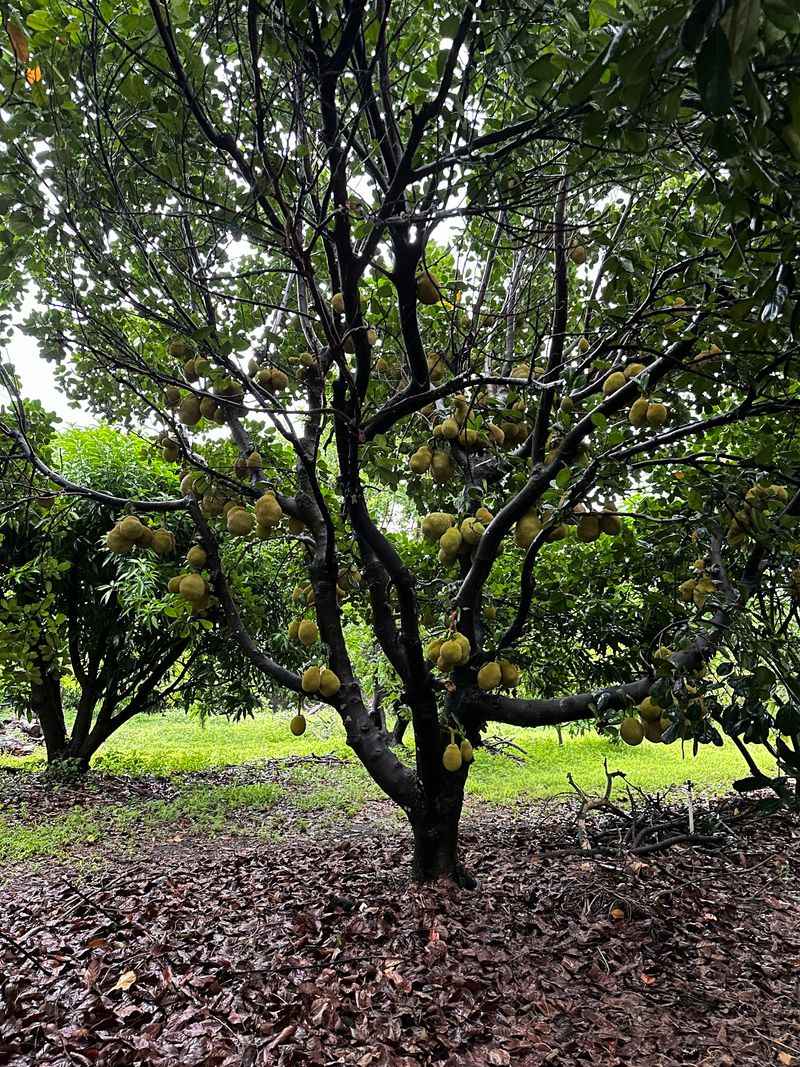
Serendib is the old Arabic name for Sri Lanka, and this farm brings that island’s flavors straight to Homestead’s dirt roads. The family running it grows produce you’d find in Colombo markets but almost nowhere in the United States. It’s a cultural education disguised as a fruit stand.
Wood apple looks like a coconut had a baby with a baseball. Crack it open and scoop out the brown pulp that tastes tangy and sweet at the same time, like tamarind’s cousin. Jak fruit here comes fresh off the tree, not from a can, and the difference is staggering.
Curry leaves grow in bunches, ready to perfume your kitchen with that unmistakable South Asian aroma.
The farm also stocks harder-to-find vegetables like bitter melon, snake gourd, and drumstick pods that show up in traditional curries. If you’re not sure what to do with something, just ask. The owners love sharing recipes and cooking tips, often writing them down on scraps of paper for you to take home.
Prices stay ridiculously low because there’s no middleman markup. You’re buying directly from the field to your bag. The farm operates more like a community resource than a business trying to maximize profits.
That old-school approach makes every visit feel less like shopping and more like visiting family who insists on feeding you.
5. Bà 9 Vườn Trái Cây
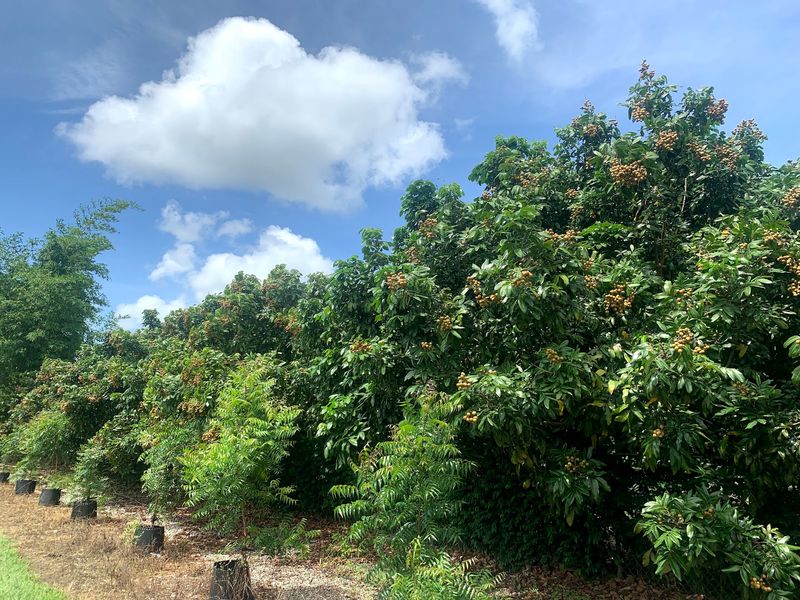
The name translates roughly to Grandma Nine’s Fruit Garden, and that tells you everything about the vibe here. This isn’t a slick operation with branded signage. It’s literally someone’s backyard garden that got so productive they started sharing the bounty with anyone who stops by.
Lychee season brings people from three counties over because these trees produce fruit that makes grocery store versions taste like cardboard. The red shells crack easily to reveal glossy white fruit that explodes with floral sweetness. Longan grows here too, smaller and subtler but just as addictive once you start peeling.
Guava trees drop fruit that ranges from white to deep pink inside. Some taste mild and perfumy, others pack a tangy punch that wakes up your whole mouth. Bà 9 knows every tree personally and will walk you around pointing out what’s ready to pick versus what needs another week.
The garden operates on an honor system sometimes. A little cash box sits on a table, and you pay what’s fair. That level of trust feels rare these days, almost quaint.
But it works because the community respects it. Bring small bills because making change isn’t always possible. And don’t be surprised if Bà 9 herself hands you something extra to try on your way out.
That’s just how she rolls.
6. Villa Verde Farmer’s Market
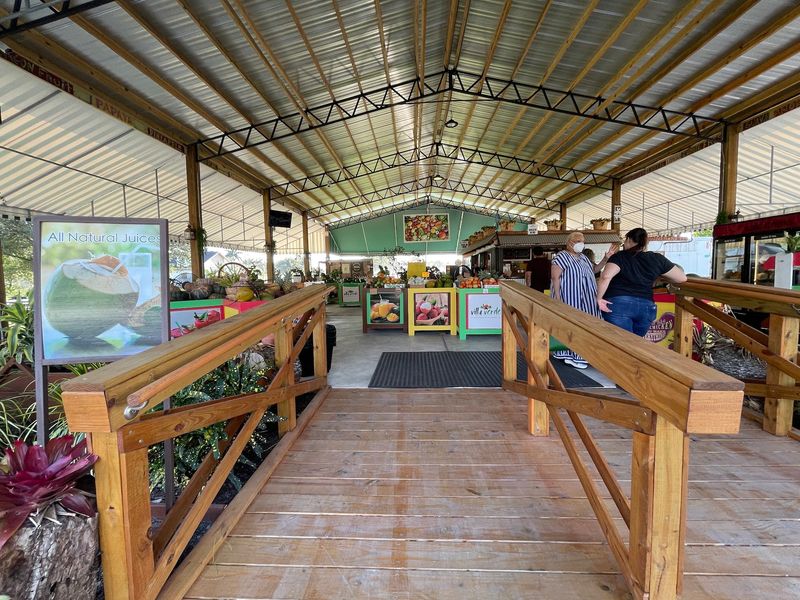
Villa Verde operates as a collective where several local growers pool their harvests under one roof. That means variety explodes compared to single-farm stands. One table might overflow with herbs, another with root vegetables, while a third showcases whatever tropical fruits came ripe that morning.
Culantro looks like cilantro’s bigger, tougher sibling and tastes about three times stronger. Caribbean and Latin American cooks swear by it for salsas and marinades. Fresh turmeric root stains your fingers bright yellow but adds an earthy kick that powdered stuff can’t match.
Ginger comes in knobs the size of your palm, gnarly and potent.
Papaya here gets picked at actual ripeness instead of shipped green and gassed to fake maturity. The difference hits you immediately when you slice into one. The flesh glows orange, smells like tropical vacation, and tastes naturally sweet without any weird aftertaste.
Plantains come in all stages from green and starchy to black and candy-sweet.
The market also stocks prepared foods on weekends. Empanadas stuffed with picadillo, tamales wrapped in banana leaves, and fresh-pressed sugarcane juice all make appearances depending on who’s cooking that day. It’s the kind of place where you go in planning to grab tomatoes and leave with a bag full of things you didn’t know you needed.
Cash still reigns supreme here, so hit the ATM first.
7. The Guarapo Man
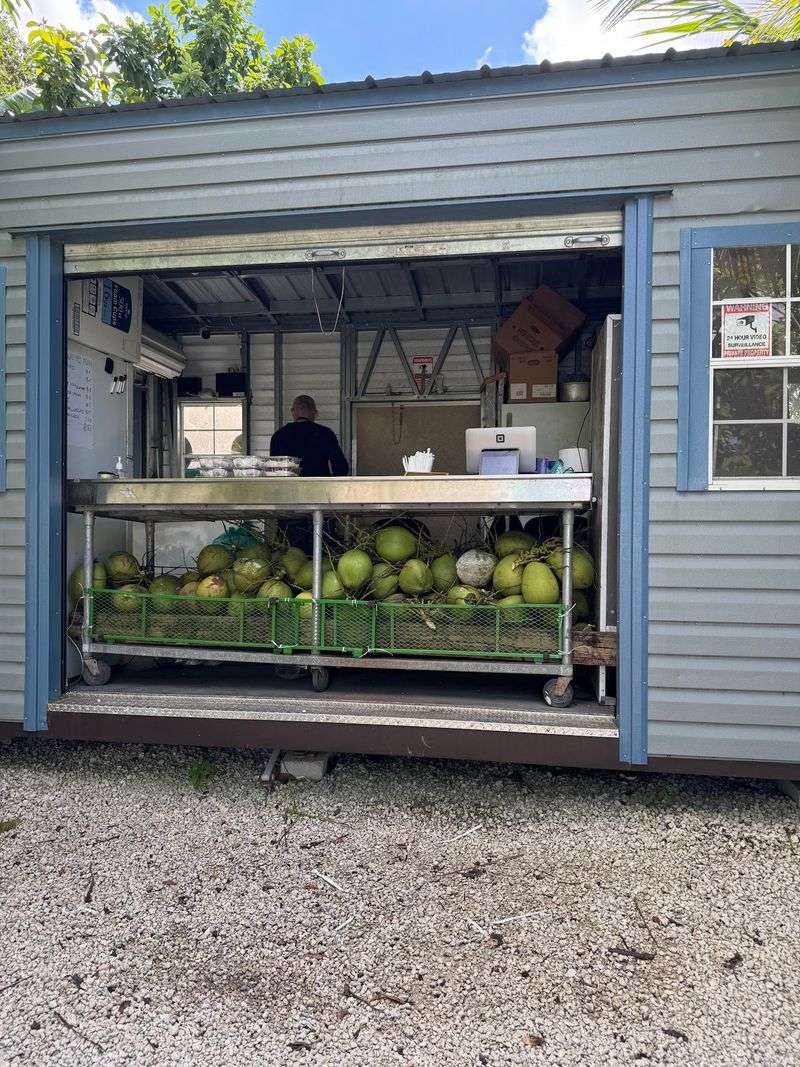
You’ll smell this operation before you see it. The sweet, grassy scent of fresh-pressed sugarcane juice hits your nose from a block away. The Guarapo Man runs a one-person show with a hand-cranked press that looks like it survived several decades of hard use.
Guarapo is just the Spanish word for sugarcane juice, but calling it juice feels too simple. It’s liquid energy, naturally sweet but not cloying, with a fresh green taste that reminds you it came from an actual plant minutes ago. He feeds whole stalks of cane through the press, and pale green liquid streams out into your cup.
A small cup costs pocket change and delivers more natural sugars than three energy drinks without any of the chemical nonsense. Locals stop by for a quick boost on their way to work. First-timers usually make a face at the foam on top, then realize it’s just plant matter and totally harmless.
The Guarapo Man works specific corners on specific days, so finding him requires either local knowledge or good timing. Once you track him down, though, you’ll understand why people seek him out. Some vendors add lime juice or ginger to their guarapo.
He keeps it pure, letting the cane speak for itself. Bring cash, preferably exact change. And maybe grab an extra cup because you’ll want more halfway home.
8. Tropical Village Farm
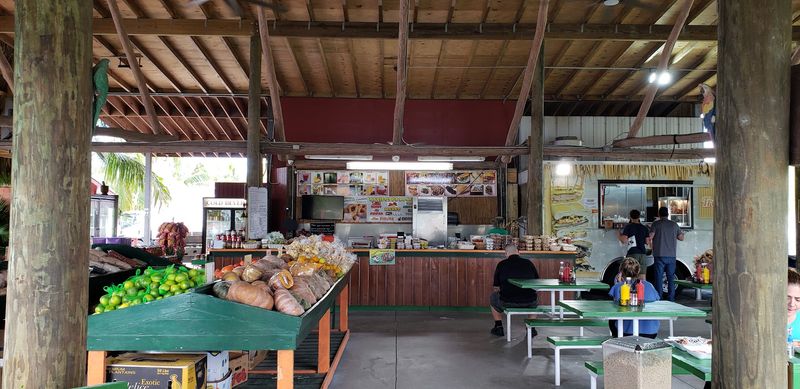
Technically in Redland but close enough to Homestead to count, this farm specializes in the weird and wonderful. The owners clearly get a kick out of growing stuff that makes people stop and stare. Their inventory reads like a botanical scavenger hunt of things you’ve never heard of.
Miracle fruit tablets get sold here occasionally, and they’re exactly as wild as they sound. Pop one in your mouth, let it dissolve on your tongue, then eat a lemon. Suddenly that lemon tastes like lemonade.
The berry temporarily rewires your taste buds so sour things taste sweet. It’s a party trick that never gets old.
Soursop looks like a spiky green football but contains creamy white pulp that tastes like pineapple mixed with strawberry and banana. Passion fruit vines climb everywhere, producing wrinkled purple orbs full of tangy seeds and juice. The farm also grows multiple varieties of bananas, from tiny finger bananas to red ones that taste like raspberries.
Plant nerds appreciate that they sell starter plants and cuttings too. Want to grow your own dragon fruit or papaya? They’ll set you up with baby plants and actual advice that works in South Florida’s climate.
The farm keeps irregular hours, so calling ahead saves disappointment. But when they’re open, it’s worth the drive just to see what oddball fruits came into season this week.
9. Fruits/Veggies and Home Food
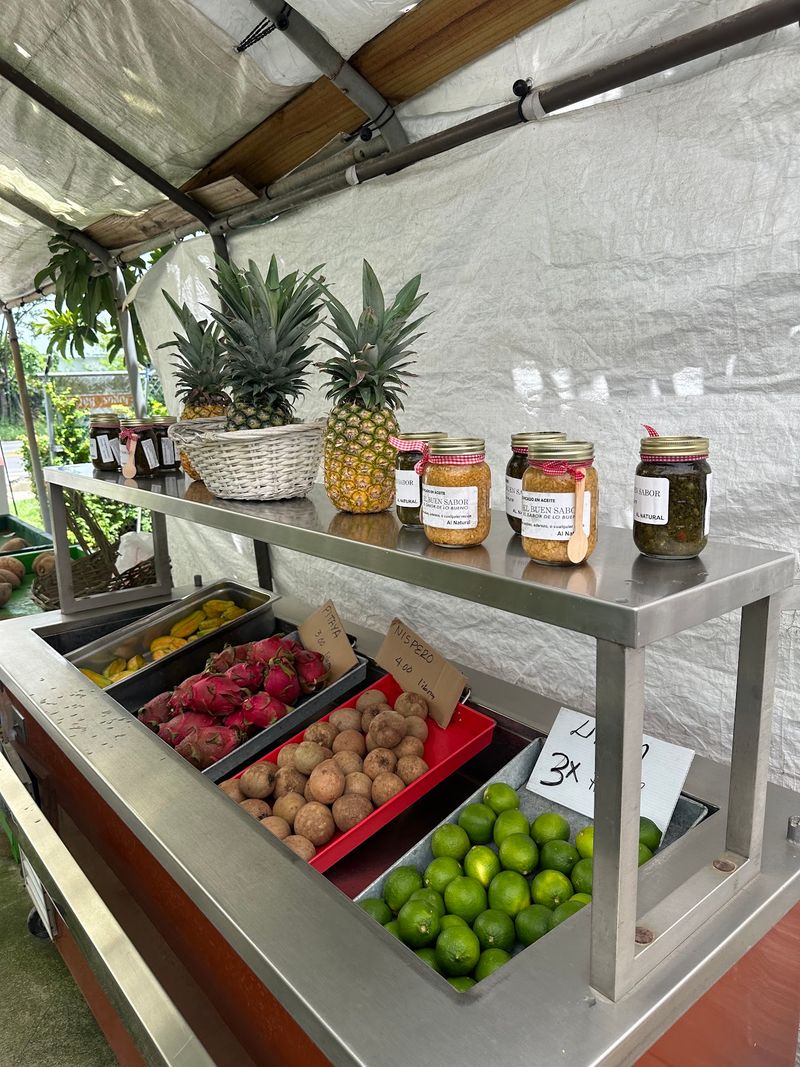
The name doesn’t win any creativity awards, but it perfectly describes what you’ll find. This stand bridges the gap between produce market and home kitchen, selling both raw ingredients and ready-to-eat comfort food made by someone’s abuela that morning.
Fresh-cut fruit cups come loaded with watermelon, pineapple, mango, and cantaloupe, all drizzled with lime juice and dusted with chili powder. It’s the perfect snack for five bucks, cold and refreshing and just spicy enough to keep things interesting. The vegetables section stocks all the usual suspects plus tropical additions like calabaza squash and boniato sweet potatoes.
The home food side rotates based on who’s cooking. Some days bring Cuban sandwiches pressed to crispy perfection. Other days feature arroz con pollo that tastes like someone’s mom made it because someone’s mom literally did.
Fried plantain chips get bagged fresh, still warm and salty.
This spot thrives on word-of-mouth and repeat customers who know to show up early before the good stuff sells out. By mid-afternoon, half the inventory has vanished into the trunks and backseats of locals who know better than to sleep on quality. The family running it treats everyone like neighbors, remembering faces and asking how you liked whatever you bought last time.
That personal touch turns a simple transaction into something that feels more like community.