9 Small Florida Towns With Pasts More Fascinating Than You’d Expect
Florida is famous for beaches and theme parks, but some of its most compelling stories hide in plain sight within small towns scattered across the state. These communities may not make headlines today, but their histories are packed with surprising chapters involving industry booms, cultural firsts, and events that shaped the region. From a Gulf Coast sponge capital to one of the nation’s earliest self-governing Black municipalities, these nine towns prove that big history doesn’t require a big population.
1. Micanopy (Alachua County)
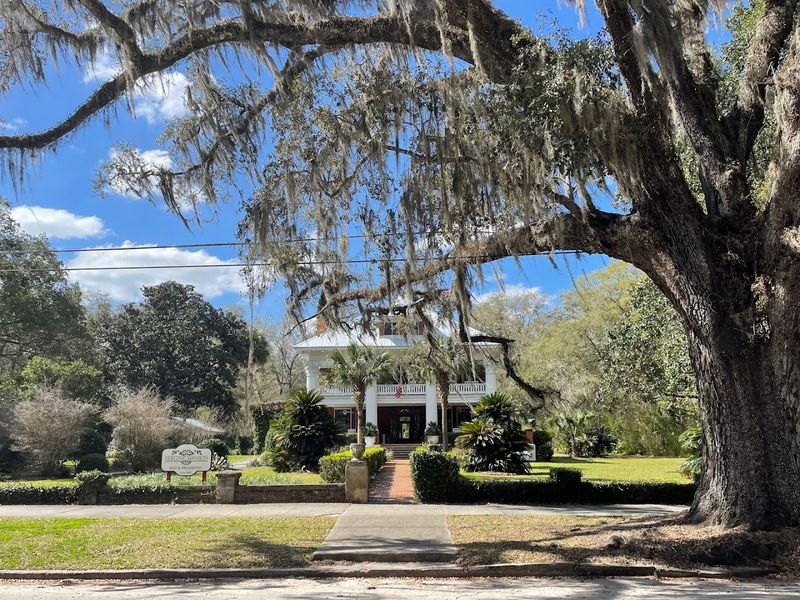
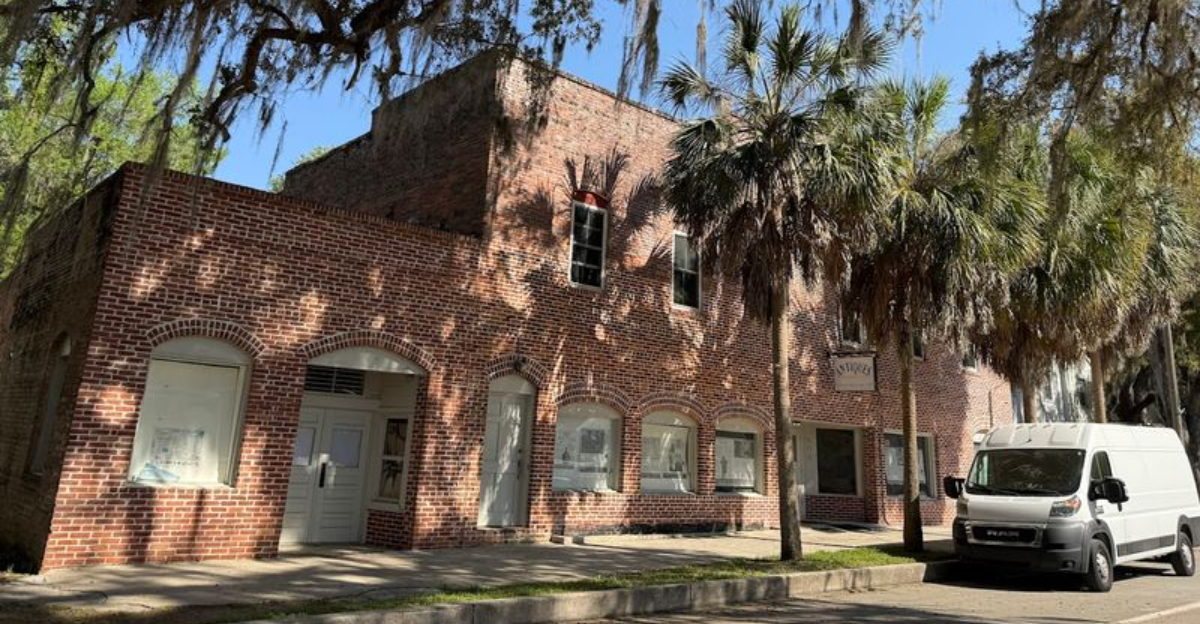
Wandering through Micanopy feels like stepping into a Florida that existed long before highways and subdivisions. Often called the state’s oldest inland town, this Alachua County gem sits beneath towering live oaks draped in Spanish moss, its main street lined with antique shops housed in buildings that date back more than a century.
The town’s roots stretch back to Native American settlements and early territorial days when Florida was still finding its identity. That deep history is visible everywhere—from the old storefronts to the quiet residential streets where time moves at a different pace. Micanopy doesn’t try to be anything it’s not, and that’s part of its charm.
Visitors come for the antiques, but they stay because the atmosphere is unlike anywhere else in modern Florida. There’s no rush here, no neon signs or chain restaurants. Just history you can touch, walk through, and feel in the humid air.
It’s the kind of place that makes you wonder what Florida looked like before it became the Florida everyone knows today.
2. Cedar Key (Levy County)
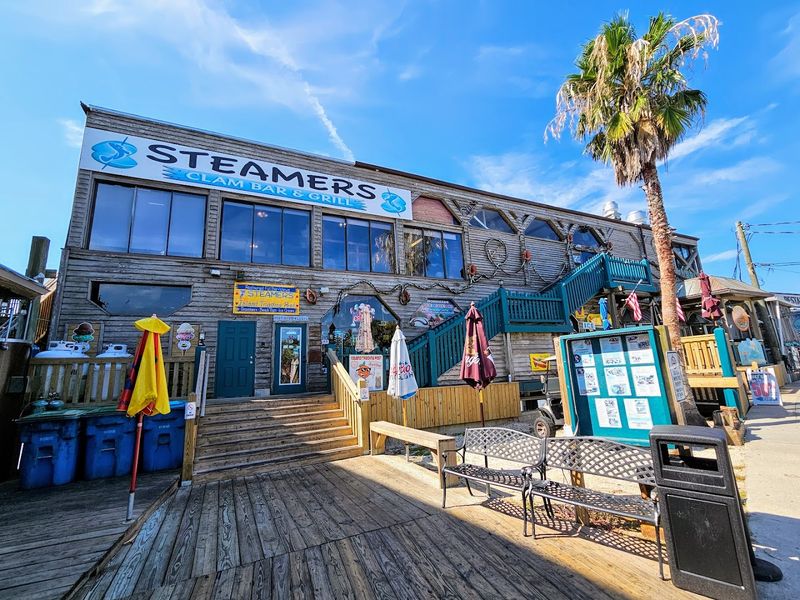
Cedar Key sits at the end of the road—literally—on Florida’s Gulf Coast, and its isolation has helped preserve a past far more dramatic than its current population of around 700 suggests. This tiny town was once the Gulf terminus of Florida’s first cross-state railroad, built by David Yulee in the 1860s, connecting the Atlantic to the Gulf and turning Cedar Key into a bustling port.
Before the railroad, Native Americans lived here for thousands of years, leaving behind shell mounds that still dot the landscape. Later, the town became a center for pencil manufacturing, using local cedar trees until the supply ran out. The industry collapsed, but the stories didn’t.
Today, Cedar Key Museum State Park tells the layered tale of boom and bust, while the 1854 Seahorse Key lighthouse stands as a reminder of the town’s maritime importance. The old railroad depot is gone, but the town plat from that era remains. Walking Cedar Key’s quiet streets, it’s easy to imagine steamships unloading cargo and workers hauling cedar logs—a version of Florida that thrived, faded, and left behind just enough traces to fascinate anyone who looks closely.
3. Apalachicola (Franklin County)
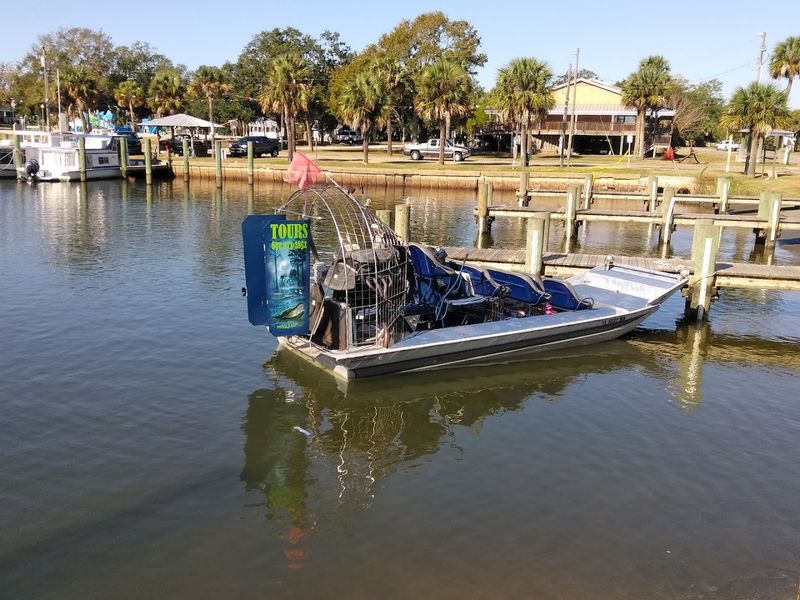
Apalachicola’s waterfront tells a story that begins with river trade and ends with some of the best oysters in the country. Tucked along the Apalachicola River near the Gulf, this Franklin County town grew wealthy during the steamboat era, when cotton and timber moved through its docks and grand homes rose along shaded streets.
The Civil War brought conflict and change, but Apalachicola adapted, turning its attention to the oyster beds in the bay. For generations, the town’s identity has been tied to those waters—so much so that locals still debate the best way to shuck and serve them. The maritime culture here isn’t a tourist gimmick; it’s woven into daily life.
Walking through the historic district, you’ll find buildings that survived wars, hurricanes, and economic shifts. The local historical society keeps the steamboat-era stories alive, while the town itself continues to balance preservation with survival. Apalachicola isn’t frozen in time, but it hasn’t forgotten where it came from either.
It’s a working waterfront with a memory, and that combination makes it one of Florida’s most authentic small towns.
4. Fernandina Beach (Amelia Island)
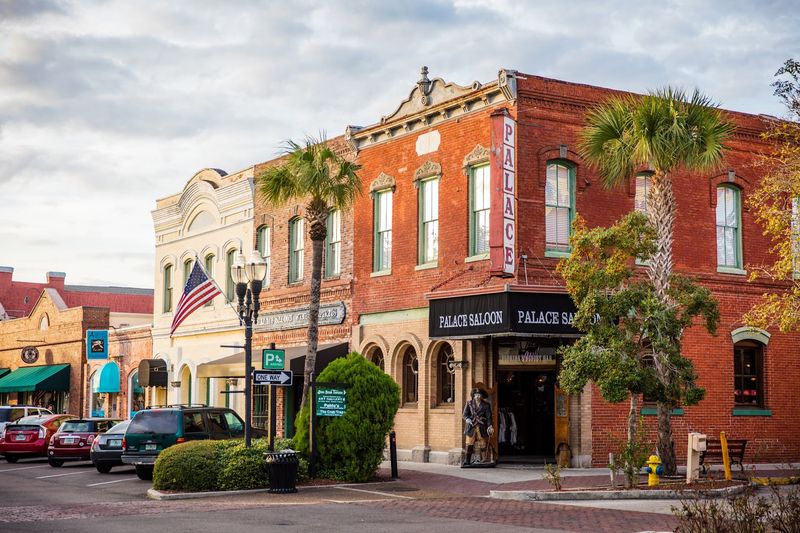
Few Florida towns can claim a history as tangled and dramatic as Amelia Island’s Fernandina Beach. The “Isle of Eight Flags” nickname isn’t just marketing—this place has actually been claimed by eight different nations, starting with the Timucuan people who built mounds here around 1000 and continuing through Spanish, French, British, and American control, plus a few pirate and rebel flags thrown in for good measure.
That revolving door of rulers left behind a cultural mix you can still see in the architecture, street names, and local traditions. The town’s Victorian-era downtown, built during a boom in the late 1800s, remains one of Florida’s best-preserved historic districts. Brick streets, iron balconies, and buildings that once housed shipping offices and hotels now host restaurants, shops, and galleries.
Fernandina Beach also played a role in the Civil War and later became a shrimping hub. The waterfront still hums with fishing activity, and the historic district feels lived-in rather than staged. It’s a town that wears its complicated past openly, without apology or oversimplification—exactly the kind of place that rewards curiosity.
5. Eatonville (Orange County)
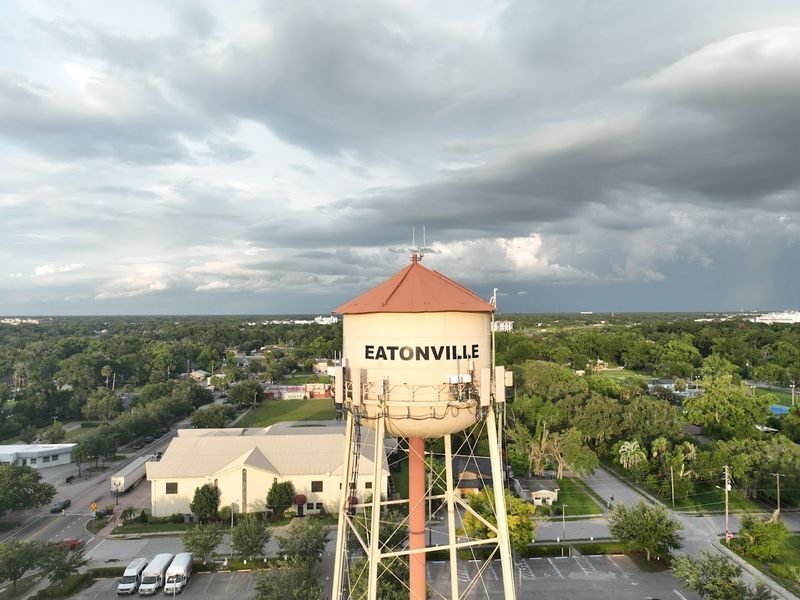
Just north of Orlando’s sprawl sits Eatonville, a town with a legacy that reaches far beyond its small size. Incorporated in 1887, Eatonville is widely recognized as one of the first self-governing all-Black municipalities in the United States—a groundbreaking achievement in post-Reconstruction America.
The town’s most famous resident, writer Zora Neale Hurston, grew up here and drew heavily on Eatonville’s culture and community in her work. Her novels and essays captured the voices, stories, and spirit of a place where Black families built their own schools, elected their own leaders, and created a community on their own terms. That independence and pride remain central to Eatonville’s identity today.
Visitors can explore the Zora Neale Hurston National Museum of Fine Arts and learn about the town’s role in African American history. Eatonville’s streets are quieter now, surrounded by suburban development, but the significance of what happened here hasn’t faded. It’s a place where history isn’t just remembered—it’s honored, celebrated, and passed down.
For anyone interested in stories of resilience and self-determination, Eatonville is essential reading, written in real time and real places.
6. Tarpon Springs (Pinellas County)
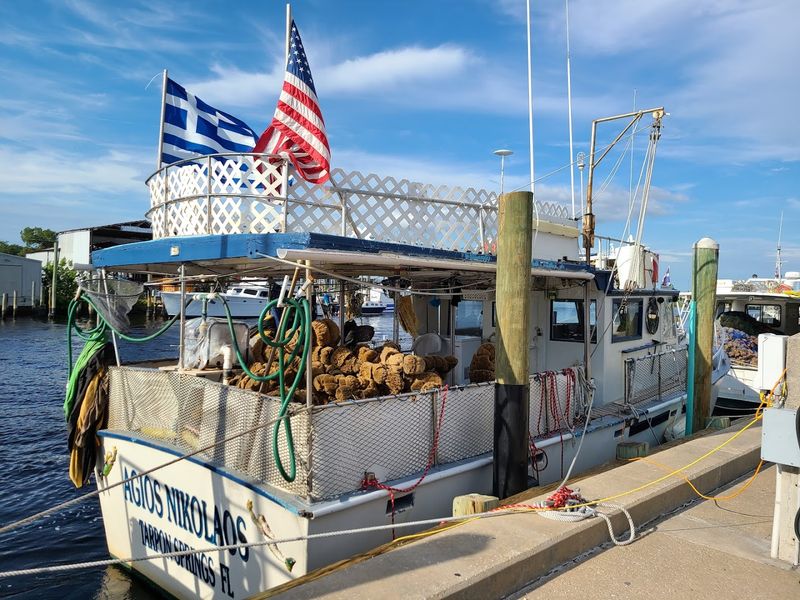
Tarpon Springs didn’t just stumble into its Greek identity—it was built by it. In the early 1900s, Greek immigrants arrived on Florida’s Gulf Coast and transformed this quiet settlement into the sponge capital of the world. Using traditional diving techniques, they harvested natural sponges from the Gulf floor, and the industry exploded.
At its peak, sponge exports from Tarpon Springs rivaled some of Florida’s biggest economic drivers.
The Greek influence didn’t stop at the docks. Churches, restaurants, bakeries, and cultural traditions took root, and today Tarpon Springs remains one of the highest concentrations of Greek Americans in the country. The sponge docks are still active, though the industry has shrunk since synthetic sponges entered the market and disease hit the sponge beds in the 1940s.
Walking along the waterfront, you’ll see boats with Greek names, smell fresh baklava from nearby bakeries, and hear stories passed down through generations of diving families. Tarpon Springs isn’t a theme park version of Greece—it’s a real community shaped by immigration, hard work, and a willingness to dive deep, literally and figuratively, for a better life.
7. DeFuniak Springs (Walton County)
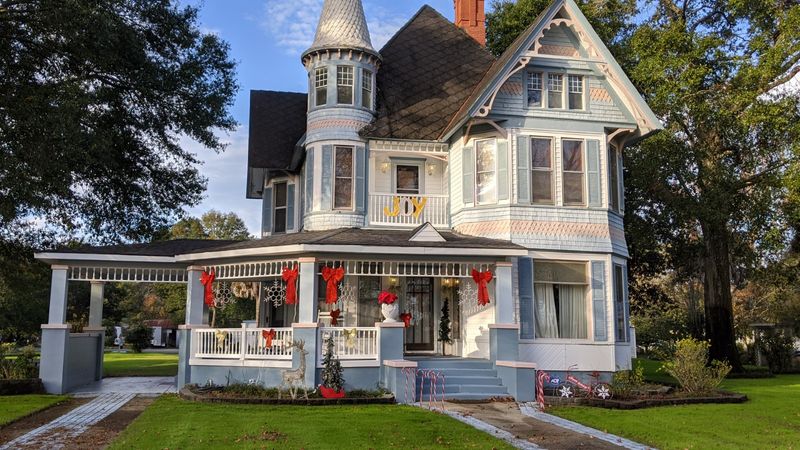
DeFuniak Springs might be the most intellectually ambitious small town Florida has ever produced. From 1885 to 1927, this Panhandle community hosted the Florida Chautauqua Assemblies, a series of educational and cultural programs that drew thousands of people each year for lectures, concerts, and debates. Think of it as a Victorian-era TED Talk festival, held under the shade of oak trees around a nearly perfect circular lake.
The Chautauqua movement brought speakers, musicians, and thinkers from across the country, and the town built an amphitheater, hotels, and grand homes to accommodate them. Many of those structures still stand, forming one of Florida’s most intact Victorian-era historic districts. The homes around Lake DeFuniak are painted ladies in every sense—colorful, ornate, and unapologetically proud of their gingerbread trim and wraparound porches.
Today, the lake remains the town’s centerpiece, and the architecture tells the story of a place that once believed education and culture could transform a community. DeFuniak Springs may not host Chautauqua assemblies anymore, but the legacy of that ambition is visible in every turret and every porch rail.
8. Quincy (Gadsden County)
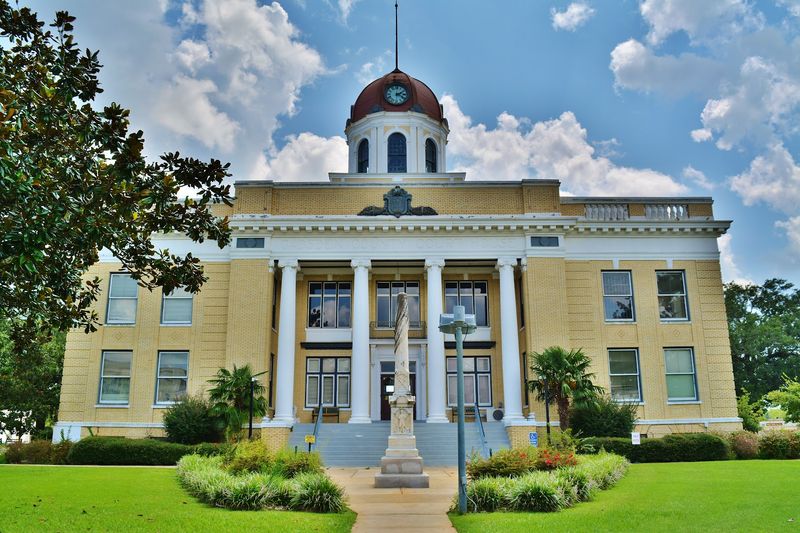
Quincy’s courthouse square has been the center of Gadsden County life since 1827, and walking through its 36-block National Register Historic District feels like flipping through a well-preserved chapter of North Florida history. The downtown is packed with buildings that span more than a century of architectural styles, from Greek Revival to Art Deco, each one a reminder of the town’s role as a government and commerce hub.
The courthouse itself anchors the square, surrounded by storefronts, banks, and offices that once served farmers, merchants, and lawyers. Quincy was a prosperous tobacco town in its heyday, and some locals became wealthy by investing early in Coca-Cola stock—a quirky footnote that earned Quincy the nickname “the town that Coca-Cola built.”
Today, the town is quieter, but the architecture remains striking. Preservation efforts have kept the historic district intact, making Quincy a favorite stop for history buffs and anyone who appreciates small Southern towns with big, photogenic bones. The square still hosts community events, and the buildings still stand tall, proof that good design and civic pride can outlast economic booms and busts.
9. Monticello (Jefferson County)
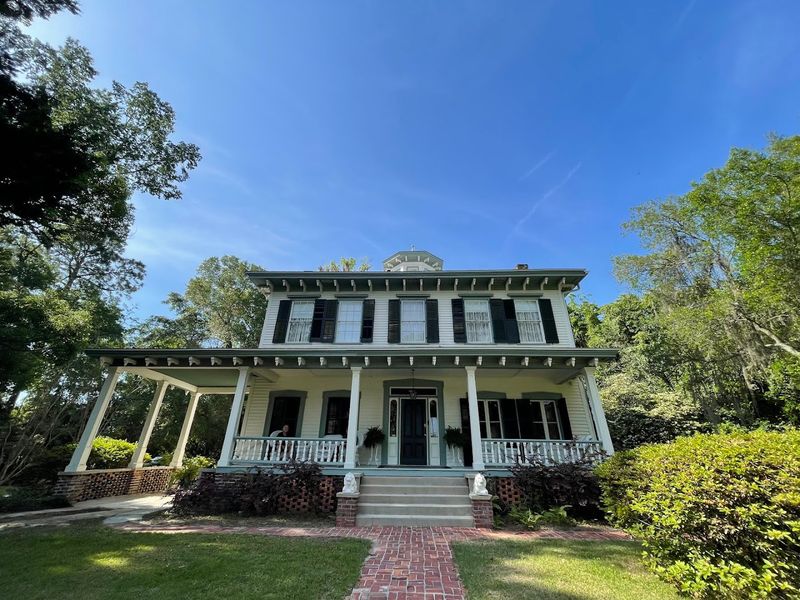
Monticello may be small, but its historic district punches well above its weight. The city claims the third oldest historic district in Florida, and a stroll through downtown backs up that claim with block after block of structures listed on the National Register of Historic Places. The Jefferson County Courthouse anchors the square, surrounded by homes, churches, and commercial buildings that date back to the 1800s.
The town’s layout follows a classic Southern courthouse square model, with streets radiating outward and historic homes lining the shaded blocks. Monticello’s preservation efforts have kept the character intact, and the result is a town that feels more like a living museum than a modern municipality. The buildings aren’t roped off or empty—they’re still used, lived in, and loved.
Monticello doesn’t shout for attention, but it rewards anyone willing to slow down and look closely. The architecture tells stories of wealth, taste, and community pride from a time when small towns were the centers of Florida life. For fans of old homes, courthouse towns, and preserved Southern charm, Monticello is a must-see stop in North Florida—a place where history isn’t just remembered, it’s lived.