9 Spots Where Floridians Vacation During The Hottest Months Of The Year
When summer cranks up the heat and humidity across Florida, even the locals start looking for ways to beat the swelter. Sure, we’re used to warm weather, but July and August can test anyone’s limits. That’s when Floridians pack up and head to their favorite cool-down spots—places where springs bubble up at a refreshing 72 degrees, ocean breezes keep things comfortable, or shaded trails offer relief from the relentless sun.
1. Rainbow Springs State Park (Dunnellon)
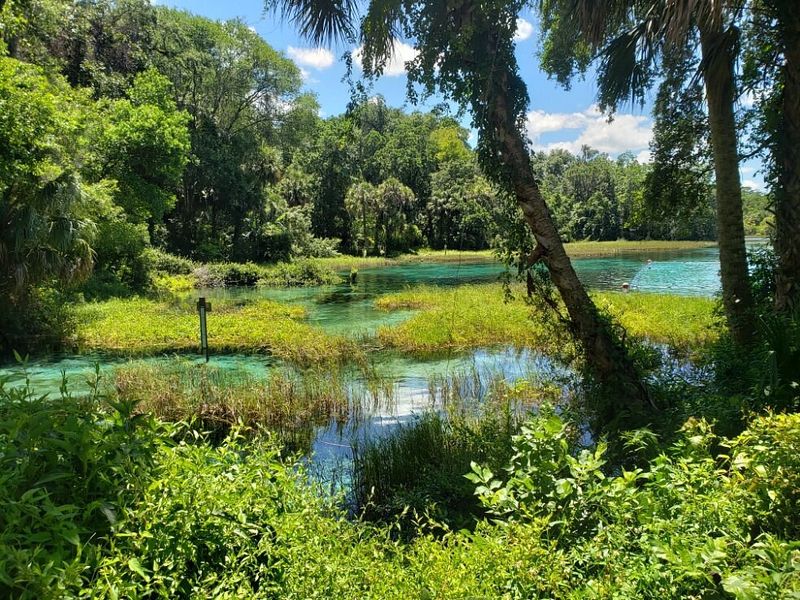
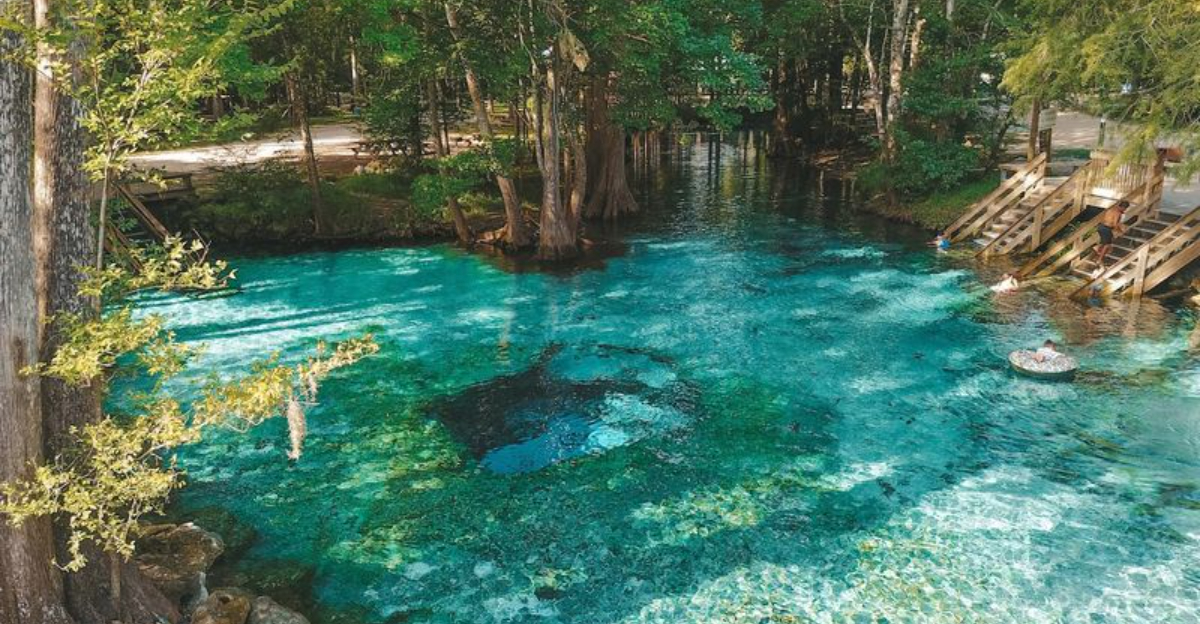
Rainbow Springs pumps out nearly 500 million gallons of crystal-clear water every single day, making it one of Florida’s largest artesian springs. The water stays at a constant 72 degrees year-round, which feels downright cold when you’re coming from a 95-degree parking lot. Floridians who know their springs consider this one of the most beautiful, with underwater gardens of eelgrass swaying in the current and fish darting through shafts of sunlight.
You can tube down the Rainbow River for a lazy four-hour float, or rent a kayak if you want more control over your pace. The current does most of the work, so it’s genuinely relaxing. Families often stake out spots along the riverbank for picnics under the shade of massive oaks draped in Spanish moss.
The park also has hiking trails that wind through hardwood forests, offering a break from the water without sacrificing the shade. Weekends get busy, especially during peak summer, so arriving early means snagging better parking and river access. Many locals make this a regular summer pilgrimage because once you’ve experienced that first plunge into spring-fed water on a scorching day, you understand why Floridians consider it essential survival strategy.
2. Ichetucknee Springs State Park (Fort White)
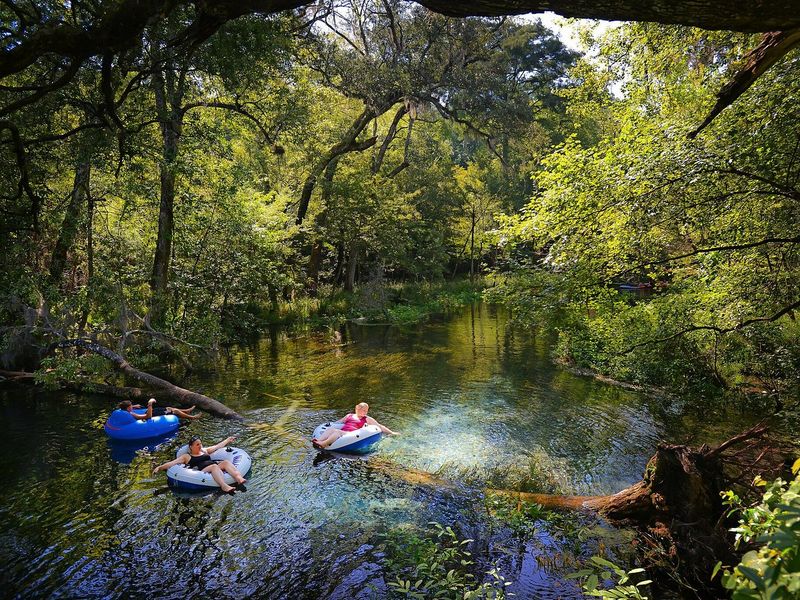
Ichetucknee Springs has earned legendary status among Floridians for one simple reason: tubing here is about as perfect as it gets. The river flows through dense forest, creating a natural canopy that provides shade for most of the journey. Eight major springs feed the river, each contributing that signature 72-degree water that makes summer heat instantly bearable.
The full float from the north entrance takes about three hours, while the shorter south entrance run clocks in around an hour. Either way, you’re drifting through some of the most pristine spring-fed water in the state. Turtles sun themselves on logs, and if you’re observant, you might spot river otters playing along the banks.
Park rules keep things peaceful—no disposable containers, no alcohol, and tube rentals happen outside the park to prevent overcrowding. These regulations mean the experience stays relatively tranquil even during busy summer weekends. The water is so clear you can watch bass and bream swimming below your tube, and occasionally you’ll drift over a spring boil where sand swirls up from underground pressure.
Locals know to bring water shoes because there are a few shallow spots where you might need to walk your tube. The park limits daily visitors to protect the ecosystem, so weekend warriors should arrive by mid-morning or risk being turned away.
3. Ginnie Springs (High Springs)
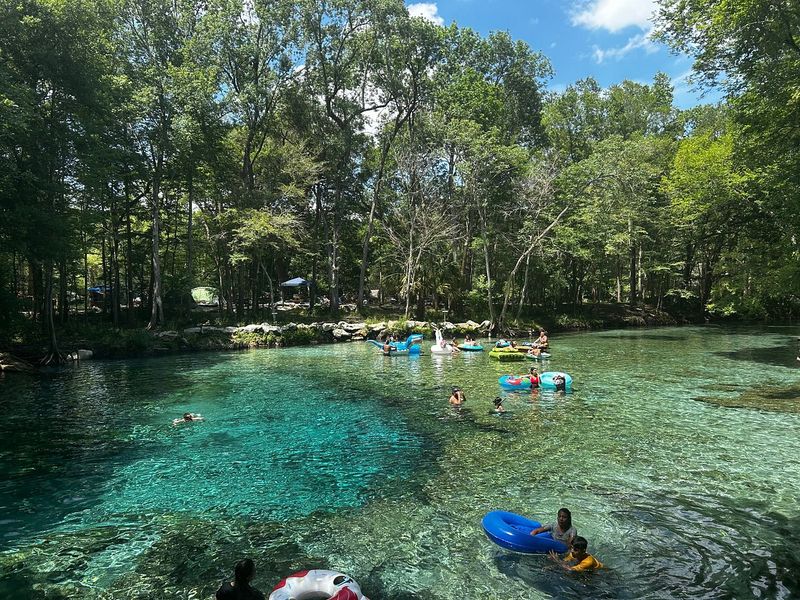
Ginnie Springs attracts a different crowd than your typical state park—this privately owned facility caters to serious swimmers, snorkelers, and certified cave divers who come for some of the clearest water on the planet. Visibility often exceeds 100 feet, making it a photographer’s dream and a magnet for anyone who wants to actually see what’s beneath them while swimming.
The main spring basin is deep enough for cliff jumping from designated platforms, which teenagers and twenty-somethings absolutely love. Meanwhile, the adjoining Santa Fe River offers tubing and a more laid-back vibe for families. You can camp right on the property, which many Floridians do during summer weekends, turning their visit into a full outdoor adventure.
What sets Ginnie apart is the cave system—if you’re certified for cavern or cave diving, you can explore underwater passages that stretch for thousands of feet. Even non-divers can snorkel into the cavern zone where natural light still penetrates, revealing limestone walls and the occasional turtle or eel.
The springs stay busy throughout summer because word has spread about how refreshing and visually stunning the water is. Weekdays offer a quieter experience, but even crowded weekends maintain a fun, social atmosphere. Just remember that the spring water might feel shockingly cold for the first few minutes until your body adjusts.
4. New Smyrna Beach (New Smyrna Beach)
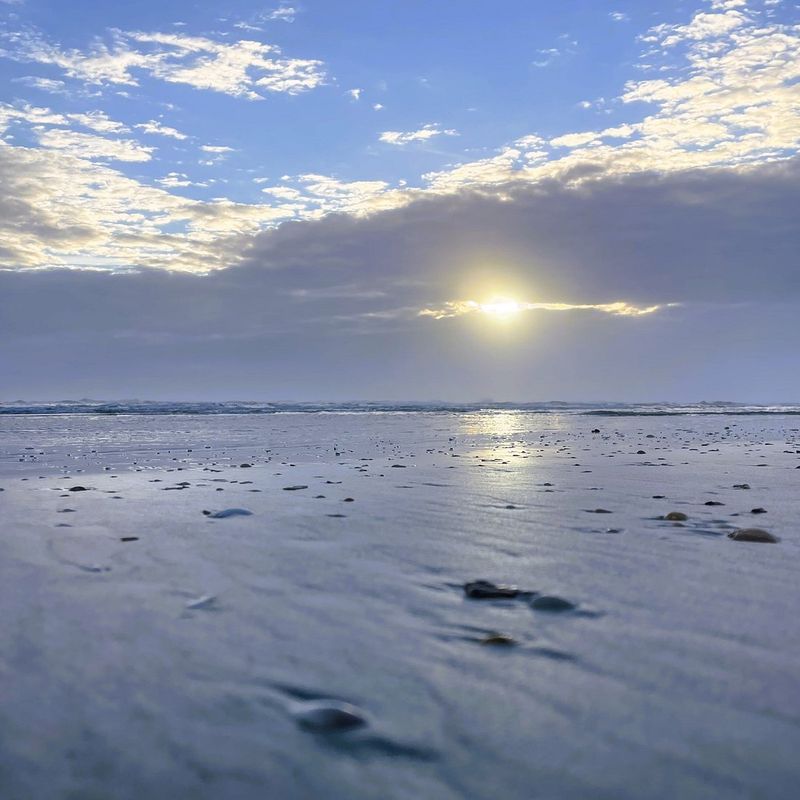
New Smyrna Beach has built a reputation as one of Florida’s most laid-back beach towns, attracting locals who want ocean access without the tourist circus that comes with more famous destinations. The beach stretches for 13 miles of uninterrupted sand, and even during peak summer, you can find relatively uncrowded sections if you’re willing to walk a bit.
Surfers flock here year-round because the waves are consistently better than most other East Coast Florida spots. Flagler Avenue, the main downtown strip, has that authentic beach-town feel with locally owned restaurants, surf shops, and ice cream parlors that haven’t been replaced by chains. You can park right on the beach in many areas, which makes hauling coolers and beach gear significantly easier.
The Intracoastal Waterway runs parallel to the ocean, creating a second waterfront perfect for kayaking, paddleboarding, or just watching dolphins cruise by during their morning and evening feeding times. Many Floridians rent vacation homes here for a week or two, using it as a base for both beach days and exploring nearby attractions.
Summer afternoons bring predictable thunderstorms that usually roll through quickly, cooling things down and sending everyone scrambling for cover before the sun reappears. The local vibe stays refreshingly unpretentious—flip-flops and board shorts count as formal wear, and nobody’s trying to impress anyone.
5. St. Augustine Beach (St. Augustine)
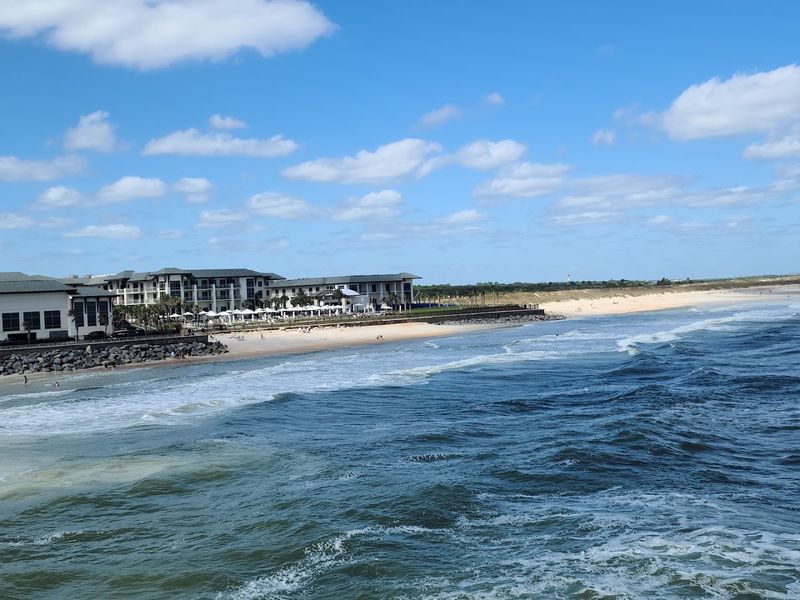
St. Augustine Beach combines coastal relaxation with easy access to America’s oldest city, making it ideal for Floridians who want both beach time and cultural exploration. The beach itself is wide and well-maintained, with the iconic fishing pier serving as the central landmark and gathering spot. Ocean breezes keep temperatures noticeably cooler than inland areas, which is exactly why locals head here when the summer heat becomes oppressive.
Unlike some Florida beaches that feel isolated, St. Augustine Beach sits close enough to downtown St. Augustine that you can spend mornings exploring historic sites and museums, then hit the beach for afternoon swimming and sunset watching. The St. Johns County Pier offers fishing without requiring a license, and watching anglers haul in Spanish mackerel or redfish provides free entertainment.
Anastasia State Park, just south of the main beach area, gives visitors 1,600 acres of protected coastline, maritime hammock, and tidal marshes. You can windsurf in the lagoon, hike nature trails, or camp in sites shaded by wind-sculpted trees. Summer weekends draw crowds, but the beach is long enough that spreading out remains possible.
The local restaurant scene mixes beach bars serving fresh seafood with more upscale options featuring Spanish and Mediterranean influences. Many Floridians make this a long weekend destination, appreciating how the ocean keeps things comfortable while the historic district adds substance beyond just sun and sand.
6. Anna Maria Island (Anna Maria)
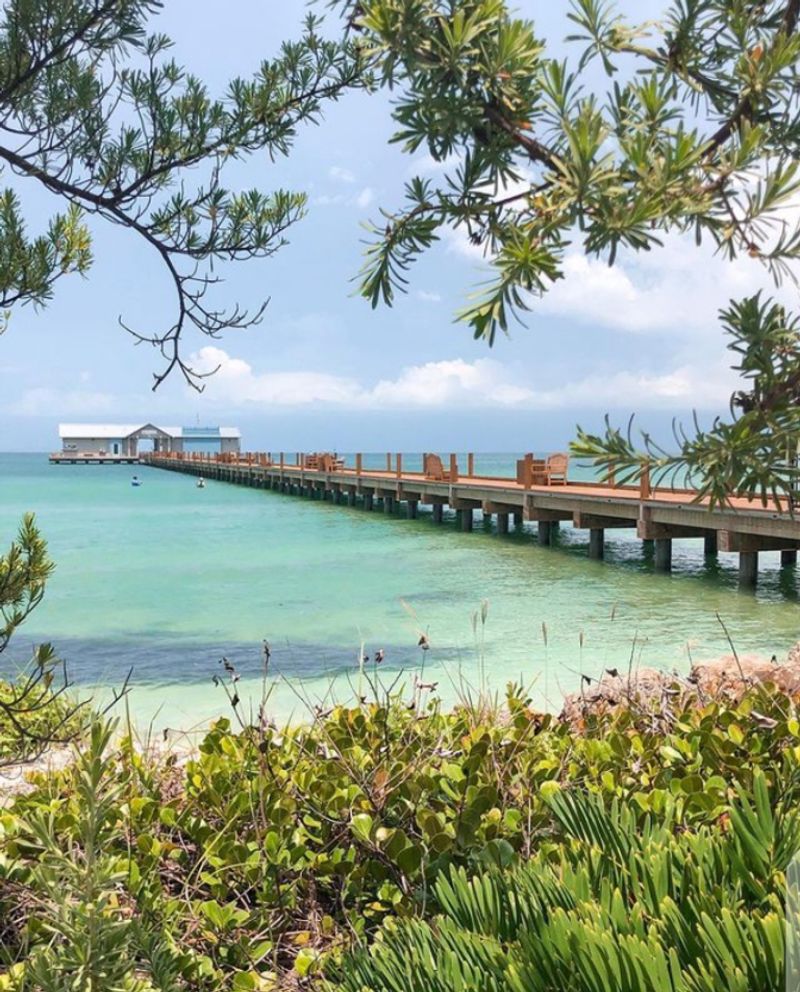
Anna Maria Island feels like stepping back to Old Florida—the kind of place where golf carts outnumber cars and the tallest building is only three stories high. This seven-mile barrier island on Florida’s Gulf Coast has maintained its small-town charm despite being surrounded by more developed areas. The beaches feature powdery white sand and calm, shallow Gulf waters that stay warm enough for comfortable swimming all summer long.
Three small towns share the island: Anna Maria, Holmes Beach, and Bradenton Beach, each with its own personality but all maintaining that relaxed, no-high-rises atmosphere. Pine Avenue in Anna Maria has become a favorite gathering spot with restaurants, boutiques, and the historic City Pier where locals fish and visitors take sunset photos.
Gulf Drive runs the length of the island, providing easy beach access at numerous public spots. Many Floridians rent beach cottages here for extended stays, riding bikes everywhere and falling into an easy rhythm of beach mornings, afternoon siestas, and sunset dinners. The island’s position on the Gulf means spectacular sunsets paint the sky in oranges and purples almost nightly.
Summer brings afternoon thunderstorms that cool things down but rarely last long. The island stays busy during peak season, but the building restrictions and lack of major hotel chains keep it from feeling overcrowded or commercialized. It’s the kind of place where you quickly start recognizing faces and feeling like a temporary local.
7. Sanibel Island (Sanibel)
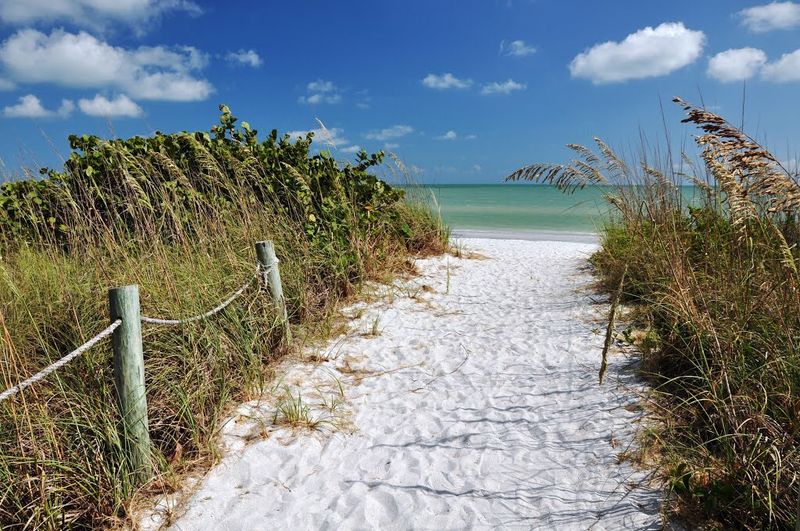
Sanibel Island has become synonymous with shelling, thanks to its east-west orientation that catches shells washing in from the Gulf of Mexico. Visitors develop what locals call the “Sanibel Stoop”—that bent-over posture of serious shell collectors scanning the tide line for rare finds. The island’s commitment to conservation means most of it remains undeveloped, with the J.N. “Ding” Darling National Wildlife Refuge covering more than 6,400 acres.
Summer on Sanibel means fewer crowds than winter high season, though temperatures and humidity climb higher. The tradeoff is worth it for Floridians seeking a peaceful island escape without the winter tourist rush. The beaches stay beautiful, the wildlife refuge offers incredible bird watching and kayaking through mangrove tunnels, and restaurants become easier to get into without reservations.
The island requires crossing a causeway from Fort Myers, which creates a psychological barrier that helps maintain its separate, slower-paced identity. There are no fast-food chains, no traffic lights beyond the entrance, and strict building codes that keep everything low-rise and tucked into natural vegetation. Bike paths connect the entire island, making cycling the preferred transportation method.
Afternoon thunderstorms provide dramatic shows and temporary relief from the heat. After the rain passes, the beaches empty out briefly, creating perfect conditions for solo shell hunting or peaceful walks. Many Floridians consider Sanibel their go-to for genuine relaxation—a place where disconnecting from daily stress happens naturally.
8. Islamorada (Islamorada)
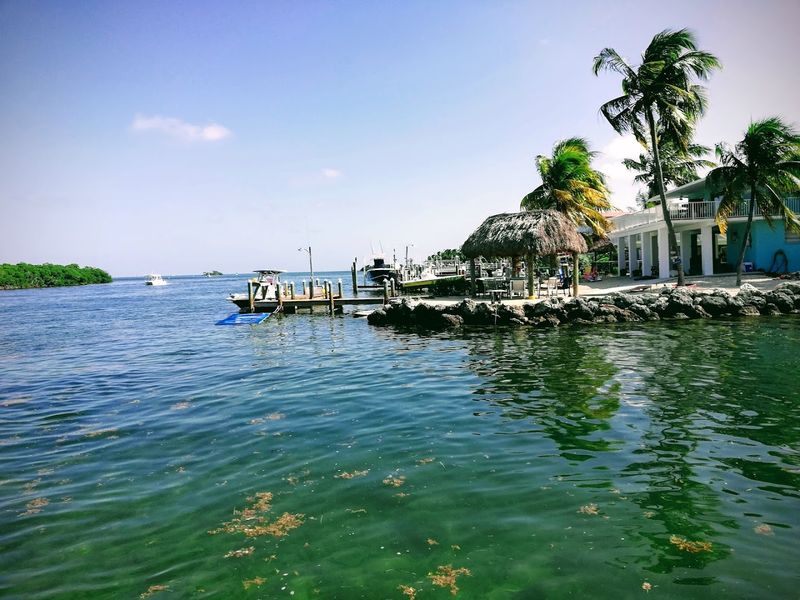
Islamorada calls itself the “Sport Fishing Capital of the World,” and the charter captains here take that title seriously. Strung across several keys in the Middle Florida Keys, this village offers that perfect blend of Keys culture—laid-back attitudes, incredible fishing, and water so clear you can see the bottom in 20 feet. Summer brings tarpon season, when these massive silver fish migrate through local waters, creating bucket-list fishing opportunities.
The overseas highway runs right through Islamorada, with the Atlantic Ocean on one side and Florida Bay on the other. This means you can choose your water depending on conditions—if the Atlantic is choppy, the bay side stays calm and perfect for paddleboarding or kayaking through mangrove islands. The coral reefs just offshore make this one of Florida’s premier snorkeling and diving destinations.
Robbie’s Marina has become an iconic stop where massive tarpon gather waiting for tourists to feed them, creating quite a spectacle. Local restaurants serve fresh fish caught that morning, prepared simply because when the fish is that fresh, it doesn’t need much. Islamorada maintains more of an authentic fishing-village vibe than the more tourist-focused Lower Keys.
Summer afternoons bring brief but intense thunderstorms that light up the sky and cool things down quickly. The storms rarely last long enough to ruin a day, and many locals consider them part of the Keys experience. Sunsets from any of the bayside bars or restaurants rival anywhere in the world.
9. Key West (Key West)
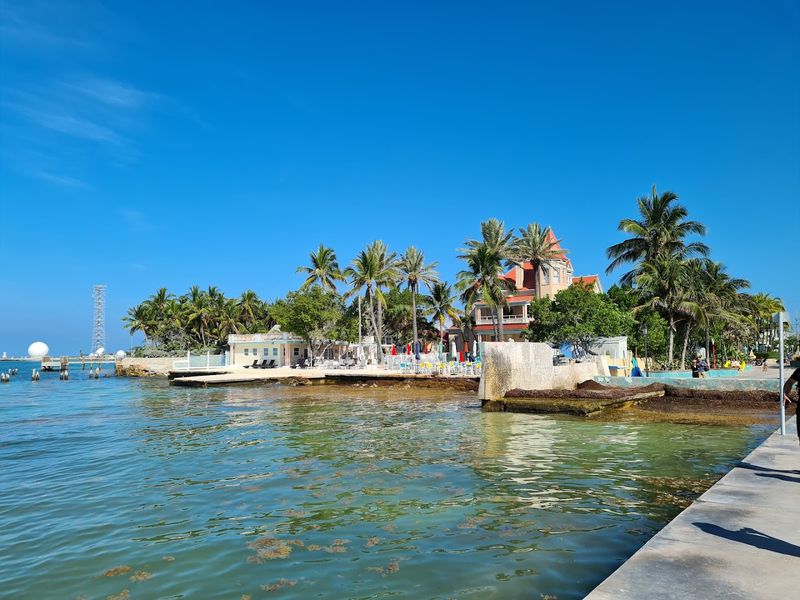
Key West sits at the end of the road—literally the southernmost point in the continental United States—and that geographical fact seems to influence everything about the place. The island operates on its own schedule and cultural rules, where eccentricity is celebrated and conformity is suspicious. Summer brings heat and humidity, yes, but also smaller crowds and lower prices than the packed winter season when snowbirds and cruise ships overwhelm the island.
The historic Old Town district features stunning Victorian-era homes and buildings painted in tropical colors, many now converted into guest houses, galleries, and restaurants. Duval Street runs the commercial heart of town, though locals know the better experiences happen on quieter side streets. The beaches aren’t the main attraction here—Key West is more about the culture, the sunsets, the food scene, and the anything-goes atmosphere.
Mallory Square’s sunset celebration happens nightly, drawing crowds to watch street performers, browse artisan vendors, and applaud as the sun drops into the Gulf. Fort Zachary Taylor State Park offers the best beach on the island, with clearer water and better snorkeling than the public beaches closer to town.
Summer afternoons bring predictable thunderstorms that send everyone scurrying for cover, usually into the nearest bar. The storms pass quickly, leaving cooler temperatures and dramatic cloud formations. Many Floridians visit Key West specifically in summer to experience the island when it feels more like a local hangout than a tourist destination.