This Quiet Florida Park Holds the Remains of a 19th-Century Giant
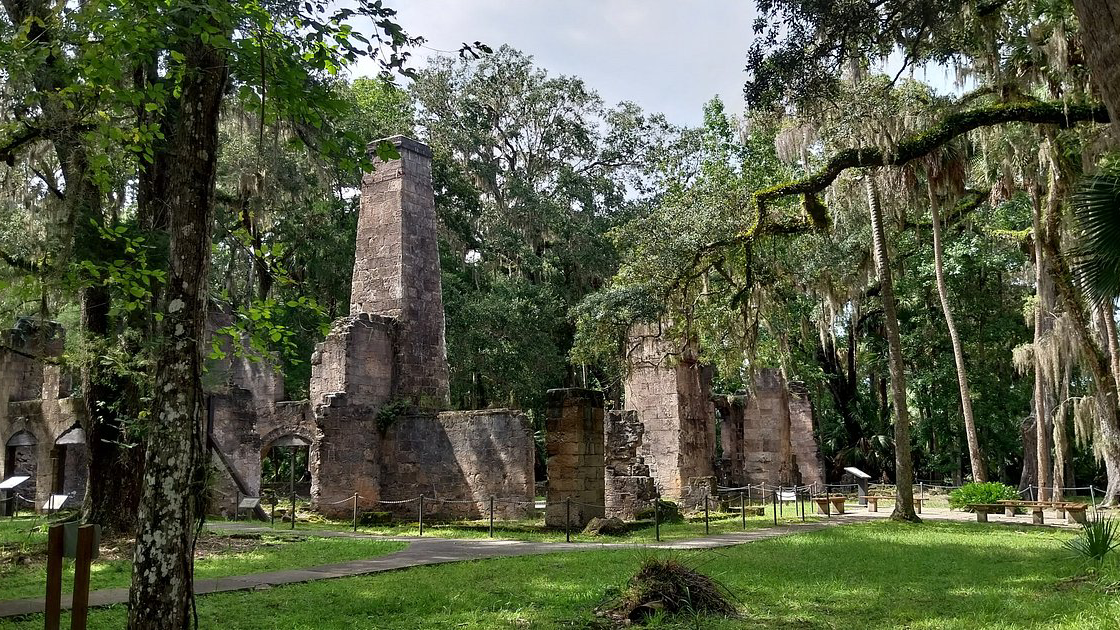
Hidden along Florida’s east coast, Bulow Plantation Ruins Historic State Park protects the crumbling remains of what was once one of the largest and most successful sugar plantations in territorial Florida. Stone walls rise from the forest floor, overtaken by vines and moss, telling stories of ambition, labor, and loss from nearly two centuries ago.
Walking through this peaceful park feels like stepping back in time, where history whispers through ancient live oaks and nature slowly reclaims what humans built.
What This Park Is (and Why It’s Special)
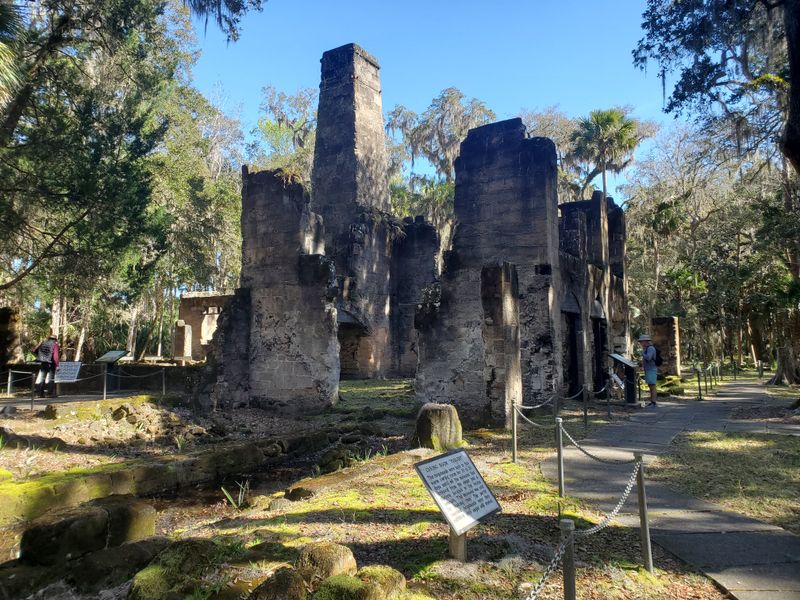
Bulow Plantation Ruins sits tucked away in Flagler County, offering visitors a rare glimpse into Florida’s plantation-era past. The centerpiece is a towering sugar mill made from coquina stone, a shell-based limestone that has withstood hurricanes, fires, and nearly 200 years of weathering. Unlike crowded tourist attractions, this park maintains a quiet, almost haunting atmosphere that draws history lovers and nature enthusiasts alike.
What makes this place truly special is how seamlessly history and wilderness blend together. Massive live oaks draped in Spanish moss frame the ruins, while interpretive signs help visitors piece together what life looked like here during the 1820s and 1830s. The park feels forgotten by time, which is exactly what gives it such powerful charm.
Only a handful of visitors explore the trails each day, making it feel like your own private discovery. The combination of well-preserved artifacts, educational displays, and peaceful forest trails creates an experience that sticks with you long after you leave.
The Story Behind the Ruins
Major Charles Wilhelm Bulow established this plantation in the early 1820s, transforming hundreds of acres of coastal Florida wilderness into a thriving agricultural operation. His son, John Joachim Bulow, expanded the estate into one of the territory’s most productive sugar and cotton plantations, employing enslaved workers who performed the backbreaking labor required to run such a massive operation. At its peak, the plantation produced thousands of pounds of sugar annually, shipping products to markets up and down the Atlantic coast.
The plantation community included not just the mill and main house, but also slave quarters, barns, workshops, and support buildings that made it a self-contained village. John Bulow became one of the wealthiest men in territorial Florida, and his plantation represented the economic ambitions of the region during that era.
Understanding this history means acknowledging both the impressive engineering of the sugar mill and the human cost of its success. The ruins stand as monuments to a complex and troubling chapter of Florida’s past.
What Happened Here: Destruction, Loss, and Survival
Everything changed in January 1836 during the Second Seminole War. As tensions escalated between settlers and Seminole peoples, the plantation became a target and was burned to the ground. John Bulow, who had already been struggling with debt and illness, died shortly after watching his life’s work go up in flames. The destruction was so complete that the plantation was never rebuilt, and the land gradually returned to wilderness.
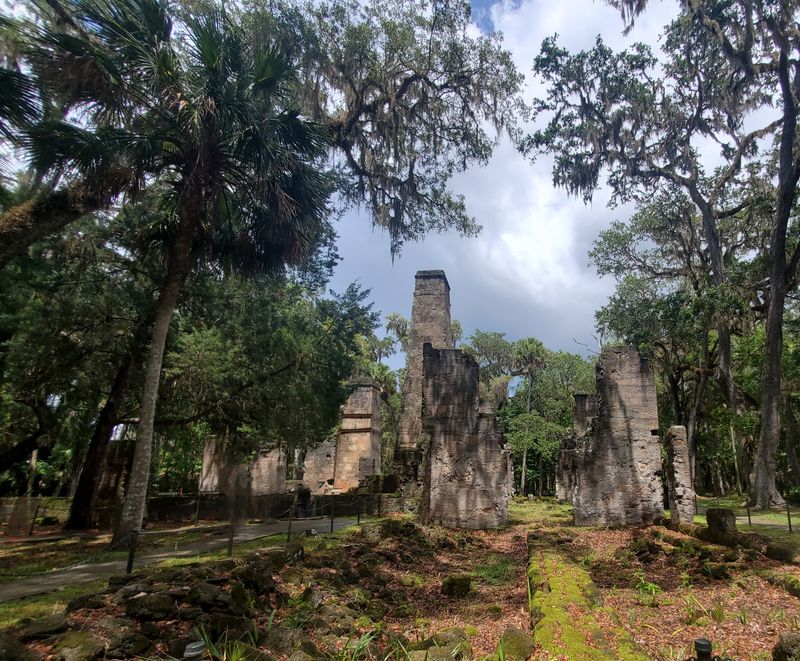
What survived the fire were the structures built from coquina stone, particularly the sugar mill’s thick walls and towering chimney stack. Wood buildings vanished, but the stone endured, creating the skeletal remains visible today. Nature quickly moved in, with roots breaking through mortar and vines climbing the walls.
Over the decades, the ruins became a local curiosity, eventually gaining protection as a state park in the 1940s. Today, visitors see not just what was destroyed, but what proved impossible to completely erase from the landscape.
Walking the Park Today: Ruins, Trails, and What You’ll See
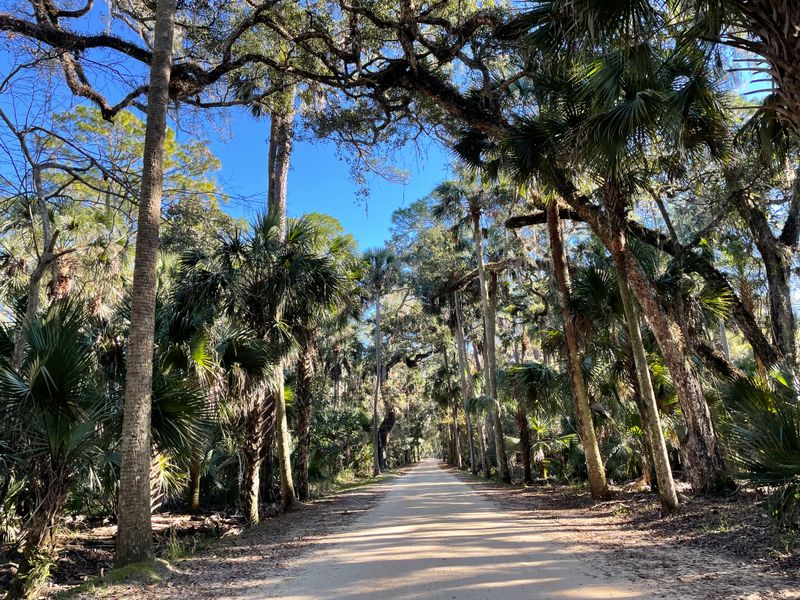
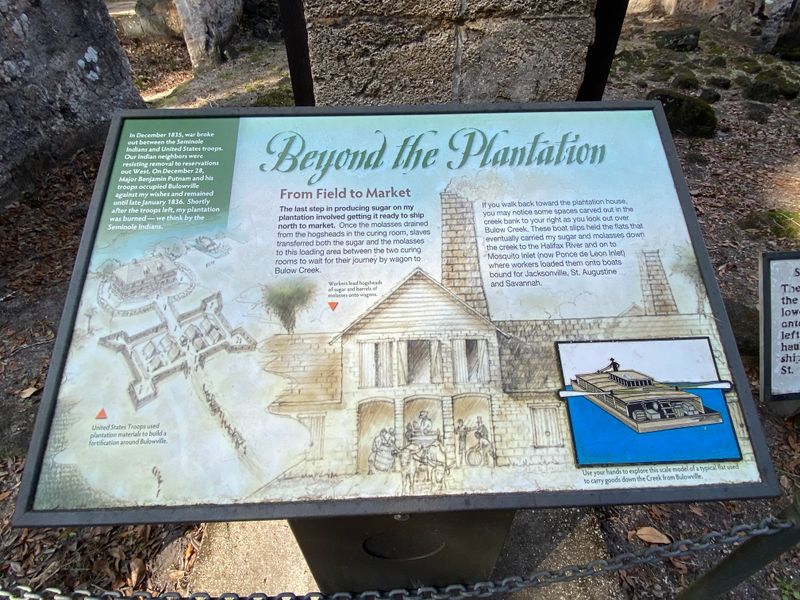
The main ruins area is easily accessible via a short paved path from the parking lot, making it friendly for most visitors. You’ll encounter the impressive sugar mill first, with walls rising over 30 feet and openings where machinery once operated. Interpretive signs explain how workers processed sugar cane, from crushing to boiling to crystallization, giving context to the stone structures.
A separate trail leads to the remains of the slave quarters, a sobering reminder of who actually performed the grueling work. These foundations sit partially hidden in the woods, marked but less prominently displayed than the mill itself. There’s also a small museum building near the entrance displaying artifacts recovered from the site, including pottery, tools, and household items.
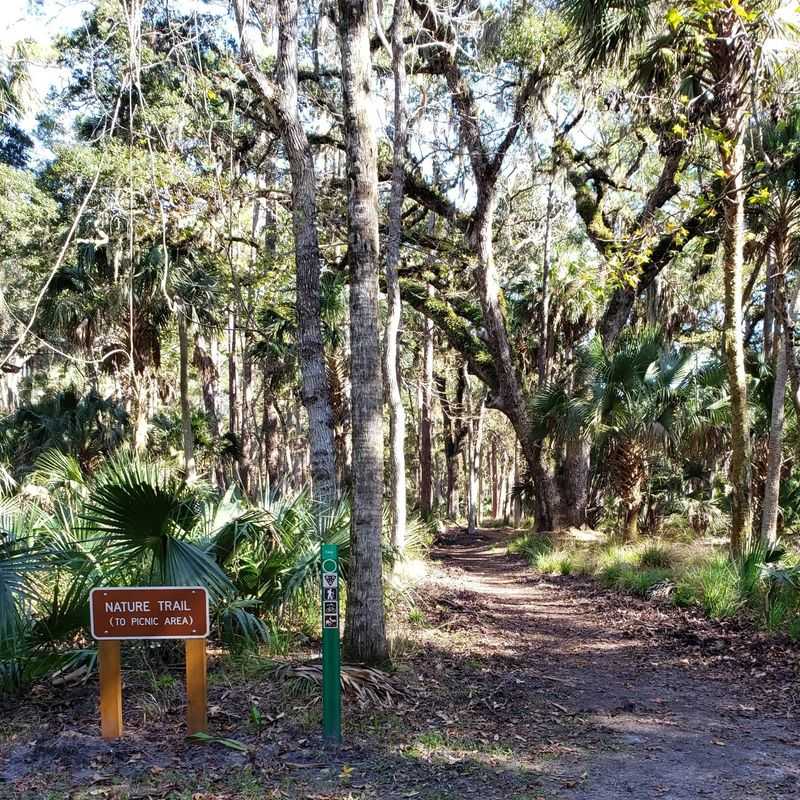
The park offers over six miles of trails for those wanting to explore further, including boardwalks over wetlands and paths through hammock forests. A boat ramp provides water access to Bulow Creek, popular with kayakers and fishermen seeking a peaceful paddle through Old Florida scenery.
Nature Taking Over: The Landscape Around the Ruins
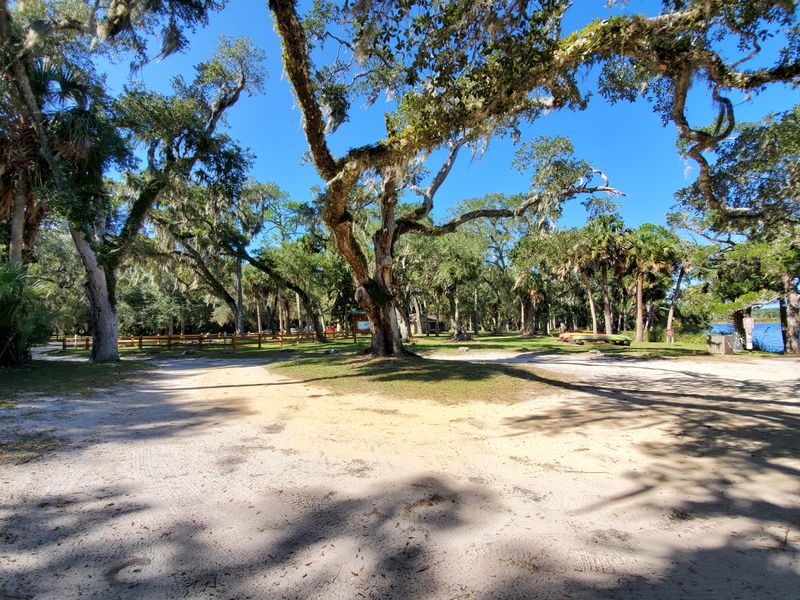
The contrast between human construction and natural reclamation creates the park’s most striking visual impact. Massive live oaks, some possibly as old as the ruins themselves, spread their limbs over the stone walls like protective guardians. Spanish moss dangles in gray curtains, adding to the atmospheric, almost mystical feeling of the place.
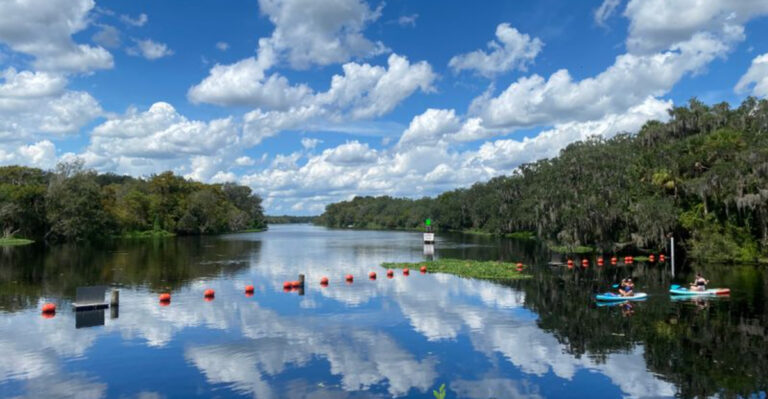
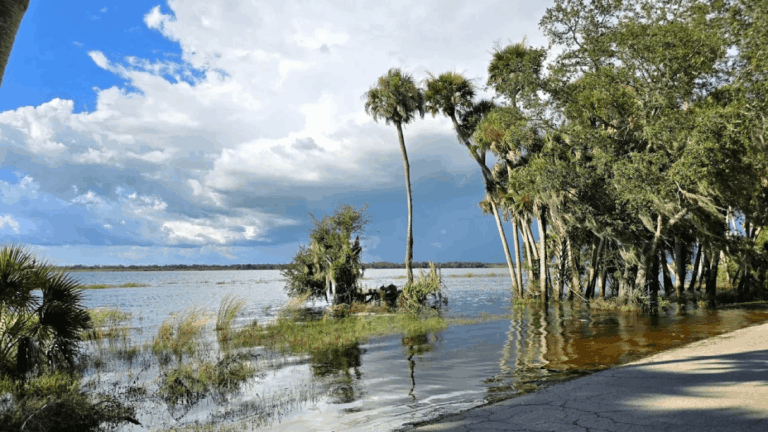
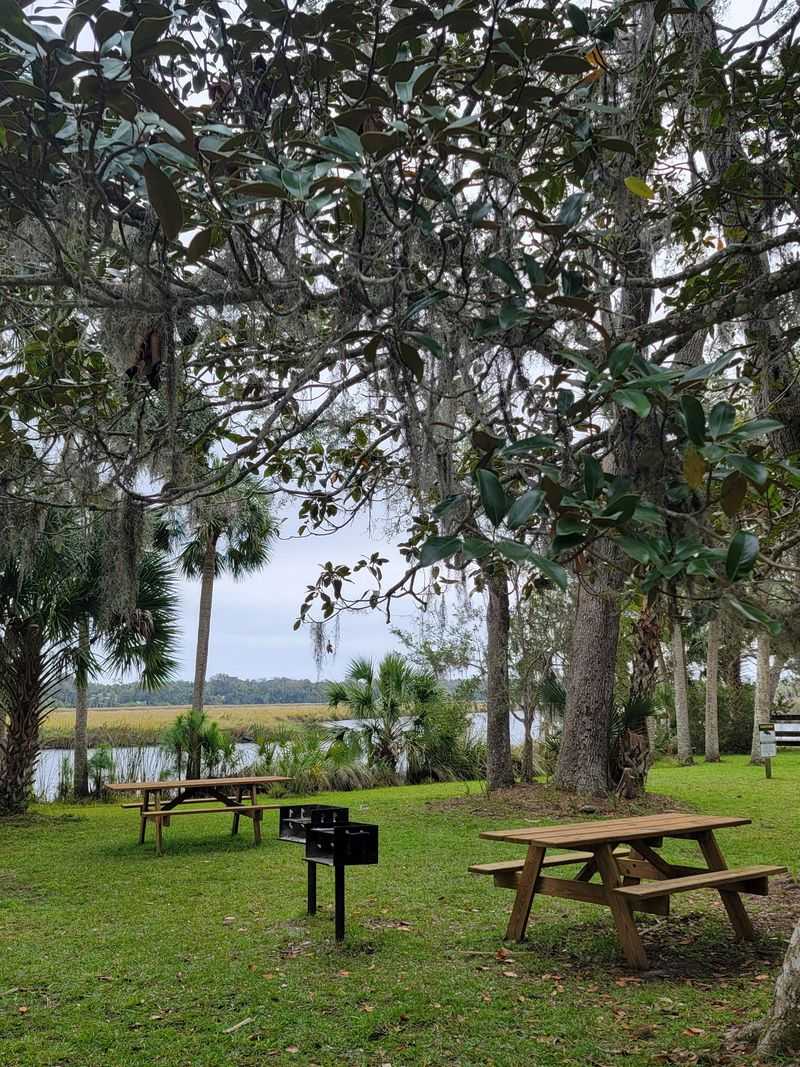
Bulow Creek winds through the property, its dark tannin-stained waters reflecting the surrounding forest. Visitors often spot wading birds, turtles, and occasionally alligators along the waterway. The forest here represents a typical coastal Florida habitat, with cabbage palms, Southern magnolias, and a thick understory that buzzes with insects and bird calls.
What makes the setting so powerful is how thoroughly nature has embraced these ruins. Rather than fighting against the encroaching wilderness, the park celebrates it, showing how even our most ambitious constructions eventually return to the earth.
How to Visit Like a Pro
Timing your visit makes a big difference in your experience. Early morning or late afternoon offers the best light for photography and cooler temperatures, especially important during Florida’s hot, humid summers. The park operates on an honor system with a small entrance fee, so bring cash to drop in the collection box. Operating hours are Thursday through Monday, 9 AM to 5 PM, with closures on Tuesdays and Wednesdays.
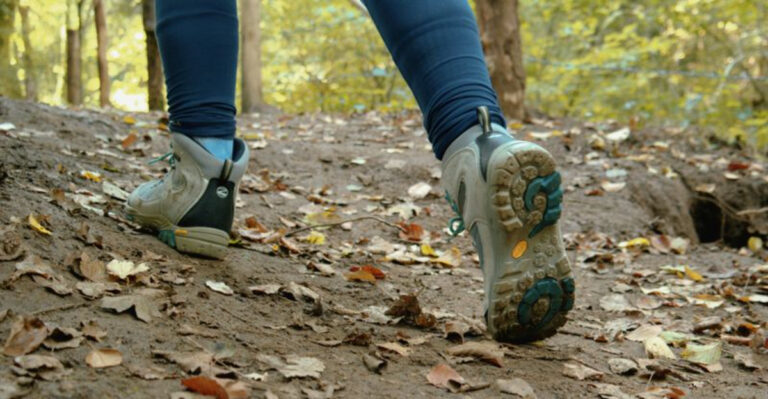
Wear comfortable walking shoes and bring insect repellent, as mosquitoes can be aggressive, particularly after rain or during warmer months. The main ruins area is accessible, but longer trails can be uneven and muddy. Water bottles are essential, and there’s limited shade on some trail sections.
Why This Place Sticks With You
There’s something about standing before these ruins that creates a feeling difficult to put into words. Perhaps it’s the silence, broken only by bird calls and rustling leaves, or the way sunlight filters through the trees onto centuries-old stone. The ruins don’t glorify the past but present it honestly, acknowledging both human ambition and the suffering that fueled it.
Visitors often describe feeling a sense of melancholy mixed with peace, as if the land itself has made peace with what happened here. The ruins symbolize impermanence, reminding us that even the mightiest human endeavors eventually fade. Yet they also demonstrate resilience, both of the materials that still stand and the natural world that perseveres.
If you’re near Flagler Beach, carve out time to visit this hidden gem. Walk the trails, read the signs, and give yourself space to reflect.