11 Tips for a Nature‑Focused Florida Trip With Zero Theme Parks
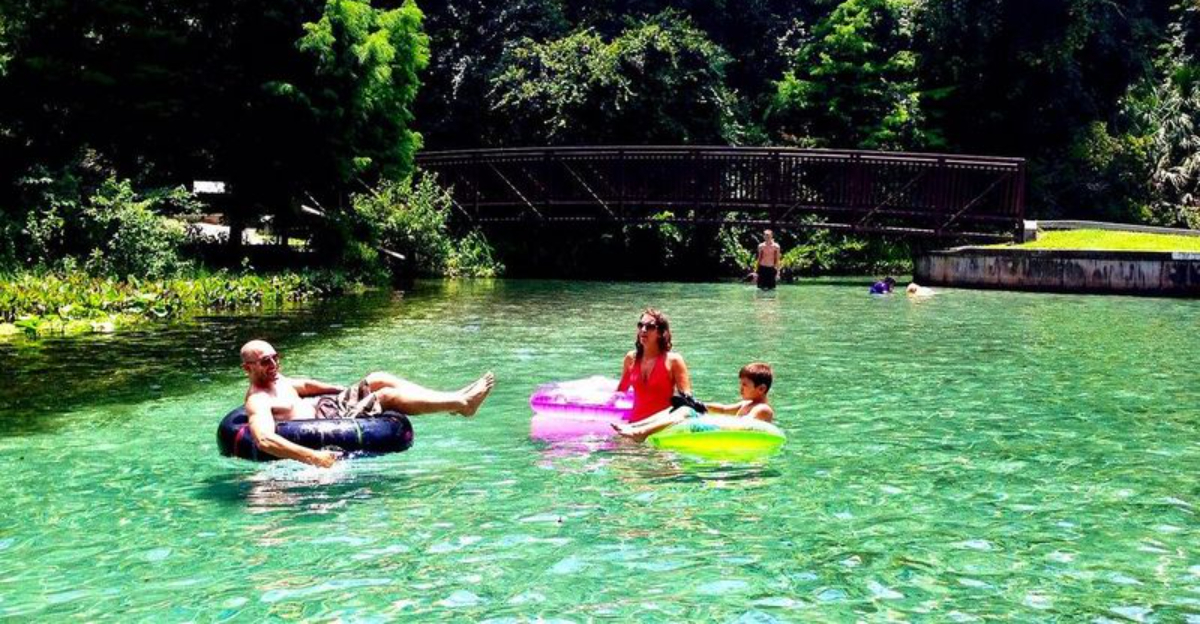
You came for palm trees, but you will stay for manatee mornings, spring-fed rivers, and skies so starry you forget your notifications exist. Ditch the turnstiles and build a trip that runs on tides, temperatures, and the quiet thrill of spotting a roseate spoonbill at sunrise.
This guide walks you through a practical, zero-theme-park blueprint that trades lines for limestone springs and boardwalks. Pack curiosity and a dry bag, and let Florida’s wilder side set the pace.
1. Pick your Florida wild focus first
Before you book anything, decide what you want Florida to feel like. If you’re craving neon-blue water, you’re a springs person.
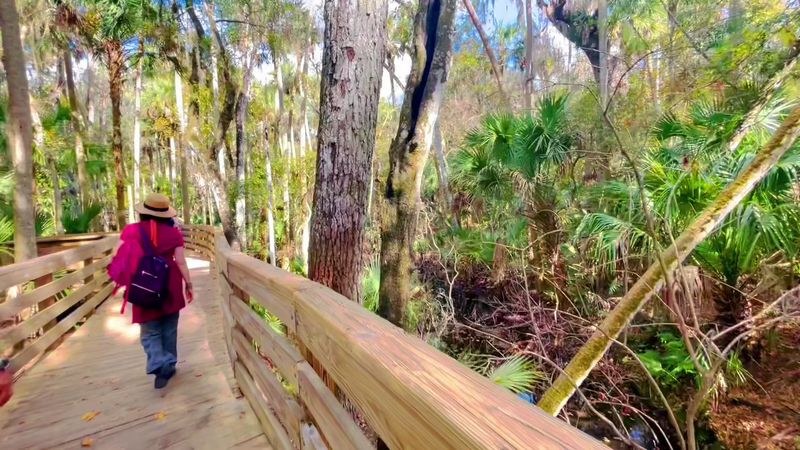
If you want big skies and birds doing weird, beautiful things, aim for coasts and wetlands. If you’d rather earn your dinner with sore legs, mix in sandhills, scrub, and long pine trails.
The trick is choosing two or three anchors, not seven. A springs-and-paddle trip looks totally different from a barrier-island-and-birding trip, and that’s the point.
Once you pick your priorities, every decision gets easier: where to base yourself, what time you wake up, what you pack, and what you skip without regret. Florida is huge; your best trip won’t be the one with the most pins on the map—it’ll be the one that matches your “wild” personality.
2. Decide your top 2–3 priorities so the drive does not run your trip
Florida doesn’t have four seasons so much as it has “pleasant” and “powerfully alive.” Late fall through early spring is prime if you like long walks, crisp mornings, and wildlife that actually shows up before you melt.
Winter is also when manatees gather in warm-water springs, which can be magical—just expect crowds at famous spots.
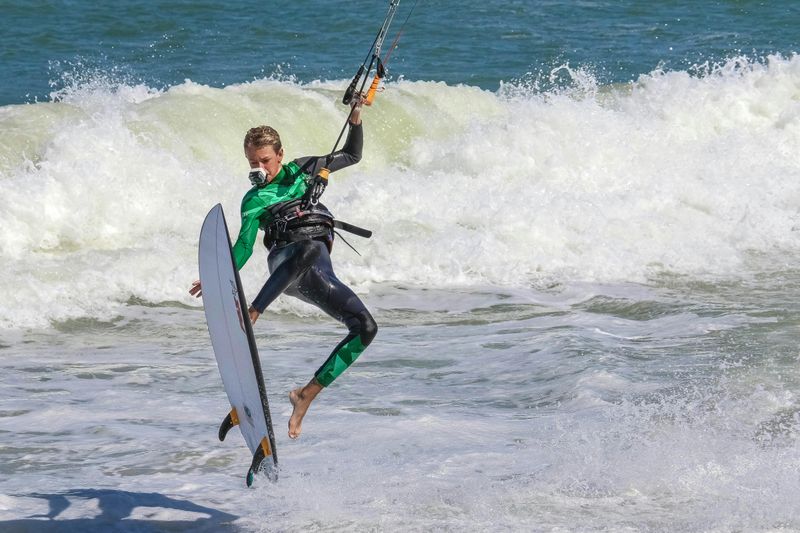
Late spring and summer are for people who plan their days around water and don’t panic at a 3 p.m. thunderstorm. The payoff is warm Gulf swims, lush landscapes, and that dramatic, steamy Florida look.
If you visit in the hotter months, build your schedule like a local: sunrise outdoors, midday float, late-afternoon stroll, then dinner when the heat finally loosens its grip.
3. Choose the right season for your vibe

A smart Florida itinerary is basically a driving reduction plan. Pick one home base if you want low effort: you unpack once, learn your nearest coffee spot, and spend your energy on trails and water instead of loading the car every morning.
A loop works better when you’re sampling very different ecosystems—say, springs to coast to wetlands—but keep it tight. Two or three stops is the sweet spot for a week, especially if you’re actually trying to relax.
Look at the map with a skeptical eye: Florida distances lie, and a “quick drive” can become a sweaty two-hour crawl if you’re crossing busy corridors at the wrong time.
Build days with wiggle room, then you can detour for a random boardwalk or a sunset beach without turning the whole schedule into a domino collapse.
4. Design a hub or a simple loop to skip backtracking

Pick a home base and radiate outward, or create a tidy two to three stop loop. Hubs suit chill trips where you want coffee at the same dock each morning.
Loops satisfy variety seekers without forcing a daily pack-and-dash.
Keep daily drives under ninety minutes when you can. Cluster springs on one river system, or pair a coastal marsh with a nearby inland forest.
Use park opening times to choose directions, then save sunset for your closest stop.
Before locking lodging, drop pins for launches, trailheads, and groceries. If the map looks like spaghetti, simplify.
A clean map equals more water time, fewer parking-lot headaches, and better sleep.
5. Start early and go water midday, land later
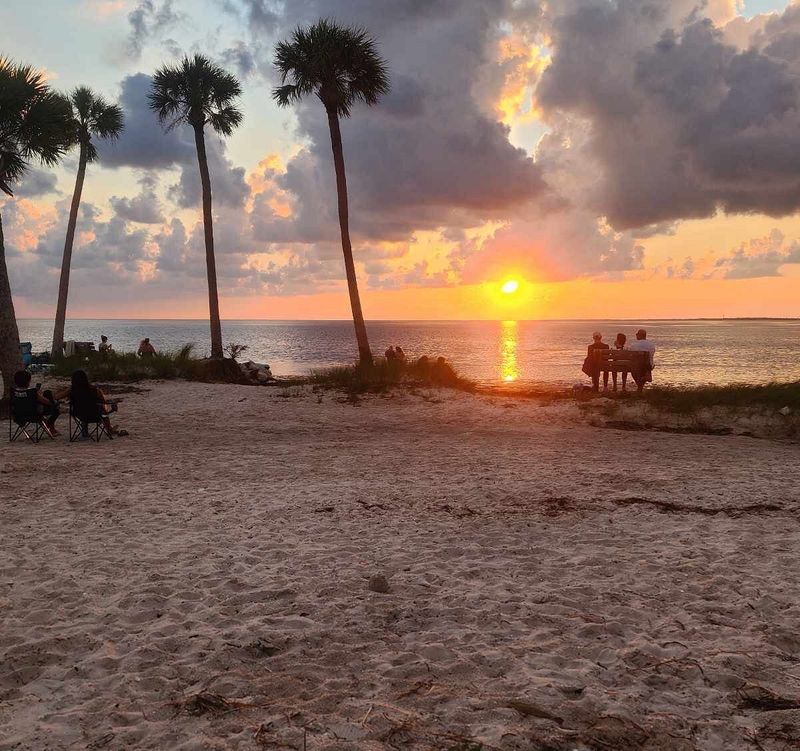
The locals’ secret isn’t a hidden beach—it’s the clock. Get outside early and Florida feels calmer, cooler, and more alive.
Sunrise is when birds feed, dolphins cruise close to shore, and you can walk a trail without turning into a human salt lick. By late morning, shift into water mode: springs, snorkeling, lazy river floats, shaded paddles, or a Gulf swim.
Water isn’t just fun—it’s your built-in air-conditioning. Save your “land stuff” for later: boardwalks, short hikes, dune walks, and scenic overlooks all hit better when the sun drops a notch.
Even your driving improves if you move between places mid-morning or early afternoon and avoid the late-day rush. You’ll feel like you did a lot, without feeling like Florida did you.
6. Treat springs like popular beaches: arrive early, reserve when needed
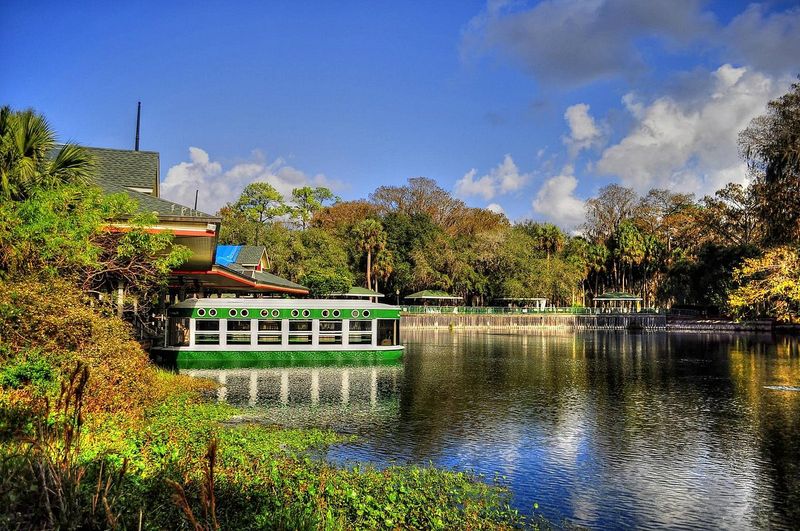
Springs are not a sleepy local secret anymore, and that’s fine—as long as you plan like they’re a Saturday beach. Show up early, especially on weekends, because parking can fill before your second sip of coffee.
If there’s a reservation system or timed entry, use it and don’t act offended by the concept of planning ahead. Weekdays are the cheat code, and so is having a backup.
If your first-choice spring is packed, pivot to a nearby river launch, a less-hyped spring run, or even a different park in the same region. Also: treat the water like it’s fragile, because it is.
Skip oily sunscreen right before you swim, don’t stand on submerged vegetation, and keep fins off spring vents. The goal is clear water today and clear water ten years from now.
7. Build one full paddle day
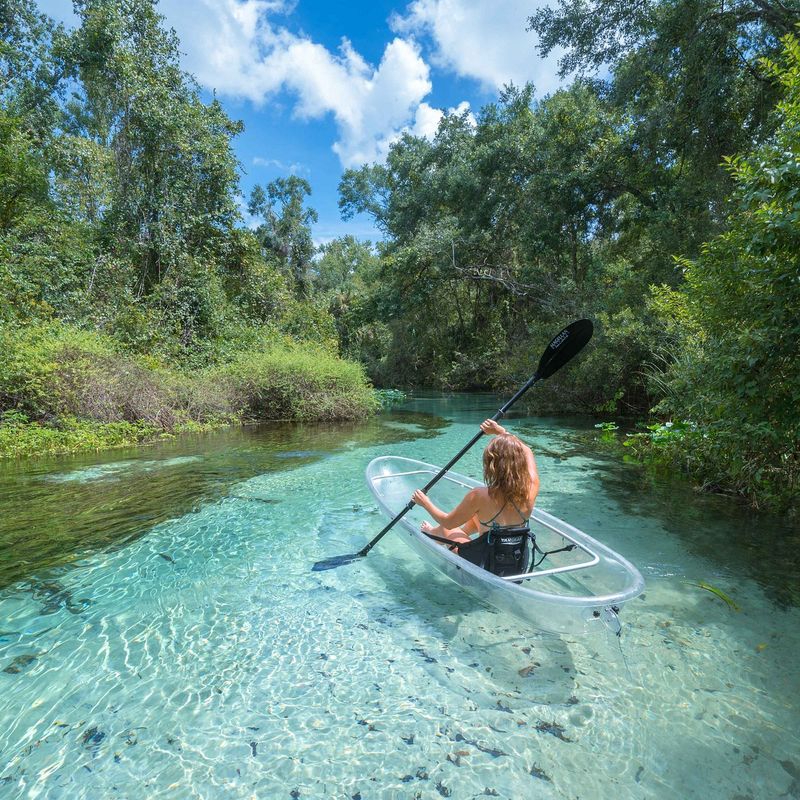
If Florida had a “skip the crowds” button, it would be a kayak. Paddling gets you into places roads can’t: mangrove tunnels that feel like a green hallway, glassy spring runs where you can watch fish hover over sand, and quiet marsh edges where birds pose like they’re being paid.
You don’t need to be hardcore. A guided trip is perfect if you want someone else to handle the tides, currents, and best turns.
Rentals are easy in most nature-heavy areas, and many outfitters offer shuttles so you can do a one-way float without logistics gymnastics. Start early for the calmest water and best wildlife.
Bring a dry bag and a hat that won’t launch into orbit with the first breeze. One good paddle day can carry the whole trip.
8. Book nature-forward lodging close to launches and trails
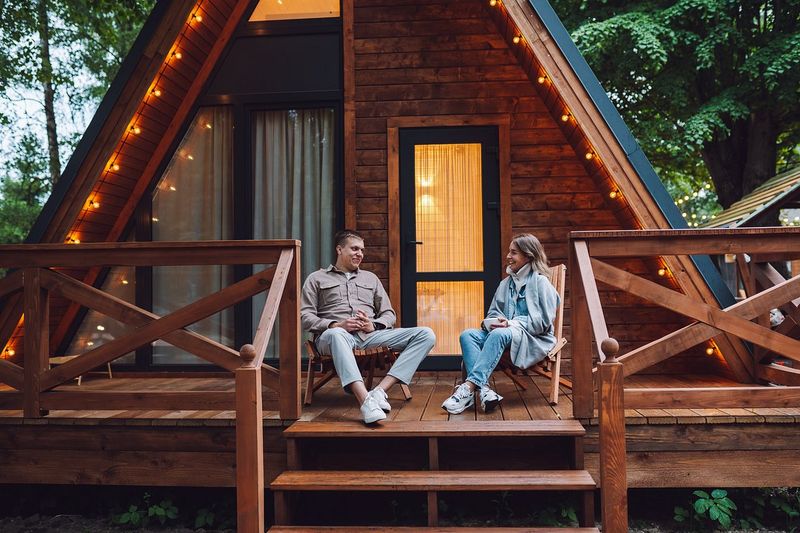
Where you sleep matters more than people admit, because Florida mornings are precious. Staying close to trails, launch points, and wildlife areas means you can roll out early without doing battle with traffic.
State park cabins and campgrounds are unbeatable for proximity, and you’ll often wake up to the exact vibe you came for—foggy water, piney air, and birds you can hear before you see. If camping isn’t your thing, look for small waterfront inns, simple cottages, or places that don’t blast stadium lighting all night.
Bonus points for lodging with easy dawn access to a boardwalk or shoreline. The most “local” move is booking fewer places and staying longer in each, so you spend more time outside and less time re-packing chargers and arguing about where the toothbrush went.
9. Pack for sun, storms, and mosquitoes like it is your job
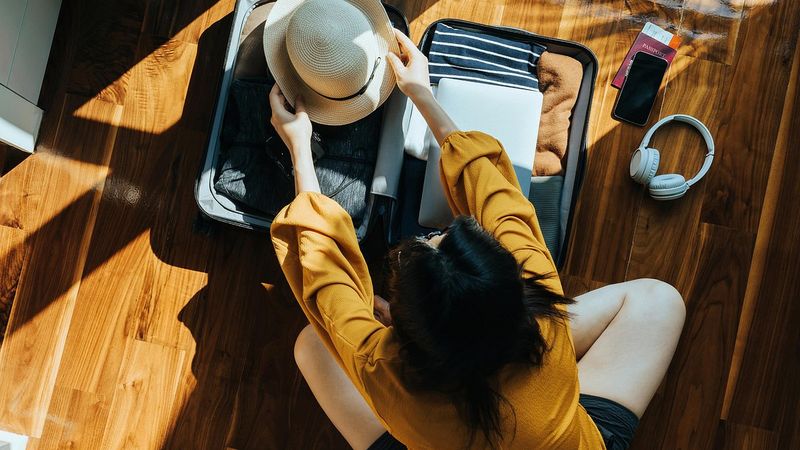
Florida punishes optimism. Dress like you respect the sun: a lightweight long-sleeve sun shirt, a real hat, and sunglasses that can survive glare off water.
Hydration isn’t a suggestion—bring electrolytes, especially if you’re hiking or paddling. Bugs are not a moral failing; they’re a habitat feature.
Repellent helps, but so do breathable long pants at dusk and a calm acceptance that wetlands are, in fact, wet. Toss in a compact rain layer because summer storms appear with zero warning and total confidence.
A dry bag saves phones, snacks, and car keys from becoming soggy regrets. Quick-dry towels are underrated, and so is a spare set of clothes for the drive back.
Pack like you’re going to get wet, sweaty, and rained on—because you probably will.
10. Follow Florida wildlife rules, always
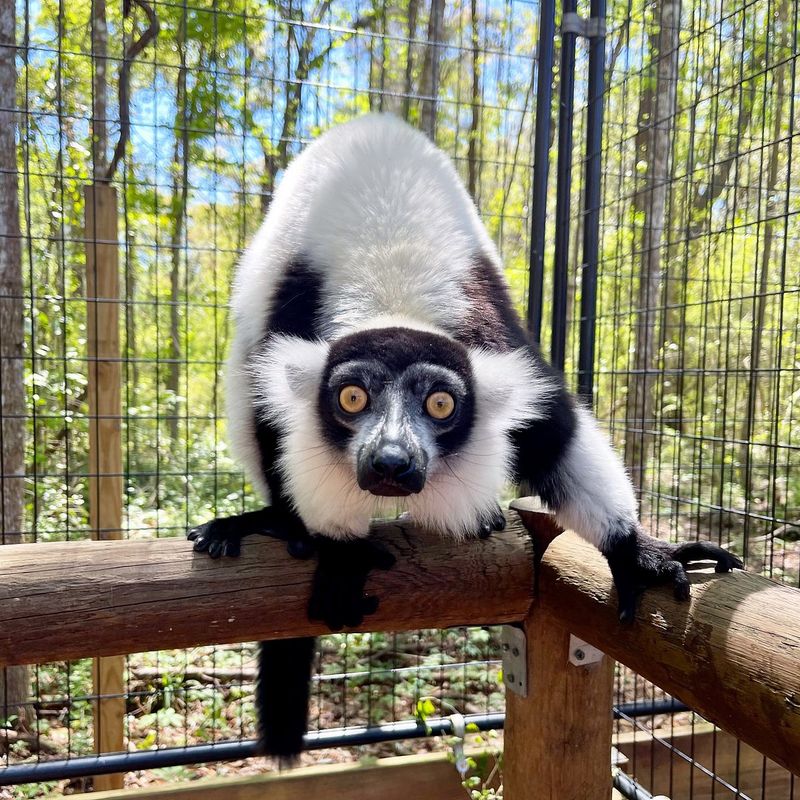
Wildlife encounters are better when you don’t force them. Keep space between you and anything with teeth, wings, or a nest, and you’ll see more natural behavior instead of panicked fleeing.
If an animal changes what it’s doing because of you—stops feeding, lifts its head, moves away—you’re too close. This goes double for shorebirds and turtle nesting areas; those roped-off zones aren’t decoration.
Never feed anything, not even “just a little,” because it trains animals to associate humans with snacks, and that’s how wildlife gets bold, sick, or removed. In gator country, stay out of unmarked water and keep pets on a short leash, no exceptions.
Bring binoculars and a zoom lens so you can be a respectful spectator and still get the wow factor.
11. Keep a Plan B for weather and a Plan C for crowds
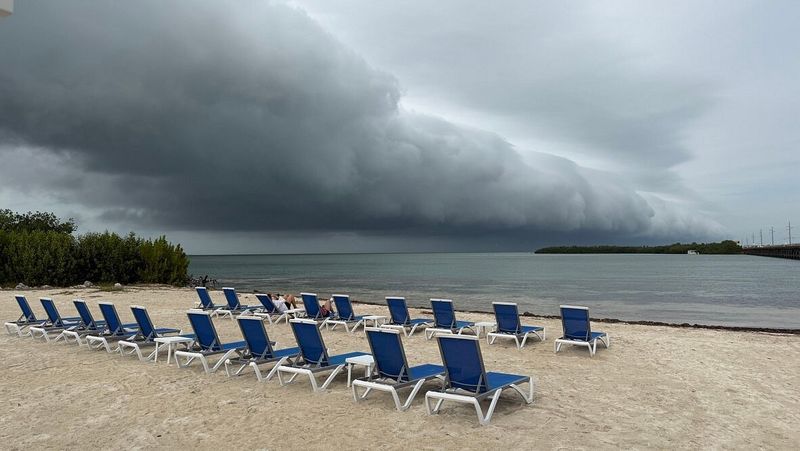
Florida loves a plot twist around 2 p.m. The best way to stay unbothered is having backups you actually like, not sad consolation prizes.
If storms roll in, swap a beach afternoon for a boardwalk under tree cover, a short trail with quick exits, or a local museum/aquarium that buys you time until the sky calms down. Crowds need their own contingency plan because a full parking lot can wreck your mood fast.
Have a second spring, a different access point on the same river, or a quieter beach nearby that still delivers the goods. Sometimes the smartest move is flipping the day: drive during the rain, explore when it clears, and catch sunset when everyone else is stuck in dinner lines.
Flexibility is the real local secret.