10 Expert Tips for Making the Most of an Extended Florida Stay

An extended stay in Florida can go two ways: you either sprint from plan to plan until you’re sun-tired and irritable, or you settle in and suddenly everything feels easy. The secret isn’t cramming in more—it’s choosing a smart base, building a few repeatable rhythms, and letting the state’s best hours do the heavy lifting.
Early mornings are cooler, beaches are calmer, parking is kinder, and quick nature breaks (springs, boardwalks, mangrove paddles) hit like a reset button. Add a rain-proof backup list and a “no big plans” rule, and you’ll stop treating Florida like a checklist.
This is the local-ish playbook for turning weeks in the Sunshine State into your most relaxed trip yet.
1. Pick one home base (and stop hopping around)
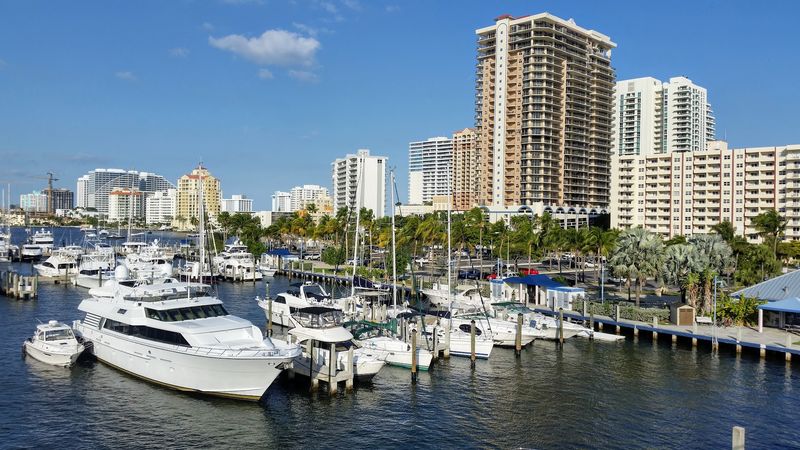
Treat your home base like the foundation of the whole trip, because it is. If you move every few days, you’ll spend your best energy on packing, check-ins, and finding where the ice machine is—again.
Choose one town or neighborhood that matches your vibe, then branch out on short day trips. Gulf Coast spots lean sunset-soft and mellow; Atlantic hubs tend to be a little livelier; Central Florida is perfect if springs and easy drives are your thing.
Once you pick, make a simple radius rule: 30–90 minutes for casual outings, and only one long drive per week. The payoff is sneaky: you’ll find “your” grocery store, “your” beach access, and “your” coffee window, and suddenly the whole stay feels less like travel and more like belonging.
2. Plan a two-speed week: calm weekdays, fun weekends

Think of your calendar as a dial, not a switch. Keep weekdays intentionally light: a morning beach lap, a spring dip, a shaded boardwalk, then a midday A/C reset that doubles as recovery.
Save the bigger stuff for weekends—Keys drives, theme parks, long boat days, or that one town you’ve been eyeing—so your energy lines up with your ambition. A simple structure works beautifully: mornings outdoors, afternoons indoors, evenings back outside for golden hour.
Pick one “anchor plan” per weekend day and leave the rest loose so you’re not racing the clock. This rhythm makes Florida feel calmer instantly, because you’re no longer forcing every day to be an event; you’re letting most days be easy and a few days be memorable on purpose.
3. Book a stay that supports real downtime

Your lodging shouldn’t be an obstacle course. For a longer Florida stay, the cute-but-cramped place with mystery Wi-Fi and zero storage will wear you down fast.
Prioritize the boring things that make life smooth: quiet nights (read the noise reviews), a kitchen, laundry, parking, and genuinely strong internet.
Add one comfort upgrade that changes your mood daily—balcony, patio, shaded pool, or blackout curtains—because Florida mornings start early whether you planned it or not.
Also, be realistic about location: a slightly less “iconic” address with easy access and stress-free parking often beats the postcard spot that turns every errand into a battle. When your place feels effortless, your whole trip feels calmer, because you’re not constantly hunting for recovery time.
4. Create one simple daily ritual
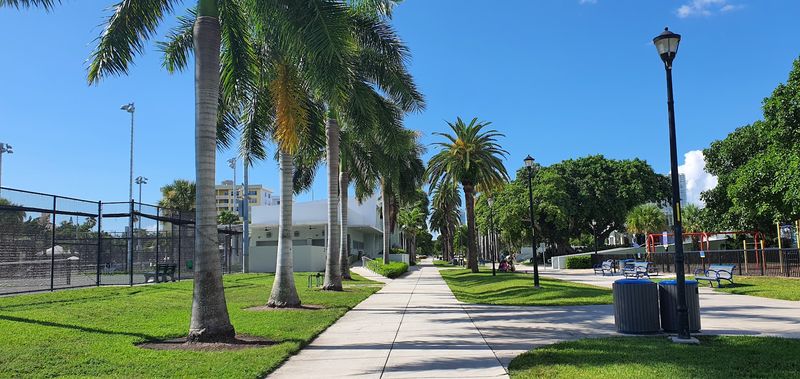
A single repeatable habit turns a long stay from “Where should we go today?” into “Ah, here we are.”
Pick something small and enjoyable that you can do almost anywhere: sunrise coffee and a short walk, a 10-minute swim, an evening stroll to the same sunset lookout, or a post-lunch pool float with a podcast. The point isn’t productivity—it’s reducing decision fatigue.
Rituals also make you notice details you’d miss on a whirlwind trip: the café that gets your order right, the park loop that’s shaded at 8 a.m., the beach access with the least annoying sand-to-car situation.
After a few days, you’ll stop feeling like you’re constantly “doing Florida” and start feeling like you have your own little version of it.
That’s the secret sauce for chill: familiarity.
5. Use Florida’s nature as your built-in spa
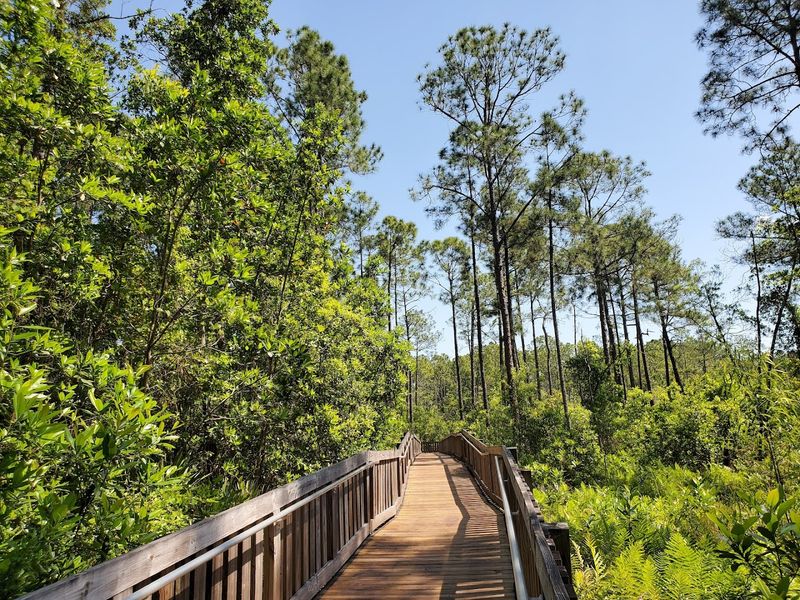
Florida hands you free relaxation if you show up at the right time and don’t overcomplicate it.
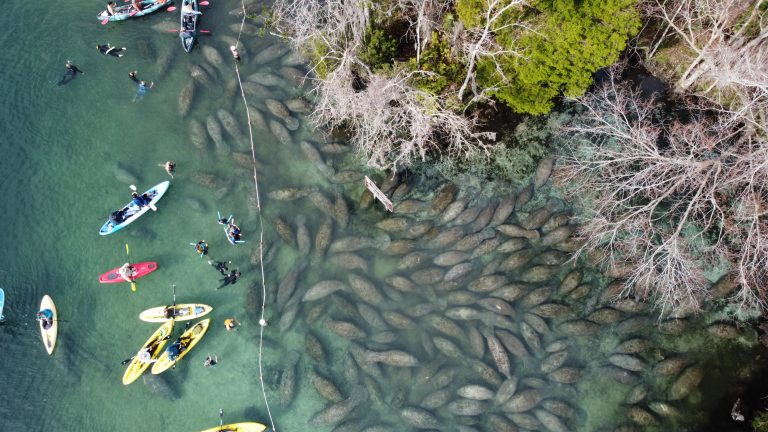
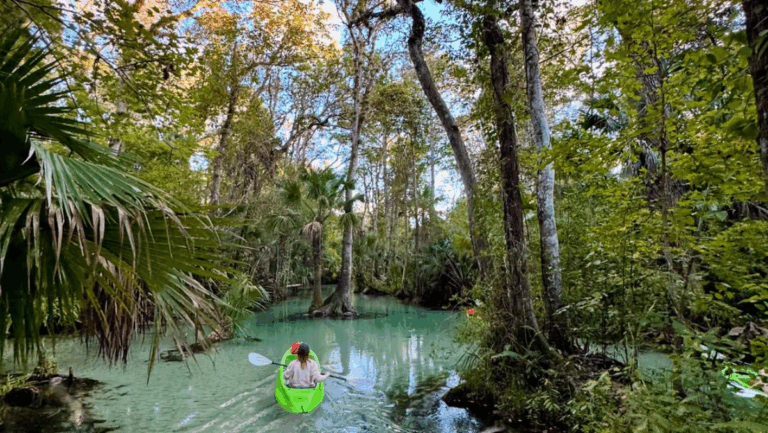
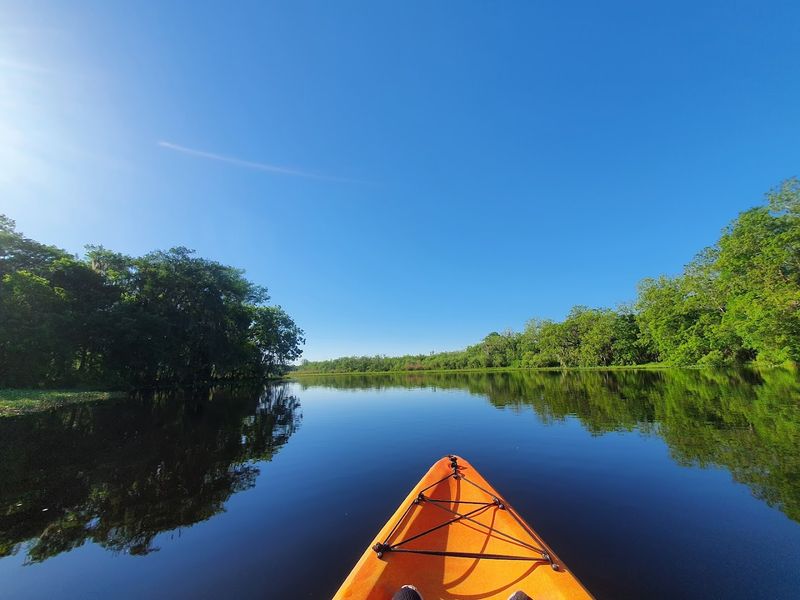
Short nature hits—60 to 120 minutes—work like mini treatments: springs for a cold-water reset, boardwalks for low-sweat wildlife spotting, botanical gardens for easy beauty, and quick kayak rentals when you want movement without commitment.
Keep a simple go-bag in the car so you can pivot without planning: towel, bug spray, water, dry bag, flip-flops, and a snorkel mask if you’re spring-hopping. The goal is not an all-day epic; it’s that “I feel better now” effect.
Rotate two or three nature options per week, and your stay starts to feel like a retreat you accidentally booked. Bonus: mornings are cooler, animals are more active, and you’ll beat the crowds—three wins for the price of one.
6. Beach smarter: morning and golden hour, skip the midday slog
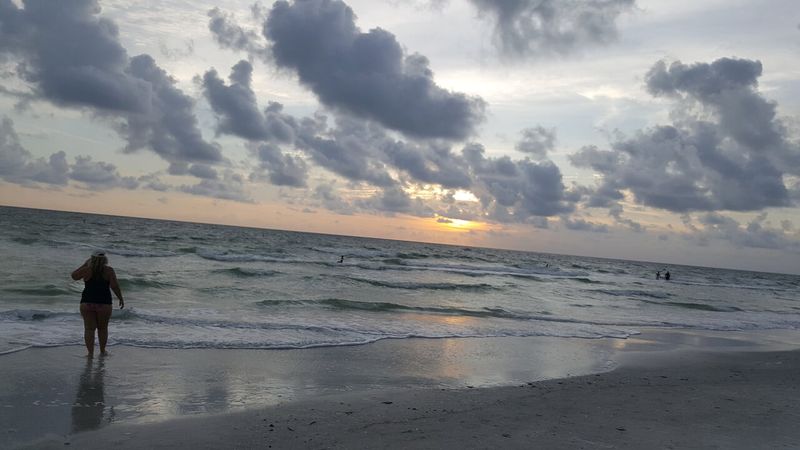
Midday beach time can be a trap: heat, glare, heavy crowds, and sand that behaves like a frying pan. A smarter beach routine is basically a split shift.
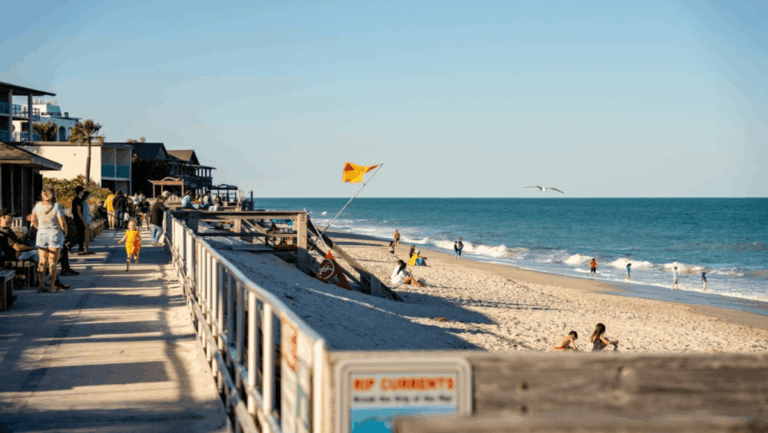
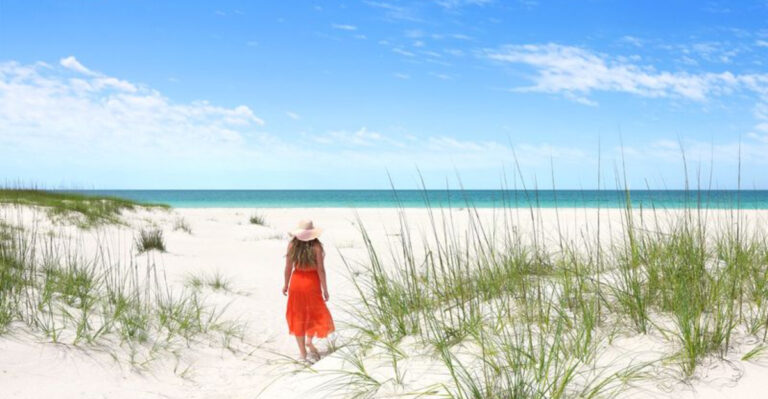
Go early—think 8:00 to 10:30—when parking is easier and the water is calmer, then retreat for lunch and an A/C reset. Come back for late afternoon and sunset, when the light is prettier and the vibe is quieter.
Pack a small kit that makes it comfortable instead of gritty: umbrella or shade (non-negotiable), cooler and refillable water, water shoes for shells and hot sand, and a dry bag for keys and phone. You’ll spend fewer total hours at the beach but enjoy it more, which is the whole point of a long stay.
Florida beaches reward people who time them well.
7. Eat out less, enjoy it more
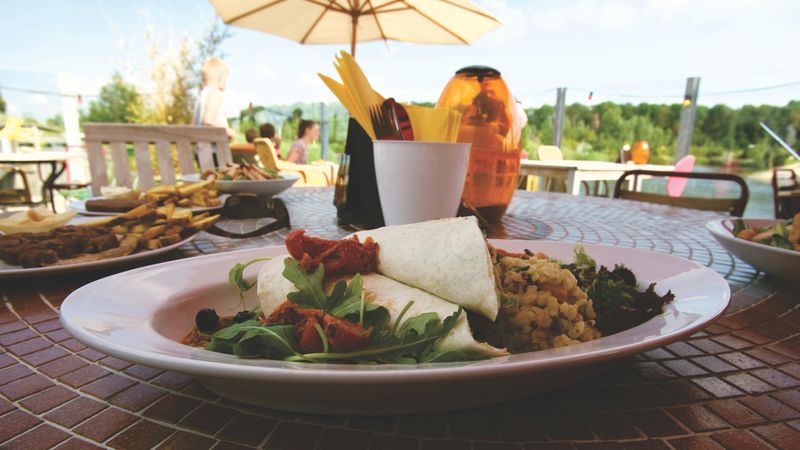
Daily dining out sounds fun until it turns into expensive decision fatigue and a string of “fine” meals you barely remember. A better long-stay rule is choosing fewer restaurant moments and making them count—two or three memorable meals per week is the sweet spot.
Look for places that feel worth the effort: waterfront lunches, casual seafood spots, Cuban sandwiches that don’t cut corners, or a key lime pie that’s actually tart. Then keep home meals easy and repeatable: tacos, big salads, pasta, grilled fish, snack-board nights when you can’t be bothered.
Farmers markets are your best friend for fruit that tastes unreal, plus local seafood when you want to level up dinner without a reservation. This approach keeps your budget sane and your food life exciting, because going out stays special instead of becoming a chore.
8. Go car-lite when you can

A constant driving-and-parking routine is the quickest way to drain the chill out of Florida. If your neighborhood lets you walk to coffee, groceries, a park or beach access, and at least one dinner option, you’ve already upgraded your stay.
Use the car like a tool—day trips and supply runs—rather than a default setting. Build in “no-drive days” where the only plan is wandering and being unhurried; it’s shocking how much calmer you feel when you’re not hunting for a spot and feeding a meter.
In parts of South and Central Florida, rail can also take the edge off longer hops between major cities; Brightline connects multiple stops including Miami and Orlando, which can be a sanity-saver when highways look grim. The goal is simple: fewer errands that feel like missions.
9. Build a heat and rain friendly schedule (Florida is a mood)
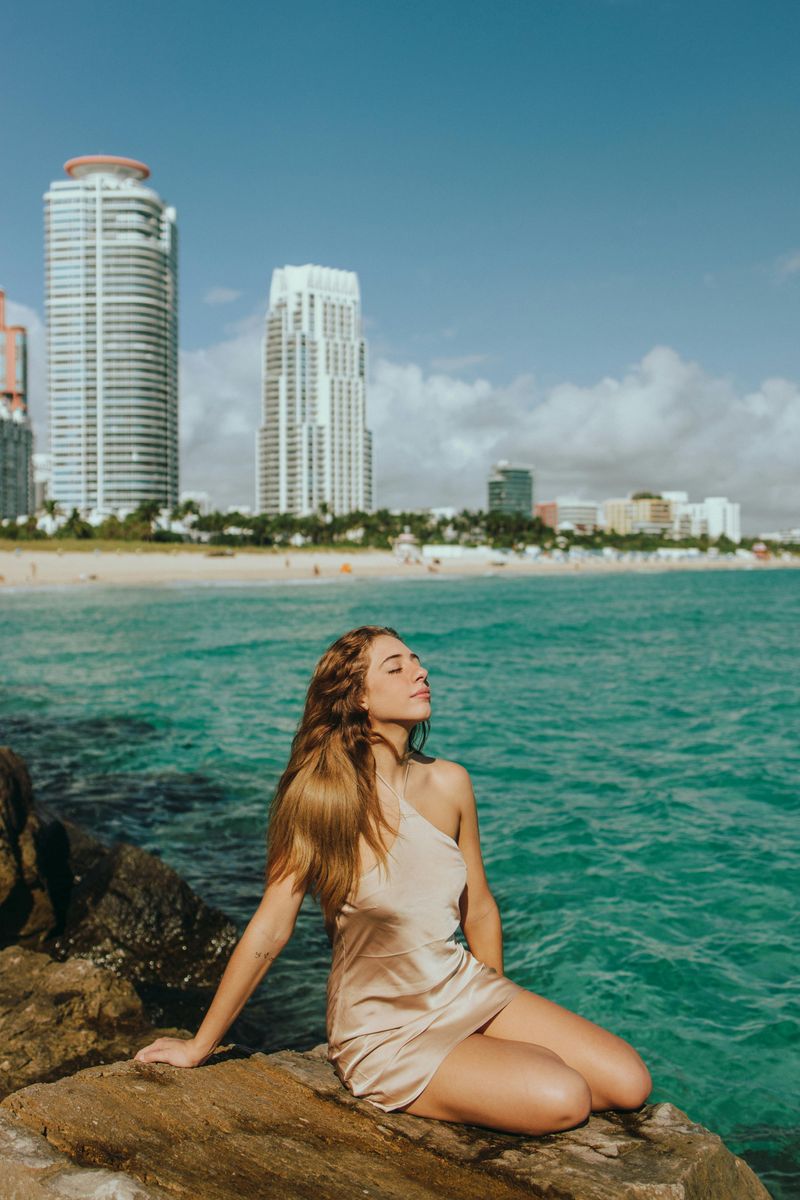
Florida runs on patterns, and your trip gets easier when you accept them. Mornings are your outdoor jackpot; midday is when you hide inside like a smart lizard; late afternoon is when you return for golden hour.
During warmer months, treat noon to 4 p.m. as your built-in reset block and you’ll avoid the “why am I exhausted?” spiral. Rain is a feature, not a flaw—often it hits hard for 30 to 60 minutes and then clears like nothing happened.
Keep a rain-plan list that doesn’t feel like a consolation prize: museums, aquariums, thrift and antique loops, a movie in aggressive A/C, or a café you can linger in without being rushed. This mindset turns weather into a schedule shift instead of a ruined day, which is exactly the long-stay energy you want.
10. Stay flexible (especially in storm season)
An overbooked itinerary is basically an invitation for Florida to mess with you. Leave breathing room on purpose: book only your true priorities, keep two or three open slots each week, and avoid stacking “must-dos” on consecutive days.
Flexibility is also practical during hurricane season—choose lodging with reasonable cancellation terms, keep an eye on forecasts, and have a simple Plan B that doesn’t feel dramatic. Moving inland for a day, swapping beach time for springs, or sliding your big drive to the next clear window is often all it takes.
The best extended stays aren’t the ones where everything went according to plan; they’re the ones where the plan was loose enough to catch the good surprises. Empty beaches at 9 a.m., a random local event, a sunset you didn’t schedule—those become the highlights when you aren’t rushing.