This Florida Aquarium Lets You Get Shockingly Close to Sharks, Sea Turtles, and More
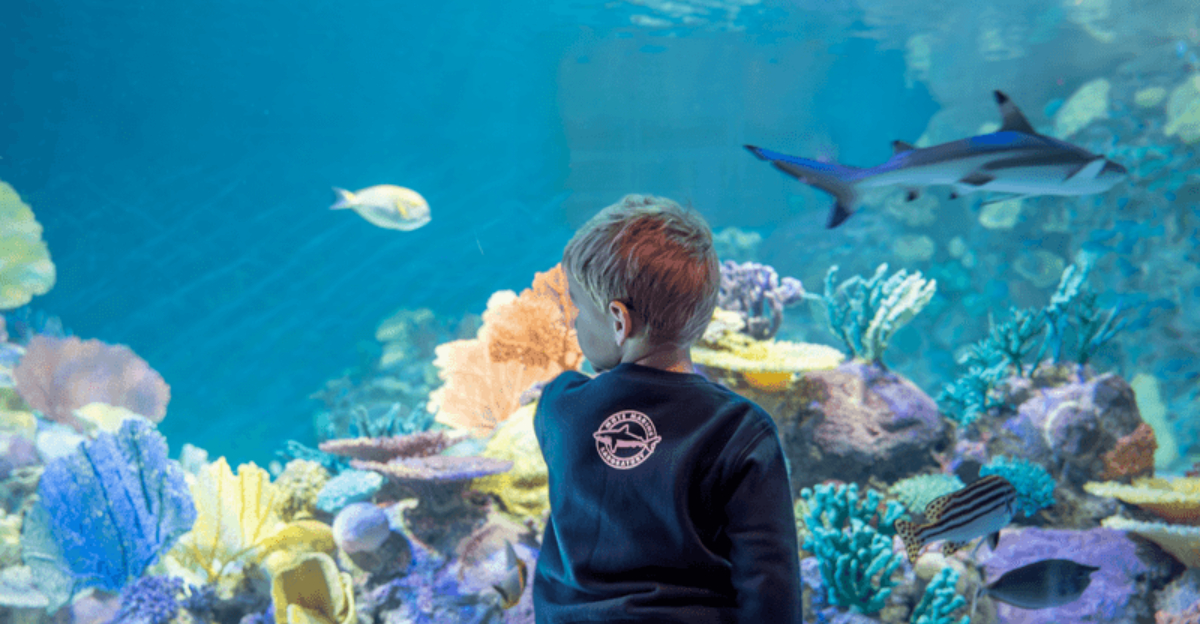
Ready to get face to face with Florida’s most mesmerizing marine life without getting wet? At Mote Science Education Aquarium in Sarasota, you can lean over touch tanks, peer into towering habitats, and feel that electric jolt of discovery. Sharks cruise past massive windows, manatees glide like gentle blimps, and penguins zip by with surprising speed.
Grab timed tickets, bring your curiosity, and let the ocean’s best stories surround you.
1. The Shark Habitat: Thrills From Above and Below
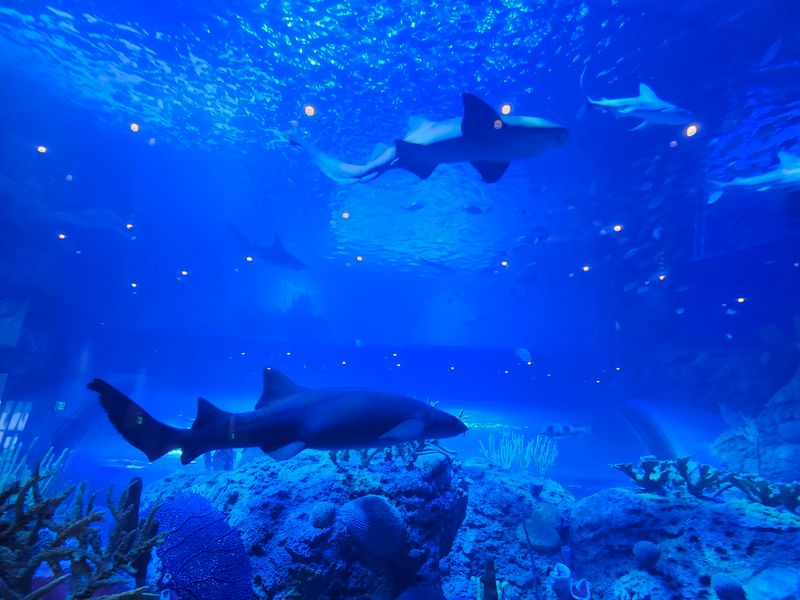
Step into the dim glow and your pulse jumps as sharks slice through blue water, close enough to study every fin. From the top deck you can watch feedings and surface swirls. Drop to the lower gallery for floor-to-ceiling views that make each pass feel personal and thrilling.
Staff and volunteers share details that turn fear into fascination. You will hear about species ID, how much each animal eats, and the science behind their care. Grab a quiet corner room if you have sensory sensitivities, then linger as schools of fish flash around the predators.
Timed entry keeps crowds manageable, but early slots are gold. Photos are gorgeous, yet nothing beats standing still and feeling the water’s hush.
2. Touch Tanks: Rays, Baby Sharks, and Anemones
Roll up your sleeves and meet the ocean by hand. Rays glide like velvet, baby sharks brush past fingertips, and anemones bloom when water swirls. Volunteers coach you on gentle touch and where to place your hands, so every encounter is respectful and safe.
Kids light up here, but adults get hooked too. The staff turns curiosity into confidence, explaining stings, spines, and how animals stay calm. You will leave knowing the difference between a ray’s wingbeat and a shark’s steady glide.
There are hand-washing stations and clear rules that keep the experience clean and calm. If crowds build, circle back later. The tanks reward patience with quiet, unforgettable contact that feels both playful and profound.
3. Manatees and Otters: Gentle Giants and Playful Gliders
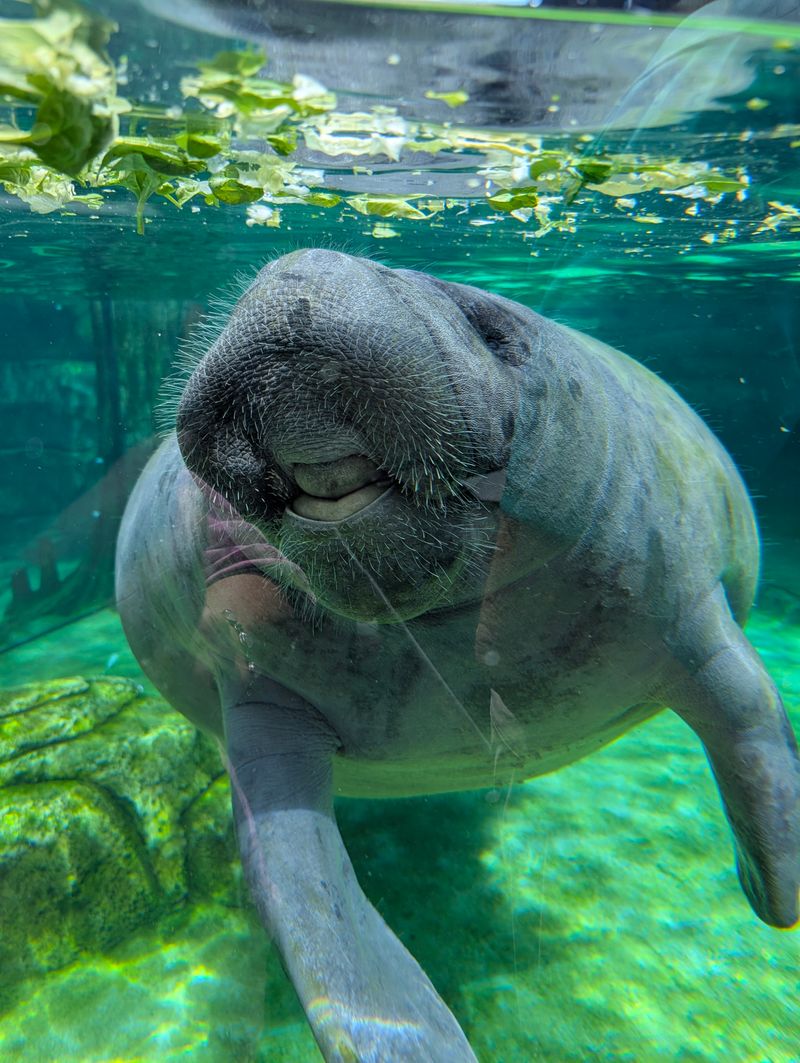
Manatees appear like floating clouds, impossibly gentle, drifting through filtered light. You will notice every whisker and slow blink while staff share rescue and rehab stories. Nearby, otters sprint and tumble, turning the water into a playground you cannot stop watching.
This pairing shows Florida’s heart. Conservation messaging feels real, not preachy, especially when you learn how boat strikes and seagrass affect survival. Volunteers answer questions with patience, and their passion makes the science stick.
Expect clustered crowds at the glass. Take your time, step back, then move in again for that perfect view. If you have young ones, this is where they will point, giggle, and beg to stay longer than planned.
4. Penguins On Parade: Cool In A Coastal State
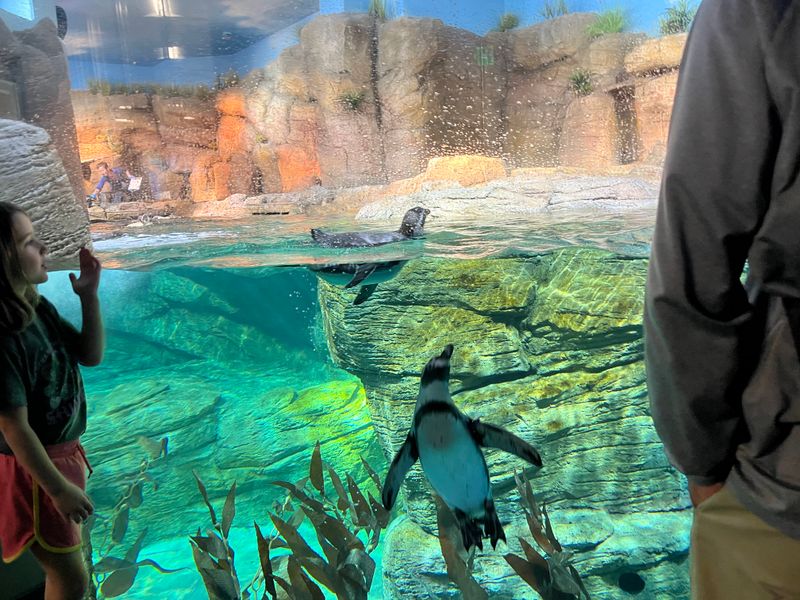
Penguins in Florida feel delightfully unexpected. Watch them rocket underwater, then pop onto rocks with perfect comedic timing. The viewing windows put you inches away from feather texture, bubble trails, and those curious head tilts that seem like hello.
Staff highlight cooling systems, enrichment, and diet. You will learn what keeps them thriving in a Gulf Coast setting. Kids love the crawl-through peep spots, but taller guests should know some spaces are built for smaller explorers.
Crowds can bunch at peak times, so swing by early. The habitat’s clean lines and bright lighting make photos sparkle. Leave with new respect for how carefully temperature, behavior, and welfare are balanced to let these birds shine.
5. Jellies, Octopus, and Deep-Sea Wonders
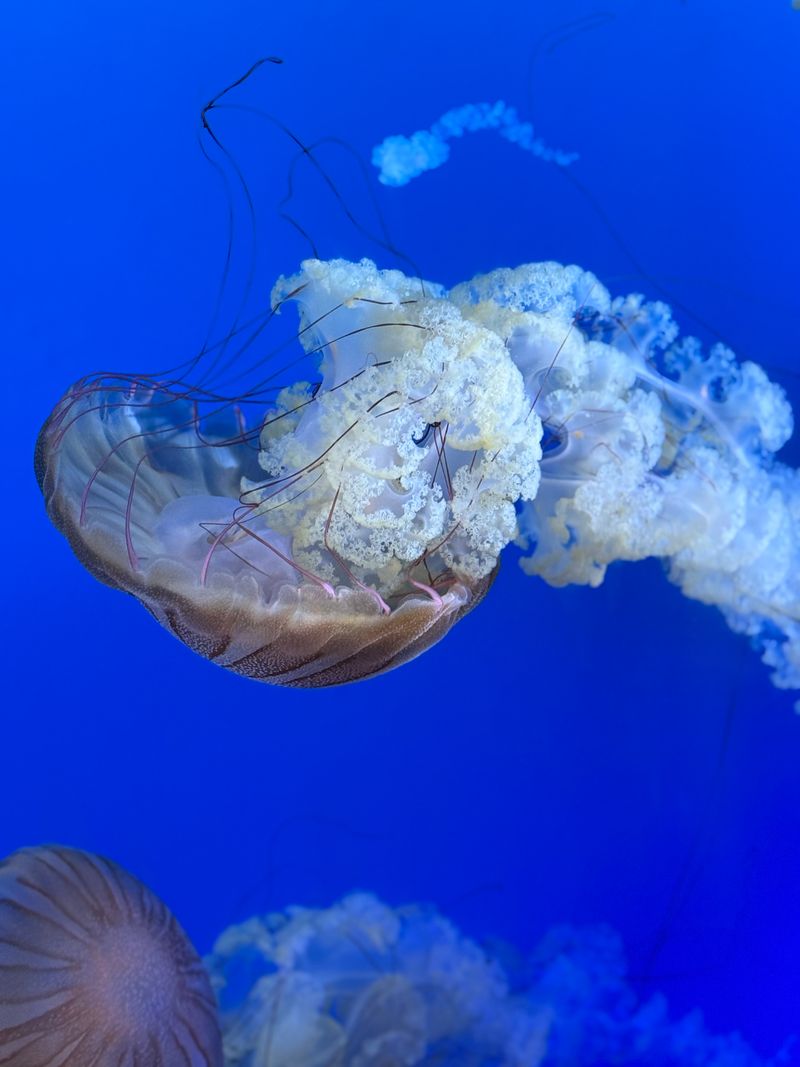
Step into low light where jellies drift like living lanterns. Cylinders glow, tentacles pulse, and your voice drops to a whisper. Around the bend, a giant octopus sometimes unfurls and shows curious eyes, though patience helps because naps are part of octopus life.
There are deep-sea isopods and interpretive panels that explain pressure, darkness, and bizarre adaptations. You will leave saying words like chromatophores and bioluminescence with confidence. Volunteers happily decode the science without making it feel like homework.
When the octopus hides, linger anyway. Texture, color, and rhythm turn this gallery into a quiet spell. It is a perfect reset between noisier tanks, and a reminder that mystery is part of the ocean’s charm.
6. Hands-On Learning: Classes, Camps, and VR
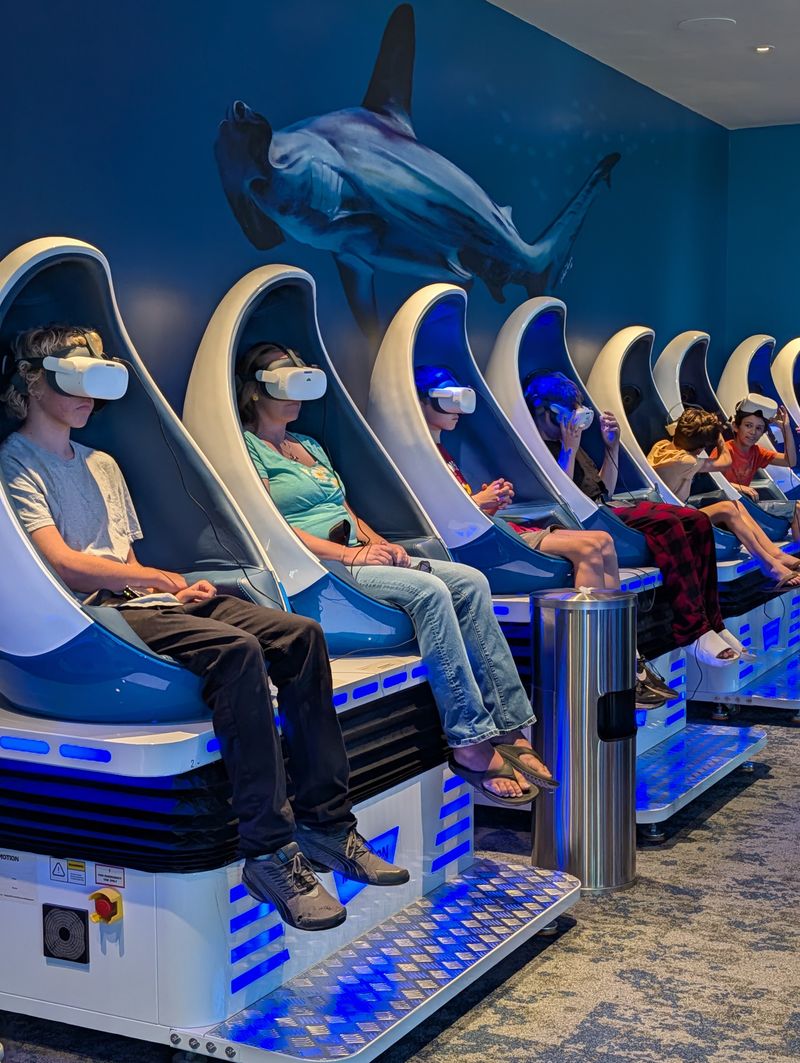
Education is baked into every floor. You will find classrooms, lab-style demos, and time-slotted VR dives that drop you into a shark’s world. It costs extra, so budget a little, but the immersion pairs beautifully with the big tank you just admired.
Families rave about camps and science programs. Staff connect dots between exhibits, coral restoration, aquaculture, and your daily choices at home. Expect approachable language and hands-on moments that make lessons stick longer than a sign ever could.
Book in advance during holidays. Schedules fill fast and seats are limited. If you want a deeper dive, look for behind-the-scenes tours that reveal water systems, filtration, and how meticulous husbandry keeps everything thriving.
7. Planning Your Visit: Tickets, Parking, and Timing
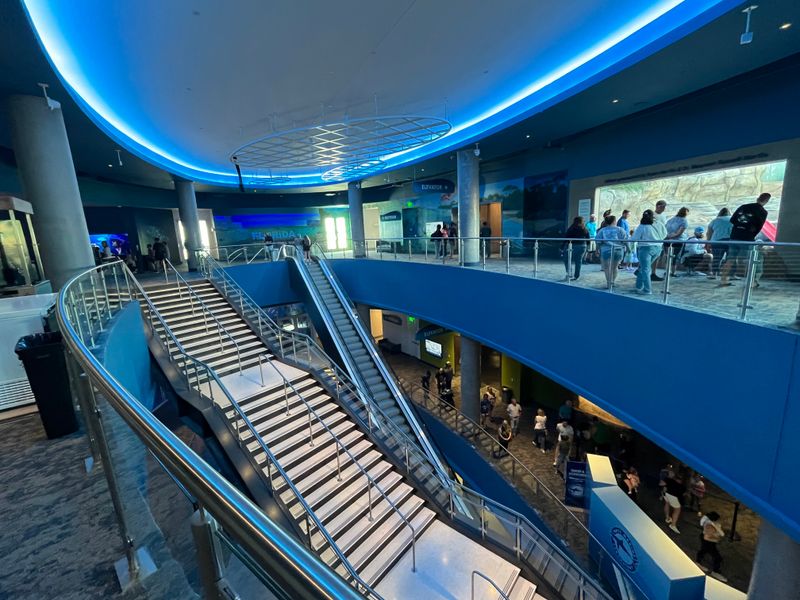
Timed tickets are your best friend. Early slots mean easier parking and a calmer first hour at the most popular windows. If lots look full, use the drop-off circle and be ready for a brisk walk from overflow.
The building spans three levels with escalators, stairs, and elevators. Mobility scooters navigate well, though handicap parking goes fast. Bring water, budget for premium cafe bites, and expect museum-level prices in the gift shop.
Plan for two to three hours, longer if kids adopt the touch tanks. When crowds swell, pivot floors and return later. You will leave feeling you truly met Florida’s ocean life up close, without needing a wetsuit or a boat.