These 14 Florida Art Galleries Will Spark Your Creativity in a Big Way
Florida is more than beaches and sunshine — it’s a thriving hub for world-class art that surprises even the most seasoned gallery-goers. From Miami’s electric art districts to quiet coastal towns with serious creative energy, the state is packed with spaces that push boundaries and inspire big ideas.
Whether you’re an art lover, a curious traveler, or someone who just wants to see something genuinely cool, Florida’s gallery scene delivers. Get ready to explore 14 places that will change the way you look at creativity.
1. Nina Johnson Gallery – Miami
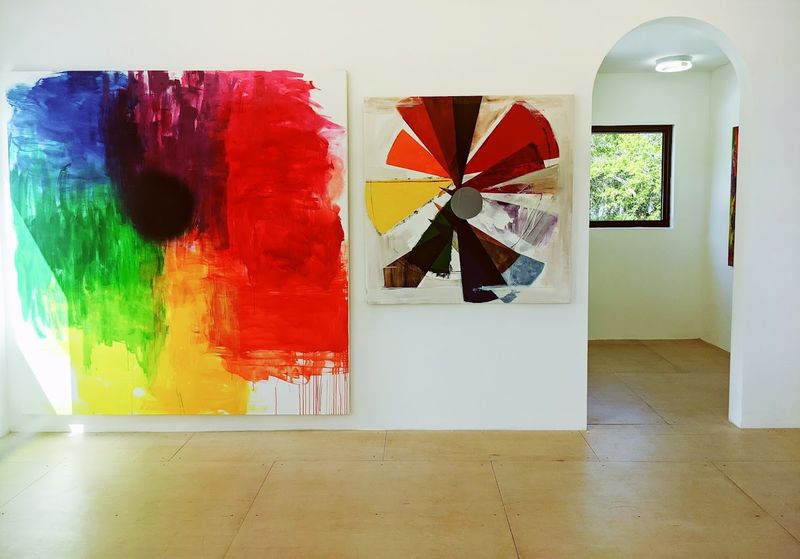
Walk into Nina Johnson Gallery and you immediately sense that something different is happening here. Located in Miami’s Design District, this gallery has built a reputation for championing emerging and underrepresented artists with a refreshing sense of purpose.
It doesn’t follow trends — it sets them.
Founded in 2009, Nina Johnson has grown into one of the most respected names in the Miami art world. The programming rotates consistently, meaning there’s almost always something new to experience.
Shows here tend to blend mediums — you might find sculpture sitting alongside textile work or photography sharing wall space with hand-painted ceramics.
What makes this gallery especially worth your time is how approachable it feels despite its prestige. The staff genuinely wants visitors to engage with the work, not just glance at it.
Ask questions, linger in front of pieces, and let the conversations happen naturally.
The gallery also participates actively in Art Basel Miami Beach each December, which brings an international crowd hungry for discovery. If you’re visiting during that week, Nina Johnson is a must-stop on any serious art itinerary.
The energy during Basel season is electric, and the gallery consistently shows work that earns real attention from collectors and critics alike.
Even outside of major art fairs, the gallery maintains a steady pulse of events, artist talks, and openings that keep the local creative community buzzing. Following them on social media is a smart move — they announce programming with enough lead time to actually plan a visit.
Nina Johnson Gallery proves that a thoughtfully curated space can be both intellectually ambitious and genuinely welcoming to everyone who walks through the door.
2. Rubell Museum – Miami
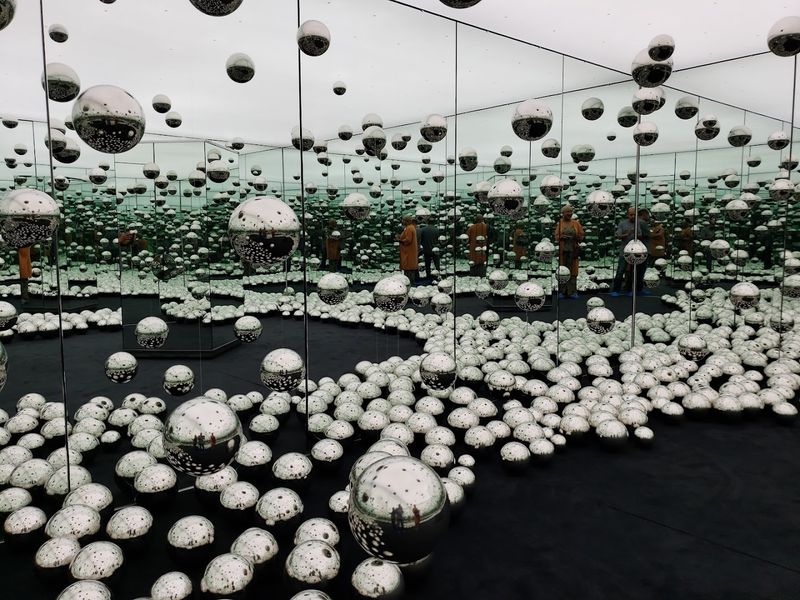
Few museum origin stories are as fascinating as the Rubell family’s. Don and Mera Rubell began collecting art in the 1960s, and what started as a personal passion eventually grew into one of the largest privately held contemporary art collections in the entire world.
Today, that collection lives in a stunning 100,000-square-foot converted DEA evidence warehouse in Miami’s Allapattah neighborhood.
The scale alone is worth the trip. With over 40 galleries spread across the complex, the Rubell Museum gives visitors room to breathe and genuinely absorb what they’re seeing.
You won’t feel rushed here, which is a rare gift in a city that moves as fast as Miami does.
The collection spans decades and includes work by some of the most significant artists of our time — names like Cindy Sherman, Keith Haring, Jean-Michel Basquiat, and Yayoi Kusama all appear throughout the permanent holdings. But the museum also dedicates significant space to newer voices, often spotlighting artists who haven’t yet reached household-name status.
Every year, the Rubell Museum opens a major new exhibition that draws serious attention from the global art press. These shows are thoughtfully installed and often feel more like immersive environments than traditional gallery presentations.
The architecture of the building itself becomes part of the experience.
There’s a café on-site and a well-stocked museum shop if you want to take a piece of the experience home with you. Parking in Allapattah is generally manageable, and the museum is accessible by public transit too.
Plan to spend at least two to three hours here — rushing through would honestly be a disservice to yourself and to the art.
3. Rosenbaum Contemporary – Boca Raton / Palm Beach
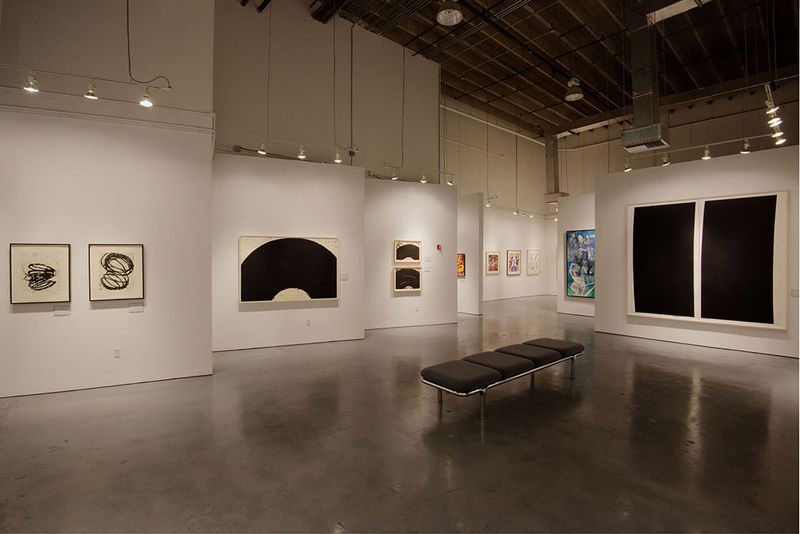
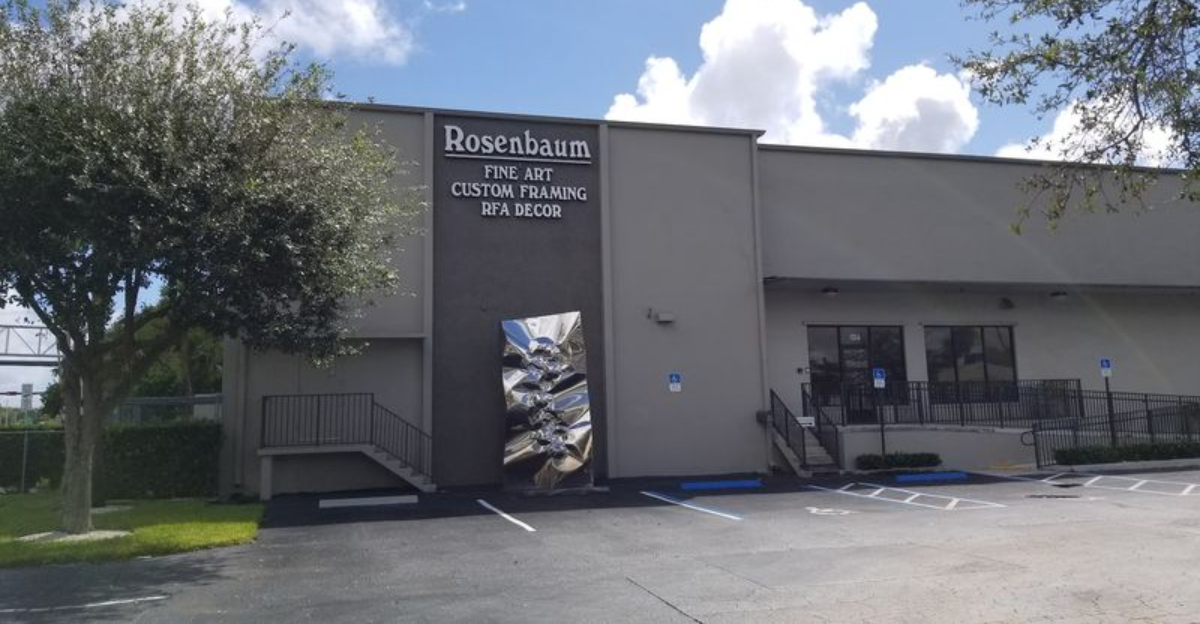
There’s a certain sophistication that defines the Palm Beach art corridor, and Rosenbaum Contemporary fits right into that world while still managing to feel fresh and forward-thinking. With locations in both Boca Raton and Palm Beach, the gallery has positioned itself as a serious player in the South Florida art market without losing the personal touch that makes gallery visits memorable.
The focus here leans toward established and mid-career contemporary artists working across painting, sculpture, and mixed media. Expect bold color, confident brushwork, and pieces that command attention from across the room.
Rosenbaum has a talent for selecting artists whose work feels both timeless and entirely of the moment.
What sets this gallery apart from others in the region is the caliber of its programming. Openings are genuine events — well-attended, thoughtfully organized, and often featuring the artists themselves.
If you get the chance to meet a creator in front of their work, take it. Those conversations can completely shift how you understand what you’re looking at.
The Boca Raton location anchors a neighborhood that’s increasingly becoming a destination for design-conscious visitors. Pairing a gallery visit with lunch at one of the nearby restaurants makes for an ideal afternoon.
The Palm Beach outpost carries its own energy, drawing a clientele that takes collecting seriously and appreciates curatorial depth.
Rosenbaum Contemporary also participates in regional art fairs and maintains strong relationships with collectors throughout Florida and beyond. If you’re just beginning to explore the idea of acquiring art, the gallery team is approachable and knowledgeable — exactly the kind of resource a first-time buyer needs.
This is a gallery that respects both the art and the people who come to experience it.
4. David Castillo Gallery – Miami
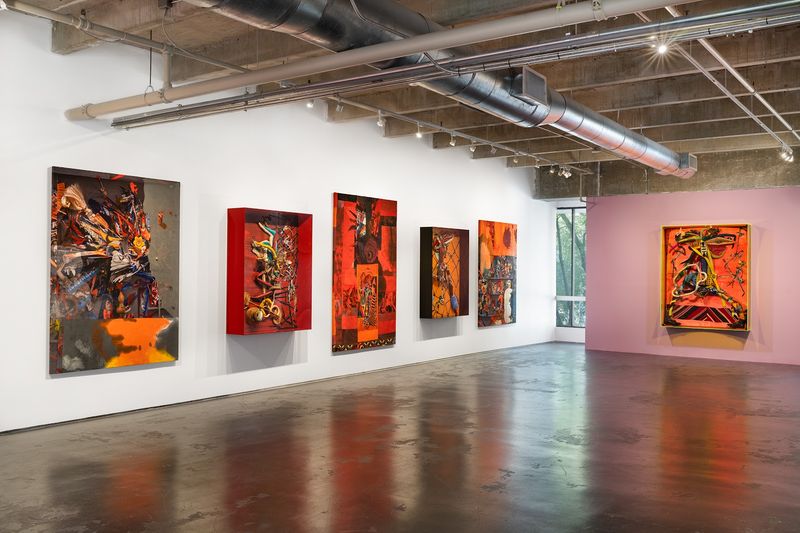
David Castillo Gallery operates with a clear mission: amplify artists whose perspectives have historically been pushed to the margins. Since opening in Miami, the gallery has become a vital platform for queer artists, artists of color, and creators whose work engages with identity, history, and the body in ways that feel urgent and real.
The programming here is consistently some of the most intellectually engaging in the city. Exhibitions tend to carry weight — not in a heavy-handed way, but in the sense that you leave thinking about what you saw for days afterward.
That’s a quality that separates truly meaningful gallery experiences from ones that are merely visually pleasant.
Located in the Design District, the gallery benefits from Miami’s dense concentration of creative energy in that neighborhood. Neighboring galleries, design showrooms, and restaurants make the area worth spending a full afternoon exploring.
But David Castillo stands out even in that competitive environment because of the depth of its artistic vision.
The gallery has represented artists who have gone on to major museum shows and international recognition, which speaks to the strength of its eye for talent. Collectors who followed David Castillo’s recommendations early have watched the value of those relationships grow considerably over time.
Community programming and artist talks are a regular part of the gallery’s calendar. These events create genuine dialogue between artists and audiences — something that gets lost when galleries function purely as sales spaces.
Here, the conversation is the point. Whether you’re a seasoned collector or someone who wandered in off the street, David Castillo Gallery meets you where you are and invites you to look more closely at the world through the work on its walls.
5. Cornell Art Museum – Delray Beach
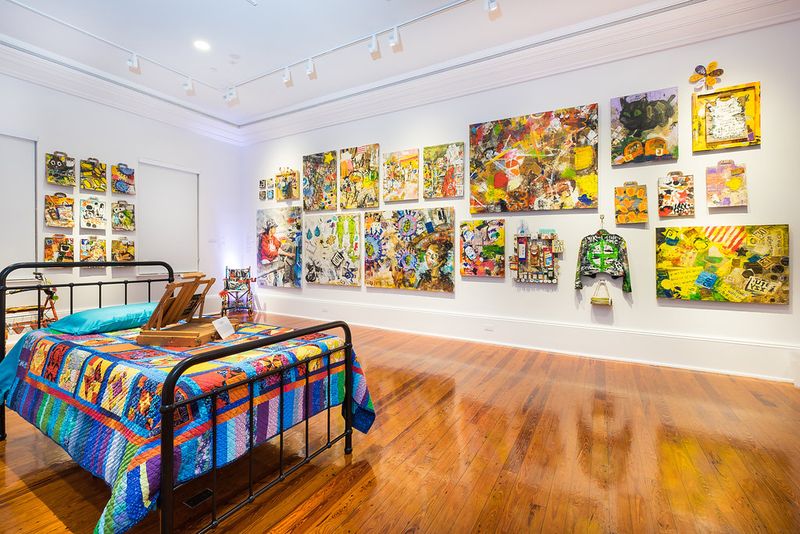
Delray Beach doesn’t always get the same art-world headlines as Miami, but the Cornell Art Museum is a genuinely compelling reason to make the drive up the coast. Tucked inside the historic Old School Square Cultural Arts Center, the museum carries a warmth that larger institutions sometimes struggle to maintain.
It feels like a place that actually cares about its community.
The museum focuses on contemporary art with a rotating schedule of exhibitions that bring in work from both regional and national artists. The scale is intimate compared to Miami’s major museums, but that intimacy is a feature, not a limitation.
You can spend real time with each piece without the crowd fatigue that sometimes accompanies bigger venues.
Old School Square itself is a charming campus worth exploring before or after your museum visit. The surrounding buildings host performances, events, and public programming that make the whole complex feel alive year-round.
Delray Beach’s Atlantic Avenue is just steps away, offering great dining options to round out your day.
The Cornell Art Museum is particularly welcoming to families and younger visitors. Educational programming is woven into the museum’s identity, and you’ll often find school groups engaging with the exhibitions in thoughtful, hands-on ways.
That commitment to arts education gives the museum a mission that extends well beyond its walls.
Admission is reasonably priced, and the museum frequently hosts free or reduced-cost events that make art genuinely accessible to everyone in the community.
In a landscape where major art institutions can feel intimidating or expensive, the Cornell Art Museum is a refreshing reminder that great art experiences don’t require a massive budget or a long drive to a big city.
Delray Beach is quietly doing something special here.
6. Wynwood Walls – Miami
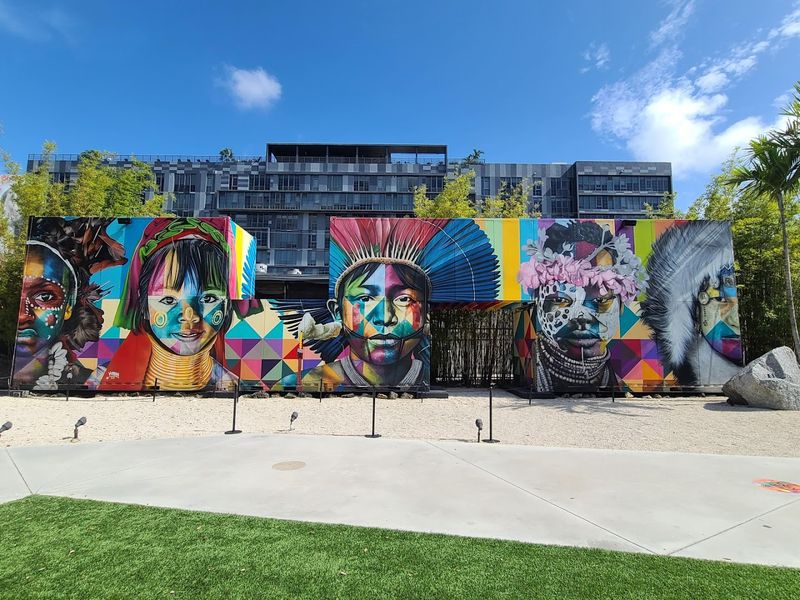
Wynwood Walls might be the most photographed art destination in all of Florida, and for good reason. What began as a bold experiment by developer Tony Goldman in 2009 has grown into a globally recognized outdoor museum where some of the world’s most celebrated street artists have left their mark on Miami’s urban canvas.
The murals here are massive, technically stunning, and emotionally charged in ways that pure gallery settings rarely achieve.
The sheer scale of the work is what hits you first. These aren’t small canvases — entire warehouse walls have been transformed into floor-to-ceiling paintings that demand full attention.
Walking through Wynwood Walls feels less like visiting a museum and more like moving through an alternate reality where color and form are the primary language.
Artists from dozens of countries have contributed to Wynwood Walls over the years, and the programming continues to evolve. New murals regularly replace older ones, meaning even repeat visitors discover something fresh.
Keeping up with what’s new in Wynwood is genuinely exciting for anyone who follows street art culture.
The surrounding Wynwood neighborhood has exploded with galleries, restaurants, boutiques, and bars, turning the area into one of Miami’s most dynamic districts. A Saturday afternoon in Wynwood can easily stretch into a full evening without running out of things to see and do.
The energy is infectious.
Art Basel brings a particularly intense wave of new installations and pop-up experiences to Wynwood each December. If you’ve never experienced that week in Miami, add it to your list — it’s a cultural phenomenon unlike anything else in the country.
Even outside of fair season, Wynwood Walls consistently delivers the kind of creative jolt that reminds you why art matters in everyday life.
7. Mindy Solomon Gallery – Miami
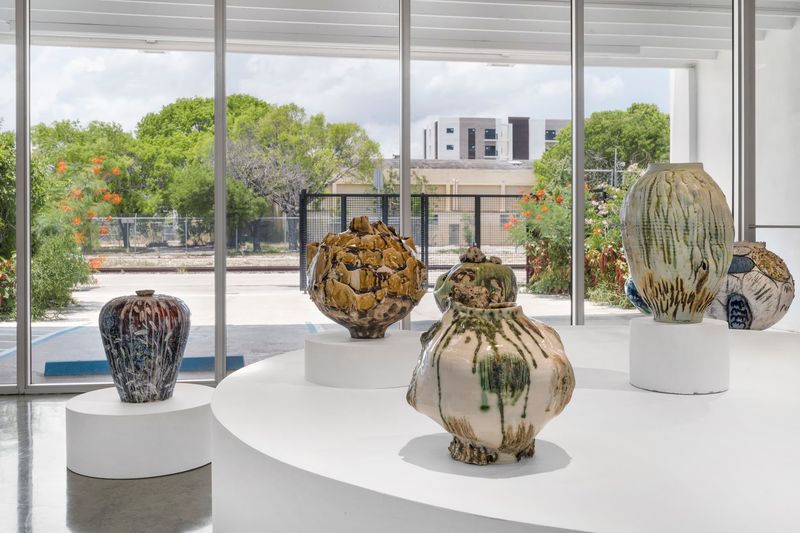
Mindy Solomon Gallery carries a distinct personality in Miami’s art scene — one that leans heavily into craft, materiality, and the kind of careful making that rewards close looking. Originally established in St. Petersburg before relocating to Miami, the gallery brought a thoughtful, collector-friendly sensibility that has resonated strongly in its new home.
The gallery specializes in contemporary works that blur the line between fine art and functional object. Ceramic work appears frequently, but not in any predictable way — the artists shown here treat clay, glaze, and form as serious expressive tools rather than decorative afterthoughts.
The results are often surprising and quietly beautiful.
Mindy Solomon herself is known for her genuine relationships with the artists she represents. That personal investment shows in the quality and coherence of the programming.
Exhibitions here feel curated in the truest sense — like someone actually thought deeply about why these works belong together in this space at this moment.
The gallery space itself is well-designed and comfortable to spend time in. Natural light plays well with the work on display, and the layout encourages visitors to move slowly and look carefully.
There’s no pressure, just a standing invitation to engage at your own pace.
Miami’s Wynwood-adjacent location places Mindy Solomon Gallery within easy reach of the neighborhood’s broader creative ecosystem. After your visit, the surrounding area offers plenty of options for food, coffee, and more art.
The gallery participates in Art Basel and other major fair moments, but its day-to-day programming is equally worth your attention throughout the year. For anyone drawn to art that celebrates the handmade and the tactile, this gallery is an essential stop on any Miami art itinerary.
8. New River Fine Art – Fort Lauderdale
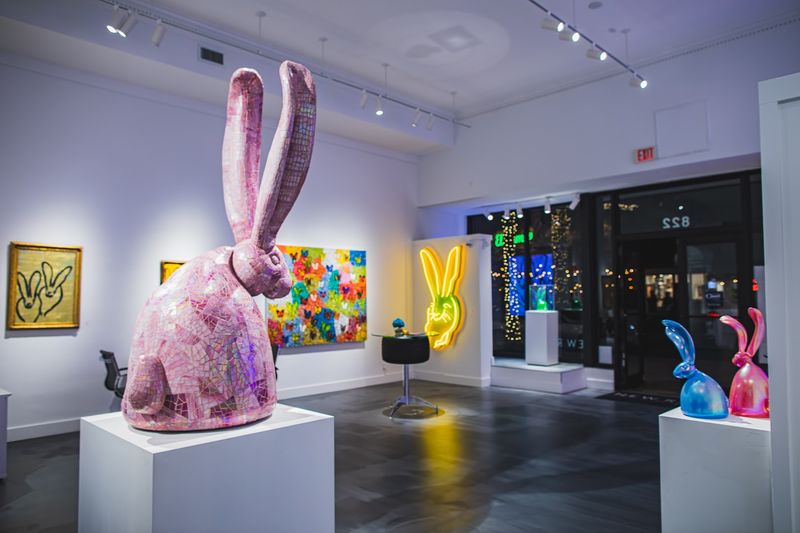
Fort Lauderdale has a thriving art scene that often gets overshadowed by Miami’s louder cultural presence, but New River Fine Art is one very good reason to head north. Situated in the heart of Las Olas Boulevard — Fort Lauderdale’s most stylish shopping and dining corridor — the gallery combines an impressive inventory with a setting that makes browsing feel like a genuine pleasure.
The focus at New River Fine Art tends toward established artists with strong market track records. You’ll find a mix of original paintings, limited edition prints, and sculpture from names that serious collectors recognize.
The inventory rotates regularly, so the experience changes meaningfully with each visit.
Las Olas is the kind of street where you could spend an entire day without running out of things to do. New River Fine Art anchors the cultural side of that experience, offering a sophisticated counterpoint to the boutiques and restaurants that fill out the boulevard.
Pairing a gallery visit with lunch or dinner nearby is an easy and enjoyable way to structure an afternoon.
The gallery staff brings real knowledge to every conversation. Whether you’re looking to acquire something specific or simply want to understand more about what you’re seeing, the team here is patient and informative without being overbearing.
That balance is harder to strike than it sounds.
Fort Lauderdale’s art calendar has grown considerably in recent years, with events like the Las Olas Art Fair drawing significant regional attention. New River Fine Art participates actively in that community, reinforcing the gallery’s role as a long-standing cultural anchor in the city.
If you haven’t explored Fort Lauderdale’s art side, New River Fine Art is the perfect starting point for building that appreciation.
9. Locust Projects – Miami
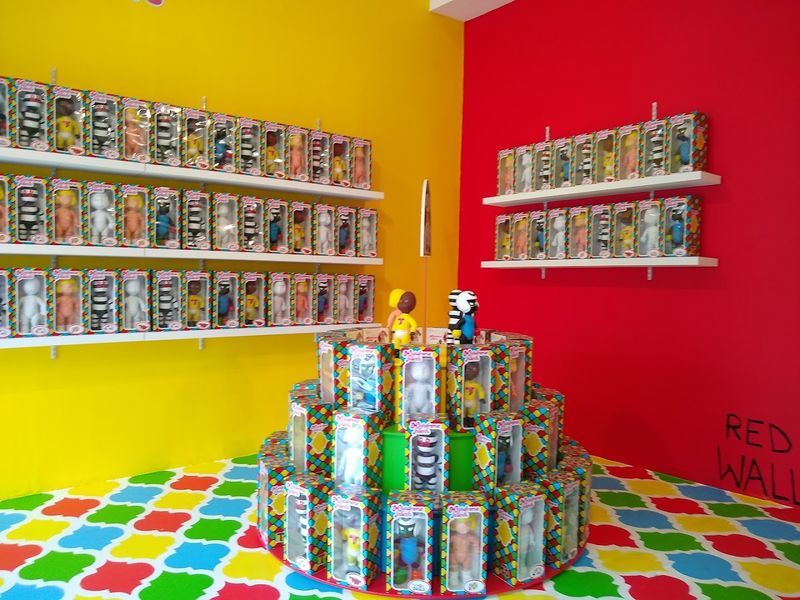
Miami’s art scene is often defined by its commercial galleries and high-profile fairs, but Locust Projects offers something far more experimental — and arguably more essential. Located in the Design District, this nonprofit space has built a reputation for giving artists the freedom to take risks that wouldn’t always fit within a traditional gallery model.
The exhibitions here are almost always created specifically for the space, which means you’re not just viewing art — you’re stepping into something conceived with the room itself in mind. Installations tend to be immersive, concept-driven, and occasionally challenging in ways that reward a slower, more thoughtful visit.
What makes Locust Projects stand out is its commitment to emerging and mid-career artists. Many have gone on to major institutional recognition, and seeing their work here often feels like catching something important before it fully enters the mainstream.
That sense of discovery is part of the appeal.
The Design District surrounding it has evolved into one of Miami’s most polished neighborhoods, filled with luxury retail and architecture-forward spaces. Locust Projects provides a welcome contrast — less about spectacle, more about substance.
It’s an ideal stop if you want to experience the intellectual side of Miami’s art world.
The organization also runs public programs, talks, and residencies that deepen its role in the local creative ecosystem. If you’re interested in where contemporary art is heading — not just where it’s been — Locust Projects is one of the most compelling places in South Florida to spend an hour.
10. Cernuda Arte – Coral Gables
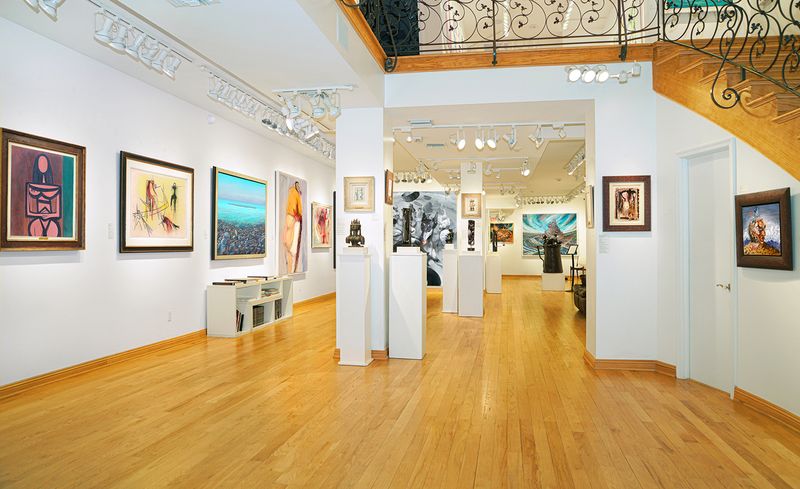
Coral Gables has a quieter, more refined atmosphere than Miami Beach or Wynwood, and Cernuda Arte fits seamlessly into that environment. Specializing in Cuban art, the gallery has become one of the most respected destinations in the United States for collectors interested in both modern and contemporary works from the island and its diaspora.
The strength of Cernuda Arte lies in its depth. This isn’t a gallery built around trends — it’s built around expertise.
The collection spans early modern masters to contemporary voices, offering a rare opportunity to see the evolution of Cuban art within a single, carefully curated space.
The presentation is elegant and deliberate. Works are given room to breathe, and the overall experience feels more like a private viewing than a crowded exhibition.
That slower pace suits the material, which often carries layers of historical, political, and cultural context.
Coral Gables itself encourages a more measured kind of exploration. With its Mediterranean-style architecture and tree-lined streets, it’s easy to pair a gallery visit with a relaxed lunch or coffee nearby.
Cernuda Arte adds cultural depth to that experience without overwhelming it.
The gallery’s staff brings a level of knowledge that reflects decades of specialization. Conversations here tend to go beyond surface impressions, offering insight into artists’ backgrounds and the broader narratives shaping Cuban art.
For anyone interested in this field, Cernuda Arte is not just a stop — it’s a destination.
11. Pérez Art Museum Miami (PAMM) – Miami
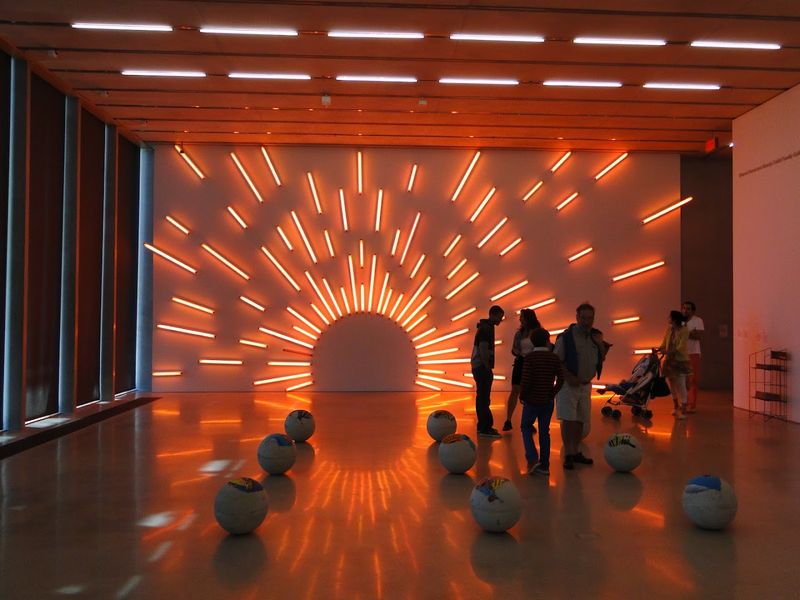
Few cultural institutions in Miami manage to balance architecture, location, and programming as effectively as the Pérez Art Museum Miami. Set along Biscayne Bay, the building itself — with its hanging gardens and open terraces — is as much a part of the experience as the art inside.
PAMM focuses on modern and contemporary work with a strong emphasis on artists from the Americas, the Caribbean, and the African diaspora. That perspective gives the collection a distinct identity, reflecting Miami’s position as a cultural crossroads rather than simply mirroring the traditional Western canon.
The galleries are spacious and thoughtfully arranged, encouraging visitors to move at their own pace. Exhibitions often combine well-known names with emerging voices, creating a dialogue that feels current without being inaccessible.
It’s the kind of place where you can engage deeply or simply enjoy the visual experience.
Outside, the museum’s waterfront setting adds another layer. The terrace overlooking the bay is one of the most relaxing spots in the city, making it easy to extend your visit beyond the galleries themselves.
It’s not uncommon to see people lingering long after they’ve finished viewing the exhibitions.
Downtown Miami continues to evolve rapidly, and PAMM plays a central role in that transformation. Whether you’re a dedicated art enthusiast or just looking for a thoughtfully designed cultural stop, it offers one of the most complete museum experiences in South Florida.
12. Institute of Contemporary Art (ICA Miami) – Miami
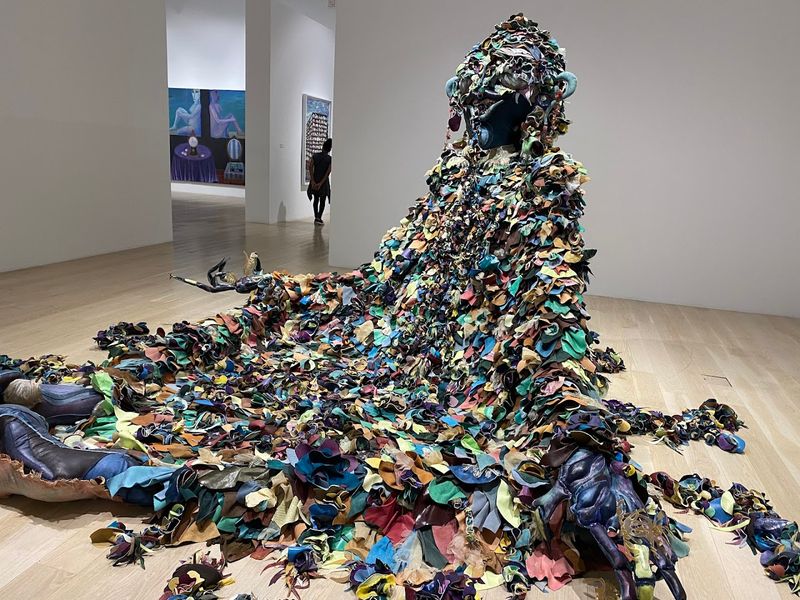
The Institute of Contemporary Art Miami takes a more focused, forward-looking approach than many larger institutions, and that clarity is part of what makes it so compelling. Located in the Design District, ICA Miami has quickly established itself as one of the city’s most important venues for cutting-edge contemporary art.
The museum is known for its sharp curatorial vision. Exhibitions tend to highlight artists who are shaping current conversations, often before they reach wider recognition.
The result is a program that feels immediate and relevant, without relying on spectacle to hold attention.
Inside, the space is clean and minimal, allowing the work to take center stage. The sculpture garden adds variety to the experience, offering an outdoor extension that feels integrated rather than separate.
It’s a setting that encourages both quick visits and longer, more reflective ones.
One of ICA Miami’s most appealing qualities is its accessibility — admission is free, which removes a barrier that often exists in the museum world. That openness has helped it become a regular stop for both locals and visitors who want to engage with contemporary art without committing to a full-day museum visit.
The surrounding Design District adds context to the experience. With its mix of fashion, architecture, and design, the neighborhood mirrors the museum’s emphasis on innovation.
ICA Miami fits naturally into that environment, offering a thoughtful counterbalance to the area’s more commercial elements.
13. NSU Art Museum Fort Lauderdale – Fort Lauderdale
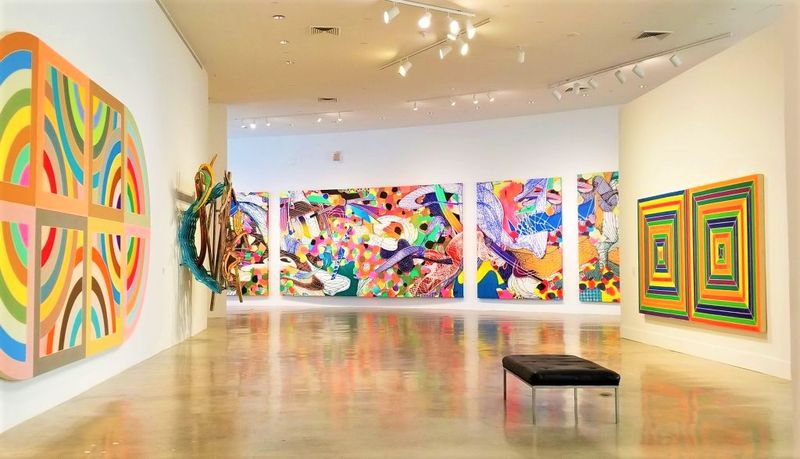
Fort Lauderdale’s cultural landscape has grown steadily over the past decade, and the NSU Art Museum plays a central role in that evolution. Located in the downtown Arts & Entertainment District, the museum brings a level of depth and seriousness that complements the city’s more relaxed, coastal identity without feeling out of place.
The collection is particularly strong in Latin American and Caribbean art, alongside works by European modernists and American contemporaries. This combination gives the museum a distinct perspective, reflecting South Florida’s broader cultural connections.
Rather than presenting isolated works, exhibitions often explore themes that link artists across regions and time periods, creating a more layered viewing experience.
The building itself is understated from the outside, but the galleries inside are thoughtfully laid out and easy to navigate. There’s a natural flow between spaces that encourages visitors to move at their own pace, whether you’re stopping in for a quick visit or planning to spend a few hours.
Rotating exhibitions ensure that repeat visits feel worthwhile, with new perspectives introduced regularly.
Downtown Fort Lauderdale has become increasingly walkable, with the Riverwalk, cafés, and restaurants all within easy reach. The museum fits naturally into that environment, making it simple to structure an afternoon around art, followed by a meal or a stroll along the water.
What stands out most is the balance the museum achieves. It’s substantial enough to reward serious attention, but approachable enough to enjoy casually.
For anyone looking to explore Fort Lauderdale beyond its beaches, the NSU Art Museum offers a well-rounded and consistently engaging entry point into the city’s cultural side.
14. The Baker Museum – Naples
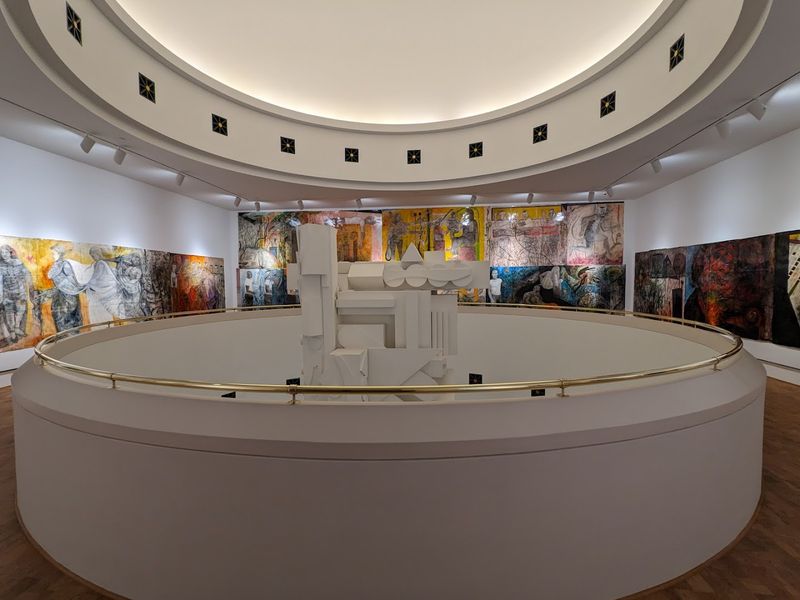
Naples is often associated with its beaches, golf courses, and polished lifestyle, but The Baker Museum adds a cultural dimension that deepens the overall experience of the city. Located within Artis—Naples, the region’s primary cultural campus, the museum offers a refined yet approachable introduction to modern and contemporary art.
The collection places a strong emphasis on American and Mexican modernism, with works that highlight key movements and artistic dialogues from the 20th century onward. These are complemented by contemporary exhibitions that expand on those foundations, creating a program that feels cohesive rather than fragmented.
The curatorial approach favors clarity and accessibility, making the museum engaging for both seasoned visitors and those newer to art.
The building itself is bright, open, and carefully proportioned. Natural light plays a role in the experience, and the galleries are arranged in a way that encourages a relaxed, unhurried pace.
There’s no sense of overcrowding or visual fatigue — instead, the environment invites you to spend time with each piece and move through the space comfortably.
Artis—Naples adds another layer to the visit. With concert halls, performances, and lectures happening on the same campus, it’s easy to turn a museum visit into a broader cultural outing.
That integration gives the museum a sense of context that extends beyond its walls.
Naples may not have the intensity or scale of Miami’s art scene, but that’s part of its appeal. The Baker Museum reflects that difference — thoughtful, well-curated, and quietly confident.
It’s an ideal stop for those looking to balance relaxation with meaningful cultural exploration.