12 Florida Boardwalk Trails Where You’ll Actually See Wildlife (Not Just Read the Signs)
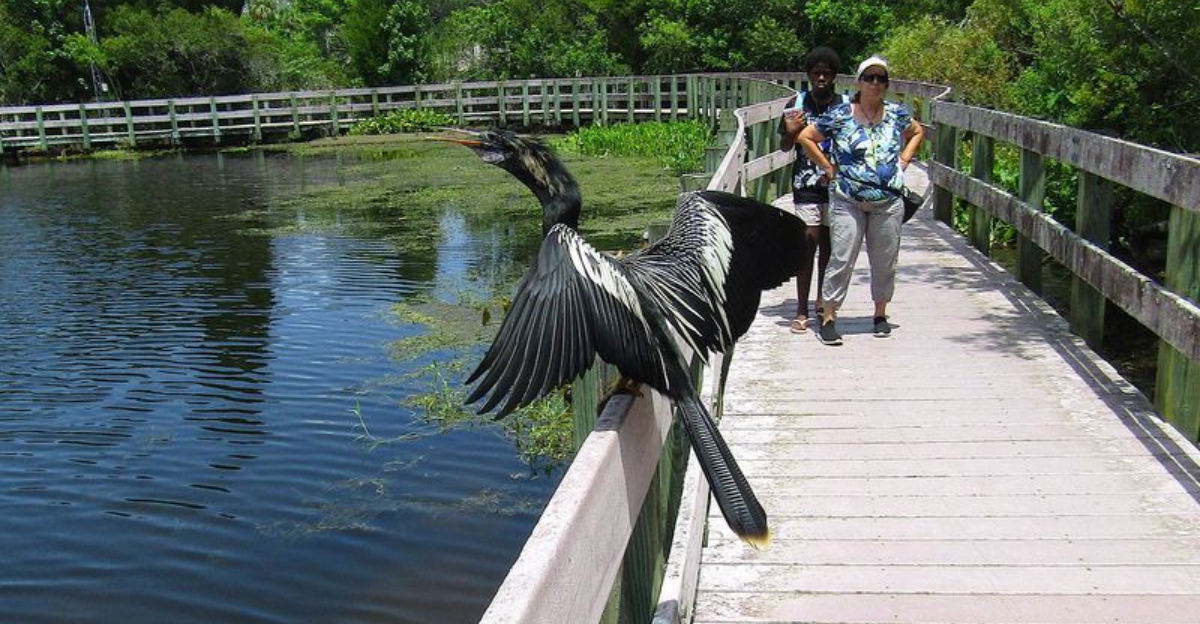
Florida has plenty of boardwalks where the “wildlife” is a faded sign and a suspicious ripple in the water. This list is not that.
These are the trails where you’ll hear the splash before you see the gator, where a heron poses like it knows you’re watching, and where you’ll stop mid-step because something moved in the sawgrass. The best part?
You don’t need to bushwhack or paddle to get the good stuff—just show up, walk slow, and look closer than everyone else.
From Palm Beach County’s birdy wetlands to the Everglades’ all-you-can-see-alligator buffet, these 12 boardwalk trails deliver real sightings, not wishful thinking.
1. Wakodahatchee Wetlands (Delray Beach | Palm Beach County)
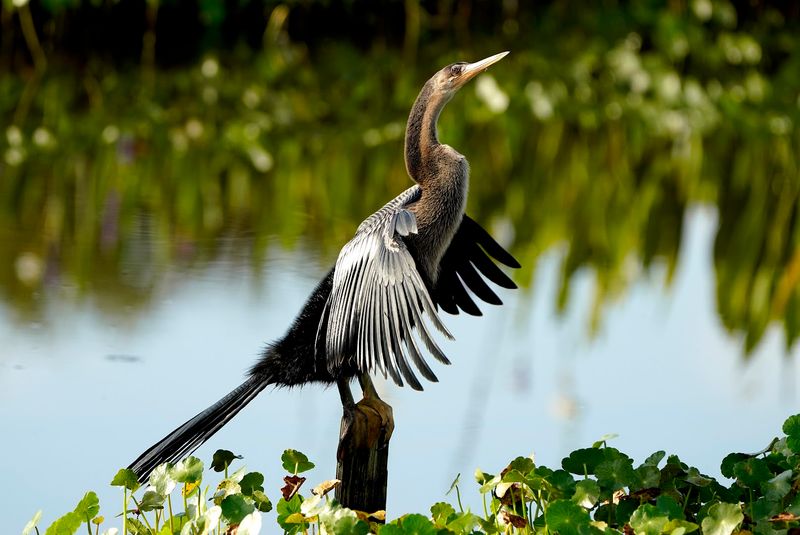
A lap around this boardwalk feels like scrolling Florida’s greatest-hits playlist: egrets, herons, ibis, turtles stacked like coins, and the occasional gator doing its best “I’m just a log” impression.
The loop is compact, which means you’re never far from the action—especially near the nesting platforms when birds are raising chaos (and babies).
Go early and the light hits the water just right, making every ripple look dramatic in photos. You’ll hear the place before you see it: wings whooshing, grackles complaining, and frogs chiming in like backup singers.
Walk slowly and watch the edges of the lilies; that’s where the “did that just move?” moments turn into actual sightings.
2. Green Cay Wetlands (Boynton Beach | Palm Beach County)
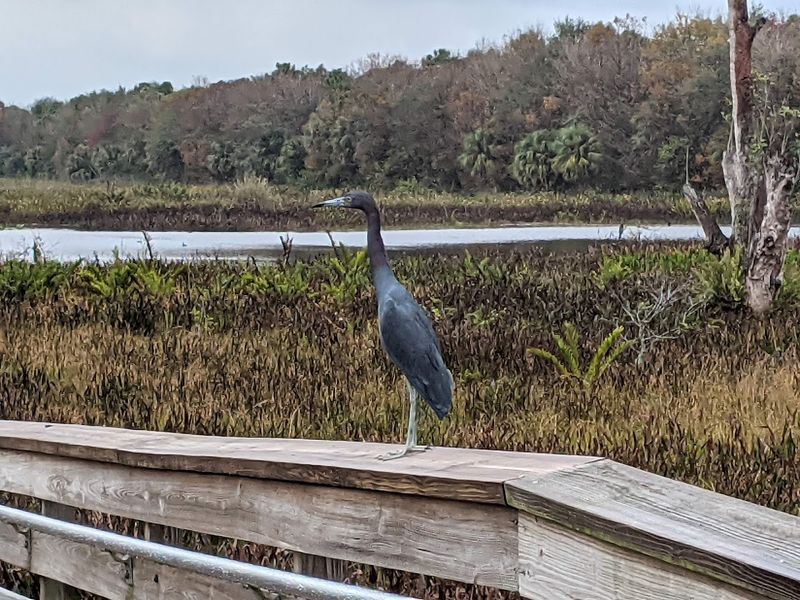
One minute you’re in the suburbs, the next you’re floating above a wetland on a long, easy boardwalk that keeps handing you wildlife like free samples.
The route winds through open water, marsh, and muddy edges where birds hunt with zero urgency, because they’re clearly doing fine.
Scan the shallows for stilts and sandpipers in season, then check the reeds for bitterns pretending to be part of the scenery. The best sightings often happen right at eye level—gallinules strutting, anhinga drying their wings, turtles doing lazy laps.
Bring binoculars if you have them, but don’t stress; this is one of those places where the wildlife meets you halfway.
3. Corkscrew Swamp Sanctuary (near Naples | Collier/Lee area)
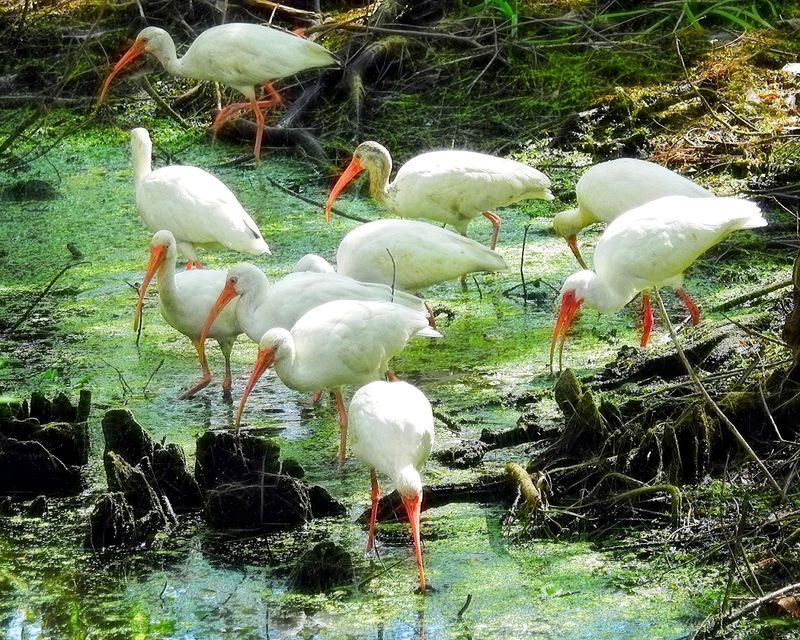
If you want the “Florida before the strip malls” vibe, this boardwalk delivers it in full cypress-draped glory. The walk threads through towering bald cypress and dark, tea-colored water that looks like it’s keeping secrets.
Keep your eyes moving: alligators can be shockingly still, otters don’t announce themselves, and deer sometimes appear like they took a wrong turn into your day.
Birdlife is the constant soundtrack—woodpeckers tapping, warblers flitting, and wading birds working the edges with serious focus.
The boardwalk is long enough to feel like an outing, not a quick stretch, and the scenery changes in ways that make you forget you’re on a wooden path the whole time.
4. Anhinga Trail (Royal Palm | Everglades NP)
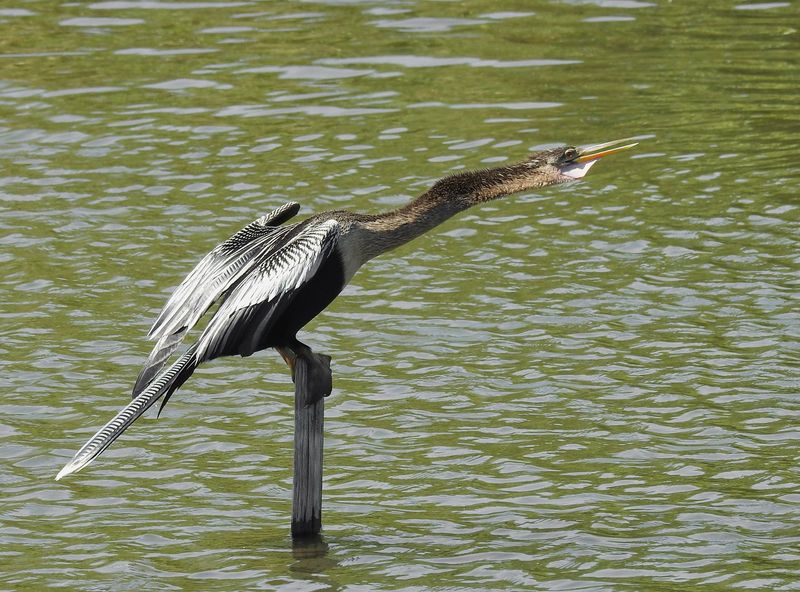
This is Everglades wildlife on easy mode. The short boardwalk and paved path hug water where gators loaf feet from your shoes and anhingas spear fish roadside.
Scan the slough for sliders, then check rail posts for grackles pestering herons; the commotion often flags a feeding spot.
Early mornings feel electric, but winter drydowns may be peak, concentrating everything in the remaining pools. On sunny days, look for anhingas with wings spread like capes, which means fish are close.
You can linger at overlooks without bushwhacking, ideal for families and casual birders.
Bring polarized sunglasses to cut glare and spot fish. Do not feed wildlife, and keep cameras inside rails because curious gators are faster than they look.
If thunderheads build, head back promptly; storms flip the vibe and animals hunker down until it passes.
5. Kirby Storter Boardwalk (Big Cypress National Preserve | US-41/Tamiami)
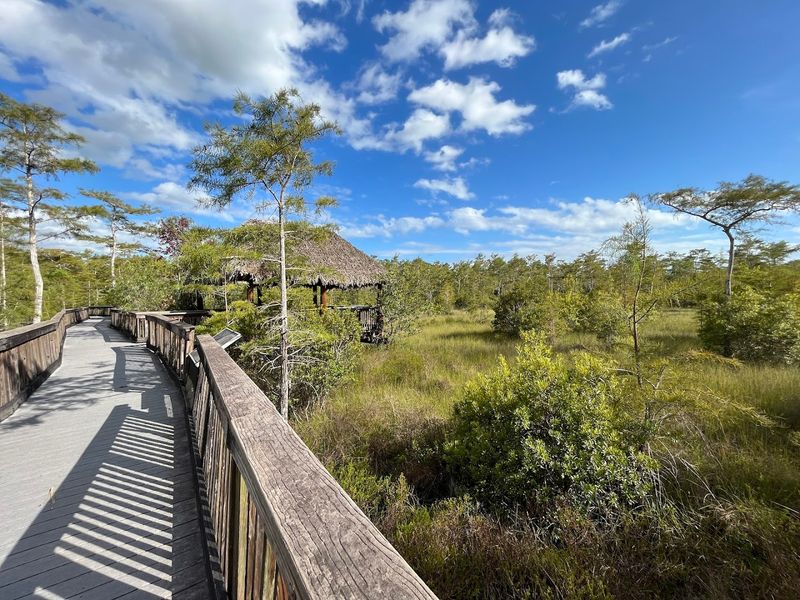
This one starts out wide-open—sawgrass stretching out like a green ocean—then quietly pulls you into a cypress dome where the air feels cooler and the swamp feels closer. It’s a short boardwalk, but it punches above its length because you get two ecosystems in one easy stroll.
Look for birds working the prairie edges, then shift your attention to the shaded water under the cypress where turtles and fish cruise through the tannins.
The stillness here is part of the fun; you’ll notice small things fast, like a ripple that doesn’t match the wind or a bird call that sounds too close to ignore.
Come in the morning for calmer conditions and more movement, and don’t be surprised if you leave feeling like you just stepped out of a nature documentary.
6. Six Mile Cypress Slough Preserve (Fort Myers | Lee County)
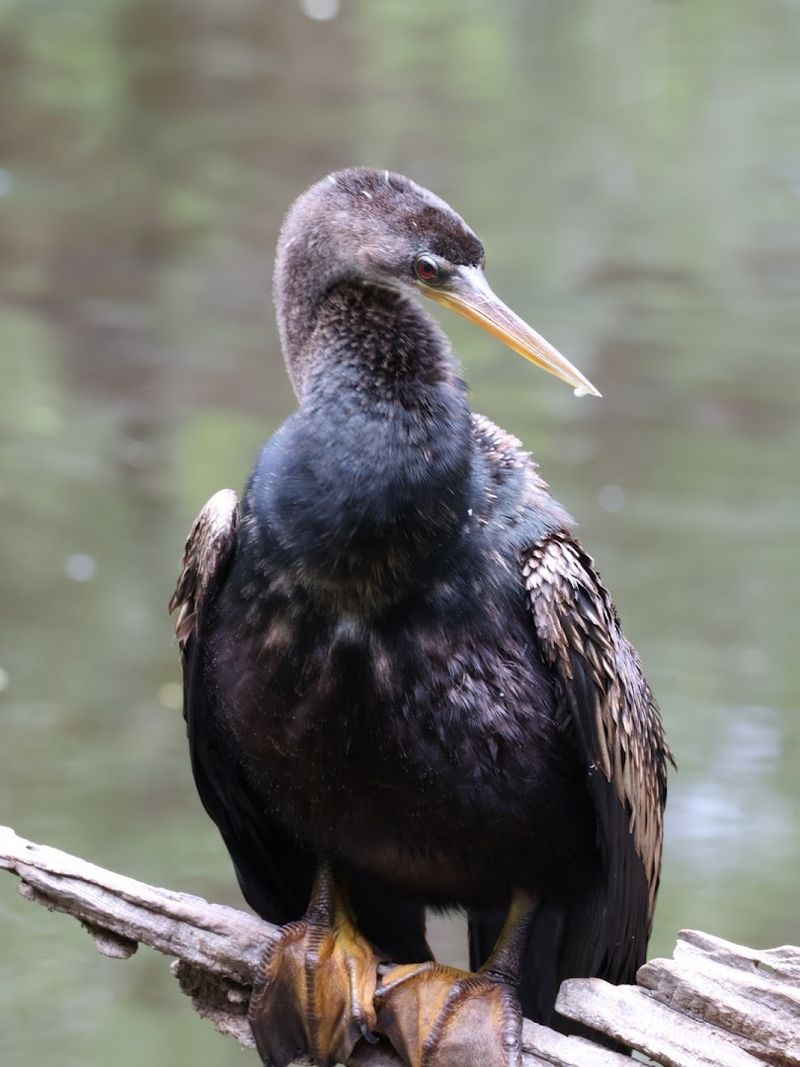
This boardwalk is a front-row seat to a wetland that feels alive in a very “something is definitely watching me” way. The path runs through cypress and slough habitat where birds treat the place like a cafeteria and the waterline is always worth scanning for gators.
What makes it special is the variety: you can spot tiny stuff like dragonflies and treefrogs, then turn around and realize a big wading bird has been standing five feet away the whole time.
After rain, the slough can get extra moody, with reflections, deep greens, and more critter activity.
Move quietly and you’ll catch those quick, satisfying sightings—anhinga surfacing, turtles slipping off logs, and birds hunting with that intense “I do this for a living” stare.
7. Lettuce Lake Conservation Park (Tampa | Hillsborough County)
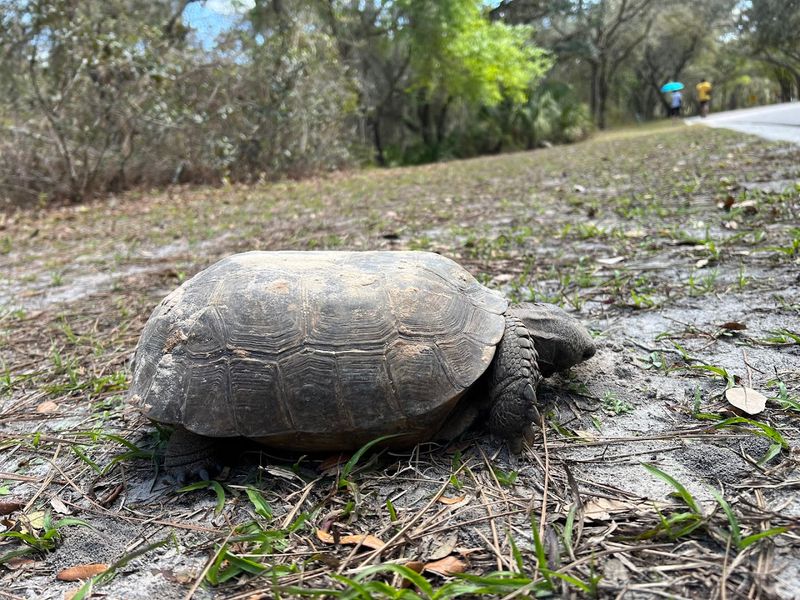
For an easy Tampa-area wildlife win, this boardwalk is the move—long enough to feel like a real walk, but simple enough to do on a whim.
The floodplain habitat along the Hillsborough River is bird heaven, and the elevated sections give you clean sightlines over the water and into the trees.
Keep an eye out for gators in the calm stretches, turtles sunning like they booked the spot, and herons posted up like patient statues. The observation tower is a bonus; climb it and you’ll get a wider view that helps you spot movement you’d miss at ground level.
Pro tip: late afternoon can be surprisingly active, with birds returning and the light softening—ideal for photos and for actually noticing what’s out there.
8. Blue Spring State Park – Boardwalk (Orange City | Volusia County)
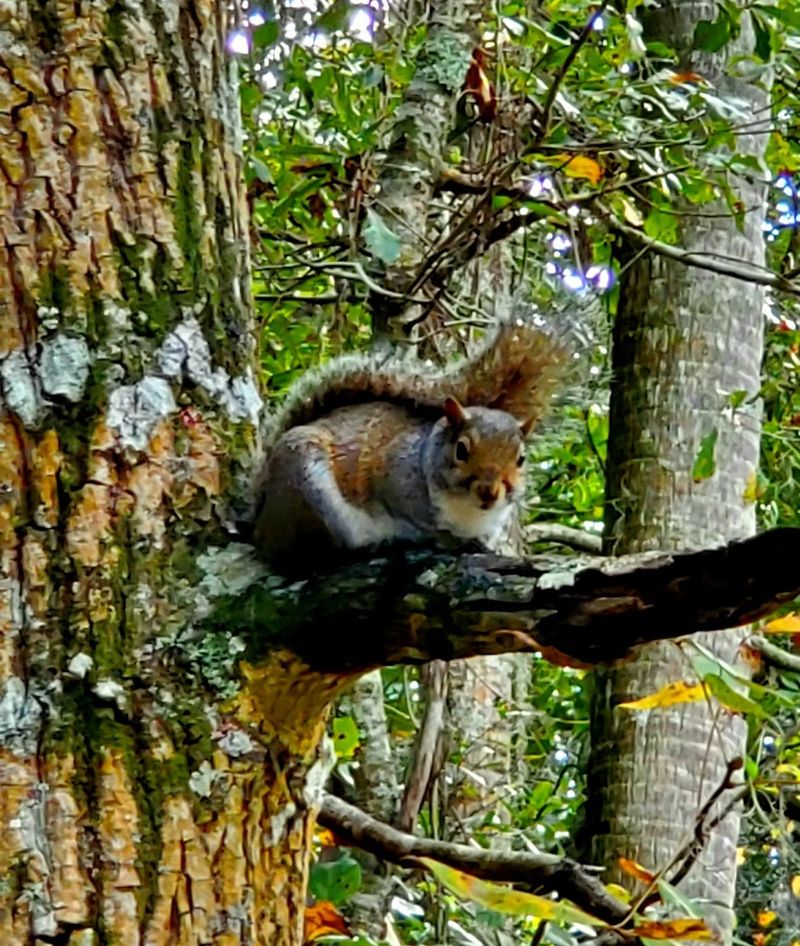
Manatee season turns this boardwalk into a real-life “wait, is that another one?” game.
When the water gets chilly, the spring run becomes a warm refuge, and the park’s boardwalk puts you in perfect position to watch manatees glide under the surface like slow submarines.
Even outside peak manatee months, the clear water makes wildlife-spotting easy: fish flashing in the current, turtles hovering near the edges, and birds working the shoreline with zero drama and full results.
The trick here is patience—stand still for a minute and the spring reveals more than it does to people speed-walking to the next viewpoint.
Bring a light jacket in winter (Florida can be sneaky), and keep your voice down; quiet makes the sightings feel closer.
9. Sweetwater Wetlands Park (Gainesville | Alachua County)
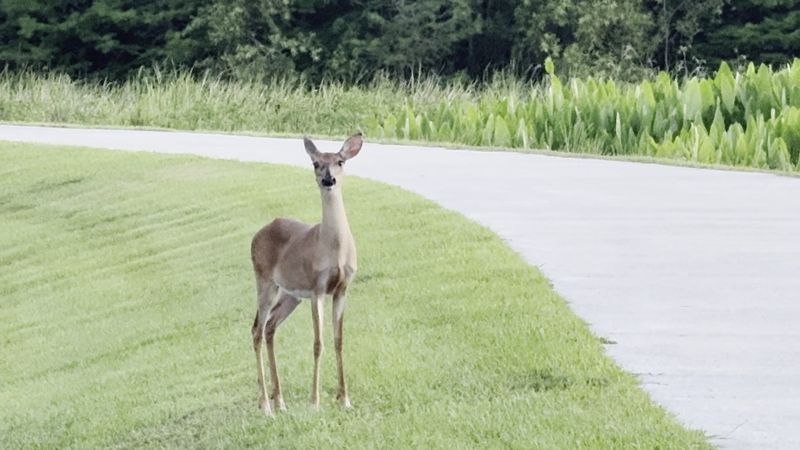
This place is basically Gainesville’s outdoor wildlife theater, and the cast is huge—especially if you’re into birds.
Wetlands stretch out in every direction, with boardwalk segments and viewing spots that make it easy to scan for movement without trampling anything important.
Expect waders stalking the shallows, hawks cruising overhead, and plenty of “what is that?” moments that turn into new lifer species if you’re even mildly into birding.
Reptiles aren’t shy either; watch sunny edges for gators and listen for frogs that sound like they’re trying to outdo each other.
The open layout means wind can affect wildlife activity, so calmer mornings tend to be best. Go slow, look across the water, then double back—surprise sightings happen when you think you’re done.
10. Orlando Wetlands Park – Cypress Boardwalk (Christmas | Orange County)
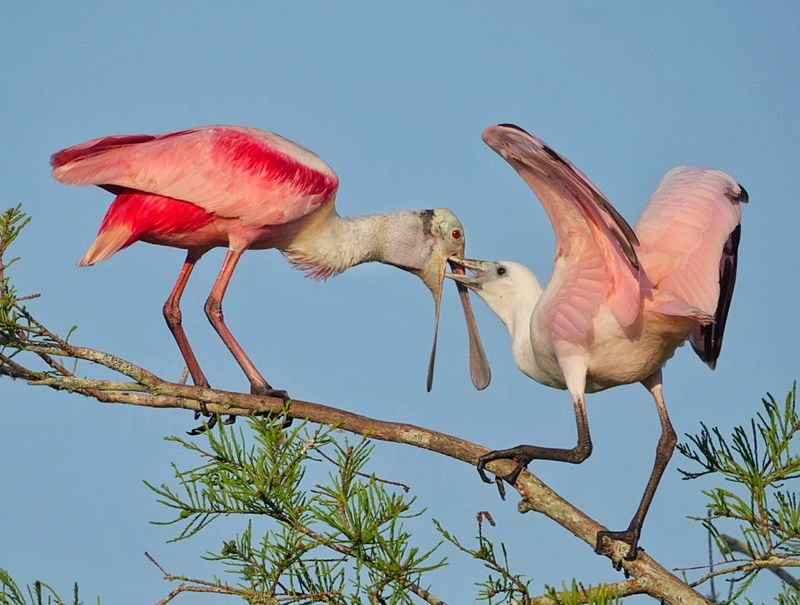
The vibes here are peak “wild Florida hiding in plain sight,” and the cypress boardwalk is where it clicks. This section feels more intimate than the open wetland paths, with shaded water and close-up views that make wildlife spotting feel personal.
In nesting season, birds put on a full show—calls, flights, and that chaotic energy that says everybody’s busy. Alligators are frequent enough that you’ll start checking every dark patch of water, which is exactly the point.
The newer boardwalk also means the trail feels smooth and accessible, so you can focus on scanning instead of watching your footing.
Keep your eyes on the margins where water meets vegetation; that’s where the best “oh wow” moments happen, usually when you’re not even trying.
11. J.N. “Ding” Darling NWR – Wildlife Education Boardwalk (Sanibel | Lee County)
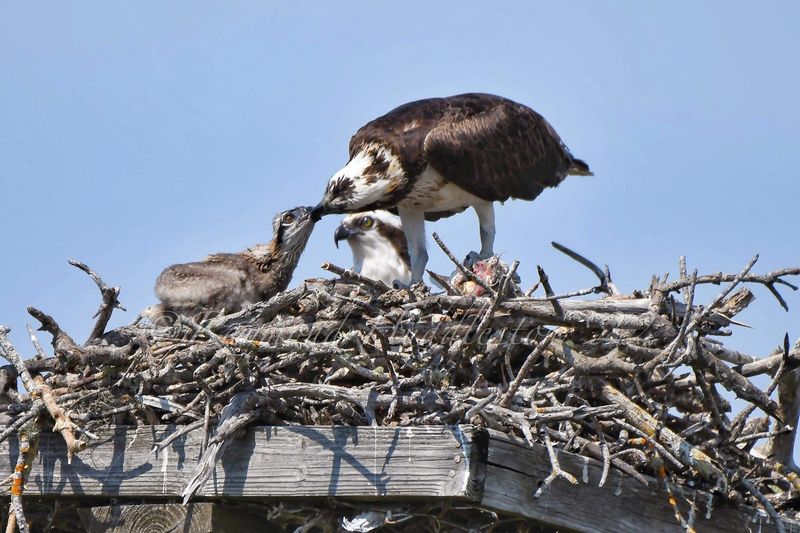
On Sanibel, this is your reminder that the island’s real celebrities have feathers—and they don’t care about your beach plans. The boardwalk area is a great spot for close-range viewing, especially when birds are nesting and the refuge feels like a busy neighborhood.
Look for waders hunting in shallow water, osprey overhead, and gators lurking in the kind of stillness that makes you blink twice.
The setting is classic coastal refuge: mangroves, brackish water, and lots of places for wildlife to appear and disappear like it’s playing hide-and-seek.
Timing matters here; tide and time of day can change what you see, so aim for periods when birds are actively feeding. Walk quietly, linger at the railings, and let the refuge do what it does.
12. Merritt Island NWR – Visitor Center Boardwalk (Titusville | Space Coast)
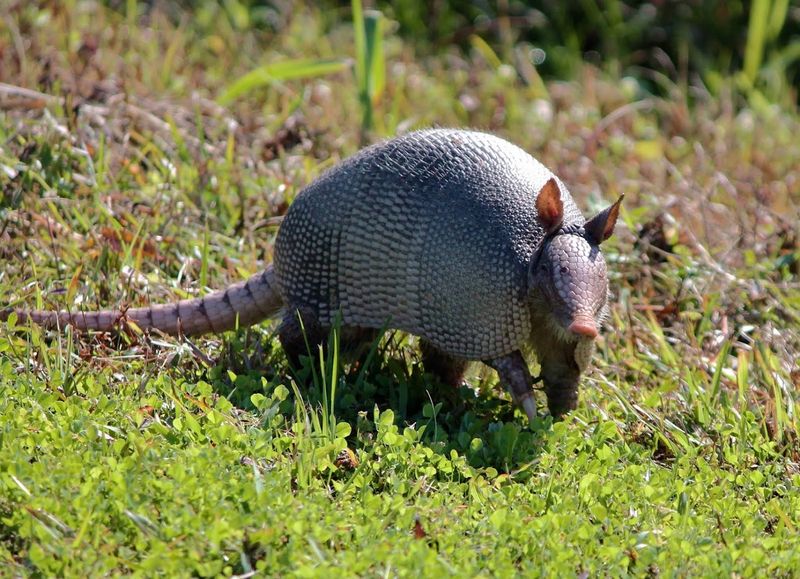
Right near the visitor center, this boardwalk is a quick, satisfying way to get into Merritt Island’s wild side without committing to a long trek.
It’s short, but the habitat is productive—meaning you can spot birds working the water’s edge, turtles surfacing for air, and alligators posted up like they own the place (they do).
Because it’s close to the main hub, it’s perfect for a “warm-up lap” before driving the refuge roads, and it’s also great when you only have a little time and still want a real sighting.
The trick is to stop more than you walk; the more you pause, the more the scene changes.
Keep your eyes low for movement in the water and high for birds cruising the treeline.