Florida’s Best Spots for Fossil Hunting (Yes, You Can Find Shark Teeth and Megalodon Fossils)
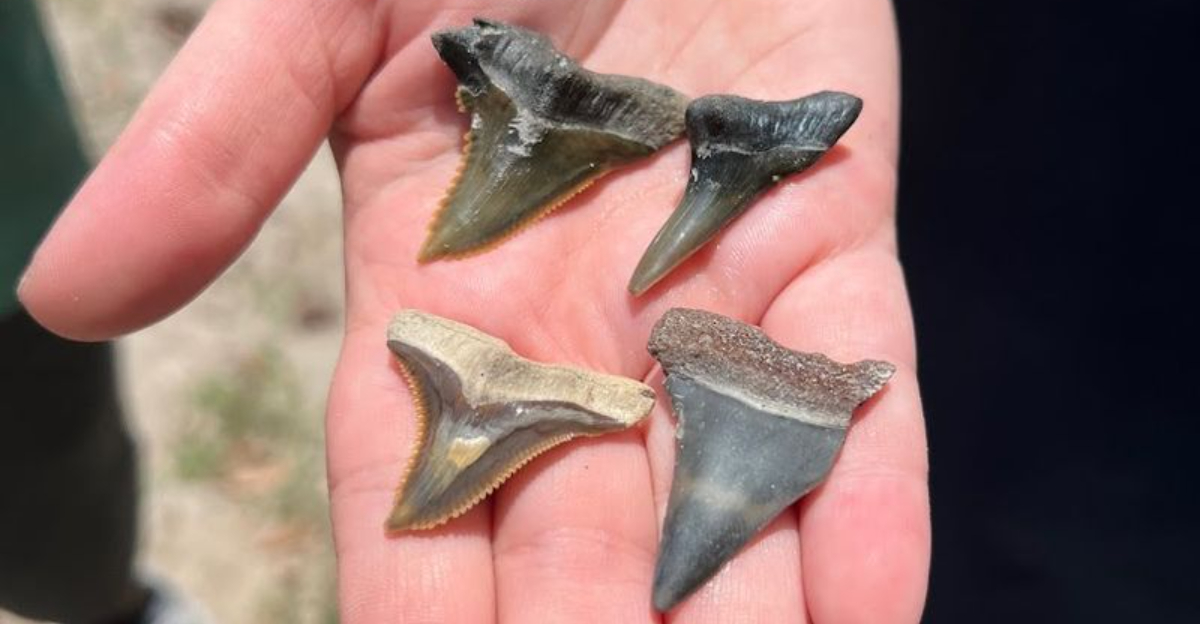
Florida hides prehistoric secrets in plain sight, and you do not need scuba gear to score them. With the right tides, a simple sifter, and local know how, you can pocket shark teeth and maybe even a megalodon fragment.
This list narrows your options to the most reliable, beginner friendly spots without the fluff.
Ready to chase deep time between waves and river gravel
1. Caspersen Beach
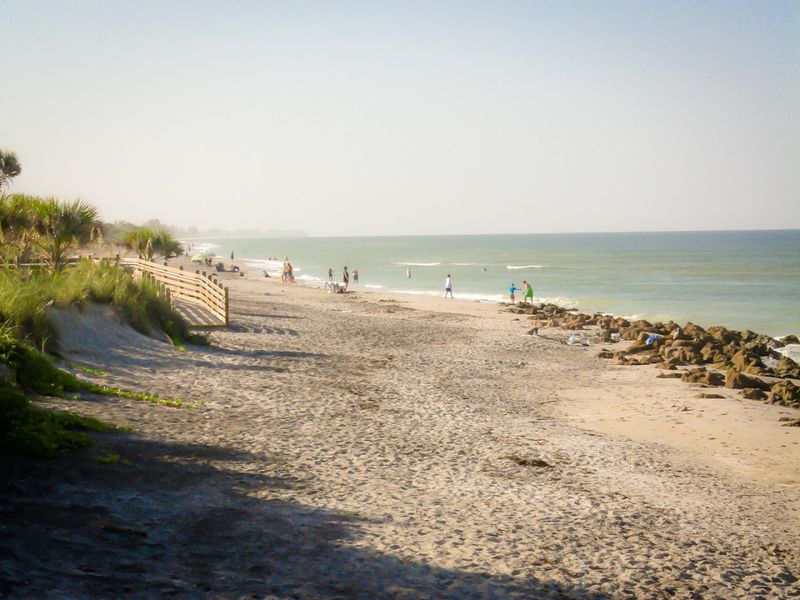
A wild, less-manicured stretch where the shoreline changes mood every week—perfect for fossil hunters. The sand here often mixes with darker shell and gravel bands, and that’s where the teeth like to hide.
Scan the wrack line first, then work the transition where fine sand gives way to coarser bits. When you start seeing little black pebbles (phosphate), slow down.
That’s usually a good sign you’re in the right neighborhood. Go early for two reasons: the light is low and angled (tiny teeth “flash” better), and you’ll beat the crowd to fresh drops.
After a storm, the beach can look messy in the best way—new shell piles, exposed patches, and surprises. Bring a small sand scoop and patience; this place rewards steady, methodical eyes.
2. Venice Fishing Pier / Brohard Beach area
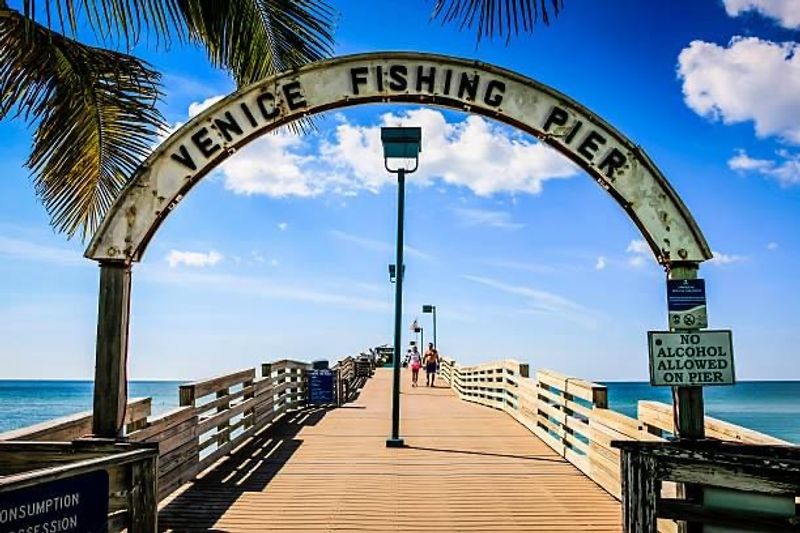
You want easy access with high odds? This zone is the friendly on-ramp to Florida shark-tooth hunting.
The pier acts like a natural “collector,” shifting sand and shell so teeth can concentrate nearby. Start by walking the wet, packed sand just after the tide turns—teeth don’t sink as fast there, and you’ll spot the darker shapes more easily.
Around Brohard, pay attention to small pockets of shell grit, especially where waves carve shallow troughs. That’s basically nature’s sorting machine: lighter stuff drifts, heavier bits linger, and teeth are heavy.
The best finds often happen in short windows—right after a busy weekend when the beach is churned up, or the morning after a windy night. Bonus: there’s enough foot traffic that you’ll learn fast just by watching what successful hunters are doing.
3. Blind Pass Beach (Manasota Key)
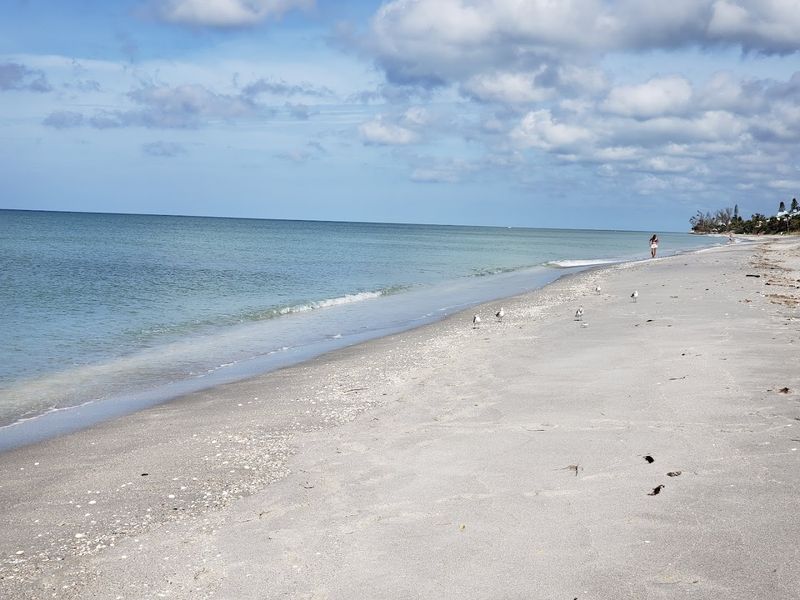
This is where the water’s movement does the organizing for you. Blind Pass is a “high-energy” spot, meaning currents and waves can strip away fine sand and leave behind the crunchy shell layer that fossil hunters love.
When you hear that crackly sound underfoot, you’re in the right kind of terrain. The teeth tend to blend into the dark shell hash, so don’t just stare—let your eyes sweep and pause on anything triangular, glossy, or too perfectly shaped.
Pick your moment. A lower tide gives you more real estate, and the day after rougher conditions can expose brand-new patches.
This beach also rewards wandering: one section can be dead quiet while another—just a few minutes away—has that sweet mix of shells, pebbles, and black grains. If the surf is pushy, stay safe and work the edge where waves retreat.
Teeth often reveal themselves in that brief, shiny pause.
4. Peace River (Arcadia area and surrounding access points)
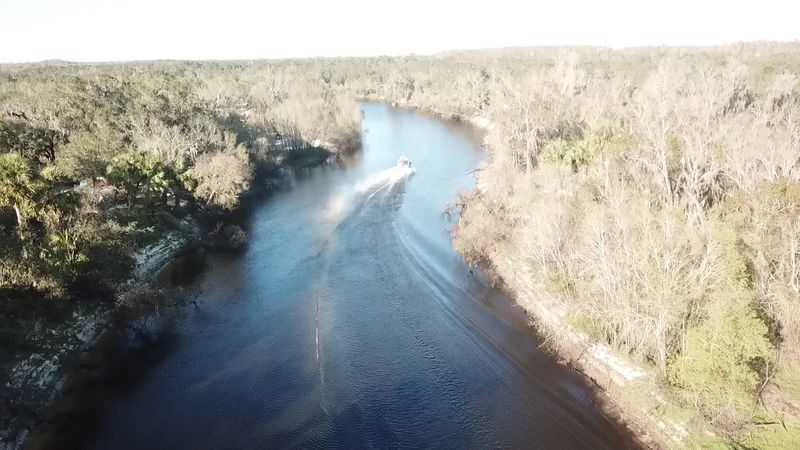
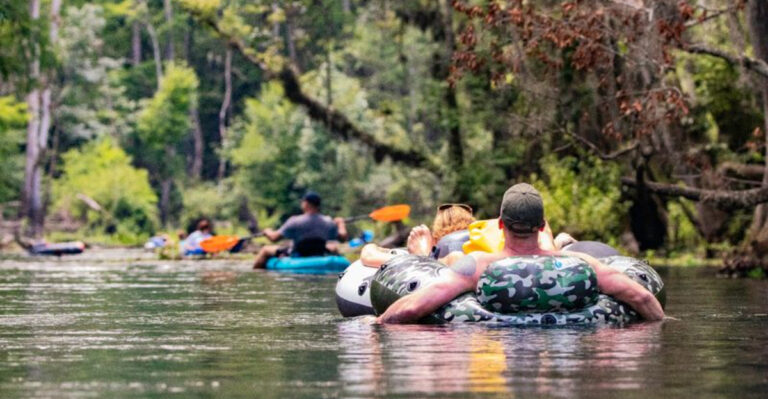
If beaches are “easy mode,” Peace River is the treasure-hunter upgrade. The magic here is the river gravel—small stones, dark sand, and fossil-rich material that collects on shallow bars and inside bends.
When the water’s lower, you can wade to a promising stretch, scoop a little gravel, and rinse it through a screen. Suddenly you’re holding time: shark teeth, ray plates, and sometimes odd bone fragments that make you do a double take.
The vibe is part adventure, part puzzle. You’re reading the river like a local: looking for slower eddies, checking where the current drops heavier material, noticing where the bottom turns from soft muck to gritty gravel.
Bring water shoes you trust—this isn’t flip-flop territory. And because rivers change constantly, first-timers often do better with a guide or at least a well-known access point.
Even on an “average” day, Peace River can surprise you.
5. Bone Valley region (Polk County)
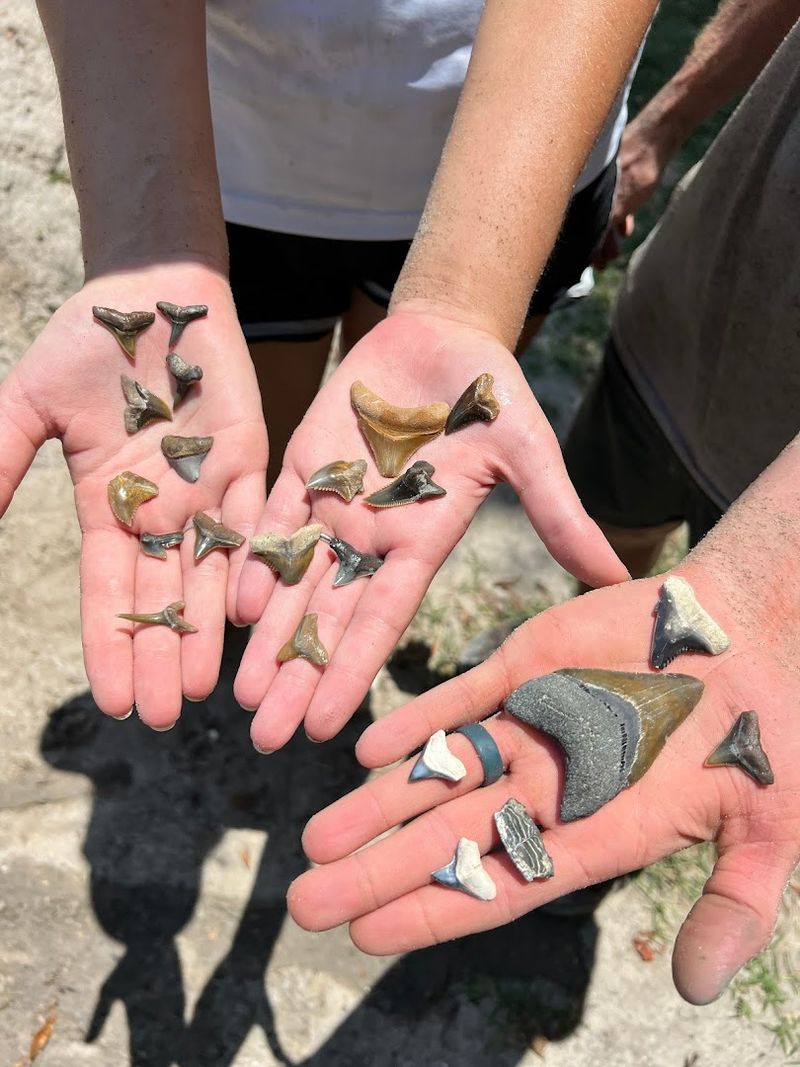
This is Florida’s fossil heavyweight zone—famous for phosphate deposits that have produced ridiculous quantities of ancient shark teeth and marine fossils. The key word here is “legal.” A lot of the land tied to phosphate is private or industrial, and you don’t want your fossil story to end with an awkward conversation.
The smartest way to experience Bone Valley is through pay-to-dig operations or clearly permitted sites where digging is expected. What makes the area special is the density.
Instead of hunting a single beach line, you’re working material that’s already fossil-rich. Expect loads of small teeth, plenty of variety, and occasional big finds that stop a group in its tracks.
The soil can be gritty and sticky, so gloves and a sifter are your best friends. It’s also a fantastic option for families: you get the thrill of discovery without playing games with tides, surf, or long beach walks.
6. Ponte Vedra / Mickler’s Landing (First Coast)
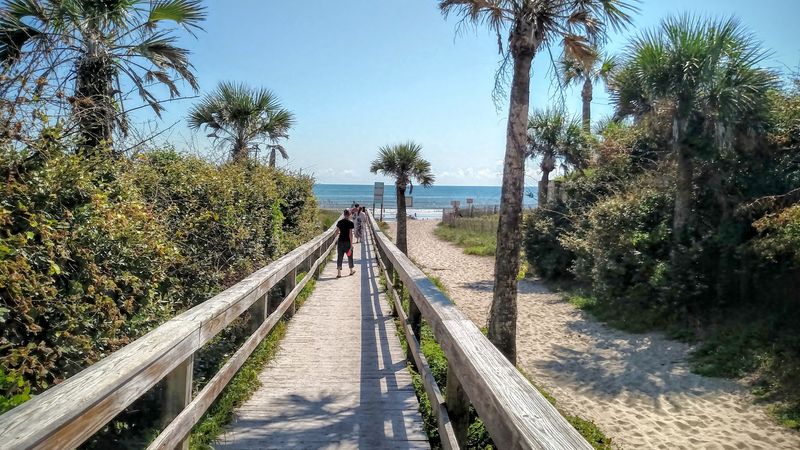
Over on the Atlantic side, this spot is a classic “walk, scan, pocket a few keepers” kind of hunt. Mickler’s Landing doesn’t always throw teeth at you like Venice does, but it’s reliable enough to be worth the time—especially when conditions line up.
Focus on areas where the beach surface looks peppered with small shells and darker grains. When the sand is too smooth and uniform, it’s usually too “fresh” to hold much.
Your best friend here is timing. Go after a stretch of stronger waves or a stormy day when the beach gets rearranged, then walk the wet line as the tide eases out.
Teeth often look like tiny black triangles or curved slivers—easy to miss until your eyes lock in. It’s also a great place to practice: once you train yourself to spot a small tooth in Atlantic sand, every other Florida beach gets easier.