This Florida Aquarium Lets Families Peek Inside the Ocean Science Most Visitors Never See
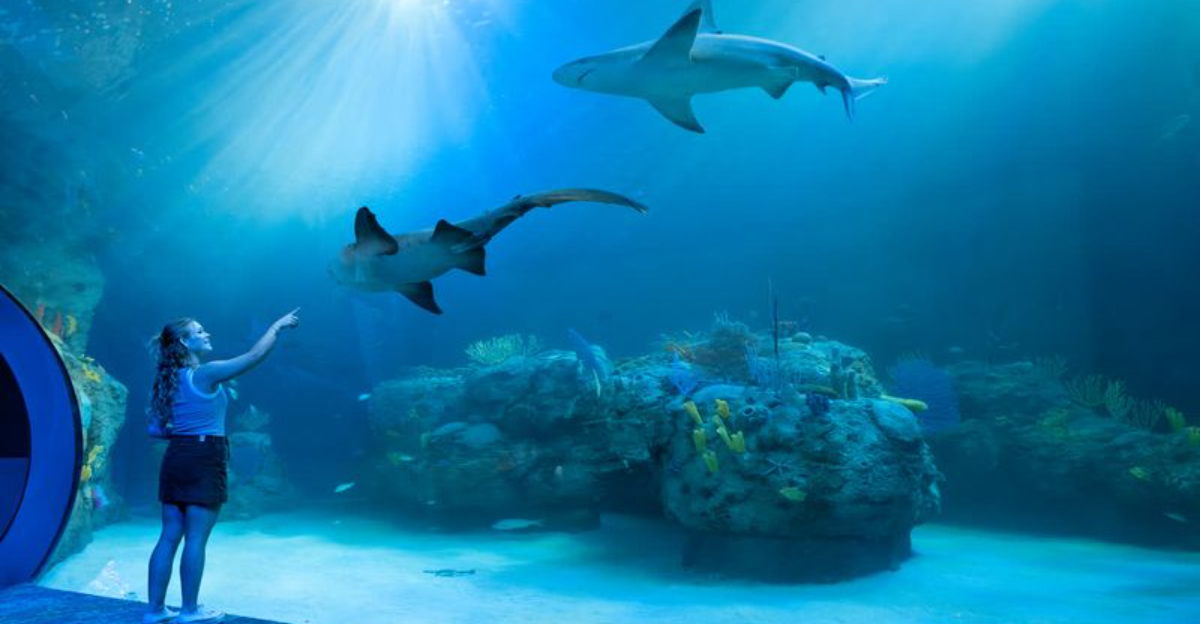
Most aquariums show you pretty fish swimming in tanks, but Mote Science Education Aquarium in Sarasota does something completely different. Behind those gleaming glass walls at 225 University Town Center Drive, real marine scientists are actively researching how to save Florida’s coastline, rescue injured sea creatures, and protect disappearing coral reefs. What makes this three-story facility special is that families can actually watch researchers at work, touch animals under expert guidance, and learn the actual science happening right now to protect Gulf Coast waters.
1. Behind-the-Scenes Gulf Coast Tours Show Real Research in Action
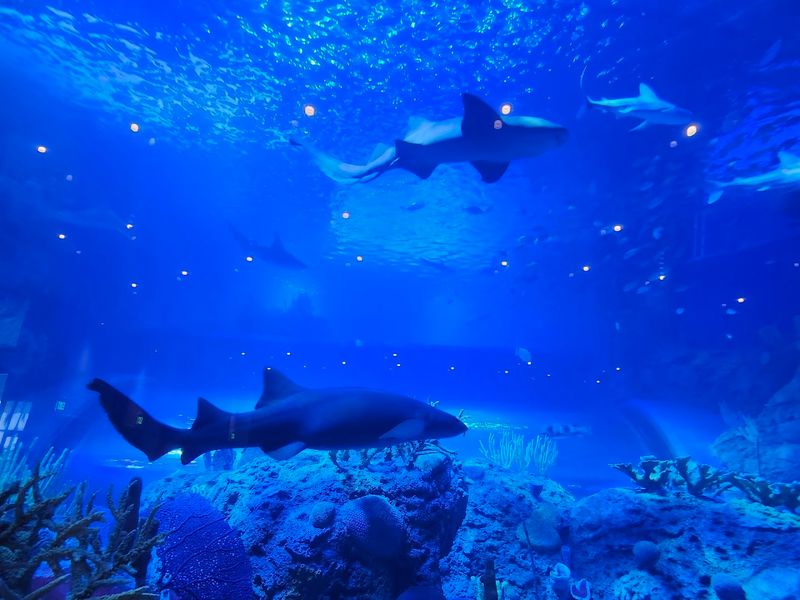
Forget watching fish from the other side of glass. The Gulf Coast tour at Mote takes you into spaces most aquariums keep locked away from public eyes. You’ll walk through actual research areas where scientists monitor water quality, study animal behavior, and work on conservation projects that directly impact Florida’s marine ecosystems.
Tour guides like Emmanuel Perry bring serious expertise without making it feel like a boring lecture. They crack jokes while explaining complex topics like coral propagation and sustainable aquaculture. Kids ask endless questions about how filtration systems work or why certain sharks need specific temperatures, and guides answer every single one with genuine enthusiasm.
The experience lasts about an hour and costs extra beyond admission, but reviewers consistently call it the highlight of their entire visit. You’re seeing the unglamorous reality of marine science—the testing equipment, the holding tanks, the careful monitoring that keeps animals healthy. It’s messy, fascinating work that most people never associate with aquariums.
This isn’t staged entertainment. You’re witnessing actual conservation happening in real time, and that makes every moment feel significant rather than just another tourist attraction.
2. Three-Story Design Lets You See Marine Life From Every Possible Angle
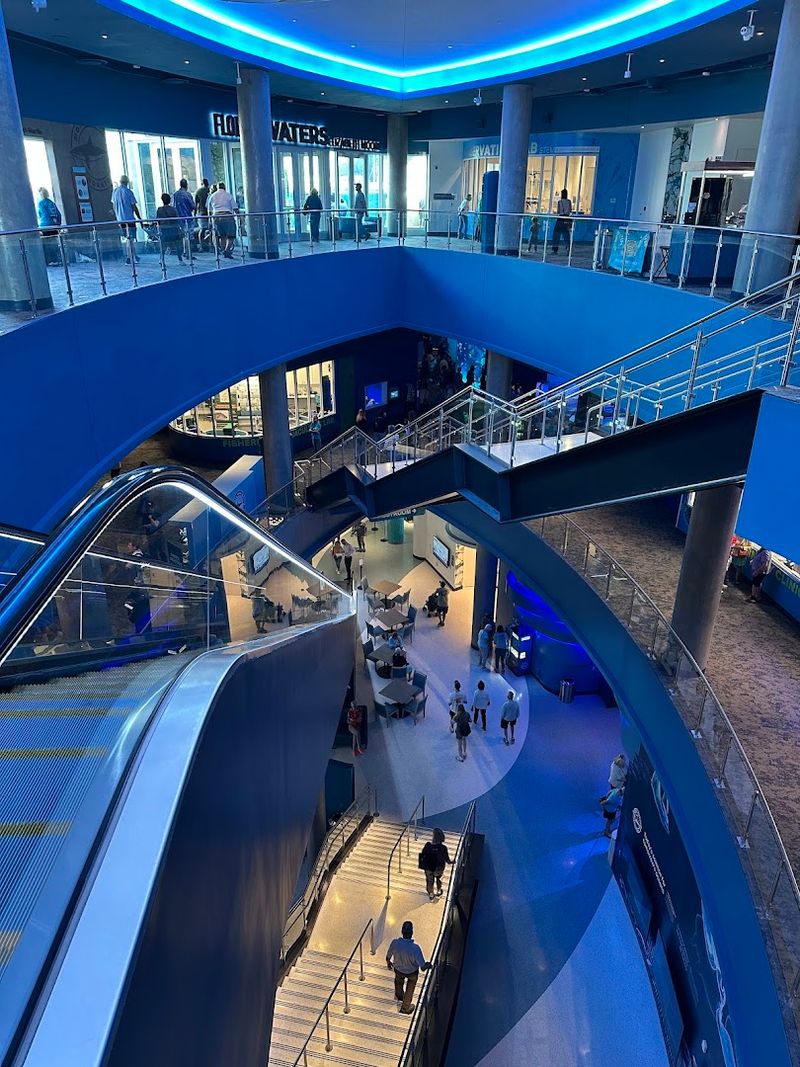
Walking into Mote feels more like entering a contemporary art museum than a traditional aquarium. The building spans three floors connected by escalators, elevators, and stairs, with the massive central tank visible from completely different perspectives depending on which level you’re exploring. Ground floor gives you eye-level views of sharks cruising past, while upper floors let you watch from above as rays glide along the surface.
The architectural layout isn’t just pretty—it’s educational. Seeing a manatee from below shows you their paddle-like tails and scarred bellies. Watching from the third floor reveals how they surface to breathe and interact with each other at the water’s top.
One particularly clever design feature is the event hall on the first floor, which offers what many consider the single best vantage point in the entire building. The tank view from inside that space is unobstructed and massive, though you’ll need to peek in when events aren’t happening.
The third floor also features an outdoor balcony overlooking Sarasota’s University Town Center area. It’s a nice breather if the indoor crowds get overwhelming, plus there’s a photo booth up there for capturing family memories.
3. Interactive Touch Tanks Put You Directly in Contact With Living Animals
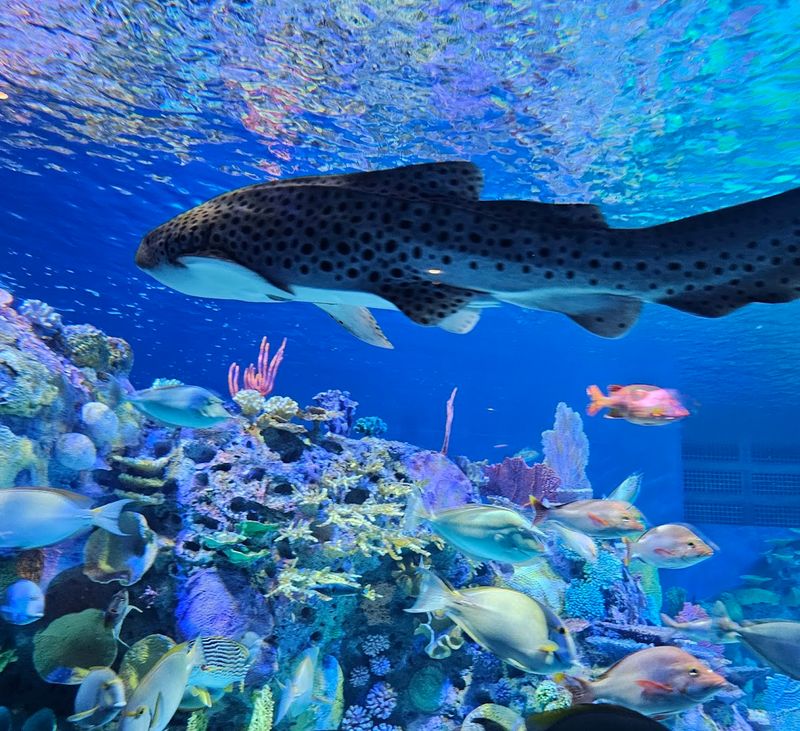
How often do you actually get to pet a shark? At Mote, that’s not a hypothetical question—it’s something you can do multiple times during your visit. The touch tanks here aren’t tiny afterthoughts tucked in a corner.
They’re substantial exhibits where stingrays, small sharks, horseshoe crabs, and sea urchins swim close enough for gentle touches.
Hand-washing stations sit right next to every touch experience, and staff members supervise to make sure both humans and animals stay safe. They’ll show you the proper two-finger technique for touching a stingray’s velvety skin or explain why horseshoe crabs have been around for 450 million years.
Kids go absolutely wild for these interactions. One reviewer mentioned their daughter couldn’t stop laughing when she felt a stingray glide under her hand—that kind of genuine joy doesn’t come from just looking at pictures in a book. Even adults who’ve never considered themselves
4. Rescued Manatees Become Ambassadors for Florida’s Coastal Conservation
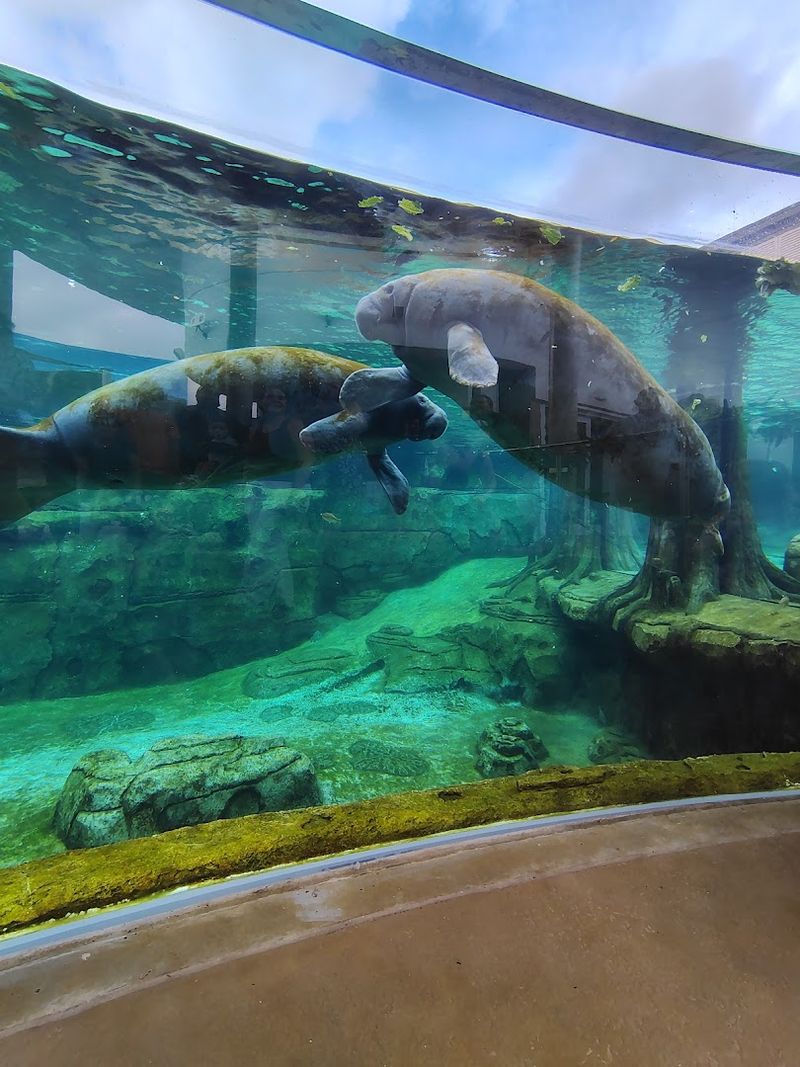
The three manatees living at Mote aren’t just cute attractions—they’re rescue animals that couldn’t survive in the wild. Their scarred bodies tell stories of boat strikes, fishing line entanglements, and other human-caused injuries that plague Florida’s waters. Watching them munch on lettuce and play near the glass turns into an unexpectedly emotional experience when you realize what they’ve survived.
One manatee seems particularly fascinated by small children, especially a little girl in bright pink who visited recently. The massive creature followed her along the tank, pressing its whiskered face against the glass wherever she moved. That kind of interaction demonstrates intelligence and curiosity most people don’t associate with these gentle giants.
Mote’s educational signage around the manatee exhibit doesn’t sugarcoat the threats these animals face. Rising boat traffic, warming waters, and disappearing seagrass beds mean Florida’s state marine mammal needs serious help. But instead of leaving you depressed, the information empowers you with specific actions—slower boat speeds in manatee zones, proper fishing line disposal, supporting seagrass restoration.
Seeing rescued manatees thriving makes conservation feel achievable rather than hopeless.
5. Penguin Viewing Area Includes Kid-Sized Crawl Space for Eye-Level Encounters
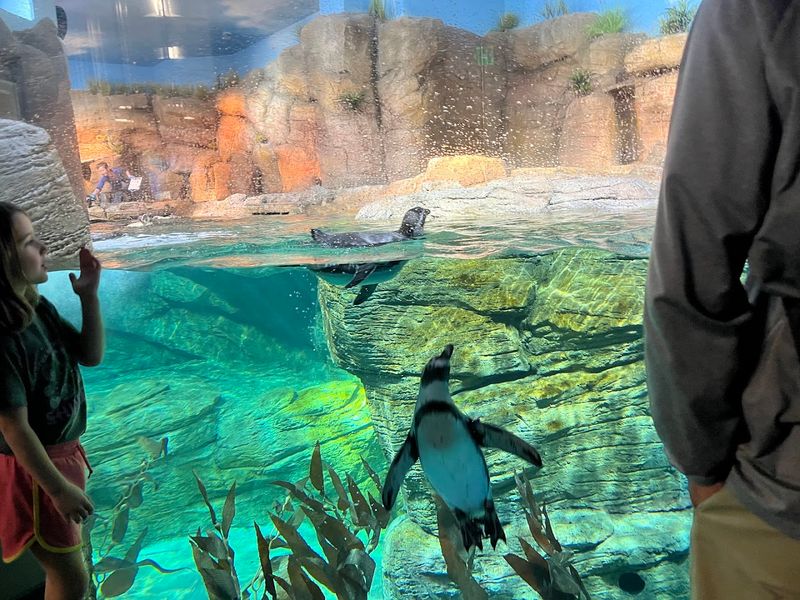
Most aquarium penguin exhibits force you to watch from a distance, but Mote installed something brilliantly simple—a low crawl space specifically designed for small children to pop up face-to-face with the birds. Adults taller than four feet will struggle to squeeze through, but that’s exactly the point. This feature gives little kids their own special vantage point that grown-ups can’t easily access.
The penguins seem unbothered by tiny human faces suddenly appearing at their level. They waddle past, dive into the water, and go about their business while delighted children squeal on the other side of the glass. It’s the kind of thoughtful design that recognizes kids experience exhibits differently than adults.
The penguin habitat itself maintains the specific temperature and environment these birds need, complete with realistic rockwork and a deep pool for swimming. Educational panels explain how these particular species face threats from climate change and overfishing in their native habitats.
Even if you’re too tall for the crawl space, watching the penguins from standard viewing areas is still entertaining. They’re unexpectedly fast swimmers and surprisingly loud when they want to be.
6. Educational Programs Transform Casual Visitors Into Ocean Science Students
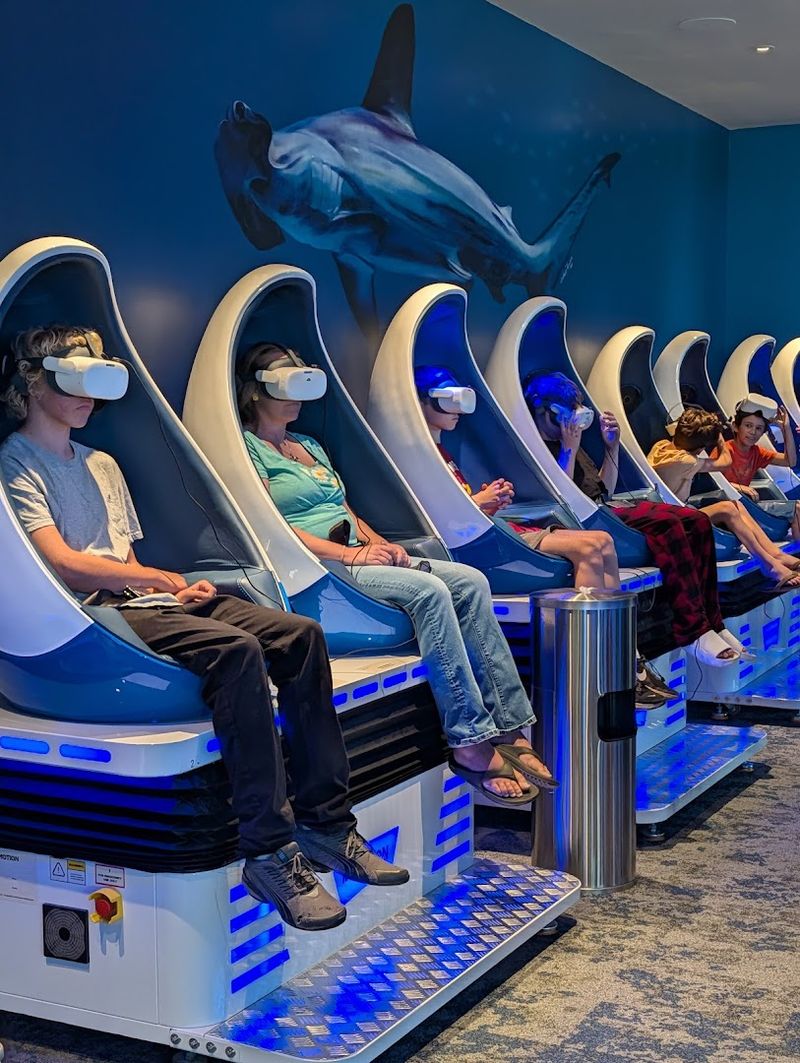
Mote didn’t build this facility just to entertain tourists—they designed it as a legitimate educational center where science classes and camps run year-round. The programming goes way beyond basic “here’s a fish” information. Students learn about sustainable aquaculture practices, coral propagation techniques, and biology-based water filtration systems that could change how we approach marine conservation.
The classroom spaces scattered throughout the building host everything from single-day workshops to week-long camps. Kids don’t just learn theory—they participate in actual hands-on activities that mirror real marine research. That might mean testing water samples, observing animal behavior patterns, or understanding how scientists track population changes in wild species.
Even casual visitors benefit from this educational focus. Staff members stationed throughout the exhibits aren’t just security—they’re knowledgeable educators who can answer detailed questions about specific species, conservation challenges, or research happening at Mote’s other facilities. Several reviewers specifically mentioned learning genuinely new facts rather than hearing the same basic information repeated at every aquarium.
The emphasis on education over pure entertainment gives Mote a different vibe than typical tourist attractions. You leave smarter than when you arrived.
7. Unusual Deep-Sea Creatures Reveal Ocean Life Most People Never Encounter
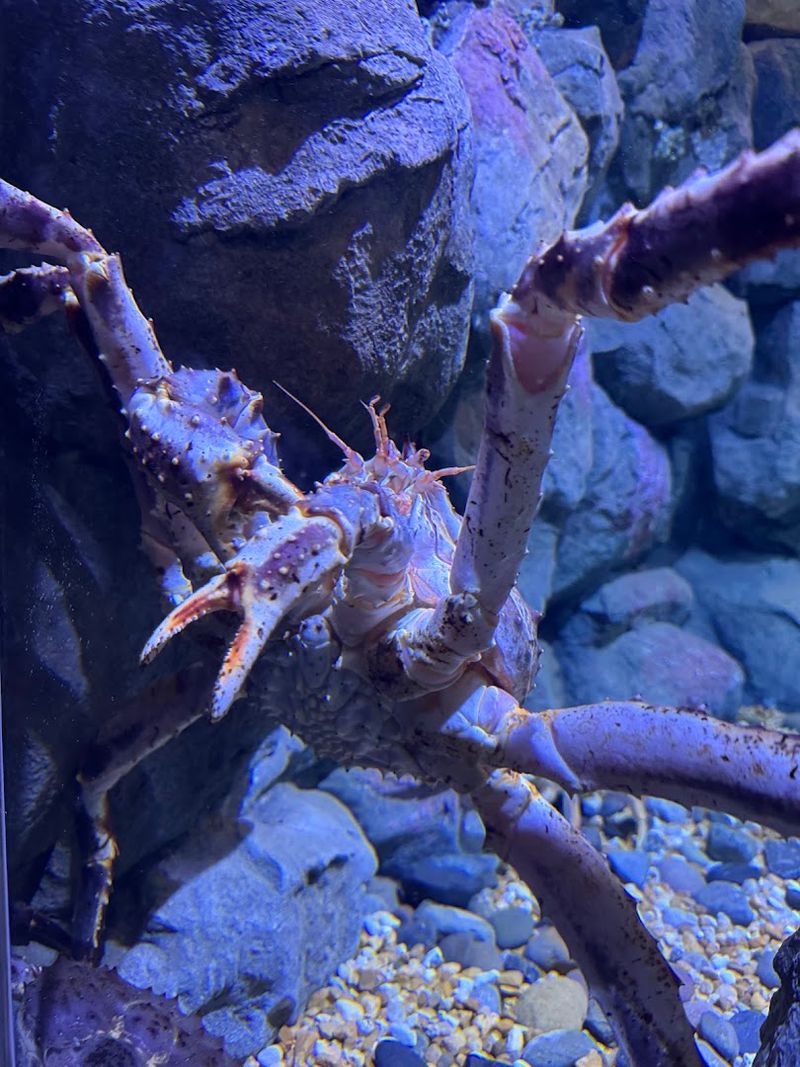
Sure, Mote has the expected sharks and sea turtles, but they also showcase genuinely weird creatures that don’t typically appear in aquariums. Giant Pacific octopuses hide in rocky crevices, occasionally emerging to demonstrate problem-solving intelligence that rivals some mammals. Deep-sea isopods—those enormous pill bug-looking things from the ocean’s darkest depths—sit in specialized tanks that recreate their high-pressure environment.
These aren’t charismatic animals that make good stuffed toys. They’re strange, sometimes unsettling creatures that represent the ocean’s incredible diversity. An octopus can squeeze through impossibly tiny spaces, change colors instantly, and taste with its suction cups.
Isopods can survive years without eating and withstand crushing pressure that would kill most life forms.
The educational value of seeing these animals goes beyond simple entertainment. They represent ecosystems and adaptations most people never consider when thinking about ocean conservation. Protecting marine environments means protecting these odd specialists, not just the cute dolphins everyone already loves.
One common complaint is that the octopus doesn’t always cooperate with visitor schedules—they’re nocturnal and often hide during busy daytime hours. But that’s authentic animal behavior, not a Disney show.
8. Modern Facility Design Prioritizes Accessibility and Visitor Comfort
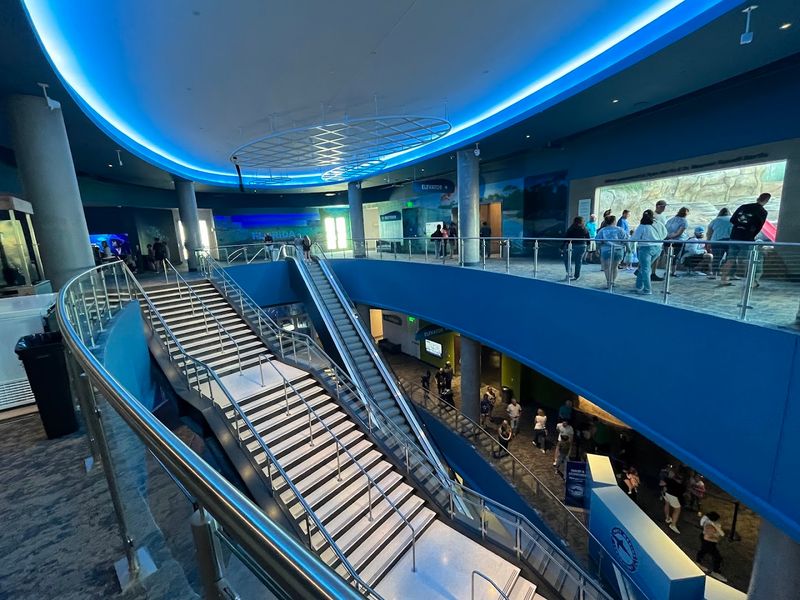
Mote’s brand-new building solved problems that plague older aquariums—narrow corridors, limited elevator access, and facilities that barely accommodate wheelchairs or strollers. Every floor here features multiple restrooms, wide pathways, and elevators that actually work efficiently even during crowded periods. Parents with strollers and visitors using wheelchairs consistently praise how easy navigation becomes.
The cleanliness stands out immediately. There’s no overwhelming fish smell that typically hits you in older aquarium buildings. Tanks are spotless, floors are maintained throughout the day, and even the bathrooms earn specific mentions in reviews for being surprisingly nice.
That level of upkeep requires serious operational commitment.
An interactive map app helps visitors locate specific exhibits without wandering aimlessly. Point your phone at “manatees” or “jellyfish,” and the app shows the exact path from your current location. It’s a small technological touch that significantly improves the experience, especially for families with impatient kids who want to see sharks RIGHT NOW.
The building’s integration with University Town Center also means plenty of adjacent parking and nearby dining options if the on-site cafe doesn’t appeal to you. Everything feels thoughtfully planned rather than haphazardly assembled.