Florida’s Strangest Bird Sanctuary Is Actually A Reclaimed Wastewater Site
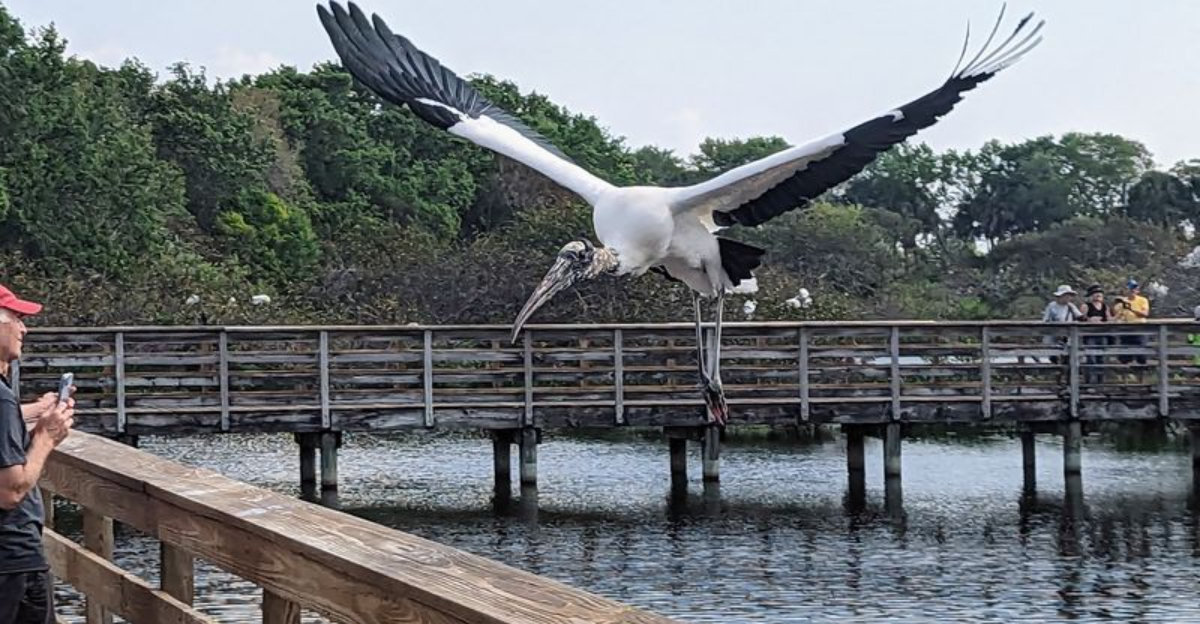
What if I told you South Florida’s most mesmerizing bird sanctuary grew from treated wastewater and vision? At Wakodahatchee Wetlands in Delray Beach, you stroll a boardwalk above sparkling reed beds where egrets, wood storks, and alligators share the stage. It is free, easy to access, and unbelievably photogenic at dawn and dusk.
Come curious and you will leave stunned by how engineered wetlands can feel utterly wild.
1. From Wastewater To Wonderland: How The Wetlands Work
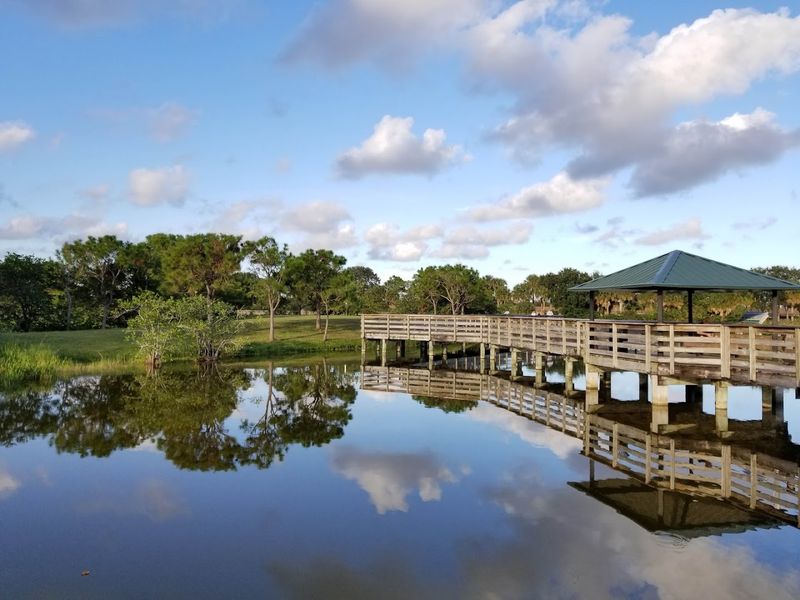
You step onto the boardwalk and look down at ponds that once were just part of a utility plan. Here, highly treated wastewater is polished naturally as it moves through marsh cells packed with reeds, rushes, and algae. Microbes feast on nutrients, plants filter, and the water slowly clarifies.
The magic is practical and poetic. Habitat islands rise like green rafts, giving birds safe breeding spots while the system returns cleaner water to the aquifer. You will notice gentle aeration and carefully directed flows guiding a living machine.
Engineers designed it. Nature perfected it. That balance turns a former utility footprint into a thriving sanctuary you can see, hear, and smell as the wind rustles cattails and herons glide past.
2. Boardwalk Essentials: A Perfect 0.7 Mile Loop
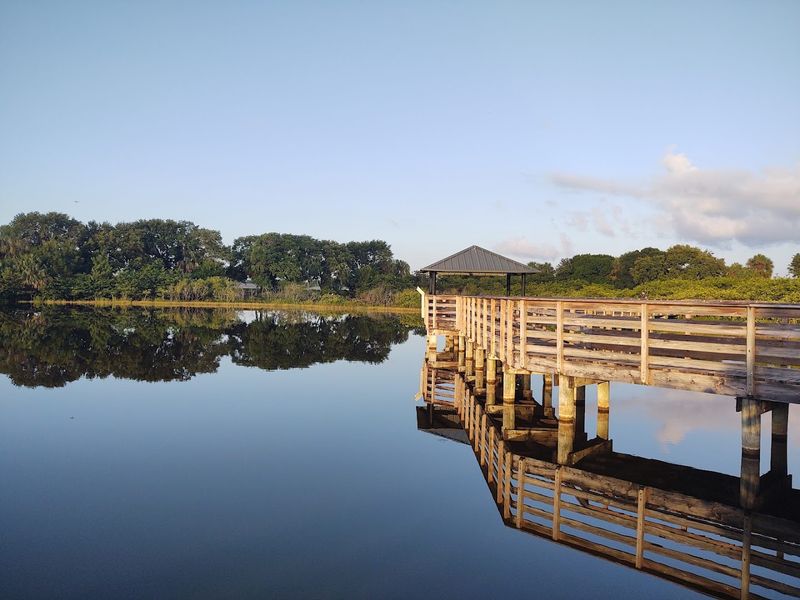
The boardwalk at Wakodahatchee is a comfortable 0.7 mile loop, wide enough for strollers and wheelchairs, with railings for steady viewing. Benches and covered gazebos offer shade when the Florida sun flexes. You can pause, breathe, and let the ripples settle until wildlife appears.
Go clockwise or counterclockwise, it does not matter. Each turn reveals ponds, rookery islands, and open views where alligators patrol and anhingas dry their wings. Bring water, sunscreen, and patience, then let the pace slow down.
Expect short waits for parking on busy weekends, but turnover is steady. Once on the boardwalk, the city fades to a hush of frogs, breeze, and wingbeats. That first lap often turns into a second.
3. Birding Bonanza: What You Will Likely See
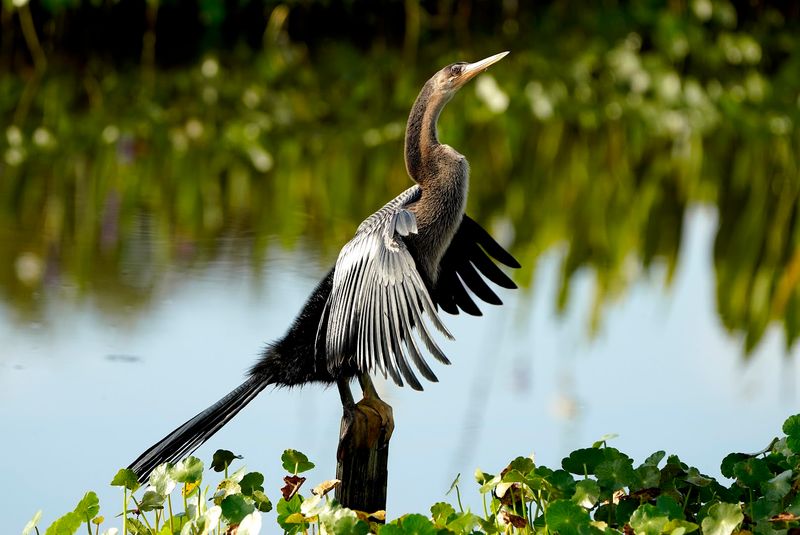
This place is a birder’s dream because the birds are close, unbothered, and wildly diverse. On a single loop, you might tally great blue heron, tricolored heron, green heron, little blue heron, black-crowned night heron, wood stork, and roseate spoonbill. Add ibises, egrets, anhingas, teal, and whistling ducks.
Scan lily pads for purple gallinules stepping like jeweled acrobats. Watch osprey patrol above while cormorants torpedo below. During spring, rookery trees pulse with nesting, courtship, and fuzzy chicks demanding breakfast.
Bring binoculars, but you will still get great views with the naked eye. Early morning and late afternoon light pop colors and reflections. Even non-birders leave grinning, suddenly fluent in wader names.
4. Gators, Turtles, And Unexpected Guests
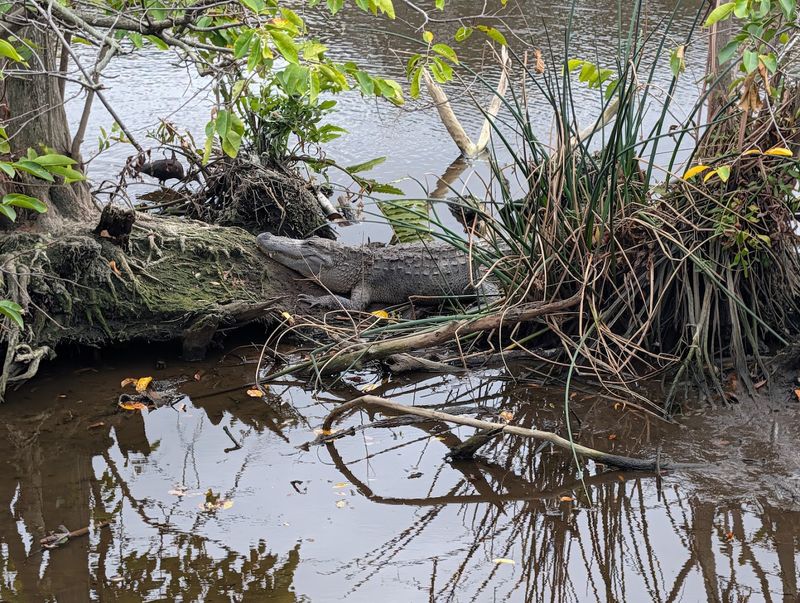
Beyond birds, you will spot American alligators cruising the shallows or basking near reeds. Turtles are everywhere, from cooters to softshells, with the occasional prehistoric head popping up like a periscope. Marsh rabbits dash between shadow and sunlight, quick as whispers.
Green iguanas sometimes drape across branches, startling newcomers with their size and color. Snakes slip through grass or water, mostly shy and gone before you focus. The boardwalk keeps you safely above the action while still feeling close enough to count scales.
Give wildlife space. Keep hands inside railings, move slowly, and let your camera do the reaching. The thrill here is witnessing real behavior, not staged encounters or feeds.
5. Best Times, Hours, And How To Plan
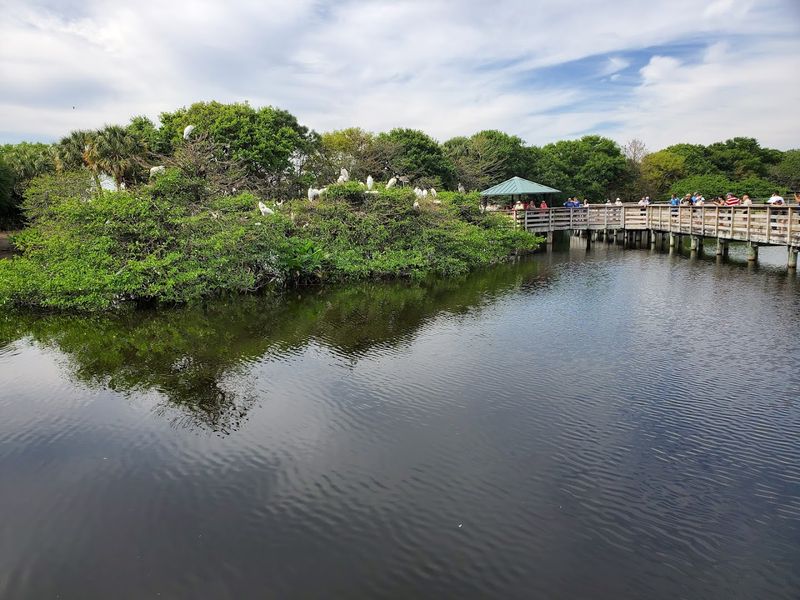
Wakodahatchee is open daily 6 AM to 6 PM, and sunrise or late afternoon offers cooler temps, softer light, and peak animal activity. Aim for weekdays for easier parking, or expect a short line with an attendant on weekends. The loop takes 45 to 90 minutes depending on stops.
Bring water, sun protection, and insect repellent when it is muggy. Restrooms sit near the trailhead, and the boardwalk is free, family friendly, and wheelchair accessible. Carpool if you can to speed parking.
Cloudy days are underrated because glare vanishes and colors deepen. If storms threaten, check conditions and retreat quickly from lightning. Patience pays off here, especially around nesting season.
6. Photography Tips From The Rail
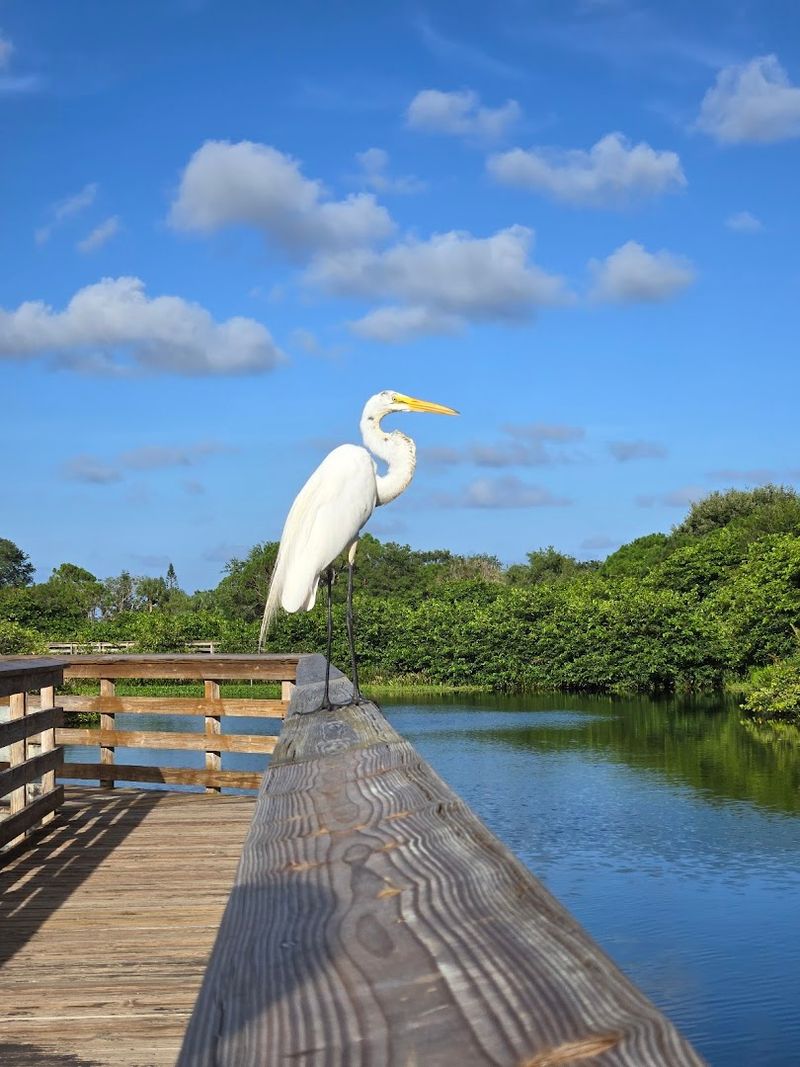
Think like the birds. Move slowly, predict lines of travel, and pre-focus on perches where herons hunt or anhingas dry wings. A telephoto lens helps, but a phone with 2x or 3x zoom can still make magic from the rail.
Shoot early or late for warm tones and gentle contrast. A polarizer cuts glare off the water, while burst mode captures takeoffs and landings. Keep ISO low when the sun is generous, then embrace grain as light fades.
Watch backgrounds. Lilies, reflections, and soft reeds beat parking lots every time. Lean elbows on the railing for stability, give wildlife room, and let moments unfold rather than chasing them.
7. Why It Matters: Ecology, Education, And Community
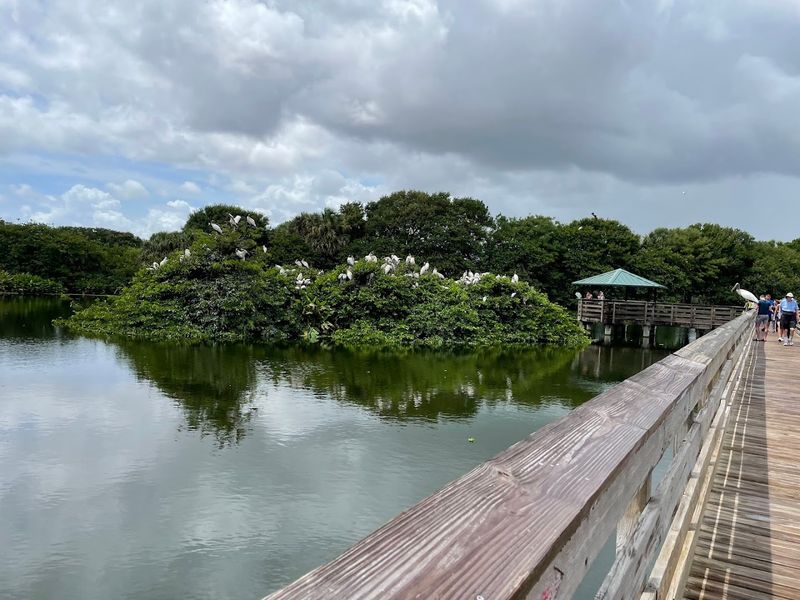
Wakodahatchee proves infrastructure can serve both people and wildlife. The wetlands polish treated water while creating habitat, cooling air, and giving migratory birds crucial rest. You get free access to an outdoor classroom where ecology stops being abstract and starts breathing beside you.
Interpretive signs clarify nutrient cycles, native plants, and seasonal changes. School groups, travelers, and retirees learn side by side, sharing sightings and binoculars. That community energy keeps stewardship real and local.
When you leave, you carry new eyes for ditches, ponds, and reeds elsewhere. You might lobby for similar projects, donate, or simply bring a friend next time. That ripple effect matters as much as the water flowing beneath your feet.