This Fort Lauderdale Wildlife Center Plays a Key Role in Rescuing and Rehabilitating Native Animals
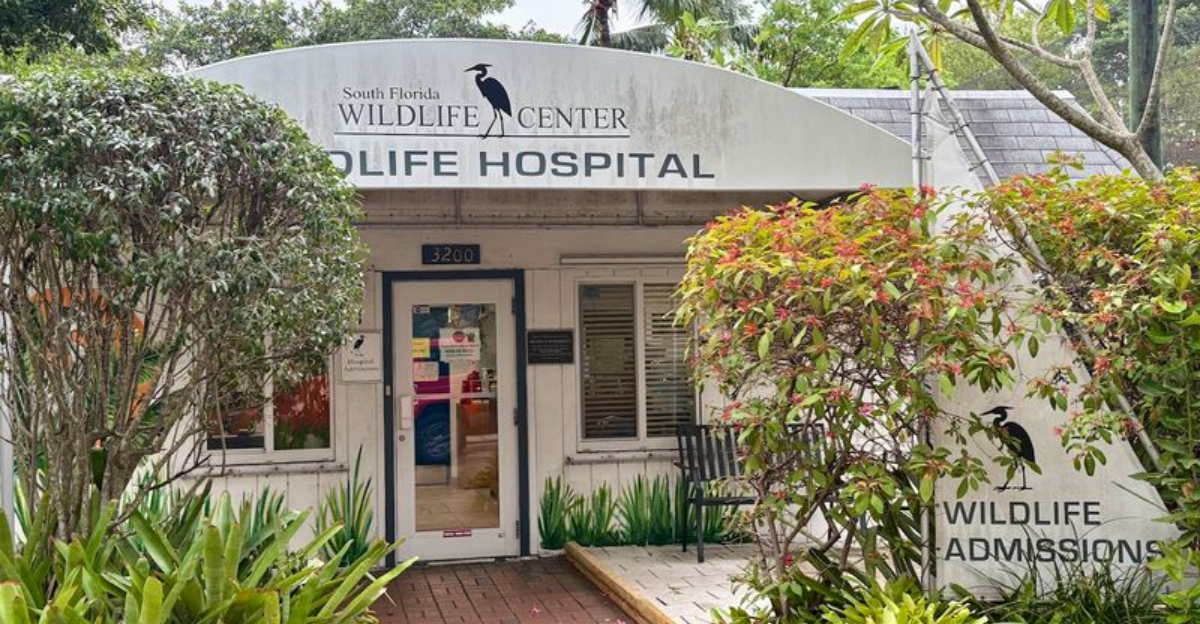
Tucked away at 3200 SW 4th Ave in Fort Lauderdale, the South Florida Wildlife Center is doing some of the most important animal rescue work in the entire state. Every year, injured and orphaned native animals get a second shot at life thanks to the dedicated team working here.
From baby raccoons with broken legs to majestic ospreys with wing injuries, no creature is too small or too ordinary to deserve care. If you love Florida wildlife — or you have ever stumbled across an injured animal and had no idea what to do — this place is exactly the kind of resource you need to know about.
A Rescue Operation That Covers Serious Ground
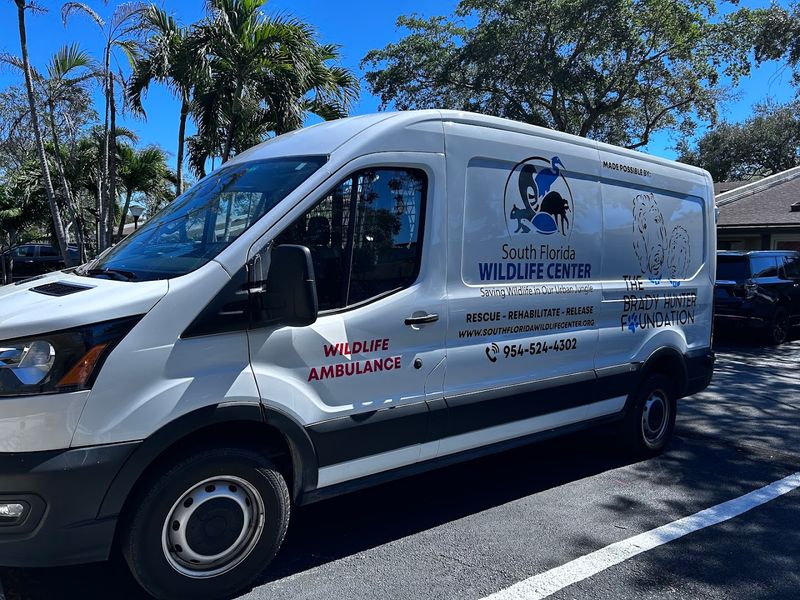
When Maria from the South Florida Wildlife Center drove all the way from Fort Lauderdale to West Boynton Beach to pick up an injured osprey, that single act said everything about how this organization operates. This is not a center that sits back and waits for animals to arrive at the front door.
The team actively dispatches staff and volunteers across South Florida to reach wildlife in distress, regardless of the distance involved.
That kind of commitment is rare. Most rescue organizations work within tight geographic boundaries, but SFWC stretches its reach because the animals cannot drive themselves in.
Reviewers have described staff traveling to West Palm Beach and beyond, responding quickly and without complaint. One person noted that a team member named Nick was dispatched immediately after a call about an injured Wood Stork — no long wait, no runaround.
The logistics behind running mobile rescues are no small thing. Coordinating pickups, managing transport safely, and ensuring animals arrive at the facility with minimal additional stress takes serious planning.
The center handles all of it with a calm professionalism that leaves the people who call feeling supported rather than overwhelmed.
For South Florida residents, knowing that a trained team can come to you changes everything. You do not have to figure out how to safely move a wild bird or contain a frightened raccoon on your own.
A single call to +1 954-524-4302 sets the whole process in motion. That accessibility — combined with a genuine willingness to show up — is a big part of why this center has earned its reputation as one of the most dependable wildlife rescue services in the region.
Medical Care That Rivals a Full Wildlife Hospital
When a person brought an injured Eastern Screech Owl to the South Florida Wildlife Center, they expected basic guidance. What they got instead was a full medical response — pain relief, fluids, antibiotics, an ICU observation unit, and a promise that radiographs would follow if needed.
That level of care is not what most people picture when they think of a nonprofit wildlife rescue center in South Florida.
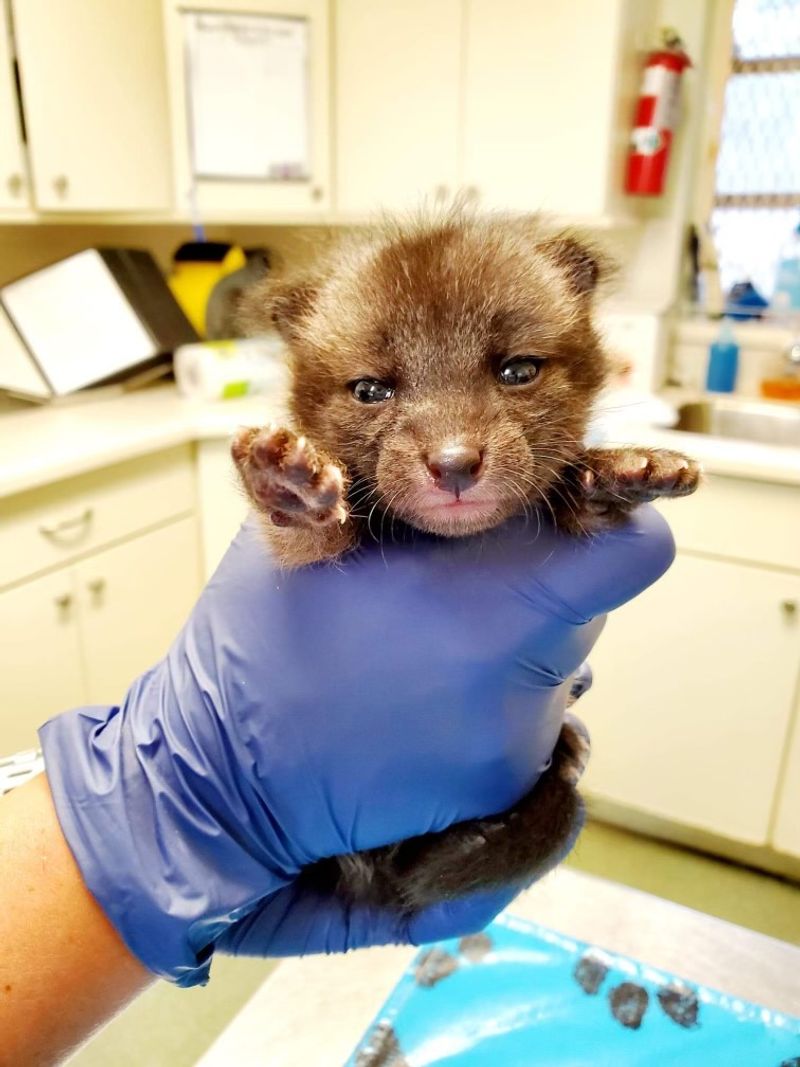
Yet that is exactly what SFWC delivers on a daily basis. The facility functions like a legitimate wildlife hospital, with trained medical staff who assess every incoming animal and build individualized treatment plans based on injuries, stress levels, and realistic prognosis.
Surgeries happen here too. One reviewer described bringing in an injured snake that went through a full surgical procedure and was later released back into the wild — a genuinely remarkable outcome.
The medical team also handles the full spectrum of species. Hawks, egrets, opossums, squirrels, songbirds, baby ducks, and even non-native animals have all received attention within these walls.
When native wildlife falls outside what the center can legally treat, staff still go out of their way to connect people with appropriate resources rather than turning them away empty-handed.
What stands out most is the transparency. After a rescue, the center communicates updates to the people who brought animals in, explaining diagnoses and treatment steps in plain language.
That follow-through builds trust and helps the community understand the realities of wildlife medicine — including the hard decisions that sometimes have to be made. Running at this level while operating entirely on community donations says a lot about the dedication behind every single person on the team.
Orphaned Animals Get a Real Second Chance Here
Baby animals show up at the South Florida Wildlife Center in all kinds of situations. Some are found alone after a parent was hit by a car.
Others fall from nests during storms. A few arrive in shoeboxes, carried in by neighbors who spotted them in a yard and knew something was wrong.
Whatever the circumstances, the center takes orphaned animals seriously — not as a side project, but as a core part of the mission.
Baby raccoons are among the most common arrivals, and the stories that come attached to them are consistently heartwarming. One reviewer brought in a raccoon with a broken leg, drove straight to the facility, and was welcomed immediately.
Another person expressed deep gratitude after the center safely removed and rescued a raccoon from their yard, handling the entire situation with calm professionalism from the first phone call all the way through the in-person visit.
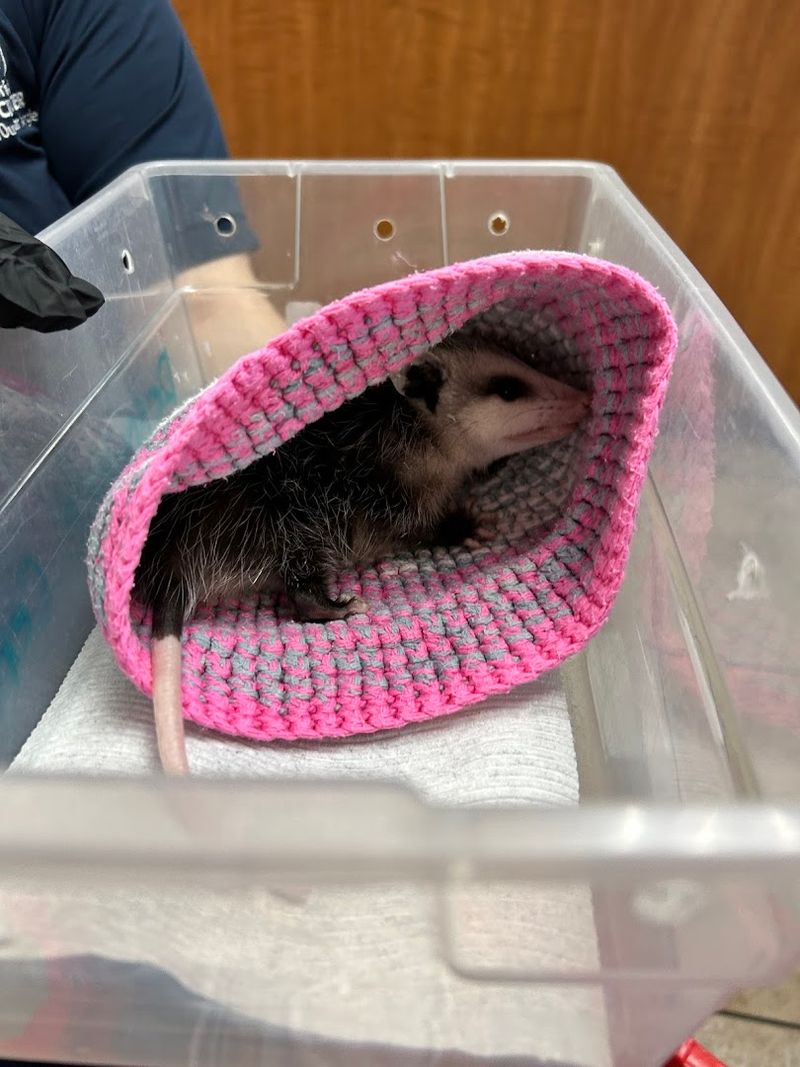
Orphaned opossums also make regular appearances. One reviewer brought in a baby opossum in 2025 and described watching the animal given a genuine second chance at life.
For a species that is often misunderstood and overlooked, that kind of care matters more than most people realize. Opossums are native to Florida and play a real ecological role, and SFWC treats them accordingly.
The rehabilitation process for orphaned animals is not quick or simple. Young wildlife requires round-the-clock feeding schedules, species-appropriate nutrition, and gradual preparation for life in the wild.
The center manages all of that behind the scenes, releasing animals only when they are truly ready to survive on their own. That patience and thoroughness is what separates a real rehabilitation program from a temporary holding facility.
Community Members Are the First Responders
Here is something that does not get said often enough — the South Florida Wildlife Center could not function without the everyday people who notice something is wrong and actually do something about it. Every rescue story starts the same way: a person spots an injured animal, feels that pull of concern, and decides to make the call.
That decision is the first link in a chain that leads to survival.
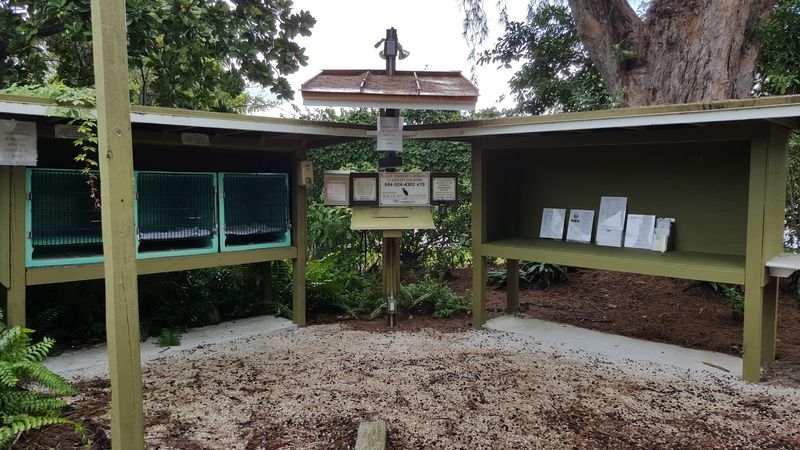
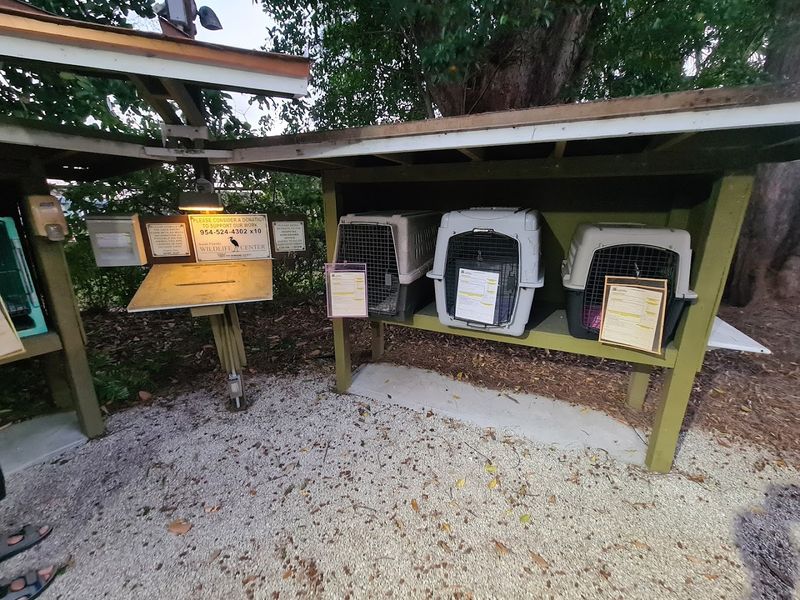
The center has clearly made it easy for community members to step in. Drop-off is available during operating hours, Monday through Sunday from 9 AM to 4:30 PM, and the facility even has crates and cages outside the entry gate for after-hours drop-offs.
That kind of setup removes a major barrier — people do not have to wait until morning or figure out how to keep a wild animal safe overnight in their home.
Reviewers describe the intake process as smooth and stress-free. Staff greet arrivals with warmth rather than judgment, which matters a lot when someone shows up nervous and unsure if they handled the situation correctly.
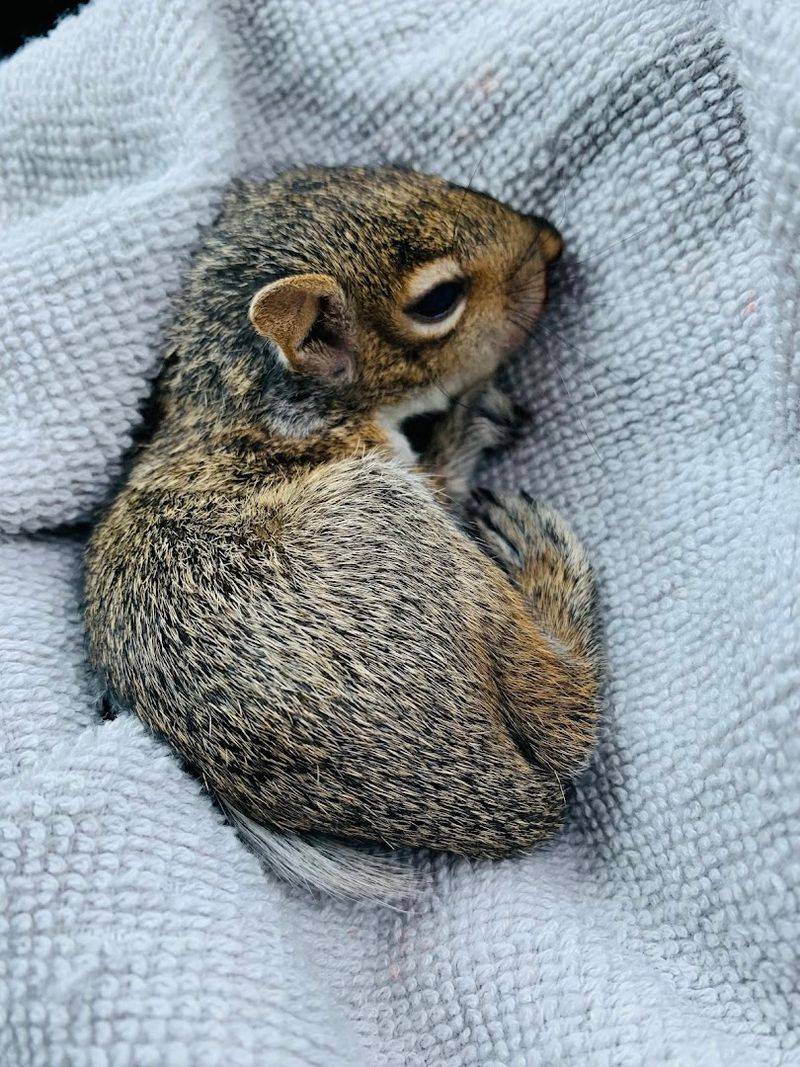
One person brought in a baby squirrel after spending 24 hours trying to reunite it with its mother. The team praised their effort and took over without making the person feel like they had done anything wrong.
That welcoming culture is intentional. When people feel good about their experience, they come back, they tell their neighbors, and they donate.
The center openly encourages donations at drop-off, and many visitors choose to contribute on the spot. Building that feedback loop between community action and organizational support is exactly how a nonprofit wildlife hospital stays operational year after year in a city as busy as Fort Lauderdale.
Native Florida Species Are the Heart of the Work
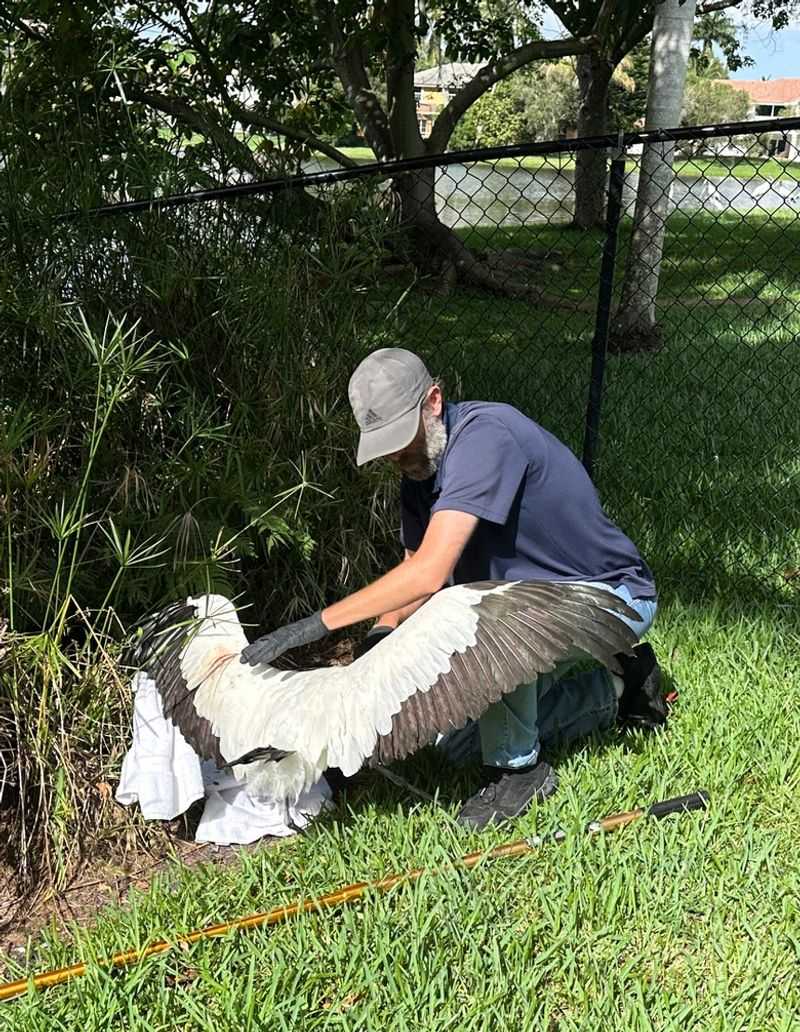
Florida is home to an extraordinary range of native wildlife, and the South Florida Wildlife Center has made protecting those species its entire reason for existing. Wood Storks, Eastern Screech Owls, red-shouldered hawks, ospreys, egrets, opossums, raccoons, snakes, squirrels, and baby ducks — these are not exotic imports.
They are the animals that belong here, and they face real threats every single day from habitat loss, vehicle strikes, fishing line entanglement, and disease.
Botulism, for example, is a serious concern for wading birds in South Florida. One reviewer described an egret that had been struggling in a backyard lake for three days, unable to fly.
When a SFWC team member arrived, she netted the bird gently, examined it on the spot, and transported it for treatment. Follow-up communication revealed the bird was suffering from a form of botulism — a diagnosis that required professional veterinary intervention to even identify, let alone treat.
Snakes are another native species that benefits from the center’s work, even though they are often the least beloved animals in the lineup. The fact that SFWC performs surgery on injured snakes and releases them back into the wild reflects a commitment to ecological completeness.
Every native species has a role to play in Florida’s ecosystem, and losing even one population has ripple effects that stretch far beyond what most people consider.
The center focuses on native wildlife specifically because those are the animals that Florida law and ecological science prioritize for rehabilitation and release. That focus keeps the mission clear and the resources targeted.
When you support SFWC, you are not just helping individual animals — you are contributing to the broader health of South Florida’s natural environment.
Transparent Communication Sets This Place Apart
One of the quieter superpowers of the South Florida Wildlife Center is how well it communicates. When people hand over an animal they found injured, they are handing over something they care about — and the anxiety of not knowing what happens next is real.
SFWC addresses that directly by keeping finders informed with updates, medical summaries, and honest explanations of outcomes, even when those outcomes are difficult to hear.
Multiple reviewers mentioned receiving detailed follow-up messages after dropping off animals. One person got a full written breakdown of the Eastern Screech Owl’s medical assessment, including what treatments were given and what the recovery plan looked like.
Another was told to send an email after dropping off an injured egret, and the team responded with a full update once they had more information. That follow-through is not something every wildlife center prioritizes.
Transparency also means being honest when outcomes are not positive. Several reviewers shared experiences where animals did not survive, and in each case, the staff made sure the person understood what happened and why.
One reviewer noted that staff explained everything clearly, including the reasoning behind difficult decisions, and that the facility looked clean and orderly throughout. That kind of accountability builds real trust.
Hard conversations are part of wildlife rehabilitation. Not every animal can be saved, and sometimes euthanasia is the most humane option available.
SFWC does not shy away from those realities, but it also does not deliver them coldly. The approach is compassionate and educational — helping community members understand wildlife medicine rather than leaving them confused or upset.
For an organization running entirely on donations and community goodwill, that level of communication is both admirable and strategically smart.
Donations Keep Every Rescue Possible
There is no government check covering the full cost of wildlife rehabilitation in South Florida. The South Florida Wildlife Center runs as a nonprofit, which means every surgery, every bag of fluids, every ICU night, and every mobile rescue trip is funded by the people who believe this work matters.
Donations are not just appreciated here — they are the entire engine keeping the operation alive.
Visitors consistently mention donating at drop-off, and many do so spontaneously after seeing the facility and meeting the staff. One reviewer donated $25 after bringing in a baby raccoon with a broken leg.
Another committed to making a donation after a team member responded quickly and compassionately to a raccoon removal call. Small amounts add up, and the center makes it easy to contribute in the moment when the emotional connection is strongest.
Beyond cash donations, the center benefits from community advocacy. Every five-star review, every social media share, and every word-of-mouth recommendation brings in new supporters who might not have known the center existed.
Reviewers regularly encourage others to donate, and the center’s own responses to reviews reinforce that message without being pushy about it. That organic generosity is a sign of a genuinely trusted organization.
For anyone looking to give, the center’s website at southfloridawildlifecenter.org provides options for one-time and recurring donations. Supporting ambassador animal adoptions is another way to contribute while staying connected to a specific animal’s story.
The financial reality of wildlife rehabilitation is demanding — veterinary supplies, staff training, facility maintenance, and fuel for mobile rescues all cost money. Every dollar donated directly extends the reach and impact of what this Fort Lauderdale team is able to accomplish each day.
How to Reach the Center When You Need Help Fast
Stumbling across an injured animal is stressful, especially if you have never dealt with wildlife before. Knowing exactly who to call — and what to expect — makes the whole situation much more manageable.
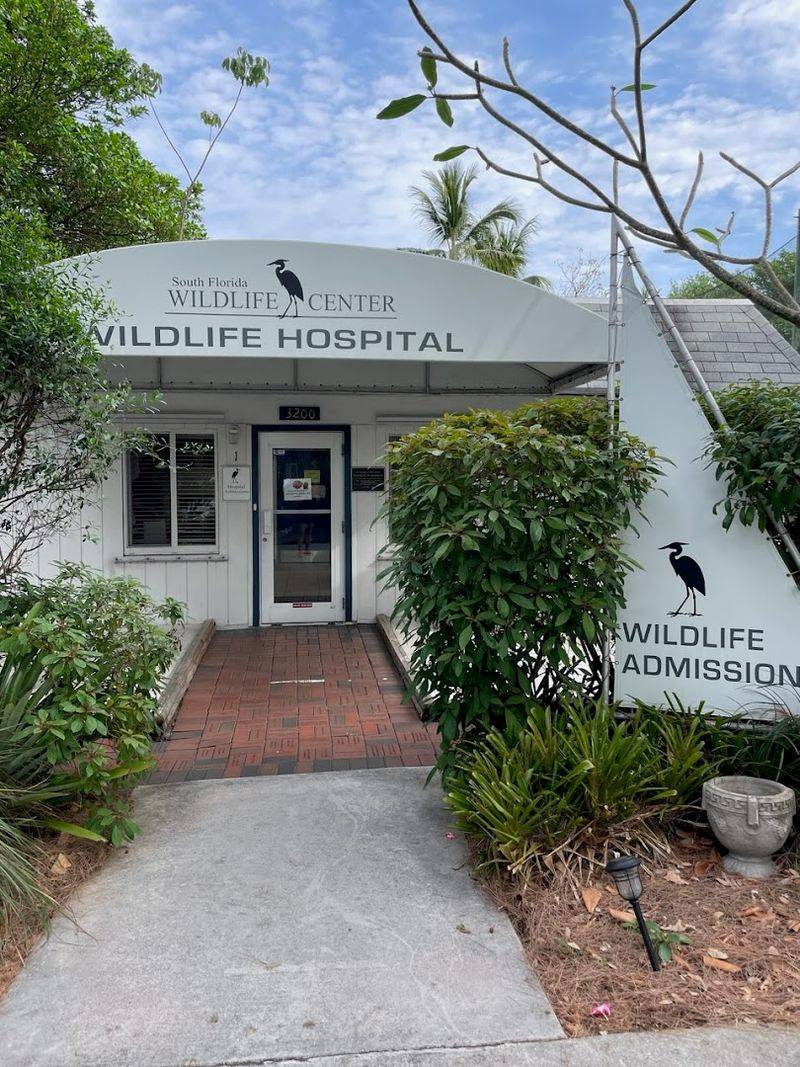
The South Florida Wildlife Center is reachable by phone at +1 954-524-4302, and the team is known for picking up quickly and walking callers through next steps with patience and clarity.
Operating hours run Monday through Sunday, 9 AM to 4:30 PM, which covers most of the day across every day of the week. That seven-day schedule is genuinely useful in a region where wildlife emergencies do not follow a Monday-to-Friday calendar.
After hours, the facility has crates and cages set up outside the entry gate at 3200 SW 4th Ave so that animals can be safely dropped off even when staff are not on-site.
If you find an animal and are unsure whether it actually needs help, calling first is always the right move. The team can help you assess the situation over the phone and advise whether intervention is necessary or whether the animal is better left alone.
Not every animal that looks distressed actually needs rescuing — and the center’s knowledgeable staff can help you make that call without wasting anyone’s time.
For those who prefer digital communication, the center’s website at southfloridawildlifecenter.org offers additional resources and contact options. Reviewers have also mentioned text communication working well for follow-up questions.
Whether you are dealing with a hawk on your lawn, a baby opossum in your garage, or an injured turtle near a busy road, SFWC is the number to have saved in your phone if you live anywhere in South Florida. Being prepared before an emergency happens is the smartest thing any wildlife-conscious Floridian can do.