This Hidden South Jacksonville Spot Is One of the City’s Best-Kept Secrets
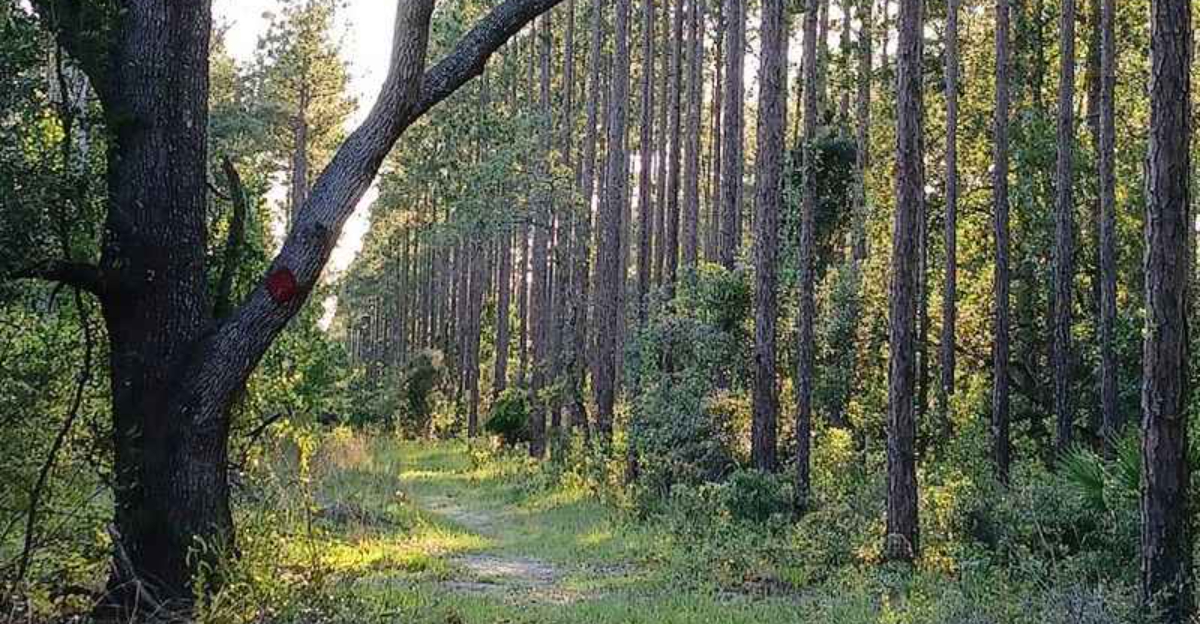
Tucked away in St. Johns County, Gourd Island Conservation Area is the kind of place locals whisper about but rarely shout from the rooftops. This 400-acre nature preserve offers a refreshing escape from strip malls and traffic, where dense oak hammocks and wetlands create a surprisingly wild atmosphere just minutes from civilization. Whether you’re looking for a peaceful morning hike, a quick bike ride, or simply a place to reconnect with Florida’s natural side, this hidden gem delivers an authentic outdoor experience that feels worlds away from the suburban sprawl surrounding it.
1. A Forest That Feels Forgotten by Time
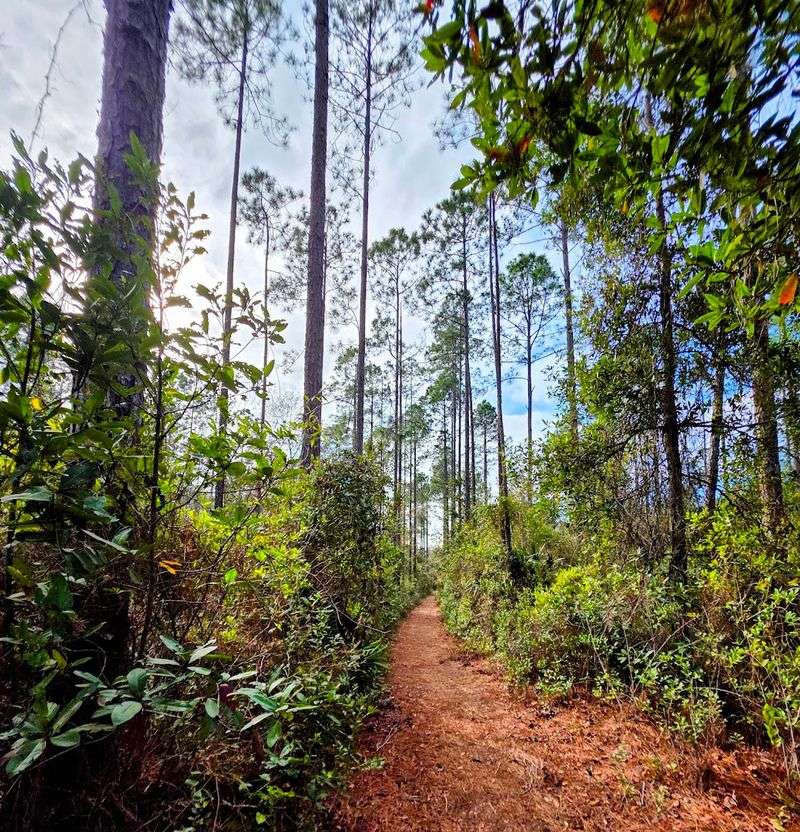
Walking into Gourd Island feels like stepping through a portal into old Florida. The canopy overhead creates a natural ceiling of oak branches draped with Spanish moss, while the understory remains thick with native vegetation that hasn’t been manicured or tamed. You’re not on a paved nature trail with interpretive signs every fifty feet—this is the real deal.
The forest here switches personalities as you walk deeper. Dry pine hammocks give way to wetter areas where cypress knees poke up from standing water, especially after heavy rains. It’s the kind of terrain that keeps you alert and engaged rather than zoning out on autopilot.
What makes this place special is how genuinely wild it feels despite being surrounded by development. Gas stations and shopping centers exist just beyond the tree line, but once you’re inside, those modern conveniences vanish completely. The dense vegetation muffles outside noise, replacing it with bird calls and rustling leaves.
First-time visitors often express surprise at finding such an untouched landscape so close to residential neighborhoods. That’s exactly what makes Gourd Island worth protecting and visiting repeatedly.
2. Trail System That Actually Challenges You
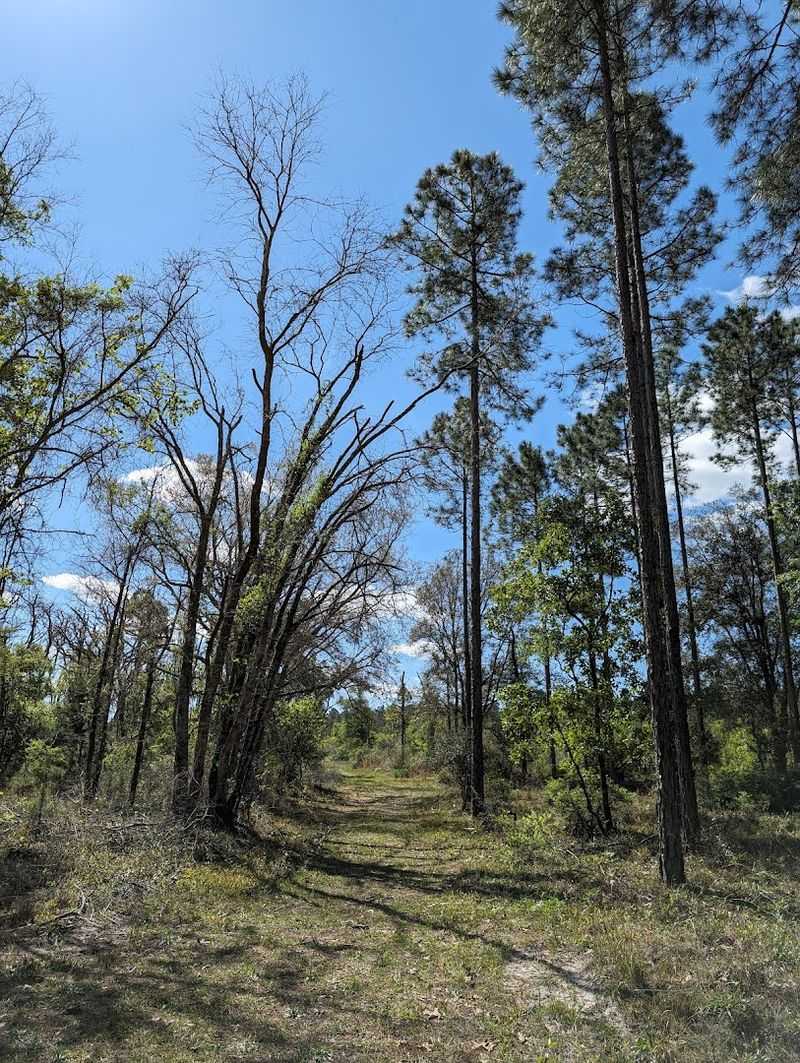
Forget those boring boardwalk loops where you can push a stroller without breaking a sweat. Gourd Island’s trail system demands a bit more from your legs and attention span. The white-to-red trail configuration covers roughly four miles of varied terrain that keeps things interesting from start to finish.
Trail blazes are clearly marked and easy to follow, which matters when you’re navigating through areas where the canopy blocks GPS signals. Smart hikers download the Avenza Map App before arriving, which works with the St. Johns Water Management District park map to show your exact location even without cell service. It’s a game-changer for planning water breaks and pacing yourself.
The trails aren’t technical or dangerous, but they’re not flat concrete either. Expect exposed roots, occasional muddy patches, and natural obstacles that require you to watch your footing. Runners appreciate the firm but forgiving surface that’s easier on joints than pavement.
Limited parking means you’ll want to arrive early on weekends. Once you’re on the trail though, you’ll likely have long stretches completely to yourself, which is increasingly rare in Northeast Florida’s crowded outdoor spaces.
3. Wetlands That Shift With the Seasons
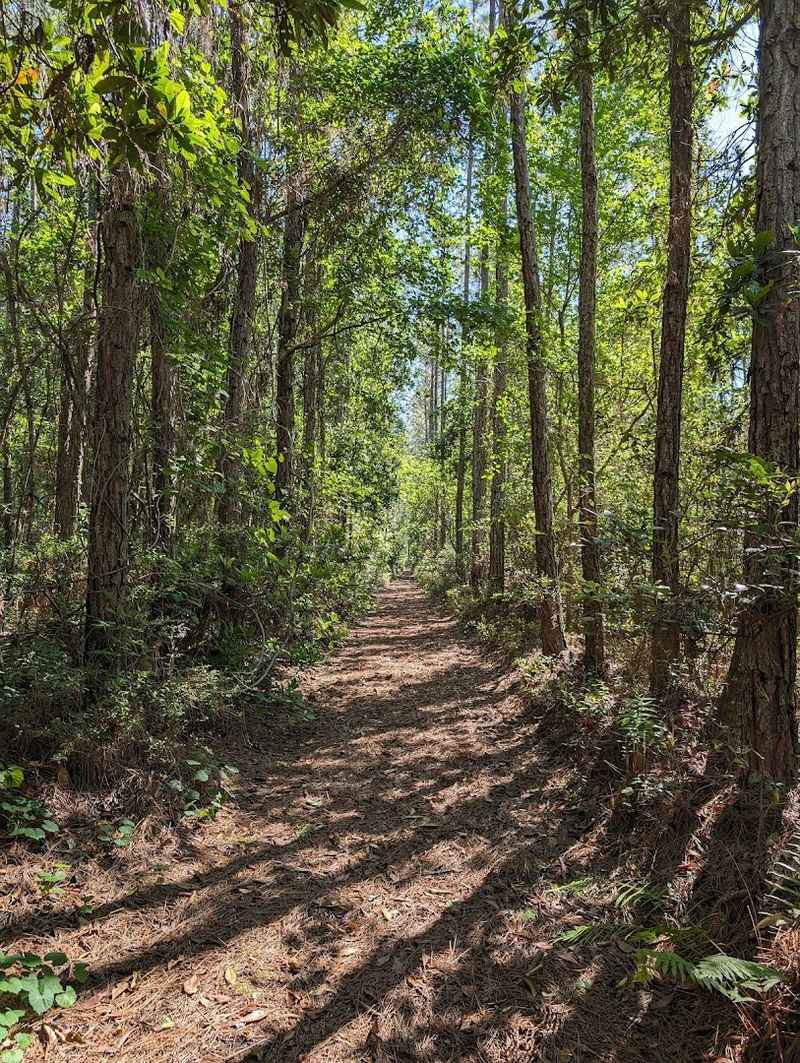
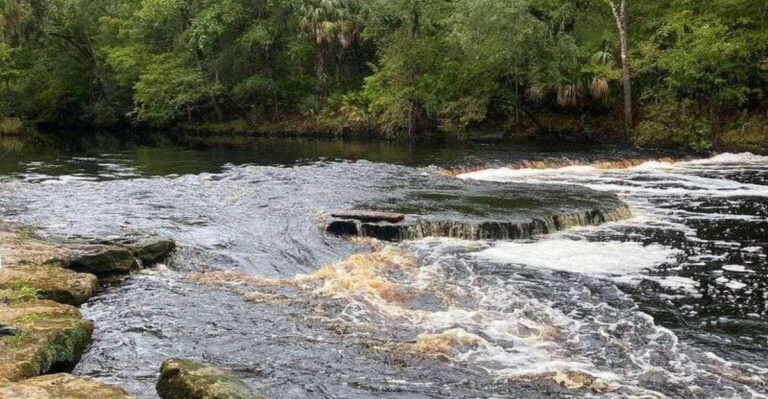
Gourd Island’s wetlands aren’t static features you can predict from one visit to the next. Depending on rainfall and season, areas that were bone-dry last month might require careful navigation around standing water today. This constant change keeps the landscape feeling alive and unpredictable.
The swampy sections support a completely different ecosystem than the drier hammocks. Cypress trees dominate these wetter zones, their distinctive knees creating natural sculptures that photographers love. Frogs and wading birds thrive here, adding soundtrack and movement to areas that might otherwise feel still.
Summer visits typically mean encountering more water, while winter and spring often allow easier passage through these transitional zones. Neither experience is better—they’re just different flavors of the same wild space. Some visitors specifically time their trips to catch the wetlands at their fullest.
The blend of dry and wet habitats within such a compact area creates exceptional biodiversity. You’ll spot species that prefer upland forests and water-loving creatures within the same hike, making wildlife watching more productive than single-habitat preserves. Just remember that wet doesn’t mean impassable; it simply means paying attention to where you step.
4. Bird Watching Without the Crowds
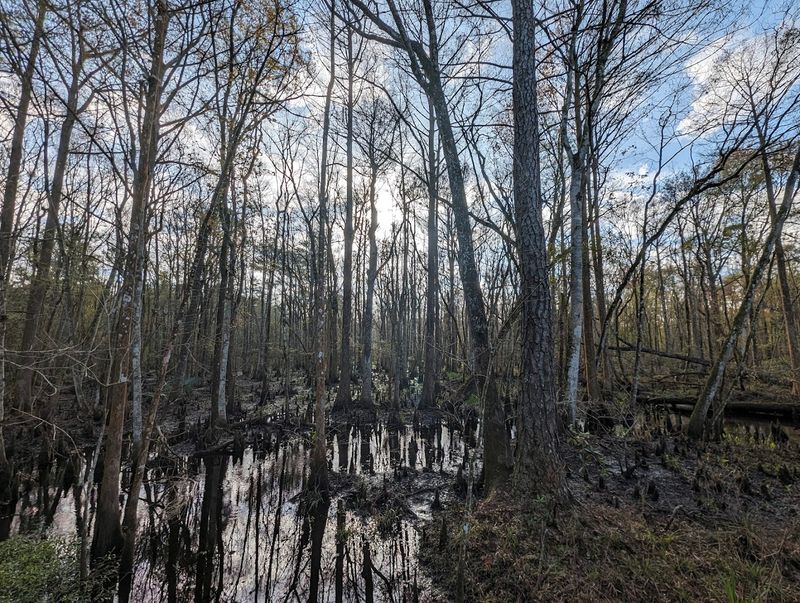
Serious birders have quietly added Gourd Island to their regular rotation, and for good reason. The mix of habitats attracts an impressive variety of species throughout the year, from woodpeckers hammering away at dead snags to warblers flitting through the understory during migration seasons.
What you won’t find here are crowded observation platforms or guided bird walks that spook everything with feathers. Instead, you get authentic field conditions where patience and quiet movement actually pay off. The limited visitor traffic means birds behave more naturally, going about their business without constant human interruption.
Early morning visits produce the best results, particularly in spring when breeding activity peaks. Bring binoculars and a field guide, but leave expectations of guaranteed sightings at home. This isn’t a zoo—it’s a real ecosystem where animals operate on their own schedule.
The diverse tree species and varied understory create multiple feeding and nesting zones within a small area. You might spot a pileated woodpecker in the mature oaks, then stumble upon wading birds in the wetlands minutes later. That ecological variety concentrates bird diversity in ways that single-habitat preserves simply can’t match.
5. Mountain Biking With a Natural Edge
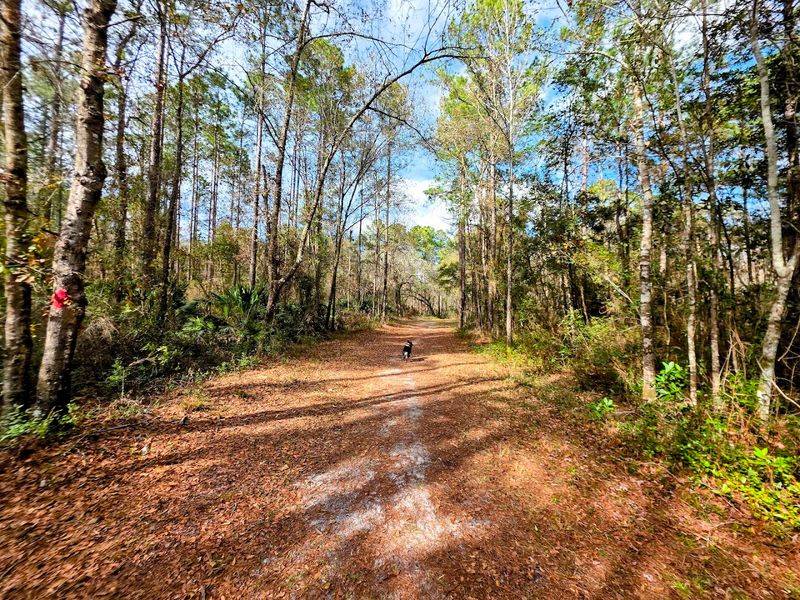
Cyclists looking for something beyond paved rail-trails find Gourd Island surprisingly satisfying. The natural surface trails offer enough technical interest to stay engaging without requiring expert skills or full suspension bikes. Roots, slight elevation changes, and varying surface conditions keep your attention focused.
The four-mile loop provides a solid workout without eating up your entire morning. Riders can complete it in under an hour at a moderate pace, making it perfect for before-work sessions or quick afternoon escapes. The relatively flat terrain means you’re not grinding up brutal climbs, but the natural obstacles prevent it from feeling boring.
Recent visitors rave about the sensory experience—bird songs, rustling wildlife, and the smell of pine and oak replacing car exhaust and urban noise. There’s something genuinely freeing about pedaling through legitimate forest rather than manicured park paths where you’re constantly watching for pedestrians and dogs.
The limited parking naturally controls trail traffic, so you’re unlikely to encounter the congestion that plagues more popular biking spots. Just remember this is a multi-use trail, so yield appropriately to hikers and stay alert around blind corners where the dense vegetation limits sightlines.
6. Managed by People Who Actually Care
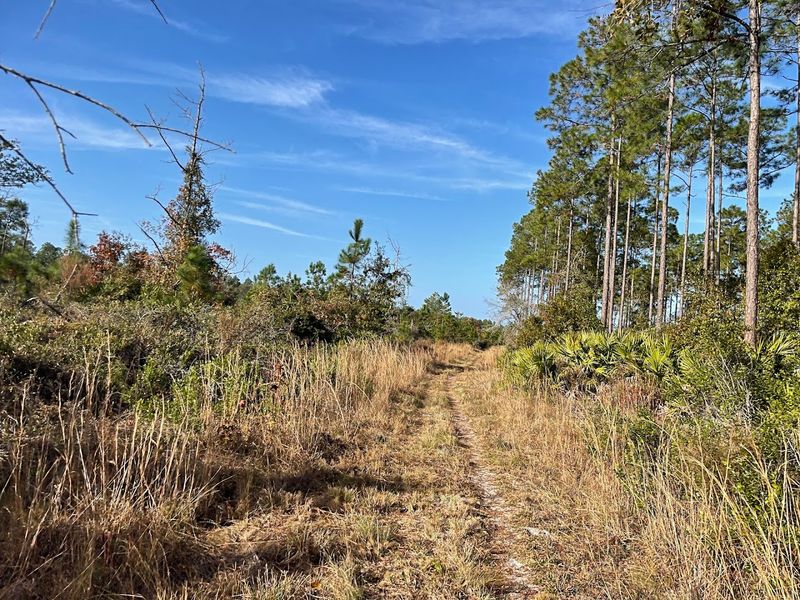
The St. Johns River Water Management District doesn’t just own Gourd Island—they actively manage it with conservation priorities front and center. This isn’t a park designed primarily for human recreation with nature as background scenery. Instead, it’s a protected ecosystem where public access is permitted as long as visitors respect the primary mission of habitat preservation.
That management philosophy shows in subtle ways. You won’t find concession stands, playgrounds, or other amenities that would increase visitor traffic and impact. The limited parking isn’t an oversight—it’s an intentional design choice that prevents overuse and maintains the area’s wild character.
The QR code system for accessing maps demonstrates smart stewardship that balances visitor needs with minimal infrastructure. Rather than installing permanent kiosks that require maintenance and create visual clutter, they’ve leveraged technology to provide information without physical footprint. It’s thoughtful management that prioritizes the resource over convenience.
This approach means Gourd Island will never become Instagram-famous with massive crowds and degraded trails. For visitors who value authentic natural experiences over amenity-packed parks, that’s exactly the point. The Water Management District has created something increasingly rare: protected land that remains genuinely wild and accessible simultaneously.
7. Location That Defies Its Surroundings
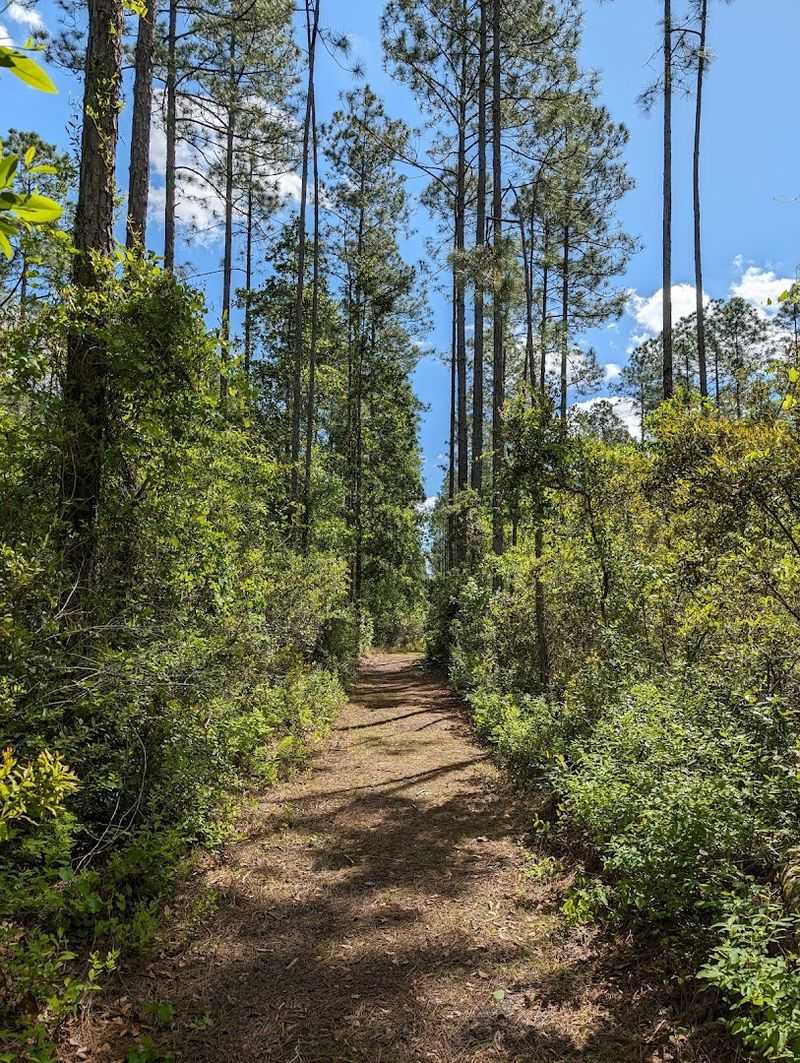
Perhaps the most remarkable thing about Gourd Island is its context. This isn’t a remote wilderness requiring hours of driving down rural roads—it’s wedged into the suburban fabric of St. Johns County, surrounded by the gas stations and subdivisions that define modern Northeast Florida development patterns.
One reviewer nailed it by calling it a “piece of nature in gas station to gas station county.” That description captures both the area’s value and its vulnerability. The fact that 400 acres of genuine forest survived the development boom that transformed surrounding lands makes it precious by default.
Getting there requires just minutes from major thoroughfares, yet once inside, you’d never know civilization exists nearby. The dense vegetation and thoughtful buffer zones create effective separation between the preserve and its developed surroundings. It’s a masterclass in how conservation areas can function even in heavily populated regions.
This accessibility means you can genuinely incorporate Gourd Island into regular routines rather than treating it as a special-occasion destination. Before-work hikes, lunch-break bike rides, and after-school nature walks all become realistic options. That convenience factor transforms how people interact with nature, shifting it from occasional recreation to regular practice.
8. The Kind of Secret Worth Keeping
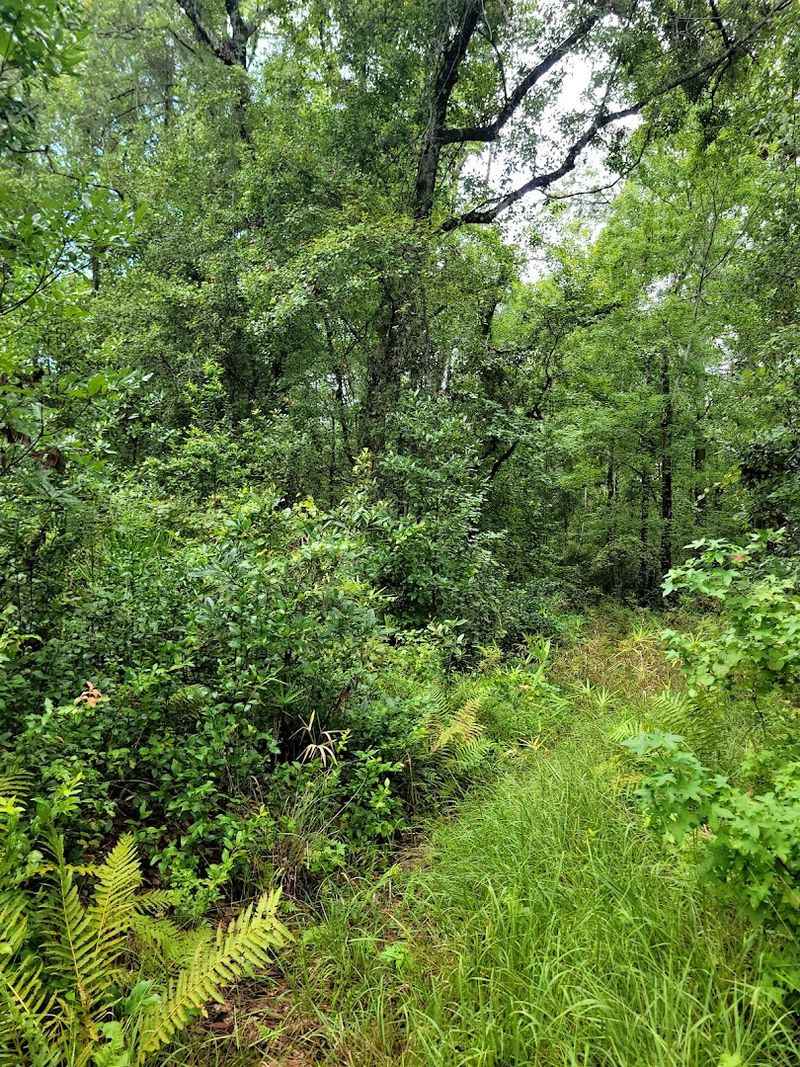
There’s an interesting tension around places like Gourd Island. Part of you wants to shout about discovering such a great spot, while another part wants to keep it quiet so it doesn’t get loved to death. Limited parking naturally caps visitor numbers, but increased awareness could still change the experience.
The current vibe feels refreshingly uncommercialized. Nobody’s selling you anything or trying to manufacture an experience. You simply show up, walk into the woods, and engage with nature on its own terms.
That authenticity is increasingly rare and worth protecting through mindful use.
Regular visitors tend to develop almost protective feelings about the place. They pick up trash left by less considerate users, stick to established trails to prevent erosion, and generally treat it like the valuable resource it is. That sense of stewardship happens naturally when people feel connected to specific places.
So yes, Gourd Island deserves recognition as one of South Jacksonville’s best-kept secrets. But maybe the best way to honor it is by visiting respectfully, leaving no trace, and understanding that some places remain special precisely because they haven’t been discovered by everyone. The secret isn’t the location—it’s knowing how to appreciate what makes it worth protecting.