This Florida Bird Sanctuary Lets You Walk Among Rescued Seabirds for Free
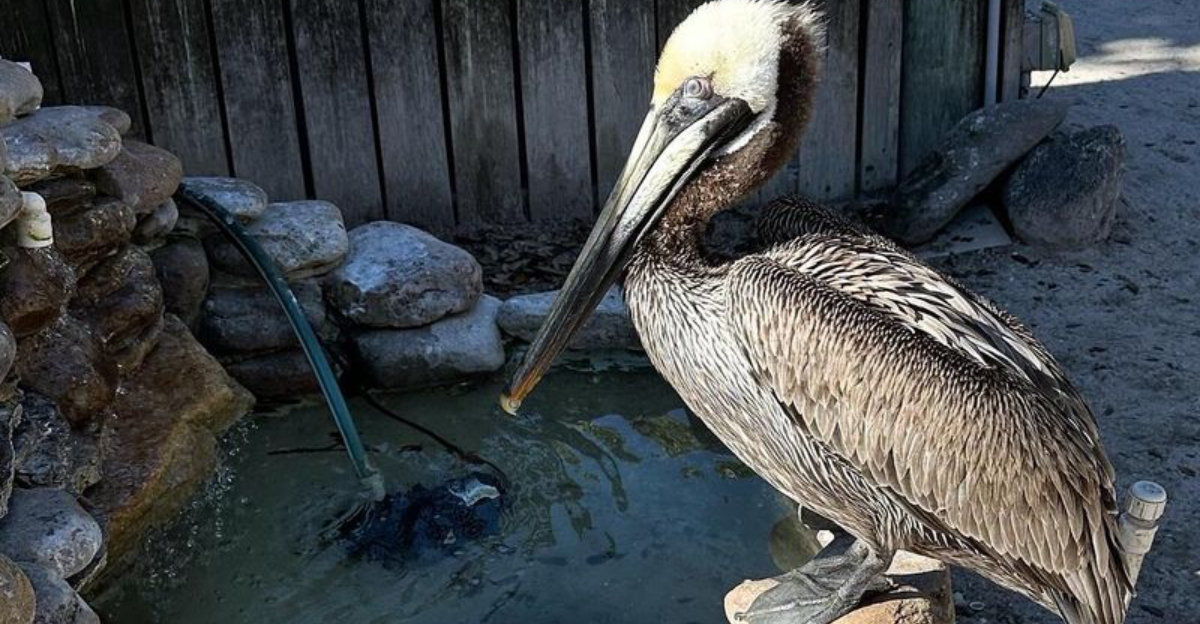
Tucked along Gulf Boulevard in Indian Shores, the Seaside Seabird Sanctuary opens its doors daily to anyone who wants to meet rescued pelicans, owls, eagles, and dozens of other feathered Floridians. No tickets, no entrance fees, just you and the birds sharing the same sandy pathways under the Gulf Coast sun. Since its founding, this nonprofit wildlife hospital has treated thousands of injured seabirds, giving permanent homes to those who can’t return to the wild while rehabilitating others for release back into Florida’s skies and wetlands.
1. Walk Freely Among Resident Birds
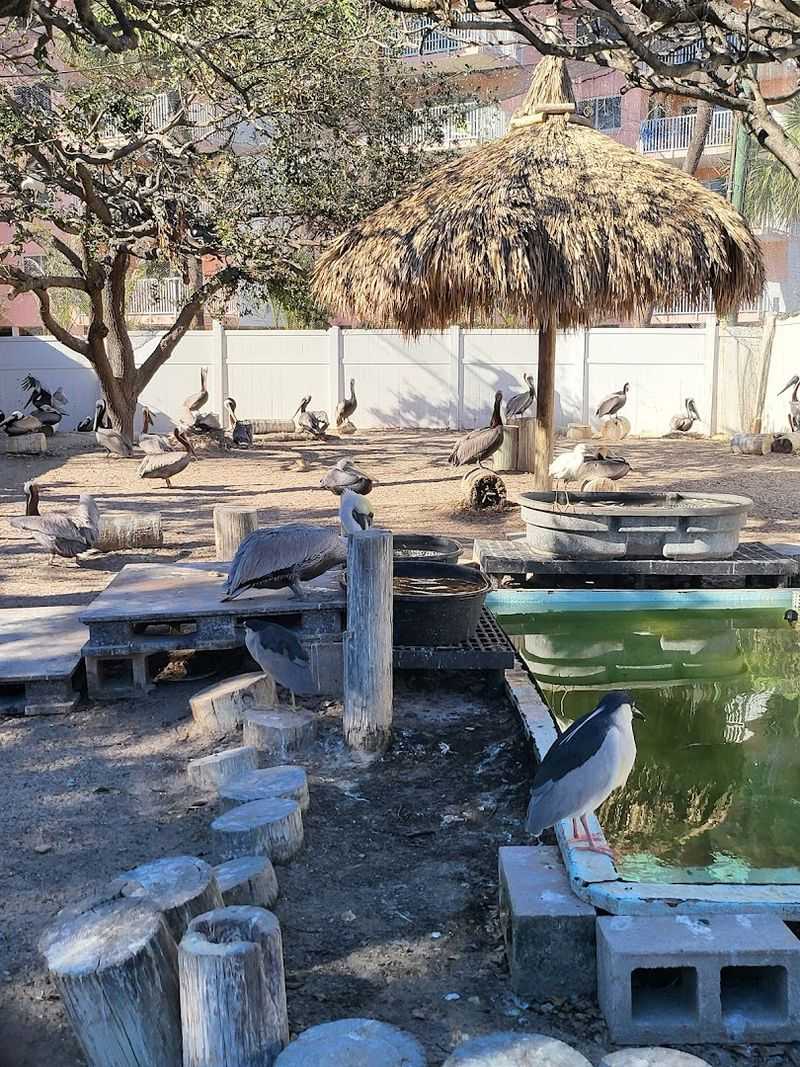
You won’t find ropes or barriers keeping you at arm’s length here. The sanctuary’s design lets you stroll right past enclosures where pelicans waddle, owls blink, and hawks perch just a few feet away. Some of the friendlier former patients even roam the grounds freely, completely unbothered by human company.
Paths wind through shaded areas and open courtyards where you might spot an ibis strutting past or a pelican sunbathing on the walkway. Staff and volunteers often bring birds out for closer looks, especially if you visit during feeding times or educational sessions. It’s not a zoo vibe—it feels more like visiting a neighbor’s backyard where the neighbors just happen to have wings.
The whole experience takes about thirty to forty-five minutes if you’re moving at a relaxed pace, reading the plaques, and soaking in the details. Families with young kids love it because there’s no pressure to rush, and the birds provide endless entertainment. Bring a camera, stay curious, and don’t be surprised if a pelican photobombs your selfie.
2. Meet Roosevelt the Bald Eagle
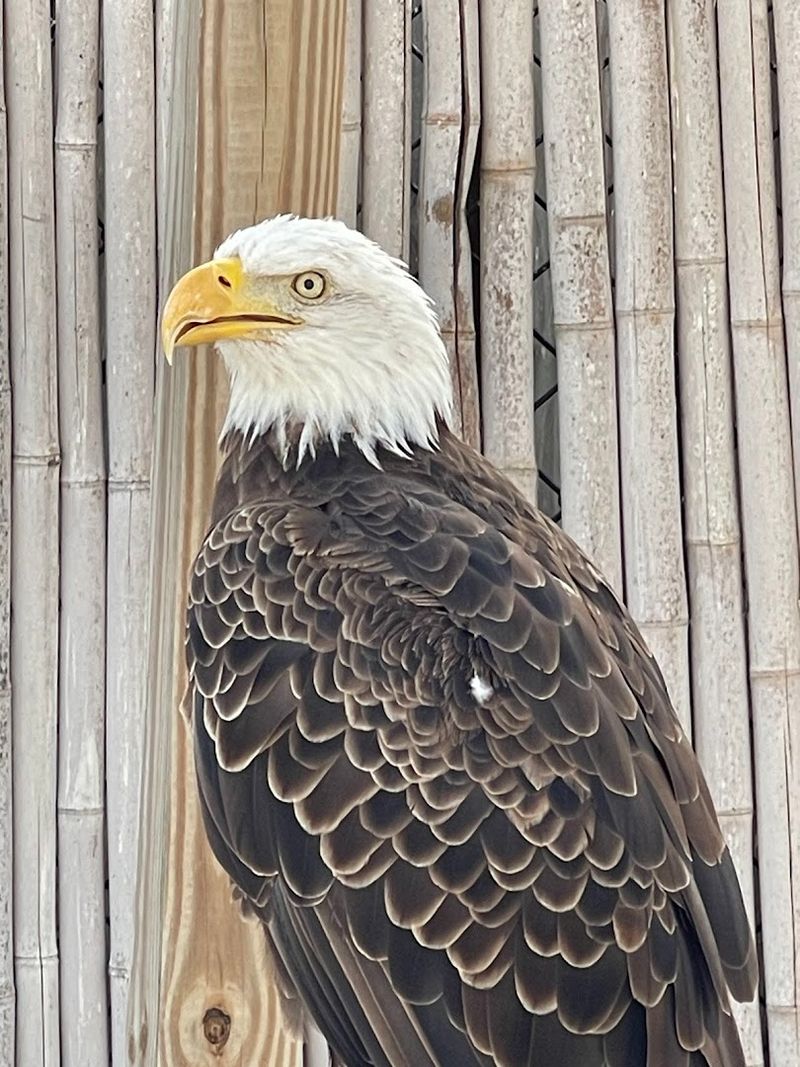
Roosevelt didn’t choose this life, but he’s made the most of it. This bald eagle can’t fly anymore thanks to a gunshot wound that left him grounded for good. Instead of fading away, he became one of the sanctuary’s most recognizable residents, holding court in his enclosure with all the dignity you’d expect from America’s national bird.
Visitors stop and stare, kids press their noses to the fence, and everyone leaves with a little more respect for the work the sanctuary does. Roosevelt’s story isn’t just sad—it’s a reminder of why places like this matter. His presence educates thousands of people every year about the dangers birds face and the importance of protecting them.
Staff members know him well and often share updates about his personality quirks and daily routines. He’s named perfectly—strong, stoic, presidential. Seeing him up close is one of those moments that sticks with you long after you’ve left the sanctuary, a living symbol of resilience and second chances in a world that doesn’t always offer them.
3. Watch Pelican Feeding Time
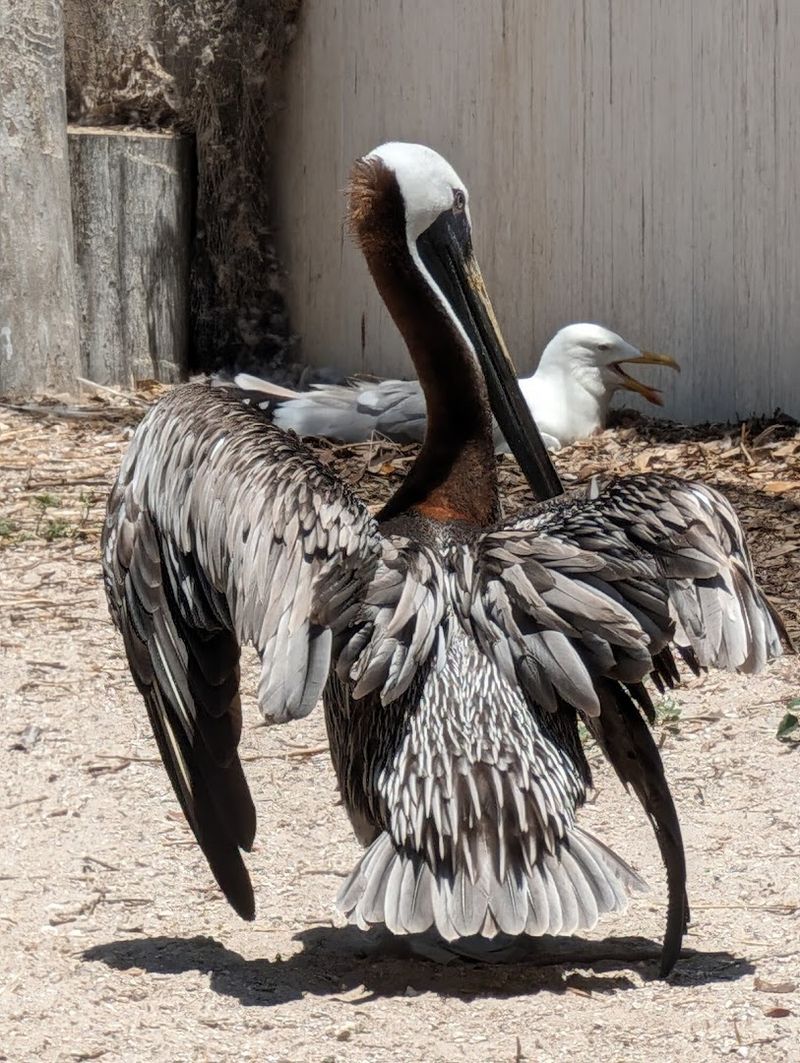
Scheduled feedings turn the sanctuary into a full-blown pelican party, with dozens of these big-beaked birds crowding around staff members like kids waiting for ice cream. The energy shifts instantly—calm birds suddenly become animated, jostling for position and flapping their impressive wings. It’s chaotic, loud, and absolutely worth timing your visit around.
Pelicans are the sanctuary’s most visible patients, and many of them stick around even after they’re healed because, honestly, why leave when the fish delivery is reliable? White pelicans, brown pelicans, and everything in between gather in groups that can number in the dozens. Their size alone is startling—these aren’t dainty songbirds.
Feeding times are posted, though they can shift depending on staffing and bird needs, so it’s smart to ask when you arrive. Some visitors have mentioned waiting and not seeing a feeding happen, so flexibility helps. When it does go down, though, it’s a spectacle you won’t forget.
The sounds, the movement, the sheer number of beaks—it’s nature at its messiest and most magnificent.
4. Explore the Osprey Observation Tower
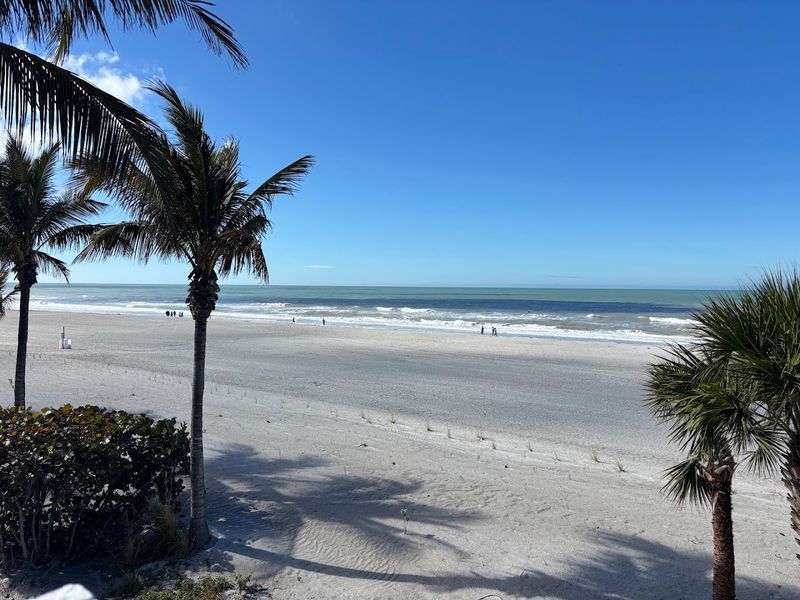
Climb a few flights of stairs and suddenly you’re above it all—the sanctuary, the beach, the endless blue stretch of the Gulf. The osprey observation tower gives you a bird’s-eye view, literally, with active nests perched right on top where ospreys raise their young season after season. It’s a peaceful spot to catch your breath and take in the bigger picture.
From up here, you can see how the sanctuary sits right on the coastline, with beach access just steps away. Ospreys circle overhead, scanning the water for fish, while below you the sanctuary’s residents go about their day. It’s a perspective shift that reminds you why this location matters—these birds live at the intersection of land and sea.
The tower isn’t just for views. It’s educational, with information about ospreys, their nesting habits, and their role in Florida’s coastal ecosystem. Birders love it, photographers use it for angles, and anyone who just needs a quiet moment away from the ground-level buzz finds it here.
Don’t skip this part of your visit.
5. Support Through the Gift Shop
The gift shop isn’t your typical tourist trap stocked with generic Florida keychains. Everything here ties back to the sanctuary’s mission, from stickers and hats featuring the logo to locally made items that celebrate Gulf Coast wildlife. Prices are reasonable, and every purchase directly supports the birds’ care and the facility’s operations.
Visitors rave about how well-curated and fairly priced the selection is. You can grab a souvenir that actually means something, whether it’s a T-shirt, a plush pelican for the kids, or a book about Florida’s seabirds. The staff running the shop are usually volunteers who know the sanctuary inside and out, so they’re happy to chat about the birds or recommend items.
Since admission is free, buying something from the gift shop is one of the easiest ways to give back. Think of it as paying your entrance fee after the fact, but with a tangible reminder of your visit. Whether you spend five bucks or fifty, it all goes toward keeping this place running and the birds thriving.
6. Learn from Knowledgeable Volunteers
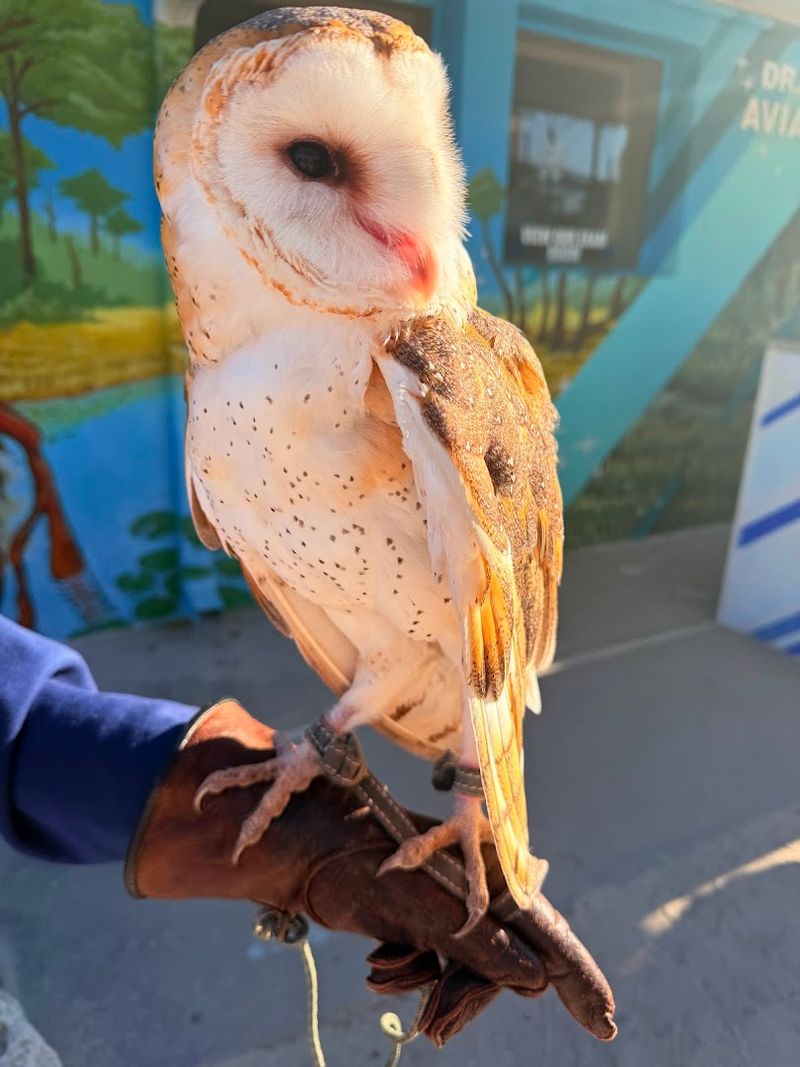
The people who run this place aren’t just clocking in for a paycheck—they’re here because they genuinely care about the birds. Volunteers make up a huge part of the sanctuary’s workforce, and their passion shows in every interaction. They’ll stop mid-task to answer questions, share stories about individual birds, or explain the rehabilitation process in detail.
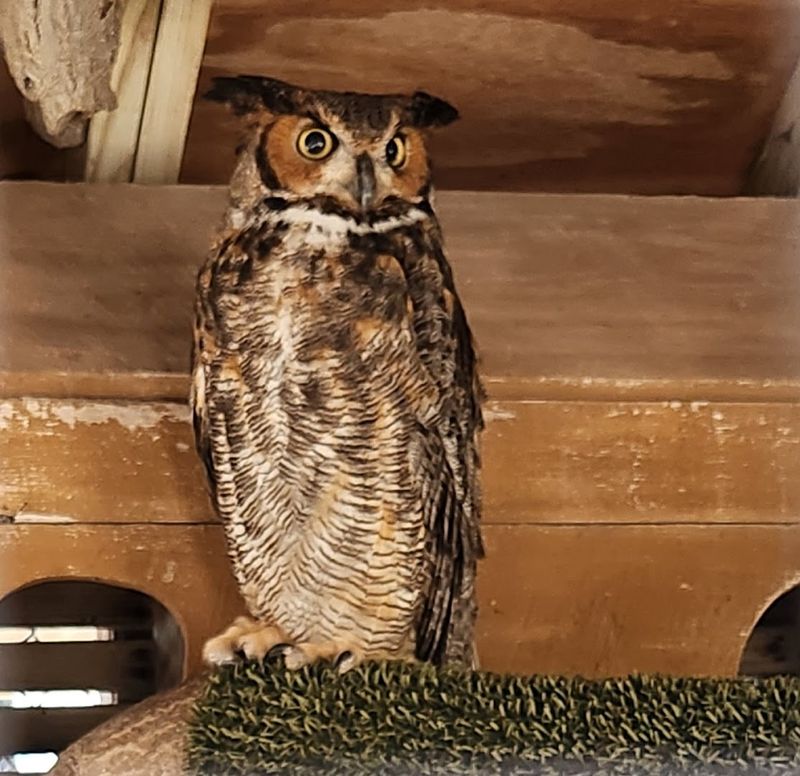
Many of them have been volunteering for years, building relationships with the birds and becoming walking encyclopedias of sanctuary knowledge. They know which owl is the grumpiest, which pelican has the biggest personality, and exactly why that hawk can’t be released. Their insights turn a casual visit into an educational experience without ever feeling like a lecture.
Don’t be shy about asking questions. These folks love talking about their work, and they appreciate visitors who show genuine interest. Whether you’re curious about a specific bird, the sanctuary’s history, or how you can help, they’ve got answers.
Their enthusiasm is contagious, and it’s a big part of what makes the sanctuary feel so welcoming and community-driven.
7. Discover the On-Site Avian Hospital
Behind the scenes, the sanctuary operates a full-fledged avian hospital where injured and sick birds receive medical treatment from trained professionals. You won’t tour the operating rooms, but knowing the facility exists adds weight to everything you see out front. Every bird in an enclosure has a story, and many of those stories began in the hospital’s examination rooms.
The sanctuary treats thousands of birds annually, from pelicans tangled in fishing line to owls hit by cars to baby birds fallen from nests. Some recover and get released back into the wild within weeks. Others, like Roosevelt the eagle, sustain injuries too severe for survival outside captivity, so they become permanent residents and ambassadors for their species.
This isn’t just a petting zoo with a few cages. It’s a legitimate wildlife rescue operation doing critical conservation work along Florida’s Gulf Coast. The hospital’s presence elevates the entire sanctuary, transforming it from a nice place to see birds into a vital resource for the region’s ecosystem.
Your visit and donations help keep those hospital doors open.
8. Enjoy Free Admission and Beach Access
Zero dollars gets you through the gate, which is almost unheard of for a quality wildlife experience in Florida. The sanctuary operates entirely on donations, grants, and gift shop sales, trusting that visitors will recognize the value and contribute what they can. There’s no guilt trip, no mandatory fee, just an open invitation to come see the birds.
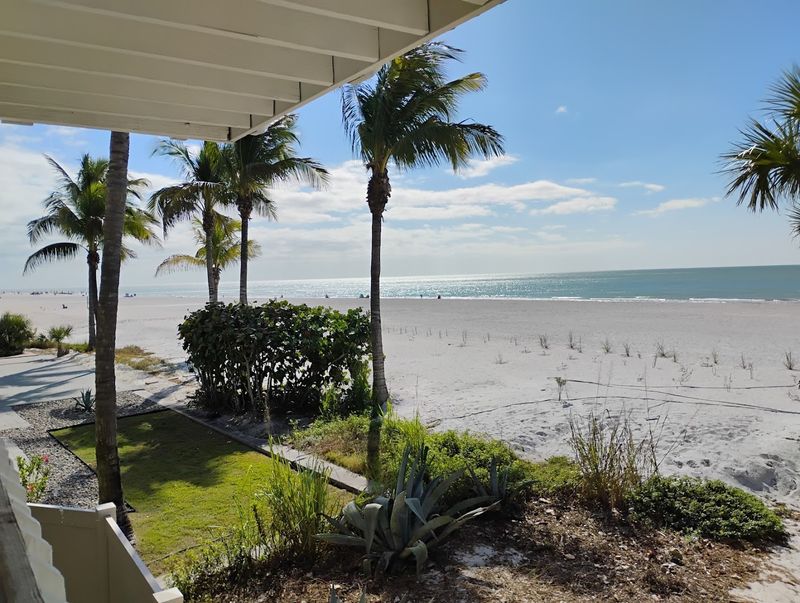
Parking can get tight, especially on weekends, with a small front lot that fills up fast. An overflow lot sits nearby, just a short walk away, and street parking works in a pinch. Some visitors arrive from the beach side, walking straight from the sand to the sanctuary grounds—a unique perk of the location.
The free admission model works because people genuinely want to support the mission once they see it in action. Donation boxes are scattered throughout the property, and most visitors drop in cash or make contributions online later. It’s a beautiful system built on trust and community goodwill, and it’s been working for decades.
Come for free, stay for the birds, leave a donation if you can.