Thousands of Sandhill Cranes Return to Florida Every Spring—Here’s Where to See Them
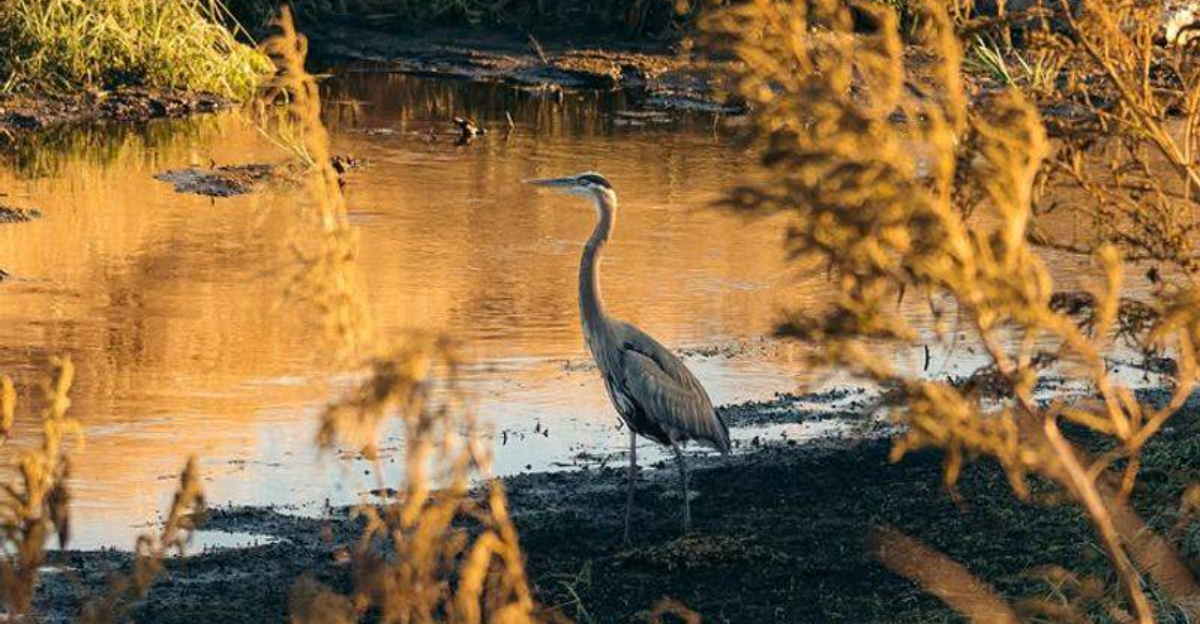
Every spring, thousands of sandhill cranes make their way back to Florida, filling the skies with their distinctive calls and graceful formations. These majestic birds, standing nearly four feet tall with wingspans stretching over six feet, create one of nature’s most impressive spectacles. Paynes Prairie Preserve State Park near Gainesville offers one of the best places in the state to witness this incredible migration and observe these ancient birds in their natural habitat.
1. Prime Viewing Location on the Migration Route
Paynes Prairie sits right along a major sandhill crane flyway, making it a natural stopping point for migrating birds each spring. The park’s 22,000 acres of wetlands, marshes, and open prairie create perfect habitat conditions that draw these birds year after year. When cranes arrive between February and early April, they gather in impressive numbers across the expansive grasslands.
The preserve’s location just south of Gainesville makes it incredibly accessible for crane watchers. Unlike more remote wildlife areas, you can reach multiple viewing spots within minutes of parking. The prairie’s flat terrain and open landscape mean you can often spot cranes from hundreds of yards away, their gray plumage and red crowns standing out against the green marsh grasses.
Early morning visits offer the best crane activity, when birds are most active and vocal. Their rattling calls echo across the prairie as they forage and interact with their mates. The park’s position along US Highway 441 also means you might catch glimpses of cranes even while driving through, though stopping at designated viewing areas provides much better experiences.
2. La Chua Trail Offers Up-Close Encounters
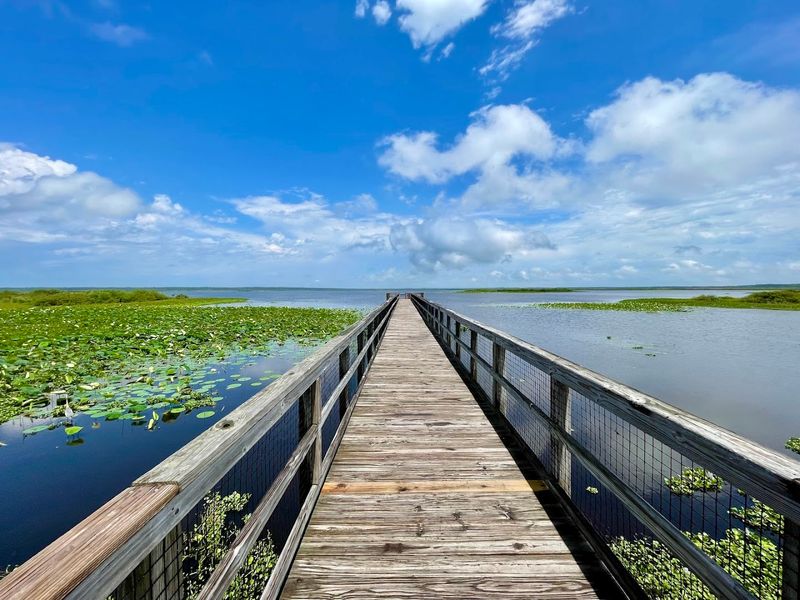
La Chua Trail ranks as the most popular spot in the entire park for sandhill crane viewing, and for good reason. This 3-mile out-and-back trail takes you deep into prime crane habitat where birds regularly feed and rest during spring migration. The wide, flat pathway makes walking easy for all ages and fitness levels, letting you focus on the wildlife instead of tricky terrain.
What makes La Chua special is how close cranes come to the trail. These birds have grown accustomed to respectful human presence, so they continue their natural behaviors while you watch from just yards away. You’ll see them probing the ground with their long beaks, searching for roots, insects, and plant tubers.
Pairs often travel together, performing their famous unison calls that sound like ancient trumpets.
The trail also passes through diverse habitats including oak hammocks and open marshes. Alligators sun themselves along the water’s edge, and wild horses sometimes graze in distant fields. But during crane season, these magnificent birds steal the show, especially in the wetland areas about a mile into the trail where they congregate in larger groups.
3. Observation Tower Provides Panoramic Prairie Views
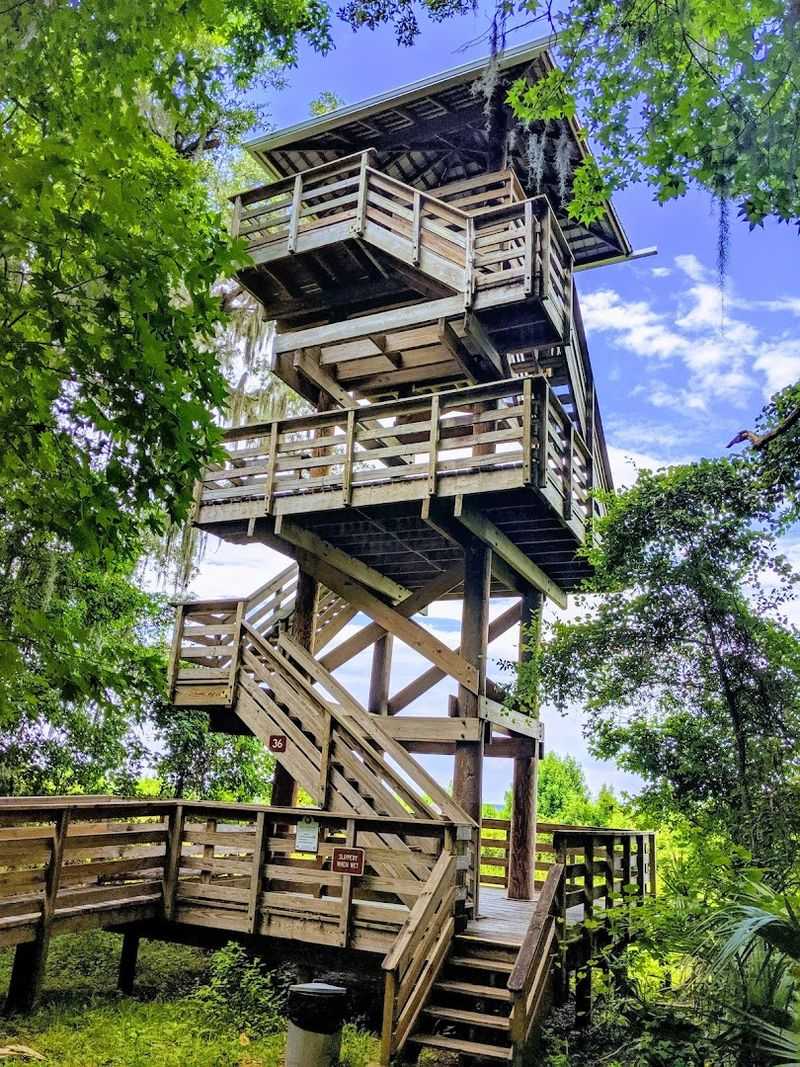
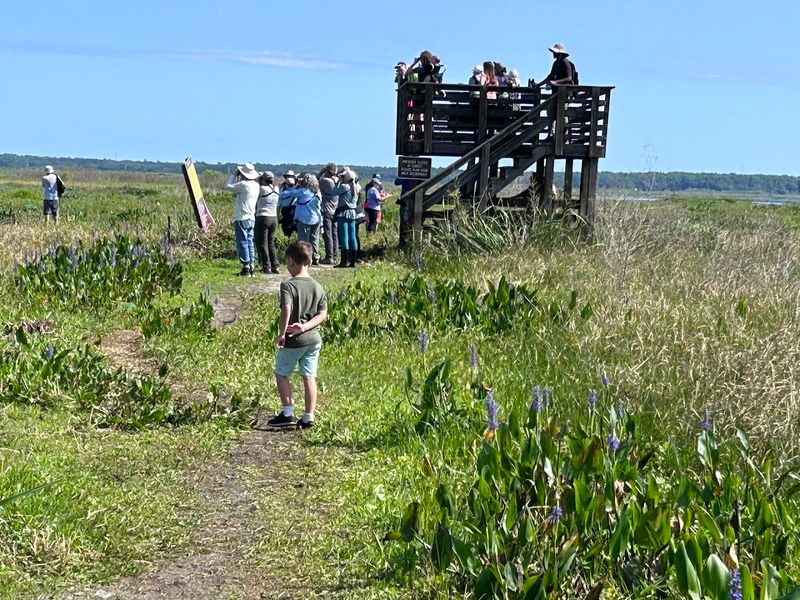
The park’s 50-foot observation tower near the visitor center delivers breathtaking views across the entire prairie basin. From this elevated vantage point, you can scan thousands of acres of wetlands and grasslands where sandhill cranes spread out to feed. Bring binoculars or use the mounted viewers to spot individual birds and watch their behaviors from above.
Spring mornings transform the tower into prime crane-watching real estate. As the sun rises, you’ll witness cranes taking flight from their overnight roosting spots, spiraling upward on thermal currents. Their synchronized movements create living patterns across the sky, and their calls carry clearly up to the tower platform.
The elevation also helps you appreciate the prairie’s full scale and understand why it attracts such massive bird concentrations.
The tower sits at the end of a short, accessible trail from the parking area. Rangers at the nearby visitor center can tell you about recent crane sightings and the best times to visit based on current conditions. On clear days, the views stretch for miles, and you might count dozens of cranes scattered across different sections of the prairie, each pair maintaining its territory while feeding.
4. Multiple Trail Systems Increase Sighting Chances
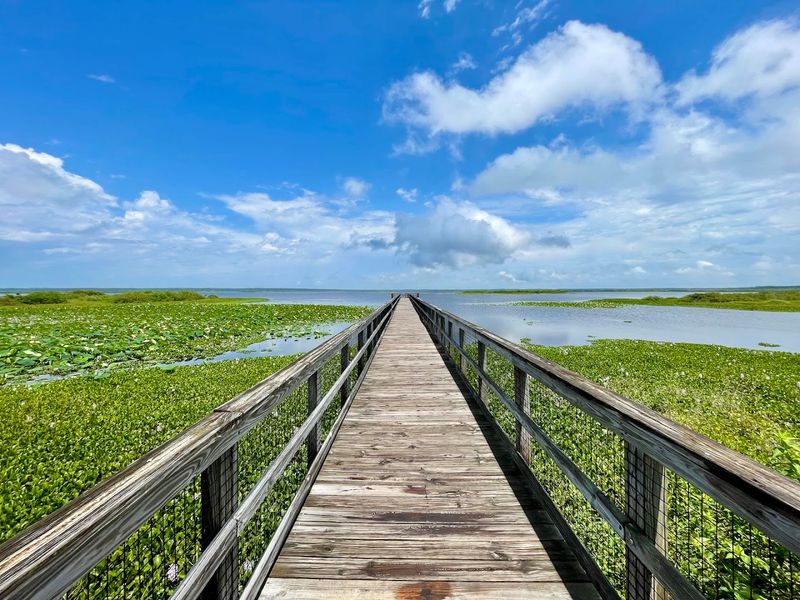
Paynes Prairie boasts over 20 miles of trails spread across different sections of the park, multiplying your opportunities to encounter sandhill cranes. Each trail system accesses different habitat types, and cranes move between these areas throughout the day depending on feeding opportunities and weather conditions. Exploring multiple trails during your visit significantly improves your chances of memorable crane encounters.
The Chacala Trail and Bolen Bluff Trail both lead into open prairie areas where cranes frequently gather. These trails require more walking than La Chua, but the reduced visitor traffic means you might experience more intimate wildlife moments. Cranes seem more relaxed in these quieter zones, offering better opportunities to observe their courtship dances and family interactions during spring migration.
Trail conditions vary from paved paths to natural dirt tracks. Most remain relatively flat and well-marked, though some sections can get muddy after spring rains. The park provides detailed trail maps at the entrance station and visitor center.
Staff members mark recent crane sightings on these maps, helping you plan your route based on where birds have been spotted most recently.
5. Open Prairie Habitat Mimics Natural Crane Environments
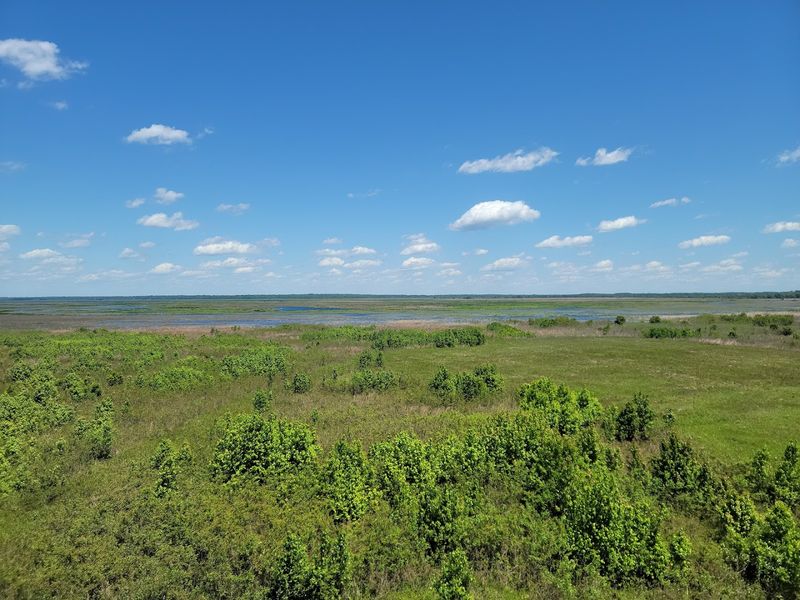
The prairie’s vast open landscape recreates the natural environments sandhill cranes prefer throughout their range. Unlike many Florida parks dominated by dense forests, Paynes Prairie features thousands of acres of grasslands and shallow wetlands that mirror the crane’s ancestral habitats. This similarity explains why cranes choose this location generation after generation during their spring movements.
Cranes need open spaces where they can spot potential predators from long distances. The prairie’s lack of dense vegetation provides exactly this kind of safety, allowing birds to feed comfortably while maintaining vigilance. Shallow seasonal pools and wet prairies offer abundant food sources including crayfish, frogs, insects, and plant matter that fuel the cranes’ continued migration northward.
The preserve’s management actively maintains these open habitats through controlled burns and vegetation management. These practices prevent woody plants from taking over and keep the prairie functioning as prime crane habitat. When you visit during spring, you’re seeing a landscape that’s been carefully stewarded to benefit not just cranes but also the complete ecosystem of native plants and animals that depend on prairie conditions.
6. Peak Migration Timing Concentrates Bird Numbers
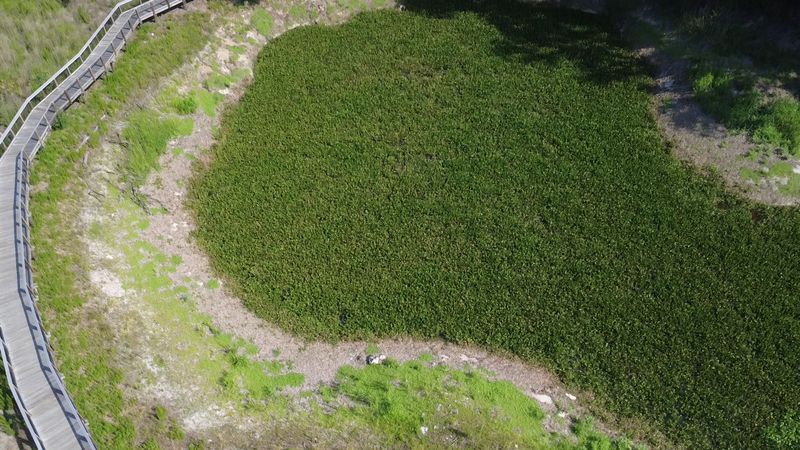
Understanding crane migration timing dramatically improves your viewing success at Paynes Prairie. While some cranes remain in Florida year-round, the spectacular concentrations happen during late winter and early spring when northern-breeding populations pass through on their way to nesting grounds. February through March typically sees the highest numbers, with hundreds of birds sometimes visible across the prairie simultaneously.
Cranes don’t all arrive or depart at once. Migration waves stretch over several weeks, meaning you’ll likely see cranes throughout the spring season even if you miss the absolute peak. Weather patterns influence timing, with warm fronts and favorable winds triggering larger movements.
Checking with park staff before your visit helps you understand current crane activity levels.
Daily timing matters too. Cranes are most active during early morning hours when they leave roosting sites and begin feeding. Late afternoon provides another excellent window as birds become active again before settling for the evening.
Midday can be slower, especially on hot days when cranes rest in shaded areas or reduce activity. Planning your visit around these natural rhythms increases your chances of witnessing impressive crane behaviors and vocalizations.
7. Photography Opportunities Capture Crane Behavior
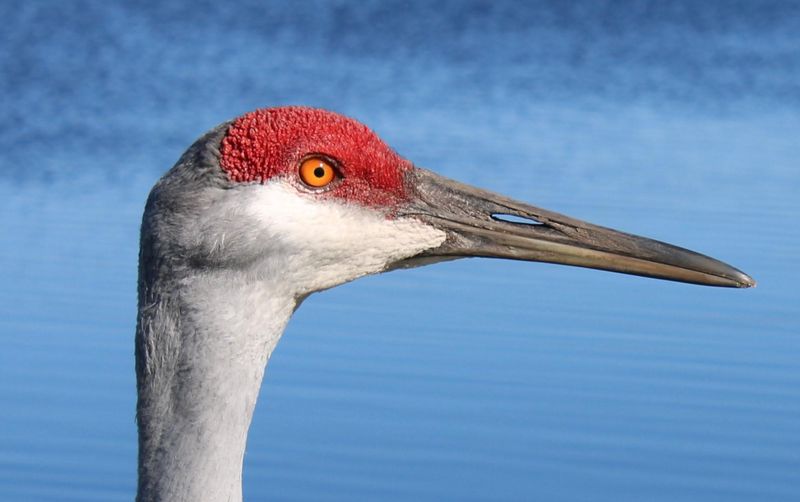
Paynes Prairie ranks among Florida’s top locations for sandhill crane photography. The combination of approachable birds, diverse backgrounds, and excellent light conditions creates ideal circumstances for capturing stunning images. Cranes’ tolerance of quiet observers means photographers can document natural behaviors including feeding, preening, calling, and the spectacular courtship dances that occur during spring.
The prairie’s open landscape provides clean backgrounds that make crane subjects pop in photographs. Morning and evening light adds golden warmth to images, highlighting the birds’ elegant forms and subtle plumage details. The red crown patches that identify adult cranes photograph beautifully when backlit or side-lit by low-angle sun.
Patient photographers can capture cranes in flight, their massive wings spread wide as they rise from the marsh.
Respect for wildlife remains crucial even when pursuing great shots. Keep appropriate distances and never approach cranes to force closer images. Long lenses work best, letting you fill the frame while giving birds plenty of space.
The best photographs come from observing crane behavior and anticipating moments rather than disturbing birds. Many photographers return repeatedly throughout the season, building portfolios that document the full range of crane activities and interactions.
8. Educational Resources Enhance Your Crane Experience
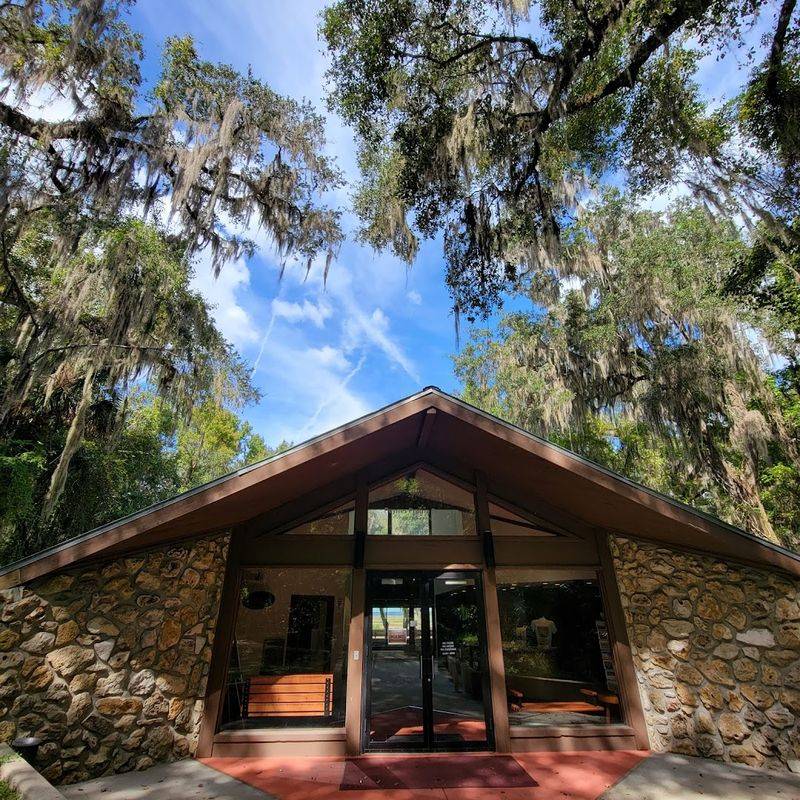
The park’s visitor center serves as your gateway to understanding sandhill cranes and their connection to Paynes Prairie. Interactive displays explain crane biology, migration patterns, and conservation efforts. Knowledgeable staff and volunteers answer questions about current bird activity and share fascinating facts about crane behavior.
Starting your visit here provides context that makes your time on the trails more meaningful and educational.
Rangers occasionally lead guided walks during peak crane season, offering expert insights you wouldn’t gain on your own. These programs teach you to identify crane calls, understand their social structures, and recognize signs of their presence even when birds aren’t immediately visible. Learning to distinguish sandhill cranes from other large wading birds improves your wildlife identification skills for future Florida adventures.
The center also stocks field guides, trail maps, and crane-related educational materials. Junior ranger programs engage younger visitors with crane-focused activities that build appreciation for these remarkable birds. Free interpretive brochures describe the prairie’s ecology and explain how different species interact within this unique ecosystem.
Taking advantage of these resources transforms a simple nature walk into a deeper understanding of why Paynes Prairie matters for crane conservation.