You’ll Fall In Love With This Tiny Old-Florida Village on the Gulf Coast
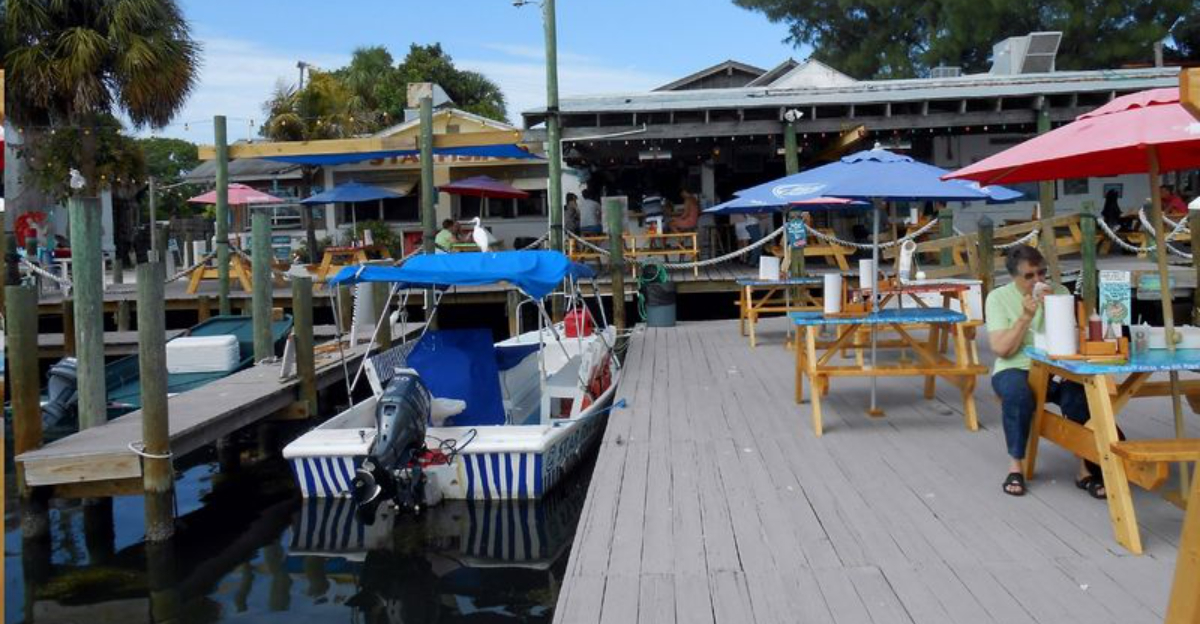
Tucked away on Florida’s Gulf Coast, Cortez feels like a time capsule from Old Florida that somehow escaped the wrecking ball of development. This commercial fishing village has been anchored by the same salt-sprayed charm since North Carolina settlers arrived in the 1880s, and it’s still home to working fishermen who head out before dawn. With weathered docks, colorful fishing boats, and a population hovering just above 4,000, Cortez offers something rare: a genuine glimpse of coastal Florida before the high-rises took over.
1. A Working Fishing Village That Actually Works
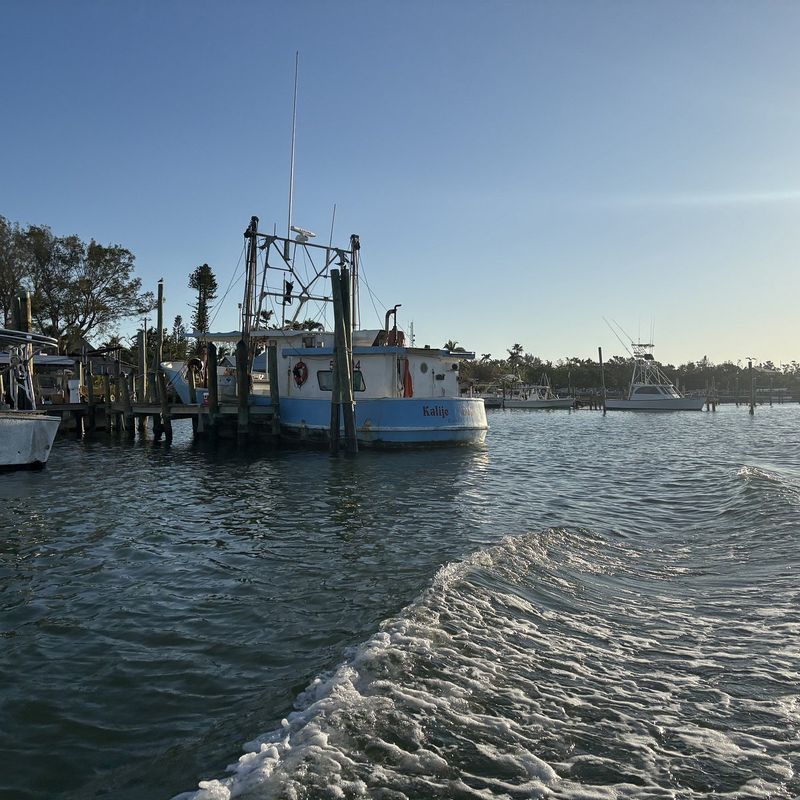
Most Florida fishing villages these days are just themed restaurants with a gift shop attached. Cortez is the real deal. Families here have been hauling in mullet, grouper, and stone crab for generations, and you’ll still see working boats tied up at the docks every single day.
The village operates around the rhythm of the tides and seasons. Early risers can watch crews preparing their nets and heading out into the Gulf before the sun clears the horizon. There’s no Disney version of fishing life here—just honest work, diesel fumes, and the occasional pelican hoping for scraps.
What makes Cortez special is that it hasn’t been Instagrammed into oblivion. Sure, visitors come through, but the village hasn’t bent itself into a tourist trap. The docks are functional, not decorative.
The fish houses still process catches instead of serving overpriced appetizers.
Walking along the waterfront, you’ll pass boats with names like “Miss Cortez” and “Gulf Dancer,” many owned by families who’ve been here since before World War II. It’s a living, breathing piece of Florida history that refuses to become a museum exhibit.
2. The Florida Maritime Museum Tells the Real Story
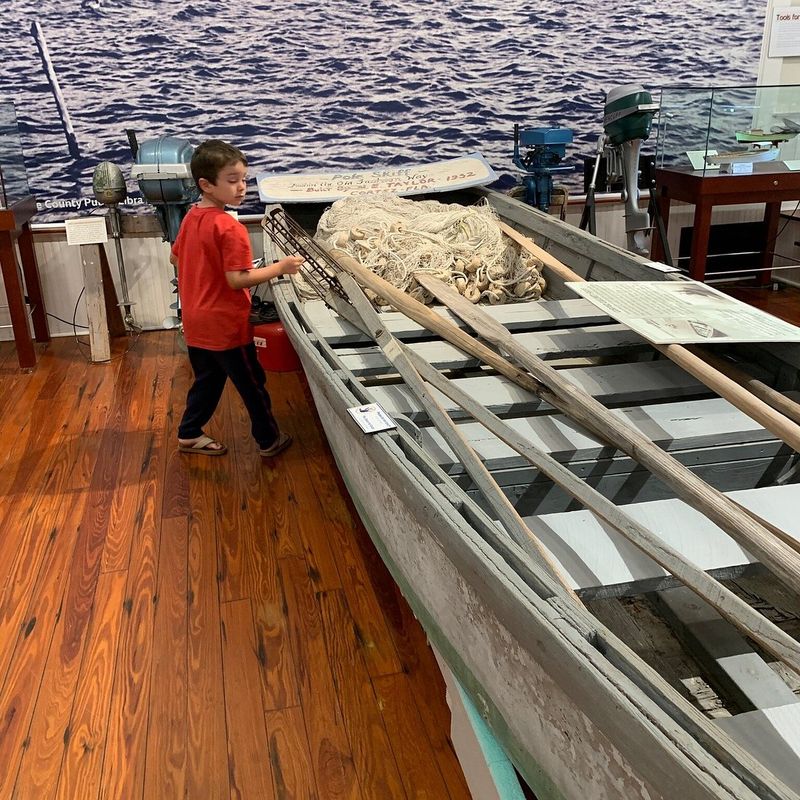
Housed in a restored 1912 schoolhouse, the Florida Maritime Museum gives you the backstory to everything you see around Cortez. This isn’t some dusty collection of random nautical junk—it’s a carefully curated look at Gulf Coast fishing culture, boat building, and the families who built this village from scratch.
The exhibits cover everything from traditional net-making techniques to the evolution of local boat designs. You’ll learn about mullet fishing (once the backbone of Cortez’s economy) and see actual tools and equipment used by fishermen over the decades. The museum also runs programs on wooden boat building and hosts visiting tall ships when they’re in the area.
Kids actually enjoy this place because the displays are hands-on and the stories are about real people doing adventurous work. There’s nothing sterile or overly academic about it. The volunteers who run the place often have direct connections to the fishing families they’re talking about.
Admission is affordable, and the museum sits right on the waterfront with views of the working docks. It’s the perfect first stop if you want context for what makes Cortez different from every other coastal town in Florida.
3. Star Fish Company: Eat Where the Locals Eat
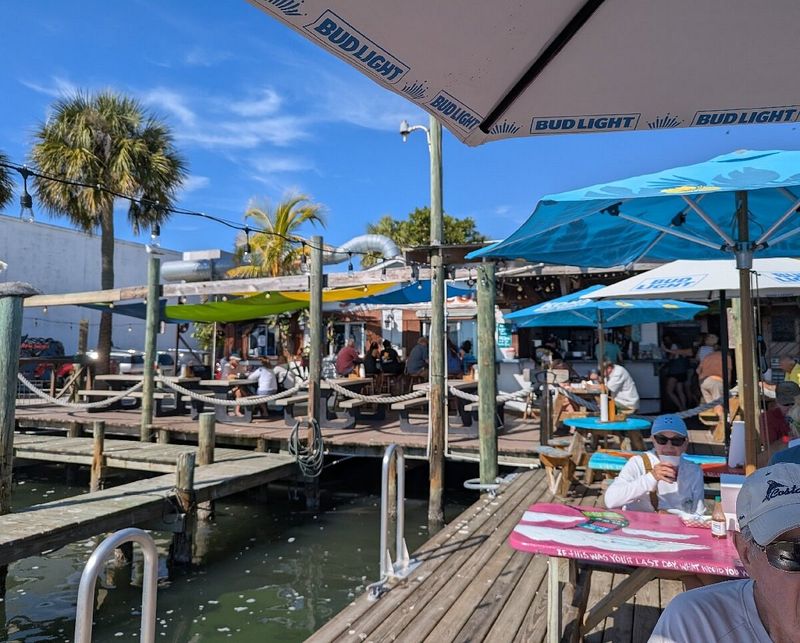
Forget white tablecloths and sunset menus with inflated prices. Star Fish Company is a no-frills seafood market and restaurant where fishermen grab lunch and families come for grouper sandwiches that taste like they were swimming an hour ago. Because they probably were.
The setup is simple: order at the counter, grab a picnic table on the deck, and watch boats glide past while you eat. The menu focuses on whatever’s fresh—stone crab claws in season, perfectly fried mullet, blackened grouper that flakes apart at the touch of a fork. Nothing fancy, just seafood done right.
What you won’t find here is pretension. The tables are communal, the atmosphere is loud and friendly, and nobody cares if you show up in flip-flops with sand between your toes. Locals treat it like their living room, which means you’re likely to overhear genuine fishing stories instead of rehearsed server spiels.
The fish market side sells fresh catches if you want to cook your own. Prices are reasonable because you’re buying direct from the source. Star Fish Company proves that the best seafood restaurants don’t need fancy branding—just fresh fish and a view of where it came from.
4. Historic Cortez Village: Architecture That Survived the Boom
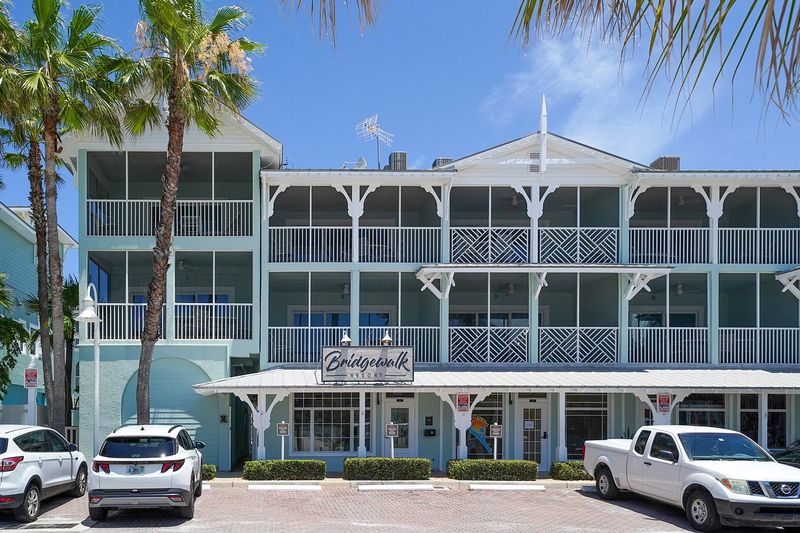
Drive through most of coastal Florida and you’ll see the same sterile condo towers and strip malls repeated ad nauseam. Cortez somehow dodged that bullet. The village is packed with historic wooden structures—cracker-style houses, old fish shacks, and buildings that look like they’ve weathered a century of hurricanes.
Because they have.
Many of these structures date back to the early 1900s, built by fishermen using cypress wood and practical designs meant to survive Gulf storms. The architecture isn’t fancy, but it’s authentic. You’ll see tin roofs, wide porches designed for airflow before air conditioning existed, and paint jobs faded by decades of salt air.
The village earned a spot on the National Register of Historic Places, which has helped protect it from developers who’d love to bulldoze everything for luxury condos. Walking the narrow streets feels like stepping back into 1950s Florida, when the state was more about fishing and citrus than theme parks and golf courses.
Photographers love Cortez because it offers textures and colors you can’t find in newer developments. Weathered wood, rusted equipment, boats in various states of repair—it’s beautifully imperfect in a way that feels increasingly rare along Florida’s coast.
5. Accessible Fishing and Boating Without the Marina Fees
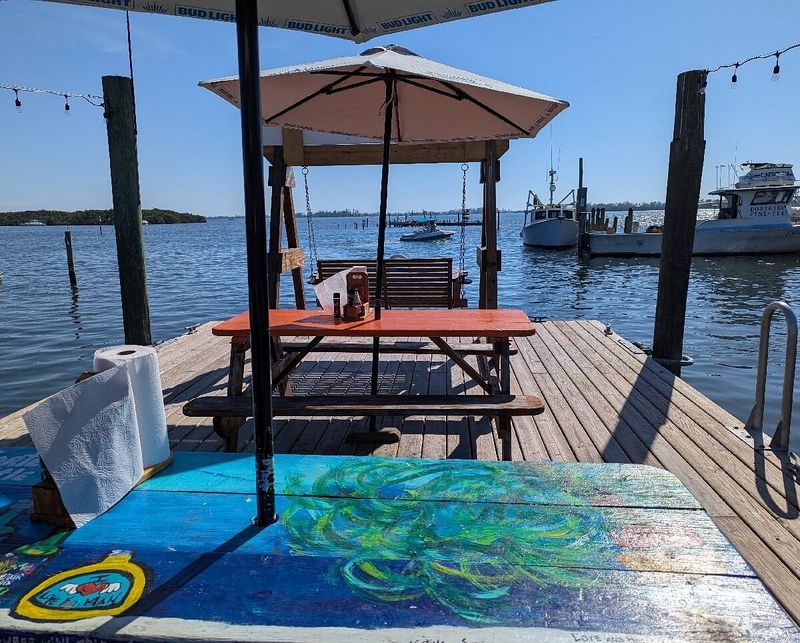
You don’t need a yacht club membership or a trust fund to get on the water in Cortez. The village has public access points where regular folks can launch a kayak, drop a fishing line, or just watch the water without paying resort prices for the privilege.
Local fishing spots attract everyone from serious anglers targeting snook and redfish to families teaching kids how to bait a hook. The waters around Cortez sit where the Manatee River meets the Gulf, creating productive fishing grounds that have supported the village for over a century. You’re not competing with crowds like you would at more commercialized beaches.
Kayakers and paddleboarders love exploring the mangrove-lined channels and shallow flats around the village. The pace is relaxed, the scenery is pure Old Florida, and you’re likely to spot dolphins, manatees, and wading birds without even trying. Rentals are available if you don’t have your own gear.
What’s refreshing is the lack of gatekeeping. Cortez doesn’t make you feel like the water is reserved for people who own expensive boats. It’s a working waterfront where everyone from commercial fishermen to weekend hobbyists share the same space without drama or snobbery.
6. Annual Cortez Commercial Fishing Festival

Every February, Cortez throws a party that celebrates its fishing heritage without turning into a corporate-sponsored spectacle. The Commercial Fishing Festival brings together locals and visitors for a weekend of fresh seafood, live music, boat tours, and demonstrations of traditional fishing techniques that are slowly disappearing from Florida’s coast.
The festival isn’t huge or slick—it’s got that authentic small-town vibe where volunteers run the show and proceeds support the maritime museum and village preservation efforts. You can watch net-making demonstrations, tour working fishing boats, sample fresh catches prepared by local cooks, and browse arts and crafts from regional artists. Kids get hands-on activities that actually teach them something about marine life and fishing culture.
What makes this festival worth attending is its genuine connection to the community it celebrates. The people manning the booths are often the same families who’ve been fishing these waters for generations. The stories are real, the food is fresh, and the atmosphere feels like a neighborhood gathering that outsiders are welcome to join.
Timing your visit around the festival gives you Cortez at its most vibrant, when the village opens its arms and shows off what makes it special without apology or pretense.
7. Proximity to Beaches Without the Beach Town Chaos
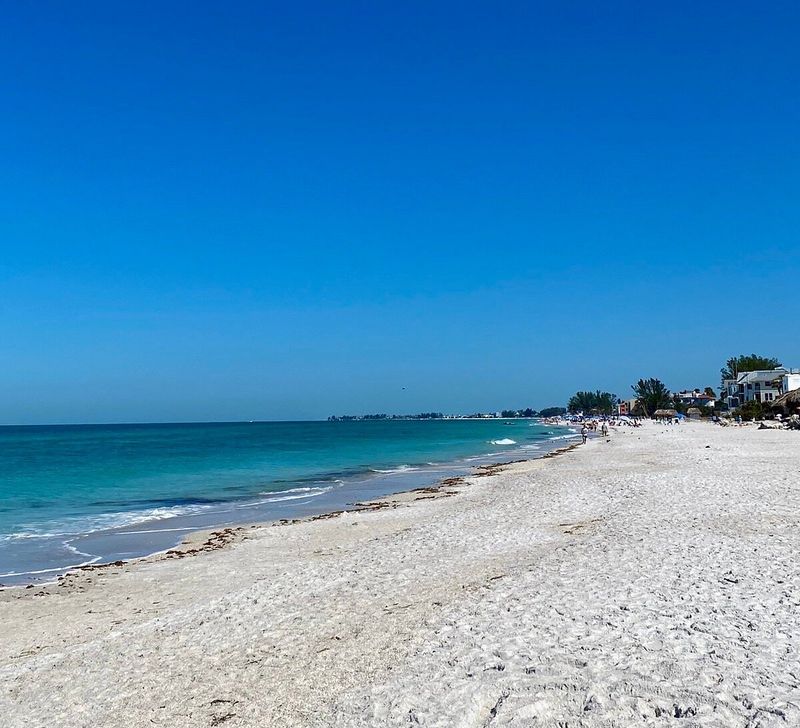
Cortez sits just minutes from some of the Gulf Coast’s best beaches—Anna Maria Island, Bradenton Beach, Coquina Beach—but the village itself maintains a blissfully un-beach-town-like atmosphere. You get easy access to white sand and turquoise water without living next to spring break central.
This positioning is perfect for people who want beach proximity without the noise, traffic, and inflated prices that come with beachfront real estate. You can spend your morning exploring Cortez’s docks and fish houses, then head to the beach for the afternoon without sitting in traffic for an hour. It’s the best of both worlds.
The beaches near Cortez tend to be less crowded than the more famous stretches farther south. Locals know which spots to hit and when, and if you spend any time talking to Cortez residents, they’ll share their favorites. The vibe is relaxed, family-friendly, and mercifully free of the party scene that dominates some Gulf Coast beaches.
Staying in or near Cortez gives you a home base that feels authentic and peaceful, with beaches as a day-trip option rather than your entire vacation focus. You’ll sleep better without drunk tourists stumbling past your window at 2 a.m.
8. A Community Fighting to Stay Authentic
Cortez’s biggest story isn’t about what it has—it’s about what it’s fighting to keep. Development pressure is constant along Florida’s coast, and Cortez sits on prime real estate that developers would love to transform into another cookie-cutter condo paradise. The community has pushed back hard.
Local preservation groups, longtime residents, and concerned citizens have worked for decades to protect Cortez’s character through zoning regulations, historic designations, and community organizing. It’s not always pretty—there are battles at county commission meetings and debates about what kinds of changes should be allowed. But the effort has kept Cortez recognizable as a fishing village rather than a casualty of progress.
Visiting Cortez means supporting a community that’s actively choosing authenticity over easy money. When you eat at local restaurants, visit the maritime museum, or attend the fishing festival, you’re contributing to an economy that values heritage and working waterfronts over maximum profit extraction.
The fight isn’t over, and Cortez’s future is never guaranteed. But for now, this tiny village stands as proof that Florida communities can resist the bulldozer if they’re willing to organize and fight for what makes them special. That’s worth celebrating—and visiting—while it lasts.