You Can Cross Two States in One Day on This Florida Hiking Trail
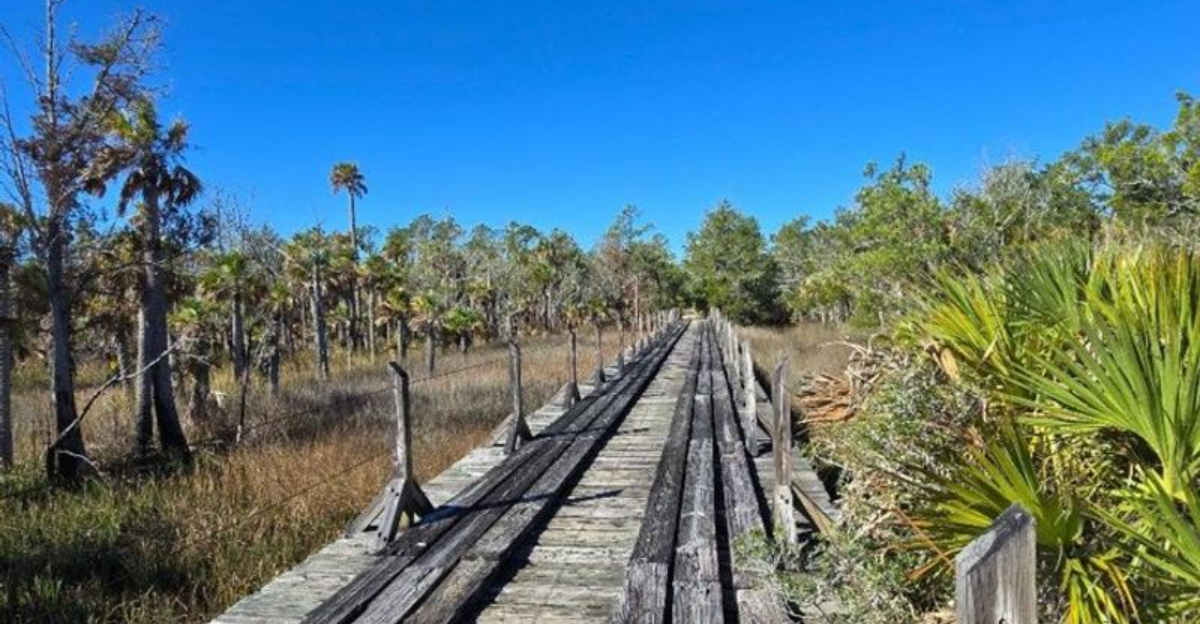
Ever wanted to hike across state lines without planning a major expedition? The Florida National Scenic Trail offers a rare opportunity to walk from Florida into Alabama in just one day. This 1,500-mile path stretches from the southern swamps of Big Cypress all the way to the white sand beaches of the Gulf Islands, and near the Alabama border, it does something most Florida trails can’t—it crosses into another state.
Whether you’re a seasoned hiker or just looking for a memorable weekend adventure, this trail delivers scenery, challenge, and bragging rights all in one package.
1. The Trail That Connects Two States
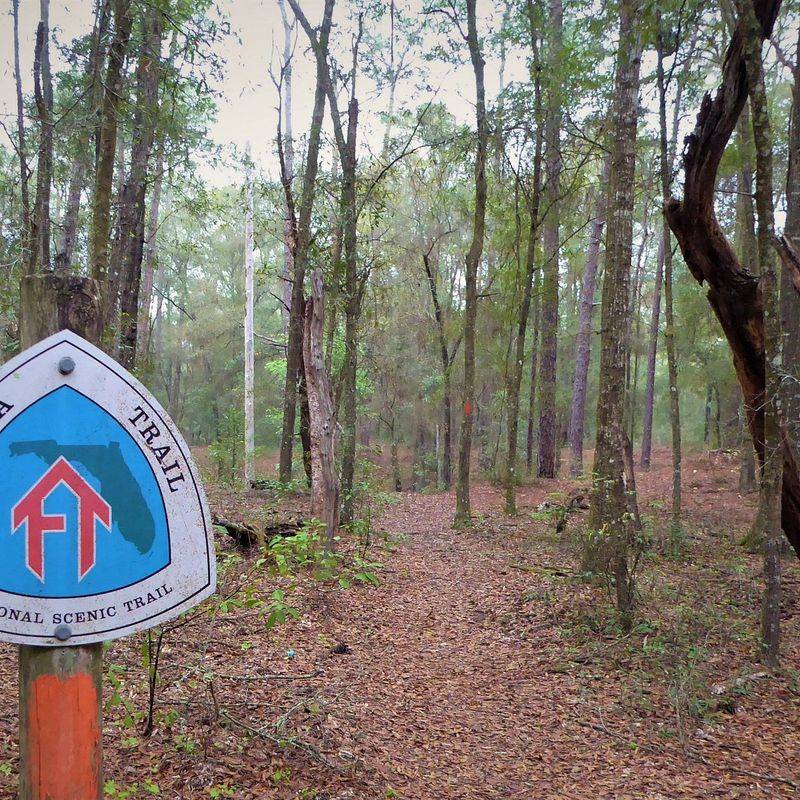
Near the tiny town of Munson, Florida, the trail veers northward through Blackwater River State Forest and doesn’t stop at the state line. Around six miles from the Hurricane Lake Trailhead, you’ll find yourself stepping over an invisible boundary into Alabama’s Conecuh National Forest. There’s no gate, no welcome sign—just a subtle shift in the landscape and the thrill of knowing you’ve crossed into new territory.
The Western Gate Chapter of the Florida Trail Association worked for years to make this connection possible, adding nearly 100 miles of trail in the process. Their dedication turned a dream into a reality for hikers who crave variety without driving hundreds of miles. You can start your morning in Florida, have lunch in Alabama, and be back before sunset.
This segment isn’t just about ticking off a second state. The forests here are thick with longleaf pines, and the terrain rolls gently compared to the flat swamps farther south. Wildlife sightings are common, and the solitude is real—you might go hours without seeing another soul.
2. Hurricane Lake Recreation Area: Your Starting Point
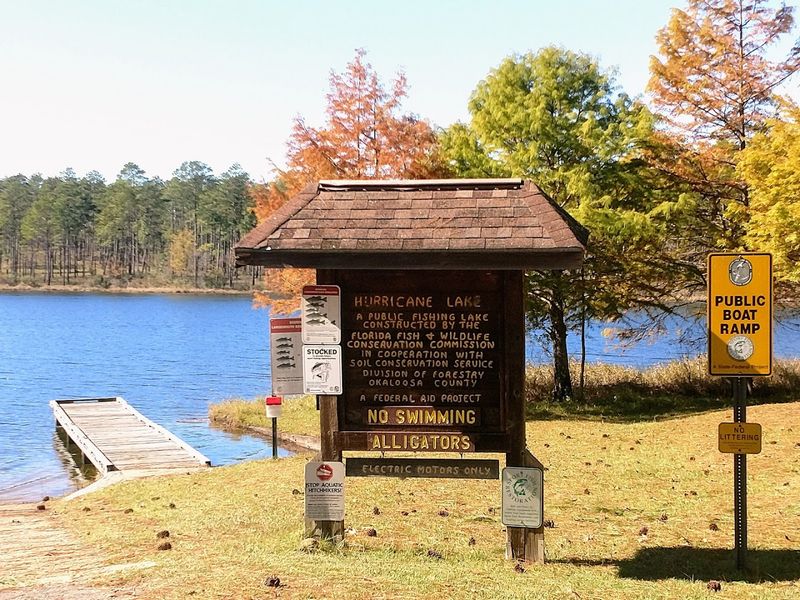
Hurricane Lake sits tucked into Blackwater River State Forest like a hidden gem, offering crystal-clear water and a peaceful launching pad for your two-state adventure. The recreation area includes a campground, picnic spots, and most importantly, the trailhead that’ll take you north toward Alabama. Arriving early gives you time to soak in the morning mist rising off the lake before you hit the trail.
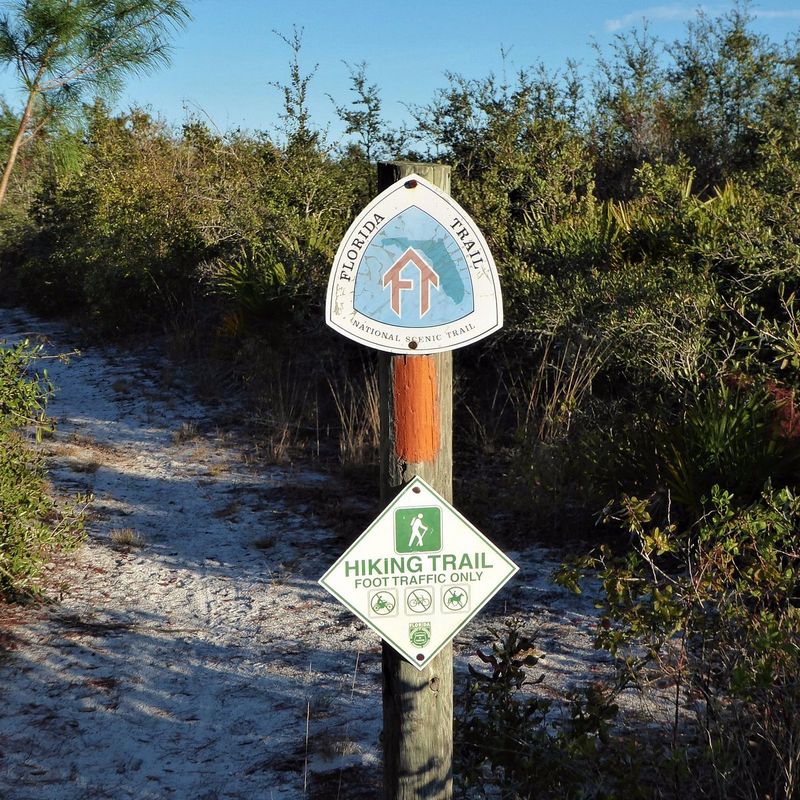
The parking area is well-marked, and you’ll find basic facilities like restrooms and water spigots. Cell service gets spotty fast once you leave, so download your maps ahead of time. The trail itself is blazed with orange markers, making navigation straightforward even for first-timers.
Many hikers camp here the night before to get an early start. The lake is also popular with anglers, so don’t be surprised if you see a few fishing lines cast at dawn. But once you step onto the trail, the buzz of recreation fades quickly, replaced by birdsong and the crunch of pine needles underfoot.
3. What to Expect on the Six-Mile Trek
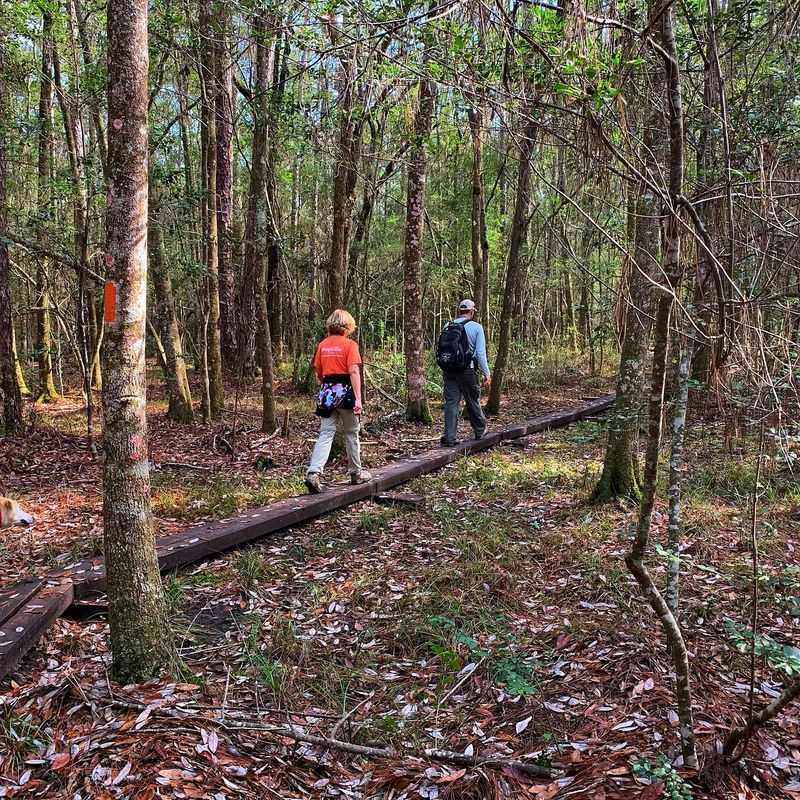
Six miles doesn’t sound like much until you factor in Florida heat, humidity, and sandy terrain that can slow your pace. The trail from Hurricane Lake to the Alabama line winds through classic North Florida ecosystems—towering longleaf pines, wire grass prairies, and the occasional cypress dome. Elevation changes are gentle, but the soft sand can tire your legs faster than pavement.
Spring and fall offer the best conditions, with cooler temperatures and lower chances of afternoon thunderstorms. Summer hikers need to start at dawn and carry extra water—shade is limited in some stretches, and dehydration sneaks up fast. Winter brings its own charm, with crisp air and fewer bugs, though you’ll want layers for chilly mornings.
Wildlife is abundant. You might spot deer, wild turkeys, or even a gopher tortoise lumbering across the path. Keep your eyes peeled for red-cockaded woodpeckers, an endangered species that thrives in these old-growth pines.
The trail is mostly flat, making it accessible for moderately fit hikers, but don’t underestimate the distance—pace yourself and take breaks.
4. Crossing Into Conecuh National Forest
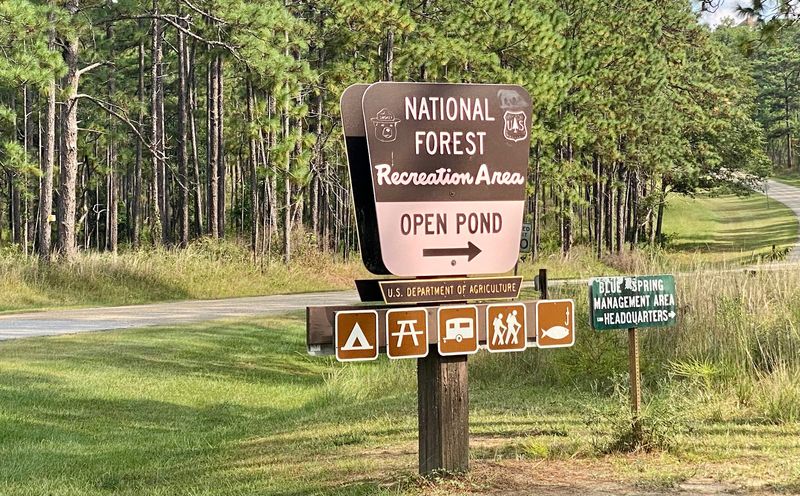
You’ll know you’ve entered Alabama when the trail markers shift slightly and the forest feels just a touch different—maybe it’s the way the light filters through, or the subtle change in undergrowth. Conecuh National Forest covers over 83,000 acres of southern Alabama, offering a wilder, less-traveled continuation of your Florida hike. The trail here is quieter, with fewer day-hikers and more solitude.
Conecuh is known for its diverse habitats, from pitcher plant bogs to hardwood swamps. If you venture farther into Alabama, you’ll encounter ecosystems rarely seen in Florida, including stands of beech and magnolia. But for a day hike, just crossing the line and exploring a mile or two into Alabama is enough to say you’ve done it.
The Florida Trail Association maintains the trail on both sides of the border, so you’ll still see familiar orange blazes. Water sources are scarce, so carry everything you need. And remember, Alabama hunting seasons differ from Florida’s—check regulations before you go, especially in fall and winter when hunters are active.
5. Planning Your Hike: Timing and Logistics
Start early—like, sunrise early. Twelve miles round-trip takes most hikers four to six hours depending on pace, breaks, and how much you stop to photograph wildflowers. Add time for lunch and exploration, and you’re looking at a full day.
Leaving at dawn also helps you avoid afternoon heat and the inevitable thunderstorms that roll through in summer.
Download offline maps from the Florida Trail Association or AllTrails before you leave civilization. Cell service is unreliable once you’re on the trail, and GPS can drain your battery fast. Bring a portable charger, a physical map as backup, and let someone know your plans.
Solo hikers should be extra cautious—this isn’t a heavily trafficked trail.
Water is the biggest logistical challenge. There are no reliable sources between Hurricane Lake and the state line, so carry at least three liters per person, more in hot weather. A water filter is useful if you plan to explore deeper into Alabama, where small creeks occasionally appear.
Snacks, sunscreen, bug spray, and a first-aid kit round out the essentials.
6. Why the Western Gate Chapter Deserves Credit
Without the tireless work of the Western Gate Chapter of the Florida Trail Association, this two-state adventure wouldn’t exist. Over the years, this dedicated group of volunteers has built, maintained, and expanded nearly 100 miles of trail in the Florida Panhandle, including the crucial link to Alabama. They’ve cleared brush, installed bridges, and blazed paths through some of the state’s most remote forests.
Trail associations rely heavily on volunteers, and the Western Gate Chapter is no exception. They host regular work days where anyone can join in—no experience necessary. It’s a great way to give back, meet fellow hikers, and learn about trail stewardship.
Plus, you’ll gain a deeper appreciation for the effort behind every orange blaze you follow.
Supporting the Florida Trail Association through membership or donations helps keep trails like this open and accessible. These volunteers don’t just maintain paths—they advocate for conservation, organize hikes, and introduce new generations to the joys of backcountry exploration. Next time you cross into Alabama, take a moment to thank them mentally—or better yet, join a trail day.
7. What Makes This Segment Unique
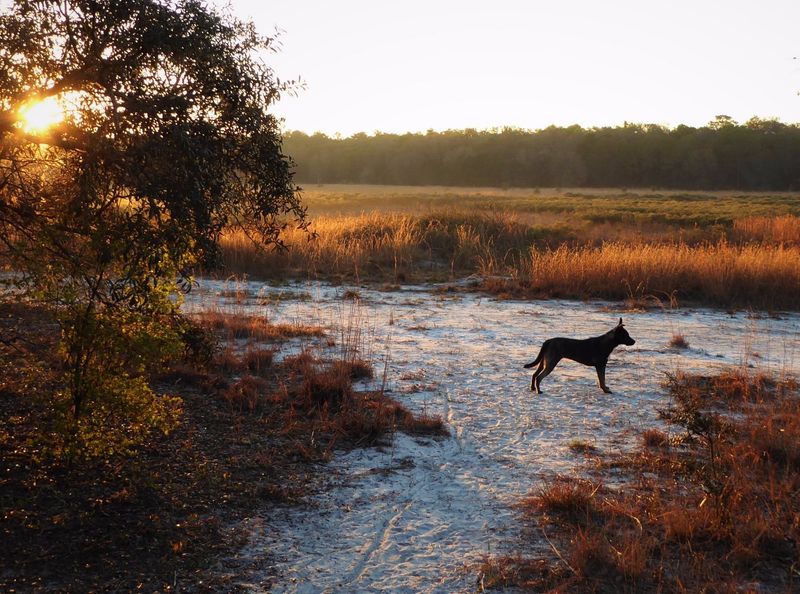
Most long-distance trails stay within a single state, but the Florida National Scenic Trail breaks the mold by offering this rare interstate connection. It’s not just a gimmick—the ecological diversity you experience in a single day is remarkable. You start in Florida’s signature pine flatwoods, transition through hardwood hammocks, and end up in Alabama’s mixed forests, all without getting in a car.
The trail’s uniqueness also lies in its accessibility. Unlike remote wilderness areas that require permits and advanced planning, this segment is open year-round and welcomes day-hikers. You don’t need specialized gear or backcountry skills—just a decent pair of boots, plenty of water, and a sense of adventure.
Another standout feature is the solitude. While sections of the Florida Trail near urban areas see heavy traffic, this northern stretch remains blissfully quiet. You’re more likely to encounter a fox than another hiker.
That kind of peace is hard to find these days, especially on a trail so close to civilization. It’s a reminder that adventure doesn’t always require flying across the country—sometimes it’s waiting just a few hours from home.
8. Making It a Weekend Adventure
Turn your day hike into a weekend escape by camping at Hurricane Lake or one of the nearby recreation areas. Spending the night lets you tackle the trail at a leisurely pace, enjoy a sunset over the lake, and wake up to the sounds of the forest. Blackwater River State Forest offers primitive camping options too, if you prefer a more rugged experience.
After your hike, explore the surrounding area. The Blackwater River is famous for paddling, with crystal-clear water perfect for kayaking or tubing. Milton, the nearest town, has local restaurants and shops where you can refuel with some classic Southern cooking.
Or head to nearby Pensacola for beach time—you’re only an hour from the Gulf Coast.
If you’re hooked on the Florida Trail after this taste, consider tackling longer sections. The trail stretches over 1,500 miles, offering everything from swamps and prairies to coastal dunes and oak hammocks. But for a quick introduction to Florida’s wild side—and the bragging rights of hiking two states in one day—this segment is unbeatable.