These 10 Gorgeous Florida Towns Are a Dream for Outdoor Lovers
Florida isn’t just beaches and theme parks — the state is packed with small towns that feel like hidden gems waiting to be discovered. From spring-fed rivers to coastal marshes and ancient forests, these places offer the kind of outdoor adventures that stick with you long after you’ve headed home.
Whether you’re into kayaking, hiking, birding, or simply soaking up some fresh air, Florida’s got a town for that. Pack your sunscreen and your sense of adventure, because these ten spots are absolutely worth the road trip.
1. Cedar Key
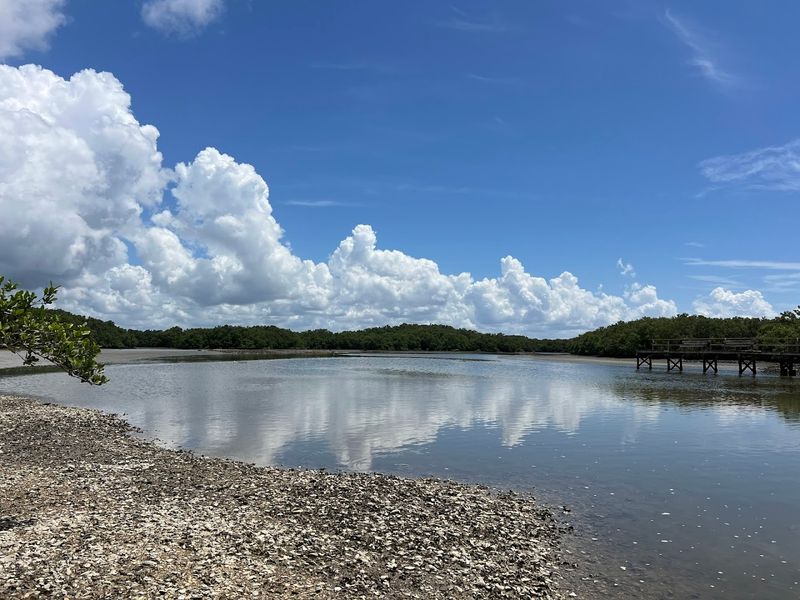
Sitting quietly off Florida’s Gulf Coast like it has no idea the modern world exists, Cedar Key operates on its own unhurried clock — and honestly, that’s exactly the point. This tiny island town is one of the least-visited gems in the entire state, which makes every visit feel like a personal discovery.
The lack of crowds is part of the magic.
Paddlers absolutely love it here. The Cedar Keys National Wildlife Refuge wraps around the area, offering miles of kayak trails through mangrove tunnels, tidal flats, and open water that mirrors the sky.
Bald eagles, roseate spoonbills, and ospreys are regular sightings, so bring binoculars and keep your eyes up.
Fishing is practically a religion in Cedar Key. The surrounding waters are rich with redfish, trout, and flounder, and local guides know exactly where to take you.
Even if you don’t fish, watching the shrimp boats come in at sunset from the City Pier is a moment that slows your heartbeat in the best possible way.
The town itself is walkable and charming, with art galleries tucked between seafood shacks and clam farms dotting the waterfront. Cedar Key is one of Florida’s oldest towns, and its historic district still carries that old-Florida character that’s increasingly hard to find.
Grab a bowl of clam chowder, rent a kayak, and let the salt air do the rest.
Getting here requires a long drive down a single highway lined with marshes, and that isolation is a feature, not a bug. Cedar Key rewards the people willing to make the trip with something genuinely rare: a Florida that feels untouched.
2. Mount Dora
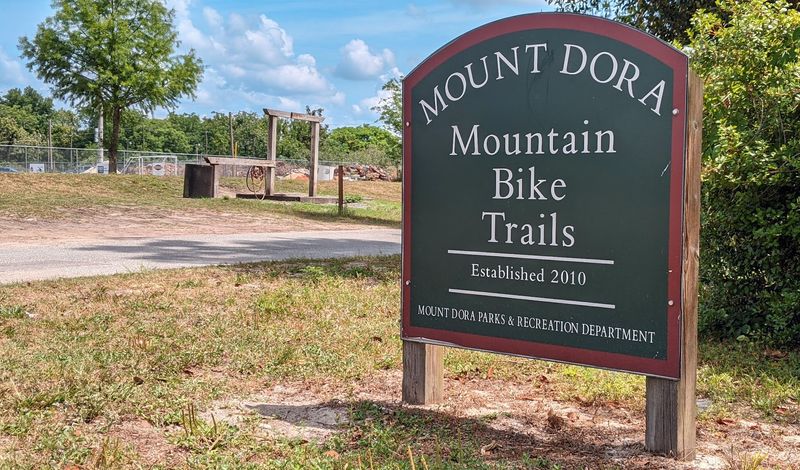
Most people are surprised to hear that Florida has hills — and then they visit Mount Dora and immediately understand what all the fuss is about. Perched above Lake Dora in Central Florida, this town has a European village vibe layered over genuine outdoor adventure, which makes it one of the most unexpectedly delightful places in the state.
The waterways around Mount Dora are legendary among paddlers and boaters. The Dora Canal, often called one of the most beautiful short boat rides in Florida, winds through ancient cypress trees draped in Spanish moss.
It connects a chain of lakes that stretches for miles, offering endless exploration by kayak, canoe, or pontoon boat. Wildlife sightings along the canal are almost guaranteed — alligators, herons, and turtles are practically part of the scenery.
On land, the rolling terrain around town makes for surprisingly good cycling. Local trails and quiet roads wind past orange groves and lakeside parks, giving riders a taste of old Florida that feels genuinely refreshing.
Trimble Park, just outside of town, offers camping and nature trails that attract hikers looking to escape the city without driving far.
The downtown area is full of antique shops, cozy cafes, and independent bookstores, so outdoor adventures pair perfectly with an afternoon of wandering. Mount Dora also hosts a packed calendar of festivals throughout the year, drawing visitors who stay longer than planned because the town just keeps delivering.
Elevation might be modest by most standards, but in Florida, even a gentle hill feels like a revelation. Mount Dora wears its quirky, elevated personality proudly, and outdoor lovers who show up leave wondering why they waited so long to visit.
3. Apalachicola
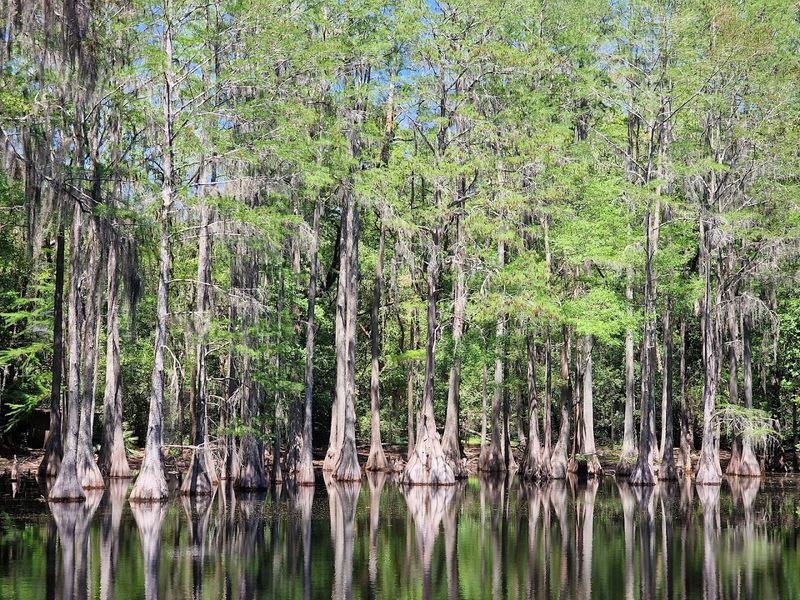
There’s a reason food writers, nature photographers, and travel journalists keep circling back to Apalachicola — this small Panhandle town delivers on multiple levels simultaneously. The oysters are world-famous, the architecture is genuinely historic, and the natural surroundings are nothing short of spectacular.
It’s the kind of place that earns its reputation every single day.
The Apalachicola National Forest, one of Florida’s largest, sits right at the town’s doorstep. Hikers can explore trails through longleaf pine flatwoods, pitcher plant bogs, and cypress swamps that look like something from a nature documentary.
The forest is home to the endangered red-cockaded woodpecker, making it a serious destination for birders willing to put in the time.
The river itself is a paddler’s dream. The Apalachicola River flows wide and slow through the region, flanked by floodplain forests and oxbow lakes that reward explorers who venture off the main channel.
Guided kayak tours are available, but experienced paddlers often head out solo with a map and a cooler full of snacks.
Apalachicola Bay is one of Florida’s most productive estuaries, and a boat trip through the bay reveals an ecosystem that’s thriving and complex. Dolphins are frequent companions, and the sunsets over the water here rank among the prettiest in the entire state — and that’s saying something in Florida.
The town itself moves at a relaxed pace that feels earned rather than performed. Old wooden storefronts, shrimp boats, and live oak canopies give Apalachicola a character that’s hard to manufacture.
Spend a long weekend here and you’ll quickly understand why so many people who visit end up buying property.
4. High Springs
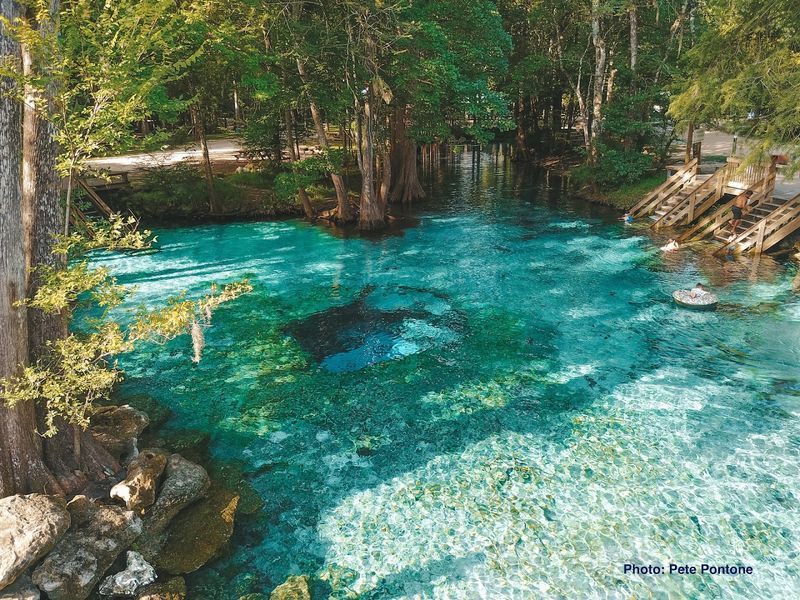
High Springs might be the spring capital of Florida, and in a state full of first-magnitude springs, that’s a serious title to hold. Tucked into North Central Florida, this small town sits within easy reach of some of the most jaw-dropping freshwater springs anywhere in the country.
The water here is so clear it looks digitally enhanced — but it’s completely real.
Ginnie Springs is the crown jewel for many visitors. The complex of springs along the Santa Fe River draws snorkelers, scuba divers, and tubers who float along the current with cold drinks in hand.
The visibility underwater can stretch to over 30 feet, revealing a limestone world of caves, fish, and ancient rock formations. Certified cave divers travel from around the world to explore the underwater passages here.
Ichetucknee Springs State Park, just a short drive away, is one of Florida’s most beloved tubing destinations. The spring-fed river stays at a constant 68 degrees year-round, making it a popular escape from summer heat.
The park limits the number of tubers per day to protect the ecosystem, so arriving early is the move.
Beyond the springs, the surrounding Gilchrist and Alachua counties offer cycling routes through farmland and forest that feel genuinely peaceful. The Gainesville-Hawthorne Trail is within reach for mountain bikers, and the O’Leno State Park nearby has hiking trails through hardwood hammocks and a natural river sink that feels almost otherworldly.
High Springs itself is a laid-back town with a handful of outfitters, antique shops, and down-home restaurants. It’s the kind of place where the outdoor adventure begins the moment you arrive and doesn’t stop until you’re already planning your return trip.
5. Dunedin
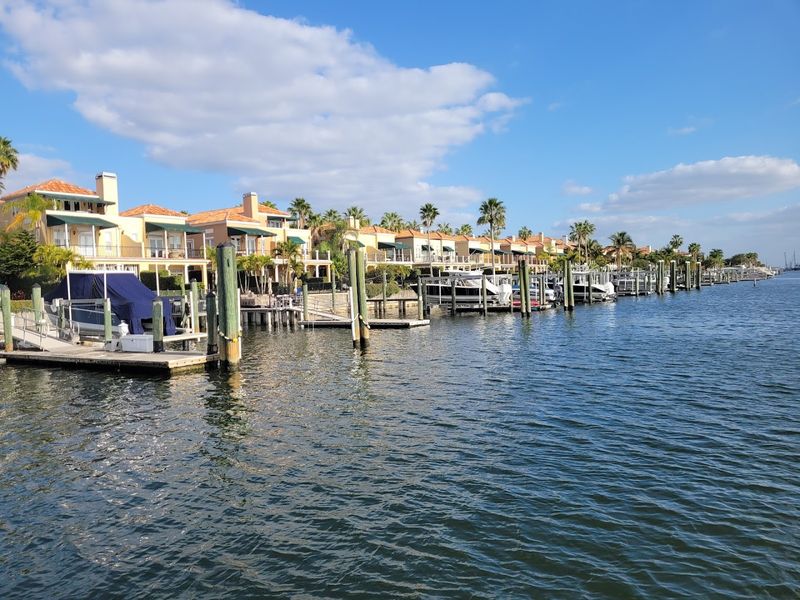
Dunedin has a personality that’s hard to pin down in just a few words — it’s equal parts Scottish heritage, craft beer culture, and serious outdoor adventure, all wrapped up in one of the most genuinely walkable downtowns on Florida’s Gulf Coast. People who visit for a weekend often start researching real estate listings before they leave.
The Pinellas Trail runs right through the heart of Dunedin, making it one of the most bike-friendly towns in the entire state. The trail stretches for miles in both directions, connecting parks, beaches, and neighborhoods in a way that makes leaving the car behind feel like an obvious choice.
Cyclists of all skill levels use it daily, from families with kids to serious road riders logging training miles.
Honeymoon Island State Park sits just minutes from downtown and consistently ranks among Florida’s most-visited state parks. The beaches are wide and beautiful, the birding is exceptional — ospreys nest here in large numbers — and the snorkeling just offshore reveals a healthy seagrass ecosystem full of life.
Caladesi Island, accessible only by ferry or kayak, sits just across the water and offers one of the most pristine beach experiences in the state.
Kayak and paddleboard rentals are easy to find in Dunedin, and the calm waters of St. Joseph Sound make for ideal conditions even for beginners. Sunset paddles around the mangrove islands near Honeymoon Island are genuinely unforgettable, especially when dolphins decide to join the group.
Downtown Dunedin rewards slow exploration. The Scottish roots show up in unexpected ways, from street names to festivals, and the craft brewery scene has made the town a destination in its own right.
Outdoor adventure and cold beer — honestly, a perfect combination.
6. Chipley
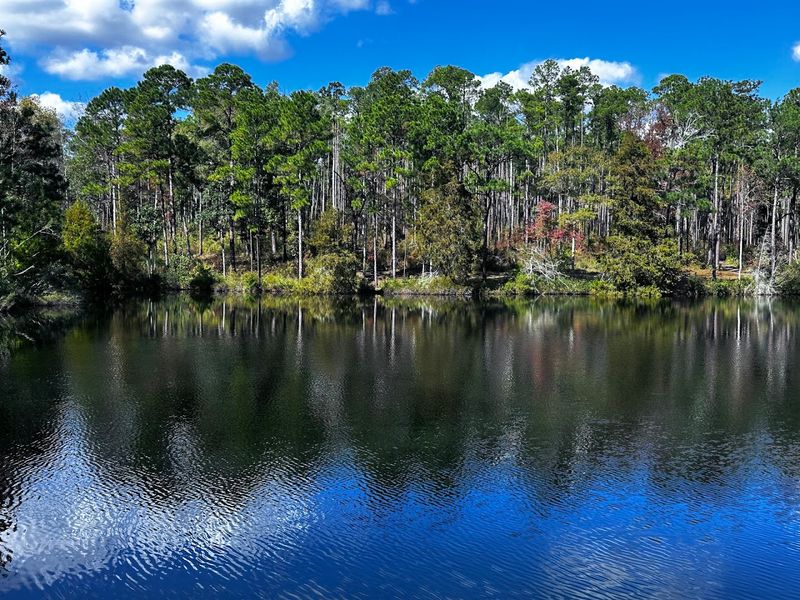
Chipley is the kind of town that outdoor lovers stumble upon by accident and then tell everyone they know about. Located in the Florida Panhandle in Washington County, this small city punches well above its weight when it comes to natural attractions.
The big draw is Falling Waters State Park, which is home to Florida’s tallest waterfall — and yes, Florida does have a waterfall, and it’s genuinely impressive.
The waterfall at Falling Waters drops 73 feet into a cylindrical sinkhole, creating a scene that feels more like the Appalachians than the Sunshine State. The park’s hiking trails wind through upland forest and past several sinkholes, giving visitors a geological tour of a landscape that most people don’t associate with Florida.
It’s a short hike to the falls, but the payoff is absolutely worth the effort.
The park also offers camping, which makes Chipley an excellent base for longer outdoor stays in the Panhandle. Waking up in the forest with birdsong as your alarm is a very different experience from the average Florida hotel morning, and campers here tend to linger longer than planned.
Beyond the state park, the surrounding area offers fishing in the Choctawhatchee River and its tributaries, where bass and bream fishing draws anglers from across the region. The rural roads around Chipley are quiet enough to make for enjoyable cycling, and the countryside has a pastoral beauty that slows you down in a good way.
Chipley itself is a genuine small town with a welcoming community feel. It’s not trying to be a tourist destination, which is precisely what makes it so refreshing.
Come for the waterfall, stay for the quiet, and leave already planning a return visit.
7. Fernandina Beach
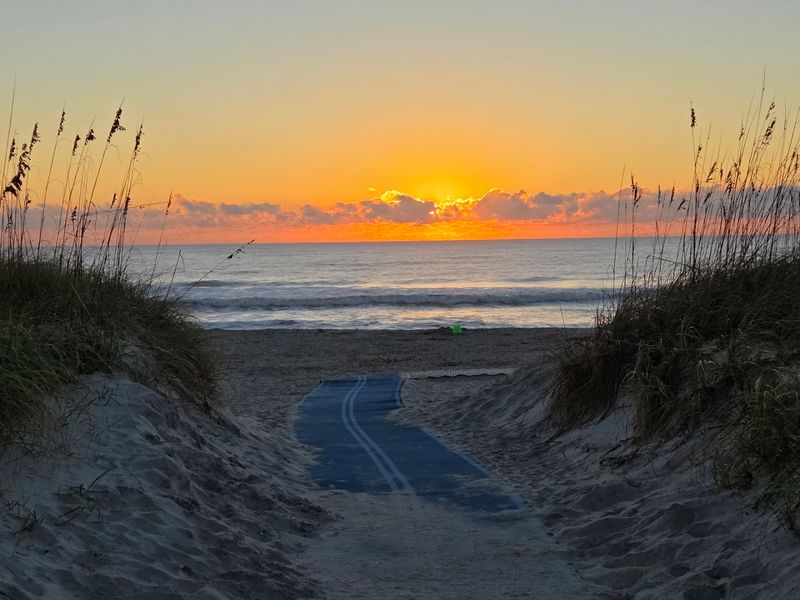
Amelia Island’s crown jewel, Fernandina Beach, carries more history per square mile than almost any other town in Florida. Eight flags have flown over this island, and that layered past gives it a depth of character that goes way beyond the average beach town.
But it’s the outdoor scene here that keeps adventure seekers coming back season after season.
The beaches on Amelia Island are wide, uncrowded, and strikingly beautiful. Because the island sits so far north on Florida’s Atlantic coast, the vibe is quieter and more natural than the resort-heavy beaches further south.
Sea turtle nesting season turns the shoreline into something magical, and the Amelia Island State Park at the southern tip of the island allows horseback riding on the beach — one of the few places in Florida where that’s still possible.
Fort Clinch State Park, sitting at the northern end of the island, offers a combination of history and nature that’s genuinely hard to beat. Hiking and cycling trails wind through maritime hammock and along the waterway, while the fort itself provides a fascinating glimpse into Civil War-era military life.
Fishing off the fort’s pier is a beloved local pastime, and the sunrise from that spot is quietly spectacular.
Kayaking and paddleboarding in the salt marshes behind the island reveal a thriving ecosystem of shorebirds, dolphins, and fiddler crabs. The Intracoastal Waterway runs along the island’s western edge, and guided eco-tours operate throughout the year for those who want a knowledgeable companion on the water.
Downtown Fernandina Beach is packed with character — Victorian buildings, independent restaurants, and a working shrimp boat fleet that still brings fresh catch to local tables. It’s a full experience wrapped inside a small-town package.
8. Punta Gorda
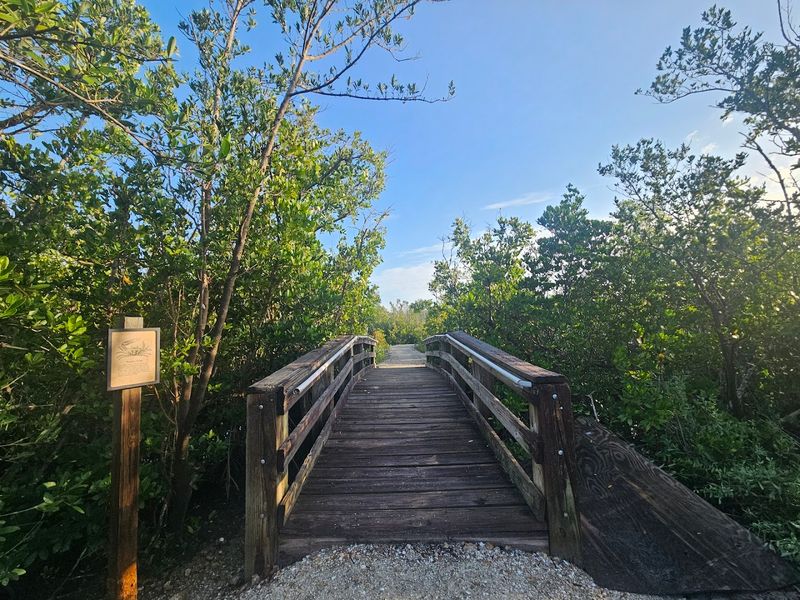
Punta Gorda sits at the northern tip of Charlotte Harbor, one of Florida’s largest estuaries, and the outdoor possibilities that come with that geography are almost overwhelming in the best possible way. This is a town that rewards people who like to move — whether on the water, on a bike, or on foot along one of the prettiest waterfront pathways in Southwest Florida.
Charlotte Harbor is a world-class fishing destination. Tarpon, snook, redfish, and sea trout are all found in these waters, and the harbor’s complex system of flats, channels, and mangrove shorelines gives anglers an endlessly varied playground.
Fly fishing guides operate out of Punta Gorda year-round, and the fishing community here is knowledgeable, passionate, and genuinely welcoming to newcomers.
The Peace River flows into Charlotte Harbor just north of town, and paddling its upper reaches is a completely different experience from saltwater kayaking. Freshwater paddlers find ancient fossils along the riverbanks — shark teeth, mammoth bones, and other prehistoric remnants — that have eroded out of the limestone over thousands of years.
It’s part geology lesson, part treasure hunt.
The Punta Gorda Pathways system is a network of paved trails that connects neighborhoods, parks, and the waterfront in a way that makes cycling or walking feel genuinely enjoyable rather than incidental. The Harborwalk stretches along the waterfront and delivers stunning sunset views over Charlotte Harbor that rival anything further south on the coast.
The downtown area has been thoughtfully developed without losing its small-town soul. Waterfront dining, boutique shops, and a vibrant arts community give Punta Gorda a livability that attracts both retirees and younger outdoor enthusiasts who want more space and less noise than the bigger Gulf Coast cities offer.
9. Crystal River
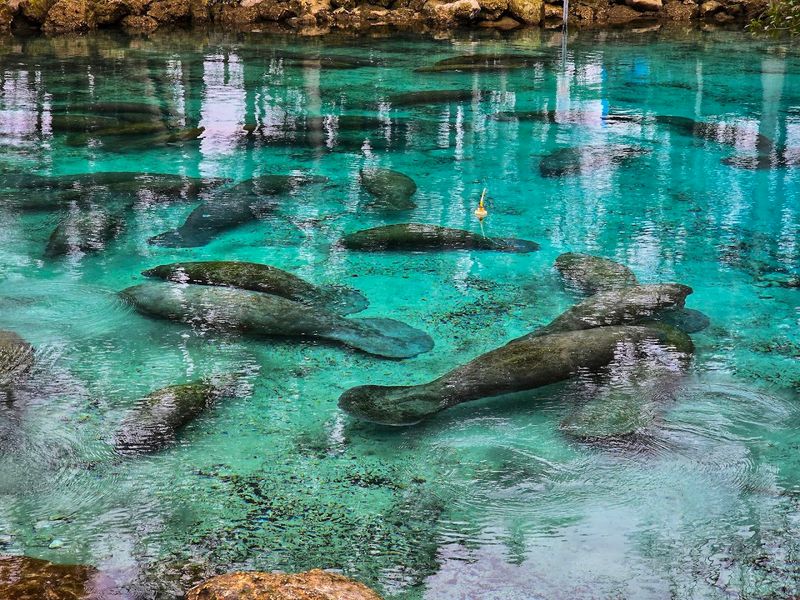
Crystal River has one claim to fame that no other place in Florida — or arguably the world — can match: it’s the only place in the United States where you can legally swim with wild manatees in their natural habitat. Every winter, hundreds of manatees gather in Kings Bay to warm themselves in the 72-degree spring water, and the opportunity to float alongside these gentle giants is the kind of experience that fundamentally changes how you think about wildlife.
Kings Bay is fed by over 30 natural springs, and the water clarity is remarkable. Snorkeling here reveals a world of freshwater aquatic plants, fish, and of course, manatees drifting through the water with almost meditative calm.
Guided snorkel tours operate throughout manatee season, and responsible operators take the rules seriously — no chasing, no touching, no disturbing resting animals. Respect is the whole point.
Beyond manatees, Crystal River offers outstanding kayaking through the spring systems and into the Gulf of Mexico via the Crystal River itself. The transition from freshwater springs to brackish estuary to open Gulf is fascinating, and the wildlife shifts with every mile.
Manatees, ospreys, dolphins, and bald eagles can all appear on the same paddle.
The Three Sisters Springs, accessible only by water, is one of the most photographed natural attractions in Florida. The springs form a series of connected pools surrounded by cypress trees, and the water is so clear that aerial photos look almost unreal.
Swimming here in the off-peak months, when crowds are smaller, is an experience that borders on transcendent.
Crystal River is a small, unpretentious town that doesn’t need to oversell itself. The springs do all the talking, and they make a very compelling case for coming back every single year.
10. Grayton Beach
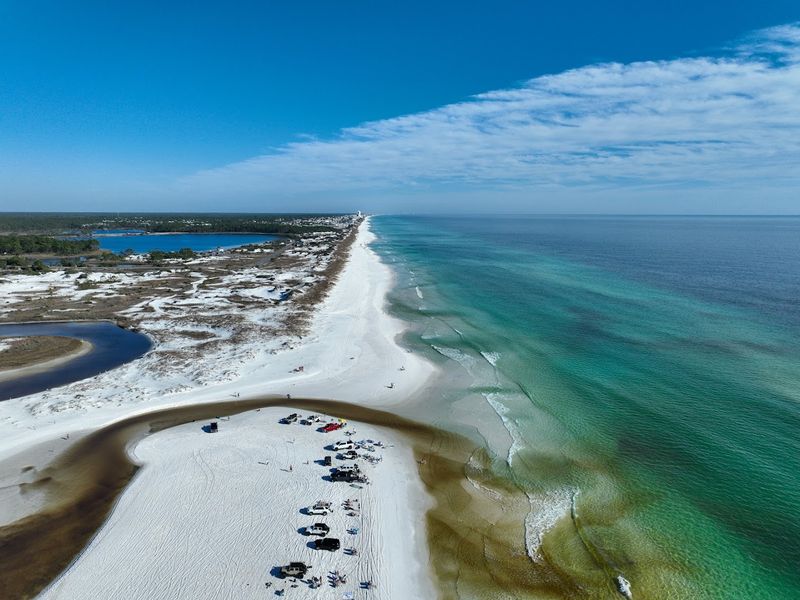
Few places in Florida stop people in their tracks the way Grayton Beach does. The sand here is so white and fine that it squeaks under your feet, and the Gulf water shifts between shades of emerald and turquoise depending on the light and the time of day.
Grayton Beach State Park consistently ranks among the top state parks in Florida and among the top beaches in the entire country — and the rankings are not exaggerating.
The park’s Western Lake is a rare coastal dune lake, a geological phenomenon found in only a handful of places worldwide. These lakes periodically breach the dunes and connect to the Gulf, creating a dynamic ecosystem that supports an unusual mix of freshwater and saltwater species.
Kayaking Western Lake and watching it interact with the Gulf is a genuinely fascinating experience that most visitors don’t expect to find at a beach park.
Hiking trails through the park wind through scrub, pine flatwoods, and along the lake’s edge, offering a surprising variety of habitats within a compact area. The nature trail is short but rewarding, especially in the early morning when the light is soft and the birds are active.
Painted buntings, one of North America’s most colorful songbirds, are frequently spotted in the area during migration.
Grayton Beach the community — separate from the state park — is a quirky, artsy village with a fiercely independent spirit. It predates the planned resort communities that surround it and wears that originality like a badge of honor.
A handful of restaurants, a legendary local bar, and an eclectic mix of beach cottages give the area a character that feels genuinely earned.
Sunrise swims, sunset paddles, and long afternoon walks along empty stretches of shoreline — Grayton Beach delivers all of it without any pretense whatsoever.