This Hidden 19th-Century Moorish Castle in Florida Looks Like Something From a Storybook
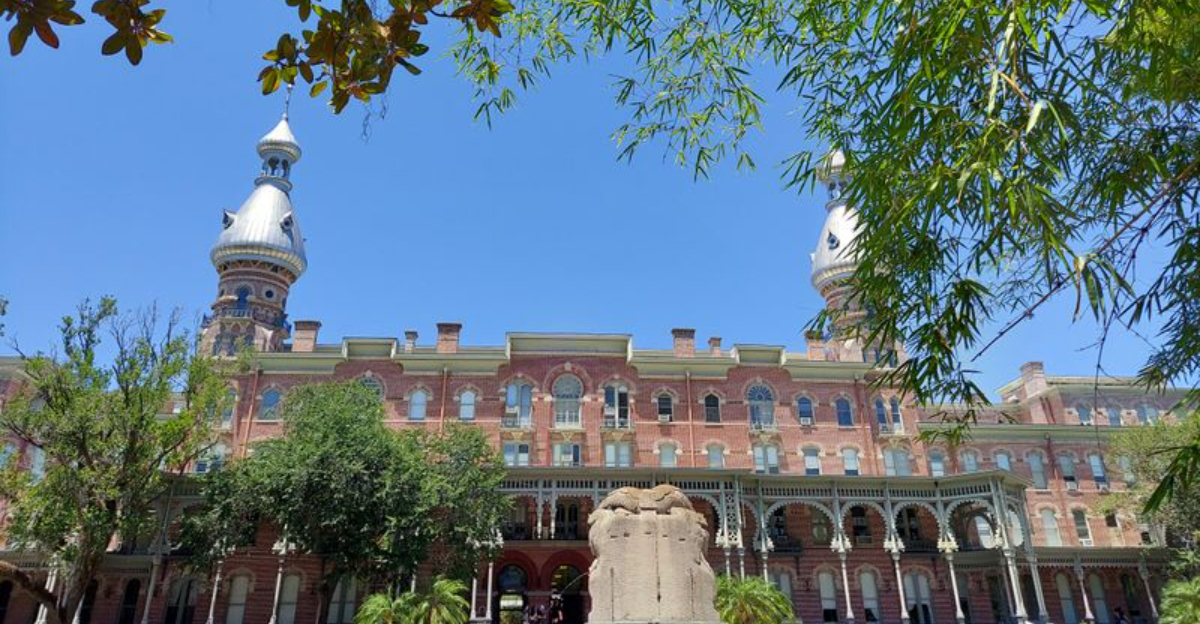
Tucked away in the heart of Tampa sits a building so fantastical it could have been plucked straight from the pages of a fairy tale. The Henry B. Plant Museum, with its silver minarets piercing the Florida sky and ornate Moorish architecture, stands as one of the state’s most enchanting hidden treasures.
Once a luxurious hotel that transformed Tampa into a winter resort destination during the Gilded Age, this architectural marvel now invites visitors to step back in time and experience the opulence of a bygone era.
1. A Railroad Tycoon’s Fairy Tale Vision
Henry B. Plant wasn’t just building a hotel when he commissioned this Moorish masterpiece in 1891. He was creating a destination that would put Tampa on the map and rival anything found in Europe.
The railroad magnate spent a jaw-dropping $3 million on construction alone, which in today’s money would be close to $100 million.
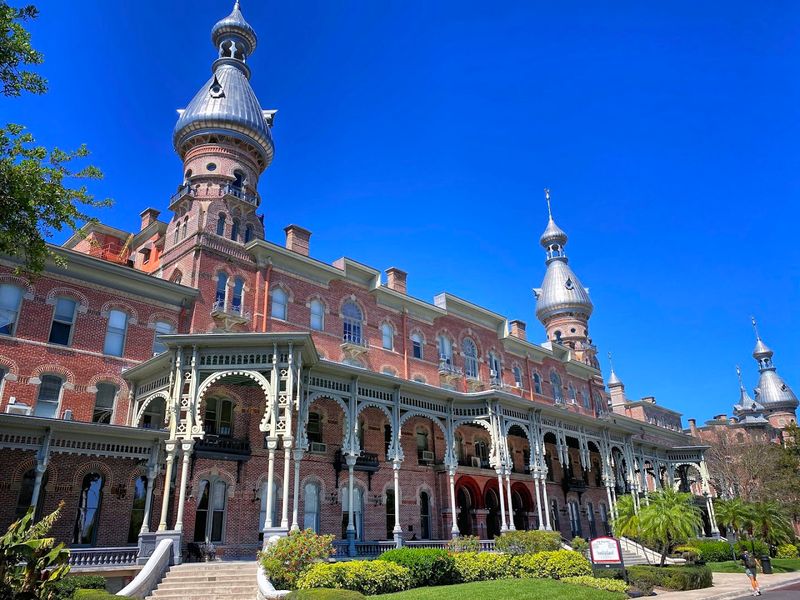
Walking up to the building feels like approaching a sultan’s palace that somehow landed in central Florida. Those gleaming silver minarets catch the sunlight in a way that makes you do a double-take, especially if you’re used to Florida’s typical Spanish Colonial architecture. Plant modeled the design after the Alhambra in Spain, mixing Moorish, Turkish, and Victorian elements into something completely unique.
The building served as headquarters for troops during the Spanish-American War, with Colonel Theodore Roosevelt himself staying here before heading to Cuba. Today, the museum occupies just one wing of the massive structure, while the University of Tampa uses the rest. That railroad vision transformed Tampa from a sleepy port town into a thriving tourist destination, proving that sometimes the craziest dreams create the most lasting legacies.
2. Stepping Into Gilded Age Glamour
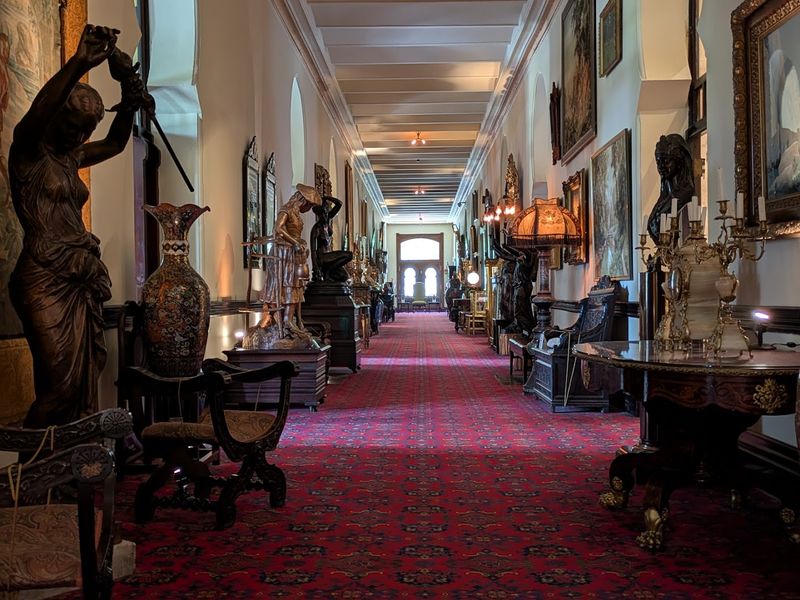
Forget everything you think you know about museum exhibits. The Henry B. Plant Museum doesn’t just show you artifacts behind glass cases—it drops you right into the middle of a Victorian-era luxury hotel.
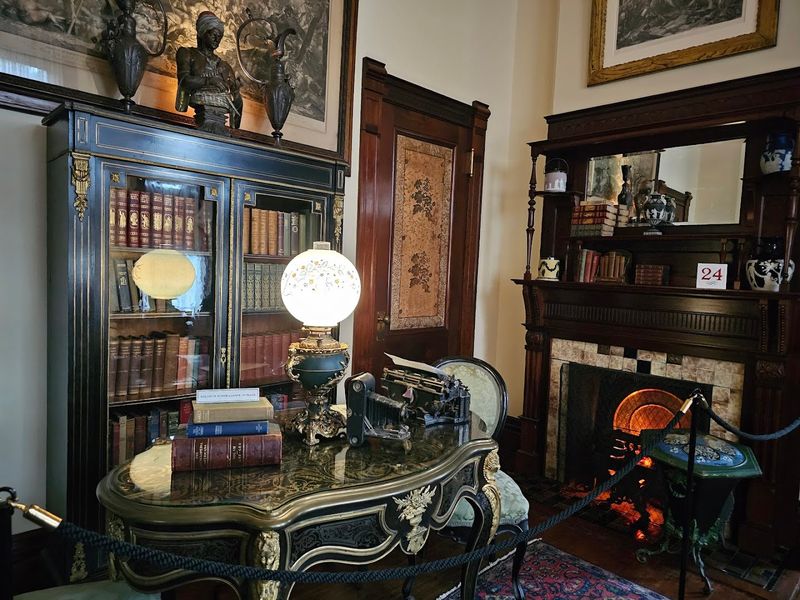
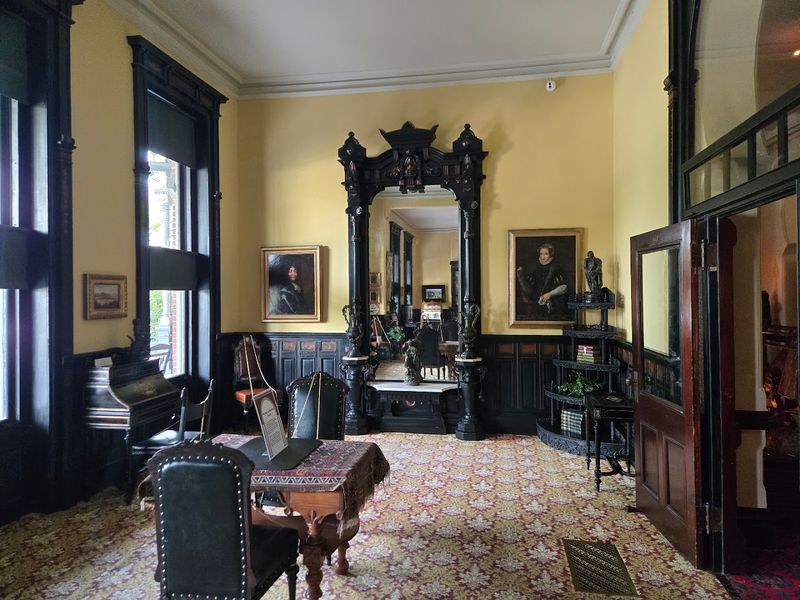
Every room has been meticulously restored and furnished with original pieces from the 1890s, including furniture, art, and decorative objects that Plant himself purchased during European shopping sprees.
The collection spans continents, featuring treasures from Asia, Europe, and the Middle East. You’ll find hand-carved furniture, elaborate light fixtures, and artwork that wealthy guests would have enjoyed during their winter stays. The attention to detail is remarkable—even the wallpaper patterns and window treatments match the original designs.
What makes it special is how the rooms tell stories rather than just displaying pretty things. You can almost hear the rustle of silk gowns and smell the cigar smoke from wealthy industrialists who came south to escape harsh northern winters. The museum staff genuinely loves sharing these stories, and their enthusiasm makes history come alive in ways textbooks never could.
3. Architecture That Defies Florida Convention
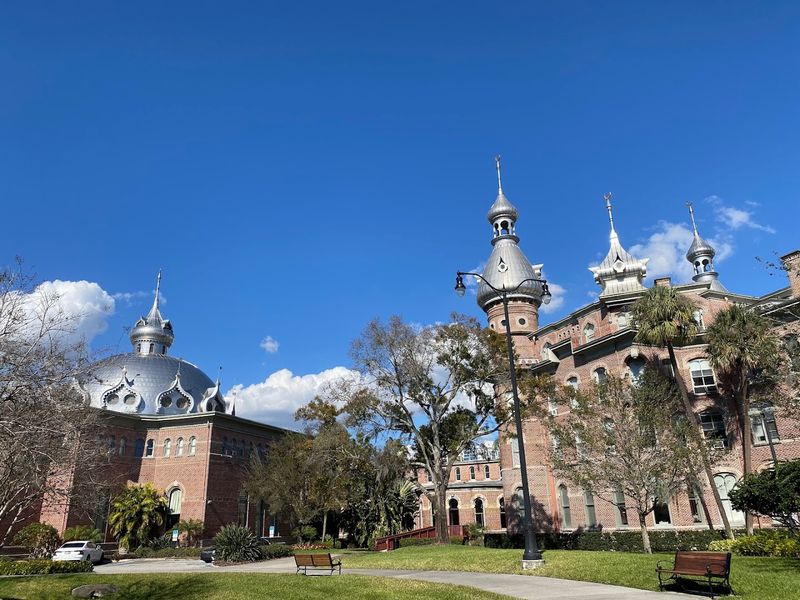
Most Florida buildings follow predictable patterns—Spanish tiles, stucco walls, maybe some art deco if you’re in Miami. Plant Hall laughs at those conventions with its wild mix of architectural styles that somehow work together perfectly. The building stretches across six acres with thirteen distinctive minarets, each topped with a crescent moon finial that glints in the Tampa sunshine.
The exterior combines red brick with white trim, creating a striking contrast that photographs beautifully from every angle. Covered verandas wrap around the building, offering shaded spots where hotel guests once lounged while watching boats on the Hillsborough River. The symmetry is intentional but not boring—everywhere you look, there’s another decorative element or architectural flourish to discover.
Inside, the woodwork alone deserves its own fan club. Intricate carvings, grand staircases, and soaring ceilings create spaces that feel both intimate and impressively grand. Comparing this craftsmanship to modern construction really highlights how building standards have changed.
Every detail was considered, from door handles to ceiling medallions, creating a cohesive design that still impresses more than 130 years later.
4. The Victorian Christmas Transformation

If you think modern Christmas decorations are over-the-top, wait until you see how the Victorians did it. Each year, the museum transforms into a winter wonderland that would make even Scrooge crack a smile. Beautifully decorated trees fill the historic rooms, each themed to represent different aspects of Victorian holiday traditions.
The Victorian Christmas Stroll has become a Tampa tradition, drawing visitors who return year after year. Tickets run about $20 per person, and the event typically includes live carolers, scavenger hunts, and special programming. The decorations aren’t just random pretty things—they’re historically accurate representations of how wealthy families celebrated during the Gilded Age.
Walking through rooms lit by twinkling lights while period music plays creates an atmosphere that’s genuinely magical. The museum staff includes details like vintage ornaments, traditional greenery arrangements, and even historically appropriate color schemes. You’ll want to allow at least an hour to fully appreciate everything, though many visitors find themselves lingering longer.
The gift shop also gets into the holiday spirit, offering unique ornaments and Victorian-inspired decorations you won’t find anywhere else.
5. A Museum That Respects Your Time and Wallet
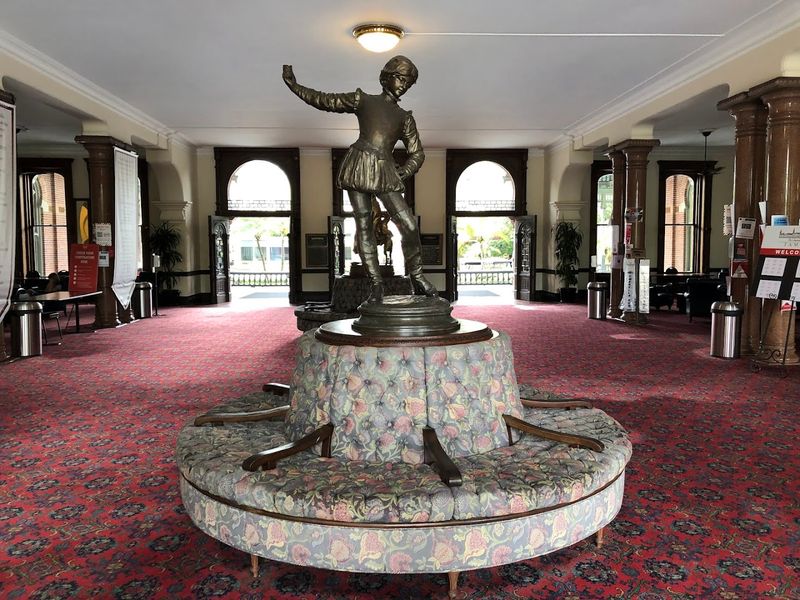
Let’s talk practical details, because nobody likes surprise expenses or wasted afternoons. Regular admission costs just $12 per adult, which is honestly a steal considering what you’re getting. Military families get free admission as part of the Blue Star Museums program, and the museum offers free entry on the second Tuesday of each month for everyone.
The museum itself is compact—you can thoroughly explore everything in about an hour, maybe 90 minutes if you’re really taking your time. Some visitors wish there was more open to the public, and honestly, same. But the University of Tampa uses most of the building, so what you get is a carefully curated experience rather than overwhelming galleries that leave you exhausted.
Staff members at the front desk encourage visitors to watch a 15-minute orientation video before exploring, which provides helpful context. The museum also offers scavenger hunts that add an interactive element, especially great if you’re bringing kids. Audio tours are available through your own phone, so you can learn at your own pace.
Operating hours are Tuesday through Saturday from 10 AM to 5 PM, and Sundays from noon to 5 PM, with Mondays reserved for the building to rest.
6. Where History Meets Higher Education
Here’s something you don’t see every day—college students attending classes in a building that once hosted Gilded Age millionaires and war heroes. Since 1933, the University of Tampa has called Plant Hall home, creating a unique blend of historic preservation and modern education. Students walk the same halls where wealthy socialites once promenaded, though probably with more backpacks and fewer parasols.
The arrangement works surprisingly well for everyone involved. The university maintains the building’s exterior and common areas, while the museum preserves and interprets the historic wing. This partnership ensures the building stays active and relevant rather than becoming a dusty relic that nobody visits.
You can explore the exterior and public spaces of the university portion for free, which gives you a broader sense of the building’s massive scale. The park out front offers gorgeous views and photo opportunities, especially at sunset when the minarets create dramatic silhouettes against the sky. Students seem to appreciate the historic setting—where else can you claim your college is literally a castle?
The juxtaposition of Victorian opulence and modern campus life creates something special that you won’t find at typical universities.
7. Stories the Walls Remember
Buildings this old accumulate stories like Florida accumulates humidity—constantly and in surprising amounts. The Tampa Bay Hotel opened just in time to play an unexpected role in American history. When the Spanish-American War broke out in 1898, the hotel became military headquarters, transforming from a luxury resort into a strategic command center practically overnight.
Theodore Roosevelt stayed here with his Rough Riders before shipping out to Cuba, adding a presidential connection to the building’s resume. Imagine the conversations that happened in these rooms as military leaders planned campaigns while surrounded by European artwork and Asian antiquities. The contrast between wartime urgency and Victorian luxury must have been surreal.
Plant himself only got to enjoy his creation for eight years before passing away in 1899. His vision of transforming Tampa through tourism and railroad connections succeeded beyond what even he probably imagined. The museum does an excellent job presenting these layered histories without making it feel like a boring lecture.
Staff members are genuinely knowledgeable and passionate, ready to share fascinating details that bring the past to life in unexpected ways.
8. Hidden Gem Status Fully Deserved
With a 4.6-star rating from over 1,300 reviews, this place clearly delivers on its storybook promise. Visitors consistently praise the stunning architecture, well-curated exhibits, and friendly staff who actually care about sharing Tampa’s history. The building photographs beautifully from every angle, making it a favorite spot for both tourists and locals seeking that perfect Instagram shot.
What makes it truly hidden is how many Floridians have never heard of it, even though it’s sitting right there in plain sight on Kennedy Boulevard. Unlike Disney or the beaches, this gem requires a bit of intentional seeking. But that’s part of its charm—you’re not fighting crowds or waiting in lines to experience something genuinely special.
The combination of affordable admission, manageable size, and genuine historical significance creates an experience that punches way above its weight. Whether you’re an architecture enthusiast, history buff, or just someone who appreciates beautiful things, this Moorish castle delivers. The fact that it exists in Tampa rather than some European capital makes it even more remarkable.
Sometimes the best treasures are the ones hiding in plain sight, waiting for curious visitors to discover their magic.