These 12 Florida Rivers Feel More Tropical Than You’d Expect
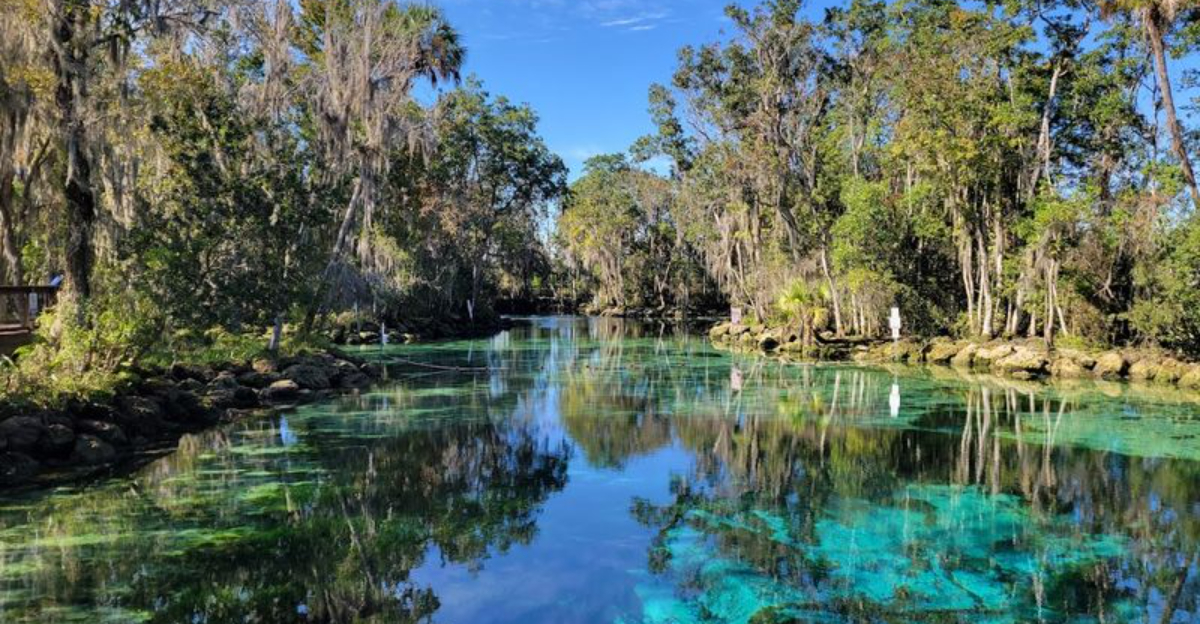
Florida is famous for its beaches, but the real magic often hides just a few miles inland. Tucked beneath towering cypress trees and Spanish moss, the state’s rivers look like something straight out of a rainforest documentary.
Crystal-clear springs, manatee sightings, and water so blue-green it barely looks real — these rivers are the state’s best-kept secrets. Pack a kayak, grab some sunscreen, and get ready to be completely surprised by what Florida’s waterways have to offer.
1. Wakulla River
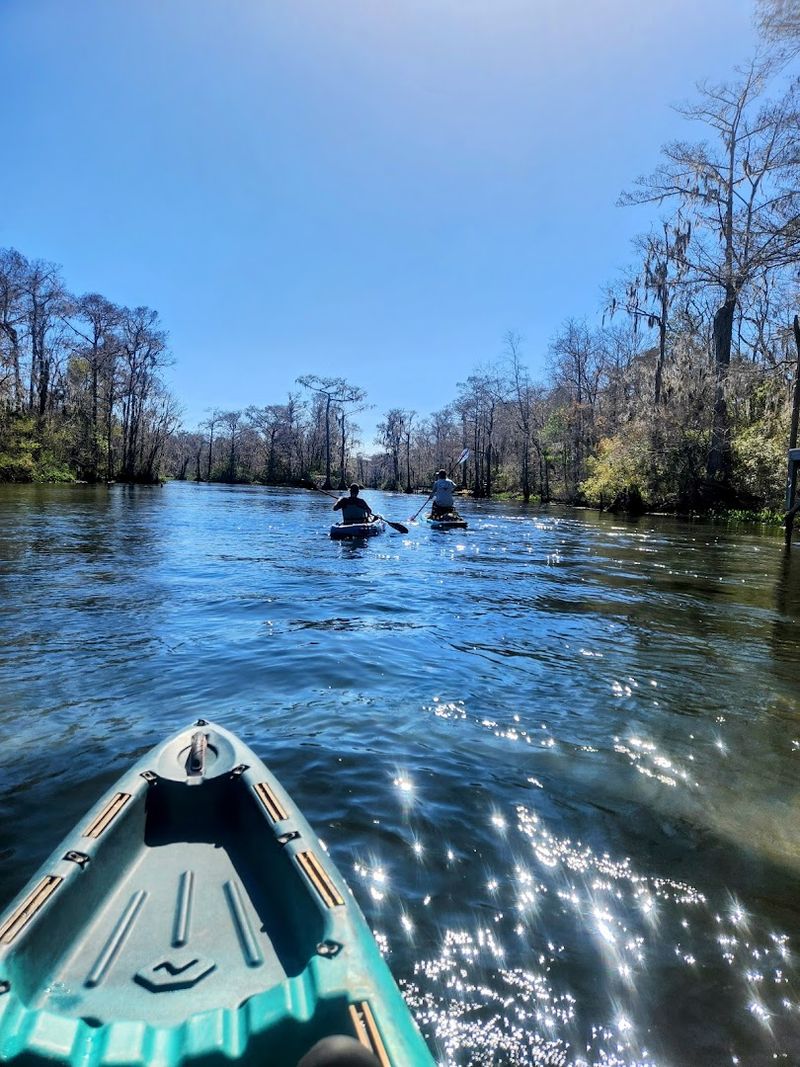
There is a moment on the Wakulla River when you stop paddling and just stare. The water is so clear you can watch a manatee glide beneath your kayak like a slow-moving submarine, completely unbothered by your presence.
It feels less like central Florida and more like a scene from a nature documentary filmed somewhere deep in the Amazon.
The Wakulla River flows out of Wakulla Springs, one of the largest and deepest freshwater springs in the world. That steady spring flow keeps the water a constant 68 to 70 degrees Fahrenheit year-round, which is why manatees flock here during cooler months.
The river moves gently, making it easy for beginners and experienced paddlers alike to enjoy the journey without fighting the current.
Wildlife watching here is genuinely world-class. Alligators sun themselves on the banks, ospreys dive for fish overhead, and herons stand in the shallows like they own the place.
Limpkins — a bird that sounds like something from a horror movie — call out from the tree line. The dense vegetation on both sides creates a canopy that blocks out the sun in stretches, giving the whole experience a moody, jungle-like atmosphere.
Edward Ball Wakulla Springs State Park manages the area, so the river stays protected and remarkably clean. Guided glass-bottom boat tours are available if you prefer to stay dry, and they offer an incredible view of the spring boil at the headwaters.
Parking is easy, the entrance fee is reasonable, and the whole vibe feels unhurried. If you have never floated a Florida spring-fed river before, the Wakulla is one of the most dramatic places to start.
2. Peace River
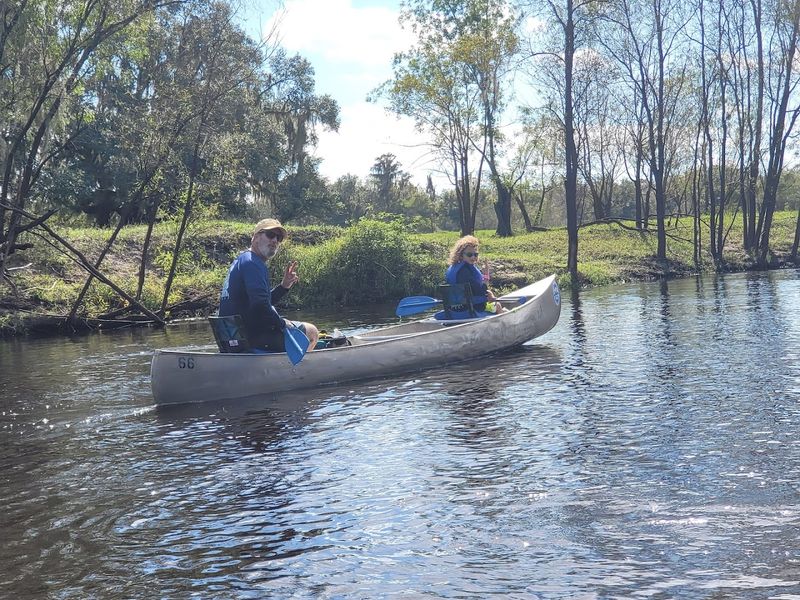
The Peace River does not look like the others on this list, and that is exactly what makes it so fascinating. Instead of the glassy turquoise water you get from spring-fed rivers, the Peace runs dark and tea-colored, stained by tannins from decaying leaves and organic matter.
It looks almost mysterious — like something ancient is lurking just below the surface. And in a way, something ancient always is.
Fossil hunting along the Peace River is a legitimate hobby with a serious following. The riverbed and sandy banks regularly give up shark teeth, mastodon bones, and prehistoric horse teeth — remnants of creatures that roamed Florida thousands of years ago.
You do not need any special equipment, just a mesh sieve and some patience. Many paddlers end their float with a small collection of teeth that are millions of years old, which is a pretty wild souvenir.
The river stretches roughly 106 miles from Polk County down to Charlotte Harbor, passing through cattle country, small towns, and wide-open wilderness. The tropical feel comes from the thick vegetation crowding the banks — cabbage palms, live oaks dripping with moss, and wild ferns that spill over the water’s edge.
Sandhill cranes walk along the sandy shores like they have nowhere to be.
Canoe Outpost Peace River near Arcadia is one of the best-organized outfitters in the state and offers multi-day camping trips along the river. Spending a night on a sandbar under a sky full of stars, with the dark water moving quietly past your tent, is an experience that sticks with you.
The Peace River rewards the curious and the unhurried in equal measure.
3. Ichetucknee River
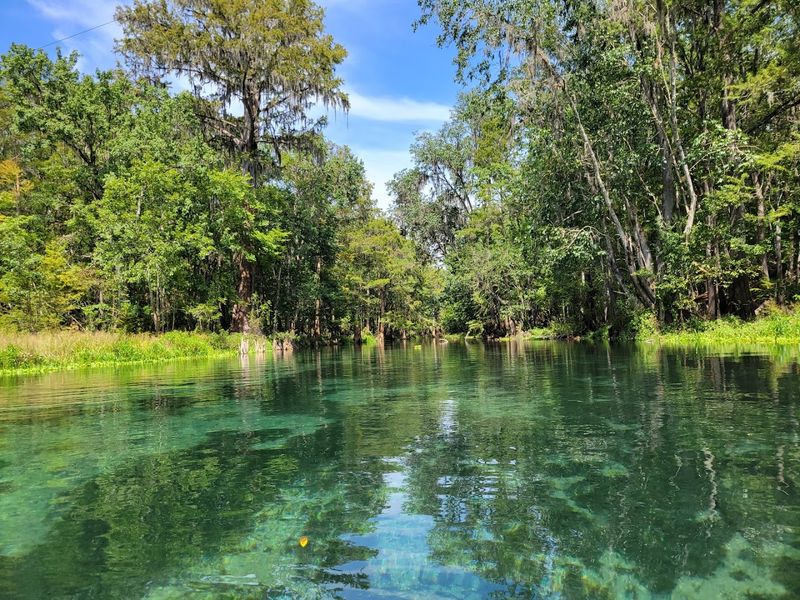
Ask any Florida native where they spent their best summer day, and a surprising number will say the Ichetucknee. This river has been the unofficial summer headquarters for Floridians for generations.
The water is impossibly clear, the current does all the work, and the only real decision you have to make is whether to bring a tube or a kayak. Most people choose the tube, and honestly, they are right.
The Ichetucknee River is fed by multiple springs and runs about six miles through Ichetucknee Springs State Park in north-central Florida. The water temperature holds steady at 68 degrees, which feels like heaven in July when air temperatures push past 95.
The river bottom is mostly white sand and limestone, and the aquatic grasses sway in the current like a slow-motion dance. Turtles stack up on logs, otters occasionally pop their heads out, and the whole scene has a dreamy, surreal quality.
The park limits the number of visitors per day to protect the ecosystem, so getting there early is important — especially on summer weekends. Tubing the full run takes two to three hours at a relaxed pace, and there are entry and exit points along the way if you want a shorter float.
No motorized boats are allowed, which keeps the experience peaceful and the water clean.
What makes the Ichetucknee feel tropical is not just the water — it is the thick hardwood hammock surrounding it. Massive cypress trees, ferns, and wild azaleas crowd the banks so tightly that you feel enclosed in a green tunnel.
The light filters through in golden shafts, especially in the morning. It is the kind of place that makes you wonder why anyone ever leaves Florida.
4. Homosassa River
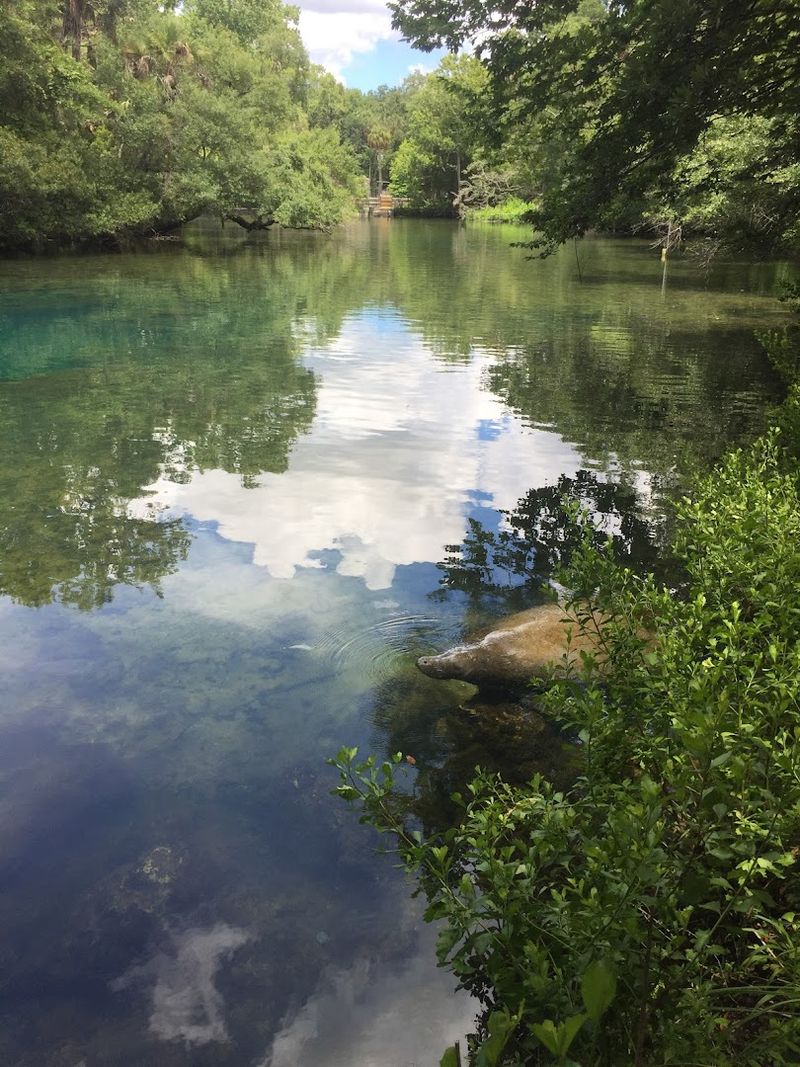
The Homosassa River has a personality all its own. It is wider and saltier than most spring-fed rivers in Florida, with a mix of freshwater springs and tidal influence that creates a unique ecosystem where manatees, saltwater fish, and freshwater species all coexist in the same stretch of water.
That ecological mashup gives the river a wild, unpredictable energy that keeps every visit feeling different.
Manatees are the main attraction here, and they show up in remarkable numbers during the cooler months — sometimes dozens at a time congregating near the warm spring vents. Ellie Schiller Homosassa Springs Wildlife State Park sits right along the river and offers one of the only places in Florida where you can observe manatees from an underwater observatory.
Watching a 1,200-pound manatee drift past a glass window is genuinely jaw-dropping, no matter how many times you have seen one.
The river also connects to the Gulf of Mexico, which means boat traffic is a regular part of the scene. Pontoon boats, kayaks, and airboats all share the water, giving the area a lively, Old Florida charm.
Waterfront restaurants and fish camps line the banks, and it is completely normal to dock your boat and order a plate of fried mullet while a manatee noses around the dock pilings below you.
The tropical feel comes from the thick riverside vegetation — dense stands of cabbage palms, red mangroves, and swamp willows create a lush green corridor. Roseate spoonbills, with their shocking pink feathers, are a regular sighting.
Kayaking the upper stretch near the spring boil early in the morning, when the mist is still sitting on the water, is one of the most atmospheric experiences the Nature Coast has to offer.
5. Juniper Run (Juniper Creek)
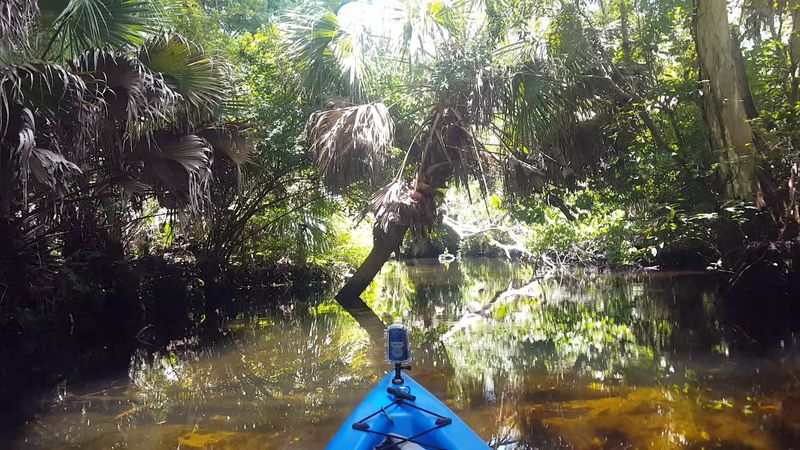
Juniper Run earns its reputation the hard way. Unlike the wide, lazy rivers that let you coast along half-asleep, this narrow spring run demands your attention.
The channel twists and bends through Ocala National Forest, with tree roots and overhanging branches forcing you to duck, paddle hard, and occasionally laugh at yourself when you get turned sideways. It is the most adventurous paddling experience on this list, and absolutely worth it.
The run begins at Juniper Springs Recreation Area, one of the oldest recreation areas in the national forest system. The spring itself produces millions of gallons of 68-degree water daily, and that flow creates a steady current through the seven-mile run.
The water is a brilliant aqua-green, clear enough to watch turtles walking along the sandy bottom beneath your boat. The forest closes in tight on both sides, making the whole corridor feel like a secret passage through the wilderness.
Wildlife encounters are frequent and close. River otters are practically a guarantee if you move quietly — they pop up alongside kayaks with an almost comical curiosity.
Alligators rest on banks just feet away from passing paddlers, and wading birds stand in the shallows at nearly every bend. The tree canopy overhead is so thick in places that it blocks the sun entirely, turning the air noticeably cooler and greener.
The run takes three to four hours depending on your pace and how many times you stop to untangle from a root or watch an otter. Shuttle service is available from the recreation area.
Reservations are strongly recommended, especially in spring and fall when demand peaks. Juniper Run is the kind of place that converts casual paddlers into obsessed ones — one run through this green tunnel and you will be planning your return trip before you even reach the takeout.
6. Rainbow River
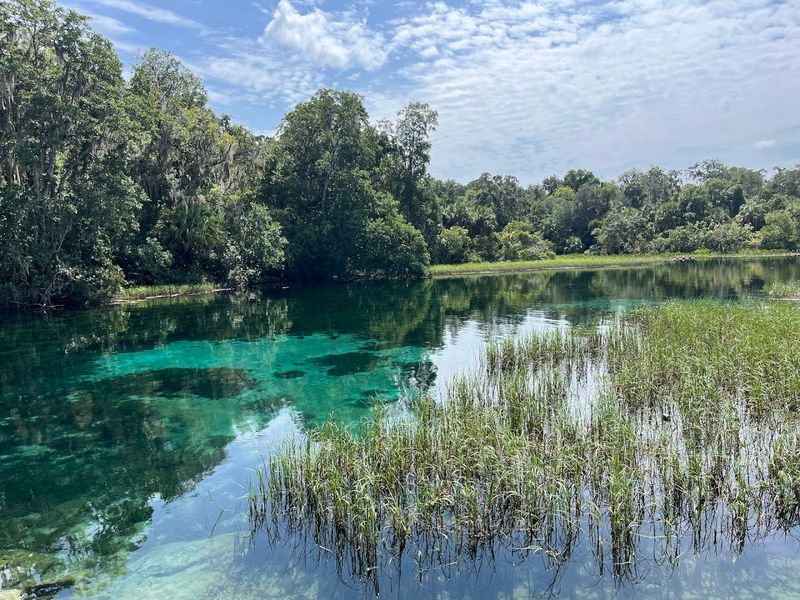
Rainbow River might be the most visually stunning river in the entire state. The name is not just poetic — the water actually shifts through shades of aqua, teal, and pale green depending on the depth and the angle of the sunlight.
Snorkeling here feels like floating over a tropical reef, except instead of coral, you have dense meadows of aquatic grasses swaying in the spring current. It is genuinely breathtaking, even if you have seen it in photos a hundred times.
The river flows for about five miles from its headspring in Rainbow Springs State Park near Dunnellon down to the Withlacoochee River. Visibility in the water regularly exceeds 100 feet, which makes snorkeling and kayaking equally spectacular.
The spring boil at the headwaters pumps out around 400 to 600 million gallons of water daily, maintaining that signature clarity and constant 68-degree temperature. Schools of fish scatter as you drift overhead, and freshwater turtles cruise the bottom with total indifference to your presence.
Rainbow Springs State Park manages the upper section and offers a beautiful swimming area with easy access to the spring. Tubing is available on the lower stretch, and the float down to the takeout at K.P.
Hole County Park is one of the most relaxed and scenic in Florida. The park also has walking trails and waterfalls — yes, actual waterfalls — that were originally built during the property’s days as a private attraction in the mid-20th century.
Weekdays are significantly less crowded than weekends, and arriving early makes a real difference. The river has faced challenges from overuse in past years, so visitors are encouraged to stay in the water and off the fragile grass beds.
Treat it well, and Rainbow River will absolutely deliver one of the most memorable days you can have in Florida.
7. Blackwater River
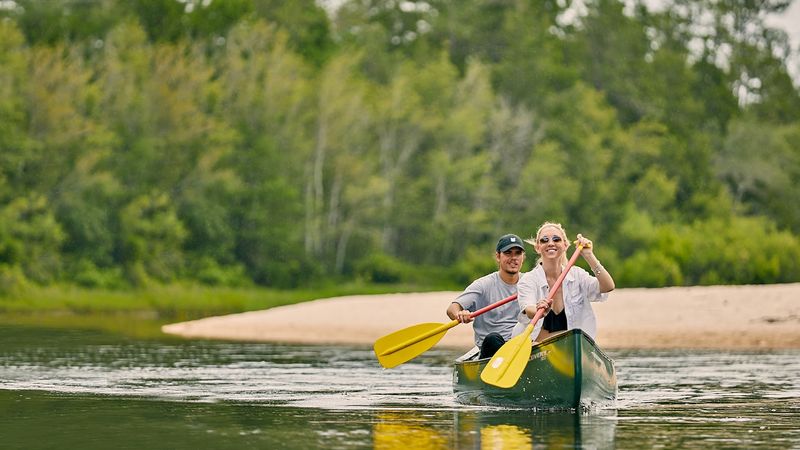
The Blackwater River in the Florida Panhandle looks like it belongs in a fairy tale. White sugar-sand banks line a river so dark it mirrors the sky like black glass.
The contrast between the bone-white sand and the deep, tannin-stained water is one of the most striking visuals in all of Florida — and it looks nothing like what most people picture when they think of a Florida river. It has a moody, almost otherworldly beauty that is hard to describe and impossible to forget.
The river runs through Blackwater River State Forest, the largest state forest in Florida, covering over 190,000 acres of longleaf pine and wiregrass flatwoods. The water gets its dark color from tannins leaching out of organic matter in the surrounding forest — it is completely natural and totally safe to swim in.
The river is considered one of the purest sand-bottom rivers in the country, which is a remarkable claim that holds up when you see the water up close.
Canoeing and kayaking are the primary activities here, and the river offers everything from short afternoon paddles to multi-day camping trips. The gentle current makes it accessible for families and beginners, and the sandbar campsites along the way are some of the most scenic in the state.
Waking up on a white sand bank with the dark water flowing quietly past and a canopy of longleaf pines overhead is a profoundly peaceful experience.
The Panhandle location means the Blackwater gets less tourist traffic than many of Florida’s more famous spring runs. That relative solitude is a big part of its appeal.
Blackwater River State Park near Holt serves as a convenient base, with canoe rentals, camping, and a swimming area. If the crowds at Rainbow River or the Ichetucknee feel overwhelming, the Blackwater is your answer.
8. Silver River
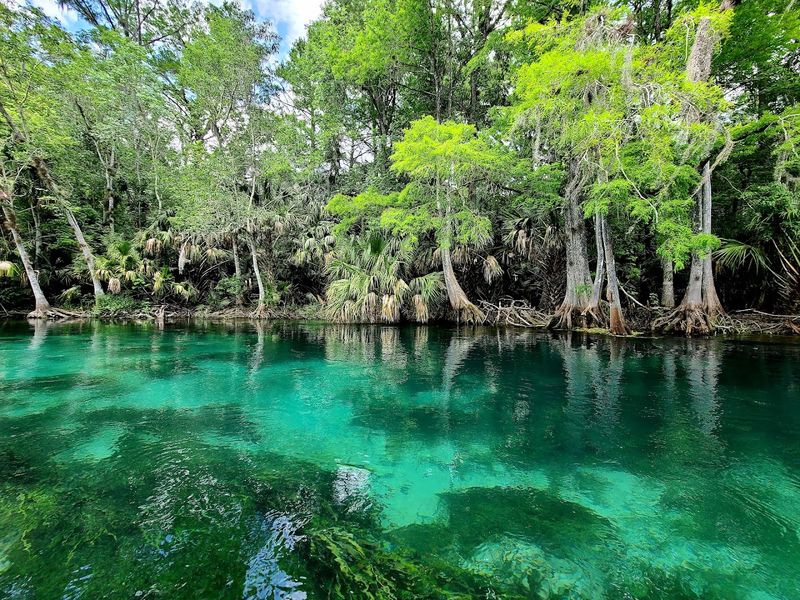
Silver River comes with a bonus attraction that no other Florida river can claim: wild monkeys. A population of rhesus macaques, descended from animals released or escaped during the old Silver Springs attraction days, lives in the forests along the riverbank.
Spotting one peering down at you from a cypress branch while you paddle is the kind of surreal Florida moment that makes the whole state feel like it operates by its own set of rules.
The river flows from Silver Springs, one of the largest artesian spring systems in the world. The water is extraordinarily clear — visibility can reach up to 80 feet — and the spring boil at the headwaters is a genuinely awe-inspiring sight.
Glass-bottom boat tours have operated here since the 1870s, making Silver Springs one of the oldest tourist attractions in Florida. Those historic boats still run today through Silver Springs State Park, and they offer a unique perspective on the underwater world below.
Kayaking the Silver River is one of the most rewarding paddles in the state. The five-mile stretch from the park to the Ocklawaha River passes through old-growth forest with massive cypress trees, Spanish moss, and dense fern understory.
Alligators, river otters, white-tailed deer, and countless bird species make regular appearances. The combination of crystal-clear water, ancient forest, and exotic wildlife gives the whole river a slightly unreal, almost cinematic quality.
The state park is well-managed and offers kayak rentals, guided tours, and well-maintained trails. Camping is available nearby.
Weekday visits are noticeably quieter, and morning paddling hours offer the best wildlife activity. Silver River is one of those places that reminds you just how extraordinary Florida’s natural environment truly is, even after everything the state has been through in terms of development and change.
9. Wekiwa (Wekiva) River
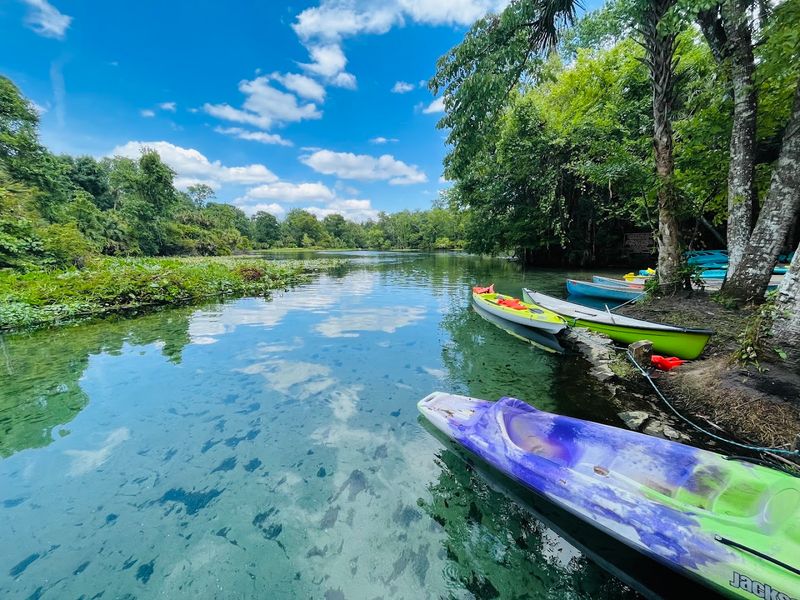
Most people do not realize that one of Florida’s best wild river paddling experiences is located less than 30 minutes from downtown Orlando. The Wekiva River — sometimes spelled Wekiwa, depending on which section you are on — cuts through a surprisingly intact wilderness corridor in the middle of some of the most developed real estate in the state.
Paddling it feels like a complete escape from the theme park sprawl just outside the tree line.
The river originates at Wekiwa Springs, a first-magnitude spring inside Wekiwa Springs State Park. The water runs clear and cool, and the spring pool itself is a popular swimming spot that locals have used for decades.
From the spring, the river winds through a floodplain forest of cypress, tupelo, and water oak, eventually joining the St. Johns River about 15 miles downstream. The entire corridor is protected as part of the Wekiva-Ocala Greenway, a massive conservation area that connects multiple parks and preserves.
Wildlife is abundant and surprisingly bold. Black bears are occasionally spotted along the riverbank — a genuinely thrilling encounter that reminds you this is real wilderness.
River otters, great blue herons, wood storks, and alligators are all regular sights. The forest overhead is dense enough that the river feels enclosed and intimate, even when other paddlers are nearby.
Rock Springs Run, a tributary that feeds into the Wekiva, is arguably even more beautiful than the main river — it is narrower, clearer, and lined with overhanging vegetation that creates a stunning green tunnel effect. Paddling both in a single trip is absolutely doable and highly recommended.
For anyone visiting Central Florida who wants to experience something genuinely wild and local, the Wekiva system is the most underappreciated outdoor destination in the region.
10. Crystal River
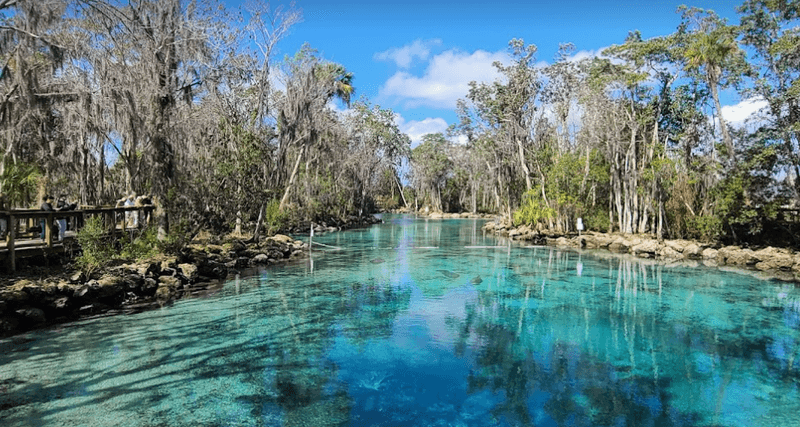
Crystal River is the only place in the United States where swimming with wild manatees is legally permitted under federal guidelines, and that single fact makes it unlike anywhere else in the country. From November through March, hundreds of West Indian manatees gather in Kings Bay, drawn by the warm spring water that stays a constant 72 degrees even when Gulf temperatures drop.
Getting into the water alongside these massive, gentle animals is an experience that genuinely changes people.
Kings Bay is technically a river system fed by more than 30 individual springs, and the water clarity in many areas is exceptional. The springs vary in character — some are wide and open, others are tucked into narrow channels surrounded by thick aquatic vegetation.
Paddleboarding and kayaking through the back channels and spring runs is a completely different experience from the manatee tours, offering a quieter, more exploratory vibe.
The town of Crystal River itself has a classic Nature Coast character — laid-back, fishing-oriented, and proud of its wild backyard. Dive shops, kayak outfitters, and boat tour operators line the waterfront, and the whole area has a comfortable, no-frills energy.
Seafood restaurants serve grouper and mullet caught locally, and nobody seems to be in much of a hurry about anything.
Three Sisters Springs, a cluster of spring vents within Kings Bay, is one of the most photographed natural sites in Florida. The crystal-clear water and dense aquatic grasses create an almost surreal underwater landscape, and manatees congregate there in particularly high numbers during cold snaps.
The US Fish and Wildlife Service manages access carefully to protect the animals. Visiting Crystal River in winter, when the manatees are at peak numbers and the crowds are manageable, is one of the most rewarding wildlife experiences Florida offers.
11. Weeki Wachee River
Weeki Wachee has one of the greatest origin stories in Florida history. In 1947, a former Navy frogman named Newton Perry trained young women to breathe through underwater air hoses and perform choreographed shows in the spring — essentially inventing the concept of professional mermaids.
The show has been running, more or less continuously, ever since. That backstory alone makes the Weeki Wachee River feel like no other place on earth, and the spring itself absolutely lives up to the legend.
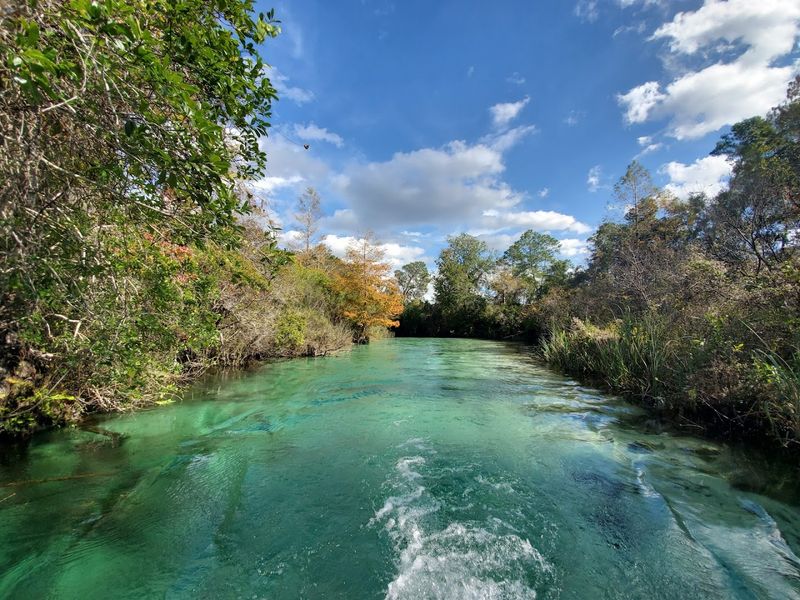
The river flows about six miles from the spring to the Gulf of Mexico near Hernando Beach, and the upper stretch near the headwaters is where the tropical atmosphere is strongest. The spring boil pumps out water at 74 degrees — slightly warmer than most Florida springs — and the resulting river is wide, clear, and beautifully blue-green.
Manatees use the warm spring water as a winter refuge, and encountering one on a morning paddle is a regular occurrence.
Buccaneer Bay, the waterpark attached to Weeki Wachee Springs State Park, uses the natural spring water for its slides and swimming areas. It is one of the few waterparks in the world where you are swimming in genuine, spring-fed water.
The mermaid shows still run several times daily and have a nostalgic, uniquely Floridian charm that is hard to explain to someone who has not seen one live.
Kayak rentals are available at the park for exploring the river downstream, and the paddle through the lower stretch passes through quiet residential areas with old Florida waterfront homes and thick vegetation. Manatee sightings become more common the closer you get to the Gulf.
The Weeki Wachee River manages to be genuinely wild, historically quirky, and visually spectacular all at once — a combination that perfectly captures the spirit of Florida.
12. Santa Fe River (Ginnie Springs area)
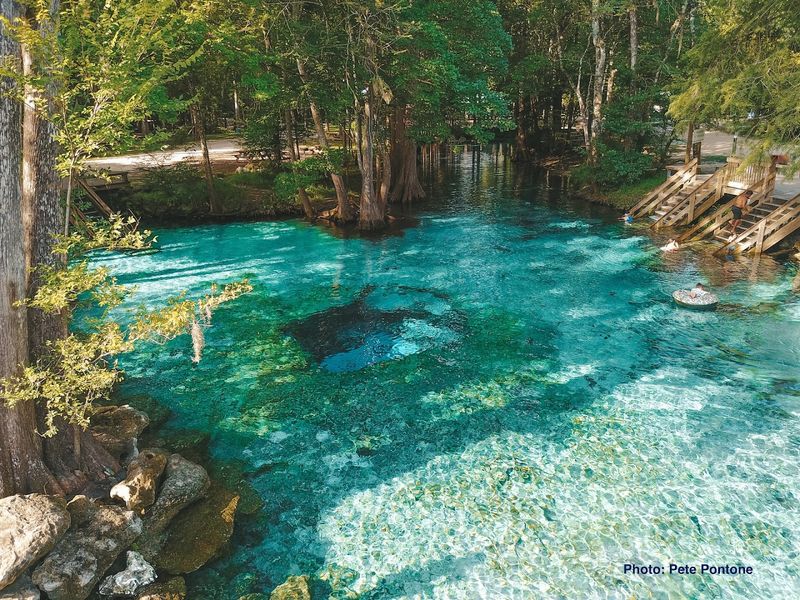
The Santa Fe River near Ginnie Springs is where Florida’s underground world meets the surface. This stretch of river is famous in the global cave diving community — the spring systems here connect to one of the most extensive underwater cave networks in the world, and divers come from every continent to explore them.
Even if you never put on a tank, just floating above those dark cave openings in crystal-clear water gives you a real sense of the geological drama happening beneath your feet.
Ginnie Springs Outdoors is a privately operated resort that provides access to seven distinct springs along the Santa Fe, each with its own character and water color. Devil’s Spring, Dogwood Spring, and the famous Ginnie Spring itself all feed into the river within a short distance of each other.
The water is an almost electric shade of blue in places, and the visibility is so good that snorkelers can peer down into the cave entrances and watch divers disappearing into the darkness below.
The Santa Fe River itself has a split personality. For part of its length it flows normally, wide and tannin-stained like many north Florida rivers.
But in certain stretches it literally disappears underground, sinking into the limestone karst and reemerging miles away. That geological weirdness adds another layer of fascination to an already compelling destination.
Tubing, kayaking, and camping are all popular activities along the Ginnie Springs stretch.
The campground at Ginnie Springs is well-maintained and popular with families and divers alike, and the on-site diving operation is one of the most respected in the state. Weekend evenings have a social, festive atmosphere around the campfires.
Visiting mid-week gives you a much quieter experience with the springs practically to yourself — just you, the fish, and the sound of water moving over ancient limestone.