8 Florida Places That Feel Like They Were Meant to Stay Secret
Florida is famous for theme parks, beaches, and neon-lit tourist strips — but the state has a whole other side that most visitors never see. Tucked behind winding roads and unmarked turnoffs are places so quietly beautiful, they almost feel like they belong to someone else’s secret.
From moss-draped ruins to garden estates hidden in plain sight, these spots reward the curious traveler who is willing to look a little harder. Pack some water, silence your GPS, and get ready to discover the Florida that locals rarely talk about.
1. Hidden Waters Preserve (Eustis)
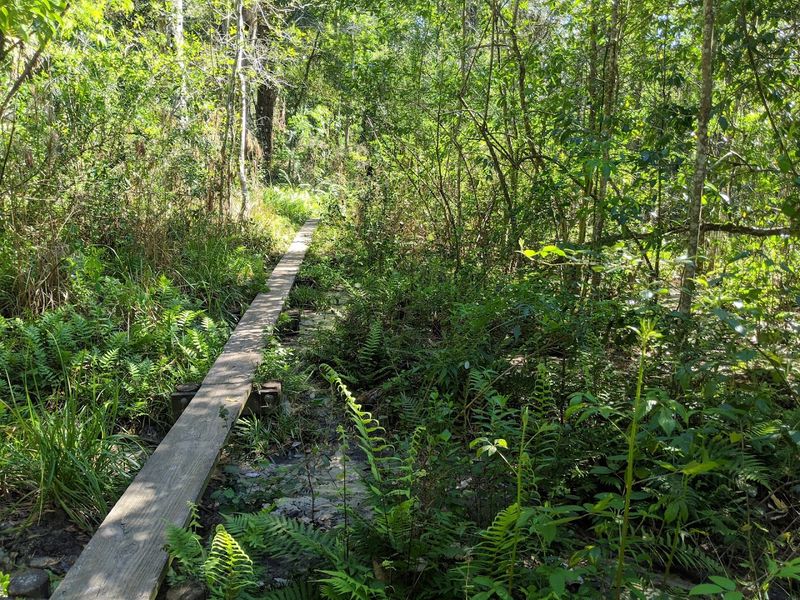
Most people driving through Eustis have no idea this place exists, and honestly, that is exactly what makes it so good. Hidden Waters Preserve lives up to every word of its name — it is quiet, tucked away, and genuinely easy to miss if you are not looking for it.
The preserve sits on land that protects one of Lake County’s most important freshwater systems, and it carries that responsibility with a kind of effortless grace.
The trails here wind through floodplain forests, over wooden boardwalks, and past cypress domes that feel ancient. You will hear frogs before you see them, and birds seem to outnumber people on most weekday mornings.
Bring binoculars if you have them — this is the kind of place where a great blue heron might freeze right in front of you like it is posing for a photo.
Families with kids will find this spot surprisingly manageable. The paths are not brutally long, and the terrain stays flat enough that younger hikers will not complain too much.
Dogs on leashes are welcome, which is always a bonus when you want to make a morning of it.
What sets Hidden Waters apart from better-known preserves is the atmosphere. There are no food vendors, no gift shops, and no audio tours.
Just trees, water, and the occasional sound of wind moving through the palmettos. It strips things back to something genuinely restorative.
Admission is free, which makes it one of those rare Florida finds that costs nothing but gives back plenty. Go on a weekday morning in late fall or winter for the best experience — the light through the cypress canopy at that hour is something you will want to remember.
2. Cedar Key
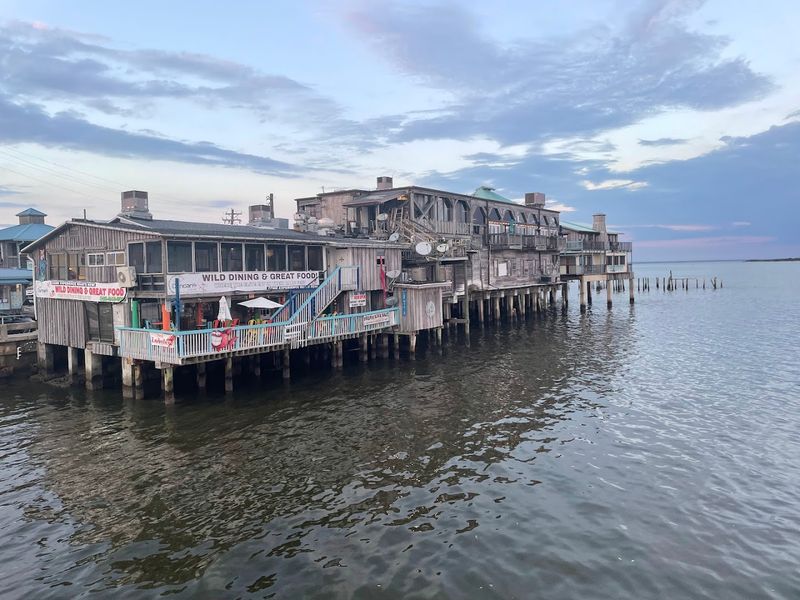
Cedar Key is the kind of place that makes you feel like you have accidentally stumbled into a slower decade. Sitting about 50 miles southwest of Gainesville on a cluster of small islands, this fishing village has resisted the overdevelopment that swallowed so many other Florida coastal towns.
The streets are narrow, the pace is unhurried, and the clam chowder at the local restaurants is the real deal.
The town got its start as a major port and pencil-manufacturing hub in the 1800s, which is a quirky piece of history that most visitors do not know. When the cedar trees were eventually depleted and the railroad bypassed the island, Cedar Key quietly faded from commercial relevance — and that turned out to be its greatest gift.
The lack of growth preserved everything that makes it charming.
Today, Cedar Key is surrounded by a National Wildlife Refuge that protects more than 700 islands and islets. Kayaking through those waterways is one of the best outdoor experiences in Florida.
You might paddle past roseate spoonbills, bottle-nosed dolphins, and osprey nests all in the same afternoon without seeing another soul.
The town itself is walkable and small, with art galleries, seafood shacks, and a laid-back waterfront that invites you to sit and do absolutely nothing for a while. That is not laziness — that is the whole point of Cedar Key.
It rewards people who slow down.
Plan to stay at least one night if you can. Watching the sun drop into the Gulf from the dock at the end of the day, with a cold drink and no agenda, is the kind of moment that makes you question why you ever rushed anywhere in the first place.
3. The Kampong (Miami)
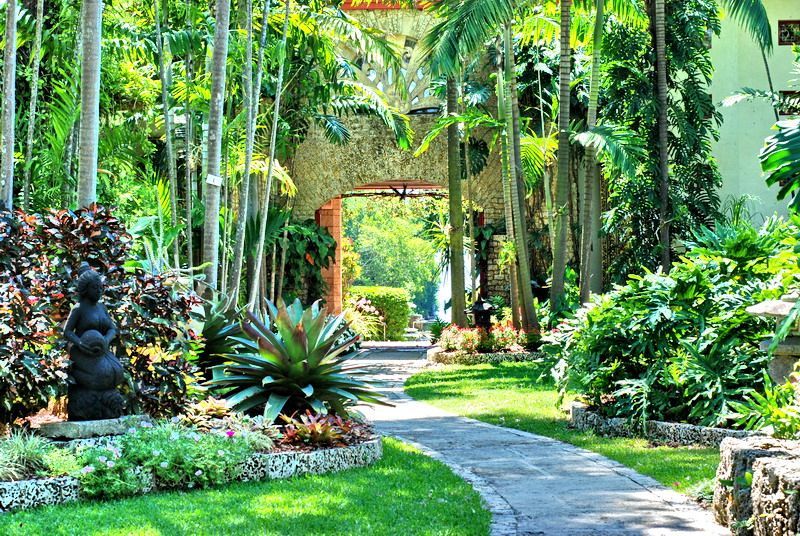
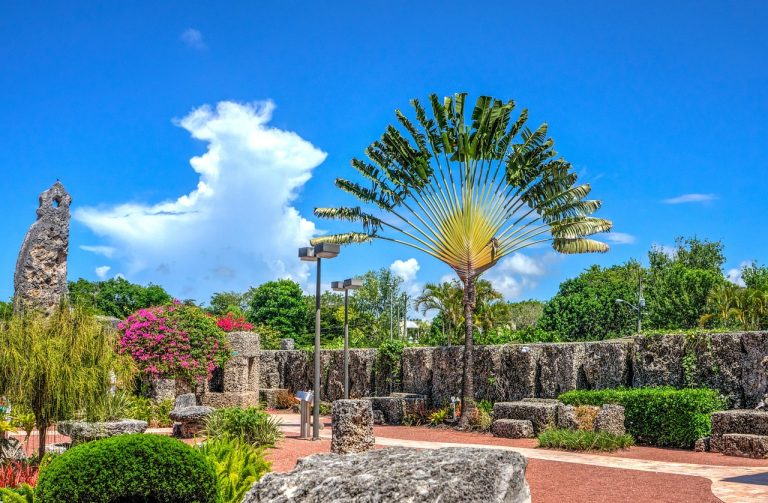
Hidden inside the Coconut Grove neighborhood of Miami, The Kampong is a 9-acre tropical garden estate that most Miamians have never visited — and that is a genuine shame. The word “kampong” is Malay for “village,” and the property was once the home of renowned plant explorer David Fairchild, who spent decades traveling the world collecting plants that would eventually shape American agriculture.
His work brought avocados, mangoes, and soybeans into widespread cultivation in the United States.
Walking through The Kampong feels less like visiting a garden and more like wandering into a living museum of tropical biodiversity. The collection includes hundreds of rare and exotic species — palms from Madagascar, flowering trees from Southeast Asia, fruit trees that look like they belong on another continent entirely.
Every turn reveals something unexpected.
The historic coral-rock house still stands on the property and carries the quiet dignity of a place that has seen a lot of history. The gardens slope down toward Biscayne Bay, offering views that feel almost impossible for a city as dense as Miami.
It is a reminder that pockets of extraordinary beauty can exist right alongside urban chaos.
The Kampong is managed by the National Tropical Botanical Garden, so visits are guided and typically require advance reservations. That structure keeps crowds small, which means your tour group might consist of just a handful of people — a luxury in a city this size.
If you are traveling to Miami and want something completely removed from South Beach energy, this is the antidote. Wear comfortable shoes and bring curiosity, because the stories behind individual plants here are genuinely fascinating.
Fairchild’s legacy lives in every leaf.
4. Blowing Rocks Preserve (Jupiter Island)
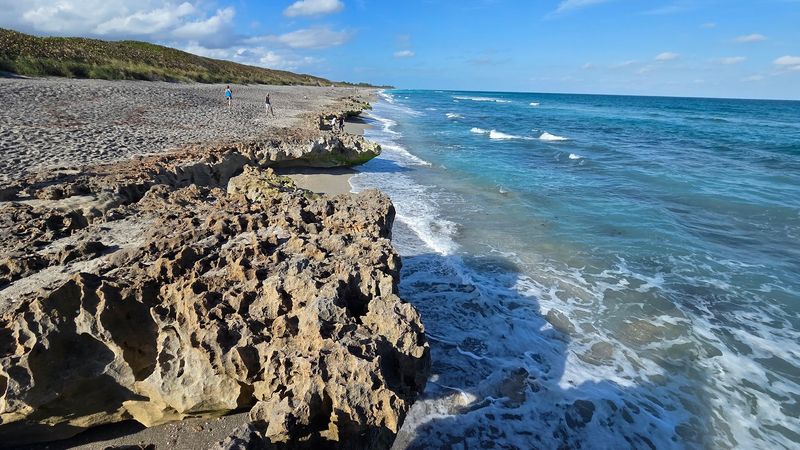
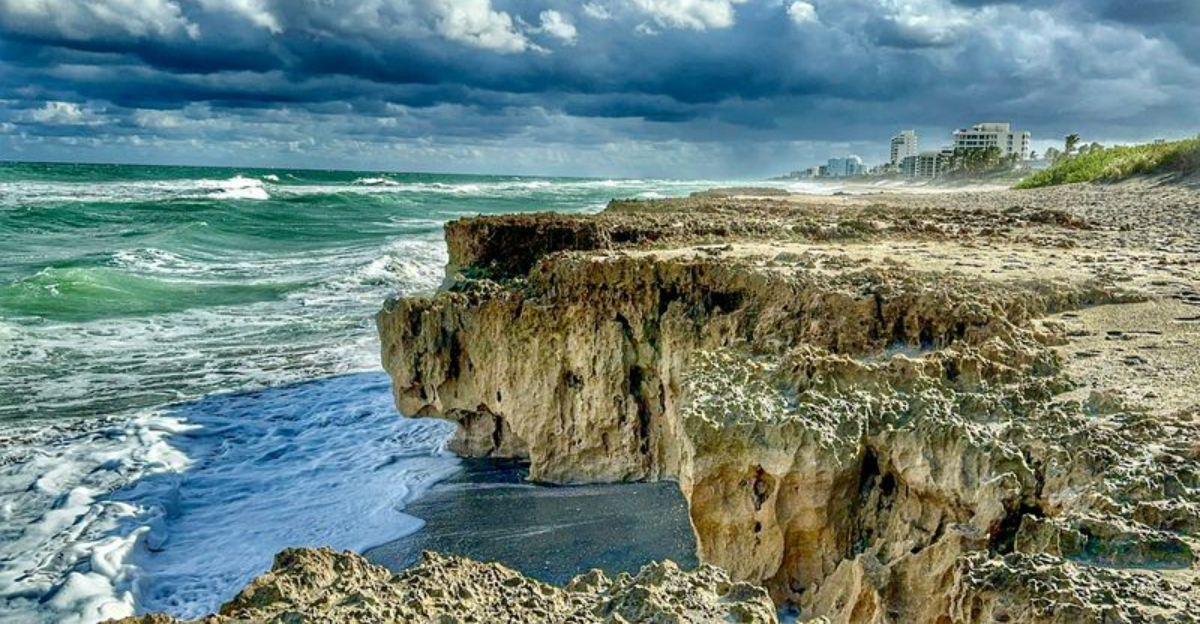
There is a stretch of Jupiter Island’s Atlantic coast where the ocean puts on a show that looks almost engineered for drama. Blowing Rocks Preserve gets its name from the natural phenomenon that happens when waves push seawater through holes and tunnels in the ancient coquina limestone outcroppings along the shore.
On a rough sea day, those jets of saltwater can shoot 50 feet into the air. It is genuinely startling the first time you see it.
The preserve is managed by The Nature Conservancy and protects one of the largest such limestone formations on the Atlantic coast of the United States. Beyond the theatrical rock show, the beach here is one of the most important sea turtle nesting sites in the country.
From May through October, loggerhead, green, and leatherback turtles haul themselves ashore at night to lay eggs in the sand — a process that has been happening on this beach long before anyone was here to watch it.
The preserve also includes an Indian River Lagoon shoreline on its west side, where mangrove trails offer a completely different experience from the crashing Atlantic coast. The contrast between those two ecosystems within the same property is part of what makes Blowing Rocks feel like such a complete natural experience.
Parking is limited and the preserve fills up quickly on weekends, so arriving early is not just a suggestion — it is practically a requirement. Weekday mornings in winter are ideal, when the tourist traffic is lighter and the sea conditions are often rougher, making the blowing rock effect more impressive.
Admission is modest and well worth it. Few places in Florida offer this combination of geological spectacle, wildlife habitat, and genuine coastal wildness all in one visit.
5. Yulee Sugar Mill Ruins Historic State Park (Homosassa)
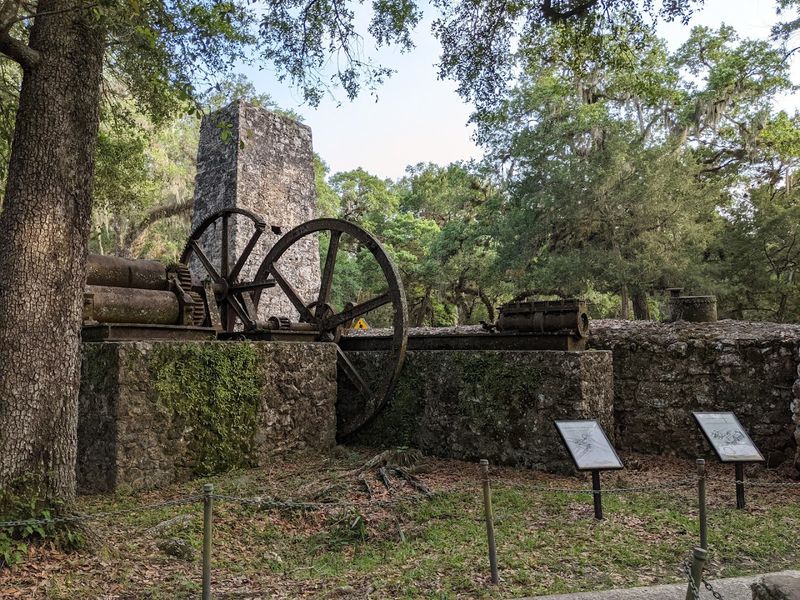
Somewhere between the manatee springs and the roadside citrus stands of Homosassa, a set of crumbling limestone walls sits quietly in the trees, holding onto a story most Florida visitors never hear. The Yulee Sugar Mill ruins are what remains of a 5,000-acre plantation that once produced sugar for Confederate troops during the Civil War.
The man behind it, David Levy Yulee, was Florida’s first U.S. senator and one of the most influential figures in the state’s early history — complicated legacy and all.
Union forces destroyed the mill in 1864, and the ruins have sat largely undisturbed ever since. What you find today is a surprisingly intact collection of stone walls and cast-iron machinery, including a large iron kettle that was used to boil sugarcane juice.
The scale of the operation becomes clearer the longer you stand there and look around.
The park itself is small and free to enter, which is part of why it stays off most tourist itineraries. There are no rangers giving talks, no gift shop, and no crowd control ropes.
You walk up to the ruins, read the interpretive signs, and spend time with the history on your own terms. That kind of unmediated access to a real historical site feels increasingly rare.
Families with curious kids will find this a surprisingly engaging stop. The ruins are tangible and easy to understand — you can see exactly where the walls stood, where the machinery operated, and how large the sugar kettles were.
History becomes real when you can stand next to it.
Pair this visit with a trip to nearby Homosassa Springs Wildlife State Park for a full day that swings between history and nature without any overlap. The two parks are just a few miles apart.
6. Cockroach Bay Aquatic Preserve (Ruskin)
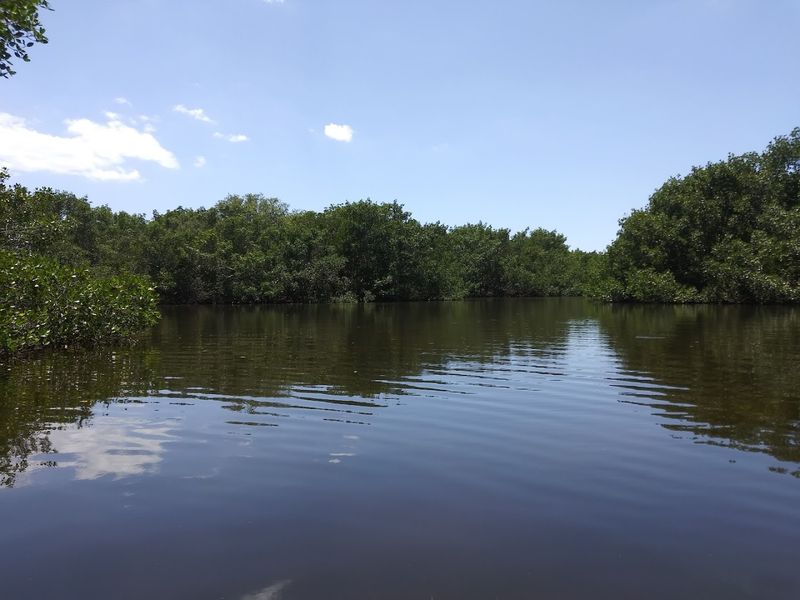
The name is not exactly inviting, and that is probably why Cockroach Bay Aquatic Preserve stays gloriously uncrowded. Located near Ruskin along the eastern shore of Tampa Bay, this preserve protects one of the most ecologically intact seagrass and mangrove systems in the entire bay — and for paddlers who know about it, it is close to paradise.
The name, for the record, likely comes from the German word “Kakerlaaken” used by early settlers, not from anything crawling around the shoreline.
The aquatic preserve covers roughly 4,900 acres of tidal flats, mangrove-fringed creeks, and open bay water. Kayaking or canoeing here puts you directly inside one of Florida’s most productive coastal ecosystems.
Snook, redfish, and spotted seatrout are common in the shallows, which makes this a favorite among anglers who prefer to fish from small boats in quiet water rather than offshore.
Wildlife sightings here can be spectacular without being showy about it. Manatees frequent the area during warmer months, roseate spoonbills wade through the shallows at low tide, and bottlenose dolphins occasionally work the channels right alongside kayakers.
The whole experience has a raw, unscripted quality that feels increasingly hard to find in the greater Tampa Bay area.
There is a small boat ramp at Cockroach Bay Road that provides access to the water, and the surrounding upland areas include a trailhead for hikers who want to explore on foot. The trails are not long, but they offer good views of the bay and the surrounding coastal scrub habitat.
Bring bug spray, sunscreen, and a dry bag for your phone. Go at sunrise if you can — the light on the water at that hour, with herons standing motionless in the shallows, is the kind of image that sticks with you.
7. Hontoon Island State Park (DeLand)
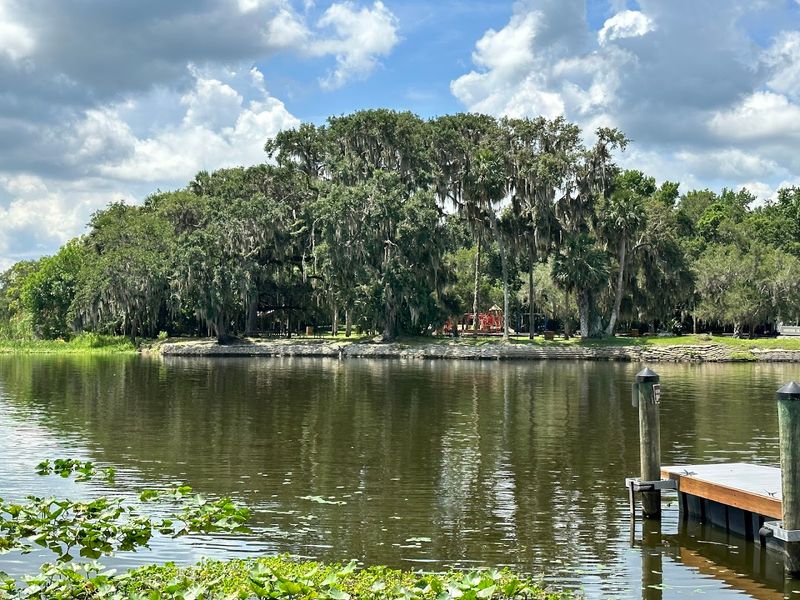
Getting to Hontoon Island requires a short ferry ride across the St. Johns River, and that small barrier is exactly why the island stays so wonderfully quiet. The free ferry runs during park hours and takes just a few minutes, but that brief crossing creates a psychological shift — by the time you step off, the noise of everyday life already feels far away.
The island has no roads, no cars, and no traffic sounds. Just trees, trails, and the slow pull of the river.
The island has been inhabited for thousands of years. Archaeological evidence suggests that the Timucua people lived here extensively, and a large shell mound on the property serves as a reminder of how long humans have found this place worth staying in.
An owl totem carved from a cypress tree — a replica of a significant find from the site — stands near the trailhead as a nod to that deep history.
Hiking trails wind through hammock forest and along the riverbank, passing through some of the most undisturbed landscape in the DeLand area. Camping is available on the island, and spending a night here is a genuinely different experience from any campground that requires a car.
There is a cabin rental option as well, which fills up fast during cooler months.
Manatees are frequently spotted in the river near the ferry dock, especially in winter when they seek out warmer water. Bald eagles nest in the area, and the birding overall is excellent for anyone willing to walk quietly and look up occasionally.
The park charges a small entrance fee, and the ferry is free. Arriving early on a weekend morning almost guarantees you will have long stretches of trail entirely to yourself — a rare and underrated luxury in Central Florida.
8. Whimzeyland (Safety Harbor)
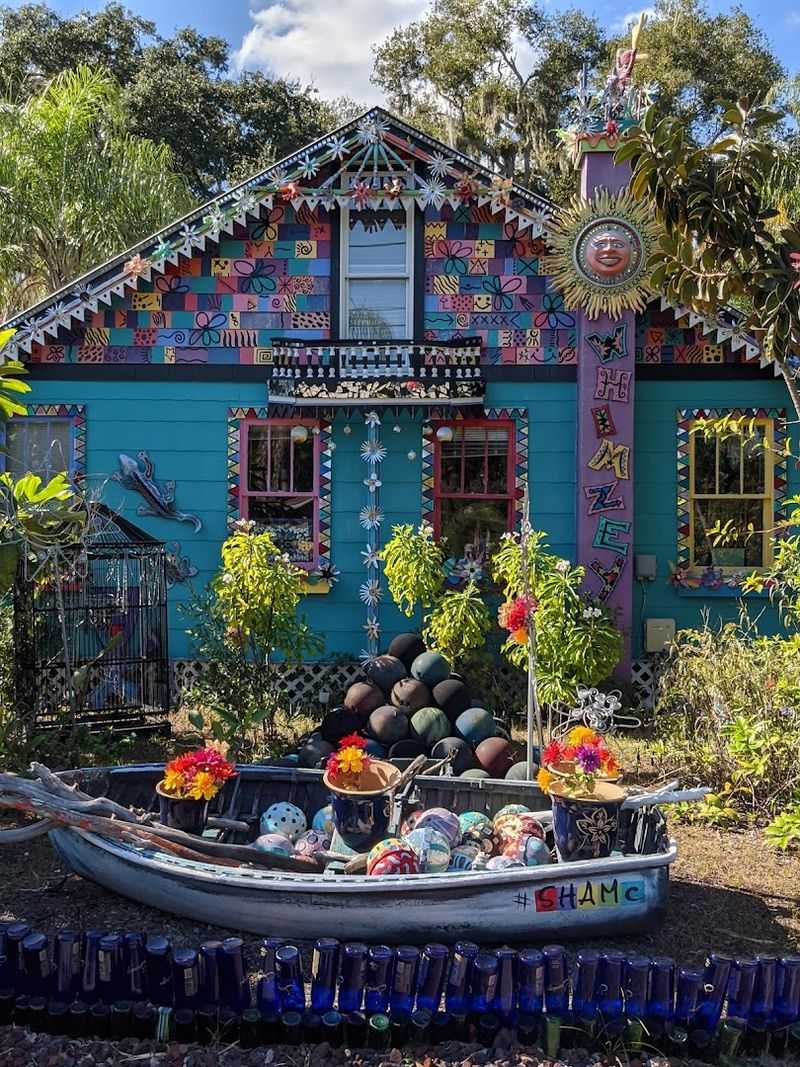
Pull up to the right address in Safety Harbor and you might briefly wonder if your GPS has made a terrible mistake. Then the house comes into full view, and you realize the GPS was absolutely right.
Whimzeyland is a private residence completely transformed by its owners, Todd and Luci Ramquist, into one of the most jaw-dropping examples of folk art architecture in the entire Southeast. Every inch of the exterior is covered in colorful mosaic tiles, painted figures, ceramic sculptures, and handmade objects that somehow add up to something coherent and joyful.
The project started in the 1990s when the couple began decorating their home as a personal creative outlet. Decades later, it has grown into a neighborhood landmark and a quiet pilgrimage destination for art lovers, road-trippers, and anyone who appreciates the idea that a house can be a canvas.
Visitors come from across the country to photograph it, and the owners are known for being genuinely warm and welcoming when they are home.
What makes Whimzeyland genuinely special beyond the spectacle is the intentionality behind it. Every piece has a story, and the overall effect is not chaotic — it is playful and surprisingly thoughtful.
There are recurring themes, color patterns, and visual jokes woven throughout that reward close looking. The longer you stand there, the more you notice.
Visiting is free, and no reservations are needed. The house is located in a quiet residential neighborhood, so keeping the noise level respectful is an unspoken rule that most visitors naturally follow.
Parking on the street and walking up slowly gives you the full experience of watching it reveal itself.
If Safety Harbor is already on your radar for its small-town charm and waterfront park, Whimzeyland is the perfect eccentric bonus that turns a nice afternoon into a memorable one.