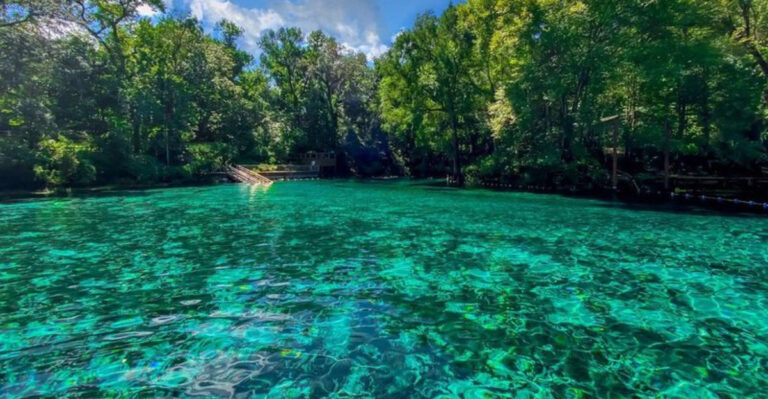
These 13 Florida Spots Let You See Wild Manatees Up Close
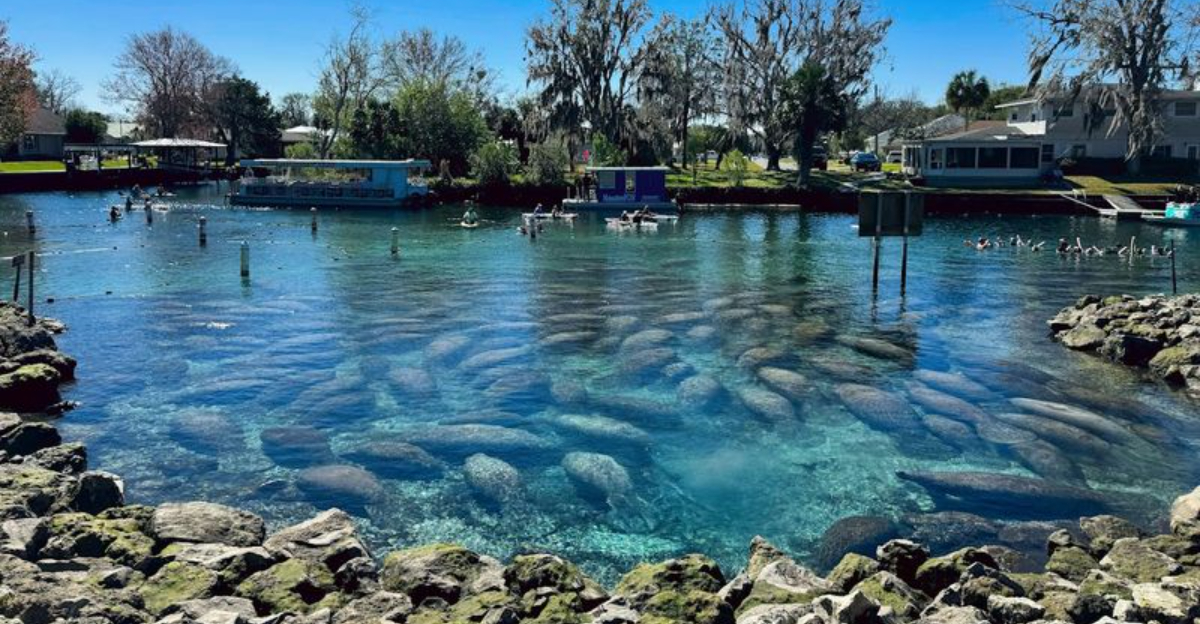
Florida is one of the only places on Earth where you can look into the water and lock eyes with a wild manatee. These slow-moving, barrel-shaped sea cows have called Florida’s warm springs and coastal waterways home for thousands of years, and spotting one feels like a genuine gift.
Whether you’re a lifelong Floridian or visiting for the first time, the thrill of watching a manatee glide just below the surface never gets old. Here are 13 incredible spots across the state where you can witness these magnificent creatures in their natural element.
1. Manatee Lagoon
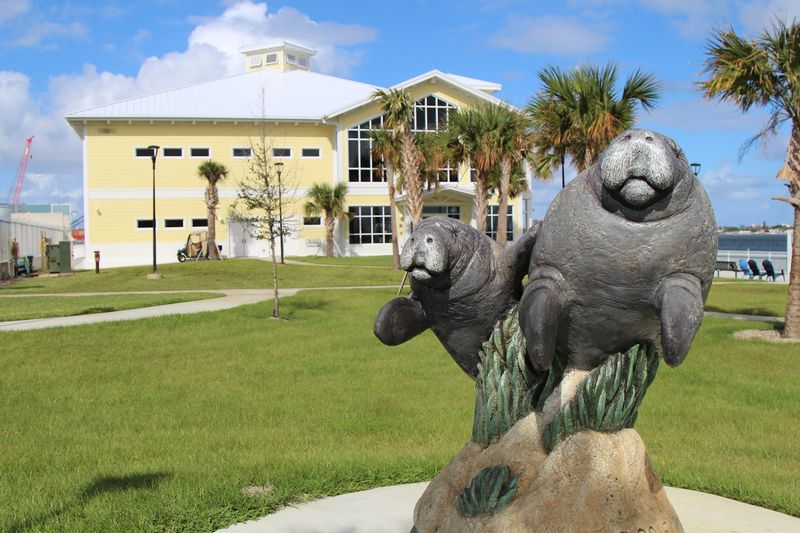
Perched right on the edge of the Lake Worth Lagoon in West Palm Beach, Manatee Lagoon is one of those spots that locals have been quietly bragging about for years. It’s a free, open-air eco-discovery center operated by Florida Power and Light, and it sits right next to a warm water discharge from the power plant next door.
Manatees figured out that trick long ago — when water temperatures drop, they cruise right in to warm up.
The observation deck here is genuinely impressive. You can look straight down into clear, shallow water and watch manatees roll around, munch on vegetation, and surface for air just feet below you.
During peak winter months, dozens of manatees may gather at once, which is a sight that makes grown adults gasp out loud.
Beyond the deck, Manatee Lagoon offers interactive exhibits inside the center that break down manatee biology, migration habits, and conservation efforts in a way that’s easy for all ages to follow. Kids especially love the hands-on displays, but adults tend to linger just as long.
Parking is free, admission is free, and the center is open Tuesday through Sunday. Bring binoculars if you have them, though honestly, the manatees often get close enough that you won’t need them.
The best viewing window runs from November through March, when cooler temperatures push manatees toward the warm discharge water in larger numbers.
There’s also a small café on site, so you can grab a snack while watching manatees below. It’s hard to think of a better lunch view anywhere in South Florida.
If you’ve never been, this one should absolutely be at the top of your list.
2. Wakulla Springs State Park
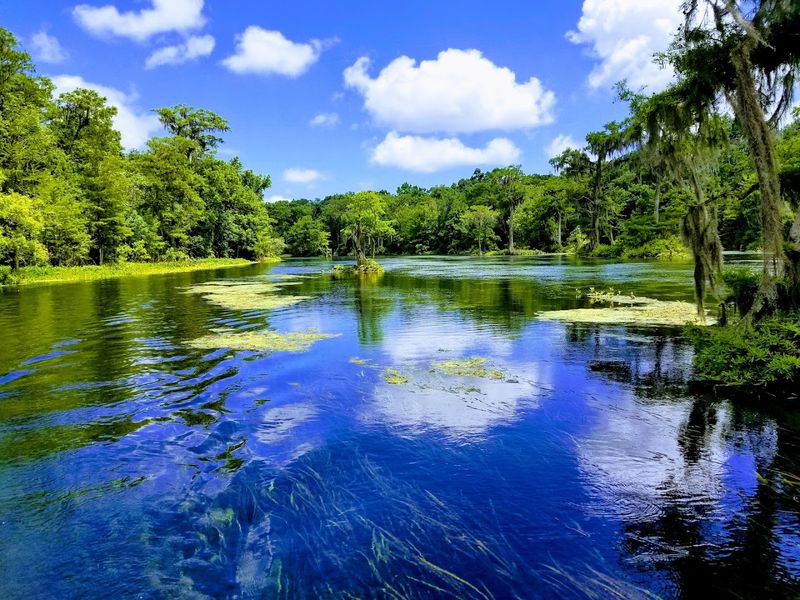
Some places carry a sense of magic that’s hard to explain until you’re standing right in the middle of it. Wakulla Springs State Park, located just south of Tallahassee, is absolutely one of those places.
It holds one of the world’s largest and deepest freshwater springs, and the water is so clear you can see straight to the bottom — where manatees sometimes rest like enormous, peaceful boulders.
The park has been around in various forms since the 1930s, and the old Florida lodge on the property still operates as a hotel. Staying overnight here feels like stepping into a time capsule — the kind of experience that’s increasingly rare in a state that tends to bulldoze its history.
The surrounding forest adds to the atmosphere, with Spanish moss draped over ancient cypress trees.
Glass-bottom boat tours are the highlight for most visitors. You glide over the spring in a flat-bottomed boat with a clear panel in the floor, watching the underwater world pass beneath you.
Manatees, fish, and even ancient mastodon bones have been spotted at the bottom of the spring over the years.
River boat cruises are also available and take you deeper into the wildlife-rich Wakulla River, where you might spot alligators, herons, and deer along the banks in addition to manatees near the spring vent. The biodiversity here is genuinely staggering for a single park visit.
Admission is affordable, and the park is less crowded than some of its more famous counterparts further south. That’s part of what makes it special — you can linger at the spring without feeling rushed.
Visit early in the morning for the calmest water and the best chance of spotting manatees near the surface.
3. Blue Spring State Park
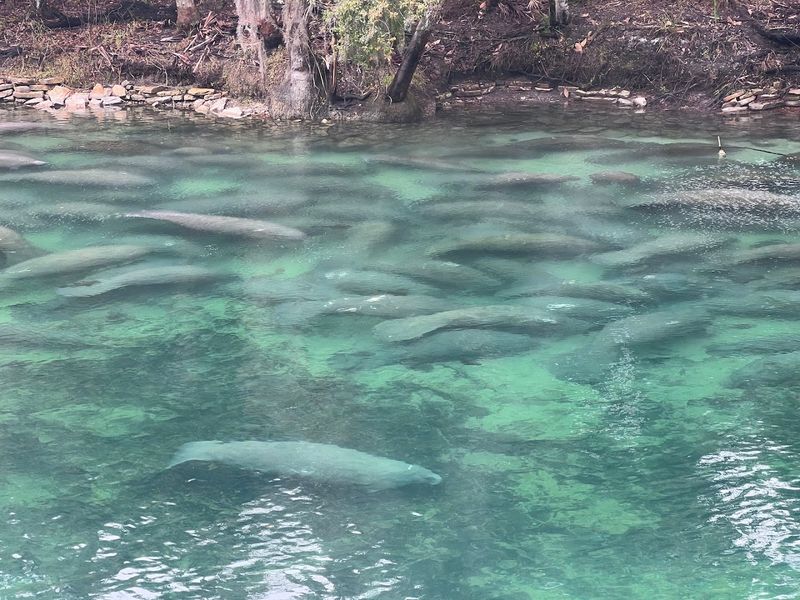
If there’s a manatee mecca in Florida, Blue Spring State Park in Orange City might just be it. Every winter, manatees pour into the spring run by the dozens — sometimes over a hundred at a time — to escape the cold waters of the St. Johns River.
The park keeps a running count of manatees spotted each season, and regulars even have names for the ones who return year after year.
The spring maintains a constant temperature of around 68 degrees Fahrenheit, which sounds chilly but feels like a warm bathtub compared to the river in January. That temperature consistency is what draws manatees back reliably every season, making Blue Spring one of the most predictable manatee-viewing sites in the entire state.
A long wooden boardwalk runs alongside the spring run, giving you an elevated view of the water below. On a busy winter morning, you might look down and see manatees stacked almost on top of each other, jostling gently for the warmest spots near the spring vent.
It’s chaotic and adorable in equal measure.
Swimming in the spring is allowed during warmer months when manatees aren’t present, and the water is famously clear and refreshing. The park also has a campground, picnic areas, and canoe rentals for exploring the St. Johns River.
It’s a full-day destination, not just a quick stop.
Manatee season officially runs from November 15 through March 31, during which swimming is prohibited to protect the animals. Arrive early — the parking lot fills up fast on weekends during peak season.
Weekday visits in January or February tend to offer the highest manatee counts and a slightly calmer crowd. This one is worth planning your whole trip around.
4. Lovers Key State Park
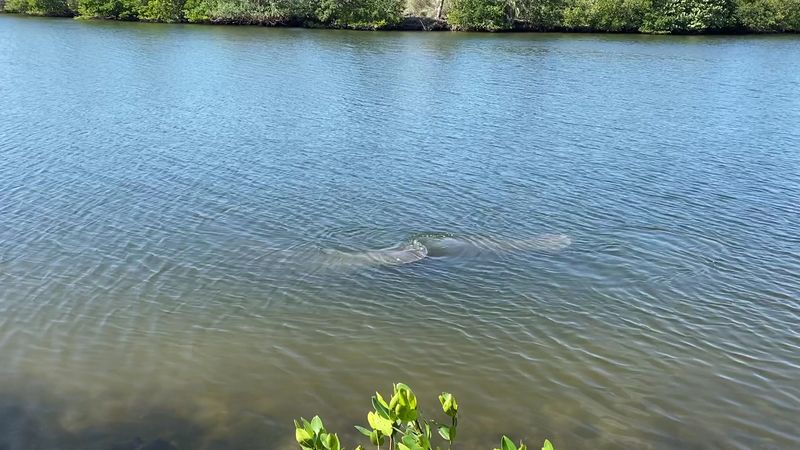
Lovers Key State Park doesn’t get talked about nearly enough in manatee conversations, and that’s honestly a shame. Tucked between Fort Myers Beach and Bonita Beach on the southwest Gulf Coast, this park is a patchwork of barrier islands, tidal lagoons, and mangrove tunnels that manatees absolutely love to explore.
Spotting one here feels more like a discovery than a scheduled event.
The park’s waterways are calm and shallow, which makes them ideal for kayaking or paddleboarding — and both are available to rent right at the park. Gliding through a mangrove channel and suddenly finding a manatee just an arm’s length from your kayak is the kind of moment that rewires your brain a little.
You paddle slower for the rest of the day without even thinking about it.
Manatees are most commonly seen in the warmer months here, which is the opposite of many inland spring locations. The Gulf-connected waterways stay warm enough in summer to attract manatees who are actively feeding and socializing.
Keep an eye out near the boat launch area and along the main lagoon — those spots tend to produce the most sightings.
Beyond the manatee appeal, Lovers Key has two miles of pristine beach, excellent shelling, and one of the best birdwatching setups in Lee County. Roseate spoonbills, ospreys, and dolphins are all regulars here.
The whole place has a low-key, unhurried vibe that feels increasingly rare along the heavily developed Gulf Coast.
Admission is per vehicle and very reasonable. The park is open daily from 8 a.m. to sundown.
If you’re already spending time in the Fort Myers or Naples area, this is the kind of detour that turns a good trip into a great one. Pack a lunch and stay all day.
5. Silver Springs State Park
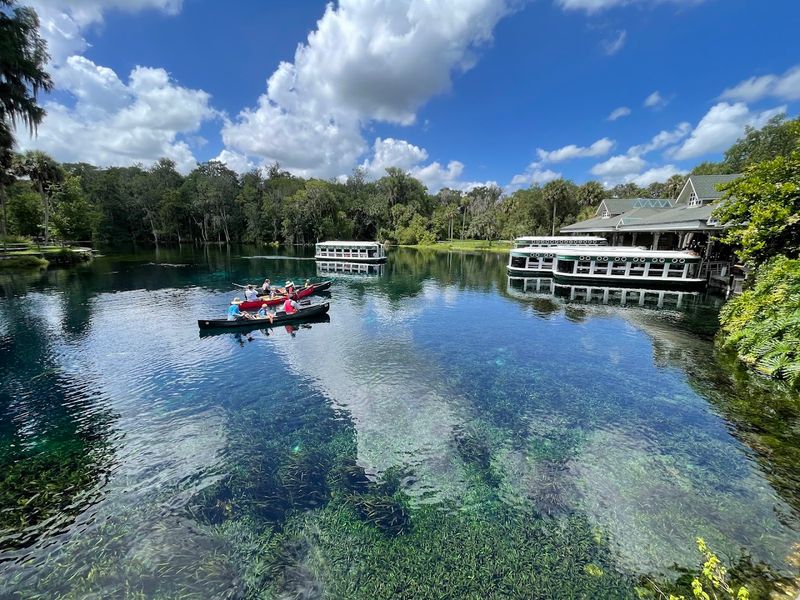
Silver Springs has been wowing visitors since the 1870s, making it one of Florida’s oldest tourist attractions — and one of the most enduring. The famous glass-bottom boats that launched here in the 19th century are still operating today, which says everything you need to know about how spectacular the spring really is.
The water clarity is almost disorienting; it looks less like a natural spring and more like liquid glass.
Manatees are drawn to the constant 72-degree water temperature year-round, though sightings are most reliable in the cooler months when they seek refuge from the chillier Silver River. The glass-bottom boat tours give you a front-row seat to the underwater world below, and spotting a manatee through the glass while floating overhead is genuinely surreal.
It’s the kind of experience you’ll be describing to people for years.
The park itself sprawls across 4,000 acres of old-growth forest along the Silver River, offering kayak and canoe rentals, hiking trails, and wildlife-watching opportunities that go well beyond manatees. Wild rhesus monkeys — yes, actual monkeys — have lived along the Silver River since the 1930s when they were allegedly released during a Tarzan film shoot.
Spotting them in the cypress trees is an unexpected bonus.
The state took over management of the park in 2013 after years of private operation, and conservation has improved noticeably since then. The water quality in the spring has been a subject of ongoing concern and restoration efforts, which makes supporting the park by visiting all the more meaningful.
Located in Ocala, Silver Springs is easy to reach from both Orlando and Gainesville. Buy your glass-bottom boat tickets early — they sell out on busy weekends, and missing that experience would be a real disappointment.
Plan to spend a full half-day at minimum.
6. TECO Manatee Viewing Center
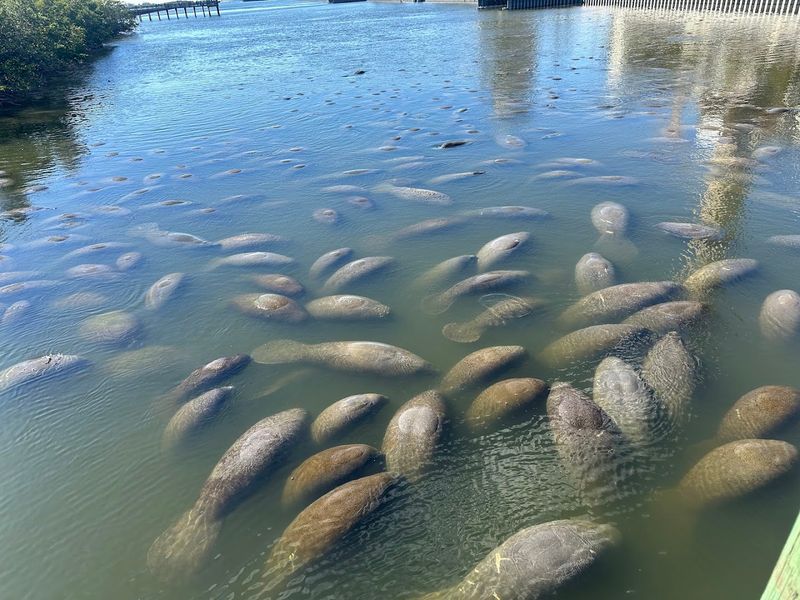
Apollo Beach might not be the first name that comes to mind when you think of Florida wildlife hotspots, but the TECO Manatee Viewing Center has been quietly delivering some of the most reliable manatee sightings in the state for years. Operated by Tampa Electric, this free facility sits alongside a warm water discharge canal from the nearby power plant — and manatees have been exploiting that warmth since the 1970s.
During peak winter months, the numbers here are staggering. Hundreds of manatees have been recorded gathering in and around the discharge canal, making it one of the largest aggregation sites in Florida.
Watching that many manatees in one place at once has a way of making you feel very small and very lucky simultaneously.
The viewing center features elevated observation platforms right at the water’s edge, along with a butterfly garden, nature trail, and indoor exhibits covering manatee biology and conservation. The exhibits are genuinely informative without being dry — they do a good job of connecting the dots between energy production, warm water, and wildlife in a way that’s thought-provoking rather than preachy.
The center is open from November through mid-April, aligning with the months when manatees are most likely to be present. Admission is completely free, and parking is plentiful.
It’s an easy add-on if you’re already spending time in the Tampa Bay area, and it never feels overly crowded compared to some of the more famous manatee sites.
Bring a zoom lens if you have one — manatees tend to hang just below the surface and a bit of optical reach helps you catch the finer details. Early morning visits on weekdays are the sweet spot for calm crowds and active manatees.
This is one of those places that consistently over-delivers on expectations.
7. Merritt Island National Wildlife Refuge
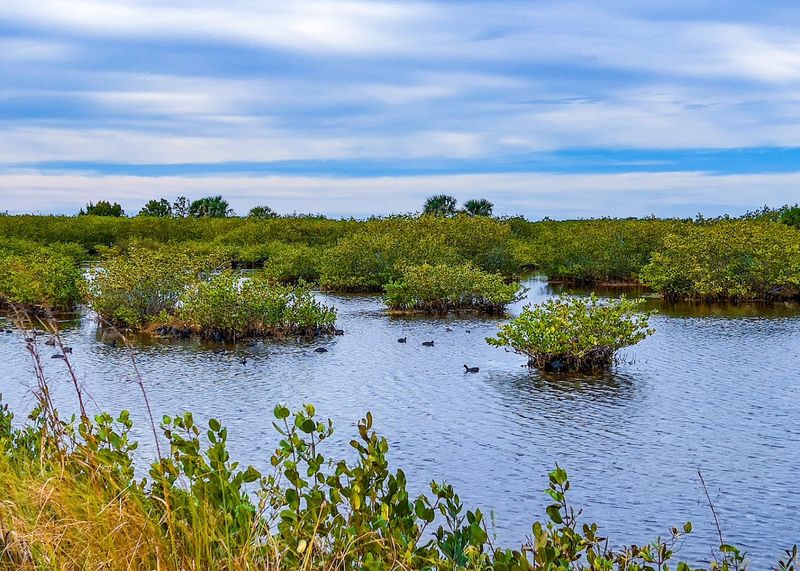
Where else in the world can you watch a manatee surface in the same lagoon where NASA launches rockets into space? Merritt Island National Wildlife Refuge, located on Florida’s Space Coast adjacent to Kennedy Space Center, is one of the most ecologically diverse refuges in the entire National Wildlife Refuge System — and manatees are very much part of that story.
The Indian River Lagoon, which borders much of the refuge, is one of the most biodiverse estuaries in North America. Manatees feed and travel through the lagoon year-round, though they’re most frequently spotted in warmer months when the shallow waters heat up and seagrass becomes abundant.
The lagoon’s calm, clear sections near the refuge’s boat launch areas are particularly good spots to scan for surfacing manatees.
The refuge also offers driving wildlife loops, observation decks, and hiking trails that double as excellent manatee-spotting vantage points. Bring a pair of binoculars and scan the surface of any calm, shallow waterway — the telltale circular ripple of a manatee coming up for air is surprisingly easy to recognize once you know what to look for.
Birdwatching here is world-class, with over 330 species recorded in the refuge. Alligators are common along the roadsides, and scrub jays — a threatened species — inhabit the higher, drier areas of the refuge.
The sheer variety of wildlife packed into one accessible location makes Merritt Island feel almost unfairly good.
Admission to the refuge is free, and it’s open year-round during daylight hours. The Black Point Wildlife Drive, a seven-mile loop through the heart of the refuge, is one of the best wildlife-viewing drives in Florida.
Time your visit around high tide for the best chance of seeing manatees near the road-accessible waterways.
8. Three Sisters Springs (Crystal River)
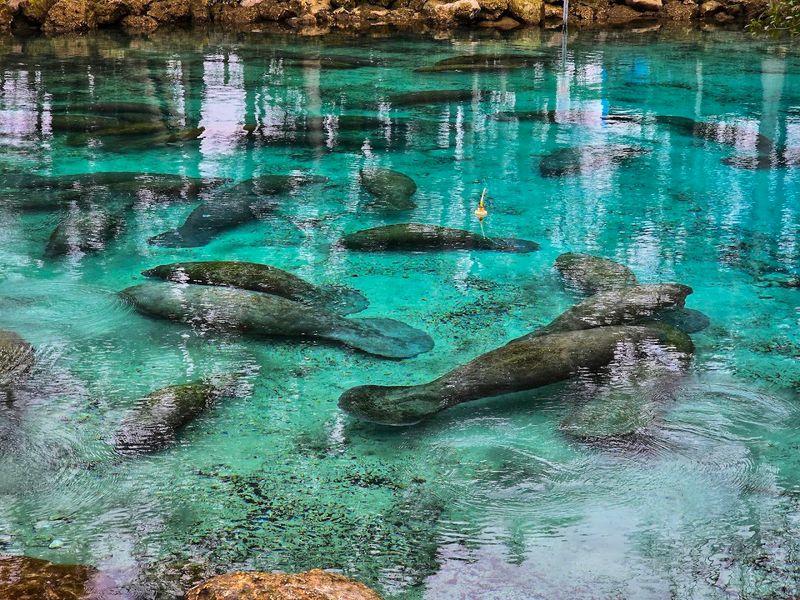
There’s nothing quite like floating face-down in 72-degree water while a manatee the size of a golf cart drifts toward you with zero urgency. Three Sisters Springs in Crystal River is one of the only places in Florida — and arguably the world — where you can legally and responsibly snorkel directly alongside wild manatees in a natural spring setting.
That fact alone makes it extraordinary.
The springs are part of Crystal River National Wildlife Refuge, which was actually established specifically to protect the manatees that use the area. The water is clear enough to see every whisker on a manatee’s face, and in winter, the springs fill with sea cows seeking warmth.
Guided snorkel tours launch from nearby marinas and have become a staple of Florida’s wildlife tourism scene for good reason.
It’s worth understanding the rules before you go, because they exist to protect the animals rather than ruin your fun. Passive observation is the standard — you float and let the manatees approach you.
Chasing, riding, or touching manatees is illegal, and responsible tour operators take that seriously. The manatees, for their part, often seem genuinely curious about the floating humans in their spring.
Crystal River is a small town that’s fully embraced its identity as the manatee capital of Florida. Restaurants, shops, and outfitters all orbit around the manatee experience, and the community’s conservation ethic feels authentic rather than performative.
The town is worth spending a full day in beyond just the water.
Tours book up fast in peak season, so reservations well in advance are strongly recommended. Wetsuit rentals are usually available through tour operators since the spring water can feel cold without one.
November through March delivers the highest manatee concentrations, but the springs are worth visiting any time of year.
9. Lee County Manatee Park
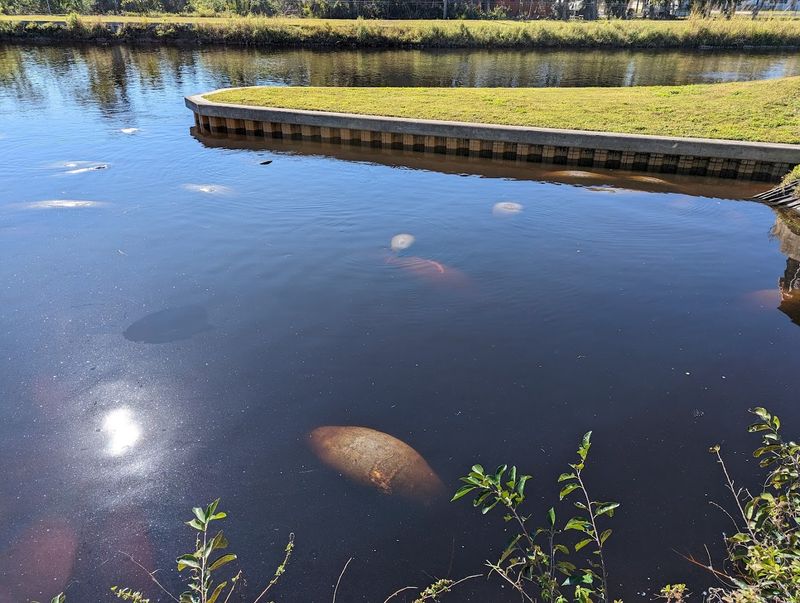
Lee County Manatee Park in Fort Myers is the kind of place that feels like a well-kept local secret, even though it’s been operating as a manatee refuge and viewing site for decades. The park sits alongside a Florida Power and Light plant, and the warm water discharge from that facility creates a reliable warm-water haven that manatees return to every fall without fail.
When the air gets crisp and the Gulf cools down, the manatees show up like clockwork.
The viewing area here is genuinely well-designed. A series of boardwalks and observation platforms line the warm water canal, putting you at eye level — or close to it — with manatees lounging just below the surface.
On a cold January morning, it’s not unusual to see 20 or 30 manatees within a short stretch of the canal, rolling lazily and surfacing every few minutes for a breath.
What sets Manatee Park apart from some larger sites is the intimate scale of the viewing experience. The canal is narrow enough that you never feel far from the action, and the park doesn’t get so overwhelmingly crowded that the experience feels diluted.
It’s a manageable, well-organized spot that delivers reliably on its promise.
The park is free to enter, though parking has a small fee. Kayak and canoe rentals are available on-site, and paddling through the canal (at a respectful distance from the manatees) is a genuinely special experience.
Rangers and volunteers are usually on hand to answer questions and share information about the animals you’re watching.
Manatee activity peaks between November and March, and the park’s official website even posts real-time manatee count updates during the season. Check those before your visit to gauge what kind of morning you’re in for.
Arrive early on weekends — parking fills up faster than you’d expect.
10. Homosassa Springs Wildlife State Park
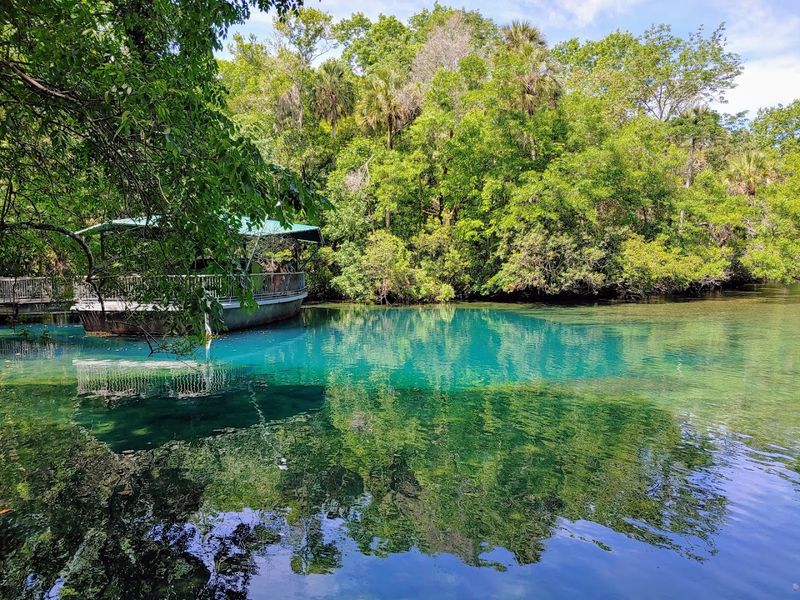
Homosassa Springs Wildlife State Park has one feature that no other manatee-viewing spot in Florida can match: an underwater observatory. Built directly into the spring, this submerged viewing room lets you watch manatees from below the waterline through large acrylic windows.
Seeing a manatee glide past at eye level, in full underwater context, is a perspective that changes how you think about these animals entirely.
The park’s spring is a natural refuge for injured and rehabilitated manatees, some of which have been at the park for many years after being deemed non-releasable due to their injuries. These manatees are habituated to people and tend to swim close to the observatory windows without hesitation.
It’s one of the most reliably close manatee encounters you can have anywhere in the state, without entering the water yourself.
The park also houses a remarkable collection of Florida native wildlife, including black bears, white-tailed deer, river otters, flamingos, and various birds of prey. The wildlife shows and educational programs are thoughtful and well-executed, making the park an excellent destination for families with kids of any age.
Nothing feels exploitative — the focus is clearly on rehabilitation and conservation.
One quirky historical footnote: the park is home to Lu, a hippopotamus who arrived in 1964 and was granted honorary Florida citizenship, exempting him from a state law that would have required his relocation. Lu is still there.
Yes, really. Spotting a hippo in Florida while also watching manatees is a surreal experience that very few travel itineraries can offer.
The park is open daily, and admission is reasonable for everything included. Located in the Nature Coast town of Homosassa, it pairs well with a kayak trip on the Homosassa River afterward.
Book early if visiting during spring break or summer — it fills up quickly.
11. Manatee Observation & Education Center
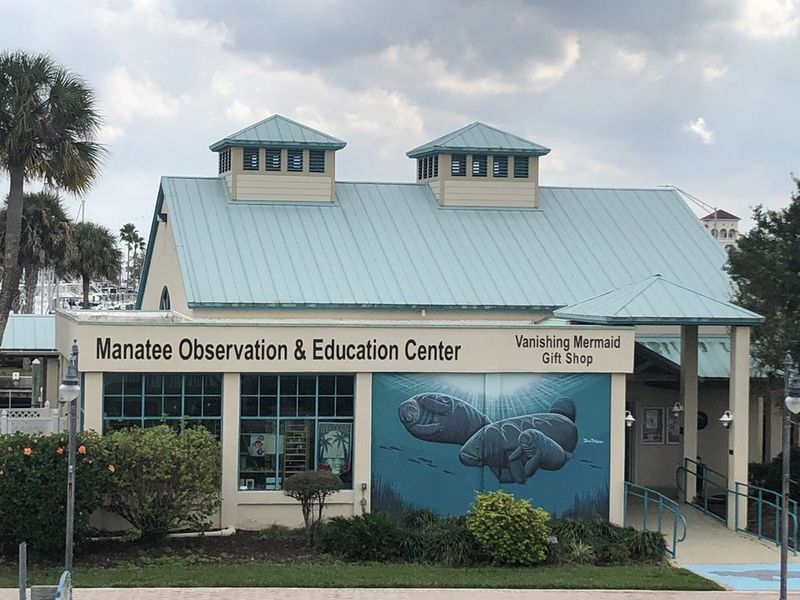
Fort Pierce doesn’t always make it onto Florida’s greatest hits list, but the Manatee Observation and Education Center on the Indian River Lagoon is a genuinely compelling reason to visit. Operated by the city, this small but well-run facility focuses on manatee education alongside hands-on observation, and it manages to deliver both without feeling like a theme park or a lecture hall.
It hits a sweet spot that’s harder to find than you’d think.
The outdoor observation dock extends directly over the Indian River Lagoon, where manatees are regularly spotted year-round. The lagoon’s warm, shallow waters and abundant seagrass make it ideal manatee habitat, and the center’s location takes full advantage of that.
Sightings aren’t guaranteed — this is wild observation, not a controlled exhibit — but the consistency of manatee activity in this stretch of the lagoon is impressive.
Inside the center, interactive displays walk visitors through manatee anatomy, behavior, migration patterns, and the ongoing conservation challenges facing the species. The exhibits are clearly aimed at building genuine understanding rather than just providing entertainment, and they succeed.
Staff members and volunteers are typically on hand to answer questions and share current information about local manatee populations.
The center is free to visit, which makes it an easy addition to any Treasure Coast itinerary. It’s a particularly good stop for families, school groups, or anyone who wants to pair their manatee sighting with some meaningful context about what they’re seeing and why it matters.
Knowing the backstory makes the experience land differently.
Fort Pierce itself is a charming, underrated coastal town with excellent seafood restaurants, a thriving arts scene, and access to some of the least crowded beaches on the east coast of Florida. Pair the center with a walk through the historic downtown and you’ve got a genuinely satisfying day trip from anywhere on the Treasure Coast.
12. Manatee Springs State Park
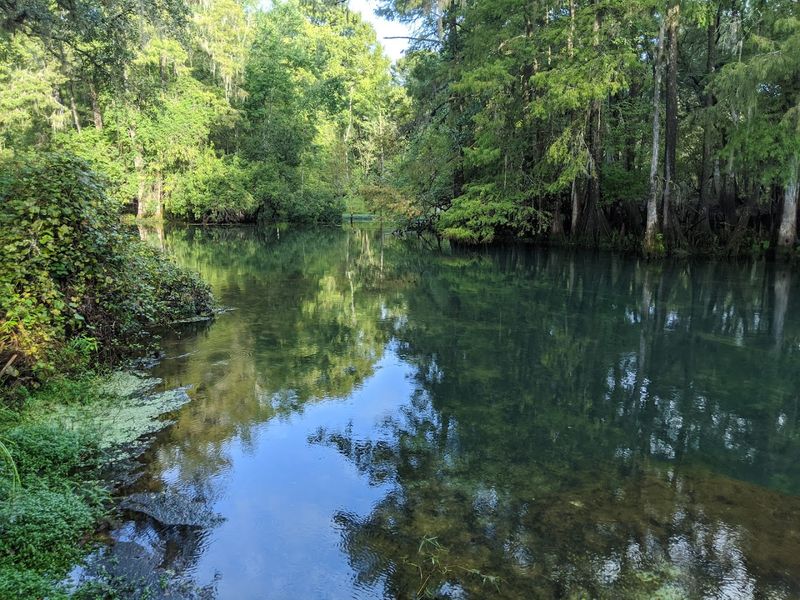
The name really does say it all. Manatee Springs State Park in Chiefland exists at the intersection of old Florida wilderness and one of the most productive first-magnitude springs in the state.
The spring pumps out over 100 million gallons of clear, 68-degree water every day, and it empties into the Suwannee River — one of Florida’s most storied and beloved waterways. Manatees navigate up from the Gulf and into the spring run during cooler months, sometimes traveling remarkable distances to reach it.
The spring itself is a popular swimming hole, though swimming is restricted when manatees are present in the run. During those periods, the boardwalk system that winds through the cypress swamp alongside the spring run becomes the primary viewing platform.
The combination of crystal-clear spring water, tannin-dark river water, and overhanging cypress trees creates an atmosphere that feels ancient and unhurried in the best possible way.
Scuba diving is permitted in the spring, and the underwater visibility is exceptional. Divers occasionally encounter manatees underwater here during the cooler months, which is an experience that tends to become a permanent highlight of anyone’s diving history.
Even snorkeling along the shallow edges of the spring run can yield close encounters during peak manatee season.
The park also has a campground, boat ramp, and access to the Suwannee River for kayaking and canoeing. Paddling the Suwannee through this stretch of north Florida feels like traveling back in time — the river corridor is remarkably undeveloped and ecologically rich.
Otters, alligators, and wading birds are common sights along the banks.
Located in Levy County, Manatee Springs is about 45 minutes from Gainesville and worth every mile of the drive. The park is open year-round, and manatees are most reliably present from November through March.
Weekday visits in winter offer the quietest experience and the highest likelihood of seeing manatees in the run.
13. Weeki Wachee River
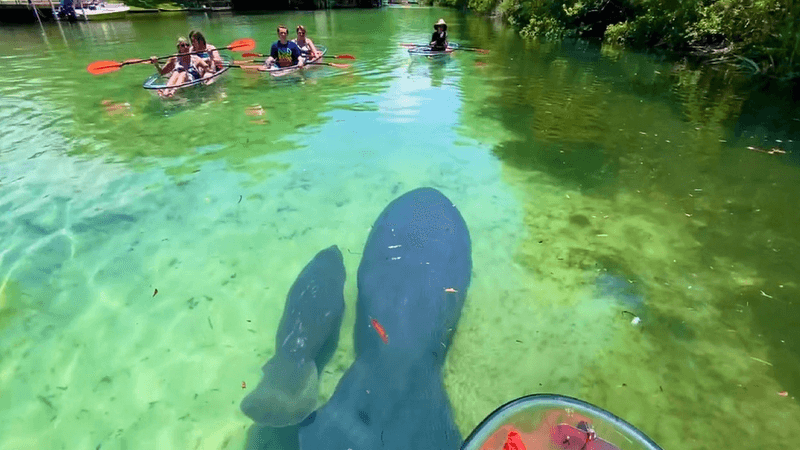
The Weeki Wachee River is the kind of place that makes you feel like you’ve slipped through a crack in time and landed somewhere that the modern world hasn’t fully reached yet. The river flows from Weeki Wachee Springs — famous for its live mermaid shows since 1947 — through a narrow, crystal-clear corridor of old-growth vegetation before emptying into the Gulf of Mexico.
Manatees use this entire stretch of river as a travel corridor, a feeding ground, and a warm-water refuge.
Kayaking and paddleboarding are the primary ways to experience the river, and rental outfitters near the spring make it easy to get on the water without your own gear. The current is gentle and the water is shallow and clear, which means you can often spot manatees from above before you’re even close to them.
Watching one materialize from the green underwater vegetation below your paddleboard is a moment that doesn’t lose its impact no matter how many times it happens.
The river is popular, particularly on weekends during warmer months, so managing your expectations about solitude is worth doing in advance. Weekday morning launches, especially in fall or early spring, tend to deliver a much quieter float with more frequent wildlife encounters.
The manatees seem less bothered by slower, quieter days too.
Rogers Park, located near the river’s mouth, is a good launching point for those who want to explore the lower section of the river without going through the main spring attraction. It’s a local favorite and tends to have a more laid-back, neighborhood feel compared to the busier commercial launch areas upstream.
Manatees are present in the Weeki Wachee River year-round, with the highest concentrations arriving in late fall and winter near the spring vent. The river corridor also hosts otters, herons, turtles, and the occasional manatee calf trailing close behind its mother — one of the most heartwarming sights in Florida’s wild spaces.