This Florida State Park Has A Secret Underground World That Feels Almost Unreal
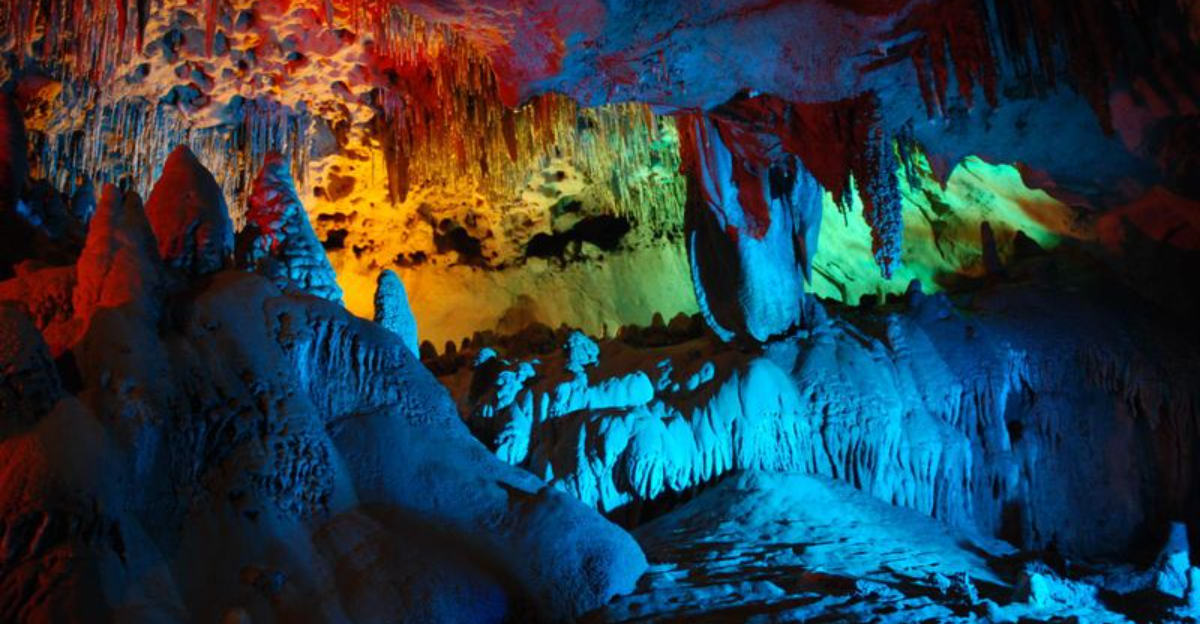
Most people think Florida is all beaches and theme parks, but tucked away in the Panhandle near Marianna lies something completely different. Florida Caverns State Park hides an entire underground world filled with stunning rock formations that look like they belong in a fantasy movie. Walking through these limestone caves feels like stepping onto another planet, and it’s one of the coolest natural wonders you can explore without leaving the Sunshine State.
1. Guided Cave Tours That Reveal Nature’s Artwork
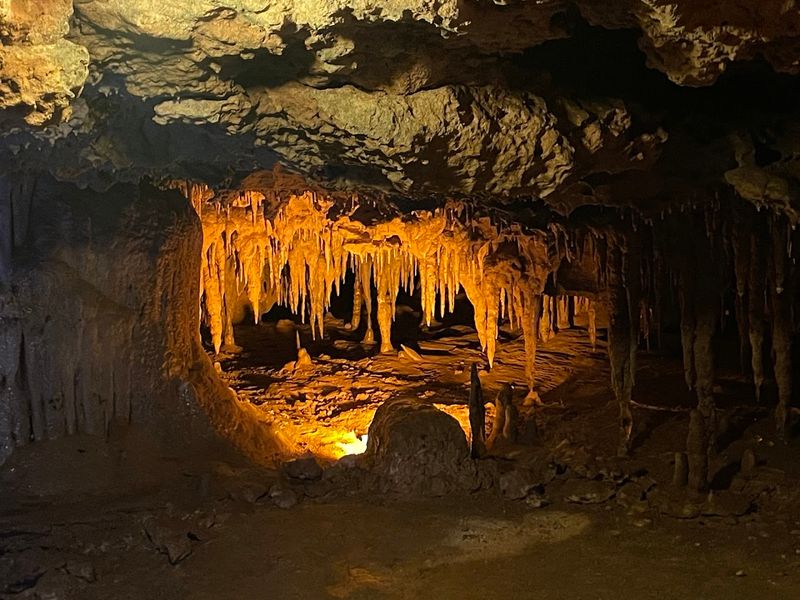
Walking into the caverns for the first time hits differently than you’d expect. The temperature drops, the air feels thick with humidity, and suddenly you’re surrounded by rock formations that took thousands of years to create. Stalactites hang from the ceiling like frozen icicles, while stalagmites rise from the floor to meet them.
The guided tours last about 45 minutes and cover roughly a half-mile through several connected chambers. Your guide will point out formations with names like the Wedding Cake and the Frozen Waterfall, explaining how dripping water and minerals carved out these incredible shapes. Some spots require ducking under low ceilings or squeezing through narrow passages, which adds to the adventure.
Tours run throughout the day, but booking ahead online is smart because they sell out fast, especially on weekends. Early morning slots tend to have smaller groups, giving you more time to snap photos and ask questions. The caves stay around 65 degrees year-round, so bring a light jacket even if it’s blazing hot outside.
No bags, backpacks, or drinks are allowed inside to protect the delicate formations. Phones are fine for photos, but skip the flash since it can disturb any bats hanging around.
2. Knowledgeable Guides Who Make Geology Fun
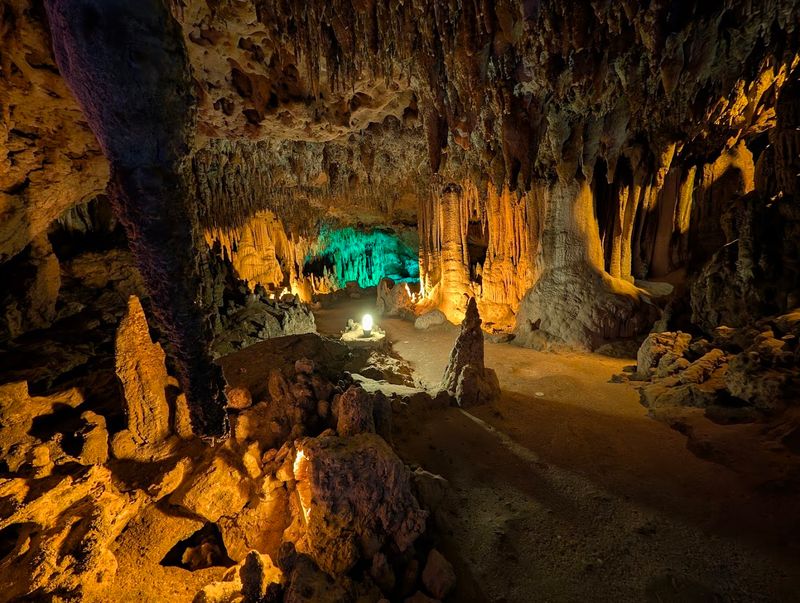
Your experience underground depends heavily on who’s leading your group, and Florida Caverns has built a reputation for excellent guides. Names like Efren, Yardi, Sam, Jake, and Daniel pop up constantly in visitor reviews, and for good reason. These folks don’t just recite facts; they tell stories, crack jokes, and make million-year-old rocks genuinely entertaining.
Each guide brings their own style to the tour. Some lean heavy on the science, explaining how acidic rainwater dissolved the limestone over millennia. Others mix in local history about how the Civilian Conservation Corps developed the caves for public access in the 1930s.
The best guides know when to pause for photos, when to add humor to keep kids engaged, and how to handle questions from curious visitors. They’ll point out tiny details you’d otherwise miss, like the difference between flowstone and drapery formations, or where bats like to roost during the day.
If you catch Nicole, the park manager, leading a tour, consider yourself lucky. Her calm delivery and deep knowledge make even the safety rules sound interesting. She’s also incredibly understanding if someone gets claustrophobic and needs to bail early; refunds are given without any hassle or judgment.
3. Navigating Tight Spaces and Low Ceilings
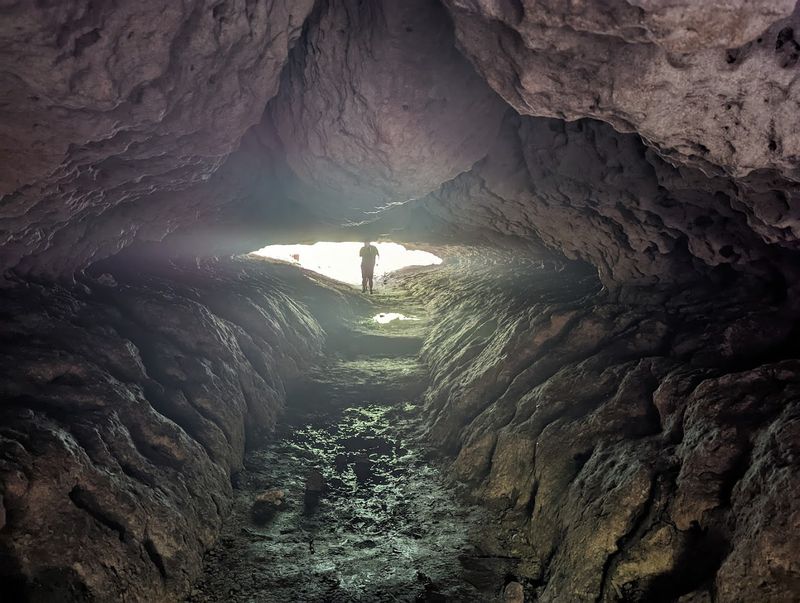
Here’s the truth nobody puts in the brochures: this isn’t a walk-in-the-park kind of cave. Several sections require bending, ducking, and carefully watching your head. If you’re over six feet tall or not comfortable with tight spaces, you’ll definitely feel it in certain passages.
The pathways through the caverns are well-maintained with handrails and steps, but they’re still uneven and sometimes damp. Wearing shoes with good grip is essential because slippery limestone and smooth-soled sneakers don’t mix well. Leave the flip-flops in the car.
For anyone with claustrophobia concerns, know that you’re never crawling on your belly or squeezing through impossibly narrow gaps. The passages are manageable for most people, but there’s no shame in feeling uneasy when you’re deep underground with rock pressing in from all sides. The park staff has seen plenty of visitors realize halfway through that caves aren’t their thing, and they handle it with total compassion.
The physical challenge is part of what makes the experience memorable, though. Climbing down steep stairs into darkness, ducking under ancient rock formations, and emerging back into daylight creates a genuine sense of adventure you don’t get from easier tourist attractions.
4. Underground Climate That Defies Florida Weather
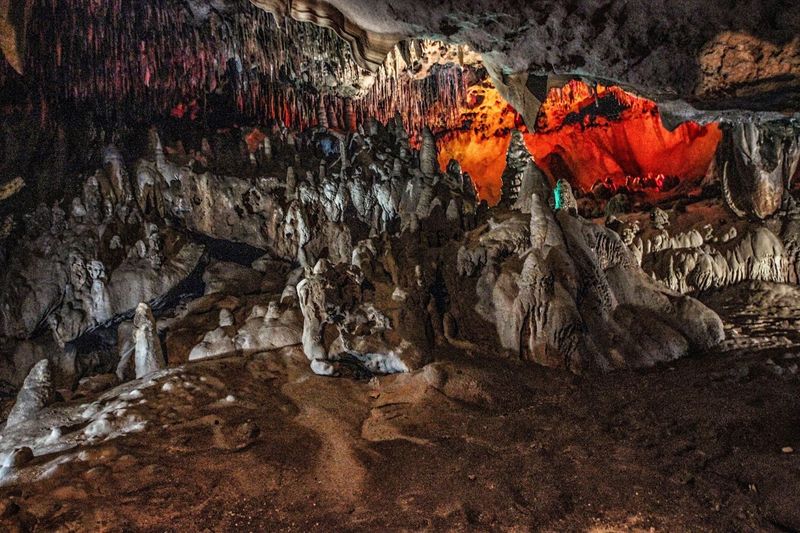
Step inside the caverns during a sweltering July afternoon and you’ll immediately understand why people rave about the climate down there. While the surface might be pushing 95 degrees with suffocating humidity, the cave maintains a steady 65 to 68 degrees year-round. It’s like nature’s air conditioning.
Winter visits flip the script entirely. When it’s chilly outside, the cave actually feels warmer than the surface temperature. That consistent underground climate made the caverns a refuge for prehistoric animals and early humans seeking shelter from extreme weather.
The humidity inside stays high, which is why the formations keep growing slowly over time. That moisture can make the air feel thick, and it definitely affects how cool or warm the temperature actually feels. Bringing a light jacket is smart regardless of the season, especially since you’ll be standing still during explanations.
Fresh air circulates through the cave system via natural updrafts, so you’re never breathing stale or oxygen-depleted air. Some visitors worry about air quality in enclosed spaces, but the ventilation here works surprisingly well. You might feel gentle breezes moving through certain chambers, which helps keep things comfortable during the tour.
5. Blue Hole Spring and River Activities
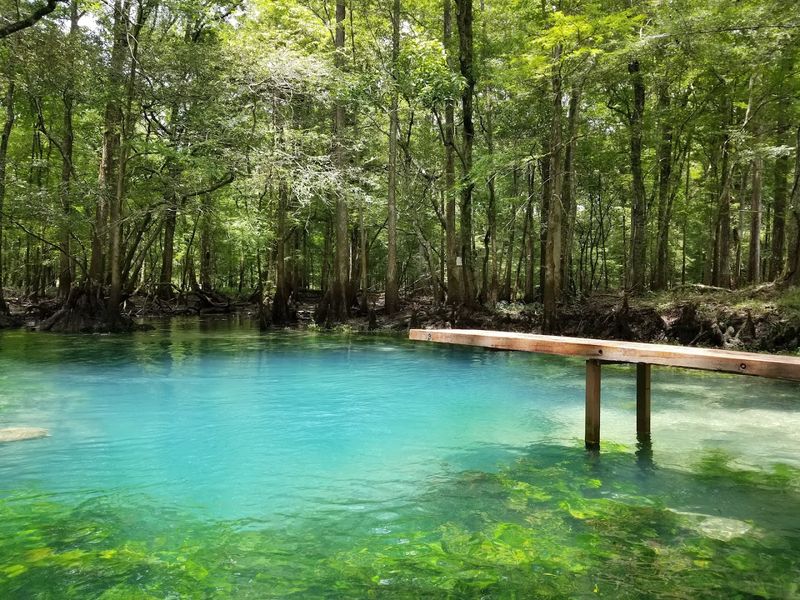
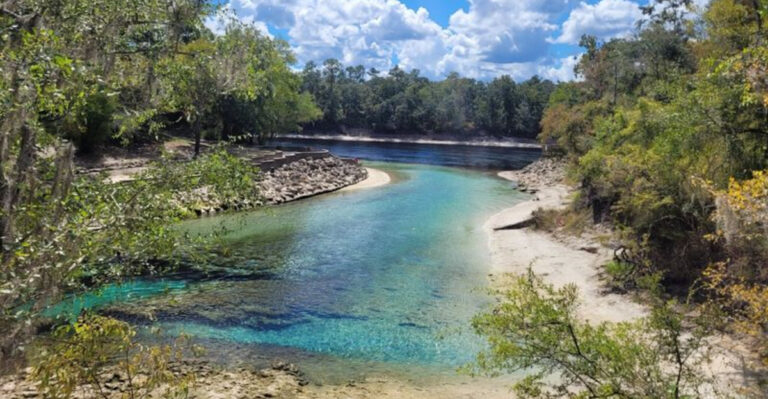
Missing out on cave tour tickets isn’t the end of the world because the park offers plenty above ground too. Blue Hole Spring sits along the Chipola River and offers crystal-clear water perfect for swimming, snorkeling, or just floating around on a hot day. The spring pumps out cool, refreshing water that stays around 68 degrees year-round.
Paddling upstream from Blue Hole leads to other springs hiding along the riverbanks. Some visitors bring kayaks or canoes to explore these spots, which feel wonderfully secluded compared to more crowded Florida springs. The water stays shallow enough in most areas that you can see straight to the sandy bottom.
Swimming here in winter requires some courage since that 68-degree water feels downright cold when the air temperature drops. Summer visits are ideal for water activities, though the spring provides a refreshing break from the heat rather than feeling like bathwater.
The spring area includes a small beach and easy access points for getting in and out of the water. Families with younger kids appreciate how manageable the setup is compared to springs with steep banks or strong currents. Just remember that your park entrance fee covers access to all these areas, not just the caves.
6. Hiking Trails Through Limestone Bluffs
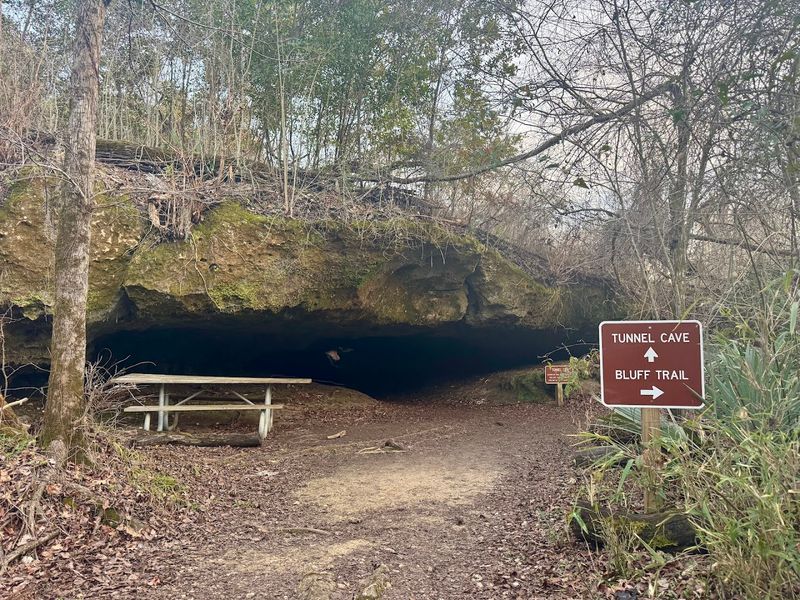
Beyond the main attraction, Florida Caverns offers several miles of trails winding through surprisingly hilly terrain. The Bluff Trail earns its name honestly, climbing steep sections that’ll remind your leg muscles they exist. It’s not Everest, but it’s definitely not flat Florida either.
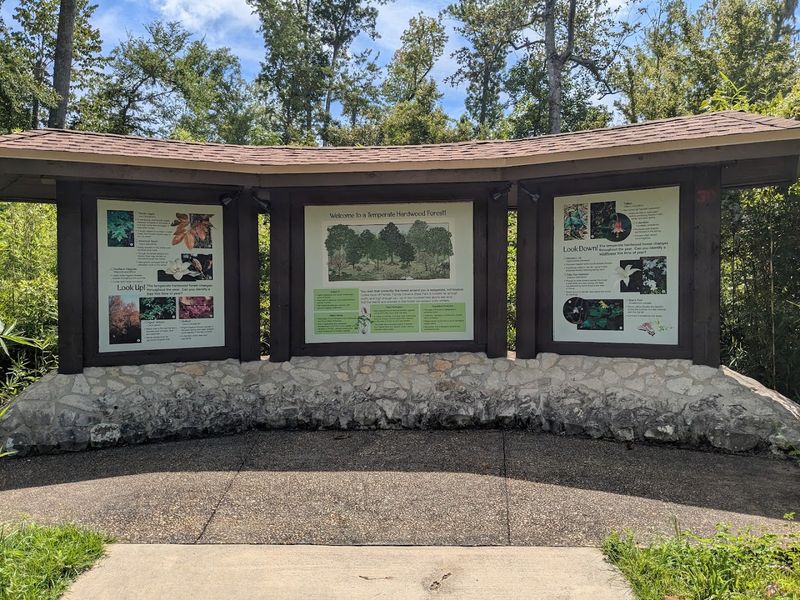
These trails showcase the same limestone geology that created the caves, except you’re seeing it from above. Exposed rock faces, sinkholes, and unusual formations dot the landscape. Interpretive markers along the paths explain the trees, plants, and geological features you’re passing, turning a simple hike into an educational experience.
The Tunnel Cave sits along one of these trails, offering a shorter cave experience you can explore without a guide. It’s nowhere near as impressive as the main caverns, but it gives you a taste of underground exploration if you missed the official tour. Bring a flashlight because it gets properly dark inside.
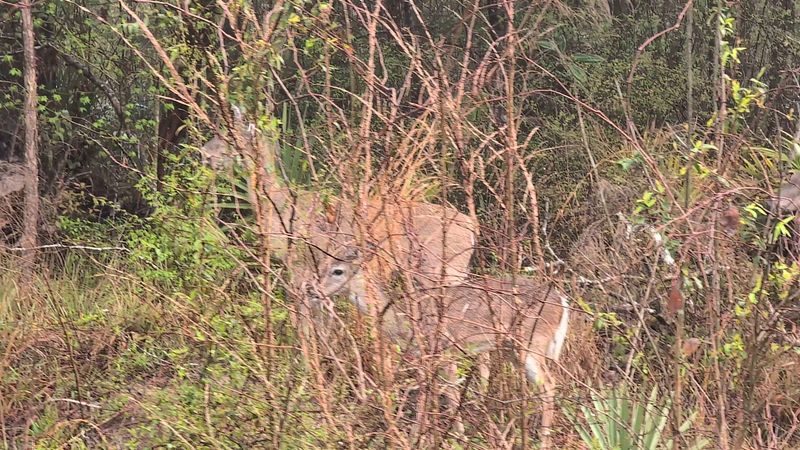
Birdwatchers go nuts for these trails, especially in the morning. Pileated woodpeckers, red-headed woodpeckers, and countless songbirds make their homes in the hardwood forests surrounding the park. Deer wander through the campsites regularly, completely unfazed by human presence.
The combination of varied terrain and diverse wildlife makes hiking here more interesting than your typical Florida trail.
7. Campground With Unexpected Wildlife Encounters
Spending the night at Florida Caverns transforms your visit from a quick stop into a proper nature immersion. The campground spreads out through wooded areas with sites that feel genuinely private, not like you’re camping in a parking lot. Clean, climate-controlled bathrooms with hot showers make the experience comfortable even for camping newbies.
Wildlife sightings happen constantly here. Deer stroll through the campsites like they own the place, which technically they did before humans showed up. Cardinals flit around every morning, adding splashes of red to the green canopy.
If you’re lucky, you’ll spot bats emerging from their roosts near the restrooms at dusk.
The camp hosts earn consistent praise for being friendly and helpful, offering recommendations for local restaurants and hidden spots worth exploring. They keep the facilities well-maintained and create a welcoming atmosphere that makes solo campers and families alike feel comfortable. Having knowledgeable locals available to answer questions adds tremendous value to the camping experience.
Sites accommodate both RVs and tents, with enough space between neighbors that you’re not listening to their entire conversation through thin nylon walls. The campground backs up to forest rather than roads, so the soundtrack is birdsong and rustling leaves instead of traffic noise.
8. Caverns Cafe and Visitor Center Amenities
The Caverns Cafe operates as a food truck near the visitor center, serving surprisingly good food that goes way beyond typical park concessions. Their cheese fries get mentioned specifically in reviews, which tells you something about quality. It’s the perfect spot to grab lunch before or after your cave tour without driving into town.
Inside the visitor center, you’ll find a small museum with self-activated video displays explaining cave geology, local history, and the park’s development. It’s not huge, but it provides solid context that makes the actual cave tour more meaningful. Some visitors complain the lighting inside feels dim, though that might be intentional to protect artifacts and create atmosphere.
The gift shop stocks the usual Florida souvenirs plus geology-specific items like rock samples and educational books about caves. It’s a good place to kill time if you arrive early for your tour reservation. Staff members here consistently get praised for being friendly and helpful, answering questions about the park and offering suggestions for other local attractions.
Coin-operated lockers near the entrance let you store bags and belongings since nothing except phones can go into the caves. It feels slightly old-school paying quarters to lock up your stuff, but it works. Clean restrooms and plenty of parking round out the amenities, making this a well-equipped base for your underground adventure.