These 12 Florida Spots Feel Like You’re Not Supposed to Be There
Florida is famous for its theme parks, packed beaches, and neon-lit strips — but the state has a quieter, stranger side that most tourists never find. These are the places where the road gets narrow, the crowds disappear, and you start wondering if you took a wrong turn somewhere.
Locals know about them, but they’re not exactly putting up billboards. If you’re ready to feel like you stumbled onto a secret, keep reading.
1. Micanopy
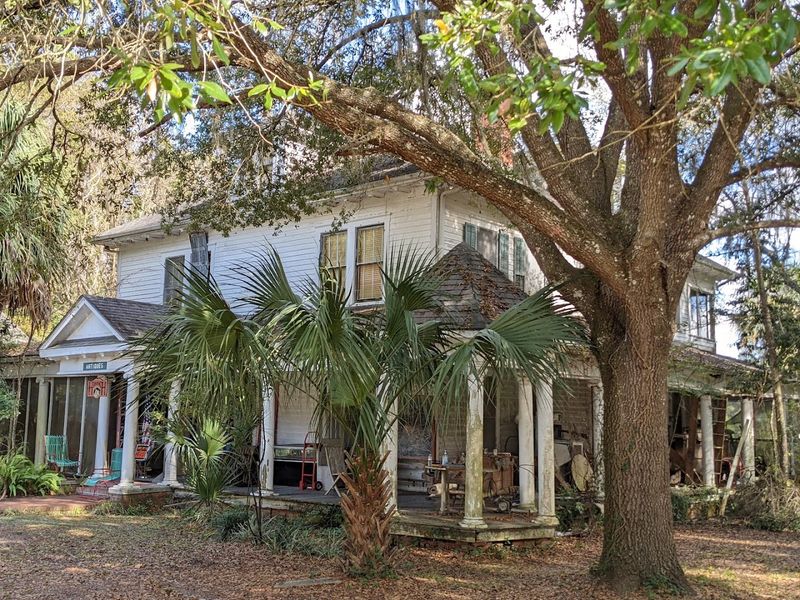
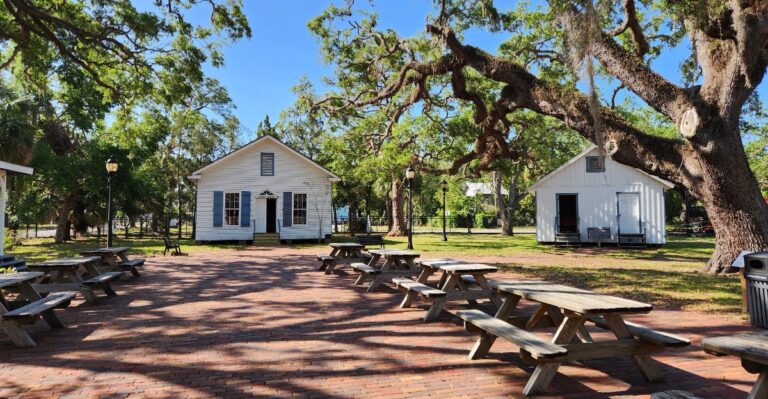
Micanopy looks like someone hit pause on a small Southern town sometime around 1940 and never hit play again. The main drag is barely a block long, shaded by enormous live oaks dripping with Spanish moss, and the only sounds you’ll hear are wind, birds, and the occasional creak of an antique shop door swinging open.
This is Florida’s oldest inland town, and it wears that history without trying too hard. The buildings are original, the sidewalks are uneven, and the handful of shops sell things like hand-painted ceramics, used books with cracked spines, and vintage postcards of places that no longer exist.
Most people blow past Micanopy on their way between Gainesville and Ocala. That’s a mistake.
Spend an afternoon here and you’ll feel like you’ve slipped into a different dimension — one where nobody’s in a hurry and everything has a story. There’s no resort, no chain restaurant, no gift shop pushing Florida-shaped magnets.
The Herlong Mansion, a historic bed and breakfast tucked among the trees, is the kind of place that makes you want to cancel your other plans entirely. The town also sits near Paynes Prairie Preserve, where wild horses and bison roam — which somehow makes Micanopy feel even more surreal.
Come on a weekday if you can. On weekends, a few more cars show up, but it never gets crowded enough to ruin the mood.
Micanopy rewards slow walkers, curious minds, and anyone who still gets excited about finding something genuinely old in a state that loves tearing things down and starting over.
2. Dry Tortugas National Park
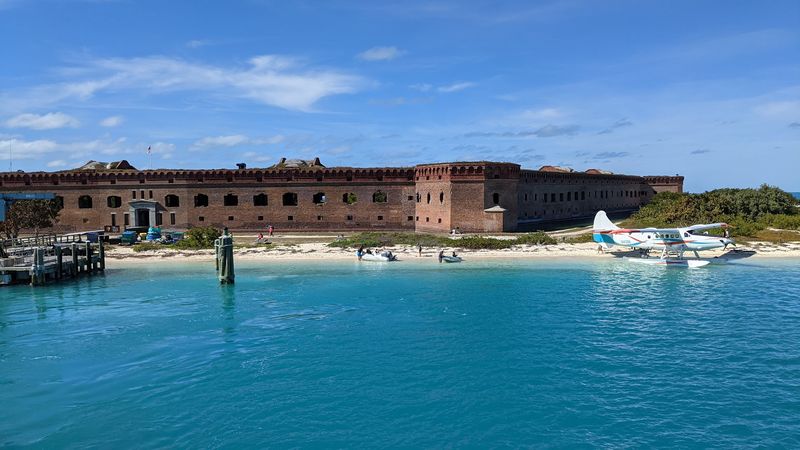
Seventy miles off the coast of Key West, there’s a massive 19th-century brick fort sitting in the middle of the Gulf of Mexico like it got lost and nobody came back to get it. Fort Jefferson in Dry Tortugas National Park is one of the most jaw-dropping things in Florida, and the fact that most people have never seen it in person feels like a genuine crime.
Getting here takes effort — you either take a ferry, a seaplane, or your own boat. There are no roads, no bridges, and no shortcuts.
That’s exactly why it feels forbidden. Once you arrive, the water is so clear you can watch fish swim beneath your feet from the dock, and the snorkeling around the fort’s moat wall is some of the best in the entire state.
The fort itself was never fully finished and never successfully used in battle. It spent time as a Civil War prison, holding Dr. Samuel Mudd, the physician convicted of treating John Wilkes Booth.
That backstory alone gives the place an eerie weight you can feel when you walk the empty corridors.
Camping overnight here is the real power move. After the ferry leaves and the day-trippers are gone, you have the stars, the ocean, and the silence entirely to yourself.
Bring everything you need — food, water, sunscreen — because there are zero amenities once the park staff heads in for the evening. The isolation is the whole point.
Dry Tortugas doesn’t try to be convenient or comfortable. It just sits out there in the water, ancient and enormous, daring you to make the trip.
3. Jensen Beach
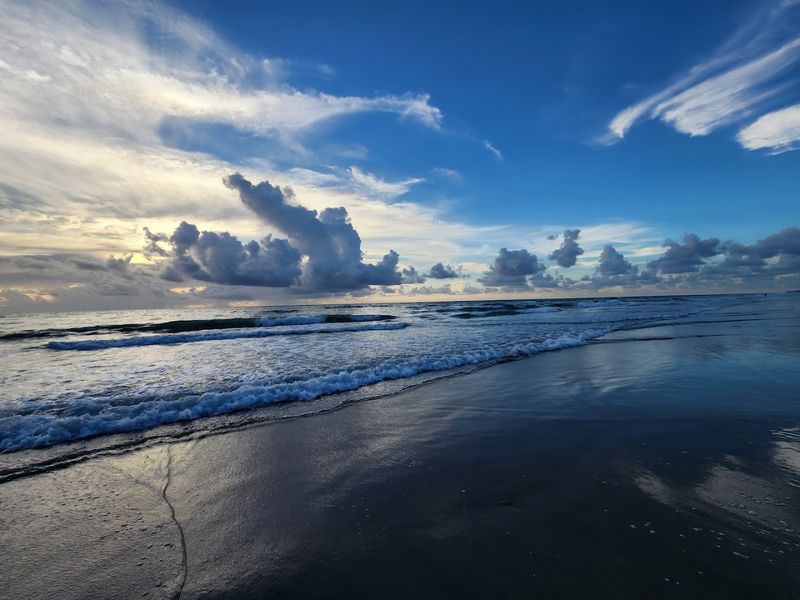
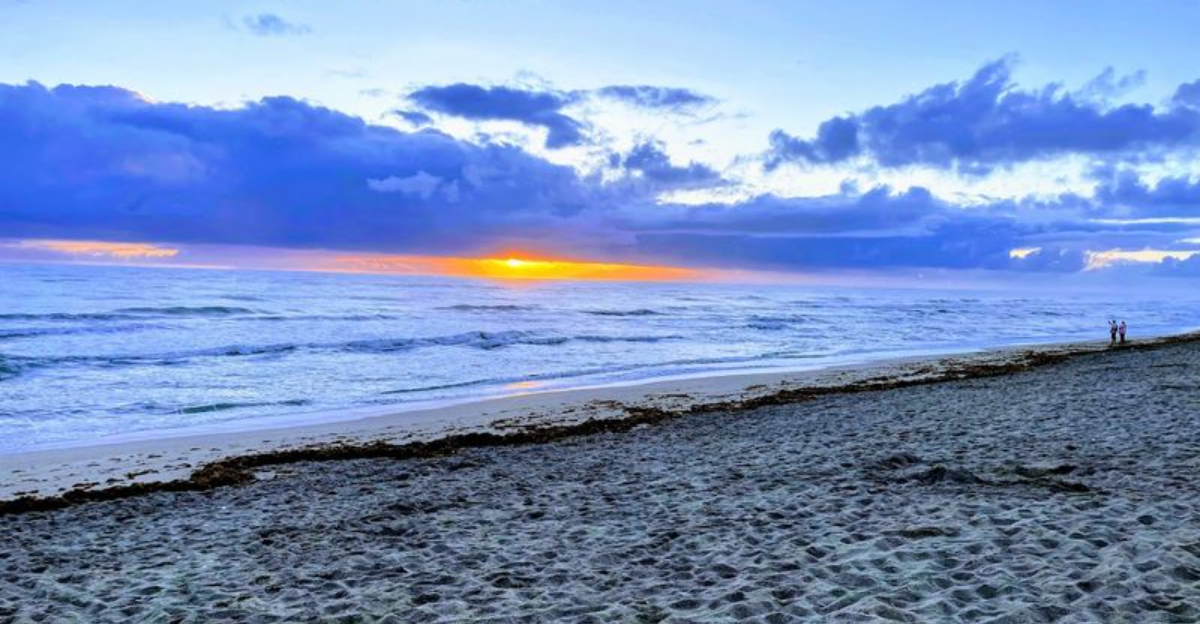
Sandwiched between the glossy excess of Palm Beach and the spring-break chaos of Fort Lauderdale, Jensen Beach just quietly exists — and that’s exactly what makes it special. It doesn’t have a famous pier lined with souvenir stands.
It doesn’t have a hotel strip blocking the ocean view. It just has the beach, a relaxed downtown, and a local crowd that clearly figured something out a long time ago.
The town sits on the Treasure Coast, a stretch of Florida’s Atlantic side named for the Spanish treasure ships that wrecked here in 1715. History runs deep beneath the sand, but Jensen Beach doesn’t shout about it.
You’ll find small restaurants serving fresh grouper and stone crab, local coffee shops that don’t have a drive-through, and a waterfront park where families actually use the grass instead of staring at their phones.
The beaches here are nesting grounds for loggerhead sea turtles, and during summer months, guided turtle walks let you watch females come ashore to lay eggs in the dark. That experience is as wild and quiet and unexpected as the town itself.
There’s something almost secretive about the whole vibe — like Jensen Beach knows it’s sitting on something good and isn’t advertising it too loudly.
The Indian River Lagoon, which runs alongside the town, is one of the most biodiverse estuaries in North America. Kayaking through it at sunrise, with dolphins occasionally surfacing nearby, feels less like a Florida vacation activity and more like something you’d describe to people back home and watch their eyes go wide.
Jensen Beach is proof that the best spots sometimes hide in plain sight between the places everyone talks about.
4. Clay County
Clay County doesn’t get name-dropped in travel articles. It’s not on the list of Florida’s must-see destinations, and it doesn’t have a famous landmark pulling in tour buses.
What it does have is a particular kind of quiet that feels almost rebellious in a state this loud.
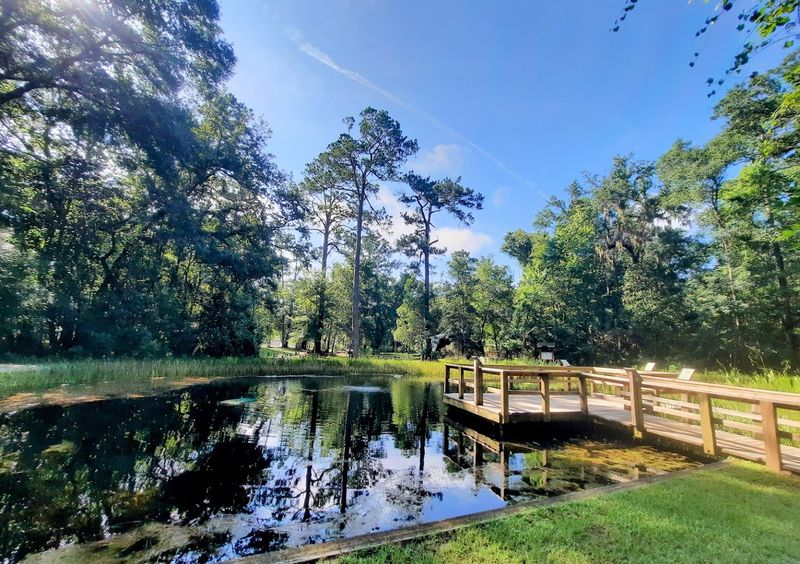
Tucked just south of Jacksonville, Clay County is home to some of Florida’s most underappreciated natural land. The Gold Head Branch State Park here is the kind of place that stops you mid-trail and makes you reconsider everything you thought you knew about this state.
A spring-fed ravine cuts through the scrubby flatlands, lined with magnolias and ferns and the kind of stillness that feels earned. The swimming area at the spring is cold, clear, and completely worth it.
The towns in Clay County — Green Cove Springs, Keystone Heights, Orange Park — each have their own personality. Green Cove Springs has a working artesian spring right in the middle of a public park, where the water flows constantly into a pool and people actually swim in it like it’s the most normal thing in the world.
It is, but it also isn’t, and that tension is part of the charm.
History buffs will appreciate that Clay County has ties to Florida’s Civil War past, with several historical markers and old cemeteries that don’t see many visitors. The county sits at an interesting crossroads between suburban growth and deep rural Florida, and depending on which road you take, you can experience both in the same afternoon.
That contrast is rare, and it makes Clay County feel like a place that hasn’t been fully discovered yet — which might be the best thing that could be said about anywhere in Florida right now.
5. Cayo Costa State Park
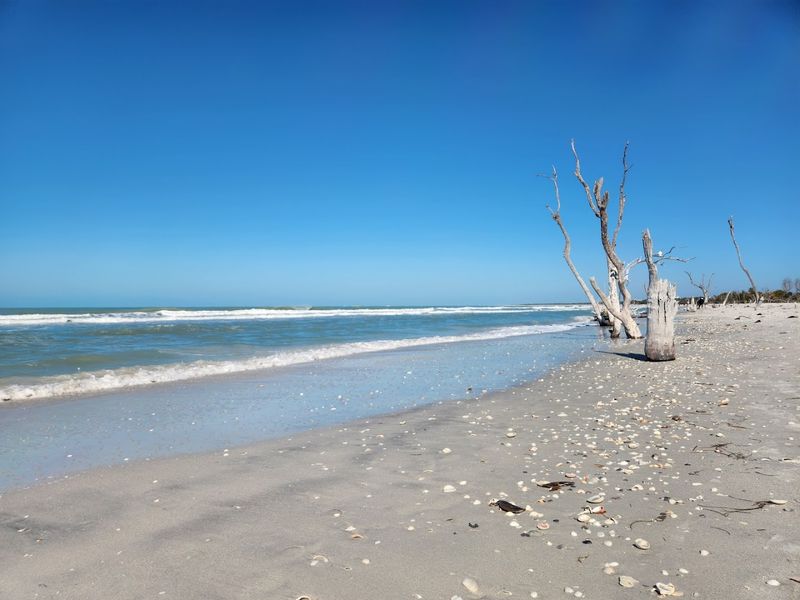
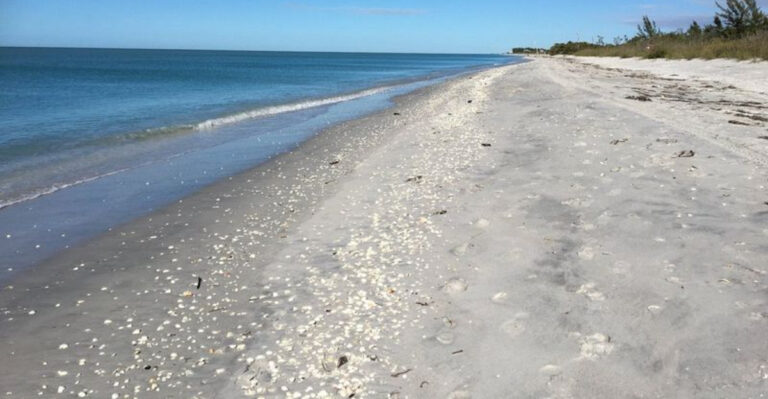
You can only reach Cayo Costa by boat or ferry, and once you get there, you’ll understand immediately why that barrier exists and why it’s a gift. This barrier island off the coast of southwest Florida has nine miles of undeveloped beach, and on most days, you can walk for a long stretch without seeing another person.
In Florida. In the 21st century.
That is remarkable.
The island is a state park, which means no resort development, no beach bars, no jet ski rentals. What you get instead is raw, windswept coastline with shells piled so deep in some spots that you have to watch your footing.
Shelling here is some of the best in the state — lightning whelks, junonia shells, and shark’s teeth turn up regularly, especially after a strong wind has stirred things up overnight.
Wildlife on Cayo Costa is completely unbothered by humans. Bottlenose dolphins cruise the shoreline, osprey patrol overhead, and roseate spoonbills — those improbably pink birds that look like flamingos went through a funhouse mirror — wade in the shallows without so much as glancing at you.
The island also has primitive camping, and spending a night here with nothing but the sound of waves and the glow of stars overhead is the kind of experience that recalibrates your entire sense of what a vacation should feel like.
The ferry from Pine Island runs on a schedule, so plan ahead. Bring food, water, sunscreen, and bug spray — especially in the warmer months when the no-see-ums come out around sunset.
Cayo Costa doesn’t apologize for being inconvenient. That inconvenience is exactly what keeps it one of the most untouched places in the entire state of Florida.
6. Okeechobee
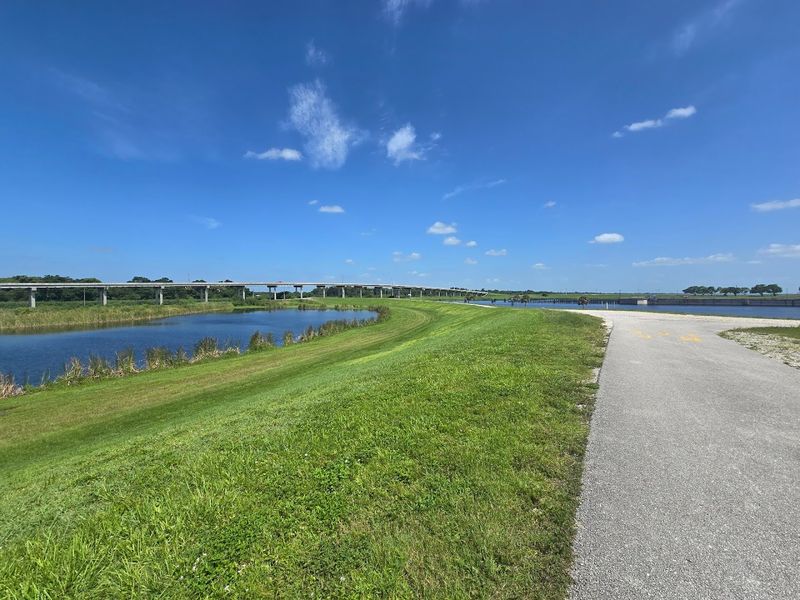
Lake Okeechobee is the second-largest freshwater lake entirely within the United States, and somehow, most Floridians have never stood on its shore. That’s partly because the lake is surrounded by a massive earthen dike — built after catastrophic hurricanes in the 1920s — that blocks the view from the road.
You have to climb it to see the water, and most people just don’t bother.
The town of Okeechobee sits at the northern edge of the lake and has a working-town energy that feels completely separate from the Florida of beach resorts and theme parks. Bass fishing here is legendary.
Anglers drive from all over the country to fish these waters, and the local bait shops and fish camps along the lake’s edge have a no-nonsense, early-morning culture that’s genuinely compelling if you’re paying attention.
The Okeechobee Battlefield Historic State Park marks the site of the largest land battle of the Second Seminole War, fought in 1837. Walking those quiet grounds with the lake visible in the distance gives you a strange, grounding feeling — like the land itself is holding something heavy that nobody talks about enough.
There’s also a wildlife drive around parts of the lake that puts you close to snail kites, wood storks, and alligators that look like they haven’t moved since the Pleistocene.
Okeechobee the town isn’t pretty in the way tourist towns are. It’s functional, a little rough around the edges, and deeply real.
The rodeo culture here is alive and well, with the Okeechobee Cattlemen’s Rodeo drawing crowds who didn’t come for a curated experience — they came because this is just what their family does every year. That authenticity is harder to find in Florida than you might think.
7. Amelia Island
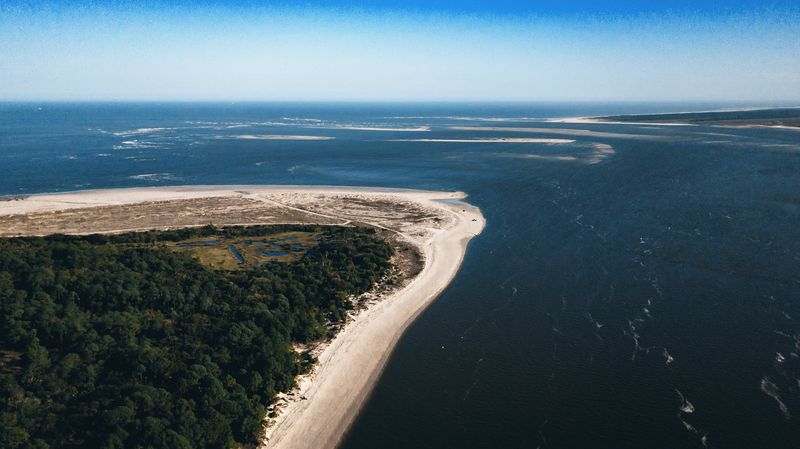
Eight flags have flown over Amelia Island — French, Spanish, British, Patriots, Green Cross of Florida, Mexican, Confederate, and American — which tells you something about the kind of place this is. History here isn’t just a plaque on a wall.
It’s baked into the streets, the architecture, and the way the town of Fernandina Beach carries itself with a confidence that doesn’t need anyone’s approval.
Fernandina Beach is the main town on the island, and its historic downtown is one of the most genuinely well-preserved in Florida. The buildings along Centre Street date back to the 1800s, and the mix of seafood restaurants, independent bookshops, and old-school bars gives the whole area a texture that feels earned rather than manufactured.
The Palace Saloon, reportedly Florida’s oldest continuously operating bar, serves drinks in a room full of ornate woodwork that makes you feel slightly underdressed no matter what you’re wearing.
The beaches on Amelia Island are wide, firm, and not overcrowded — firm enough in some spots that you can actually drive on them, which is a strange and specific pleasure. Fort Clinch State Park sits at the island’s northern tip, and walking through the well-preserved Civil War-era fort on a foggy morning is one of those experiences that sneaks up on you emotionally in ways you didn’t expect from a Florida beach trip.
Amelia Island sits right on the Georgia border, which gives it a slightly different cultural flavor than the rest of Florida — a little more Low Country, a little more unhurried. It attracts visitors who read books on the beach and care about where their shrimp came from.
That crowd is self-selecting, and the island is better for it.
8. Big Hickory Island
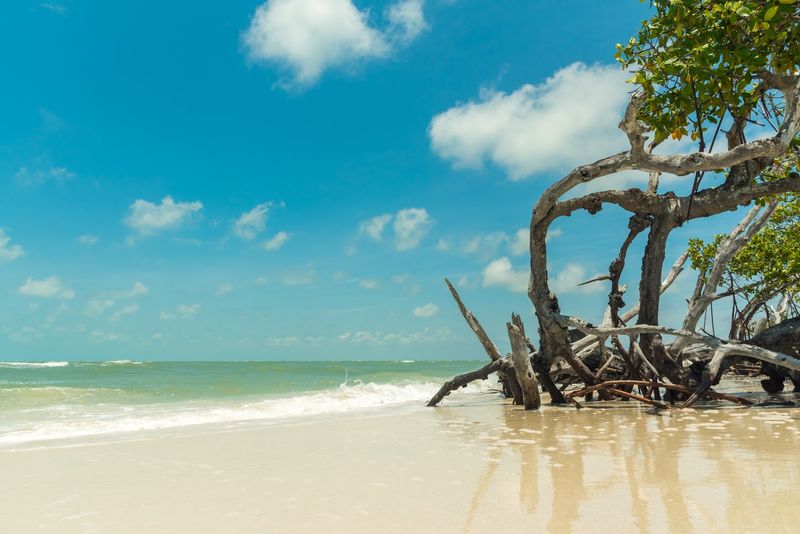
Most people have never heard of Big Hickory Island, and that’s exactly the point. Located in Lee County between Bonita Beach and Little Hickory Island, this small, largely undeveloped barrier island sits just far enough off the beaten path to filter out anyone who isn’t genuinely curious.
Getting there typically means a kayak, a paddleboard, or a shallow-draft boat — and the effort is absolutely worth it.
The island is a patchwork of mangrove forest, tidal flats, and narrow sandy beaches that shift shape with the tides. Snook and redfish work the mangrove edges at dawn, making it a quiet obsession for local anglers who don’t broadcast their spots on social media.
The birding here is exceptional too — great blue herons, roseate spoonbills, black-crowned night herons, and occasionally a bald eagle patrolling the tree line.
What makes Big Hickory feel genuinely off-limits is the absence of any infrastructure. No bathrooms, no parking lots, no signs telling you where to stand or what to do.
The island operates entirely on its own schedule, shaped by tides and weather rather than tourist calendars. That raw quality is increasingly rare in southwest Florida, where development has consumed most of what used to feel wild.
Paddling out to Big Hickory on a calm morning, with the water flat and clear and the mangroves glowing green in the early light, is the kind of experience that doesn’t photograph well but stays with you for years. The nearby Barefoot Beach Preserve adds another layer of accessible wildness to the area, but Big Hickory itself remains the quieter, stranger reward for those who push a little further.
Come at low tide for the best beach access and the best shelling conditions along the exposed sandbars.
9. Sebring
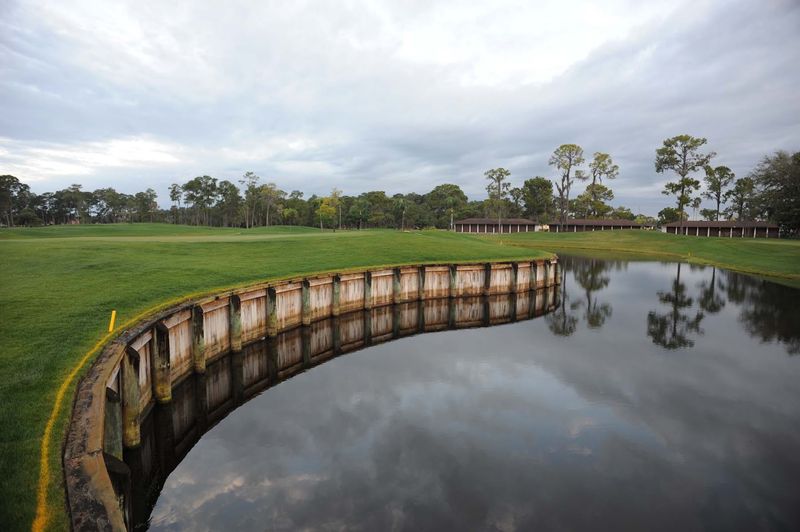
Sebring is the kind of town that makes you feel like you’ve been let in on something. Sitting in the middle of the Florida peninsula, far from any coast, it operates at a pace that most of the state abandoned decades ago.
The downtown is built around a circular park — literally, the streets radiate outward from a central green — which gives the whole place an oddly charming, slightly European layout that you don’t expect in central Florida.
The Sebring International Raceway is the town’s most famous feature, hosting one of the oldest sports car races in North America each March. The 12 Hours of Sebring draws an international crowd, fills every motel room within 40 miles, and then disappears, leaving the town to return to its usual quiet.
Outside of race week, the raceway is almost eerily still, and you can sometimes walk sections of the track without seeing another soul.
Lake Jackson, right in the center of town, anchors a surprisingly pleasant waterfront area with parks, boat launches, and a marina that sees more local fishermen than tourists. The lake is big enough to feel significant but small enough that you can take it all in from a single bench on the shore.
There’s something deeply calming about it, especially in the early morning when the mist is still sitting on the water.
The surrounding Highlands County landscape has a high, dry, rolling quality that’s genuinely different from the flat, swampy terrain people associate with Florida. Ancient oaks, scrub jays, and the occasional sandhill crane moving across a grassy field give the area a personality all its own.
Sebring doesn’t try to compete with the coast, and it’s more interesting for it. This is Florida for people who actually live here.
10. Sunset Key
Sunset Key sits about 500 yards off the coast of Key West — close enough that you can see the Duval Street chaos from the shore, but far enough that none of it reaches you. The island is accessible only by ferry, and once you step off, the contrast is immediate and slightly surreal.
No cars, no noise, no one trying to sell you a T-shirt or a sunset cruise.
The island is home to a private resort and a small community of residential cottages, which means access is limited for those who aren’t guests. But that exclusivity is part of what makes Sunset Key feel so strangely forbidden.
From the water, it looks like a secret — all tropical greenery and white-painted buildings and the kind of stillness that Key West itself lost a long time ago.
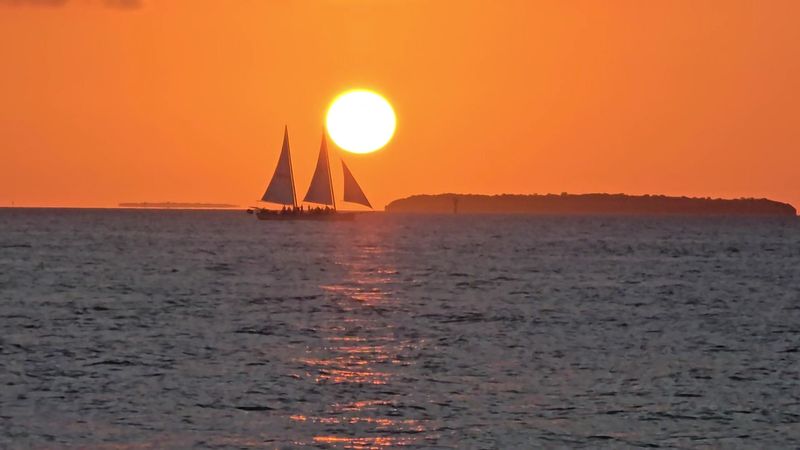
Staying on Sunset Key means your days are structured around the water, the hammock, and the restaurant on the beach that somehow manages to be both casual and excellent at the same time. Sunsets here, facing west toward the Gulf of Mexico, are legitimately spectacular — the kind of slow, color-saturated sky that makes you put your phone down and just watch.
Key West sunsets are famous, but watching one from Sunset Key, away from the crowds cheering on Mallory Square, feels like having a secret version of the same experience.
The ferry ride over from Key West takes about five minutes, but the psychological distance is enormous. Getting to Sunset Key is easy; the hard part is leaving.
It occupies a rare category of Florida experience — technically right there in the middle of everything, but completely removed from it at the same time. That combination of proximity and seclusion is almost impossible to pull off, and Sunset Key does it without even trying.
11. Citrus County
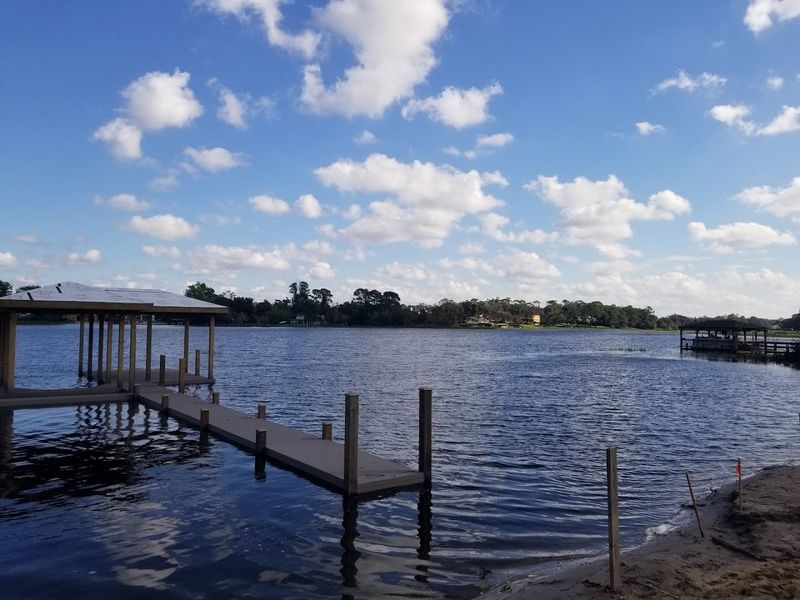
Crystal River in Citrus County is one of the few places in the world where you can legally swim with wild manatees, and the fact that this doesn’t come up in every single conversation about Florida is baffling. The springs here pour out water at a constant 72 degrees year-round, which draws hundreds of manatees in winter when Gulf temperatures drop.
Floating above them in clear, spring-fed water while they drift past like slow, enormous ghosts is the kind of experience that genuinely rewires something in your brain.
Citrus County sits on Florida’s Nature Coast, a stretch of Gulf shoreline that was deliberately kept free of major development. There are no high-rises here, no chain hotels lining the water, no beach bars with frozen drinks and speakers blasting outdoors.
What there is instead: spring-fed rivers winding through cypress swamps, osprey nesting on channel markers, and a silence over the water that feels almost protective.
The Chassahowitzka National Wildlife Refuge, partly within Citrus County, is one of the most remote paddling destinations in the state. Exploring its maze of spring runs and tidal creeks by kayak is the kind of thing that takes a full day and rewards every minute of it.
Black bears occasionally move through the area, and while encounters are rare, knowing they’re out there changes how you pay attention to the treeline.
Homosassa Springs Wildlife State Park adds another layer to the county’s strange, wonderful personality. The park sits around an actual spring where you can watch fish and manatees from an underwater observatory — a glass room literally submerged in the spring.
It sounds like something a child made up. It is completely real, and it is completely worth going out of your way to see.
Citrus County earns its place on this list without breaking a sweat.
12. Lake County
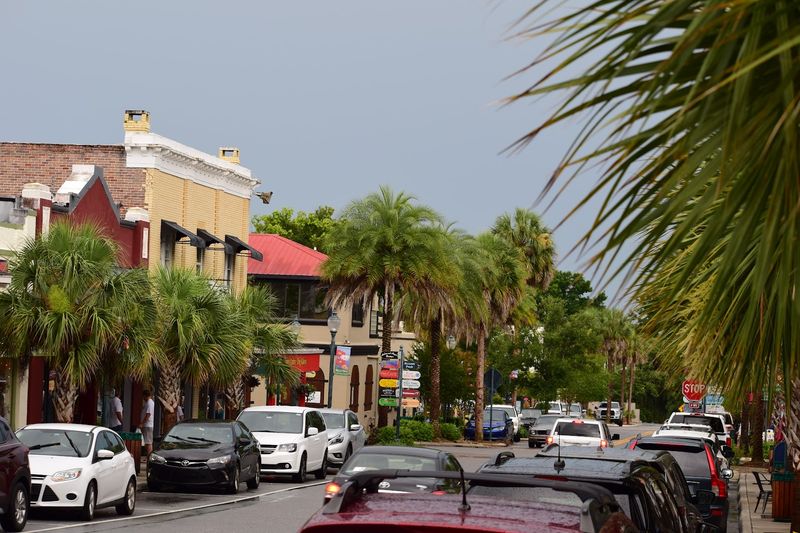
Florida isn’t supposed to have hills. That’s a fact most people accept without question — and then they visit Lake County and have to revise their entire mental map of the state.
The Clermont Hills in Lake County are the closest thing Florida has to actual topography, and driving through them for the first time produces a genuine double-take. The landscape rolls and dips in ways that feel borrowed from somewhere else entirely.
Lake County is named for an obvious reason: it has more than a thousand lakes. That’s not a rounding error.
The county is essentially a mosaic of water and land, with lakes of every size tucked between citrus groves, small towns, and stretches of longleaf pine. Fishing, paddling, and simply sitting on a dock watching the water change color at dusk are the dominant recreational activities here, and nobody seems to be in a hurry about any of it.
Mount Dora, the county’s most charming town, has an arts-and-antiques culture that pulls weekend visitors from Orlando — but even then, it never tips into the kind of overcrowding that ruins a place. The historic downtown has a walkable, self-contained quality, with independent restaurants, galleries, and a lakefront park that makes it genuinely hard to leave before you planned to.
The Ocala National Forest borders the county to the north, and the transition between Lake County’s cultivated, hilly landscape and the wild, flat forest is abrupt in the best possible way. Alexander Springs and Salt Springs, both within easy reach, offer cold, clear swimming holes that have been drawing people since long before Florida was a state.
Lake County feels like the version of Florida that existed before anyone decided to build anything — and large pieces of it still look exactly that way.