Harbor Views and Seafood Shacks Make These 12 Florida Coastal Towns Worth Visiting
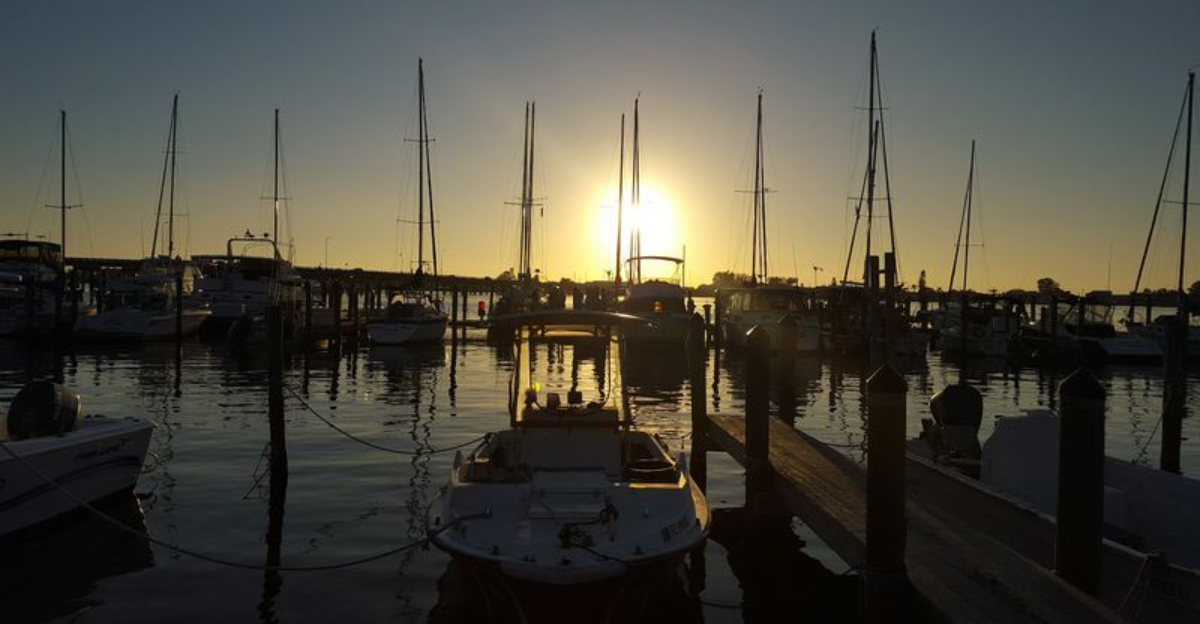
Florida’s coastline is packed with hidden gems that go way beyond the big resort cities. From tiny fishing villages where the boats still come in before sunrise to laid-back harbor towns where the stone crabs are fresher than anything on a chain restaurant menu, there’s a whole other side of the Sunshine State waiting to be explored.
Whether you’re chasing a quiet weekend escape or a full-blown coastal road trip, these twelve towns deliver the real Florida experience — salty air, cold drinks, and seafood that actually tastes like the sea.
1. Apalachicola
Ask any Florida food lover where to find the best oysters in the state, and there’s a good chance they’ll say one word: Apalachicola. This small Panhandle town sits at the mouth of the Apalachicola River where it meets the Gulf, and the cool, nutrient-rich waters have made its oysters legendary for generations.
The bay is the kind of place that feels like it belongs in a different era entirely.
Walking through downtown Apa — as locals call it — feels like stepping back into the late 1800s. The streets are lined with Victorian-era buildings, many of which now house galleries, antique shops, and cozy restaurants.
The pace here is slow by design, and visitors quickly figure out that there’s nowhere to rush to anyway.
The seafood scene is the main attraction, but it’s not the only one. The Apalachicola National Estuarine Research Reserve protects a huge stretch of wild, undeveloped coastline nearby, giving kayakers and birders plenty to explore.
Manatees, ospreys, and dolphins are regular sights on the water.
Chapman’s Botanical Garden and the John Gorrie Museum State Park add some cultural flavor to the trip. Gorrie was a local doctor who invented an early form of air conditioning right here in this town — a fact that feels very appropriate given Florida’s summers.
The museum is small but genuinely fascinating.
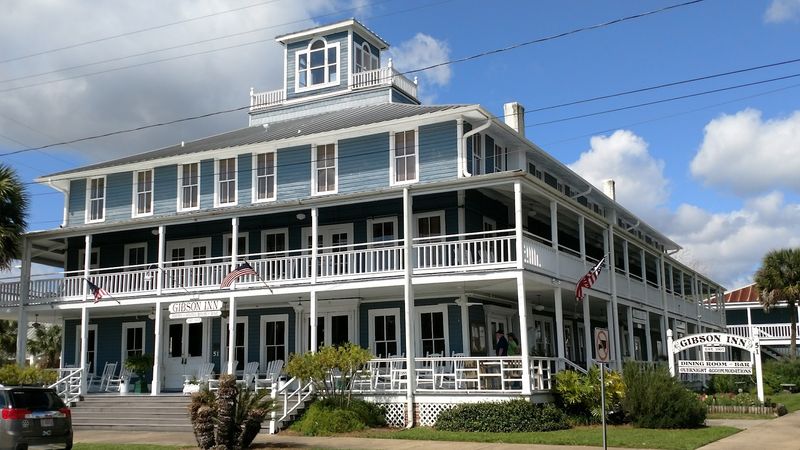
Accommodations lean boutique and charming rather than big-hotel generic. Several restored historic homes operate as bed-and-breakfasts, and waking up to the smell of fresh coffee and salt air is honestly hard to beat.
If you come in November during the Florida Seafood Festival, expect crowds — but also expect the freshest raw oysters you’ve ever put in your mouth.
2. Cedar Key
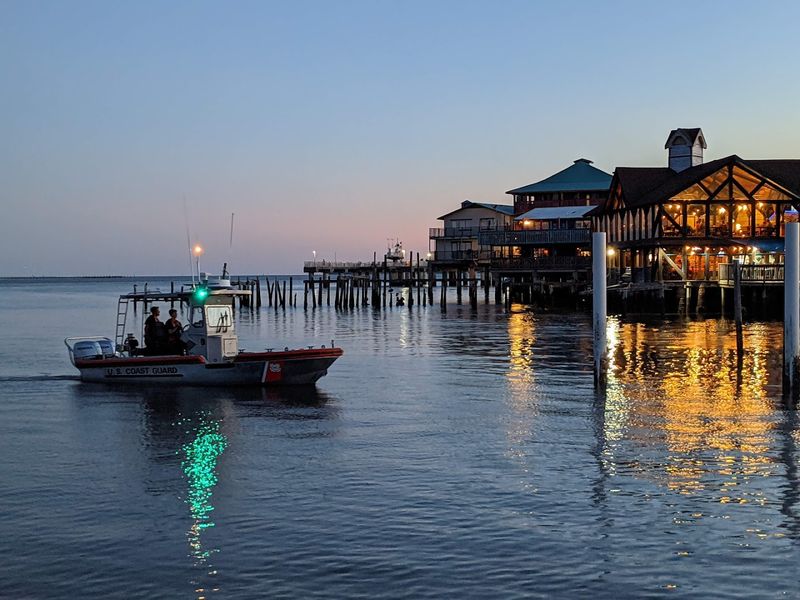
Cedar Key sits at the end of a long, flat road that cuts through marshland and seems to go nowhere — until suddenly you’re there, surrounded by water on three sides and wondering why you didn’t come sooner. This tiny island town off Florida’s Nature Coast is one of those places that people discover once and then spend the rest of their lives trying to get back to.
The town has been a commercial fishing hub since the 1800s, and that history is still very much alive. Clam farming is the big industry now, and Cedar Key clams have earned a serious reputation among chefs around the Southeast.
You’ll find them on nearly every menu in town, served steamed, fried, in chowder, or raw on the half shell with a squeeze of lemon.
The vibe here is genuinely unhurried. There are no traffic lights, no chain restaurants, and no big box stores.
What you do get is a main street lined with casual seafood spots, a handful of art galleries, and a small maritime museum that does a solid job of telling the town’s story. The sunsets from the waterfront are the kind that make you put your phone down.
Kayaking through the surrounding Cedar Keys National Wildlife Refuge is an absolute must. The refuge protects a cluster of small, mostly uninhabited islands that are home to nesting birds, sea turtles, and some of the clearest shallow water you’ll find on this coast.
Guided tours are available if you want someone to narrate the wildlife.
Cedar Key hosts several quirky annual festivals, including one celebrating clams and another celebrating arts and culture. Both draw visitors who then realize the town itself is the best part.
Staying overnight at one of the waterfront cottages makes the whole trip feel complete.
3. Cortez
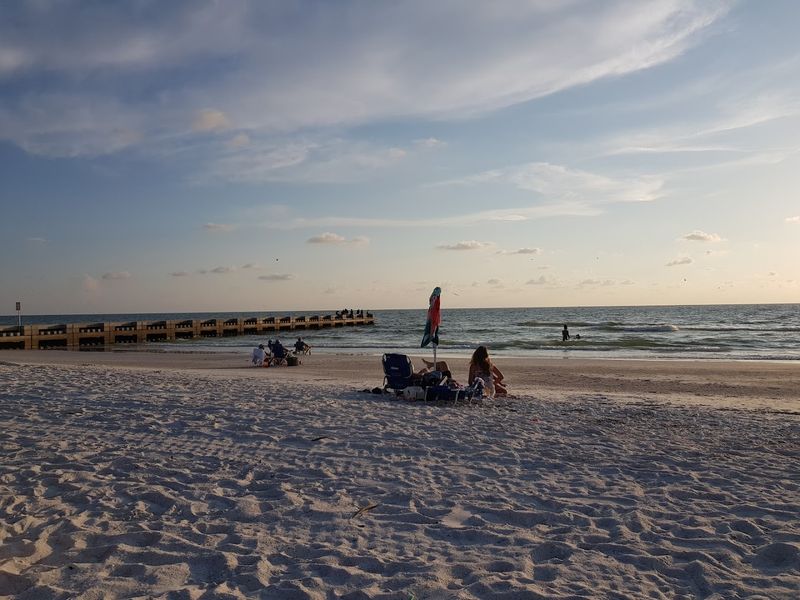
Cortez is a working fishing village, not a tourist attraction — and that’s exactly what makes it so worth visiting. Tucked between Bradenton and Anna Maria Island on the shores of Sarasota Bay, this tiny community has been sending fishing boats out into the Gulf since the 1880s.
The docks are still active, the nets still get mended by hand, and the seafood sold here was likely swimming yesterday.
The village is listed on the National Register of Historic Places, and it shows. The old fish houses, packing sheds, and net-drying racks give the waterfront a texture you won’t find anywhere else on Florida’s central Gulf Coast.
It’s the kind of authenticity that can’t be manufactured or replicated in a new development.
Cortez Fish House and a few other local spots serve up grouper, mullet, stone crab claws, and shrimp with zero pretension. Plastic trays, paper napkins, and views of the working harbor — that’s the experience here, and it’s genuinely great.
The fish dip, in particular, has a loyal following among people who know their smoked fish.
The Florida Maritime Museum is based right here in Cortez and offers a deep look into the region’s fishing heritage. It’s a small but thoughtfully curated spot, with exhibits on traditional net fishing, boat building, and the ecology of the surrounding bay.
Kids tend to find it more interesting than expected.
Cortez is also a launching point for kayaking and paddleboarding in the protected waters of Sarasota Bay. The nearby Palma Sola Causeway offers additional access to calm, shallow flats where dolphins are frequently spotted.
Come early on a weekday morning and you might have the whole waterfront almost entirely to yourself.
4. Carrabelle
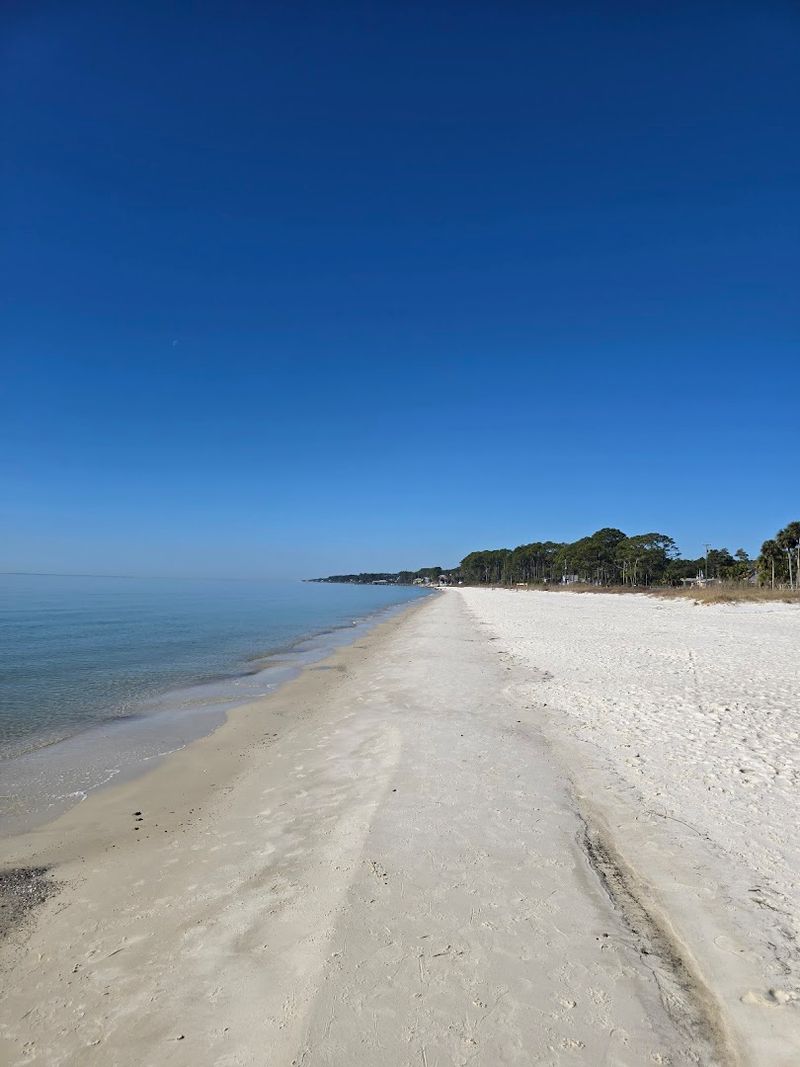
Carrabelle is the kind of town that doesn’t try to impress you — and somehow that makes it more impressive. Sitting along the Carrabelle River where it meets the Gulf on Florida’s Forgotten Coast, this small fishing community is about as low-key as coastal Florida gets.
There are no resort hotels, no amusement parks, and no neon signs. Just boats, birds, and some genuinely good seafood.
The town is famous for one very unusual landmark: the World’s Smallest Police Station, which is literally a phone booth on the side of the road. It’s been there since the 1960s, and it still draws curious visitors who pull over just to take a photo.
It’s a perfect summary of Carrabelle’s personality — a little quirky, totally unpretentious, and oddly charming.
Carrabelle Beach is one of the quieter stretches of sand on the Panhandle, with shallow, warm Gulf water and very little crowd competition. The nearby Dog Island, accessible by boat, offers even more secluded beachcombing.
It’s the kind of place where you can walk for an hour and not see another person.
The fishing here is taken seriously. Offshore charters target grouper, amberjack, and snapper, while inshore anglers work the flats for redfish and speckled trout.
The Carrabelle River itself is a popular launch point for kayak fishing, and the surrounding Tate’s Hell State Forest adds miles of paddling trails through cypress swamps and pine flatwoods.
There’s a small but solid selection of seafood restaurants in town, with boiled shrimp and fried mullet being local favorites. The atmosphere at most of these spots is casual to the extreme — shorts and flip flops are not just acceptable but expected.
Carrabelle is a reminder that the best Florida experiences are often the simplest ones.
5. Tarpon Springs
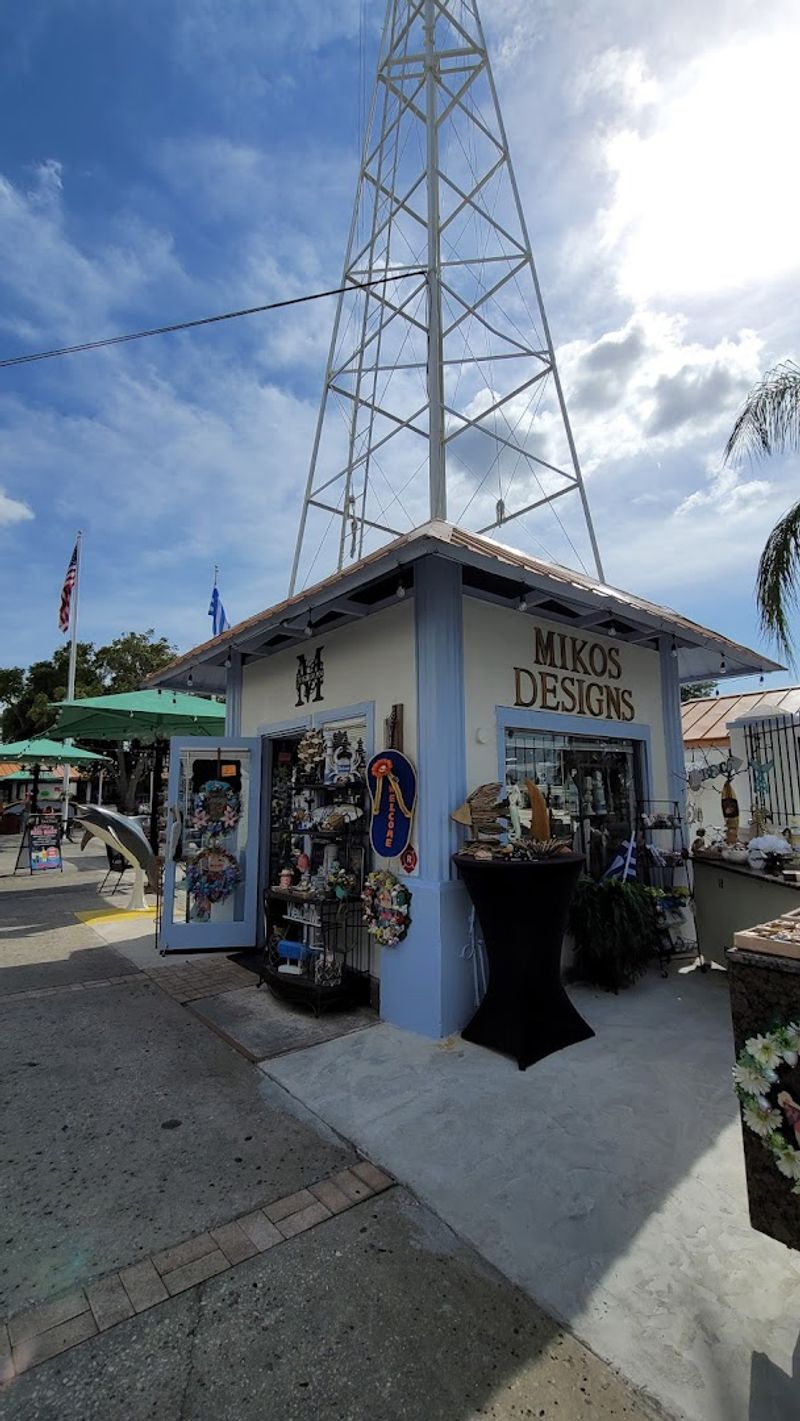
No other town in Florida has a story quite like Tarpon Springs. Greek sponge divers arrived here in the early 1900s, and their cultural fingerprint is so deep that the town still feels like a small piece of Greece transplanted to the Gulf Coast of Florida.
The sponge docks are the heart of it all — a waterfront stretch where sponges hang in colorful piles, Greek bakeries sell fresh loukoumades, and the smell of the sea mixes with the scent of olive oil and grilled fish.
The sponge industry is still active, which makes the docks feel like a living piece of history rather than a staged attraction. Boat tours head out onto the Anclote River and demonstrate the traditional sponge-diving process, and the Sponge-O-Rama museum gives a thorough look at how the industry shaped the community.
It’s genuinely educational and surprisingly engaging.
Greek food is everywhere and it’s excellent. From family-owned tavernas serving whole grilled fish and spanakopita to bakeries stacked with baklava and koulouri, the food scene here has a depth and authenticity that’s hard to find elsewhere in Florida.
Hellas Restaurant and Bakery is often cited as a must-visit, and the line out front most weekends backs that up.
Beyond the docks, Tarpon Springs has a charming historic downtown with independent shops, antique dealers, and art galleries. Fred Howard Park offers a beautiful stretch of beach just a short drive away, with a long causeway that’s popular with cyclists and joggers.
Spring Bayou is one of the town’s most scenic spots — a calm, tree-lined freshwater spring where manatees are frequent winter visitors. The annual Epiphany celebration in January, when young men dive for a cross thrown into the water, draws thousands and is one of the most unique cultural events in all of Florida.
6. Dunedin
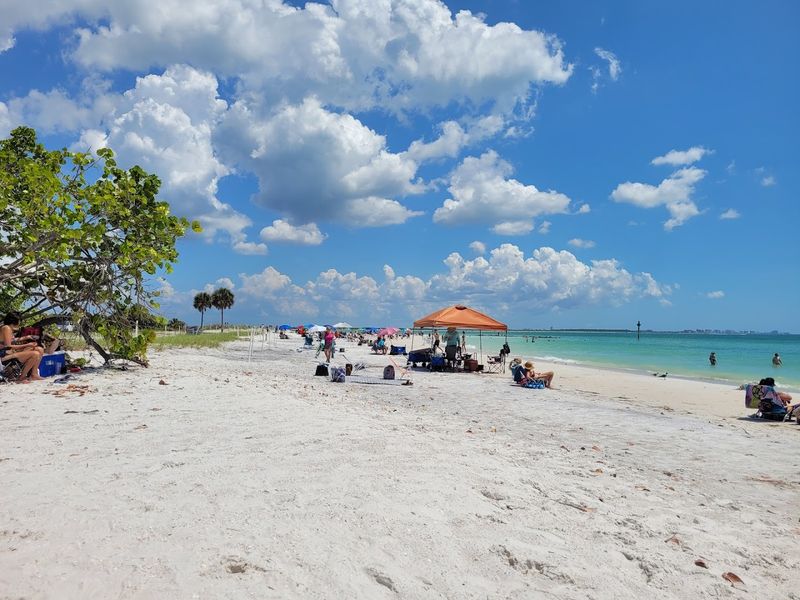
Dunedin manages to be both deeply laid-back and genuinely lively at the same time, which is a harder balance to pull off than it sounds. This small Gulf Coast city just north of Clearwater has a Scottish heritage that shows up in its street names, its annual Highland Games, and even the tartan patterns you’ll spot on local signage.
But the real draw is the waterfront, the craft beer culture, and the easy access to some of the best beaches in the state.
The Dunedin Causeway connects the mainland to Honeymoon Island State Park, and cycling or walking that stretch at sunset is one of those simple pleasures that sticks with you long after you’ve gone home. Honeymoon Island itself offers excellent shelling, osprey nesting platforms, and a ferry ride to the even more pristine Caladesi Island — consistently ranked among the top beaches in the country.
Downtown Dunedin is walkable, colorful, and packed with good options for food and drink. The craft beer scene here punches well above its weight for a small city; Dunedin Brewery is one of the oldest craft breweries in Florida and remains a cornerstone of the local social scene.
Pair a cold pint with a grouper sandwich and you’ve got the ideal afternoon sorted.
The town is also the spring training home of the Toronto Blue Jays, which brings a fun seasonal energy and plenty of baseball fans who tend to discover the waterfront and never want to leave. The marina is active year-round with sailboats, fishing charters, and kayak rentals.
Dunedin’s farmers market runs regularly and showcases local produce, handmade goods, and fresh-caught seafood. The community energy here feels authentic and tight-knit, the kind of place where the barista knows your order by your third visit.
That warmth is part of what keeps people coming back.
7. Madeira Beach / John’s Pass
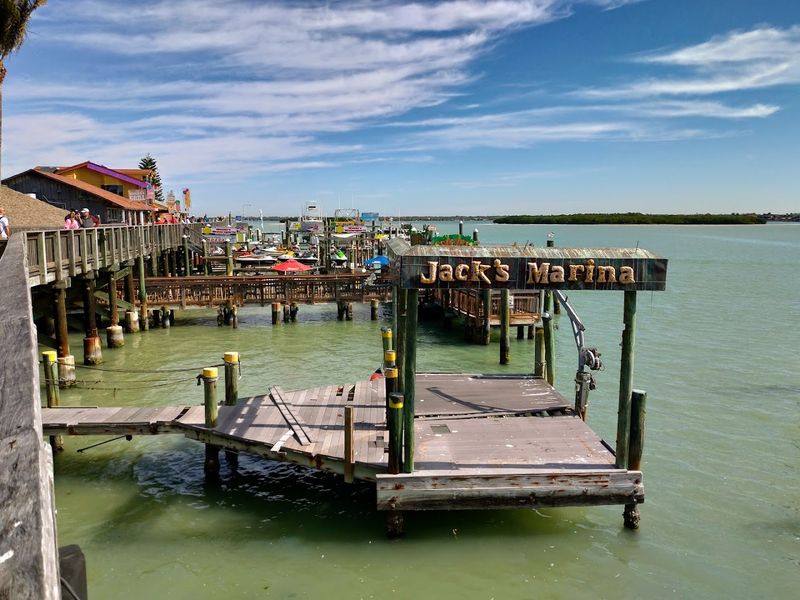
John’s Pass Village is one of those places that hits you with sensory overload in the best possible way the moment you step onto the boardwalk. Located in Madeira Beach on Florida’s Pinellas County coast, this waterfront complex wraps around a working tidal inlet and manages to blend a real fishing community with a lively tourist scene without either one canceling the other out.
Shrimp boats share the water with parasail boats and dolphin-watching cruises, and it somehow works.
The Pass itself is named after a guy named John Levique, a fisherman who reportedly discovered the inlet back in 1848 after a hurricane reshaped the barrier island. That history gives the place a little more texture than your average beachside strip.
The fishing heritage is still very real — charter boats depart daily for offshore and nearshore fishing trips, and the catch often ends up on the menus of the waterfront restaurants the same evening.
Seafood options range from casual walk-up shacks serving baskets of fried shrimp to sit-down spots with full menus and waterfront tables. Crabby’s Dockside is a perennial favorite for its grouper sandwiches and cold beer served with a side of pelican entertainment from the dock.
The birds have absolutely no sense of personal space, which is part of the charm.
Beyond eating, John’s Pass is a solid hub for water activities. Jet ski rentals, paddleboard tours, fishing charters, and eco-tours all operate from the village.
The adjacent beach is clean and accessible, with calmer water on the inlet side that’s great for younger swimmers.
Madeira Beach itself is a relaxed, unpretentious barrier island community. Grab a beach chair, rent a bike, and spend a few hours exploring the residential streets lined with beach cottages — the old Florida atmosphere here is genuinely refreshing compared to the high-rise resorts nearby.
8. New Smyrna Beach
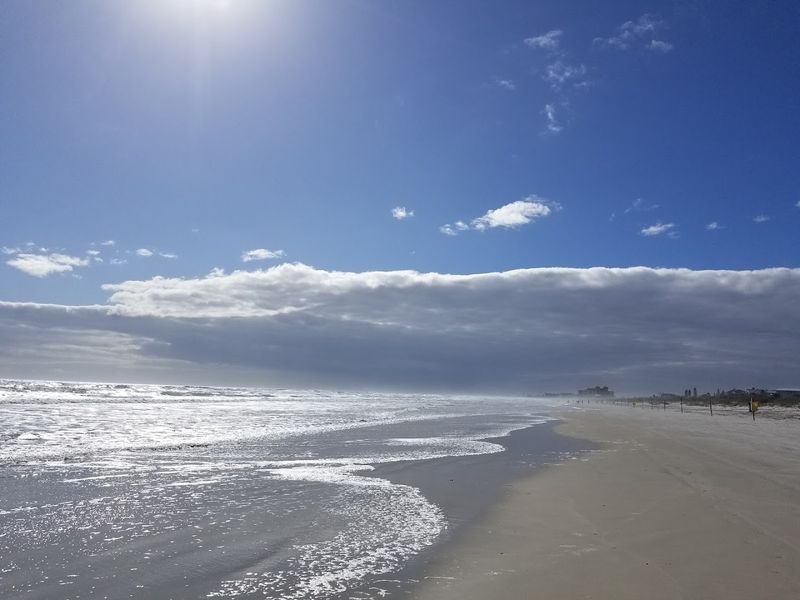
New Smyrna Beach has long been the kind of place that surfers, artists, and people who are tired of Daytona Beach tend to end up — and almost none of them regret it. Located on Florida’s central Atlantic coast just south of the Canaveral National Seashore, NSB (as regulars call it) blends a surprisingly sophisticated food and arts scene with a genuinely beachy, low-key lifestyle that never feels forced.
The surf here is some of the most consistent on Florida’s East Coast, and the local surf culture runs deep. Flagler Avenue, the main commercial street in the beach area, is lined with independent surf shops, casual restaurants, wine bars, and galleries — all within easy walking distance of the sand.
It has the feel of a small town that got really good at being itself.
Canal Street in the mainland section of town adds another layer to the experience. This historic strip has been experiencing a steady revival, with local chefs opening ambitious restaurants in restored old buildings.
The dining scene in NSB has become genuinely notable, with fresh Atlantic seafood, farm-to-table menus, and craft cocktail bars all coexisting in a town that also has great fish and chip spots and taco trucks.
Canaveral National Seashore, which borders NSB to the north, is one of the longest undeveloped stretches of Atlantic coastline in Florida. Hiking, paddling, and wildlife watching here are extraordinary — this is prime loggerhead sea turtle nesting territory, and summer night tours to observe nesting turtles are a bucket-list experience.
The Intracoastal Waterway and surrounding Indian River Lagoon make NSB a paddler’s paradise. Manatees are commonly spotted in the cooler months, and the bioluminescent kayak tours on warm summer nights are genuinely unforgettable.
Plan at least two full days here; one is never enough.
9. Fort Pierce
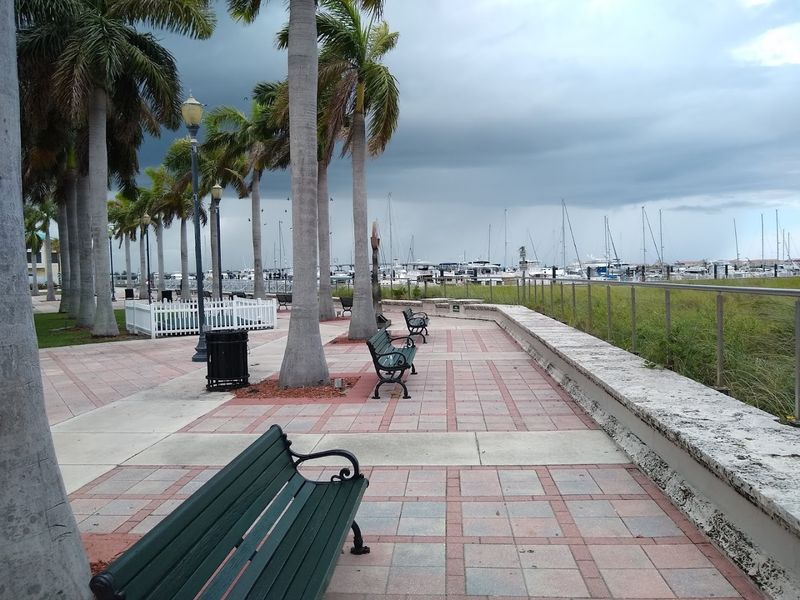
Fort Pierce doesn’t get nearly the attention it deserves, and honestly, the locals seem pretty okay with that. Sitting along the Indian River Lagoon on Florida’s Treasure Coast, this working waterfront city has a raw, unpolished energy that feels more authentic than a lot of the manicured beach towns nearby.
The fishing is excellent, the seafood is fresh, and the prices are refreshingly reasonable.
The city’s waterfront district has been undergoing a steady transformation, with new restaurants, breweries, and art spaces moving into historic buildings along the Indian River Drive. The result is a neighborhood that feels creative and on the rise without losing its blue-collar, commercial-fishing identity.
The shrimp boats that dock here are the real deal, not decoration.
Fort Pierce is home to the National Navy UDT-SEAL Museum, which tells the history of the underwater demolition teams that trained in these waters during World War II. It’s one of the most interesting military museums in the state and a genuinely moving experience.
The beach just outside is quiet and beautiful, with a wild, natural look that’s rare on Florida’s Atlantic coast.
The Fort Pierce Inlet State Park offers excellent surf fishing, swimming, and wildlife watching. Pepper Beach, just to the south, is a favorite with local snorkelers who come for the nearshore reef.
The diving and snorkeling options along this stretch of coast are underrated and well worth exploring.
The Sunrise Theatre, a restored 1920s movie palace in downtown Fort Pierce, hosts concerts, comedy shows, and live performances year-round. The farmers market on Saturday mornings draws a lively local crowd and is a great place to pick up fresh citrus, honey, and handmade goods.
Fort Pierce rewards the curious traveler who’s willing to look past the surface.
10. Stuart
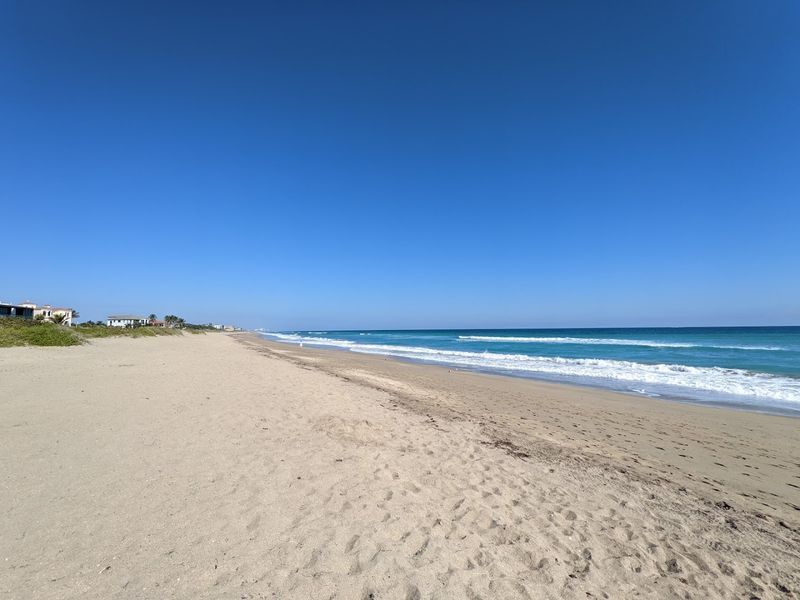
Stuart calls itself the Sailfish Capital of the World, and the fishing boats and trophy photos plastered across local tackle shops suggest the claim isn’t just marketing. Located where the St. Lucie River meets the Indian River Lagoon and eventually flows to the Atlantic through the St. Lucie Inlet, this Treasure Coast town has water access in practically every direction — and a thriving fishing culture that shapes everything from the restaurant menus to the weekend social calendar.
Downtown Stuart is one of the most walkable and genuinely charming historic districts in South Florida. The brick streets, restored storefronts, and riverfront setting make it feel like a small town that resisted the impulse to tear everything down and build condos.
Independent restaurants, boutiques, and coffee shops line Osceola Street, and the energy on a Friday evening is warm and unhurried.
The seafood here is exceptional by any measure. Grouper, mahi, and sailfish are pulled from local waters and served at restaurants that take their sourcing seriously.
Sailor’s Return and a handful of other waterfront spots serve fish that arrived at the dock hours earlier. The stone crab season, running roughly October through May, is taken very seriously around here.
Stuart Beach on Hutchinson Island offers clean Atlantic surf and one of the more scenic beach park settings on the Treasure Coast. The beach is wide, the waves are good for body surfing, and the parking situation is less stressful than at more famous Florida beaches.
The Lyric Theatre, a lovingly restored 1926 venue in the heart of downtown, is a cultural anchor for the community. Kayaking the St. Lucie River at sunrise, when manatees are gliding through glassy water and ospreys are circling overhead, is the kind of experience that makes you understand why people move to Florida in the first place.
11. Stock Island
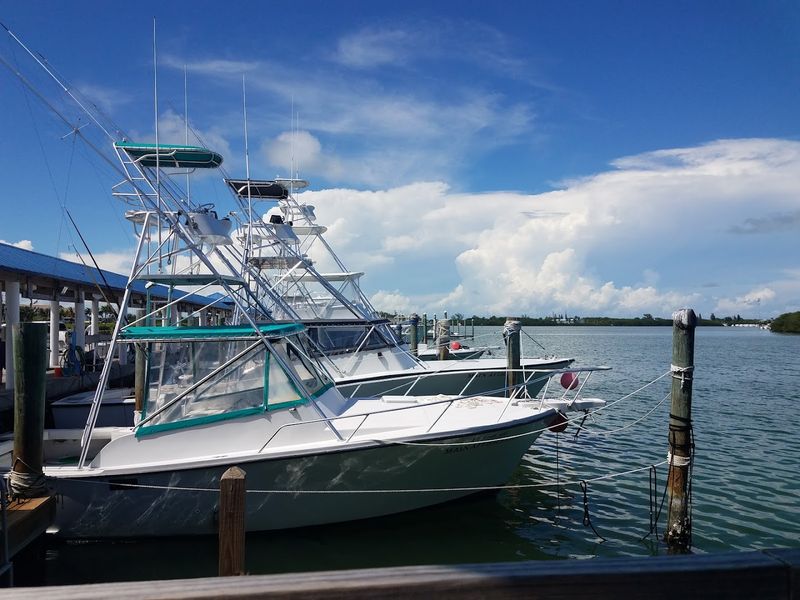
Stock Island sits just one bridge away from Key West and carries none of the tourist-trap energy that can make its famous neighbor feel exhausting. This is where the real Keys live — where the shrimpers, lobster divers, artists, and working-class locals actually exist, away from the cruise ship crowds and the $25 margaritas on Duval Street.
It’s scrappier, more honest, and in many ways more interesting than what’s happening a few miles down the road.
The commercial fishing fleet based here is one of the last active ones in the Florida Keys, and the docks give the island an industrial, working-waterfront texture that’s increasingly rare in South Florida. Lobster traps stacked in massive piles, shrimp boats with their outriggers spread wide, and the smell of brine and diesel — it’s not glamorous, but it’s real in a way that matters.
The food scene on Stock Island has been quietly exploding. The Hogfish Bar and Grill is practically legendary at this point, serving fresh hogfish sandwiches and cold beer to a crowd of locals and in-the-know visitors who found out about the place through word of mouth.
Roostica and other newer spots have added wood-fired cooking and craft cocktails to the mix without losing the island’s casual soul.
The Key West Tropical Forest and Botanical Garden is located here, offering a surprisingly lush and peaceful escape from the surrounding saltwater landscape. Free to visit and genuinely beautiful, it’s the kind of hidden gem that most day-trippers to Key West completely miss.
Stock Island Marina Village has become a hub for live-aboard boaters, artists, and small creative businesses. The vibe is equal parts gritty and creative, which makes for an interesting wander.
Come here to eat well, watch the boats, and feel like you’ve found the part of the Keys that the guidebooks haven’t completely taken over yet.
12. Everglades City
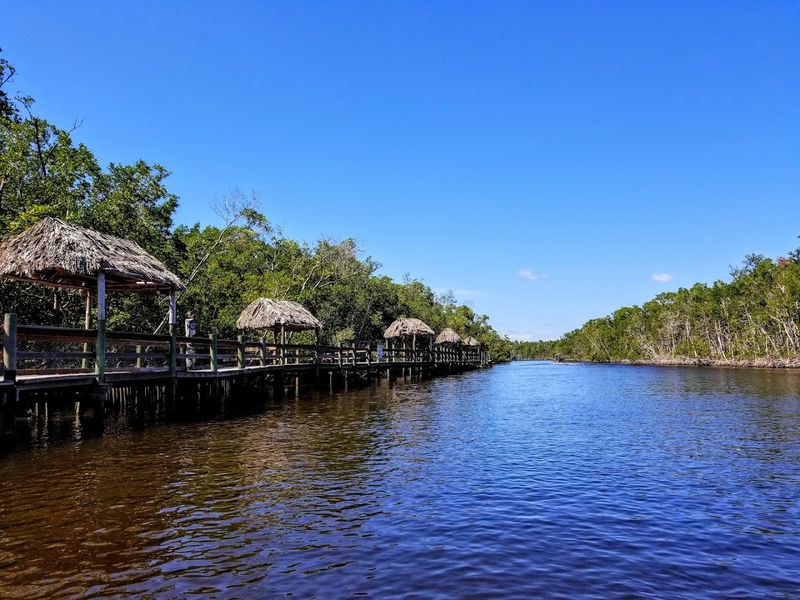
Everglades City is the kind of place that feels like the edge of the known world, in the best possible sense. Perched at the western gateway to Everglades National Park, this tiny town is surrounded by the Ten Thousand Islands — a vast labyrinth of mangrove islands, tidal channels, and shallow bays that stretches along Florida’s southwest coast and is unlike anything else on the planet.
Getting here requires intention; nobody passes through Everglades City on the way to somewhere else.
The stone crab is the thing. Everglades City is considered the stone crab capital of the world, and during season — roughly October through May — the claws are pulled fresh from local traps and served at a handful of no-frills waterfront restaurants that have been doing this for decades.
City Seafood and Triad Seafood are both beloved institutions where you can buy claws by the pound and eat them at a picnic table overlooking the water. It doesn’t get more Florida than that.
Kayaking and canoeing through the Ten Thousand Islands is a genuine bucket-list experience. The Wilderness Waterway, a 99-mile backcountry paddling route through the heart of the Everglades, starts here.
You don’t have to do the whole thing — even a half-day paddle through the mangrove tunnels near town is extraordinary. Bald eagles, roseate spoonbills, manatees, and dolphins are regular sightings.
Airboat tours are widely available and give visitors a fast, thrilling way to cover ground and spot wildlife in the sawgrass prairies inland from town. The Museum of the Everglades, housed in an old laundry building in the center of town, tells the fascinating and sometimes dark history of how this remote outpost came to exist.
Everglades City has fewer than 500 residents, which means the pace is genuinely slow and the community is tight. Staying overnight and catching the sunrise over the mangroves is an experience that will quietly change your sense of what Florida is capable of being.