11 Hidden Florida Beaches Where You Can Escape the Crowds
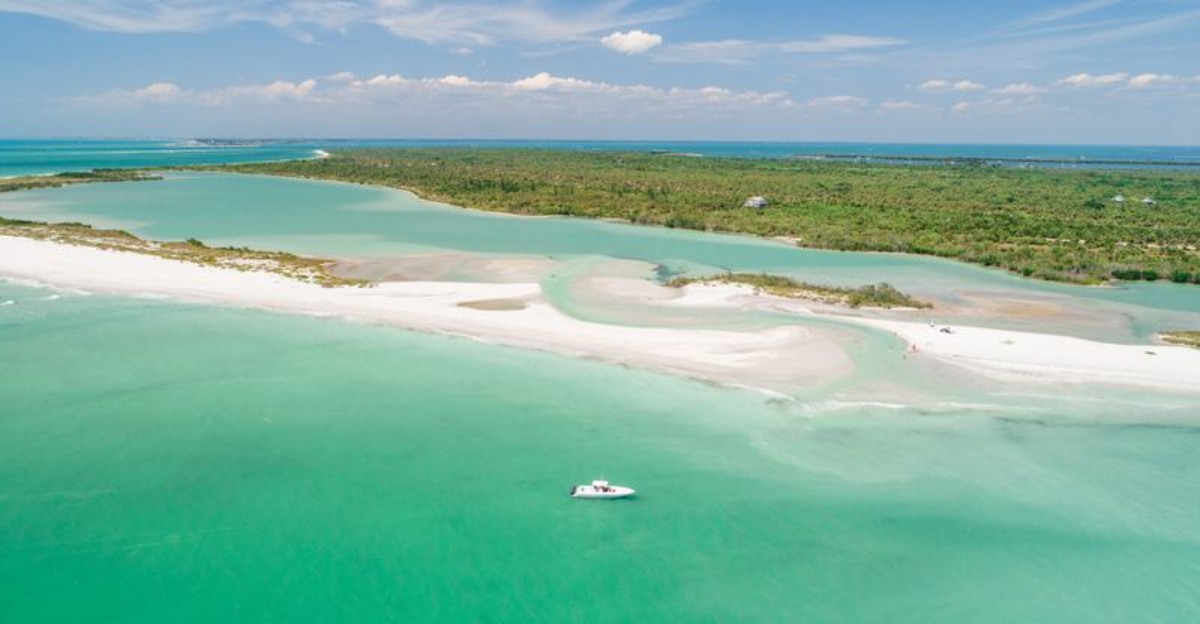
Florida has more than 1,300 miles of coastline, yet most visitors flock to the same handful of packed beaches. If you’re tired of fighting for parking and elbow room, you’re in luck. Scattered along the Gulf and Atlantic coasts are quiet, lesser-known stretches of sand where you can actually hear the waves and spot wildlife without the noise.
These hidden gems range from boat-access islands to protected preserves, offering everything from dramatic driftwood landscapes to shell-covered shores perfect for peaceful beachcombing.
1. Caladesi Island State Park (Dunedin)
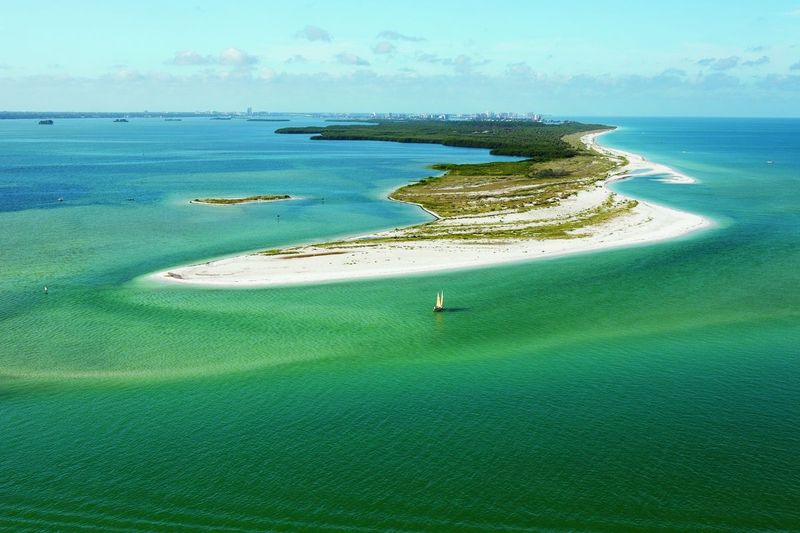
Getting to Caladesi requires a ferry ride or your own boat, which immediately filters out the casual beachgoer. That extra step is worth it. Once you arrive, you’ll find soft white sand that stretches for three miles, warm Gulf water that’s surprisingly clear, and a shoreline dotted with shells.
The island has a wild, untouched feel that’s rare along Florida’s Gulf Coast. Mangrove forests frame the interior, and ospreys nest overhead. You can walk the beach for hours without seeing another soul, especially if you head away from the ferry dock.
Caladesi consistently ranks among the best beaches in the country, but it never feels overrun. The limited access keeps crowds manageable. Bring your own food and drinks since options on the island are minimal.
If you’re into kayaking, the three-mile paddling trail through the mangroves is stunning. The water is calm, the scenery is lush, and you might spot dolphins or manatees. It’s one of those rare Florida beaches that still feels like it did decades ago, before development took over the coast.
2. Cayo Costa State Park (near Pine Island/Captiva)
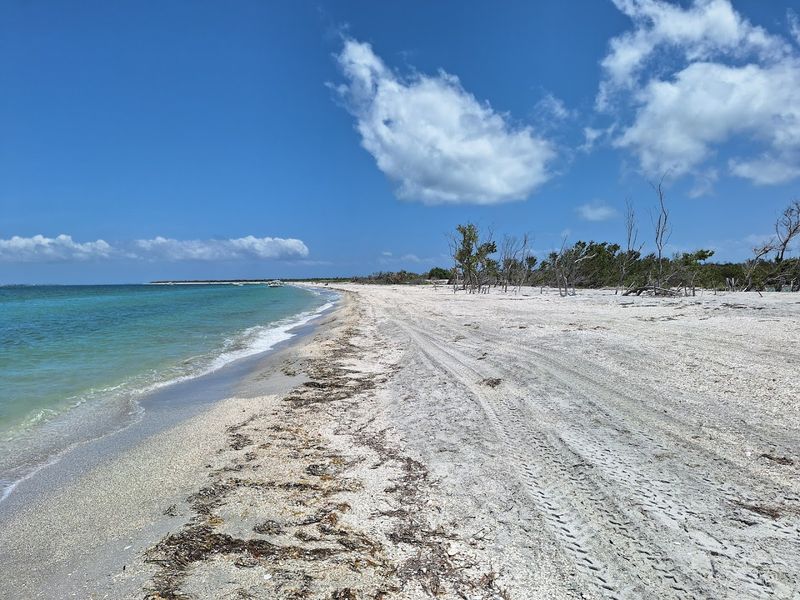
Cayo Costa is about as remote as Florida beaches get. This barrier island sits off the coast near Captiva, accessible only by private boat or passenger ferry. Nine miles of unspoiled beach await, with no hotels, no restaurants, and no crowds.
The island feels like stepping back in time. Shells blanket the sand, especially after storms. Beachcombers come here specifically for that reason, finding everything from sand dollars to lightning whelks.
Wildlife thrives in the absence of development. You’ll see shorebirds, dolphins offshore, and occasionally even manatees in the shallow bays. The interior has trails through pine flatwoods and mangrove swamps if you want to explore beyond the beach.
Cayo Costa does have basic facilities, including restrooms and picnic shelters, plus primitive cabins you can rent if you want to stay overnight. Camping on the Gulf side under the stars is unforgettable. Just remember to pack in everything you need, including plenty of water and sunscreen, because there’s nowhere to buy supplies once you’re there.
3. Keewaydin Island (between Naples and Marco Island)
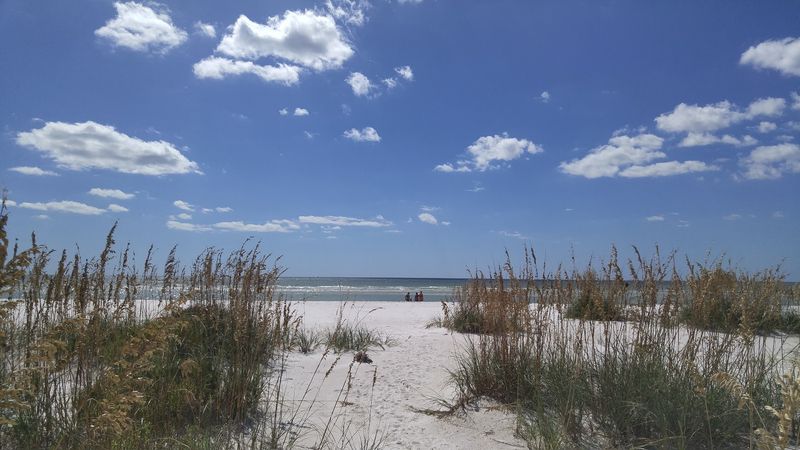
Keewaydin stretches for eight miles between Naples and Marco Island, yet remains completely undeveloped. No roads lead here. The only way on is by boat, which keeps visitation light even during peak season.
The island has a raw, natural beauty that’s increasingly hard to find in Southwest Florida. Shells pile up along the wrack line. Sea turtles nest here in summer.
The water stays shallow for a long way out, making it ideal for wading and spotting marine life.
Because Keewaydin sees far less foot traffic than mainland beaches, it’s a shelling paradise. After storms, collectors find spectacular specimens. Even on calm days, the variety is impressive.
The island also has a small population of gopher tortoises and a variety of coastal birds. Walk the beach at sunrise or sunset for the best wildlife viewing. Just be aware that there are zero facilities, so plan accordingly.
Bring shade, water, and everything else you’ll need for the day, and pack out all your trash to help keep this special place pristine.
4. Shell Key Preserve (Tierra Verde)
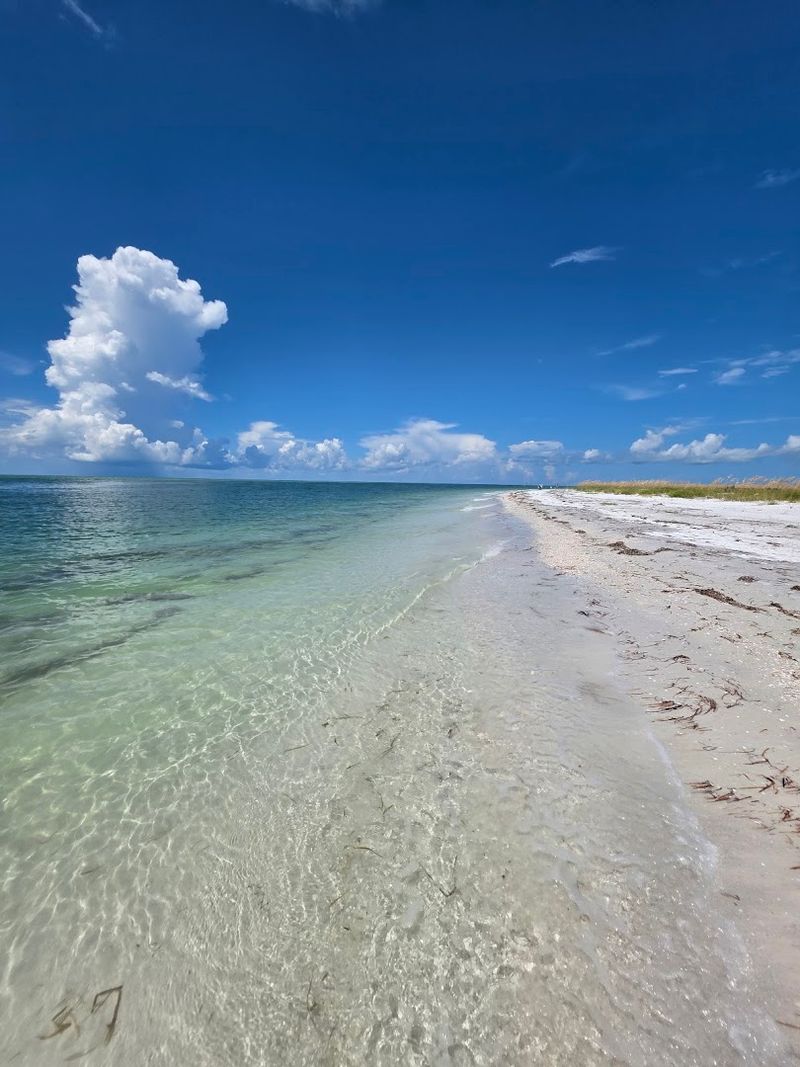
Shell Key Preserve protects one of the largest undeveloped barrier islands in Pinellas County. Located just off Tierra Verde near St. Petersburg, it’s a kayaker’s dream and a boater’s quick escape from the city.
The preserve includes not just beach but also mangrove forests and seagrass beds that support an incredible variety of marine life. Dolphins are common. Manatees cruise through in cooler months.
Shorebirds feed along the flats at low tide.
The beach itself has a no-frills, natural feel. You won’t find lifeguards, concessions, or beach chair rentals, which is exactly the point. People come here to disconnect and enjoy a quieter, more authentic Florida coast experience.
Shell Key is especially popular with paddlers launching from nearby Fort De Soto or Tierra Verde. The paddle is short and the waters are generally calm. Once you arrive, you can explore tidal pools, hunt for shells, or simply relax on the sand.
Because access requires a boat or kayak, the crowds stay thin even on weekends, making it one of the Tampa Bay area’s best-kept beach secrets.
5. Boneyard Beach at Big Talbot Island State Park (Jacksonville)
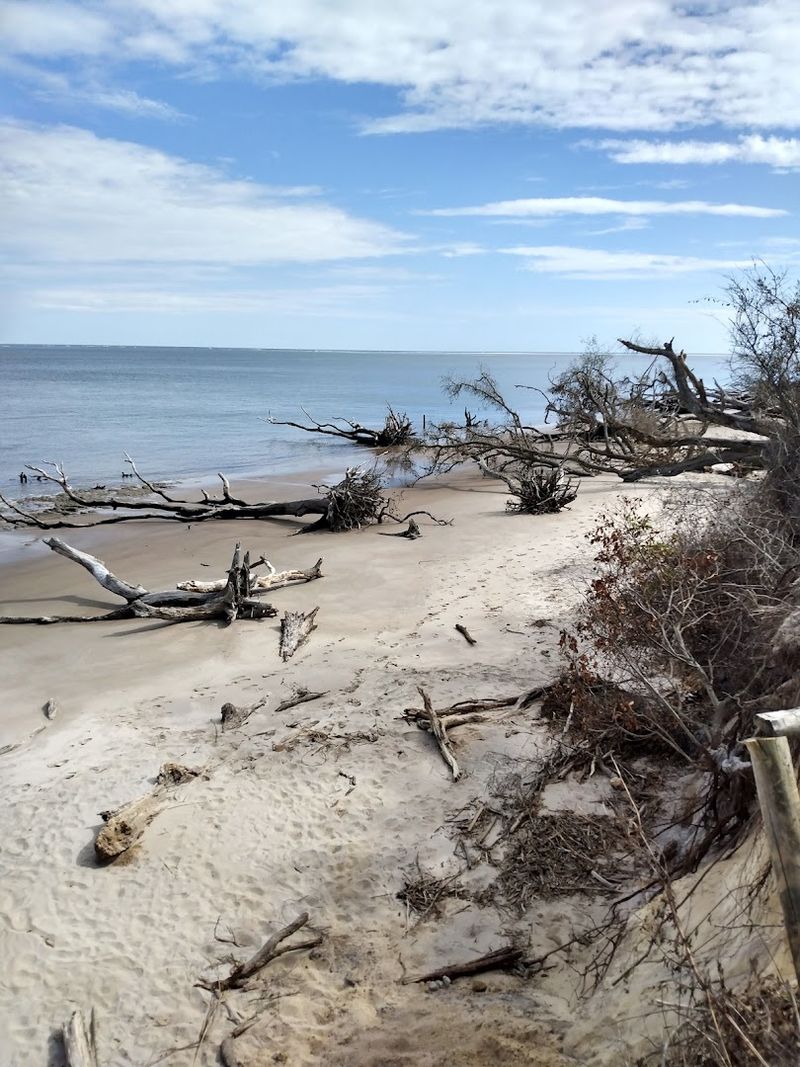
Forget the typical Florida beach postcard. Boneyard Beach looks like something from another planet. Bleached skeletons of live oak and cedar trees lie scattered across the sand, victims of erosion that’s slowly claiming the island’s maritime forest.
The result is hauntingly beautiful. Gnarled roots twist into sculptural forms. Driftwood giants create dramatic photo opportunities.
The dark sand contrasts sharply with the pale wood, especially at sunrise or sunset.
This isn’t a place for sunbathing or swimming. The water has strong currents and the beach drops off quickly. But for exploring, photography, or simply soaking in a wild, untamed coastline, Boneyard Beach is unmatched in Northeast Florida.
Located within Big Talbot Island State Park near Jacksonville, the beach is easily accessible via a short trail from the parking area. Bring good walking shoes since the sand can be uneven around the driftwood. Visit at low tide for the most dramatic scenery, when more of the tree skeletons are exposed.
It’s a reminder that Florida’s coast is constantly changing, and that some of the most memorable beaches aren’t the prettiest ones.
6. Guana Beach / GTM Research Reserve (Ponte Vedra Beach)
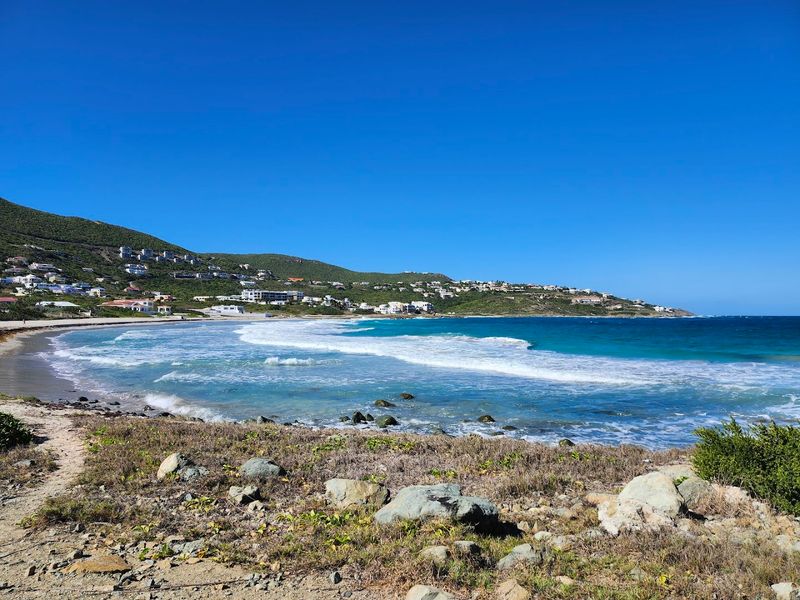
Guana Beach sits within the Guana Tolomato Matanzas National Estuarine Research Reserve, which protects more than 76,000 acres of coastal and estuarine habitat. That protection means the beach feels far more natural than the resort-lined stretches nearby.
The shoreline here is wide and backed by dunes and maritime forest rather than high-rises. Sea oats wave in the breeze. Shorebirds feed along the water’s edge.
The vibe is peaceful and uncrowded, even though you’re just minutes from Ponte Vedra Beach.
The reserve also offers hiking trails, kayak launches, and environmental education programs if you want to explore beyond the sand. But the beach itself is the main draw for most visitors. The surf can be decent for bodyboarding, and the fishing is solid from the shore.
Parking is limited, which naturally controls crowd size. Arrive early on weekends during summer to snag a spot. There are restrooms and outdoor showers, but no food or drink vendors, so pack what you need.
Guana is proof that you can find quiet, natural beaches even in heavily developed Northeast Florida if you know where to look.
7. Blowing Rocks Preserve (Jupiter Island)
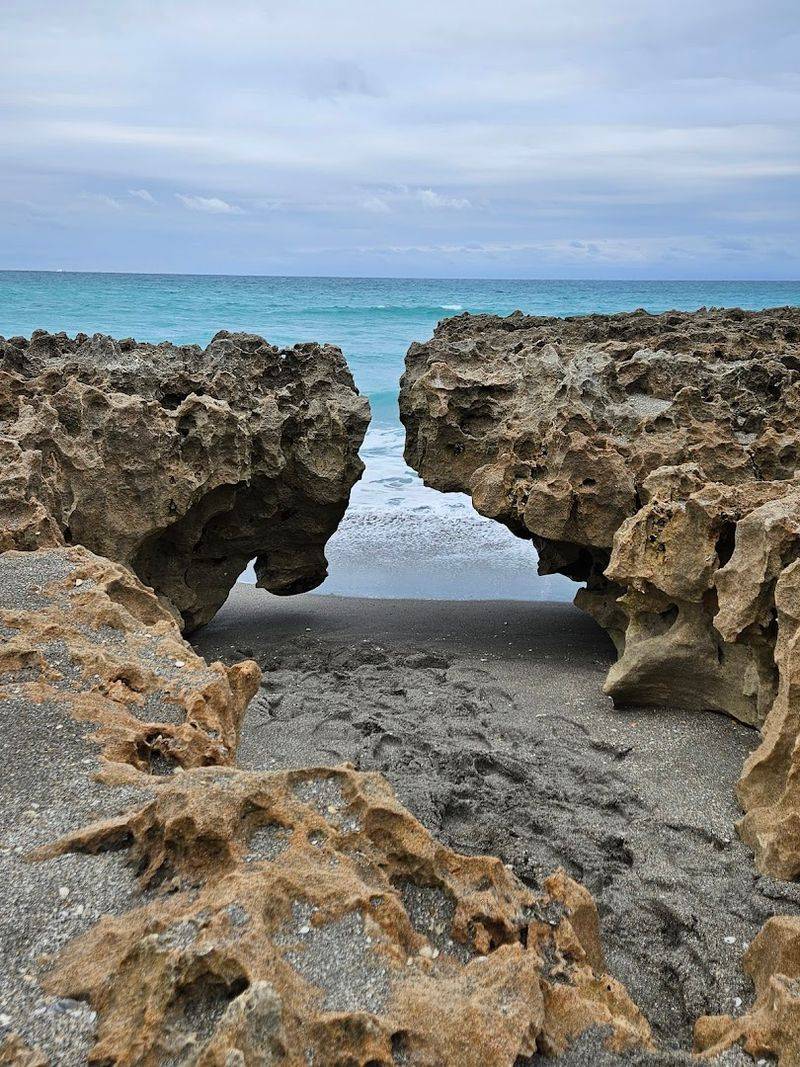
Most Florida beaches are all about soft sand and gentle waves. Blowing Rocks Preserve is the exception. This Nature Conservancy property on Jupiter Island features a rare limestone outcrop along the shore, creating one of the state’s most unique coastal landscapes.
When the surf is up and the tide is high, waves crash against the rocks and send plumes of saltwater shooting skyward through holes and crevices. It’s a dramatic show that can spray water more than 50 feet in the air. Even on calm days, the rocky shoreline is fascinating to explore.
The preserve also protects critical sea turtle nesting habitat. Loggerheads, greens, and leatherbacks all nest here during summer months. Volunteers monitor nests and protect hatchlings, making this one of the most important turtle beaches on Florida’s Atlantic coast.
Beyond the rocks, there’s a nice sandy beach for swimming and relaxing. The preserve has a boardwalk and nature trails through coastal hammock and mangrove wetlands. Parking is limited and there’s an entrance fee, but it’s worth it for such a one-of-a-kind Florida beach experience.
Visit during winter cold fronts for the most impressive blowing rocks displays.
8. Hobe Sound National Wildlife Refuge Beach (Hobe Sound)
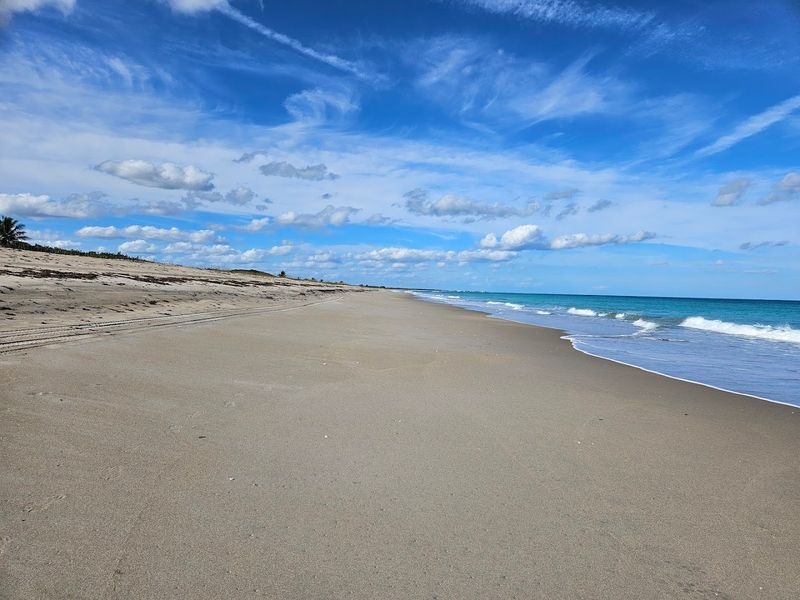
Hobe Sound National Wildlife Refuge protects the largest stretch of undeveloped beach in southeastern Florida. That alone makes it special. Add in world-class sea turtle nesting, excellent shelling after storms, and a peaceful atmosphere, and you have one of the region’s best beach escapes.
The refuge beach spans 3.5 miles along the Atlantic coast. No buildings. No beach bars.
Just sand, surf, and nature. Sea turtles nest here in impressive numbers from May through October, making it one of the most productive nesting beaches in the state.
Because the beach is part of a federal refuge, development will never encroach. That permanence gives the place a timeless quality. Walk north or south from the parking area and you quickly feel far removed from the busy Treasure Coast towns nearby.
Facilities are basic: restrooms, outdoor showers, and a small parking area. There’s a modest entrance fee. The beach can get breezy, so bring a sand anchor if you’re setting up an umbrella.
Swimming is generally good, though watch for rip currents. For anyone seeking an authentic, natural Florida beach experience on the Atlantic side, Hobe Sound delivers without the usual tourist trappings.
9. St. George Island State Park (St. George Island)
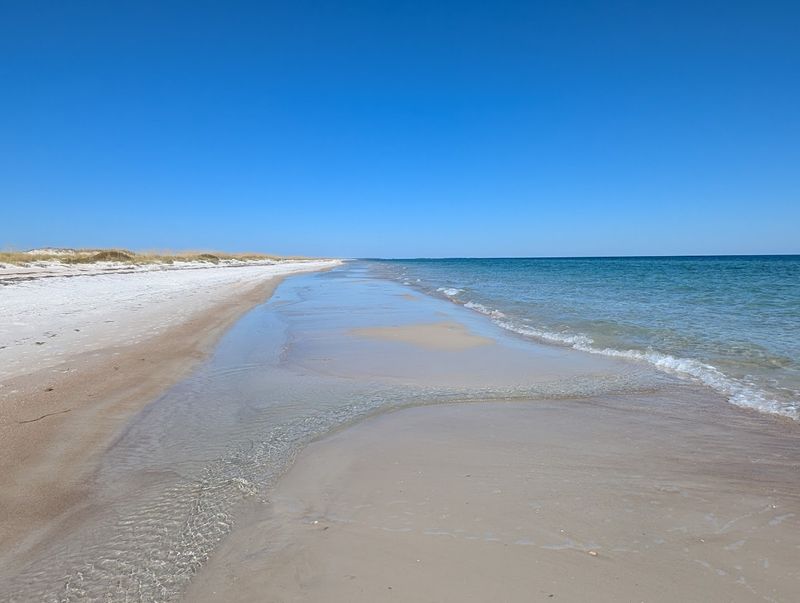
St. George Island sits along Florida’s Forgotten Coast, where the pace is slower and the beaches are less crowded than the rest of the Panhandle. The state park occupies the eastern end of the island, offering nine miles of pristine Gulf shoreline.
The sand here is white and soft. The water is that signature emerald green you see in Panhandle postcards. Unlike the high-rise beaches farther west, St. George Island has stayed low-key and natural, with strict building codes that have prevented overdevelopment.
The park itself feels wild and spacious. You can walk for miles without seeing many people. Shorebirds are everywhere.
Dolphins cruise just offshore. The sunsets are spectacular, especially from the bay side.
Camping is available if you want to extend your stay. There are also pavilions, restrooms, and outdoor showers. The park has both Gulf-side and bay-side beaches, plus trails through dunes and coastal forests.
St. George Island is perfect for families or anyone who wants a classic Florida beach vacation without the theme park crowds and condo towers that dominate much of the state’s coast.
10. Playalinda Beach at Canaveral National Seashore (Titusville)
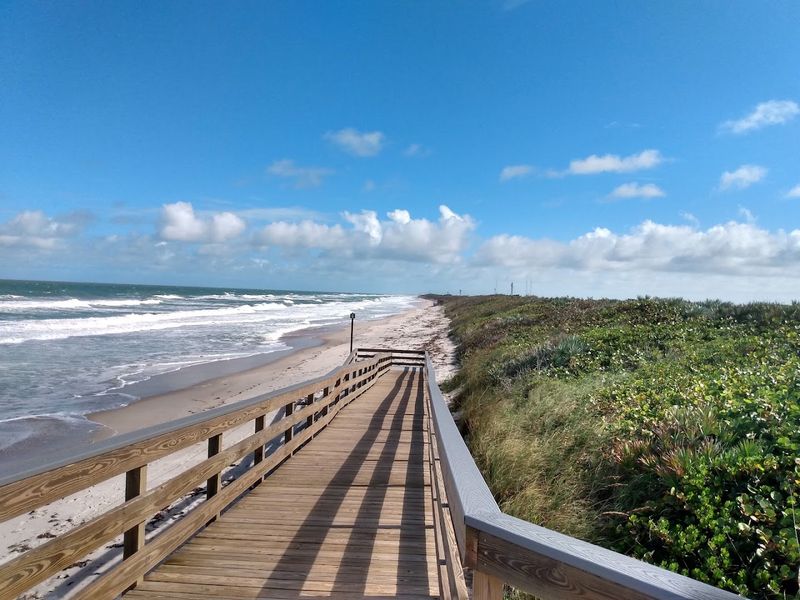
Playalinda Beach sits at the northern end of Canaveral National Seashore, where the beach experience feels more like Old Florida than modern Space Coast. There are no hotels, no restaurants, and no boardwalks, just miles of natural shoreline backed by dunes and scrub.
The beach is famous for two things: its natural beauty and its proximity to Kennedy Space Center. On launch days, Playalinda offers front-row seats to rocket liftoffs just a few miles away. Watching a launch from the beach is an unforgettable experience.
Even without rockets, Playalinda is worth the trip. The sand is firm and golden. The surf is decent for bodyboarding.
Wildlife is abundant, including sea turtles that nest here in summer and shorebirds year-round.
Access can be limited around launch operations, so check ahead if you’re planning a visit. There are multiple parking lots numbered from south to north, with the northernmost lots being the quietest. Facilities include restrooms but no food or drink, so pack accordingly.
Playalinda proves that even in heavily developed Central Florida, you can still find a beach that feels wild and uncrowded.
11. Tigertail Beach Park (Marco Island)
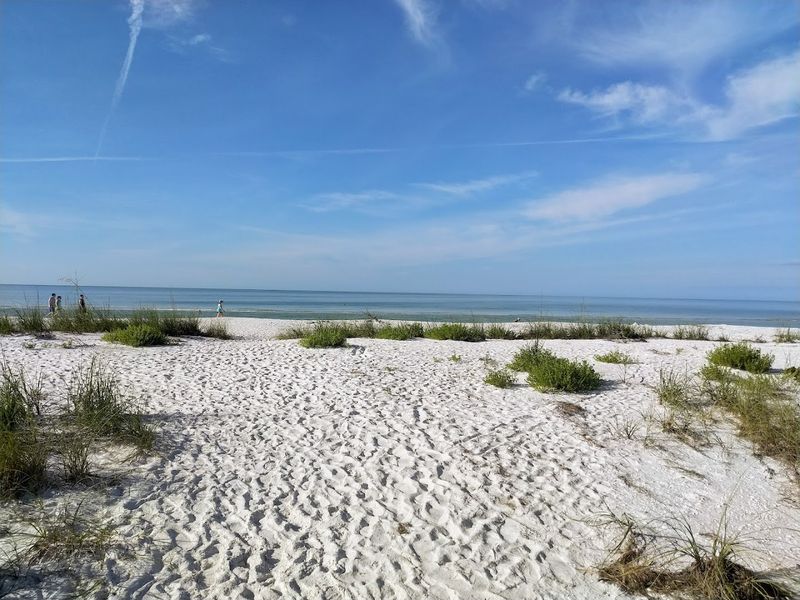
Tigertail Beach on Marco Island is more than just a beach. It’s also a tidal lagoon, a birding hotspot, and a shelling destination. While the main beach area near the parking lot can get busy, walk north along the sand and you’ll quickly leave the crowds behind.
The lagoon forms at low tide, creating a shallow, calm area perfect for kids and for spotting wading birds. Herons, egrets, and sometimes even roseate spoonbills feed in the shallows. The shelling is excellent, especially after storms or during low tide.
The beach itself has a wild, barrier-island character that sets it apart from the more developed stretches on Marco Island. Dunes, sea oats, and native vegetation line the shore. The water is warm and clear, and the swimming is generally calm.
Tigertail has restrooms, outdoor showers, a concession stand, and kayak rentals if you want to explore the lagoon. There’s a small parking fee. The park also has a butterfly garden and a short nature trail.
It’s a great option for families or anyone who wants more than just sun and sand from their beach day.